
REVIEW · KILIMANJARO LEMOSHO ROUTE
8-Day Small-group Lemosho Kilimanjaro Summit Trekking
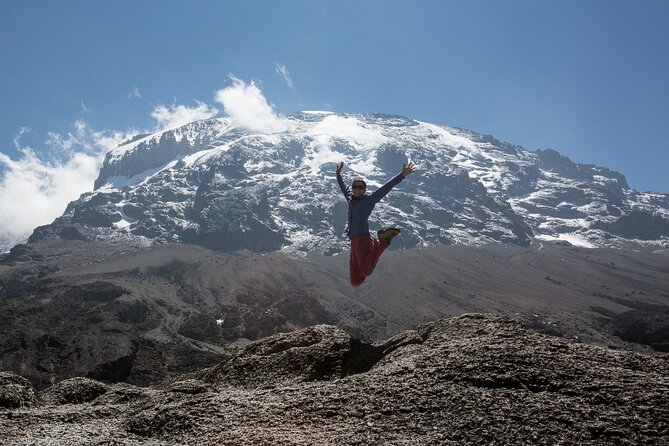
Kilimanjaro, but with a calmer pace. This 8-day Lemosho trek up Kilimanjaro is built for acclimatization, moving you through rainforest, high-altitude plateaus, and then to a midnight summit push for sunrise. I love the small-group approach, capped at 15, because it makes pacing and attention feel personal when your oxygen is thin.
You also get a big comfort win: camping equipment, fees, and meals are included, so you are not juggling logistics while your body is climbing. The main drawback to consider is the physical demand, especially summit night, which is described as steep and long even though the route is non-technical.
In This Review
- Key things that make this trek feel well run
- Why the 8-Day Lemosho Plan Helps You Go Higher, Safely
- Arusha Logistics: Hotel Pickup, Gate Check, and a Clear Start
- Day 1 to Day 2: Rainforest to Shira Ridge, Where You Start to Feel the Altitude
- Day 3 on the Shira Plateau: Big Views, a Dormant Cone Option, and Moir Camp
- Day 4: Lava Tower and Arrow Glacier Acclimatization, Then Senecio Forest and Barranco Camp
- Day 5: Up the Barranco Wall and Into the South Circuit Toward Karanga Camp
- Day 6: Slow Pace to Kosovo Camp, and Preparation for Summit Night
- Day 7 Midnight Summit: Stella Point for Sunrise, Uhuru Peak Timing, Then Mweka Camp
- Day 8: Mweka Gate Finish, Vehicle Pickup, and a Shower That Feels Earned
- Price and Logistics: What $2,895 Gets You, and Why It Can Be Good Value
- The Crew Factor: Safety-First Guides, Positive Energy, and Food That Helps You Function
- Who This Trek Fits Best, and Who Might Rethink It
- Should You Book This 8-Day Lemosho Summit Trek with Climb Kili?
- FAQ
- What time does the trek start?
- How long is the Mount Kilimanjaro trek on this itinerary?
- What is the maximum group size?
- Are transfers from Arusha included?
- What is included for meals and camping?
- Are admission tickets included?
- What happens on summit night?
- What is the cancellation policy window?
Key things that make this trek feel well run
- Small-group size (max 15) so your guide can manage pace and energy
- Round-trip transfers from your Arusha hotel plus a smooth start at the park gate
- Camping gear, fees, and meals included to keep your mental load low
- Acclimatization built into the route with Lava Tower, Barranco, and Kosovo Camp days
- Midnight summit timing for sunrise at Stella Point, then Uhuru Peak and back down for camp
Other ways up Kilimanjaro we reviewed
- 8-Day Small-group Lemosho Kilimanjaro Summit Trekking★ 5.0 · 186 reviews
- 7-Day Machame Kilimanjaro Summit Tour from Arusha★ 5.0 · 125 reviews
- Mountain Kilimanjaro Day Hike★ 5.0 · 102 reviews
- 4 days Best experience Kilimanjaro Hike, Serengeti &Ngorongoro★ 5.0 · 54 reviews
Why the 8-Day Lemosho Plan Helps You Go Higher, Safely
This trek is designed around the reality of altitude. You spend eight days hiking through multiple climatic zones, and the route keeps bringing you up, then giving you chances to adjust before you go higher again. That rhythm is what helps the body handle low oxygen instead of fighting it day after day.
The itinerary leans into that with a mix of slower days and purposeful altitude work. Day 4 includes an acclimatization hike to the Lava Tower area and then a descent toward the Barranco region. Day 6 slows down on the way to Kosovo Camp, which is exactly the kind of breathing-room you want before summit night.
It is also described as having a very high summit rate, and the route is labeled suitable for both beginner and advanced climbers. In plain terms, that means the plan is meant to help first-timers succeed while still giving seasoned hikers a real challenge.
Arusha Logistics: Hotel Pickup, Gate Check, and a Clear Start
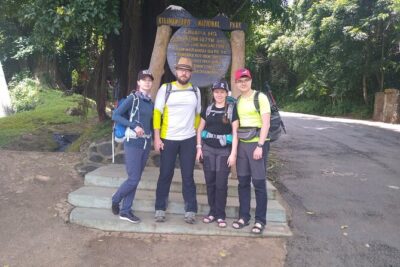
You meet at a clear time: 8:00 am. Day 1 begins after a restful night in your Arusha hotel, then you start from the western side of the mountain and check in at the Londorossi gate. That gate check matters because it is the moment your trip becomes official, and it sets the tempo for the trek.
The other logistics win is that you get round-trip transfers. On day 8, your walking ends at Mweka gate, and a Climb Kili vehicle takes you back to your hotel for a shower. After several days of cold air, dust, and dustier sleep, having that transfer built in makes the last day feel like closure instead of another chore.
Finally, you get a mobile ticket, which is one less thing to print, lose, or misplace during travel.
Day 1 to Day 2: Rainforest to Shira Ridge, Where You Start to Feel the Altitude
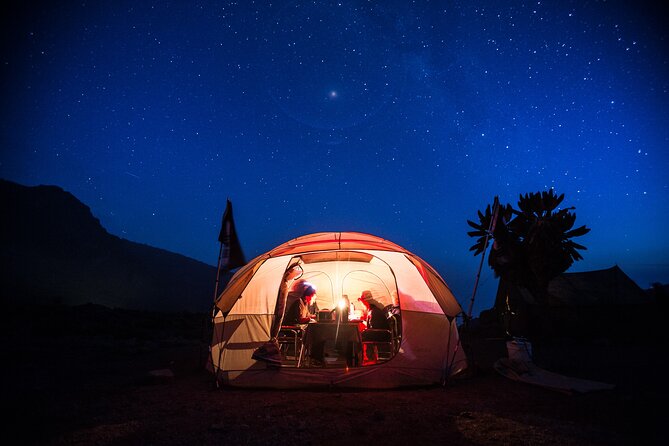
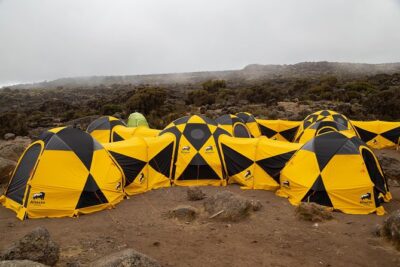
Day 1 is your on-ramp. You hike from around 7,742 ft (2,360 m) for about 3 to 4 hours, moving through montane forest with a gentle climb. By the time you reach camp, you are at Mti Mkubwa (Big Tree), with tents set up under the Climb Kili banner and your belongings organized inside camp. It is a solid first night because you are not hiking into the dark at altitude, and camp life starts right away.
Day 2 pushes you from forest toward the open air. You climb from roughly 11,500 ft (3,505 m) for about 5 to 6 hours. The trail shifts into tall grasses, heather, and volcanic rock with lichen, and you begin to see Kilimanjaro on the horizon. You do not need to be fast here. The goal is steady effort, because today is what teaches your breathing to work slower than you feel like.
Possible drawback: Day 2’s open-air feel can make it easier to misjudge effort. When you finally see the mountain clearly, it is tempting to speed up. Stick to the slow pace your guide sets, even if your legs feel fine.
Lemosho itineraries worth reading next
Day 3 on the Shira Plateau: Big Views, a Dormant Cone Option, and Moir Camp
Day 3 is a full day exploring the Shira plateau. You climb up to about 13,800 ft (4,206 m) and hike roughly 5 to 7 hours. The plan heads toward Kibo’s glaciated peak, and there is an option to visit the ancient collapsed Shira cone, described as the oldest of Kilimanjaro’s three volcanoes.
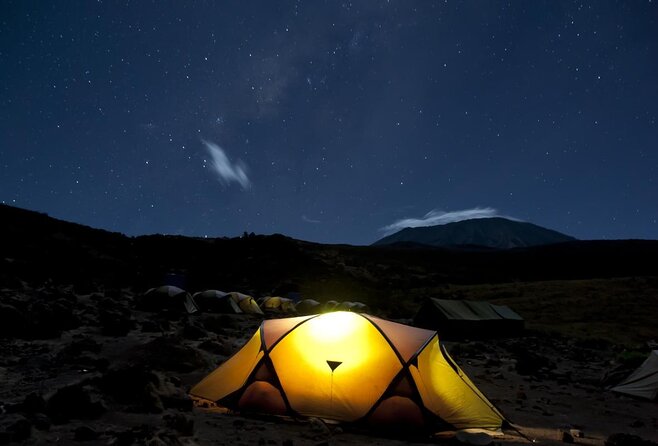
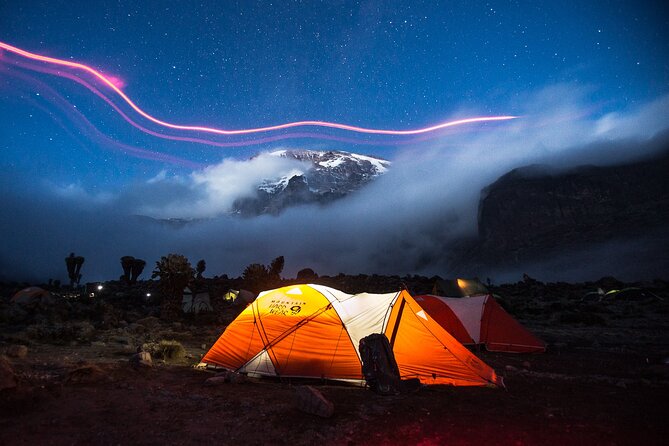
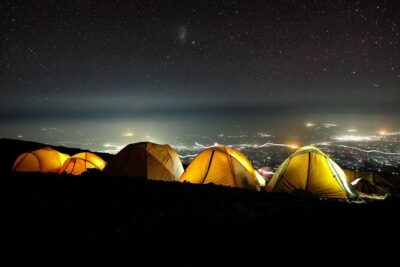
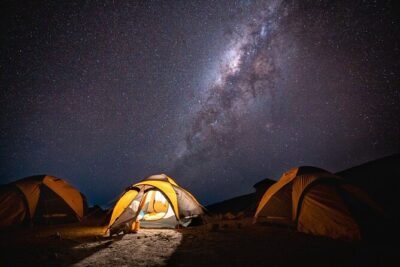
Then you finish at Moir Camp, located in a huge gorge at the end of a dormant lava flow. That sounds dramatic, and it is also practical. Camps like this tend to feel visually dramatic because you get big “hold your gaze on the stars” nights, which matters when you are trying to stay calm and rested for what is coming.
What to watch for: this is still a day where altitude can creep up on you. If you feel odd, slow down before you feel terrible. Your best summit strategy starts with how you manage your effort on days like this.
Day 4: Lava Tower and Arrow Glacier Acclimatization, Then Senecio Forest and Barranco Camp
Day 4 is one of the most important days for most people, even though it is not summit day. You start around 13,000 ft (3,962 m) and hike about 4 to 6 hours, climbing toward the Lava Tower area at roughly 15,000 ft (4,500 m). Shortly after, you reach another junction that brings you up to the Arrow Glacier area.
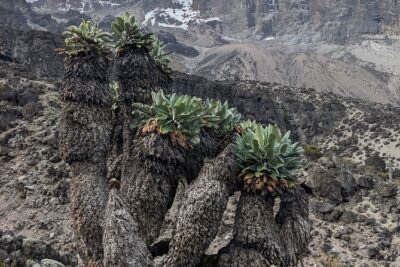
After that, you descend, including through the Senecio forest, with a waterfall mentioned before you finish at Barranco Camp. Camps in the Barranco area matter because you get a change in air and terrain, and you also get that famous feel of hiking with big walls nearby as your body adjusts.
Day 4 ends with camp under the Barranco wall shadow, and clouds can drift in with the breeze from the Barranco Valley. If the weather is moving, you might feel cold hands and colder sleeping. Plan to stay warm in layers because this is when comfort starts affecting recovery.
Possible drawback: You gain altitude, then descend. That can make legs feel good for an hour and then heavy. Keep steps short, and let your guide tell you when to rest.
Day 5: Up the Barranco Wall and Into the South Circuit Toward Karanga Camp
Day 5 starts at Barranco and focuses on forward movement. You tackle the Barranco Valley and climb the Barranco wall as you continue onto the South Circuit path through the Karanga Valley. This day is shorter in hiking time, roughly 4 to 5 hours, but it can still feel hard because of the vertical effort and thin air.
You camp at Karanga Camp at about 13,100 ft (3,992 m). This is the first point in the trek where “cold is part of the day” becomes more real. You are moving toward higher ridges, so your body needs time to reset between efforts.
The smart move on day 5 is to treat the afternoon like recovery time. That means eating what you can, hydrating steadily, and not saving all your energy for later. Summit success is often a chain reaction of small choices.
Day 6: Slow Pace to Kosovo Camp, and Preparation for Summit Night
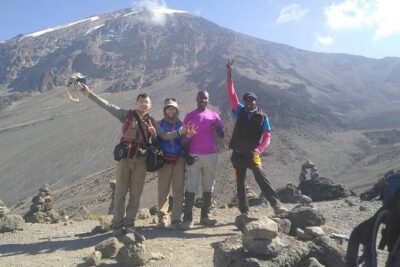
Day 6 is intentionally slow. You hike about 5 to 6 hours to Kosovo Camp, reaching around 16,000 ft (4,876 m). You pass Barafu Camp along the way, and the views of Kibo and Mawenzi are described as excellent, which can be motivating right when you need motivation most.
Kosovo Camp is on an exposed ridge, so the trip stresses that you need to get your bearings before dark. That matters because windy, cold, and low oxygen can make it harder to feel steady when you are setting up camp.
This is also the day when summit prep really happens. The trek notes time for acclimatizing, resting, and getting ready for summit day ahead. In other words, you are not just climbing today. You are assembling yourself mentally and physically for the midnight start.
Possible drawback: exposure on ridges can feel harsher than you expect. If you tend to get chilled quickly, start layering earlier rather than waiting until you feel miserable.
Day 7 Midnight Summit: Stella Point for Sunrise, Uhuru Peak Timing, Then Mweka Camp
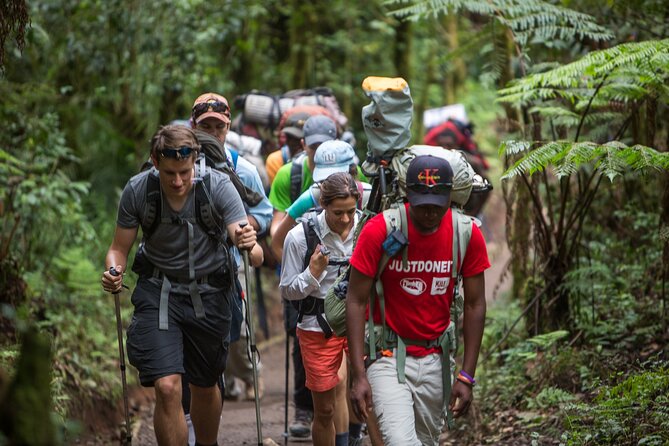
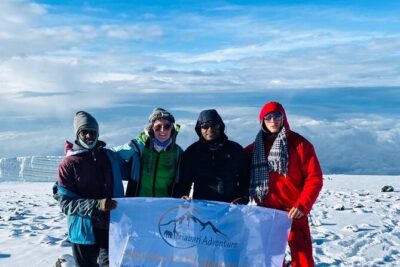
This is the day you came for. You start at midnight for the hike to Stella Point so you can see the sunrise. The itinerary describes it as one of the steepest sections on Kilimanjaro’s non-technical paths, with a total ascent of 6 to 7 hours and then a descent of 4 to 6 hours.
You hike toward the summit between the Rebmann and Ratzel glaciers, then ascend through heavy scree toward Stella Point on the crater rim. That heavy scree is tiring because it slows your stride and forces your legs to work for each step. The mental part is real too, because the final push feels like it never ends.
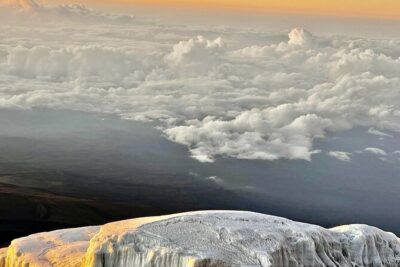
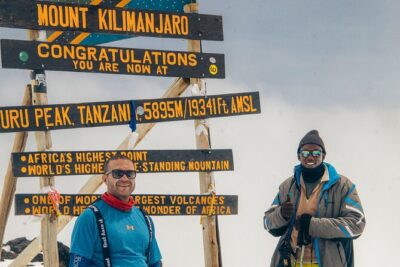
From Stella Point, the trek notes that you can see the summit and Uhuru Peak is about 1 hour away. After reaching Uhuru, you descend to Mweka Camp for dinner and celebration. The celebration is not fluff, it is a genuine transition moment. You have moved from “survive the climb” to “you did it, now refuel.”
If you are the type who worries about timing, this day has a clear rhythm: sunrise at Stella Point, summit shortly after, then downhill to camp.
Day 8: Mweka Gate Finish, Vehicle Pickup, and a Shower That Feels Earned
Day 8 is the reward day, even though it includes walking. You go to Mweka gate for a morning walk, then your Climb Kili vehicle transfers you back to your hotel. The itinerary highlights that you get a very welcomed shower at the hotel.
The descent ends around 5,400 ft (1,645 m) with about 3 to 4 hours of walking. Even if your body feels wrecked, this day is usually easier emotionally because you know the goal is behind you.
Practical tip: keep your schedule flexible after you return. A shower helps, but sleep and hydration still matter. You just did an extreme altitude hike, so treat your recovery like part of the trip.
Price and Logistics: What $2,895 Gets You, and Why It Can Be Good Value
At $2,895 per person, you are paying for more than permission to climb. The biggest value is that camping equipment, fees, and meals are included, and you also get admission tickets included each hiking day. That means your trip is “all set” in the ways that usually add hidden cost and stress.
You are also paying for the staff-heavy reality of Kilimanjaro. Even with a small group, you need guides and a crew to run camp, manage safety, and keep schedules moving. The small-group cap at 15 travelers is part of what likely raises the per-person cost, because it is less crowding and more attention.
On top of that, the round-trip transfers from Arusha hotel are included. When you are doing an 8-day trek, convenience compounds. Fewer taxis, fewer handoffs, fewer last-minute uncertainties means more energy for recovery and for the climb itself.
If you can afford it, this price makes sense for a stress-free experience where you do not have to source your own food, tents, and logistics.
The Crew Factor: Safety-First Guides, Positive Energy, and Food That Helps You Function
The trek is only as good as the people running it each day. The operator emphasizes care, safety, and support, and in the trip feedback patterns, you see consistent praise for guides who manage health, comfort, energy, and summit success.
You will likely experience this through the way guides set pace, encourage steady movement, and keep you aligned with meal and hiking timing. Names that have shown up in past Kilimanjaro trips with this operator include lead guide Raymond, guide Herment Mosha, guides Amani, Isaya, Manny, and Cinga, and a chef named Simon. You may also meet porters such as Luigi, who get special credit for summit-night support.
Even if you never memorize names, you will feel the difference when the team is organized. Summit night depends on calm instructions, quick decisions about rest, and having your fuel ready. It also depends on the vibe. Multiple accounts highlight a crew that stays upbeat and patient when the climb gets hard.
Who This Trek Fits Best, and Who Might Rethink It
This trek is described as suitable for both beginner and advanced climbers because the plan spreads the altitude challenge out over eight days. That is the key for beginners. You get time to learn your pace, adjust to cold nights, and recover between altitude jumps.
At the same time, the experience explicitly says travelers should have a strong physical fitness level. Summit night is steep and long, and the day is built around a midnight start with hours of hiking in harsh conditions near the crater rim.
If you are someone who wants a relaxed walk with minimal effort, this is not that. If you are ready to train, move steadily, and follow guide instructions, this kind of planned acclimatization is exactly what you want.
Should You Book This 8-Day Lemosho Summit Trek with Climb Kili?
Book it if you want a Kilimanjaro climb that is structured around acclimatization, where the logistics are handled and the group stays small. You are likely to enjoy this trek if you like clear pacing, want included meals and camping setup, and value having transfers from Arusha so you can focus on the climb.
Hold off if you are not confident about a steep, midnight summit hike. Even on non-technical paths, the route asks for stamina and mental discipline. If you have any health concerns about altitude, get professional advice before you commit.
Bottom line: if you can meet the fitness requirement and you like the idea of a small-group, carefully paced route to Stella Point and Uhuru Peak, this is a strong choice for a true once-in-a-lifetime objective.
FAQ
What time does the trek start?
The meeting start time listed is 8:00 am.
How long is the Mount Kilimanjaro trek on this itinerary?
The itinerary is 8 days (approx.).
What is the maximum group size?
This trek has a maximum of 15 travelers.
Are transfers from Arusha included?
Yes. The tour includes round-trip transfers from your Arusha hotel.
What is included for meals and camping?
The price includes all camping equipment, fees, and meals.
Are admission tickets included?
Yes. Admission tickets are listed as included on the itinerary days.
What happens on summit night?
There is a midnight start for the summit day. You hike to Stella Point for sunrise, then continue to Uhuru Peak, and descend to Mweka Camp for dinner and celebration.
What is the cancellation policy window?
Free cancellation is allowed up to 24 hours in advance of the experience’s start time for a full refund.
Lemosho, Compared
- 8 Days Mountain Kilimanjaro Lemosho Route
★ 5.0 · 22 reviews - 7 Day Kilimanjaro Climb Lemosho Route & 2 Day Safari
★ 5.0 · 16 reviews - Kilimanjaro Climb- Lemosho Route
★ 5.0 · 9 reviews - Lemosho Route 7 Days Trekking at Mount Kilimanjaro
★ 5.0 · 7 reviews - Kilimanjaro-lemosho Route 8 Days Itinerary
★ 5.0 · 6 reviews
Kilimanjaro, Route by Route
- 7-Day Machame Kilimanjaro Summit Tour from Arusha
★ 5.0 · 125 reviews - Mountain Kilimanjaro Day Hike
★ 5.0 · 102 reviews - 4 days Best experience Kilimanjaro Hike, Serengeti &Ngorongoro
★ 5.0 · 54 reviews - From Arusha/Moshi: Kilimanjaro Hike Marangu Route Day Trip
★ 4.5 · 54 reviews - Mount Kilimanjaro Day Hike Through Marangu Route to Mandara Hut
★ 5.0 · 37 reviews
Just added from around Arusha
Kilimanjaro Lemosho Route, compared.
 ★ 5.0Kilimanjaro climb by Lemosho Route (7-day)From $3,476651 reviews
 ★ 5.0Kilimanjaro Climbing Lemosho Route 8 Days.From $2,300186 reviews
 ★ 5.0Kilimanjaro climb, Lemosho Route (8-day)From $3,975148 reviews
 ★ 5.0Kilimanjaro climb, Lemosho Route (6-day)From $3,034129 reviews
 ★ 5.0Kilimanjaro Lemosho RouteFrom $2,89071 reviews
 ★ 5.0Private Kilimanjaro Hike 7 Day Lemosho RouteFrom $2,45060 reviews
 ★ 5.0Climbing Kilimanjaro through 8 days Lemosho RouteFrom $2,76052 reviews
 ★ 5.08 Days Kilimanjaro Hike via Lemosho RouteFrom $2,35039 reviews
Browse the lists this tour appears in