
REVIEW · KILIMANJARO LEMOSHO ROUTE
Kilimanjaro-lemosho Route 8 Days Itinerary
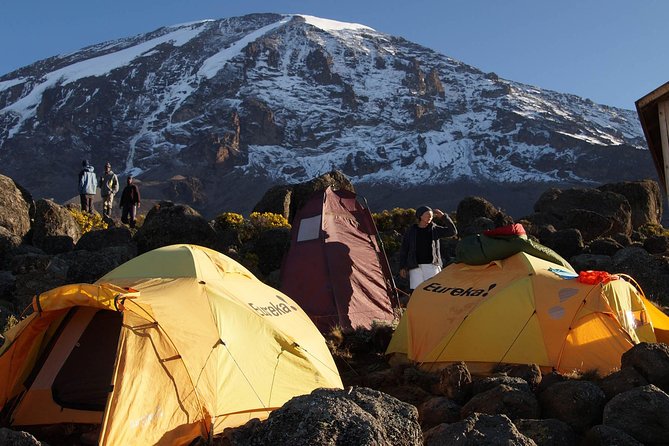
Sunrise on Kibo is a long wait worth it. This Kilimanjaro trek through the Lemosho route mixes forest walking, Shira Plateau views, and the high-stakes push from Stella Point toward Uhuru Peak. I like that the itinerary keeps you moving at a steady pace for acclimatization, not just rushing upward.
The other big win for me is the logistics around your trip start. A private pickup transfer from Kilimanjaro International Airport (JRO) goes to Arusha Safari Lodge with no extra fee, and return transfer back to JRO is included too. I also love how consistently this operator highlights guide strength, with guides such as Emmanuel and Frankie mentioned for professionalism and passion.
Here is the main drawback to plan for: summit day is serious time on your feet. You are looking at a long day, roughly 13 to 15 hours of walking from Barafu, via Stella Point, then onward to Mweka Camp.
In This Review
- Key highlights to know before you go
- Arusha Safari Lodge, JRO transfers, and the real start of your climb
- Day 1 prep: briefing, gear check, and insurance reality
- Day 2 from Londorossi Gate to Mti Mkubwa Camp: forest walking and your first altitude step
- Day 3 to Shira Camp: the full day that earns your Shira Plateau views
- Day 4 to Shira Hut: Shira Cathedral, exposed cold, and why layering matters
- Day 5: Lava Tower area, Great Barranco, and that “work day” feeling
- Day 6 to Karanga Camp: the Heim Glacier zone and the alpine desert transition
- Day 7 to Barafu Camp: Barafu Ridge, slow walking, and an early night
- Day 8 summit attempt: Stella Point sunrise, optional Uhuru Peak, then fast descent to Mweka
- Day 9 Mweka Gate and the rainforest descent: a gentler end you will feel in your bones
- Day 10: saying goodbye in Arusha
- Price and included value: what $2,950 covers, and what you should budget
- Best months to climb Kilimanjaro: weather reality in Tanzania
- Who this trip suits, and who should think twice
- Should you book this 8-day Lemosho climb with Africa Joy Tours?
- FAQ
- Where does the climb start and end?
- Are airport transfers included?
- What is the trekking route called?
- What are the key high points on the summit day?
- How long is the summit day?
- What meals are included?
- Are park admission tickets included?
- What is not included in the price?
- What fitness level do I need?
- When is the best time to climb?
Key highlights to know before you go
- Private JRO airport transfers included, so you do not scramble on arrival day
- Forest to plateau progression with multiple altitude steps for acclimatization
- Exposed Shira Camp conditions, which can mean colder nights and extra clothing needs
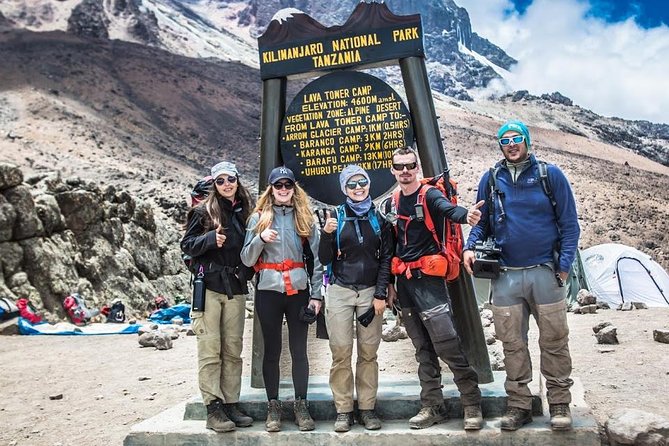
- Karanga and Barafu camps set you up for the final summit push at night
- Stella Point sunrise setup, with optional continuation to Uhuru Peak if you feel good
- Summit certificates and rainforest descent, including Mweka Gate after the big finish
Other ways up Kilimanjaro we reviewed
- 8-Day Small-group Lemosho Kilimanjaro Summit Trekking★ 5.0 · 186 reviews
- 7-Day Machame Kilimanjaro Summit Tour from Arusha★ 5.0 · 125 reviews
- Mountain Kilimanjaro Day Hike★ 5.0 · 102 reviews
- 4 days Best experience Kilimanjaro Hike, Serengeti &Ngorongoro★ 5.0 · 54 reviews
Arusha Safari Lodge, JRO transfers, and the real start of your climb
This trip is built around Arusha, Tanzania, and it starts and ends at Arusha Safari Lodge on the lower slopes of Mount Meru. The idea is simple: you get a comfortable base so you can focus on the mountains instead of feeling stressed about where you will sleep or how you will get to the trailhead.
When you land at Kilimanjaro International Airport (JRO), there is a private transfer waiting for you to the lodge. The package says all airport transfers are part of the tour with no extra fee, and that includes your departure transfer from Arusha back to JRO at the end. If you want a short safari or another add-on, that is something you can discuss, but it is not required.
You also get a pre-climb briefing and equipment check on day 1 at 5:30 pm. You will also confirm that you have mandatory medical coverage and travel insurance before you head out. I like this because it forces the important stuff to be handled while you still have cell signal and a warm room.
One small timing note: the experience lists an 8:30 am start time, but day 1 also includes that 5:30 pm gathering. In practice, that is a reminder to be flexible on arrival schedules and not assume every day begins at the same hour.
Day 1 prep: briefing, gear check, and insurance reality
Day 1 is all about preparation, and it matters more than most people think. You are not just signing paperwork and meeting people, you are checking the basics that keep a long trek safer and more comfortable. By the time you sit down for dinner at Arusha Safari Lodge, you are ready to start with confidence.
The briefing includes:
- a pre-climb discussion and equipment check
- confirmation of mandatory medical coverage and travel insurance
That insurance confirmation part can feel tedious, but it is a good sign. Kilimanjaro has altitude challenges, weather swings, and long walking days. If something goes wrong, the paperwork being in order early helps everyone respond faster.
What I would do personally on this day: use the equipment check as a last chance to think about cold, rain, and blister risk. The itinerary later includes very cold exposed sections and a midnight start, so your gear is not a “later” issue.
Day 2 from Londorossi Gate to Mti Mkubwa Camp: forest walking and your first altitude step
After breakfast in Arusha, you drive about two hours through rural countryside to Londorossi Gate. You handle park registration formalities there, then continue onward to the Lemosho road head and begin your ascent along a forest trail.
This is a good entry day. You walk from Londorossi Gate to Lemosho Mti Mkubwa Camp at around 2,650 m, with about 3 to 4 hours on the trail. Because the first segment is through forest, it tends to feel less intense than later alpine stretches. Still, you are already moving higher, so keep your pace controlled.
Value for you: a smooth first day helps you settle in. You learn your trekking rhythm without immediately hitting the harshest temperatures.
Possible consideration: it is still real trekking time. Even on a “gentle” first day, you will want good shoes, good socks, and a water plan.
Lemosho itineraries worth reading next
Day 3 to Shira Camp: the full day that earns your Shira Plateau views
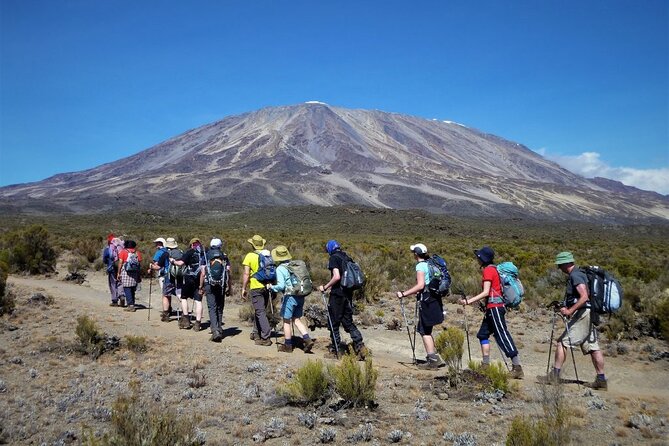
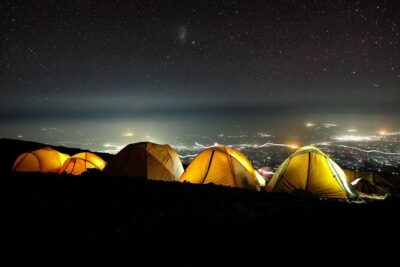
Day 3 is a long walking day as the route climbs steadily to the rim of the Shira Plateau. You leave the forest behind and transition into wide-open country.
You walk from Mti Mkubwa Camp to Shira Camp at roughly 3,550 m, about 6 to 7 hours. That slower climb matters. On Kilimanjaro, “slow and steady” is not just a slogan, it is a way to reduce stress on your body as altitude rises.
What you will notice: the air feels thinner, and the views start changing fast. This is the day you start seeing why the Lemosho route gets chosen, because the scenery shifts from enclosed forest to big open angles over the plains.
Day 4 to Shira Hut: Shira Cathedral, exposed cold, and why layering matters
Today you follow an easier path to Shira Cathedral before reaching Shira Hut. The itinerary calls out that Shira Hut is more exposed than the previous camp, and that can mean it gets substantially colder, with temperatures dropping to well below freezing.
Shira Camp to Shira Hut is about 3 to 5 hours, at around 3,840 m. Even if the walking time is shorter than the previous day, the conditions can be tougher because the exposure can be brutal at night.
Value for you: this is acclimatization with a reality check. You learn how your body handles cold and how quickly conditions can turn.
Practical advice: plan to layer for cold, not just warmth. If your layers are packable and easy to pull on during rest breaks, you will be less miserable when the temperature drops.
Day 5: Lava Tower area, Great Barranco, and that “work day” feeling
Day 5 is a classic Kilimanjaro mix of panoramic walking and real effort. You traverse the southwest side, pass underneath Lava Tower, and move along sections associated with the Western Breach. After a hot lunch, you descend toward the bottom of the Great Barranco valley, around 3,900 m.
The walk here is about 5 to 7 hours from Shira Hut to the Barranco valley. This descent can feel like relief on paper, but it still takes energy. Long days at high altitude can make even downhill sections feel like a workout because your legs and breathing system both stay engaged.
Value for you: this is the day that breaks the monotony. The route keeps changing terrain, and that helps your mind as much as your legs.
Possible consideration: you will likely feel fatigue creep in by now. Keep hydration steady and do not treat the descent as a rest day.
Day 6 to Karanga Camp: the Heim Glacier zone and the alpine desert transition
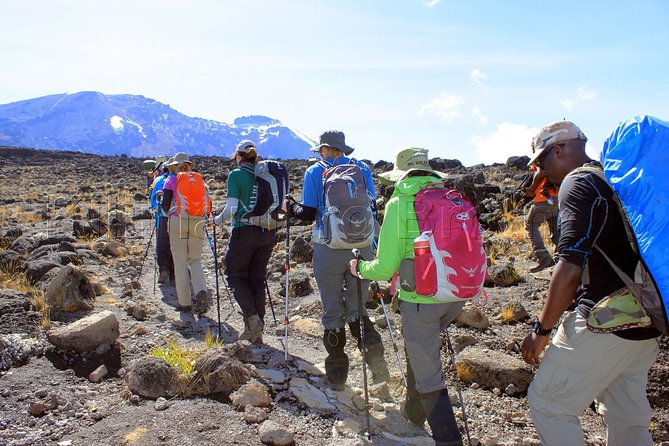
Day 6 starts with a steep climb up the eastern wall. The trail goes just below the Heim Glacier, with potential for spectacular views of Kilimanjaro if the weather is cooperative. Then you climb up the Great Barranco Wall, which brings you toward the southeastern slopes of Kibo.
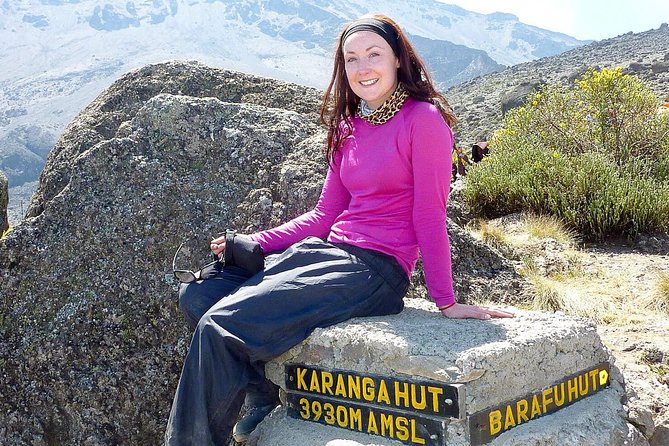
After that, the route continues down into the alpine desert of the Karanga Valley, then you finish with a steep climb up to Karanga Camp at about 4,000 m. This segment takes roughly 4 to 5 hours.
Value for you: you get a taste of both “wow views” terrain and harsher, drier alpine walking. That transition helps prepare you mentally for the summit day conditions later.
Practical note: steep sections are part of this plan. If you are prone to rushing when you feel okay, force yourself to stay controlled. It is easier to maintain steady effort earlier than to “catch up” later.
Day 7 to Barafu Camp: Barafu Ridge, slow walking, and an early night
Day 7 shifts you into summit-prep mode. You take the Traverse Route that goes up toward Barafu Ridge, and the itinerary notes you walk slowly to the final camp before your last ascent day. The rest of the day is about relaxing and setting yourself up for a very early night.
Karanga Camp to Barafu Camp is about 3 to 4 hours, around 4,600 m. Again, the emphasis is slow pace and energy management.
Value for you: this is where good guides earn their keep. You are not just traveling uphill, you are learning how to preserve strength for a midnight start and long summit day.
I would treat day 7 like a “sleep prep day.” Eat what you can, keep warm, and avoid exhausting yourself by getting overly social or wandering around in cold air.
Day 8 summit attempt: Stella Point sunrise, optional Uhuru Peak, then fast descent to Mweka
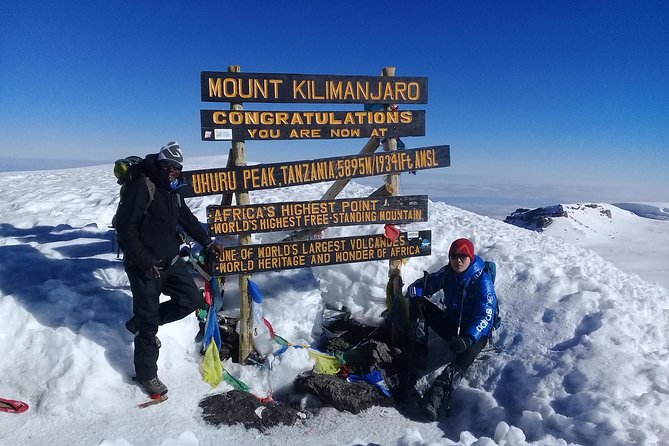
This is the day you came for. You wake up before midnight, and you begin a steep climb over loose volcanic scree. The route uses well-graded zig-zags, and you will move slowly and steadily up to the rim of the main crater at Stella Point, about 5,735 m.
You rest there for a few minutes to enjoy sunrise over Mawenzi. If you still feel good, you can continue on for the two-hour round trip along the crater rim to Main Peak, Uhuru Peak, at 5,895 m, the highest point in Africa.
Then comes the part people underestimate: descent. Barafu Camp to Summit to Mweka Camp is listed as roughly 13 to 15 hours walking total, and the description says the descent afterward is amazingly fast. Still, your feet and lungs will be cooked, so expect real soreness even if the walking pace feels better.
Value for you: this structure is smart. It gives you a solid goal at Stella Point for sunrise, and it also gives an option to continue when you have the energy. That can reduce pressure for people who are struggling but still making progress.
Possible consideration: loose scree and long hours are not optional. You need boots you trust, and you need to accept that this day is intense even if the weather looks good at camp.
Day 9 Mweka Gate and the rainforest descent: a gentler end you will feel in your bones
After the big summit day, the itinerary still gives you a meaningful final trekking day. You walk down through rainforest to Mweka Gate. Successful climbers receive their summit certificates, which is a nice ritual after all the physical work.
Mweka Camp to Mweka Gate is about 3 to 5 hours, then you drive back to Arusha Safari Lodge after lunch.
Value for you: this rainforest descent can feel surprisingly emotional, because your body is moving more easily than it did on the scree and altitude steps. It is also a payoff for the patient acclimatization you did earlier.
Practical note: even though the walking feels gentler, take it easy on your knees and ankles. After 2 to 3 days of demanding trail, your joints still need careful pacing.
Day 10: saying goodbye in Arusha
Day 10 is departure day. After you say goodbye to your guides, you take a private departure transfer from Arusha to JRO, which is included in the package. If you want a short safari or another add-on, the operator says you can discuss options.
This is when you realize the climb is not the only thing you did. You also managed timing, cold nights, long uphill days, and the mental discipline required to start when it is dark and keep going.
Price and included value: what $2,950 covers, and what you should budget
The price is $2,950.00 per person for this 8-day Lemosho climb with roughly 10 days total including transfers and lodging nights. For Kilimanjaro, that range is common for multi-day guided treks where guides, porters, park entry, and meals are handled.
What you get included in this package:
- Breakfast, lunch, and dinners (breakfast 10 times, lunch 10 times, dinner 9 times)
- All airport transfers between JRO and Arusha, both arrival and departure
- Park admission tickets included for the trekking days (notably including Londorossi Gate and the later camps and gates)
What is not included:
- tips
- international flight
- items of personal nature
My take on value: the included transfer and park admissions reduce the most annoying surprises. Meals are also covered, which matters on a mountain where you do not want to waste your energy searching for food or dealing with missed meals.
The one category to mentally plan for is tipping. The data does not specify a tipping amount, so you should decide based on your group experience and local expectations once you meet your crew.
Best months to climb Kilimanjaro: weather reality in Tanzania
The tour information gives clear guidance on timing. You should normally avoid March, April, and May because they are long rains. November is usually short rains, and it does not often rain every day, so climbing is still possible.
Best months listed for climbing include:
- January and February
- August and September
The info also says July can be colder, and November to December can be wet. If you are choosing between travel months, I would treat January, February, August, and September as your best blend of likely conditions and comfort.
In practical terms, weather drives visibility and comfort more than you might expect. Even a great itinerary can feel harsher if conditions are rainy or cold at exposed points like Shira Hut.
Who this trip suits, and who should think twice
This trek is designed for people with moderate physical fitness and for those who can handle high altitude trekking. The itinerary includes long walking days, steep climbs, and a summit attempt with a midnight start.
If you like structured acclimatization and you want a route that gradually escalates from forest to plateau to alpine desert, the Lemosho approach fits well. If you want a once-in-a-lifetime summit moment with sunrise at Stella Point, this plan is built for that.
Who might struggle:
- anyone who cannot tolerate cold exposure at higher camps
- anyone who expects summit day to be short or easy
- anyone who needs very flexible pacing during the steep and long segments
Should you book this 8-day Lemosho climb with Africa Joy Tours?
I think you should book if you want a well-paced Lemosho route with included airport transfers, meals, and park admission tickets, plus a crew that is consistently praised for guide professionalism. The mountain plan is also clear about the big day, Stella Point sunrise, then the option to continue to Uhuru Peak, which helps you manage expectations.
I would hesitate only if you know you cannot commit to the long hours and steep segments, especially summit night and the cold exposed camp conditions. If you can handle a tough trek and you want an authentic Kilimanjaro experience that feels organized from JRO to Arusha Safari Lodge, this one is a strong pick.
FAQ
Where does the climb start and end?
The climb starts and ends at Arusha Safari Lodge in Arusha. You are picked up and dropped off with private transfers.
Are airport transfers included?
Yes. A private transfer from Kilimanjaro International Airport (JRO) to Arusha Safari Lodge is included, and a private departure transfer back to JRO is also included.
What is the trekking route called?
This experience follows the Lemosho route up Mount Kilimanjaro, beginning at Londorossi Gate and taking you through camps such as Mti Mkubwa, Shira, Barranco, Karanga, Barafu, and then down via Mweka Gate.
What are the key high points on the summit day?
You reach Stella Point at about 5,735 m for sunrise, and if you feel good you can continue to Uhuru Peak at about 5,895 m.
How long is the summit day?
The trek from Barafu Camp to summit and then to Mweka Camp is listed as about 13 to 15 hours walking.
What meals are included?
Meals are included for the trek: breakfast 10 times, lunch 10 times, and dinner 9 times.
Are park admission tickets included?
Yes. Park admission tickets are included for the trekking days, including the relevant gates and camp entries described in the schedule.
What is not included in the price?
Not included are tips, international flights, and items of personal nature.
What fitness level do I need?
The experience states you should have moderate physical fitness.
When is the best time to climb?
The best months listed are January, February, August, and September. March to May are long rains and are normally avoided, while November is usually short rains and climbing may still be possible.
Lemosho, Compared
- 8-Day Small-group Lemosho Kilimanjaro Summit Trekking
★ 5.0 · 186 reviews - 8 Days Mountain Kilimanjaro Lemosho Route
★ 5.0 · 22 reviews - 7 Day Kilimanjaro Climb Lemosho Route & 2 Day Safari
★ 5.0 · 16 reviews - Kilimanjaro Climb- Lemosho Route
★ 5.0 · 9 reviews - Lemosho Route 7 Days Trekking at Mount Kilimanjaro
★ 5.0 · 7 reviews
Kilimanjaro, Route by Route
- 8-Day Small-group Lemosho Kilimanjaro Summit Trekking
★ 5.0 · 186 reviews - 7-Day Machame Kilimanjaro Summit Tour from Arusha
★ 5.0 · 125 reviews - Mountain Kilimanjaro Day Hike
★ 5.0 · 102 reviews - 4 days Best experience Kilimanjaro Hike, Serengeti &Ngorongoro
★ 5.0 · 54 reviews - From Arusha/Moshi: Kilimanjaro Hike Marangu Route Day Trip
★ 4.5 · 54 reviews
Just added from around Arusha
Kilimanjaro Lemosho Route, compared.
 ★ 5.0Kilimanjaro climb by Lemosho Route (7-day)From $3,476651 reviews
 ★ 5.08-Day Small-group Lemosho Kilimanjaro Summit TrekkingFrom $2,895186 reviews
 ★ 5.0Kilimanjaro Climbing Lemosho Route 8 Days.From $2,300186 reviews
 ★ 5.0Kilimanjaro climb, Lemosho Route (8-day)From $3,975148 reviews
 ★ 5.0Kilimanjaro climb, Lemosho Route (6-day)From $3,034129 reviews
 ★ 5.0Kilimanjaro Lemosho RouteFrom $2,89071 reviews
 ★ 5.0Private Kilimanjaro Hike 7 Day Lemosho RouteFrom $2,45060 reviews
 ★ 5.0Climbing Kilimanjaro through 8 days Lemosho RouteFrom $2,76052 reviews
Browse the lists this tour appears in