
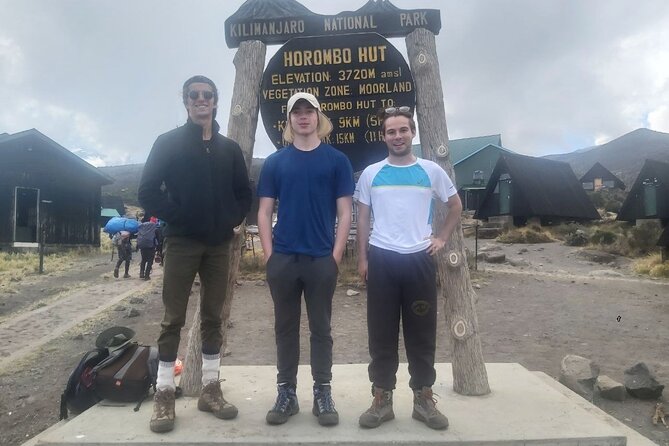
REVIEW · KILIMANJARO LEMOSHO ROUTE
Kilimanjaro Lemosho Route
A midnight start on Kilimanjaro is real. The Kilimanjaro Lemosho Route spreads your ascent across eight days, walking from Lemosho Park Gate toward a late-night summit push to Uhuru Peak. You’re not just “hiking,” you’re moving through big altitude changes with a full mountain team behind you.
I like two things right away: the route’s acclimatization rhythm and the way the operation is built around teamwork. The days aren’t all the same, you get recovery time, and key parts like Lava Tower and Barranco help your body learn what altitude feels like. I also like that the crew handles camp setup and food, with porters pitching tents and a chef preparing lunch and dinner.
The big drawback is effort. You need moderate physical fitness, and the summit day can run 15+ hours, including a cold, steep climb near Stella Point and Uhuru Peak.
In This Review
- Key Highlights Worth Knowing
- Why Lemosho Is a Smart Route Choice for Kilimanjaro
- Day 1: Springlands Hotel to Mti Mkubwa Camp Through Forest Trails
- Day 2: Shira Views, Moorlands, and the Climb to Shira Camp 2
- Day 3: A Short Shira Hike That Helps You Breathe Easier
- Day 4: Lava Tower Altitude Work and a Barranco Sunset Descent
- Day 5: Barranco Wall, Karanga Valley Comfort, and the Barafu Prep
- Day 6: Barafu Camp, Summit Briefing, and Late Night Readiness
- Day 7: Stella Point Sunrise to Uhuru Peak, Then Down to Mweka
- Day 8: Mweka Gate Finish, Hot Lunch, Shower, and Safari Options
- Price, Value, and What Is Included in Your $2,890 Group Cost
- Team Roles, Pickup, and Day Timing That Reduce Stress
- Fitness and Packing Reality for a Summit Attempt
- Should You Book Zara Tanzania Adventures for Lemosho 8 Days?
- FAQ
- How long is the Kilimanjaro Lemosho Route?
- What does the tour cost, and how many people are in a group?
- Where do we meet, and what is the start time?
- Is pickup included?
- Are park admission tickets included?
- How fit do I need to be?
- Is this a private tour?
- What happens on the last day after hiking?
- What is the cancellation policy?
Key Highlights Worth Knowing
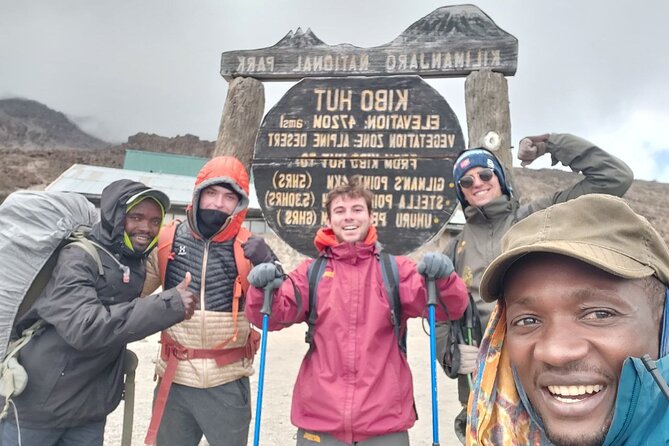
- Private group, up to 5 people for a more controlled, personal pace
- Lemosho Park Gate start with a long, gradual climb that helps with breathing time
- Acclimatization built into the route via short and medium days, not just one big grind
- Camp support that feels practical: porters set tents and a chef keeps meals on schedule
- Strong leadership culture shown by the way guides and assistant guides are credited for safety and summit success
- Focus on summit prep and debriefing each evening, so you know what’s next
Other ways up Kilimanjaro we reviewed
- Kilimanjaro climb by Lemosho Route (7-day)★ 5.0 · 651 reviews
- Kilimanjaro climb, Machame Route (7-day)★ 5.0 · 262 reviews
- Kilimanjaro Climbing Lemosho Route 8 Days.★ 5.0 · 186 reviews
- Climbing Kilimanjaro – Machame Route★ 5.0 · 170 reviews
Why Lemosho Is a Smart Route Choice for Kilimanjaro
Lemosho is popular for a reason: it gives you time. Eight days lets you progress in stages, rather than jumping quickly from lower altitudes into the thin-air zone. That matters because Kilimanjaro punishes fast pacing, especially on summit night.
This route also works because it mixes hiking styles. You’ll have forest trail beginnings, then moorland and open views, then rocky, higher-altitude sections. That variety is more than scenery for photos. It helps you stay mentally fresh while your body adapts.
Another practical win is planning. You don’t just show up and wander. Each day ends with a guide briefing about the next section, including how to handle altitude and what to expect. That kind of structure reduces guesswork when you’re tired and the mountain is doing its own math with your energy.
If you’re choosing between routes, ask yourself a simple question: do you want an approach that gives your lungs more chances to adjust? If yes, Lemosho fits that goal.
Day 1: Springlands Hotel to Mti Mkubwa Camp Through Forest Trails
Your trip starts at Kilimanjaro Airport, with the start time listed as 12:00 am. From there, you connect to Springlands Hotel, where you’ll have breakfast and a guide briefing before heading out.
Then comes the first real climb. You drive to Lemosho Park Gate (listed around 2,100 m), and after registration at Londorossi Gate, you start hiking along scenic forest trails. The day is about 7 km and roughly 5 hours, taking you from about 2,200 m to around 2,780 m.
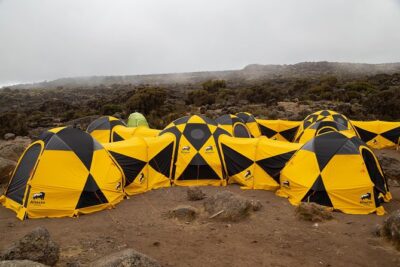
By late afternoon, you reach Mti Mkubwa Camp (about 2,750 m). Porters handle tent setup, and your chef prepares lunch. After that, you get downtime until dinner, which is exactly what you want on day one: time to settle in, hydrate, and sleep as well as you can before higher altitudes start stacking up.
One practical note: this is a long day even though it’s not the hardest hiking day. Between transfers, registration, and camp setup, you’ll feel like you did work. Try to keep your early pace steady and avoid the urge to sprint just because the trail is friendly.
Day 2: Shira Views, Moorlands, and the Climb to Shira Camp 2
Day two pushes you higher. You’ll hike from Mti Mkubwa Camp up to Shira Camp 2, with a high point range described around 3,840 m. It’s about 12 km and typically 6 to 7 hours.
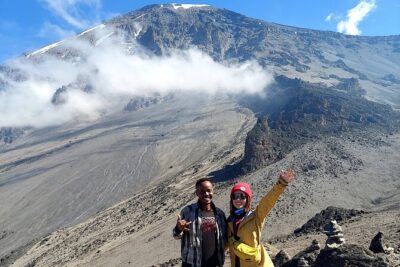
The trail moves through moorlands and opens into big views of Kibo Volcano. That’s the kind of scenery you get on Kilimanjaro, and it’s also a reminder that above a certain altitude, you’re far from shade and far from easy comfort.
Your lunch stop is at Shira Camp 1. After lunch, you continue another 2 to 3 hours to Shira Camp 2. When you arrive, tents go up quickly, then you rest and acclimate before dinner. This is where Lemosho’s pacing starts to feel like a strategy rather than a schedule.
A good takeaway for you: treat this day as the one where you learn your altitude pace. If you feel breathless, slow down early. You want a calm rhythm that you can repeat for several days, not a heroic speed on day two.
Lemosho itineraries worth reading next
Day 3: A Short Shira Hike That Helps You Breathe Easier
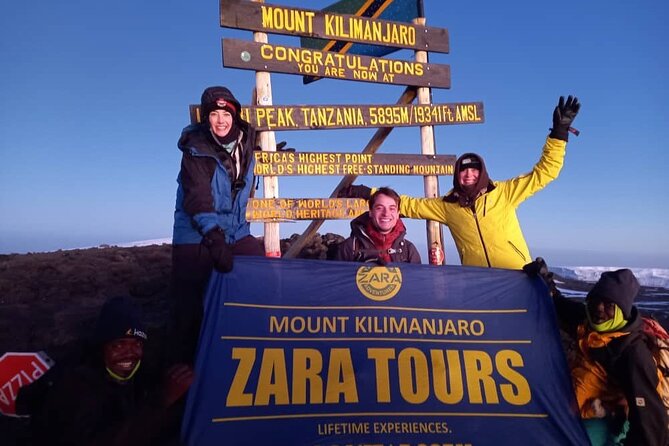
Day three is lighter on paper, which is a smart design for acclimatization. You’ll wake early, eat breakfast, and take a short hike from Shira Camp 1 to Shira Camp 2.
The distance is only about 5 km, and the hike time is listed around 3 to 4 hours. Altitude is described roughly from 3,500 m to 3,840 m. This is the day where you can enjoy views without feeling like you’re grinding the whole time.
Porters pitch tents at Shira Camp 2, while the chef handles lunch. After lunch, you rest until dinner. This stop matters because it gives your body time to adjust to the higher altitude level you just reached.
For many people, the hardest part of Kilimanjaro is mental fatigue. A shorter day can protect your focus. If you’re someone who tends to overdo it when you feel okay, day three is your reminder to stay disciplined and keep your energy for later.
Day 4: Lava Tower Altitude Work and a Barranco Sunset Descent
Day four is a turning point. You move from about 3,840 m to about 3,960 m, and the hike is listed around 11 km and 7 to 8 hours. The key objective is the climb toward Lava Tower at about 4,630 m.
You’ll pass through a semi-desert, rocky section, then hike for about 5 hours before lunch. After lunch, you ascend the rocky scree path to Lava Tower. This is the kind of trail that tests endurance and focus because it’s physically demanding, and you’re already at altitude.
Then you descend to Barranco campsite, dropping about 680 m. The descent is listed at around 2 hours, and it’s described as a great photo opportunity with the Western Breach view. You finish the day with sunset and dinner at Barranco.
Why this day matters for you: Lava Tower is altitude work, but the Barranco descent is where acclimatization becomes tangible. You’re learning how your body behaves when you go up and when you come down.
If you want one piece of practical advice for day four, it’s this: don’t treat it like a training hike. Keep your effort controlled on the scree ascent, and your legs will thank you on the descent.
Day 5: Barranco Wall, Karanga Valley Comfort, and the Barafu Prep
Day five builds on Barranco. You’ll travel from about 3,960 m to about 4,035 m, with 5 km and around 5 hours of hiking.
You may tackle the Barranco Wall. It’s steep but rewarding, and then you descend into the Karanga Valley. This area is noted for lush vegetation and big scenery, a nice change after rocky sections.
You reach Karanga campsite, where porters set up tents and the chef prepares lunch. After lunch, you do an acclimatization hike toward Barafu Camp, rising about 200 m and then returning to Karanga.
This day is short and purposeful. It prepares you for Barafu without exhausting you too early. Your goal is acclimatization, not conquest.
In the evening, you get a guide briefing on the next day’s trek. Use that briefing. When you’re tired, good planning helps you stay calm, especially if the mountain is doing its usual trick of making everything feel harder than you expected.
Day 6: Barafu Camp, Summit Briefing, and Late Night Readiness
Day six is where the climb starts to feel serious. You’ll hike from about 4,035 m to about 4,640 m, with a listed distance of 5 km and around 5 hours.
The trail has varied terrain, including rocky sections and gradual slopes, with views across Kilimanjaro’s high-altitude zone. The key focus is acclimatization and pacing, because this is the level where mistakes start to show up.
When you reach Barafu campsite, porters handle camp setup. The chef prepares lunch, then you rest until dinner. Evening briefing time is important here: your guide covers the summit attempt, including route expectations, challenges, safety measures, and summit preparations.
Rest matters. The summit ascent starts late in the evening, so your sleep quality on day six can affect everything.
A practical mindset for day six: treat it like a reset. Eat what you can, drink regularly, and don’t overthink the next 24 hours. You’re not trying to “solve” the summit tonight. You’re trying to arrive ready to follow instructions.
Day 7: Stella Point Sunrise to Uhuru Peak, Then Down to Mweka
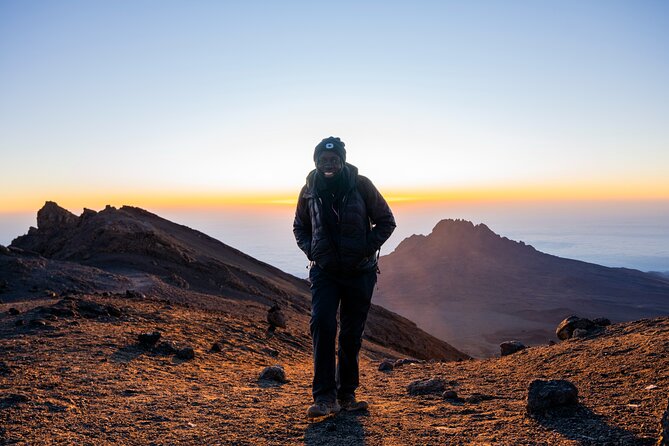
Summit day is the big one, and it comes with a late start. You’ll rise around 11:30 PM and begin the ascent after tea and biscuits.
The climb heads northwest through scree toward Stella Point on the crater rim. The trek to Stella Point is listed around 6 hours, with Stella Point described at about 5,685 m. This is often the most mentally and physically challenging part of the climb, and it makes sense. You’re at thin air, the ground is uneven, and your body is working with limited oxygen.
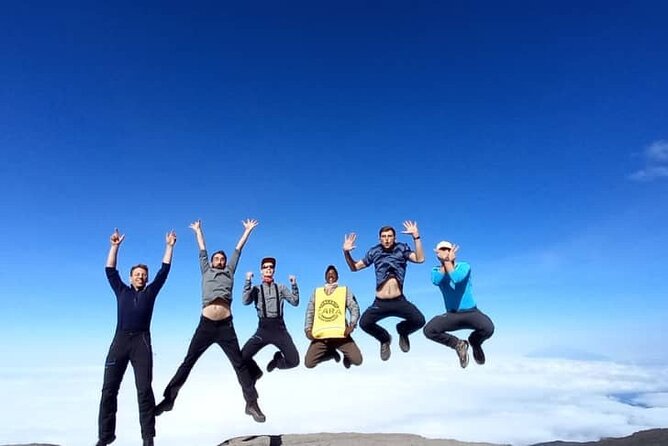
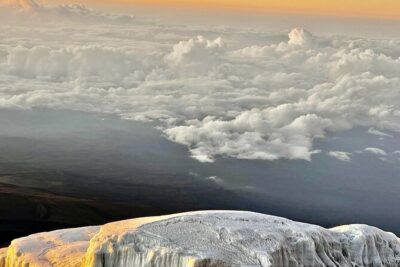
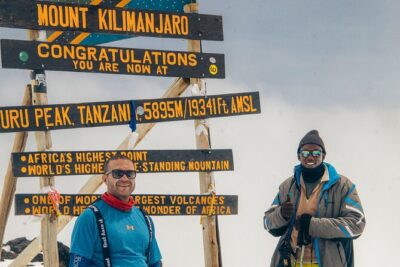
After a brief rest at Stella Point, you wait for sunrise, weather permitting. From there, you climb toward Uhuru Peak. The itinerary describes a 2-hour snow-covered ascent, and your time at the summit depends on conditions. Cold fatigue hits fast, so you don’t linger too long.
Then it’s downhill. Descent to Barafu takes about 3 hours for a short rest, before continuing to Mweka Camp for dinner and overnight. The day is listed as 15+ hours total hiking and descending time.
For you, the main takeaway is simple and practical: summit success is about rhythm and listening. If you’re assigned with a strong lead guide and assistant guide team, take their advice seriously, especially on breathing pace and when to push or pause.
Also, prepare yourself emotionally. Even if you feel tough, summit day is long. Plan to be patient with your own pace.
Day 8: Mweka Gate Finish, Hot Lunch, Shower, and Safari Options
You’re down by morning, which is a relief after summit night. After breakfast at Mweka Camp, you descend to Mweka Gate for about 10 km. The listed descent time is around 4 to 5 hours.
Then you’re driven back to Springlands Hotel, where a hot lunch and a refreshing shower are waiting. This is the day you finally feel like a human again, because you’re not rushing uphill through cold and effort.
At the end of the trip, tipping is encouraged and appreciated. Special envelopes for tipping are available at the hotel, which is a small but helpful detail.
If you want to extend beyond hiking, you can meet with a safari coordinator at the hotel. After a briefing, you can choose from safari options. The trip is designed so you can roll right into Tanzania wildlife time.
This is also a good day for planning. If you’re thinking about a longer stay in Tanzania, book your rest day carefully. Don’t schedule an immediate flight without buffer, because your legs will be honest with you.
Price, Value, and What Is Included in Your $2,890 Group Cost
The price is $2,890.00 per group, up to 5 people. That can sound high until you price what’s actually being delivered on a mountain like Kilimanjaro.
You’re paying for a full team and the labor behind the scenes: porters to carry gear and set up camp, plus a chef preparing meals. You’re also paying for park access included with the trek days, and for transfers that connect you from the start area through to the hike gates and back at the end.
Because it’s a private tour/activity for your group, you avoid the stress of mixed pacing and mismatched needs. Grouping only up to 5 also matters on summit night, when everyone wants to move together but at the right speed for altitude.
In value terms, the best comparison is effort versus convenience. You’re not stuck hauling everything yourself. Porters handle camp setup, you’re fed on schedule, and you get evening briefings. For many people, that turns Kilimanjaro from a logistics headache into a climb you can actually finish.
If you want good value, don’t only look at the base price. Look at what’s included: admission tickets, camp support, meals, and the return to Springlands with hot lunch and shower. Those are real comfort items when you’re operating at altitude.
Team Roles, Pickup, and Day Timing That Reduce Stress
The operation is designed around clarity and roles. Pickup is offered, and you start from Kilimanjaro Airport, with meeting points also tied to Kilimanjaro National Park. You should receive confirmation at the time of booking, and you get a mobile ticket.
Near public transportation is listed as a factor, which can help if you’re arriving with some flexibility. Still, you’ll want to plan around the early schedule and the midnight start time.
On the mountain, porters and the chef handle your base needs, which keeps you focused on hiking and acclimatization. Your guide is the decision-maker for pace, safety, and route guidance. Evening briefings are built into the schedule, including summit preparations on day six.
This kind of team structure is one reason summit success is more likely for organized groups. One of the themes you’ll see in the way guides are described is professionalism and care. Names that have come up include Festo, Nechi (with Emmanuel as assistant guide in one account), John, Saide, Augustino, and Captain G. Even when the personalities differ, the common thread is that the crew is on top of logistics and staying positive.
And one more reality check: Kilimanjaro’s rules include leaving no trace. One account raised the sad issue of trash being thrown. You can help by keeping your group strict about waste, especially on high-traffic sections and near viewpoints.
Fitness and Packing Reality for a Summit Attempt
This trek asks for moderate physical fitness. That doesn’t mean you have to be an athlete, but you do need consistency, because the route includes a mix of steady hiking and demanding altitude days.
The summit day is the clearest proof. You start around 11:30 PM, trek 6 hours to Stella Point, then another climb to Uhuru Peak. After that, you descend for hours and still reach Mweka Camp for dinner and overnight.
So your fitness plan should focus on endurance and steady pace, not speed. If you can hike for multiple hours and recover well, you’re closer to ready. If you only train for short bursts, the summit day will feel long in a bad way.
Packing advice from the details you do have is limited, since the gear list isn’t provided here. But you can still plan smartly: expect cold conditions at higher altitudes, and be ready for long nights and early starts. Also plan your mindset for the long descending day after summit.
Finally, a small but important habit: respect the pace on the climbs. Your job is to keep moving. The mountain is the one setting the difficulty.
Should You Book Zara Tanzania Adventures for Lemosho 8 Days?
If you want an organized, small-group approach to Kilimanjaro, I’d put this on your shortlist. The Lemosho Route gives you a structured acclimatization pattern, you get daily briefings, and camp life is handled for you by porters and a chef.
I’d book it if:
- You prefer a private group of up to 5 and want less chaos.
- You can hike several hours a day and handle altitude steadily.
- You want a clear summit plan with timing and safety guidance.
I’d think twice if:
- You know you struggle with long endurance efforts.
- You expect a short, casual hike, because summit day is 15+ hours and physically demanding.
- You don’t plan to follow instructions, because this route depends on disciplined pacing.
Overall, for the money, the value comes from support you can feel on the mountain: tents set up, meals prepared, access included, and a guide who runs the whole show.
FAQ
How long is the Kilimanjaro Lemosho Route?
The trek is listed as 8 days (approx.).
What does the tour cost, and how many people are in a group?
The price is $2,890.00 per group, for up to 5 people.
Where do we meet, and what is the start time?
The start is listed as Kilimanjaro Airport, Kilimanjaro National Park, Tanzania, with a start time of 12:00 am.
Is pickup included?
Yes, pickup is offered.
Are park admission tickets included?
Yes, admission ticket inclusion is listed for the trek days.
How fit do I need to be?
Travelers should have a moderate physical fitness level.
Is this a private tour?
Yes, it is a private tour/activity, and only your group will participate.
What happens on the last day after hiking?
After breakfast at Mweka Camp, you descend to Mweka Gate, then you are driven back to Springlands Hotel for a hot lunch and a refreshing shower.
What is the cancellation policy?
Free cancellation is available. You can cancel up to 24 hours in advance for a full refund. If you cancel less than 24 hours before the start time, the paid amount is not refunded.
Lemosho, Compared
- Kilimanjaro climb by Lemosho Route (7-day)
★ 5.0 · 651 reviews - Kilimanjaro Climbing Lemosho Route 8 Days.
★ 5.0 · 186 reviews - Kilimanjaro climb, Lemosho Route (8-day)
★ 5.0 · 148 reviews - Kilimanjaro climb, Lemosho Route (6-day)
★ 5.0 · 129 reviews - Private Kilimanjaro Hike 7 Day Lemosho Route
★ 5.0 · 60 reviews
Kilimanjaro, Route by Route
- Kilimanjaro climb by Lemosho Route (7-day)
★ 5.0 · 651 reviews - Kilimanjaro climb, Machame Route (7-day)
★ 5.0 · 262 reviews - Kilimanjaro Climbing Lemosho Route 8 Days.
★ 5.0 · 186 reviews - Climbing Kilimanjaro – Machame Route
★ 5.0 · 170 reviews - Climbing Kilimanjaro through 7 days Machame Route
★ 5.0 · 151 reviews
Just added from around Moshi
Kilimanjaro Lemosho Route, compared.
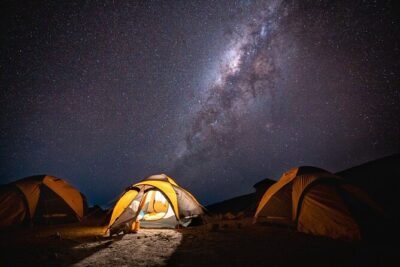 ★ 5.0Kilimanjaro climb by Lemosho Route (7-day)From $3,476651 reviews
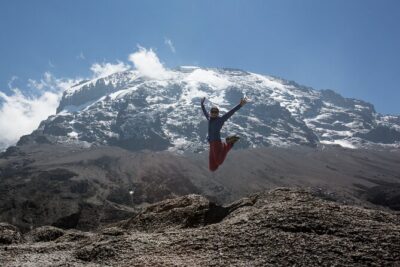 ★ 5.08-Day Small-group Lemosho Kilimanjaro Summit TrekkingFrom $2,895186 reviews
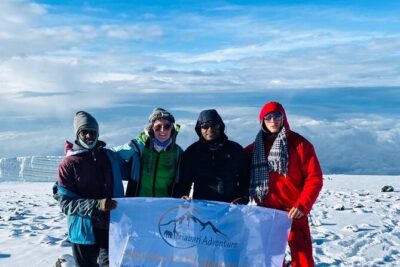 ★ 5.0Kilimanjaro Climbing Lemosho Route 8 Days.From $2,300186 reviews
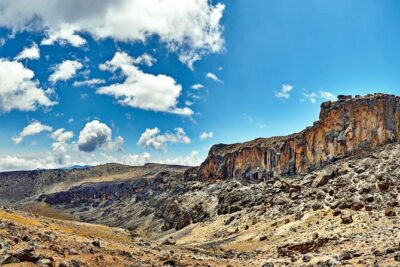 ★ 5.0Kilimanjaro climb, Lemosho Route (8-day)From $3,975148 reviews
 ★ 5.0Kilimanjaro climb, Lemosho Route (6-day)From $3,034129 reviews
 ★ 5.0Private Kilimanjaro Hike 7 Day Lemosho RouteFrom $2,45060 reviews
 ★ 5.0Climbing Kilimanjaro through 8 days Lemosho RouteFrom $2,76052 reviews
 ★ 5.08 Days Kilimanjaro Hike via Lemosho RouteFrom $2,35039 reviews
Browse the lists this tour appears in