
REVIEW · KILIMANJARO RONGAI UMBWE AND SHIRA ROUTES
Kilimanjaro Climbing Umbwe Route
Kilimanjaro feels personal on the Umbwe route. This 6-day trek from Moshi is run by local guides trained in safety and first aid, and it starts you off early with a pickup and a smooth handoff at the park gate. I like how Umbwe trades crowds for wild, forest-to-desert terrain, so the whole trip feels more like a journey than a conveyor belt.
My favorite part is the emotional rhythm Umbwe creates. One guide team and one group, often with a surprisingly quiet feel, plus the built-in moment for sunrise at Stella Point and then photos near Uhuru Peak before you start moving down. That early-morning crater rim time is the kind of reward you remember long after your legs stop complaining.
The main consideration is effort. Umbwe asks for a strong fitness level, and the schedule gets serious with a midnight start for the summit push and very exposed, windy conditions at high camps. If you’re the type who wants an easy hike, you’ll want to choose a different mountain plan.
In This Review
- Key highlights you can actually plan around
- Entering Umbwe From Moshi: The day starts with momentum
- Day 1 to Umbwe camp: Rain forest to steep ridge
- Day 2: Montane forest thins, ridges open, Barranco Valley for sunset
- Day 3: Barranco Wall, Karanga Valley rest, and real acclimatization value
- Day 4 to Barafu: Alpine desert feel, winds, and early dinner
- Day 5 summit night: Scree to Stella Point sunrise, then Uhuru Peak and the long descent
- Day 6 down through Mweka forest: Gates, certificates, and a warm shower in Moshi
- Price and value: What $2,750 really covers
- Guides, safety training, and the human touch you feel
- What the itinerary means for your body: Pacing and acclimatization
- Getting the timing right: Start time and the summit-night reality
- Packing and readiness: The non-negotiables for Umbwe
- Who this Umbwe climb suits best
- Should you book this Umbwe route with Habari Adventure?
- FAQ
- How long is the Kilimanjaro Umbwe route trip?
- Where does the trip start?
- What time does the experience start?
- Is pickup included?
- What meals are included?
- Are park admission tickets included?
- What is not included in the price?
- How many people are in the group?
- Is a strong fitness level required?
- What if weather causes cancellation?
- What is the cancellation policy?
Key highlights you can actually plan around
- Umbwe route starts at Umbwe gate (1,800m), so you’re not wasting time on low-altitude warmups
- Small group size (max 8 travelers) keeps the experience manageable and personal
- Day 3 includes the Barranco Wall challenge and a key acclimatization reset before the summit push
- Day 5 follows the summit-night timing for crater rim sunrise at Stella Point (5,756m)
- Food and timing are built for pacing, with lunch in camp on summit-eve and dinners after each major hike day
- Local guides bring more than stamina, with training in safety and first aid plus Tanzanian knowledge
Other ways up Kilimanjaro we reviewed
- Kilimanjaro climb by Lemosho Route (7-day)★ 5.0 · 651 reviews
- Kilimanjaro climb, Machame Route (7-day)★ 5.0 · 262 reviews
- Kilimanjaro Climbing Lemosho Route 8 Days.★ 5.0 · 186 reviews
- Climbing Kilimanjaro – Machame Route★ 5.0 · 170 reviews
Entering Umbwe From Moshi: The day starts with momentum
You start in Moshi, and the trip is designed to get you moving early. After breakfast, you’re driven to the Umbwe gate at 1,800m. The day has that first-steps energy where you’re still fresh, but you already feel that Kilimanjaro is not a stroll.
As you arrive, there’s a moment to notice the setting before the climb truly begins, including bananas plantations around the area. Then you roll through the park registration formalities and step onto the trail.
This matters because Kilimanjaro success is partly logistics and partly mental focus. A clean start reduces the chaos factor, and the early gate timing helps you settle into rhythm before the mountain starts demanding decisions from you.
Day 1 to Umbwe camp: Rain forest to steep ridge
Day 1 is about transition. The Umbwe route initially follows a forestry track, winding up through a natural rain forest. It’s cooler, greener, and more enclosed than you might expect when you picture a glacier mountain.
Then the trail narrows and steepens. You climb the ridge between the Lonzo and Umbwe Rivers, surrounded by big trees and thick undergrowth. This is one of those days where you can feel the route’s character right away: it doesn’t ease you into altitude with long flat stretches.
At the end of the day, your first camp is perched between huge trees and dense growth. It’s the kind of setting that makes you stop and listen. One of the strongest impressions I’ve seen from this route is how quiet it can feel, sometimes with almost no one else on the trail. On Umbwe, that silence is not a marketing line, it’s a real part of the experience.
What to expect: steady uphill, forest smells, and an early introduction to steep terrain.
Good for you if: you like trail immersion and you don’t mind working from the start.
Day 2: Montane forest thins, ridges open, Barranco Valley for sunset
Day 2 starts in montane forest and gradually changes. Shortly after leaving camp, the forest thins, and you move into rockier terrain with sparser undergrowth and moss-covered trees. This shift is one of the best “moving up” signals you’ll get before you’re deep into alpine conditions.
The path continues along a ridge, and as the altitude builds, you begin to catch glimpses of Kilimanjaro ahead, higher and sharper against the sky. That view is motivating, and it also helps you mentally track your progress.
As you approach the Barranco Valley, the trail flattens. Then you reach the camp area positioned in the valley below the Breach and the Barranco wall. You’re in a spot where the timing can give you a memorable sunset while dinner gets prepared.
What to expect: changing vegetation, longer visual breaks, and a camp location built for evening light.
Possible drawback: day 2 can feel like a “workout plus scenery,” so don’t get too mesmerized to pace yourself.
Quieter Kilimanjaro routes we walked through
Day 3: Barranco Wall, Karanga Valley rest, and real acclimatization value
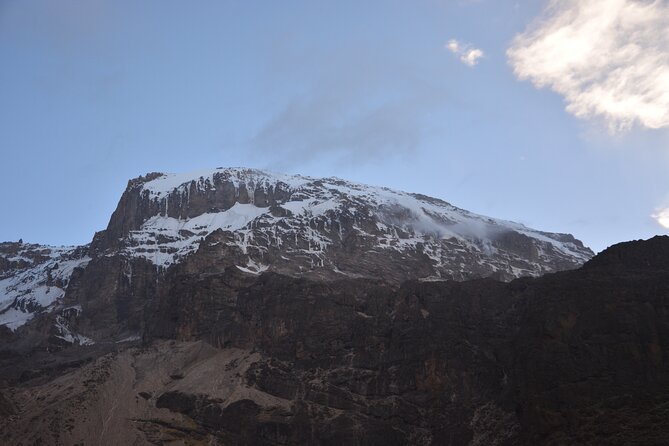
Day 3 is a turning point. After breakfast, you continue up a steep ridge to the great Barranco wall. Then you climb this obstacle, and even though it looks imposing, it turns out to be easier than it appears if you move steadily.
From the top, the reward is clear: you can really appreciate how big Kilimanjaro is, with Kibo glaciers soaring overhead. Then you descend into the Karanga Valley camp site, and you get another view from camp, looking east toward the jagged peaks of Mawenzi.
This is also the day where you get the most “mountain management” built into the schedule. After a hot lunch in camp, your afternoon is at leisure for resting or exploring. A short day here isn’t an accident. Your summit push is next, and your body needs that extra time to adjust.
What to expect: a satisfying climb up Barranco, big Kibo views, then a slower afternoon.
Why it’s valuable: you build momentum without spending every second hammering altitude.
Day 4 to Barafu: Alpine desert feel, winds, and early dinner
Day 4 is another half day ascending to Barafu Camp. The key word here is “relax time.” Lunch is taken in camp, which gives you a chance to reset before evening.
Once you arrive, the environment shifts. You’re in desolate alpine desert conditions, sometimes with strong winds. This camp is exposed, so you’ll likely feel the temperature and wind more than in the lower forest days. It’s not the time for heroics, it’s the time to conserve energy.
You’ll also notice Mawenzi peak views in the evening. That’s a nice payoff because it breaks up the monotony of waiting and resting.
Dinner comes relatively early, and then you head into a rest-for-summit mindset.
What to expect: high, windy conditions, a calm evening, and a body that should be saving strength.
Practical tip: use this day to tighten your routine. If you do summit gear checks here, you’ll thank yourself at midnight.
Day 5 summit night: Scree to Stella Point sunrise, then Uhuru Peak and the long descent
This is the day most people plan for, and it’s also the day that tests your patience as much as your lungs.
You wake around midnight. Tea is ready, with cookies, which is a small detail but a big morale boost when you’re moving in the dark. Then you climb scree for about 4 to 5 hours, gaining incredible height over a short distance. The view is spectacular, and that’s an important word, because it tells you you’re not just climbing, you’re being rewarded continuously as the horizon lifts.
The goal timing is to reach the crater rim at Stella Point (5,756m) during sunrise. After sunrise, you get another cup of tea and keep moving toward Uhuru Peak (5,895m). There’s time for photos for a few minutes, and then you start descending back to Barafu Camp for rest and lunch.
After that, you walk down to Mweka Camp for dinner and overnight. Yes, it’s a lot. It’s also structured so you’re not stuck at altitude for no reason.
What to expect: midnight start, long steep sections, sunrise at Stella Point, short summit window, then a demanding descent.
Why pacing matters: this route is timed, but your body still sets the tempo. Slow and steady is the smart strategy.
Day 6 down through Mweka forest: Gates, certificates, and a warm shower in Moshi
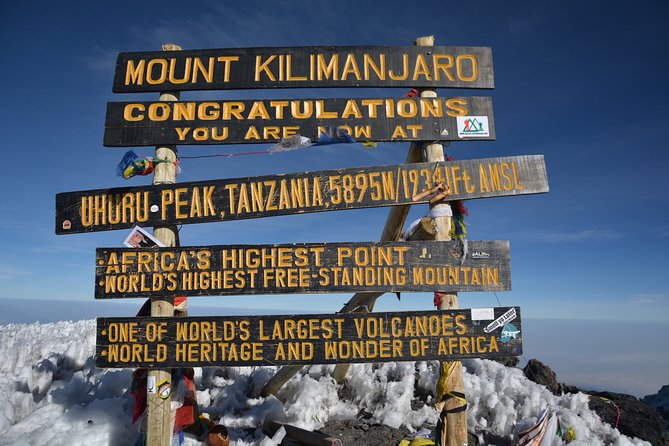
Day 6 is the payoff for the long work above. You walk down the Mweka montane forest toward Mweka Gate. The trek is around 3 hours, and it feels different from the summit descent in a good way. Forest cover usually means more protection from wind and a gentler sense of scale.
At the gate, you complete park formalities and receive your certificates. Then a car is ready to drive you back to your hotel in Moshi for a warm shower.
That “warm shower in Moshi” moment is more than a comfort detail. It’s a psychological reset after days of cold nights, changing altitudes, and constant effort.
What to expect: forest walking, gate formalities, and then real life back in Moshi.
Price and value: What $2,750 really covers
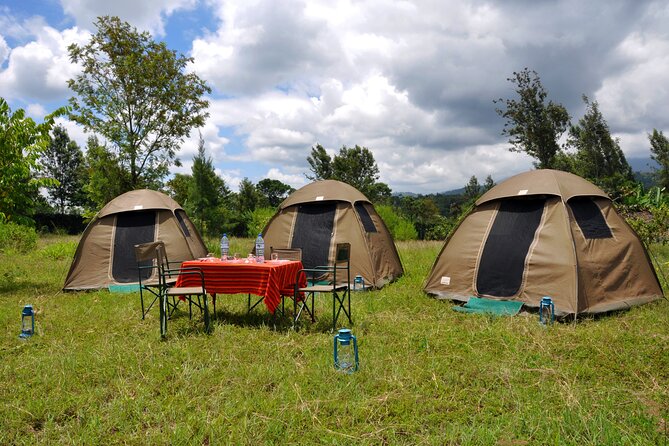
At $2,750 per person for an approximately 6-day trek, this is not a budget activity. But it also isn’t paying only for summit bragging rights. The value is in the package structure:
- Meals included for 6 breakfasts, 6 lunches, and 5 dinners (as listed)
- Admission ticket included, shown as included across the days
- Pickup offered and you’re handled in Moshi and the park gate process
- Local guides trained in safety and first aid, plus broad Tanzanian knowledge
- Maximum 8 travelers, which matters on Kilimanjaro where group dynamics can either help or distract
- Mobile ticket, which simplifies documentation flow
If you’ve ever organized a Kilimanjaro climb yourself, you know how quickly the cost balloons once you add guides, porters, park fees, and logistics. A fixed package like this often makes planning simpler, especially when you want a clear schedule and predictable camp rhythm.
Guides, safety training, and the human touch you feel
Kilimanjaro is a physical event, but it’s also a trust event. The trip is led by local Tanzanian guides trained in safety and first aid. That training matters because altitude climbs can change quickly, and a calm, prepared guide can keep problems from becoming panic.
You also get a sense of strong communication. In feedback I’ve seen, the trip planning started before the flight, with a direct line to the company leadership, including CEO Stan and director Stanley. That sort of responsiveness is practical. It means fewer unknowns, clearer expectations, and more confidence when you’re packing for conditions that can swing between cold nights and warm sun.
Flexibility also comes through in the way people describe the team. That doesn’t mean chaos, it means they try to handle real-world issues without turning it into a stressful negotiation with you while you’re already tired.
What the itinerary means for your body: Pacing and acclimatization
This plan uses a classic logic: push high, take a reset day, then push again with a stronger summit night.
- Day 1 gives you steep forest-to-ridge movement early.
- Day 2 brings you to the Barranco Valley with sunset potential, and you start seeing the mountain’s scale.
- Day 3 climbs the Barranco wall and then gives you an afternoon at leisure in Karanga Valley. That short day is your acclimatization cushion.
- Day 4 takes you to Barafu and builds a rest window before the big night.
- Day 5 is the big altitude day, with sunrise timing at Stella Point and summit time at Uhuru Peak, followed by descent to Mweka Camp.
- Day 6 is down through Mweka forest, which helps your body unwind.
If you like structured climbs, this works. If you hate being told what time to move, it might feel regimented. But for most people, a schedule reduces the decision fatigue of “what now?” at altitude.
Getting the timing right: Start time and the summit-night reality
You meet at Kilimanjaro Airport, with a start time of 4:00 am. Early starts can feel rude on paper, but on Kilimanjaro they’re part of the reason the day-by-day plan can work.
The summit night starts around midnight on Day 5, and the route depends on moving in a way that puts you at Stella Point for sunrise. That means you should treat the summit day as a project: sleep when you can, eat what you’re given, and keep your pace steady rather than sprinting.
One practical takeaway from how this climb is run is that you get small supports along the way, like tea with cookies at midnight. Those moments don’t change altitude, but they do change how you feel while trudging through it.
Packing and readiness: The non-negotiables for Umbwe
The only requirement listed is strong physical fitness. I’ll translate that into real-world expectations.
Umbwe is steep at points, it includes exposed high-camp conditions, and it has a very demanding summit night. You’ll want to come in ready to handle:
- long uphill walking
- cold high altitude nights
- wind and exposed areas around high camps
- a late start that affects sleep
Because the tour data doesn’t spell out gear lists, I can’t tell you exactly what they provide or require. But I can say what matters most for enjoying the experience: you’ll feel better if you dress for cold winds and if you take care of your feet and hydration.
Who this Umbwe climb suits best
This trek fits you if you want:
- a smaller-group experience (max 8)
- the Umbwe feel of fewer people and more quiet on trail
- a schedule that prioritizes acclimatization, especially the Day 3 rest window
- a summit plan that targets sunrise at Stella Point and gives you a short, timed window near Uhuru Peak
It may not fit you if you’re seeking a relaxed, low-effort hike. Umbwe is not designed for casual pacing, and the altitude climb is serious.
Should you book this Umbwe route with Habari Adventure?
I’d book this climb if you’re ready for a real Kilimanjaro effort and you want a guide team that takes safety and communication seriously. The combination of local, first-aid trained guides, a small group cap, and a clearly timed summit day adds up to a solid value proposition at this price point.
I’d hesitate if you’re not confident in your physical fitness, or if you know you struggle with cold nights and steep grades. And since the climb requires good weather, it’s worth being mentally flexible about dates if conditions don’t cooperate.
If you’re game for the climb and you want the mountain to feel more intimate than crowded, this Umbwe plan is a strong choice.
FAQ
How long is the Kilimanjaro Umbwe route trip?
It’s listed as 6 days (approx.).
Where does the trip start?
The start point is Kilimanjaro Airport in Tanzania.
What time does the experience start?
Start time is listed as 4:00 am.
Is pickup included?
Yes, pickup is offered.
What meals are included?
Breakfast is included for 6 days, lunch for 6 days, and dinner for 5 days.
Are park admission tickets included?
Yes, admission ticket is included as part of the listed days.
What is not included in the price?
Flights and visa are not included.
How many people are in the group?
The maximum group size is listed as 8 travelers.
Is a strong fitness level required?
Yes, travelers should have a strong physical fitness level.
What if weather causes cancellation?
This experience requires good weather. If it’s canceled due to poor weather, you’ll be offered a different date or a full refund.
What is the cancellation policy?
Free cancellation is available up to 24 hours in advance of the experience start time for a full refund. Changes within 24 hours of the start time are not accepted, and cancellation less than 24 hours before the start time is not refunded.
The Quieter Kilimanjaro Trails
- Kilimanjaro climb, Rongai Route (7-day)
★ 5.0 · 40 reviews - Kilimanjaro climb, Rongai Route (6-day)
★ 5.0 · 15 reviews - Mount Kilimanjaro Rongai Route
★ 5.0 · 10 reviews - 6-Day Rongai Route Trek in Mount Kilimanjaro
★ 5.0 · 8 reviews - Rongai Route 6 Days 5 Nights/Kilimanjaro climb
★ 5.0 · 7 reviews
Kilimanjaro, Route by Route
- Kilimanjaro climb by Lemosho Route (7-day)
★ 5.0 · 651 reviews - Kilimanjaro climb, Machame Route (7-day)
★ 5.0 · 262 reviews - Kilimanjaro Climbing Lemosho Route 8 Days.
★ 5.0 · 186 reviews - Climbing Kilimanjaro – Machame Route
★ 5.0 · 170 reviews - Climbing Kilimanjaro through 7 days Machame Route
★ 5.0 · 151 reviews
Just added from around Moshi
Kilimanjaro Rongai Umbwe and Shira Routes, compared.
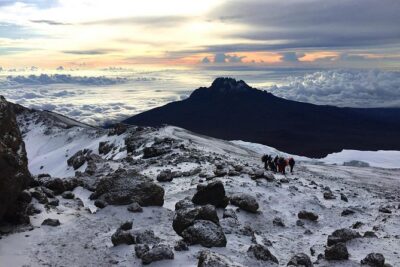 ★ 5.0Kilimanjaro climb, Rongai Route (7-day)From $3,50740 reviews
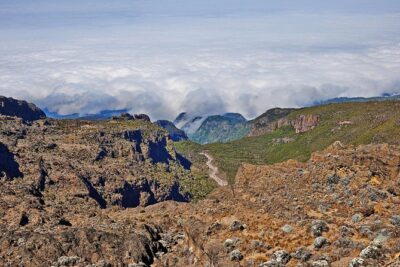 ★ 5.0Kilimanjaro climb, Rongai Route (6-day)From $3,06415 reviews
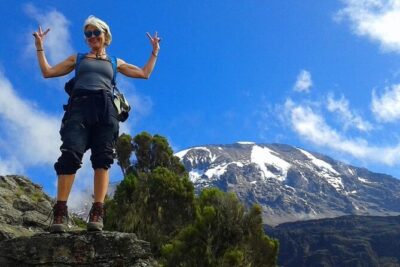 ★ 5.0Mount Kilimanjaro Rongai RouteFrom $2,70010 reviews
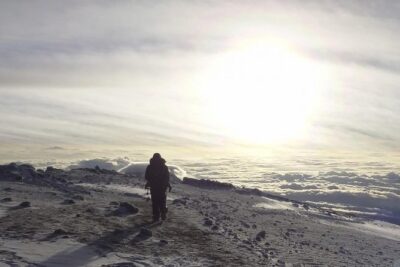 ★ 5.06-Day Rongai Route Trek in Mount KilimanjaroFrom $2,3538 reviews
 ★ 5.0Rongai Route 6 Days 5 Nights/Kilimanjaro climbFrom $1,8507 reviews
 ★ 5.0Mt. Kilimanjaro: Shira plateau to Cathedral point 3872m Day hikeFrom $3207 reviews
 ★ 5.0Kilimanjaro Climbing Rongai RouteFrom $2,8406 reviews
 ★ 5.06-Day Kilimanjaro Umbwe Route–Steep,Adventurous, Challenging PathFrom $2,3106 reviews
Browse the lists this tour appears in