
REVIEW · KILIMANJARO RONGAI UMBWE AND SHIRA ROUTES
Kilimanjaro climb, Rongai Route (7-day)
Rongai makes Kilimanjaro feel calmer. This is a least-crowded, scenic way up Africa’s highest peak, and it’s built around gradual altitude work that helps your body adjust. I love the certified safety setup (medical check-ups, oxygen tanks, oximeters) and the way the crew handles logistics end to end, from tents to meals. The main drawback is also real: this still means a brutal summit night, even when the gradient is moderate.
You start with smooth arrival support in Moshi, then sleep in proper tents on the mountain and in the Aishi Machame Hotel before and after. The price is not cheap, but it covers the big, headache-causing parts that usually blow up budgets, like park fees, mountain meals, and the staff system that keeps you moving safely.
In This Review
- Key points before you commit
- Rongai on the northern side: why this route feels different
- Price and logistics: what your $3,507 is really paying for
- Aishi Machame Hotel in Moshi: your comfort buffer before altitude
- Day 2 from Nalemuru Gate to Simba Camp: conifer forest and your first pacing test
- Day 3 to Second Cave Camp and the Kikilewa acclimatization hike: short work, big payoff
- Day 4 to Kikilewa Camp and Mawenzi Tarn: Kibo views if the clouds behave
- Day 5 to Mawenzi Tarn Camp: a second altitude bump with a controlled climb
- Day 6 toward Kibo Summit Camp: the semidesert shift and summit night prep
- Summit night from School Hut Camp to Uhuru Peak: cardiovascular strain and tight guidance
- Day 8 to Marangu Gate and certificates: the end feels emotional
- Day 9 in Moshi: a real rest day before your flight
- Who this tour fits best, and who should be cautious
- Should you book this Altezza Kilimanjaro Rongai climb?
- FAQ
- What are the meeting time and meeting point details?
- Are airport transfers included?
- How many nights are included in Moshi hotels?
- What kind of tents are used on Kilimanjaro?
- What meals and drinks are included during the climb?
- Does the tour include medical support equipment?
- Are there opportunities to do acclimatization hikes?
- Is this a private climb or a shared group?
- What personal gear will I need to bring?
- Is travel insurance included?
Key points before you commit
- Rongai Route pacing that targets acclimatization with easy altitude hops (and built-in recovery time).
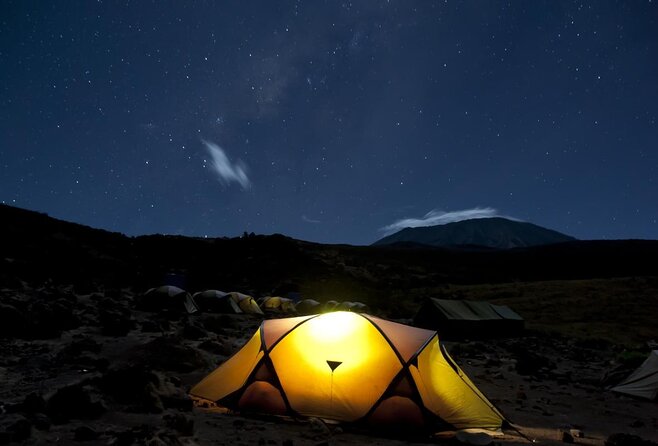
- Full-service camp life with walk-in tents, camp setup, and a dedicated “kitchen” team.
- Safety gear you can actually use: oxygen tanks, oximeters, medical kits, and check-ups.
- Guides who stay hands-on (including extra monitoring on summit night).
- Support that can be emotional as well as physical, with guides credited for keeping people calm and moving, including younger hikers.
- A quieter route that still delivers big moments like Kibo views and a summit glacier walk option.
Other ways up Kilimanjaro we reviewed
- Kilimanjaro climb by Lemosho Route (7-day)★ 5.0 · 651 reviews
- Kilimanjaro climb, Machame Route (7-day)★ 5.0 · 262 reviews
- Kilimanjaro Climbing Lemosho Route 8 Days.★ 5.0 · 186 reviews
- Climbing Kilimanjaro – Machame Route★ 5.0 · 170 reviews
Rongai on the northern side: why this route feels different
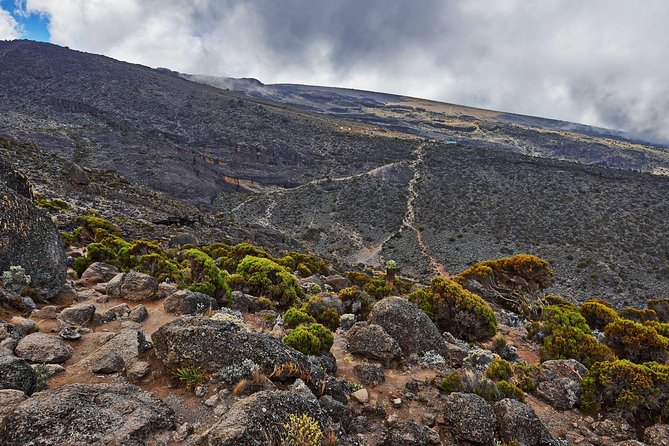
Kilimanjaro is one mountain, but the route you choose changes the whole vibe. The Rongai approach comes up from the northern entrance side, and that matters for two reasons: fewer crowds and a different feel as you move through changing terrain. One of the biggest benefits here is how the plan spreads altitude exposure with short, sensible steps. That’s not the same thing as making the climb easy, but it often makes it more doable.
I like that this itinerary is clearly designed for rhythm. You’re not just “go higher every day.” You trek, camp, recover, then do controlled acclimatization hikes. That’s exactly what your body needs at altitude, especially as you near summit readiness. If you’re newer, that structure gives you training time for your own breathing and pacing. If you’re experienced, it still respects physiology, which is what wins on summit day.
Price and logistics: what your $3,507 is really paying for
At $3,507 per person, you’re paying for more than a guided hike. You’re buying a whole operating system that runs from airport pickup to camp cooking, and that’s where the value shows.
Here’s what’s included that usually costs extra when you self-organize:
- JRO airport pick-up and drop-off, plus all ground transportation.
- Two hotel nights in Moshi at Aishi Machame Hotel.
- Park fees collected for Kilimanjaro National Park.
- Tents and shared camp gear including North Face VE-25 walk-in tents (with sleeping pads, dining setup, and tableware).
- Three meals a day on the mountain plus drinks like tea, coffee, juices, and soda.
- Medical support gear like oxygen tanks and oximeters, plus medical kits and check-ups.
- A full crew, including porters, camp masters, and cooks, not just guides.
The thing to keep in mind is that your insurance is not included, and you will need personal gear like your boots and sleeping bag. Also, tips for the support crew are not included. But compared with a “cheaper” option that leaves you to scramble for basics, this one tries to remove most risk factors you do not want to handle at 5,000-plus meters.
Aishi Machame Hotel in Moshi: your comfort buffer before altitude
Your trip starts with an easy landing. You meet an Altezza representative at Kilimanjaro International Airport (JRO), then transfer to the hotel. Check-in starts at 2:00 PM, and the evening includes a briefing with managers to help you get set for the climb.
A few details help this feel practical, not just pretty:
- The hotel has hot water, Internet access, and a swimming pool, which is useful for loosening up after travel.
- You get a real pre-climb briefing, which matters because altitude days are scheduled tightly.
The vibe in Moshi is a nice contrast to what’s coming. You want a good sleep and calm nerves before you start walking at 2,000 meters plus.
Quieter Kilimanjaro routes we walked through
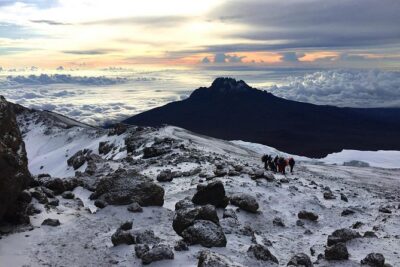
Day 2 from Nalemuru Gate to Simba Camp: conifer forest and your first pacing test
After breakfast and meeting your mountain guides and crew, you enter Kilimanjaro National Park through the Nalemuru Gate (2,020 m). The head guide handles permits and search-and-rescue registration, which is one less thing you need to think about.
Then comes a moderate trek through conifer forest on Kilimanjaro’s northern slope to Simba Camp (up to about 2,625 m). Expect around five hours of hiking time. This is where you set your pace for the whole mountain. The guides emphasize not rushing, and that’s not “motivational talk.” At altitude, going too fast early can stack fatigue and headaches you feel later.
When you arrive, your camp is set up for you. Tents are pitched by the crew, and dinner planning is already underway. That’s a big deal on day two, because your brain should be thinking about hydration and rest, not logistics.
Day 3 to Second Cave Camp and the Kikilewa acclimatization hike: short work, big payoff
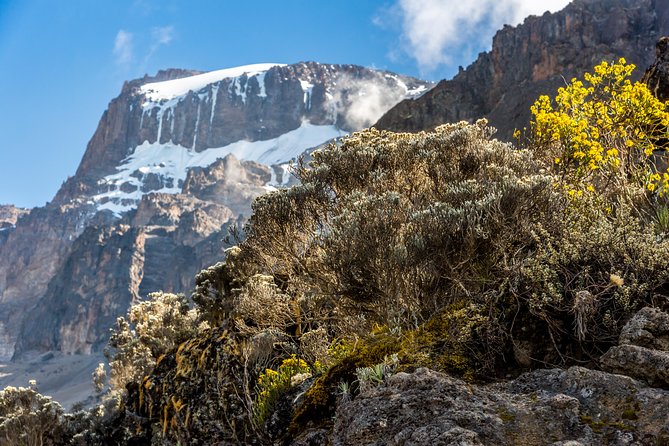
Day three starts with a climb from Simba Camp toward Second Cave Camp (3,480 m). The trek is described as rather easy, taking about three hours, and you’ll reach camp with time to breathe and settle.
The acclimatization piece happens after lunch. You do a short hike toward Kikilewa Camp (3,630 m) with only about a 100-meter gain, then head back down to Second Cave Camp. This “up a bit, down a bit” approach is the point. It helps your body learn what higher altitude feels like without overcooking your energy.
One practical tip I like in plans like this: use the acclimatization hike to practice your summit-night habits. That means steady steps, slow breathing, and staying calm when your body tells you to hurry.
Day 4 to Kikilewa Camp and Mawenzi Tarn: Kibo views if the clouds behave
You move to Kikilewa Camp (3,630 m) next. On a clear day, you can see Kibo Volcano at its finest, barring clouds. After lunch, this day includes a genuine rhythm shift: time to sleep before moving on again to Mawenzi Tarn Camp.
This is your “relief day that still keeps you on schedule.” Expect about eight hours total, including trekking and camp time. The benefit is that you’re not stuck in a sitting-only day. You’ll still walk, but you get a chance to recover so your body isn’t just accumulating stress.
Your guide also checks health conditions in the evening and gives instructions for tomorrow. That check-in matters because subtle symptoms at altitude can show up before they become obvious. If you’ve had headaches, nausea, or unusual fatigue, this is when you want to be honest, even if you feel embarrassed.
Day 5 to Mawenzi Tarn Camp: a second altitude bump with a controlled climb
On day five, you start early for Mawenzi Tarn Camp, positioned near the foot of Mawenzi Volcano. The trek is described as around seven hours.
Once you arrive, you get lunch and a two-hour rest. After that, you do another acclimatization hike, this time toward Mawenzi Volcano with about a 200-meter gain, then hike back down to camp.
The design of these hikes is simple and effective. You gradually raise your ceiling, then you come back down to recover. That pattern is one of the reasons people like Rongai for acclimatization.
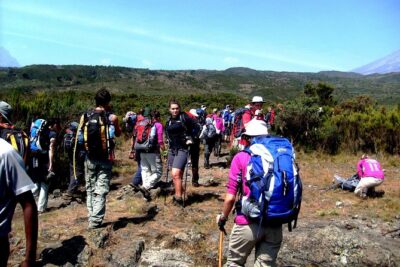
Also, this is a good day to lean on your guides for mental support. One trend that comes through strongly in past climbs is how much people appreciate friendly guidance, especially when the hike feels steep or the altitude starts nagging.
Day 6 toward Kibo Summit Camp: the semidesert shift and summit night prep
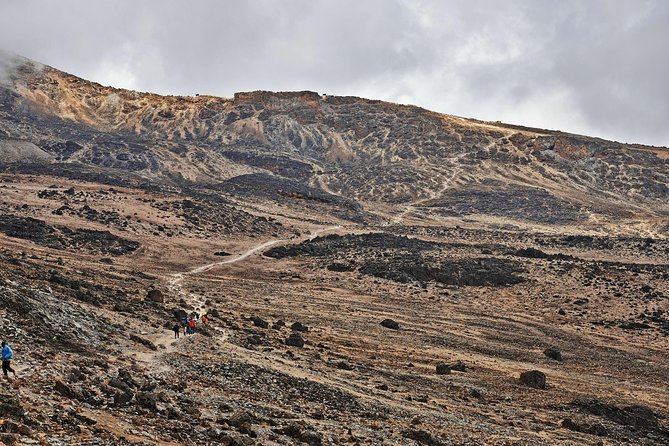
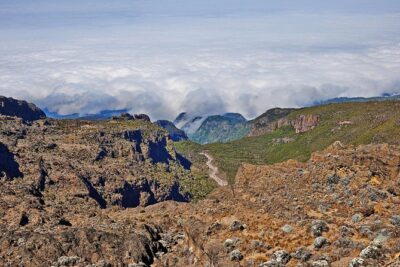
As you head toward Kibo Summit Camp (4,700 m), the terrain changes significantly. You move into a rocky semidesert, and the walking becomes less about thick forest trails and more about managing effort on open ground.
This day is long, around 14 hours, and that’s mainly because it sets up summit night. Even though the trekking is described as not very difficult, you still need to keep your pace steady. The plan is explicit about summit readiness: once you reach camp, sleep well, avoid strenuous activity, and drink as much as you can because the push toward Uhuru Peak happens that night.
I like how direct that guidance is. “Don’t waste your energy” is easy to say, and it’s hard to obey when you’re hyped. On summit night, your legs and lungs will both want to argue. So you protect them now.
Summit night from School Hut Camp to Uhuru Peak: cardiovascular strain and tight guidance
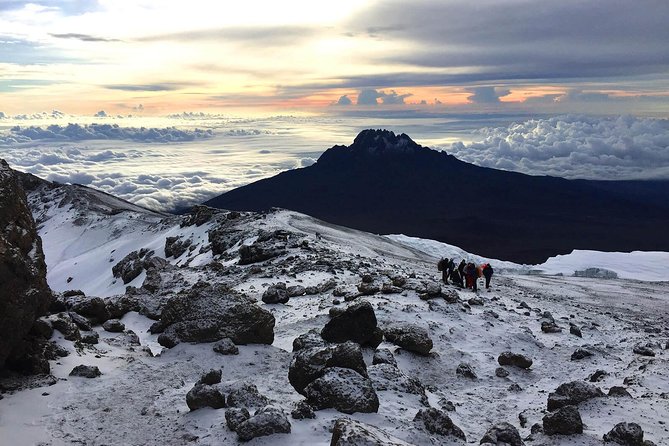
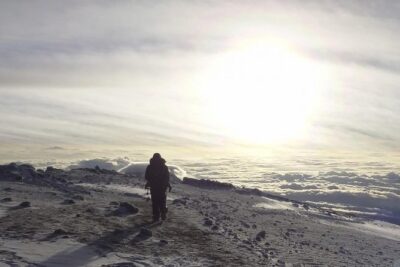
This is the moment everyone talks about for a reason. You depart School Hut Camp (4,715 m) at night and trek to Uhuru Peak (5,895 m). The gradient is described as moderate, but the strain is more cardiovascular than muscular. In plain terms, your heart and lungs have to work harder than you expect.
A guide system is built in for this part: one guide for every two climbers, continuously evaluating fitness. That ratio matters. On a mountain where conditions can change quickly, you want people monitoring you closely, not just leading a line down the trail.
Upon reaching the summit, there’s an optional walk on the nearest glacier. That can be the kind of memory that sticks forever, but your real goal is also getting back down safely.
Then comes the descent to Horombo Camp (3,720 m). You include a two-hour rest stop at Kibo Camp during the way down. Here’s the crucial mindset the program stresses: nine out of ten climbing accidents happen on the way down, so watch your step. This is where fatigue makes your footwork sloppy. You win by staying careful when you’re tired.
Day 8 to Marangu Gate and certificates: the end feels emotional
The final descent begins after breakfast, down to Marangu Gate (1,860 m). It’s around five hours total. After you reach the gate, you get a chance for a final exchange of impressions with your support crew. It’s a good moment because you’ve been living in a bubble of altitude days, and now you’re back in the world.
Then you receive your certificates of achievement at the offices before you’re driven back to the hotel. This is one of those small wrap-up steps that makes the effort feel official, not just like a blur of walking and waiting.
Day 9 in Moshi: a real rest day before your flight
On day nine, you stay in the hotel and transfer to the airport. Hotel check-out is at 11:00 AM, and if your flight is later, you can extend the hotel stay for an extra fee.
This is a smart choice. Even if you feel “fine,” your body has been stressed hard for nearly a week. A no-stress morning helps you travel home with less soreness and fewer surprises.
Who this tour fits best, and who should be cautious
This Rongai climb is a strong match if you:
- Want a less crowded route and a plan that supports acclimatization.
- Appreciate full-service support, with camp setup, cooking, and safety gear handled for you.
- Like having structured guidance, including help during summit night. In past climbs with this company, guides such as Jackson and Joseph are specifically praised for supporting people on summit night, including younger hikers.
- Value medical preparedness on a mountain where conditions can turn fast. The included oxygen tanks and oximeters are a big comfort, even if you hope you never need them.
You might think twice if you:
- Are looking for an ultra-budget trip or DIY style. This one is priced as a supported, medical-aware climb.
- Have a strong preference for minimal guidance or maximum solitude. This is a crew-and-group operation, and you’ll be managing schedules with other climbers.
Should you book this Altezza Kilimanjaro Rongai climb?
If you want the Kilimanjaro experience with less chaos and more safety structure, I’d say this is an easy “yes” to consider. The big reasons are practical: included park fees and transfers, real camp support, and medical gear that you do not have to hunt down yourself. The route choice also makes sense if you want a calmer acclimatization rhythm on the way up.
But be honest with yourself about the one thing no itinerary can fix: summit night is still hard. The plan’s tight monitoring, guide-to-climber support, and emphasis on safe footing help a lot, yet the mountain will still demand respect.
If that balance feels right, this is the kind of guided climb you book once and remember for the rest of your hiking life.
FAQ
What are the meeting time and meeting point details?
The meeting point lists a start time of 9:00 AM.
Are airport transfers included?
Yes. The package includes JRO airport pick-up and drop-off, along with all ground transportation.
How many nights are included in Moshi hotels?
You get two nights in Aishi Machame Hotel (two guests per room, except solo climbs).
What kind of tents are used on Kilimanjaro?
Tents are North Face VE-25 walk-in tents, with two hikers per tent (solo accommodation is available for an extra charge).
What meals and drinks are included during the climb?
You receive three energy-rich meals a day (breakfast, lunch, dinner) plus drinks on the mountain such as tea, coffee, juices, and soda. Vegetarian, gluten-free, halal, and other meal options are available.
Does the tour include medical support equipment?
Yes. The package includes medical check-ups, oxygen tanks, oximeters, and medical kits.
Are there opportunities to do acclimatization hikes?
Yes. The schedule includes easy acclimatization hikes such as the short hike toward Kikilewa Camp (about a 100-meter gain) and another hike toward Mawenzi Volcano (about a 200-meter gain).
Is this a private climb or a shared group?
It is listed as a private tour/activity, meaning only your group will participate.
What personal gear will I need to bring?
Personal equipment is not included. You should bring items such as your hiking outfit, boots, and a sleeping bag. Gear hire is mentioned as an option.
Is travel insurance included?
No. Insurance is not included, and it is highly recommended to cover trekking up to the stated altitude range and helicopter evacuation.
The Quieter Kilimanjaro Trails
- Kilimanjaro climb, Rongai Route (6-day)
★ 5.0 · 15 reviews - Mount Kilimanjaro Rongai Route
★ 5.0 · 10 reviews - 6-Day Rongai Route Trek in Mount Kilimanjaro
★ 5.0 · 8 reviews - Rongai Route 6 Days 5 Nights/Kilimanjaro climb
★ 5.0 · 7 reviews - 6-Day Kilimanjaro Umbwe Route–Steep,Adventurous, Challenging Path
★ 5.0 · 6 reviews
Kilimanjaro, Route by Route
- Kilimanjaro climb by Lemosho Route (7-day)
★ 5.0 · 651 reviews - Kilimanjaro climb, Machame Route (7-day)
★ 5.0 · 262 reviews - Kilimanjaro Climbing Lemosho Route 8 Days.
★ 5.0 · 186 reviews - Climbing Kilimanjaro – Machame Route
★ 5.0 · 170 reviews - Climbing Kilimanjaro through 7 days Machame Route
★ 5.0 · 151 reviews
Just added from around Moshi
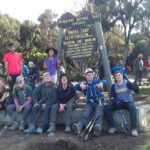
Kilimanjaro Rongai Umbwe and Shira Routes, compared.
 ★ 5.0Kilimanjaro climb, Rongai Route (6-day)From $3,06415 reviews
 ★ 5.0Mount Kilimanjaro Rongai RouteFrom $2,70010 reviews
 ★ 5.06-Day Rongai Route Trek in Mount KilimanjaroFrom $2,3538 reviews
 ★ 5.0Rongai Route 6 Days 5 Nights/Kilimanjaro climbFrom $1,8507 reviews
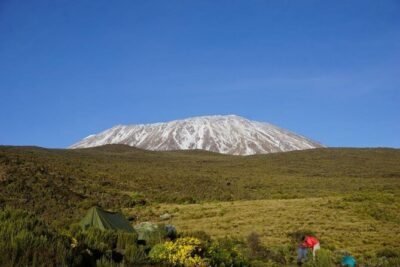 ★ 5.0Mt. Kilimanjaro: Shira plateau to Cathedral point 3872m Day hikeFrom $3207 reviews
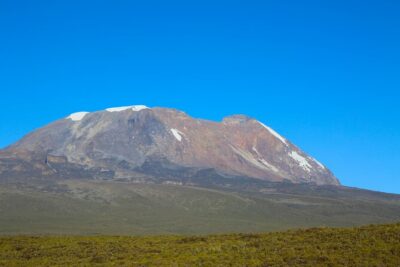 ★ 5.0Kilimanjaro Climbing Rongai RouteFrom $2,8406 reviews
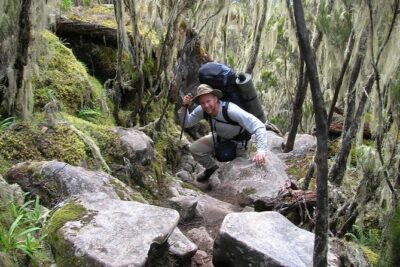 ★ 5.06-Day Kilimanjaro Umbwe Route–Steep,Adventurous, Challenging PathFrom $2,3106 reviews
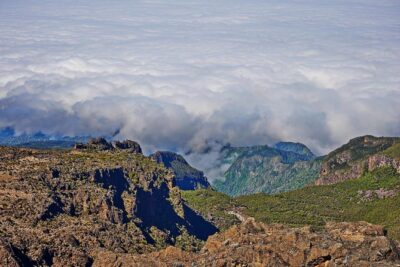 ★ 5.0Kilimanjaro climb, Kilimanjaro Crater route (10-day)From $6,4665 reviews
Browse the lists this tour appears in