
REVIEW · KILIMANJARO RONGAI UMBWE AND SHIRA ROUTES
6-Day Kilimanjaro Umbwe Route–Steep,Adventurous, Challenging Path
Uhuru Peak on the Umbwe Route comes early. This 6-day climb from Moshi uses the Umbwe Route, a steep, more direct line up Kilimanjaro that pushes you through rainforest, moorland, semi-desert, and high-alpine terrain before the summit day. If you like a challenge and fewer people on trail, this is the kind of route you plan for, not the kind you wing.
I love that the trek is built around real support: qualified guides, porters, and a cook team, plus camping gear and your meals. I also like the small but important comforts included, like hot water for washing daily and emergency oxygen (for emergencies only).
The main drawback is also the point: Umbwe is steep. You should expect altitude effects and a tough day-to-day grind, so you need strong fitness and patience with a slower-than-you-feel kind of pace.
In This Review
- Key Highlights You’ll Care About on Umbwe
- Umbwe Route: Fast, Steep, and for Strong Legs
- Price and Logistics in Moshi: What $2,310 Actually Buys
- Day 1: Umbwe Gate Rainforest, Mud, Fog, and Bivouac at 2,940m
- Day 2: Moorland Plants, Big Views, and Barranco Valley
- Day 3: Lava Tower at 4,630m and the Scramble to Arrow Glacier Camp (4,800m)
- Day 4: Western Breach to Crater Camp at 5,700m
- Day 5: Summit Attempt at Around 0400, Uhuru Peak (5,895m), Then Down to Mweka
- Day 6: Mweka Trail Descent, Dancing Celebration, and Certificate Day
- Who This Trek Fits Best (And Who Might Want Another Route)
- The Service Factor: Why This Company Gets Praised So Often
- Should You Book the 6-Day Umbwe Route?
- FAQ
- Where does the trek start and end?
- How long is the Kilimanjaro Umbwe trek?
- What’s included in the price of $2,310 per person?
- Do I need to bring my own trekking gear?
- Is portable toilet included?
- Is emergency oxygen provided during the trek?
- What certificate do I receive at the end?
Key Highlights You’ll Care About on Umbwe
- Steep, direct route that favors experienced trekkers and a faster feel to the climb
- Rainforest-to-crater scenery across clear climate zones, from mud-and-fog days to icy summit sections
- Early summit start around 0400 for tea and biscuits, then a snow-covered push to Uhuru Peak (5895m)
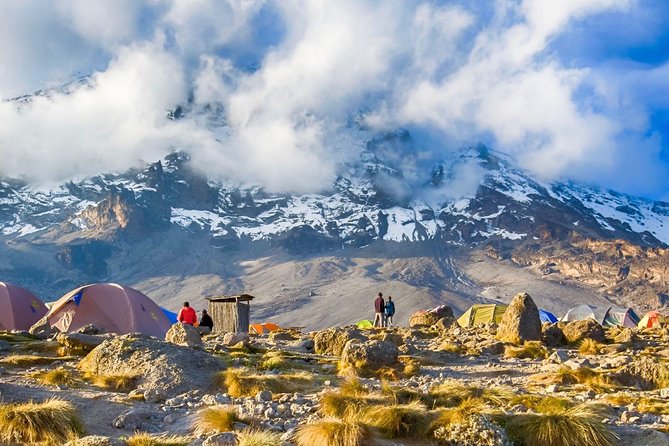
- High-altitude camp experience, including the chance for an Ash Pit day hike while staying at Crater Camp (5700m)
- Strong on-the-ground care, with guidance and staffing focused on keeping you safe and fed
- Transfers and gear included, so you can focus your energy on training and acclimatization
Other ways up Kilimanjaro we reviewed
- Kilimanjaro climb by Lemosho Route (7-day)★ 5.0 · 651 reviews
- Kilimanjaro climb, Machame Route (7-day)★ 5.0 · 262 reviews
- Kilimanjaro Climbing Lemosho Route 8 Days.★ 5.0 · 186 reviews
- Climbing Kilimanjaro – Machame Route★ 5.0 · 170 reviews
Umbwe Route: Fast, Steep, and for Strong Legs
The Umbwe Route is Kilimanjaro for people who want a challenge with momentum. It’s known for a steeper ascent and a more direct path toward the summit, which usually means less waiting around and less time on the mountain than gentler routes. That can be great for trekkers who already have stamina and want the summit goal to feel close, not distant.
On the practical side, expect big changes day to day. Your first day starts in rainforest conditions, so you’re not just packing a backpack, you’re packing for wet trail reality. By the time you’re near Arrow Glacier Camp and Crater Camp, the air changes fast, the terrain gets rockier, and cold starts to matter.
The other side of the “direct” coin is mental pressure. You’ll feel it on summit day, and you might feel it earlier through headaches or shortness of breath as altitude climbs. This is not a casual stroll, and the route rewards good pacing more than hero moves.
Price and Logistics in Moshi: What $2,310 Actually Buys
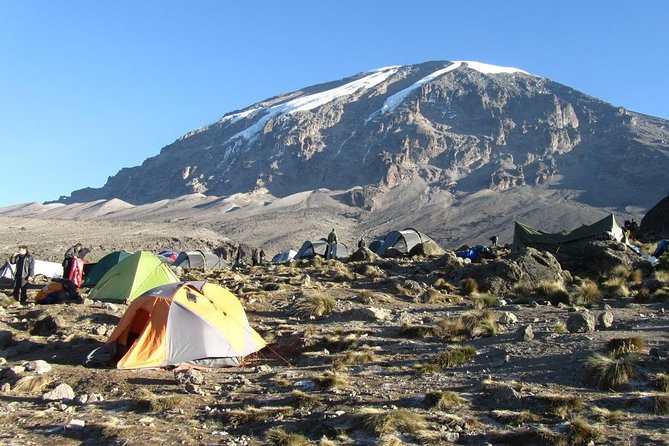
At $2,310 per person for a 6-day trek, you’re paying for more than guiding. The package includes all fees and taxes, return transfers between Kilimanjaro airport and Moshi, camping equipment (tents, camp chairs, tables, and sleeping mattress), and staff wages for guides, assistant guides, porters, and the cook team. You also get meals across the trek, including five breakfasts, six lunches, and five dinners.
You’re also getting real emergency planning basics. The itinerary includes emergency oxygen for emergencies only and a basic first aid kit. That doesn’t remove risk, but it does mean you’re not going up empty-handed if someone has a medical scare.
A big value point here is that you’re not managing daily logistics on your own. You get pickups in Moshi, and on mountain days, porters organize and pack belongings for the hike and set up tents before you arrive at camp. That matters because on a climb like this, the less you have to think about at altitude, the better.
Day 1: Umbwe Gate Rainforest, Mud, Fog, and Bivouac at 2,940m
Day one starts with an early breakfast in Moshi, then a drive to Umbwe Gate. At the gate you’ll buy mineral water, pick up a packed lunch, and connect with park registration processes while your porters organize your load. It’s a good start because it means you begin hiking with fewer tasks in your head.
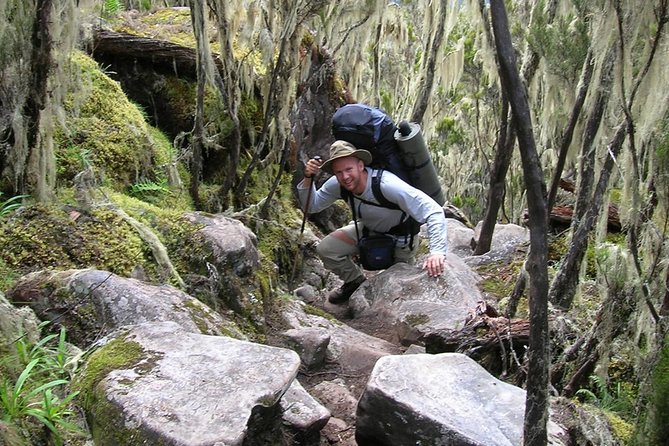
Once you start climbing in the rainforest section, the conditions can be wet and messy. Rain, mud, and fog are part of the expected mix. You’ll want to plan for reduced visibility and slippery footing, not just cooler temperatures. It’s also a chance to spot wildlife, with Colobus monkeys called out as a possibility.
About halfway up, you’ll stop for lunch. Then you continue to Bivouac Camp at 2940m, typically arriving late afternoon or early evening. The key thing here is rhythm: you’re getting a first day that builds effort while still giving you time to settle into camp and adjust before the steeper work begins.
If you’re the kind of trekker who hates wet gear lingering in your bag, this first day can feel like a reality check. On the other hand, if you handle it well, day one is also where the Umbwe character becomes real.
Quieter Kilimanjaro routes we walked through
Day 2: Moorland Plants, Big Views, and Barranco Valley
Day two transitions away from the rainforest into moorland habitat. The pace can feel different here. You’ll likely move through heathland type vegetation and start spotting plants like giant lobelia and groundsel as you climb.
The itinerary also highlights a classic Kilimanjaro moment: trail views of Mount Kilimanjaro showing up while you’re still gaining altitude. That’s useful because it helps you stay motivated. You can look up, see what you’re working toward, and understand that the mountain is not just a distant concept.
From moorland, the trail flattens and then descends into the Barranco Valley. Barranco Camp sits with a stream nearby, and you’ll get strong views of the Western Breach and the Great Barranco Wall. This is a day where the scenery can make the effort feel worth it even if your legs are tired.
Tents are set up before you arrive, which keeps you from turning camp time into a second job. You’ll also have drinking and washing water prepared for you, so you can cool down and reset for the next altitude push.
Day 3: Lava Tower at 4,630m and the Scramble to Arrow Glacier Camp (4,800m)
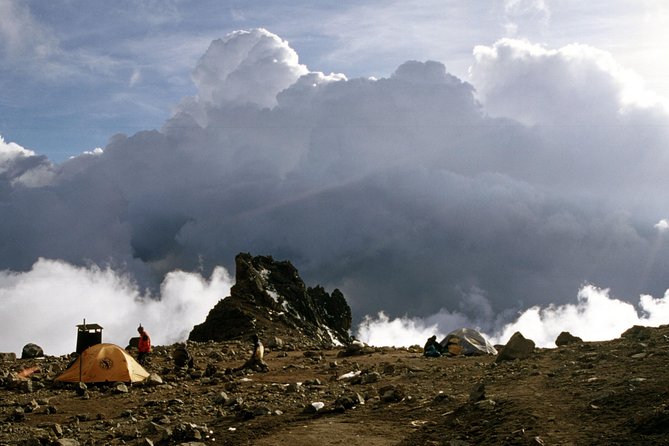
Day three is where the mountain starts feeling more exposed. After an early breakfast, you leave moorland and move into semi-desert and rocky terrain. This is the day where the climb becomes more physical, not just higher.
You’ll hike for about five hours east before reaching Lava Tower at 4630m. Packed lunch happens at the Tower, and you may have the option of climbing it if conditions are right. Lava Tower is also a spot where altitude can start to show up in your body. The itinerary specifically notes that headaches and shortness of breath can begin around this phase.
After lunch, you scramble up a Class 2 trail toward Arrow Glacier Camp at 4800m. This is a shift from steady hiking into careful climbing. You want good footing and a calm pace, especially if you’re feeling the altitude.
What you get from this day is transition. Arrow Glacier Camp sets you up for the next jump in elevation. It’s a tough night, but it helps the overall climb stay moving rather than dragging.
Day 4: Western Breach to Crater Camp at 5,700m
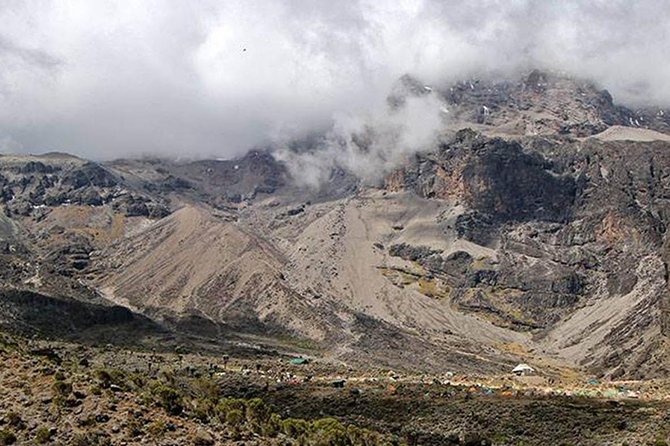
Day four is one of the defining days on the Umbwe Route. After breakfast, you continue scrambling up Class 2 rocky sections. In rain season, the itinerary notes that ice axe and crampons may be required due to icy conditions. That’s a clear signal to take your cold-weather preparedness seriously if you’re traveling in wetter months.
You slowly ascend the Western Breach to the crater area at about 5700m. The top experience is described in terms of what you see: the Northern Ice fields of Kilimanjaro with the Furtwangler Glacier in front of you. It’s the kind of view that makes the effort feel specific and real, because you can actually see the summit world you’re chasing.
At Crater Camp, you have an optional day hike to the Ash Pit, which is about 1.5 hours. The ash pit is described as 340m across and 120m deep. If you do it, you’re adding a more intense mini-journey at high altitude, so only go if your guide says you’re in good shape.
Then the big highlight: you enjoy dinner and stay at the inner snow-covered crater area. That’s not “tourist scenery.” It’s high-altitude experience in cold, quiet conditions, and it’s a strong reason many climbers talk about this particular itinerary.
Day 5: Summit Attempt at Around 0400, Uhuru Peak (5,895m), Then Down to Mweka
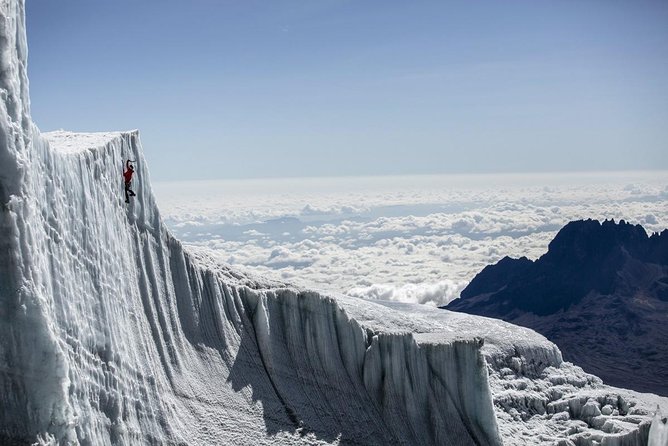
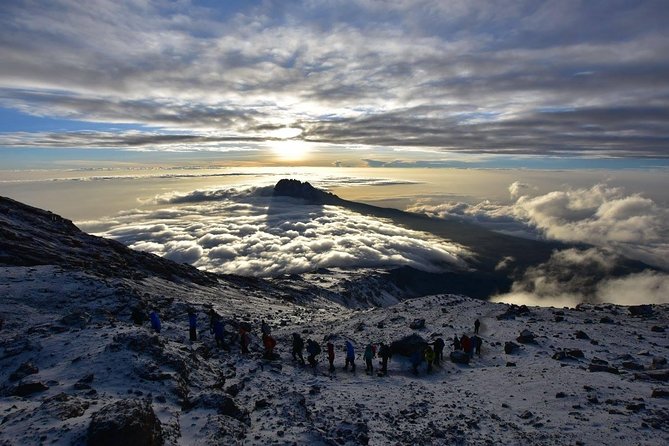
Summit day starts early, around 0400 for tea and biscuits. You begin the ascent on a snow-covered trail toward Uhuru Peak at 5895m. The itinerary notes that this is often the most mentally and physically challenging part of the climb, and that matches what you should expect when you combine steep effort with thin air.
The ascent includes about two hours on the snow-covered section to reach the peak. Once you arrive, you’ll have time on the summit for photos and a short pause to drink something. Then you’re back in motion quickly, because the descent is long.
From the crater area down to Mweka at 3100m, hiking time is roughly 7 to 8 hours, and the itinerary lists about a 7-kilometre ascent and 23-kilometre descent. That descent matters as much as the summit because your day is not finished just because you reached the highest point. Leg fatigue, cold, and attention to footing all come into play.
If you’re planning footwear and trekking support, summit day is where your preparation pays off. Good hydration and steady pacing matter more than speed.
Day 6: Mweka Trail Descent, Dancing Celebration, and Certificate Day
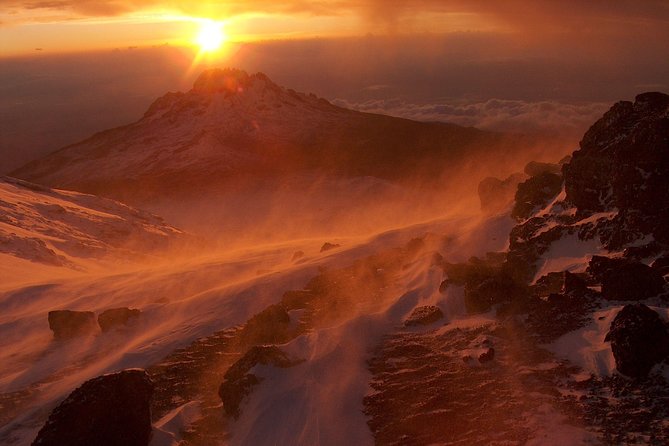
You start day six with breakfast, then a celebration with dancing and singing for the end of the trek. After that, you present tips to your guide, assistant guides, chef(s), and porters. It’s a cultural and practical moment, because it puts value where the work happens.
Then you descend about three hours back to Mweka Gate. The national park requires hikers to sign their names to receive completion certificates. The certificate color gives a simple outcome: green for reaching Stella Point (5685m), gold for reaching Uhuru Peak (5895m).
After certificates, you descend into Mweka village for about an hour. This is where the climb closes and the logistics shift back toward normal life. Your body will likely feel the last days. The upside is you’re moving downward, and the hardest technical elements are behind you.
Who This Trek Fits Best (And Who Might Want Another Route)
This is best for trekkers who already have strong fitness and comfort with altitude. The itinerary is explicitly described as challenging and steep, and it includes scrambling on Class 2 terrain, plus the possibility of icy conditions in rain season.
If you like routes that feel more direct and you’re the kind of person who trains consistently, you’ll likely enjoy the structure. You’ll also like the fact that camp staff handle setup and you get meals on schedule. That reduces day-to-day uncertainty, which matters when you’re tired and at altitude.
If you’re new to high-altitude trekking, or if you tend to struggle when conditions get wet and visibility drops, you may find the Umbwe Route unforgiving. The itinerary notes that altitude symptoms can begin around day three, so you want a plan that matches your acclimatization style.
The Service Factor: Why This Company Gets Praised So Often
In the reviews you provided, a few themes show up again and again. People highlight strong organization from the first day. They also mention customer service and a helpful local rep who organized a town tour day before trekking. That kind of support is practical: it helps you take care of logistics and keeps your pre-trek time calm.
Guides and porters also get credit for care and attention to safety and food. One review called out a head guide named Godfrey and described the experience as superb, including hotel, food, hike accommodations, and customer service. Another person credited Frazier with helping them sort airport-to-lodging logistics when planning was last minute.
You should treat those as positive signals, not guarantees. Still, if you value a team that handles details and keeps the group well cared for, this kind of praise is the right kind of data to pay attention to.
Should You Book the 6-Day Umbwe Route?
Book it if you want a steep, adventurous Kilimanjaro climb with a faster feel and clear milestones: Umbwe rainforest, moorland, Lava Tower, Arrow Glacier area, Crater Camp, then Uhuru Peak at dawn. You’ll get included meals, camping gear, transfers, and emergency oxygen, plus daily hot water for washing, which is more useful than it sounds on cold days.
Don’t book it if you’re looking for a relaxed pace or you know you get stressed when conditions are wet, muddy, or foggy. Umbwe asks for solid fitness and a mindset that altitude symptoms are not a personal failure, they are information, and you respond by pacing and following your guide.
If your training matches the effort level and you want the intensity of the Umbwe Route, this is a strong match.
FAQ
Where does the trek start and end?
The trek starts in Moshi, Tanzania, with pickup from Moshi Urban. The experience ends back at the meeting point in Moshi.
How long is the Kilimanjaro Umbwe trek?
The itinerary is planned for 6 days, with each day focused on specific altitude gains and camp stops on the Umbwe route.
What’s included in the price of $2,310 per person?
Included are all fees and taxes, return transfers between Kilimanjaro airport and Moshi, emergency oxygen for emergencies only, a basic first aid kit, guides and porters (with wages), camping equipment (tents, camp chairs, tables, sleeping mattress), hot water for washing daily, fresh drinking water, and meals (breakfast, lunch, and dinner as listed in the plan).
Do I need to bring my own trekking gear?
Personal hiking and trekking gear is not included. You can rent gear from equipment stores in Moshi.
Is portable toilet included?
A portable toilet is not included. It is listed as optional but highly recommended.
Is emergency oxygen provided during the trek?
Yes. Emergency oxygen is included, but it is for emergencies only and not as summit aid.
What certificate do I receive at the end?
At Mweka Gate, you sign your name to receive certificates of completion. Green certificates are for reaching Stella Point (5685m), and gold certificates are for reaching Uhuru Peak (5895m).
The Quieter Kilimanjaro Trails
- Kilimanjaro climb, Rongai Route (7-day)
★ 5.0 · 40 reviews - Kilimanjaro climb, Rongai Route (6-day)
★ 5.0 · 15 reviews - Mount Kilimanjaro Rongai Route
★ 5.0 · 10 reviews - 6-Day Rongai Route Trek in Mount Kilimanjaro
★ 5.0 · 8 reviews - Rongai Route 6 Days 5 Nights/Kilimanjaro climb
★ 5.0 · 7 reviews
Kilimanjaro, Route by Route
- Kilimanjaro climb by Lemosho Route (7-day)
★ 5.0 · 651 reviews - Kilimanjaro climb, Machame Route (7-day)
★ 5.0 · 262 reviews - Kilimanjaro Climbing Lemosho Route 8 Days.
★ 5.0 · 186 reviews - Climbing Kilimanjaro – Machame Route
★ 5.0 · 170 reviews - Climbing Kilimanjaro through 7 days Machame Route
★ 5.0 · 151 reviews
Just added from around Moshi
Kilimanjaro Rongai Umbwe and Shira Routes, compared.
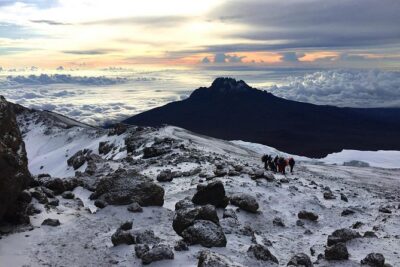 ★ 5.0Kilimanjaro climb, Rongai Route (7-day)From $3,50740 reviews
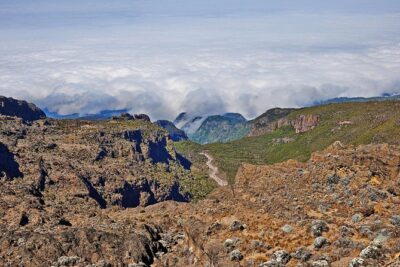 ★ 5.0Kilimanjaro climb, Rongai Route (6-day)From $3,06415 reviews
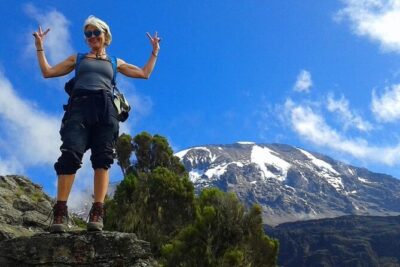 ★ 5.0Mount Kilimanjaro Rongai RouteFrom $2,70010 reviews
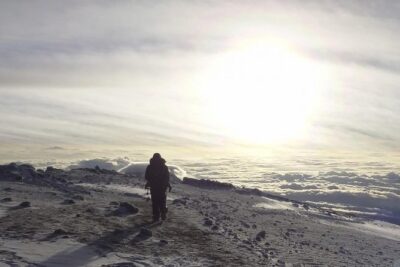 ★ 5.06-Day Rongai Route Trek in Mount KilimanjaroFrom $2,3538 reviews
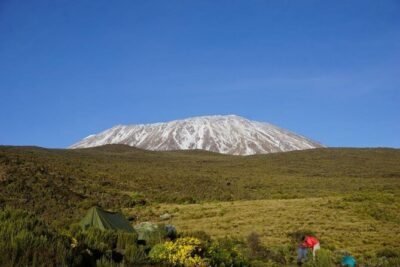 ★ 5.0Mt. Kilimanjaro: Shira plateau to Cathedral point 3872m Day hikeFrom $3207 reviews
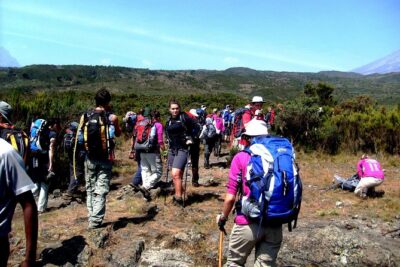 ★ 5.0Rongai Route 6 Days 5 Nights/Kilimanjaro climbFrom $1,8507 reviews
 ★ 5.0Kilimanjaro Climbing Rongai RouteFrom $2,8406 reviews
 ★ 5.0Kilimanjaro climb, Kilimanjaro Crater route (10-day)From $6,4665 reviews
Browse the lists this tour appears in