
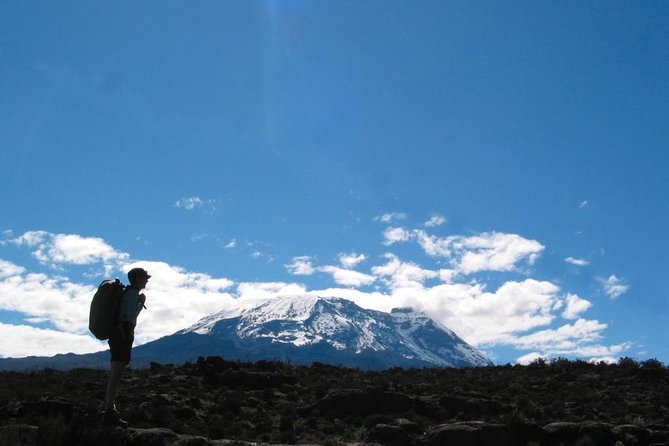
REVIEW · KILIMANJARO MARANGU ROUTE
Kilimanjaro Climb • Marangu Route ~ 9 Day
One of Africa’s hardest hikes starts with real comfort. This 9-day Kilimanjaro climb on the Marangu Route puts you in Moshi first, then eases you into the altitude with guided prep and a steady rhythm of huts, meals, and check-ins. I especially like how Tusker leans hard on safety systems, with expert altitude medical training built into the guiding team.
The second thing I like is the human scale. With a maximum group size of 16, you get better attention during orientation, gear checks, and the day-by-day grind, and you’re not just an anonymous face in a line.
One possible drawback is that Marangu is a hut route, so you’ll be sleeping in shared mountain huts (and sharing the common dining setup) rather than having private camping space.
In This Review
- Key things that matter on this climb
- Moshi first: where your climb actually begins
- Day-by-day rhythm on the Marangu Route, from forest to altitude
- A potential downside at Mandara
- Horombo Hut: your acclimatization base, with real scenery rewards
- What you do with your time at Horombo
- Kibo Saddle and Kibo Hut: switching from hiking to the summit plan
- Summit night: the push to Uhuru Peak, and how you’ll actually feel
- The summit numbers you’ll be thinking about
- Descent day back to Moshi: where you cash in the trail fatigue
- Food, tents, and the team behind your safety
- Price and value: what $5,699 buys you, and what to plan for
- Who should choose this Marangu climb, and who might reconsider
- Should you book Tusker Trail for Kilimanjaro Marangu?
- FAQ
- How long is the Kilimanjaro climb on this Marangu route?
- Where does the experience start and end?
- Do they pick you up, and is transportation provided back to Moshi?
- Is equipment or gear rental included?
- What is the group size limit?
- Is there free cancellation, and how far in advance?
Key things that matter on this climb
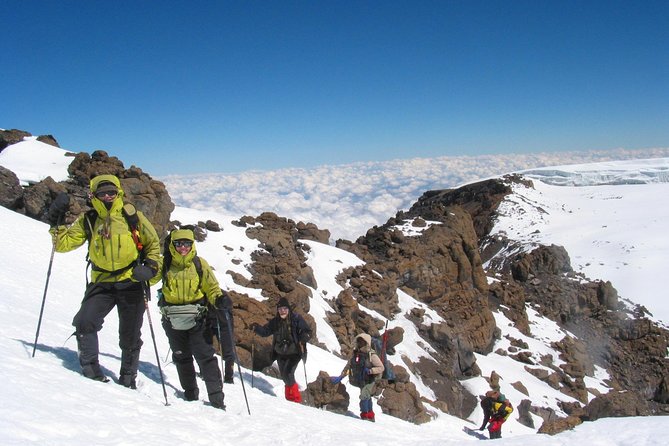
- Safety-first guiding, supported by altitude medical training and a long track record
- Marangu hut life, including running water and toilets at the huts
- Practical acclimatization, including a full acclimatization night at Horombo plus a shorter hike
- A midnight summit start, with hot tea and snacks right before the push
- Strong food focus, including CIA-trained mountain chefs and “adventure cuisine”
- Small group feel, capped at 16 people, with named leadership like Urio and Pastorey
Other ways up Kilimanjaro we reviewed
- Kilimanjaro climb by Lemosho Route (7-day)★ 5.0 · 651 reviews
- Kilimanjaro climb, Machame Route (7-day)★ 5.0 · 262 reviews
- Kilimanjaro Climbing Lemosho Route 8 Days.★ 5.0 · 186 reviews
- Climbing Kilimanjaro – Machame Route★ 5.0 · 170 reviews
Moshi first: where your climb actually begins
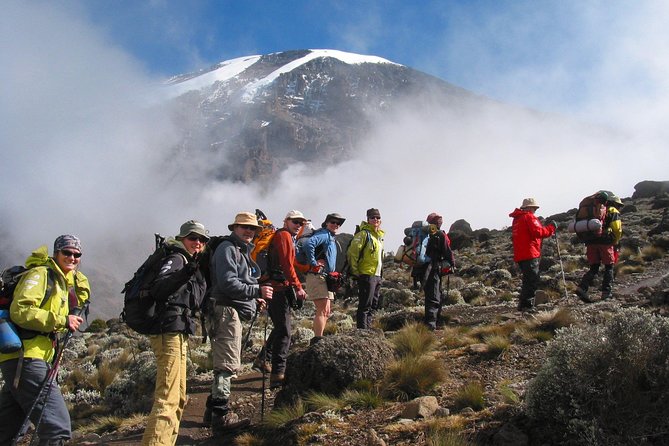
Your Kilimanjaro climb starts in Moshi, not on the mountain. You arrive, check into a family-owned hotel, and get time to reset before the first big day. If you’ve ever tried to start a trek while still in “travel mode,” you know how much this matters. I like that the schedule gives you breathing room instead of rushing you straight to a trailhead.
Then you get two nights in Moshi to prep and meet your guides. This is where the trip stops feeling vague. You get a detailed climb orientation and a gear check, which is a simple thing, but it can prevent a lot of pain later. You also get to connect with the people doing the real work up at altitude.
Tusker Trail also puts real effort into the team side. Eddie Frank is the founding guide, and Tusker highlights his 43 years of guiding experience and 52 personal Kilimanjaro climbs. In the same spirit of “names and faces,” the trip experience includes support from Katie in the US, Julian in Moshi, and leadership on the mountain from Urio and Pastorey. That kind of continuity tends to translate into smoother decision-making on tough days.
If you’re the kind of person who feels calmer when you know what to expect, this Moshi setup is a big part of the value.
Day-by-day rhythm on the Marangu Route, from forest to altitude
The Marangu Route has a classic feel: lush beginnings, gradual altitude changes, and hut-to-hut hiking. The tradeoff is that the trail can feel structured and busy in places, and you’re always working toward specific hut stops. But it’s also predictable. That predictability is part of what makes it a strong choice for people who want a guided plan that’s not trying to be “wild and random.”
You start with a drive to the park gate, then begin hiking through the montane forest for about 4 to 5 hours to Mandara Hut. This is your entry into the mountain world. The forest section is lush and alive, and it’s one of the times you’re likely to notice wildlife without needing to strain for it. Looking up for black and white Colobus monkeys is a fun, specific touch, and it also helps break the monotony of climbing.
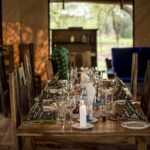
You arrive at Mandara, a set of mountain huts that you share with other climbers. The practical perks here are that the huts have running water and toilets. For a summit attempt, those small comforts add up. They don’t make altitude easier, but they make the “in between” time a lot more manageable.
A potential downside at Mandara
You should mentally plan for “shared space.” The common dining area and shared hut setup can be totally fine for most people, but if you’re very privacy-focused, it may feel less comfortable than tent camping.
Marangu, other operators and other lengths
Horombo Hut: your acclimatization base, with real scenery rewards
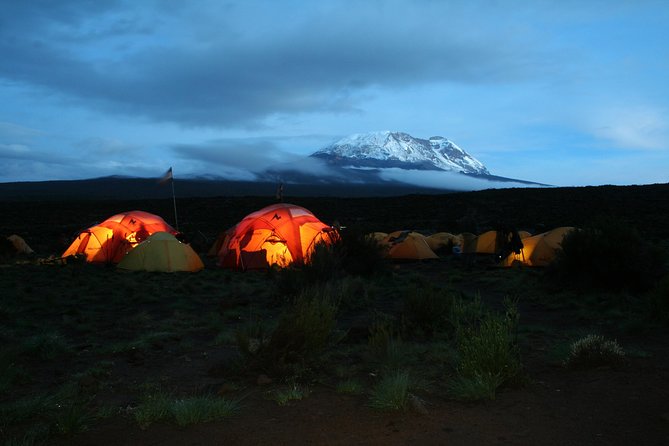
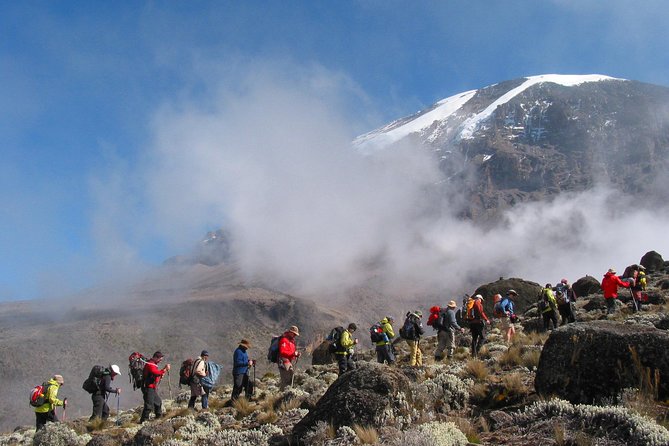
After the forest, you move into heath and moorland. This is where the mountain starts opening up. You’ll get early views of Mawenzi and Kibo Peaks in the distance, and the hike starts to feel more exposed and expansive.
Day 4 is a longer hike, about 8 hours to Horombo Hut. You’ll arrive mid-afternoon, which matters because it gives you time to settle in before the next day. Horombo Hut is your acclimatization anchor, and the scenery gets better as your surroundings thin out. Even without perfect views, you’ll feel the shift from green to alpine.
The next day is the real acclimatization win. You spend two nights at Horombo, plus an extra acclimatization hike. The plan is a short hike, then you return to Horombo for lunch and a relaxing afternoon before dinner. That pattern is classic for helping your body adapt while still keeping you from overdoing it.
This is one of the reasons I take Marangu seriously. The itinerary does not treat acclimatization like a checkbox. It gives you time to absorb the altitude and correct course if you don’t feel right.
What you do with your time at Horombo
At Horombo, you’re not just waiting for the next day. You’re resting with a purpose. You’ll likely spend time in the shared hut areas, and you’ll eat meals your guides and cooks have prepared, but the main goal is pacing. The longer you can stay comfortable and steady here, the more likely you are to handle the later stages without rushing.
Kibo Saddle and Kibo Hut: switching from hiking to the summit plan
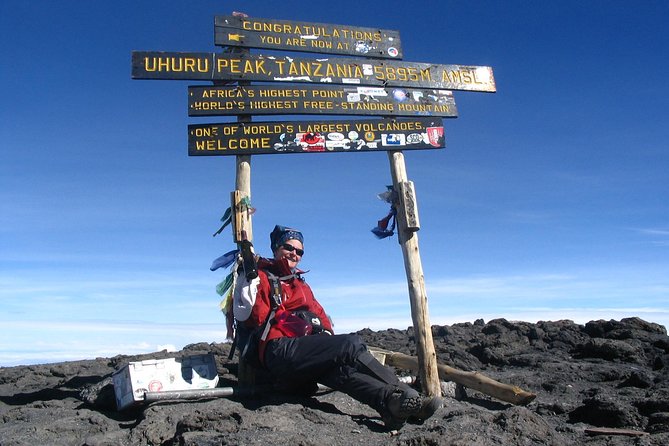
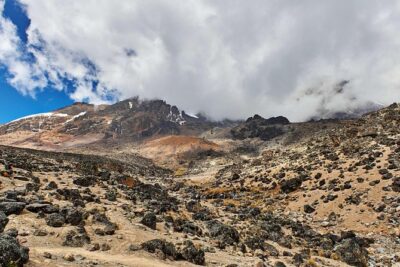
After breakfast on the next big trek, you continue through alpine desert habitat. The terrain gets more barren, and the atmosphere can feel sharper. Once you cross the Kibo Saddle, you’re in the zone between Mawenzi and Kibo, and the route turns into a grind.
Then you climb up to Kibo Hut on the slopes of Kibo Peak. If the sky is clear, the itinerary notes you’ll be able to see Gilman’s Point on the crater rim, a landmark on your way toward the summit. I like this kind of “you’ll recognize it” navigation. It helps you track progress, and it gives you something concrete to aim for as the night gets closer.
You reach Kibo around mid-afternoon. Then it’s downshift time: relax, dinner, and preparation for the summit climb that night. The schedule sets you up for a midnight-style start, because you don’t want to start too late or too early. You want the climb to happen when conditions are at their best for the final push.
This is also where your packing and clothing choices matter most. You don’t want to be scrambling to fix gear decisions once you’re at Kibo. Since equipment and gear rental are not included, plan to bring what you need or arrange rental before you go. When you’re dealing with cold at altitude, “I thought I could manage” gets expensive quickly.
Summit night: the push to Uhuru Peak, and how you’ll actually feel
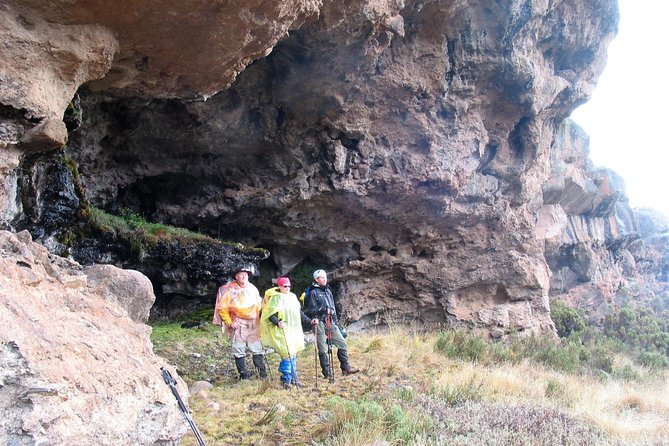
On summit day, your guide wakes you just before midnight with hot tea and snacks. That detail sounds small, but it’s one of those things that can change your mental state. When you’re tired and chilled, someone handing you something warm gives you a reason to keep moving without having to convince yourself.
The climb starts uphill immediately and gradually becomes demanding. This is described as the toughest day, and the schedule gives you about 2 hours from Gillman’s Point to reach Uhuru Peak. That means the final stretch is intense, but also short enough that you’re not trapped in endless climbing for hours and hours.
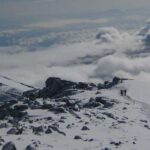
As you move through rocky outcrops and scree, you’re also watching the light. The itinerary points out stunning sunrise views of Mawenzi, the Kibo Saddle, and the plains below. Even if the sunrise is hazy, the act of seeing change from dark to light is a powerful motivator. The mountain has a way of making time feel real.
When you reach the rim and then Uhuru Peak, the view is the payoff. The program notes that once you summit, you celebrate and head back down toward Horombo for the night. That descent is not optional comfort-wise. It’s part of how you protect your body after the big achievement.
The summit numbers you’ll be thinking about
The summit is listed at 19,340 ft or 5,895 m. Your descent target is Horombo Hut at 12,340 ft or 3,761 m. Seeing those numbers ahead of time can help you understand why the summit day is so exhausting. You’re climbing high and then reversing the effort before your body has fully recovered.
Descent day back to Moshi: where you cash in the trail fatigue
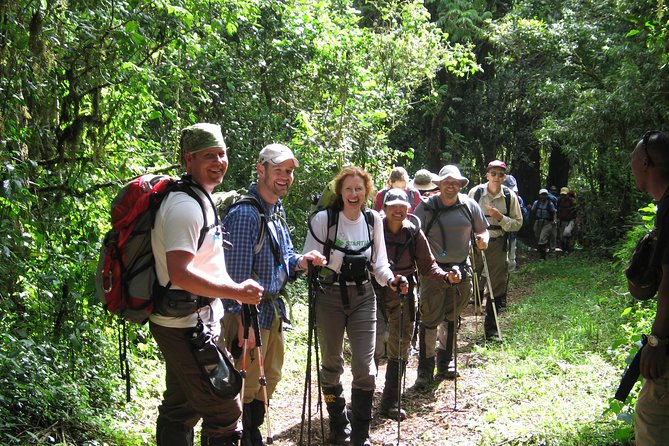
After summiting and spending the night at Horombo, your next day is the descent down past Mandara Hut to the national park gate. Then it’s a drive back to Moshi, about 90 minutes. The hike is listed around 4 hours, with the descent passing through rain forest near Mandara.
This is where many people feel a mix of relief and soreness. The lower altitude makes it easier to breathe, but your legs still carry the memory of the climb. I like that the schedule ends with a meeting at the park gate by Tusker vehicles, followed by a shower and a final climb celebration at your hotel.
That shower is not a luxury detail. It’s a morale booster and a practical reset when you’re dealing with sweat, dust, and cold. On a mountain like Kilimanjaro, small comfort items can feel huge.
Food, tents, and the team behind your safety
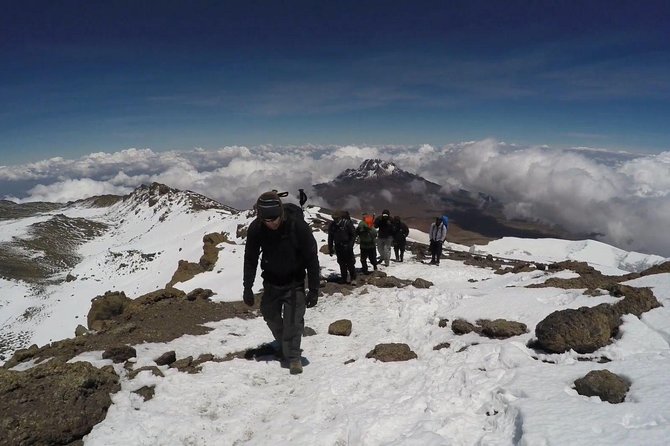
Tusker’s food approach is a standout in the way it’s described. The mountain chefs are trained at the Culinary Institute of America, and they focus on what they call “adventure cuisine.” That matters more than it sounds. If you’ve had hikes where meals are bland or inconsistent, you know the mental impact. Good food keeps your energy steady and reduces the temptation to skip fuel when you should be eating.
The itinerary also includes breakfast and lunches and dinners across the climb. You get breakfasts on 8 days, lunches on 8 days, and dinners on 7 days. That consistency is a hidden strength. You’re not constantly guessing what your energy plan will be day-to-day.
On the comfort side, Tusker also mentions custom walk-in tents. The itinerary here describes staying in huts on the route, so the tents may be part of the broader way they operate or support certain phases, but the key takeaway is that they think about shelter and comfort as part of performance, not as an afterthought.
And then there’s safety. Tusker highlights expert altitude medical training for guides, and their reputation in the reviews emphasizes safety first, summiting second. In real life, that philosophy often means you’re not pushed past your point of comfort just to hit a schedule. On Kilimanjaro, that’s exactly what you want.
Price and value: what $5,699 buys you, and what to plan for
The price listed is $5,699 per person. That’s not cheap. But this isn’t a bare-bones trek either, and the value depends on what you compare it to.
Here’s what the provided details suggest you’re getting for that money:
- Meals included across most days (breakfasts, lunches, and dinners)
- Admission ticket included on the mountain days (noted on multiple hiking days)
- A planned structure with orientation and gear check
- Pickup offered and transfers to and from the park gate and back to Moshi
- A guided climb with a team built around altitude medical training
- A maximum group size of 16, which usually means more attention per person
What’s not included:
- Equipment and gear rental
That last line is the part you can’t ignore. If you compare prices, you need to also compare what you personally will pay for gear. If you already own solid hiking boots, layering pieces, and cold-weather essentials, you might be fine. If you’re missing core items, the “cheap” option can get expensive fast.
Also note the start time is listed as 12:00 am. That doesn’t mean you’re hiking all day at midnight, but it does signal that the trip timing is anchored around late-night summit planning. You should be ready for early and late days, especially around the summit.
Who should choose this Marangu climb, and who might reconsider
This Marangu Route climb fits people who want:
- A structured plan with huts, predictable rest stops, and guided pacing
- An emphasis on safety and altitude guidance, with a team designed around medical training
- A reasonable group size, capped at 16
- A team that cares about meals, with a strong food setup
It might be less ideal if:
- You need private sleeping arrangements. Marangu huts are shared with other climbers.
- You don’t want to buy or arrange gear. Gear rental is not included.
- You’re easily stressed by late-night logistics. Summit day starts just before midnight.
The program also mentions that most people can participate, but Kilimanjaro is still a serious effort. If you’ve never done high-altitude trekking before, you’ll want to take training and conditioning seriously.
Should you book Tusker Trail for Kilimanjaro Marangu?
I’d consider booking this if you want a guided Kilimanjaro climb that takes the human parts seriously: safety systems, solid orientation, consistent meals, and a summit strategy that relies on timing and pacing rather than brute force.
I would hesitate if you need private accommodations, or if you’re not ready to handle cold-weather gear on your own. In those cases, the hut setup and the equipment rental gap can annoy you, especially as the mountain gets colder and the schedule tightens.
If you want a Marangu climb with experienced leadership like Eddie Frank, plus on-the-ground support from people such as Julian, Urio, and Pastorey, this option makes sense as a serious, well-run attempt at Uhuru Peak.
FAQ
How long is the Kilimanjaro climb on this Marangu route?
The trip is listed as 9 days (approx.).
Where does the experience start and end?
It starts in Moshi, Tanzania, and after the hike you return to Moshi for the final night and celebration.
Do they pick you up, and is transportation provided back to Moshi?
Pickup is offered. You also drive to the park gate at the start, and on the final day you’re met at the gate and taken back to your hotel in Moshi.
Is equipment or gear rental included?
No. Equipment and gear rental are not included.
What is the group size limit?
The maximum group size is 16 travelers.
Is there free cancellation, and how far in advance?
Yes, free cancellation is available. You can cancel up to 24 hours in advance for a full refund. If you cancel less than 24 hours before the experience’s start time, the amount paid will not be refunded.
The Marangu Trail
- Kilimanjaro climb, Marangu route (6-day)
★ 5.0 · 72 reviews - Climbing Kilimanjaro – Marangu Route
★ 5.0 · 65 reviews - Best Kilimanjaro Adventures 6 Days Marangu Route Experience
★ 5.0 · 18 reviews - Kilimanjaro Private Climbing in 6 Days Marangu Route
★ 5.0 · 16 reviews - 6 Days Climb Kilimanjaro Through Marangu Route
★ 4.5 · 15 reviews
Kilimanjaro, Route by Route
- Kilimanjaro climb by Lemosho Route (7-day)
★ 5.0 · 651 reviews - Kilimanjaro climb, Machame Route (7-day)
★ 5.0 · 262 reviews - Kilimanjaro Climbing Lemosho Route 8 Days.
★ 5.0 · 186 reviews - Climbing Kilimanjaro – Machame Route
★ 5.0 · 170 reviews - Climbing Kilimanjaro through 7 days Machame Route
★ 5.0 · 151 reviews
Just added from around Moshi
Kilimanjaro Marangu Route, compared.
 ★ 5.0Kilimanjaro climb, Marangu route (6-day)From $2,90272 reviews
 ★ 5.0Climbing Kilimanjaro – Marangu RouteFrom $2,00465 reviews
 ★ 5.0Private Full Day Hiking Experience to Marangu RouteFrom $26061 reviews
 ★ 4.5From Arusha/Moshi: Kilimanjaro Hike Marangu Route Day TripFrom $10154 reviews
 ★ 5.0Mount Kilimanjaro Day Hike Through Marangu Route to Mandara HutFrom $26537 reviews
 ★ 5.0Kilimanjaro Climbing 5 days Marangu routeFrom $90022 reviews
 ★ 5.0Best Kilimanjaro Adventures 6 Days Marangu Route ExperienceFrom $1,00018 reviews
 ★ 5.0Kilimanjaro Private Climbing in 6 Days Marangu RouteFrom $2,00016 reviews
Browse the lists this tour appears in