
REVIEW · KILIMANJARO RONGAI UMBWE AND SHIRA ROUTES
Mt Kilimanjaro Trek, 6 Days – Umbwe Route
Umbwe is not a casual hike, and that’s the point. This is the least used route on Kilimanjaro, with a steep, steady climb that pushes your body and rewards your mind. I like that you’re never guessing about logistics, since the package handles transfers, pre and post hotel nights, and all park and crew costs.
I also love the early-summit focus, especially the chance to pause at Stella Point for that dramatic sunrise timing. The trade-off is real: Umbwe’s schedule gives you less time to adjust to altitude, so you need strong fitness and good altitude experience.
The ascent and descent also share a lot of the same general area, so the views are powerful but not as varied as some other routes. If you want a gentler ramp-up, Umbwe is not the route to “test the waters.” You should go in confident you can handle consistent steep terrain for multiple days.
In This Review
- Key things to know before you go (Umbwe in plain terms)
- Umbwe Route: Why this steep, least-used climb is different
- Price and what you actually get for $2,260
- Logistics from Moshi to Umbwe Gate, and back to your hotel
- Day-by-day: what the 6 days really feel like on Umbwe
- Day 1: Rain forest start to Umbwe Trail (1,660 m to 2,850 m)
- Day 2: Moorland ascent to Barranco Camp (2,850 m to 4,000 m)
- Day 3: Barranco Wall to the junction with Mweka (4,000 m to 4,050 m)
- Day 4: Up to Barafu Camp for summit staging (4,050 m to 4,700 m)
- Day 5: Midnight to summit, via Stella Point (4,700 m to 5,895 m, then descend)
- Day 6: Down Mweka Trail to the gate and back to Moshi (3,090 m to 1,680 m)
- Summit night and Stella Point sunrise: the payoff moment
- Acclimatization reality on Umbwe’s tighter altitude profile
- Camp life, food, and the crew that keeps you moving
- Gear, weather, and why your descent needs strategy
- Who this Umbwe trek suits best, and who should rethink it
- Should you book this 6-day Umbwe Kilimanjaro trek?
- FAQ
- Where does the trek start and end?
- How long is the trek?
- Do you get transfers and hotel stays?
- Is pickup offered?
- What’s included for safety on the mountain?
- How do you handle the descent day?
- What meals are included?
- One last nudge
Key things to know before you go (Umbwe in plain terms)
- Least crowded route, which also means the climb profile is less forgiving.
- Steep, constant ascent for the classic Umbwe feel, so pacing matters.
- 6 days minimum, with 7 days recommended for better altitude adjustment.
- Summit push starts midnight to 2 am, with Stella Point as the mental checkpoint.
- Descent via Mweka Trail, where lower elevations can be wet and muddy.
- Included oxygen is emergency-only, not a summit shortcut.
Other ways up Kilimanjaro we reviewed
- Kilimanjaro climb by Lemosho Route (7-day)★ 5.0 · 651 reviews
- Kilimanjaro climb, Machame Route (7-day)★ 5.0 · 262 reviews
- Kilimanjaro Climbing Lemosho Route 8 Days.★ 5.0 · 186 reviews
- Climbing Kilimanjaro – Machame Route★ 5.0 · 170 reviews
Umbwe Route: Why this steep, least-used climb is different
Umbwe earns its reputation fast. It’s known for being a direct, steep climb that keeps your effort high and your breathing busy. Instead of slowly letting you settle into altitude, the route asks you to work through it sooner.
Here’s what that means for your day-to-day mindset. You’ll feel the altitude challenge early, and it can affect your appetite, sleep, and how “easy” walking feels. On Umbwe, good pacing is not optional. If you rush early, the mountain will punish you later.
One more trade-off: Umbwe is not the most scenic-in variety route. The path up and the path down run near each other, so you’re not switching between very different ecosystems and viewpoints in the way some other routes do. Still, when you’re moving toward the summit, you get plenty of big moments, including the crater rim area and the sunrise timing built into the summit plan.
Price and what you actually get for $2,260
At $2,260 per person, this trek is priced like a fully managed mountain expedition, not just a hiking day. The key value is what’s included, because Kilimanjaro costs add up quickly once you count permits, mountain crew, camping gear, and logistics.
What you’re paying for includes:
- All fees and taxes
- Return transfers between Moshi and the airport, plus hotel and meal coverage around the climb
- The qualified guide team, plus assistant guides, porters, and a cook
- Camping equipment (tents, camp chairs, tables, and sleeping mattress)
- Daily water for drinking and for washing up
- Emergency oxygen and a basic first aid kit for emergencies only
- Meals during the trek: breakfasts, lunches, and dinners as scheduled
If you compare this to the cost of cobbling together guides, permits, and equipment yourself, the package structure tends to make sense. The price also matters because Umbwe is demanding, and good crew support makes a real difference when you’re tired and altitude is messing with you.
Logistics from Moshi to Umbwe Gate, and back to your hotel
This trek starts with a drive from Moshi to Umbwe Gate, about an hour. That matters because you avoid the stress of “day-of” travel, and you can focus on getting your boots and mind ready.
It’s also designed around comfort before and after. You’ll have a hotel night before the climb and another night after, with dinner and breakfast included. After you finish at Mweka village, a vehicle meets you and brings you back to Moshi, around 30 minutes.
This is also a private tour, meaning your group stays together. If you prefer a quieter experience and more control over pacing, that’s a plus on a route like Umbwe where steady effort is key.
Quieter Kilimanjaro routes we walked through
Day-by-day: what the 6 days really feel like on Umbwe
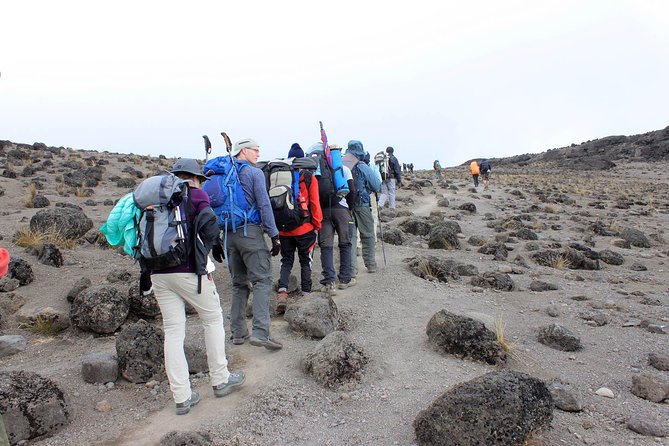
Umbwe is all about relentless progress. Your schedule moves upward in sharp steps, and the mileage often looks smaller than you’d expect because the focus is steep uphill terrain.
Day 1: Rain forest start to Umbwe Trail (1,660 m to 2,850 m)
You start at Umbwe Gate and climb through the rain forest. Expect about 5 to 6 hours of hiking covering roughly 11 km. You’ll pack in your first day’s routine with lunch on the way, so you’re fueled before the altitude starts to bite harder.
The advantage of day one is that the scenery is still lively compared to higher zones. The drawback is that day one climbs in a way that sets the tone. Even though it’s “just day one,” you’ll want to walk with restraint.
Day 2: Moorland ascent to Barranco Camp (2,850 m to 4,000 m)
Day two exits the forest glades and rises into open moorland. The hike time is about 4 to 5 hours over around 6 km, but steepness and altitude can make that feel like more.
You’re headed to Barranco Camp, where you’ll sleep at a meaningful altitude jump. For Umbwe, this is one of those days where good hydration and calm pacing make a big difference.
Day 3: Barranco Wall to the junction with Mweka (4,000 m to 4,050 m)
This day is shorter on paper, roughly 3 to 4 hours over about 5 km. You continue on a steep ridge, tackling the Barranco Wall, then move toward the Karanga Valley and the junction connecting with the Mweka Trail.
That steep ridge segment is where your legs feel the altitude plus the uphill pressure. If you’re prone to going too fast when you feel okay, this is where you learn discipline quickly.
Day 4: Up to Barafu Camp for summit staging (4,050 m to 4,700 m)
Another climb day, around 3 to 4 hours over roughly 4 km, takes you to Barafu Camp. This is where you’re resting, eating dinner, and preparing your body and mind for the summit push.
This stage is where you should shift from “hiking mode” into “operations mode.” You’ll want to think about warm layers, hydration, and how you’ll sleep (even if sleep is limited).
Day 5: Midnight to summit, via Stella Point (4,700 m to 5,895 m, then descend)
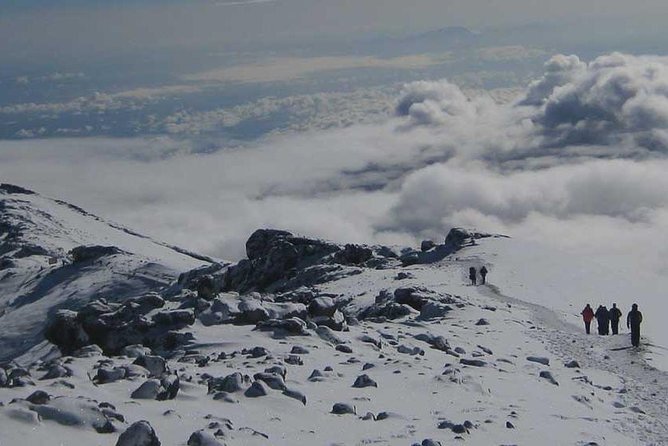
You leave between midnight and 2 am and head toward the summit between the Rebmann and Ratzel glaciers. You’ll ascend through heavy scree toward Stella Point on the crater rim.
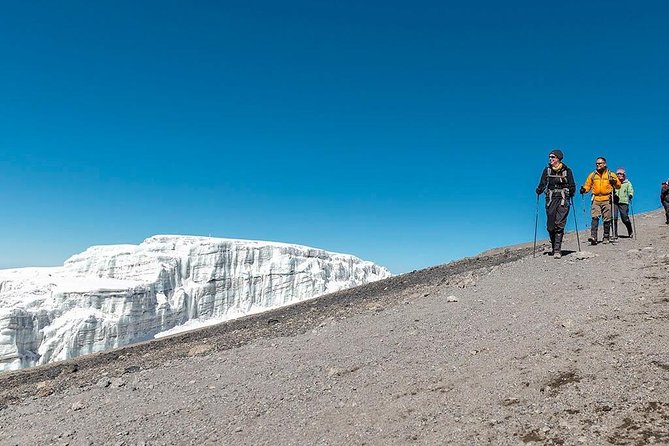
This is the most mentally and physically challenging portion. Expect about 14 hours total. At Stella Point, you stop briefly, and you’re likely to catch the sunrise there or near it. After that, the plan is a one-hour ascent to the summit, with snow possible all the way depending on conditions.
If you want one piece of practical advice, it’s this: treat the summit window as a steady, step-by-step rhythm. When you get tired, “slow” is still progress.
Day 6: Down Mweka Trail to the gate and back to Moshi (3,090 m to 1,680 m)
You descend from about 3,090 m down to 1,680 m with roughly 10 km and 3 to 4 hours of hiking. At lower elevations, it can be wet and muddy, so gaiters and trekking poles help a lot.
After you reach Mweka Park Gate for summit certificates, there’s another hour to Mweka village. Then you get the drive back to Moshi. This day is physically easier than summit day, but your knees and footing still need attention.
Summit night and Stella Point sunrise: the payoff moment
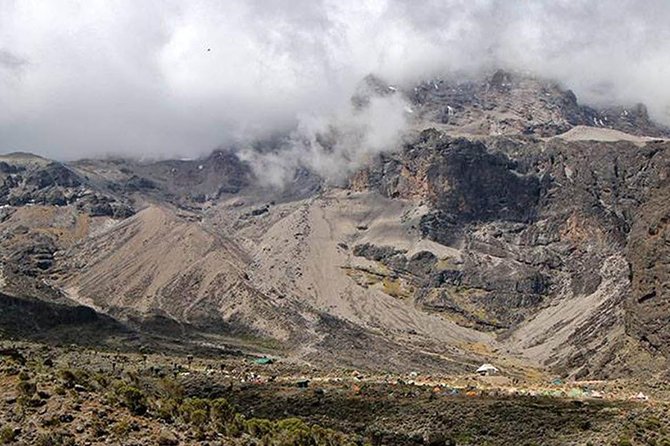
The summit plan is built around timing. Leaving late night, moving through scree, then pausing at Stella Point gives you a “checkpoint” feeling, even while everything is exhausting.
What I like about this setup is that it prevents your day from becoming one long blur. You have a specific moment to aim for, and then another stretch that feels more manageable once you’ve reached the rim area.
Also, sunrise here can be spectacular. The mountain goes quiet in a way you won’t find on most other treks, and a crater-rim morning tends to stay in your memory longer than you expect.
Acclimatization reality on Umbwe’s tighter altitude profile
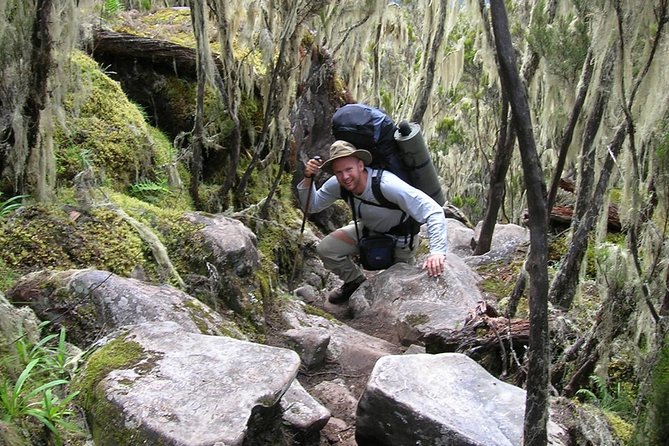
Umbwe is mostly avoided for a reason: the ascent profile doesn’t leave much time to adapt. The result is a very low success rate compared to easier schedules.
So you need to be honest with yourself. This route is best for people with strong physical fitness and experience at altitude, because the climb is punishing on a tight timeline. The route takes six days minimum, and seven days is recommended for better adjustment.
If you have any doubts about how you handle altitude, this is where you pause and rethink. Umbwe asks for confidence not just in your legs, but in your ability to manage symptoms, eat lightly, and keep calm even when you feel off.
Camp life, food, and the crew that keeps you moving
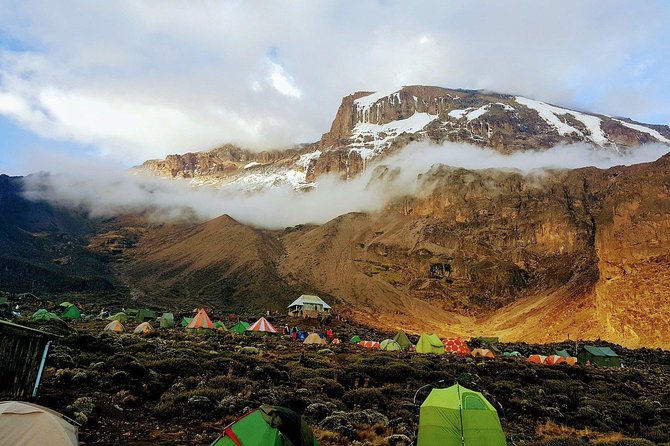
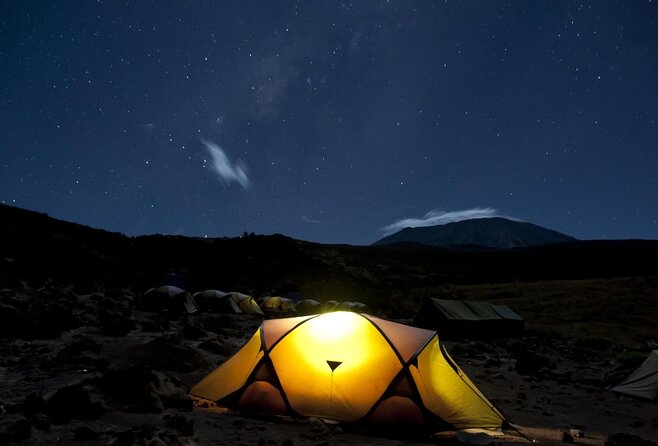
A huge part of Kilimanjaro is what happens when you stop. You’re camping every night, so the crew matters.
This package includes:
- A full guide team plus porters and a cook
- Camping equipment like tents and a sleeping mattress
- Daily water for drinking and warm-water for washing up
- A basic first aid kit and emergency oxygen (only for emergencies)
And there’s the human touch. In past experiences with this style of operator, I’ve found cooks tend to make dinner more than a routine meal. One review highlighted special night meals from the chef, and that matches the reality that you’re often ready for comfort after a long day at altitude.
You’ll also appreciate how porters and assistant guides can reduce friction. When you’re tired, even small tasks feel huge. Having help means you can focus on walking, breathing, and resting.
Gear, weather, and why your descent needs strategy
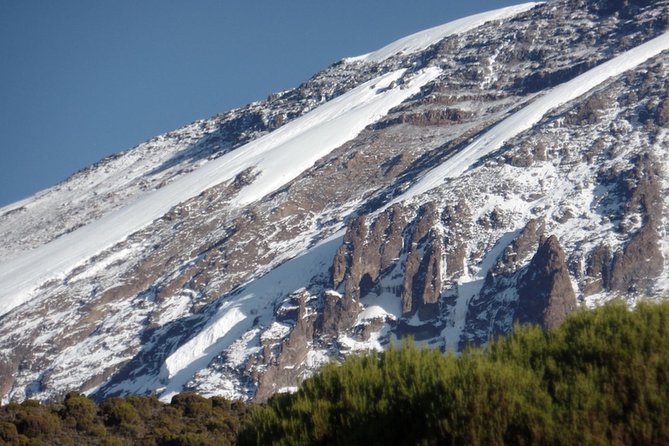
Even if your summit day is the star, the descent is where people feel “done” but still have work to do.
On this trek you descend via Mweka Trail, and lower elevations can be wet and muddy. That’s why gaiters and trekking poles are not just nice extras. They help you keep stable footing when the ground turns slick.
Clothing-wise, shorts and t-shirts may be enough at lower levels. Still, you should keep rain gear and warmer layers handy, because mountain weather can change quickly, especially as you move between camps and temperature zones.
Portable toilet is strongly recommended but not included. If you want a smoother trip, plan for it ahead of time. It’s one of those comfort upgrades that becomes a relief when you’re tired.
Who this Umbwe trek suits best, and who should rethink it
Umbwe is for people who want a challenging, steep, secluded climb. If you’re confident trekking on consistently steep slopes, and you know how your body reacts to altitude, you’ll likely enjoy the focused, no-nonsense nature of the route.
This is also a good fit if you like the idea of fewer people around. Less crowding often means a quieter rhythm, which matters when you’re trying to maintain steady effort and conserve energy.
But if you are new to altitude, or if you tend to get sick or unusually wiped out at elevation, Umbwe’s tighter schedule may be a mismatch. This route is not designed to ease you in.
Should you book this 6-day Umbwe Kilimanjaro trek?
Book it if you tick the main boxes: strong fitness, prior altitude experience or strong confidence in acclimatizing, and comfort with long, steep walking day after day. You’re also likely to enjoy it if you want a quieter route and like having the summit plan structured around a clear Stella Point milestone.
Skip it, or upgrade to a longer plan if altitude adjustment is your weak spot. Umbwe’s difficulty is not just “hard hiking,” it’s hard on acclimatization timing too.
If you do book, pick your priorities early: pace conservatively from the start, don’t underestimate descent footing, and treat the summit day as a controlled rhythm rather than a race.
FAQ
Where does the trek start and end?
It starts at Umbwe Gate in Tanzania. The activity ends back at the meeting point, after finishing at Mweka village and getting driven back to Moshi.
How long is the trek?
The plan is about 6 days minimum. The schedule also notes that 7 days is recommended.
Do you get transfers and hotel stays?
Yes. There are return transfers between Kilimanjaro airport and Moshi, and hotel nights are included the night before and the night after the climb, with dinner and breakfast included.
Is pickup offered?
Yes. Pickup is offered as part of the experience.
What’s included for safety on the mountain?
A qualified guide team (guides, assistant guides, and porters) is included, plus a basic first aid kit for emergencies and emergency oxygen for emergencies only.
How do you handle the descent day?
The descent goes down the Mweka Trail, and lower sections can be wet and muddy. The plan specifically notes that gaiters and trekking poles help.
What meals are included?
Breakfast, lunch, and dinner are included during the trek (breakfasts, lunches, and dinners are listed as part of the included package).
One last nudge
If you want an intense Kilimanjaro that feels focused, not leisurely, Umbwe can deliver. Just make sure you’re choosing the route for the right reasons, not just the right view.
The Quieter Kilimanjaro Trails
- Kilimanjaro climb, Rongai Route (7-day)
★ 5.0 · 40 reviews - Kilimanjaro climb, Rongai Route (6-day)
★ 5.0 · 15 reviews - Mount Kilimanjaro Rongai Route
★ 5.0 · 10 reviews - 6-Day Rongai Route Trek in Mount Kilimanjaro
★ 5.0 · 8 reviews - Rongai Route 6 Days 5 Nights/Kilimanjaro climb
★ 5.0 · 7 reviews
Kilimanjaro, Route by Route
- Kilimanjaro climb by Lemosho Route (7-day)
★ 5.0 · 651 reviews - Kilimanjaro climb, Machame Route (7-day)
★ 5.0 · 262 reviews - Kilimanjaro Climbing Lemosho Route 8 Days.
★ 5.0 · 186 reviews - Climbing Kilimanjaro – Machame Route
★ 5.0 · 170 reviews - Climbing Kilimanjaro through 7 days Machame Route
★ 5.0 · 151 reviews
Just added from around Moshi
Kilimanjaro Rongai Umbwe and Shira Routes, compared.
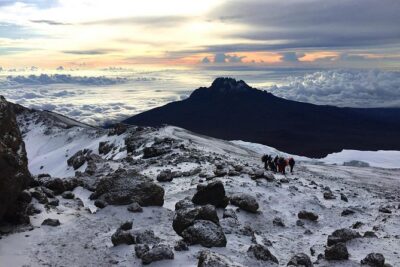 ★ 5.0Kilimanjaro climb, Rongai Route (7-day)From $3,50740 reviews
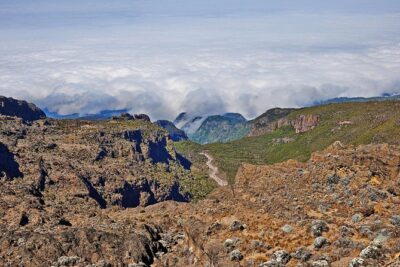 ★ 5.0Kilimanjaro climb, Rongai Route (6-day)From $3,06415 reviews
 ★ 5.0Mount Kilimanjaro Rongai RouteFrom $2,70010 reviews
 ★ 5.06-Day Rongai Route Trek in Mount KilimanjaroFrom $2,3538 reviews
 ★ 5.0Mt. Kilimanjaro: Shira plateau to Cathedral point 3872m Day hikeFrom $3207 reviews
 ★ 5.0Rongai Route 6 Days 5 Nights/Kilimanjaro climbFrom $1,8507 reviews
 ★ 5.06-Day Kilimanjaro Umbwe Route–Steep,Adventurous, Challenging PathFrom $2,3106 reviews
 ★ 5.0Kilimanjaro Climbing Rongai RouteFrom $2,8406 reviews
Browse the lists this tour appears in