
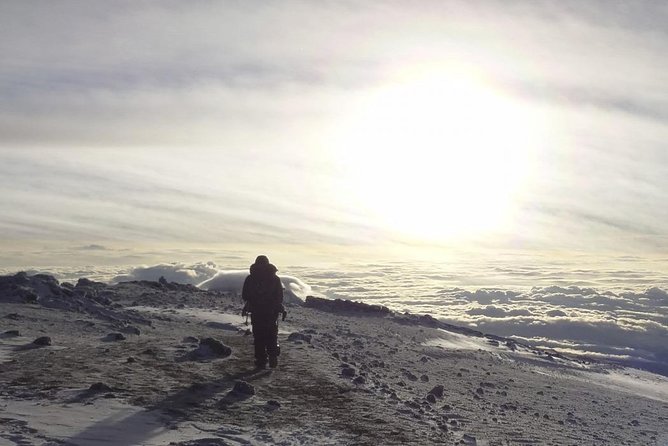
REVIEW · KILIMANJARO RONGAI UMBWE AND SHIRA ROUTES
6-Day Rongai Route Trek in Mount Kilimanjaro
Kilimanjaro can feel gentle on the Rongai Route, at least at first. This 6-day climb comes up from the north near the Kenyan border, so you get a gradual profile and lots of early-day breathing room, plus low crowds compared with many routes. I like the way it mixes calm forest walking with wild high-mountain scenery, then rewards you with the big classics like Kibo views and a summit sunrise. The main drawback to plan for is that the summit push is long, starting around midnight, and it still demands real altitude management.
You’ll be in good hands with qualified mountain guides, assistant guides, porters, and a cook, and you get camping gear, hot water for a daily wash, and emergency oxygen for emergencies only. The price is not cheap at $2,353 per person, but it includes a lot of the costly mountain logistics, so your budget is mostly about what you personally bring, like flights, visas, insurance, and personal gear. If you want a quieter Kilimanjaro experience with a steady ascent, Rongai is a smart match.
In This Review
- Key highlights before you hike
- Rongai’s northern approach, where the Kenyan plains show up early
- Getting started in Moshi: transfer to Rongai Gate and a forest-rich first day
- Kikelelwa Caves and the Kibo-and-ice-field views that depend on weather
- Mawenzi territory: a shorter day with steeper sections and a smart acclimatization walk
- Crossing the saddle’s lunar desert to Kibo Hut at 4,700 meters
- Summit day from midnight torches to Uhuru Peak, then down to Horombo
- The lush last walk out to Marangu Park Gate and your transfer back to Moshi or Arusha
- Price and what $2,353 includes for real Kilimanjaro logistics
- Guides and team support: why Tuma and Issa show up in the stories
- Pack and prep checklist based on what this route actually throws at you
- Who should book Rongai, and who should think twice
- Should you book this 6-day Rongai trek from Moshi with Pinnacle Adventures?
- FAQ
- Where is the meeting point for the trek?
- Does the trip include transfers from the airport?
- How many days is the Rongai Route trek?
- What is the highest point you reach?
- When do you start the summit attempt?
- Are meals included during the trek?
- Is drinking water provided?
- Is emergency oxygen included?
- Is camping equipment included?
- What is the cancellation window for a full refund?
Key highlights before you hike
- Northern approach, Kenyan-plains views early: Day 1 puts you looking across to the Kenyan side.
- Wildlife can show up in the early days: This route passes remote wilderness on the north flank.
- Caves day with Kibo-and-ice-field views: Day 2 aims for big crater-rim visuals.
- Shorter, steeper acclimatization steps: Day 3 feels punchy, then you ease into the high camp routine.
- Summit sunrise timing is serious: You start the summit at about midnight, then move slowly by torchlight.
- Descent through lush forest to Marangu Gate: Day 6 feels like a relief.
Other ways up Kilimanjaro we reviewed
- Kilimanjaro climb by Lemosho Route (7-day)★ 5.0 · 651 reviews
- Kilimanjaro climb, Machame Route (7-day)★ 5.0 · 262 reviews
- Kilimanjaro Climbing Lemosho Route 8 Days.★ 5.0 · 186 reviews
- Climbing Kilimanjaro – Machame Route★ 5.0 · 170 reviews
Rongai’s northern approach, where the Kenyan plains show up early
The Rongai Route is the only major Kilimanjaro path that comes at the mountain from the north, close to the Kenyan border. That matters because your first big impressions are different than on routes that start on the southern or central sides. You get a slow, steady rhythm that feels more forgiving on the legs, and the scenery shifts through several zones without the constant “wall of altitude” feeling.
Another big reason I like Rongai is the quieter vibe. This route is known for low crowds, which means you are more likely to hear your own breath and footsteps, and see the mountain in a more natural way. You also pass through remote wilderness areas, and that is where the best odds are for wildlife in the early days, before the trail gets too high and too intense.
That said, “easier” does not mean “easy.” Kilimanjaro is still Kilimanjaro. The real test is day 5, the long summit push, and the real variable is weather. On clear days you get stunning crater-rim views. On cloudy days, you might get mist and limited sightlines.
Getting started in Moshi: transfer to Rongai Gate and a forest-rich first day
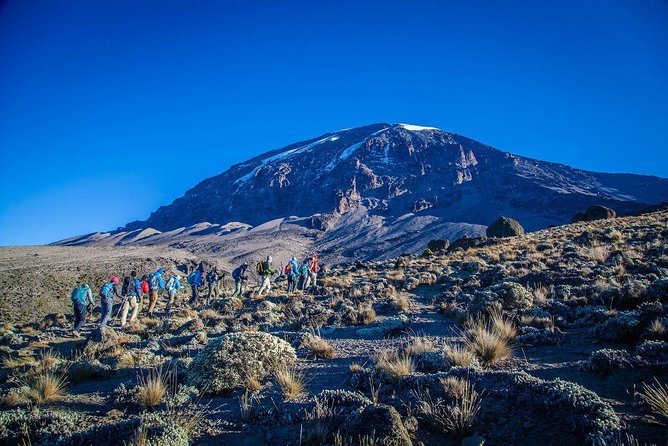
Your adventure begins in Moshi, with pickup offered and transfers arranged between Kilimanjaro airport and Moshi. From there, you head to Kilimanjaro National Park for registration at Rongai Gate and then drive onward to the starting village area of Nale Moru, around 1,950 meters.
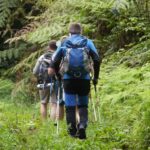
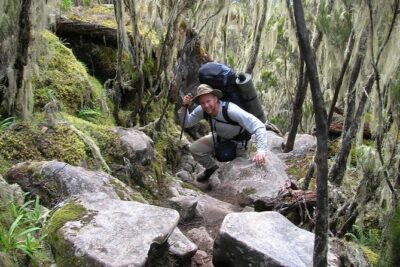
Day 1 is a gentle on-ramp: about 3 to 4 hours walking, roughly at a pace that lets you settle in. The trail winds through fields of maize and potatoes before entering pine forest. Then you continue ascending gradually toward the edge of the moorland zone. If you like early payoff, today delivers it, with extensive views over the Kenyan plains when the weather cooperates.
One practical note you should not ignore: the rainforest can be wet. Bring your waterproofs and expect damp patches on the trail, even if you start the day with dry skies. Keeping your feet and pack contents dry helps you feel better for the following days.
Kikelelwa Caves and the Kibo-and-ice-field views that depend on weather
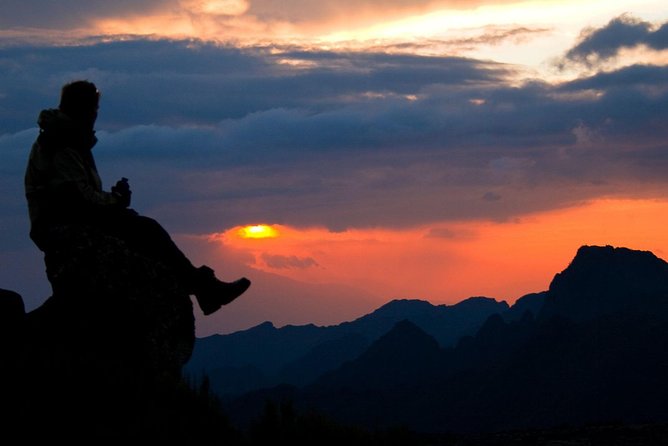
Day 2 steps you upward in a more focused way. You walk about 5 to 6 hours from camp toward the Kikelelwa Caves, aiming for Second Cave at around 3,450 meters. The hike is a steady ascent, and the climb time is long enough that you’ll want a slow, controlled pace.
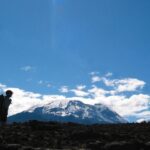
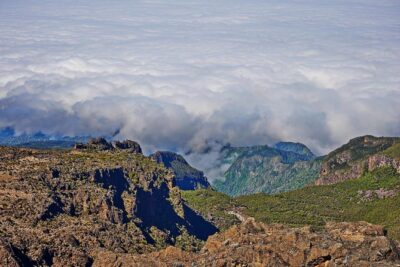
The reward is the chance to see Kibo (the summit area) and the Eastern ice fields from near the crater rim, if visibility is good. Even when the view is not perfect, the crater-rim atmosphere is a big shift from the forest and moorland you experienced earlier.
Tonight you sleep near Kikelelwa caves, around 3,800 meters. It’s a high-camping routine where you’ll feel the altitude in the simple things, like eating slowly and breathing evenly. This is also one of the days where having a strong guide team really matters, because you want pacing discipline, not heroics.
Quieter Kilimanjaro routes we walked through
Mawenzi territory: a shorter day with steeper sections and a smart acclimatization walk
Day 3 is shorter on paper, around 3 to 4 hours, but it has steeper stretches. You leave camp with a short climb up grassy slopes and then the vegetation zone starts to peel away. That “changing terrain” feeling helps your brain understand you’re really going higher, not just walking longer.
The sense of wilderness here is real, with stunning all-round views that are easier to take in when there are fewer people on the trail. You reach Mawenzi Tarn Hut at about 4,330 meters. The main objective today is altitude preparation, not speed.
In the afternoon, you do an acclimatization walk to around 4,500 meters. That extra effort can feel like a “bonus hike,” but it’s exactly the kind of gradual stress that helps many people handle the summit day better. If you’re prone to going too fast early, this is the day to practice restraint.
I also like the rhythm of this route because it gives you a mini win. You get a shorter morning, you get a real training walk in the afternoon, and you still end day 3 at a high, established camp.
Crossing the saddle’s lunar desert to Kibo Hut at 4,700 meters
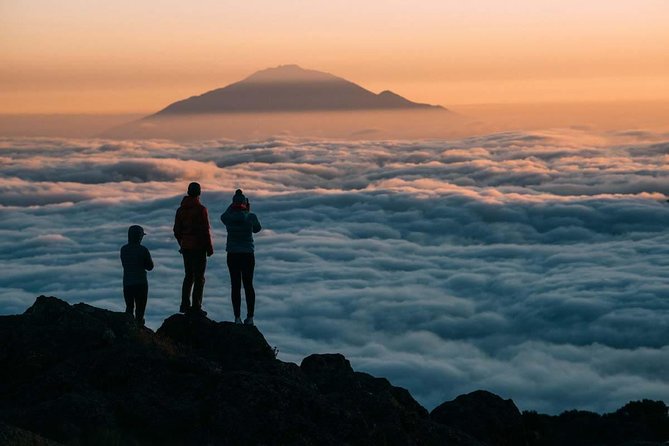
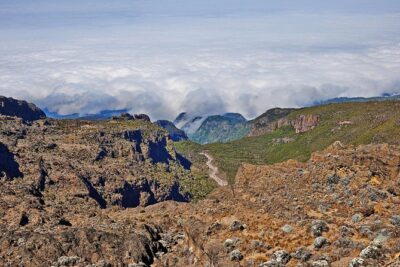
On Day 4, you cross the saddle between Mawenzi and Kibo. The trail here is described as lunar desert, and you can feel the change immediately. This is not forest walking anymore. The terrain is more exposed, and the days get more serious because you are closer to the summit environment.
You walk about 4 to 5 hours, roughly 9 kilometers, with a smaller altitude gain than earlier days. That does not mean the day is easy, because the environment is harsher and you are still building your altitude base. You finish at Kibo Hut at around 4,700 meters, with dinner and an overnight stay soon after.
This is one of the most important “minds and body” days of the whole trek. The schedule is simple: manage your energy, eat well, and save your strongest focus for the midnight summit start. You will also want to keep warm as temperatures drop quickly at these altitudes, even if you started the day in mild conditions.
Summit day from midnight torches to Uhuru Peak, then down to Horombo
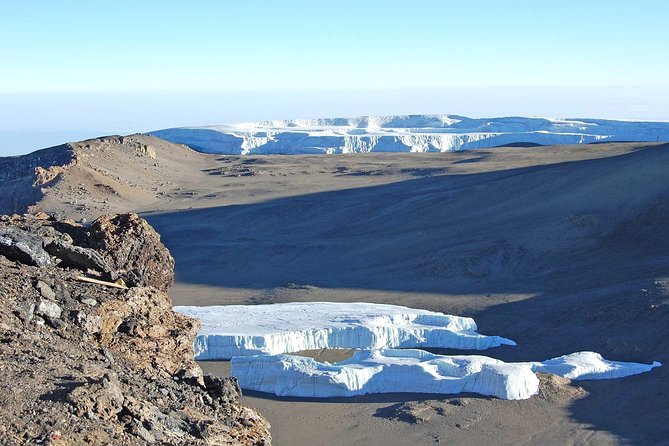
Day 5 is the big one. You’re woken early, around midnight, for a hot drink and snack. Then you trek very slowly by torchlight to reach Gilman’s Point at 5,685 meters, arriving after a patient climb in the dark.
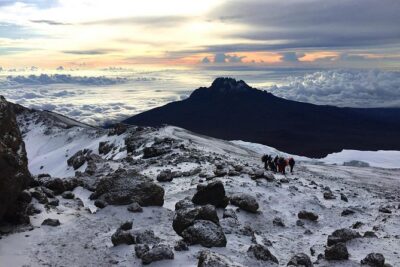
You rest briefly at Gilman’s Point and, weather permitting, you watch the sunrise over Mawenzi peak. Then you continue onward to Uhuru (freedom) Peak at 5,895 meters, which is often called the roof of Africa. The climb from Gilman’s to Uhuru is not just distance, it’s fatigue management. You keep moving, but you do not rush.
After the summit, you descend first to Kibo Hut at about 4,700 meters for rest and brunch. Then you continue down to Horombo Hut at around 3,720 meters.
This day can easily stretch. The overall walking time is listed as variable, from about 10 to 16 hours depending on conditions and pace. That’s why guides matter. In the feedback I’ve seen from the operator, guides including Issa were praised for motivating people and helping them keep a steady tempo when time felt tight. That kind of encouragement can help you stay calm and focused rather than panic.
The lush last walk out to Marangu Park Gate and your transfer back to Moshi or Arusha
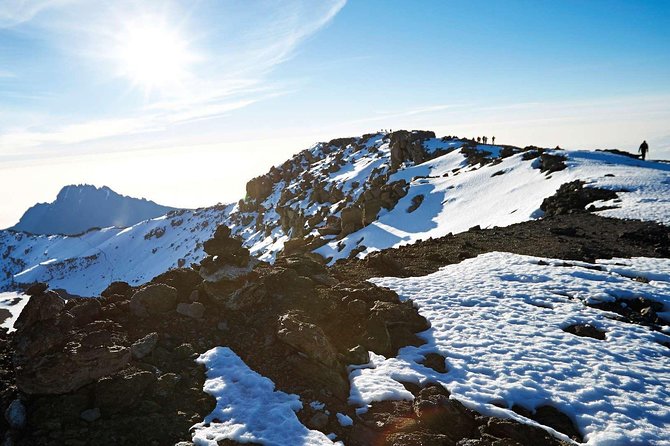
Day 6 is your descent and, emotionally, it can feel like a release. You walk down for roughly 5 to 7 hours to Marangu Park Gate at about 1,700 meters. Expect around 20 kilometers of walking. Your feet will feel it, but the big gain is that the trail becomes more comfortable and more green.
The walk is through lush forest on good paths. That combination helps your body cool down while still giving you enough traction and clear footing. Then you sign out of the mountain and meet a driver for your transfer to your hotel in Moshi or Arusha.
After the intensity of day 5, this final forest day can be the moment you process the whole trip. You’re still hiking, but the challenge shifts from altitude to simple, satisfying walking.
Price and what $2,353 includes for real Kilimanjaro logistics
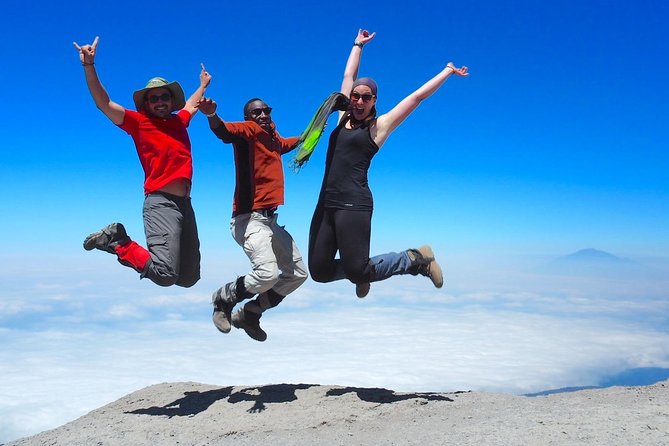
At $2,353 per person, you’re paying for more than a route. You’re paying for the systems that let you walk safely with minimal hassle. Here’s what is included in the cost: qualified mountain guides, assistant guides, porters and a cook, camping equipment like tents and sleeping mattresses, fresh drinking water, and hot water for a daily wash. You also get all fees and taxes, plus dinner on the trek, breakfasts and lunches as scheduled, and return transfers between Kilimanjaro airport and Moshi.
There is also emergency oxygen and a basic first aid kit. And it’s explicitly for emergencies only, not summit assistance. That matters because it sets expectations: the summit is still about pacing, acclimatization, and your own body responding to altitude.
What is not included is where your planning work starts: flights and visas, travel and health insurance, personal hiking gear (often rented in Moshi), a portable toilet which is optional but highly recommended, and personal medicine plus water purifying tablets. If you budget only for the listed price, you could get surprised by these add-ons.
Where this price tends to feel most reasonable is when you value having a full support team, and you want to avoid last-minute gear scrambling. If you already have your gear and handle your own transfers and permits, the included package is less valuable. If you want the mountain-run machine taken care of for you, the price makes more sense.
Guides and team support: why Tuma and Issa show up in the stories
A Kilimanjaro trek lives or dies on execution, not just route names. The operator behind this plan uses a team structure: head guide, assistant guides, porters, and a cook, with their wages included. That matters because it reduces the chance that you are left managing problems alone, like pace, weather changes, or camp logistics.
In the feedback you provided, Tuma is called out for excelling at safety on the mountain. That is the kind of praise I pay attention to. Safety leadership is not flashy, but it’s what makes a summit attempt feel like a controlled plan instead of a gamble.
Issa also comes up specifically in summit stories, praised for pushing people forward with positive motivation when someone felt behind schedule. That speaks to a key reality: summit day is timing-sensitive, and you need a guide who can keep you moving without letting stress take over.
And there’s practical value in how the porters are described. Hard-working support staff means camp setups happen on time, and you spend your limited energy on walking, not on camp chores.
Pack and prep checklist based on what this route actually throws at you
You will want to pack for altitude, but you also need to pack for weather and comfort. From the trek details, these are the items you should treat as non-negotiable:
- Waterproofs for Day 1 rainforest and wet trail conditions, since you might need them.
- Plan for a portable toilet, which is optional in the package but highly recommended.
- Personal medicine and water purifying tablets, since these are not included.
- Personal hiking gear, which you either bring or rent in Moshi.
One detail that helps you plan smart: camping equipment is included, so you are not trying to bring your own tent or sleeping setup. That is a real money and weight saver.
Also remember that emergency oxygen is provided for emergencies only, so do not plan on it as part of your summit strategy. Your “summit plan” is mostly your pacing, your acclimatization, and how you respond to the long midnight start.
If you want one simple approach to prep: pack to stay dry, stay warm, and stay functional, especially for day 5.
Who should book Rongai, and who should think twice
I think this Rongai plan is best for hikers who want an easier ascent profile and a quieter experience than the busiest routes. The gradual climb and remote wilderness vibe fit people who enjoy steady days and don’t want constant crowd navigation. You also have a chance to see wildlife early, because the path starts in areas that are still relatively wild before the high-altitude routine dominates.
You should think twice if your summit day tolerance is low. Day 5 starts around midnight, involves torchlight walking, and the total hiking time can stretch from about 10 to 16 hours. If you get anxious with long timelines or you struggle with slow pacing, make sure you can handle the mental side as much as the physical side.
For most people who take altitude seriously and move slowly, this route is a strong candidate. Just be honest about your own endurance. The route can be gentle at first, then it becomes demanding at the top.
Should you book this 6-day Rongai trek from Moshi with Pinnacle Adventures?
Book it if you want a Kilimanjaro climb that leans into steady, lower-crowd trekking, with early northern views and a realistic chance of wildlife in the first days. You’re also likely to appreciate the support style, since the team is described as organized and safety-focused, with guides like Tuma highlighted and summit motivation credited to Issa.
Skip or compare if your main goal is a short summit day, because day 5 is long and starts late at night. Also double-check your budget for the items not included, especially personal medicine, water treatment, portable toilet needs, and whatever gear you plan to rent in Moshi.
If you’re aiming for a well-run, full-service climb with strong human support around you, this Rongai option looks like a solid value for the package it delivers.
FAQ
Where is the meeting point for the trek?
The experience starts in Moshi, Tanzania at the Moshi Urban meeting point.
Does the trip include transfers from the airport?
Yes. Return transfers are included between Kilimanjaro airport and Moshi, and also Moshi back to Kilimanjaro airport.
How many days is the Rongai Route trek?
It is listed as 6 days (approximately).
What is the highest point you reach?
The itinerary includes a summit to Uhuru Peak at about 5,895 meters.
When do you start the summit attempt?
You are woken early around midnight and then trek by torchlight to Gilman’s Point at 5,685 meters.
Are meals included during the trek?
Yes. Breakfast (5), lunch (6), and dinner (4) are included as scheduled.
Is drinking water provided?
Yes. Fresh water for drinking is included, plus hot water for a wash daily.
Is emergency oxygen included?
Yes. Emergency oxygen is included, but it is for emergencies only and not as summit aid.
Is camping equipment included?
Yes. Camping equipment is included, including tents, camp chairs, tables, and sleeping mattresses.
What is the cancellation window for a full refund?
You can cancel up to 3 days in advance of the experience for a full refund. If you cancel less than 3 full days before the start time, the amount paid will not be refunded.
The Quieter Kilimanjaro Trails
- Kilimanjaro climb, Rongai Route (7-day)
★ 5.0 · 40 reviews - Kilimanjaro climb, Rongai Route (6-day)
★ 5.0 · 15 reviews - Mount Kilimanjaro Rongai Route
★ 5.0 · 10 reviews - Rongai Route 6 Days 5 Nights/Kilimanjaro climb
★ 5.0 · 7 reviews - 6-Day Kilimanjaro Umbwe Route–Steep,Adventurous, Challenging Path
★ 5.0 · 6 reviews
Kilimanjaro, Route by Route
- Kilimanjaro climb by Lemosho Route (7-day)
★ 5.0 · 651 reviews - Kilimanjaro climb, Machame Route (7-day)
★ 5.0 · 262 reviews - Kilimanjaro Climbing Lemosho Route 8 Days.
★ 5.0 · 186 reviews - Climbing Kilimanjaro – Machame Route
★ 5.0 · 170 reviews - Climbing Kilimanjaro through 7 days Machame Route
★ 5.0 · 151 reviews
Just added from around Moshi
Kilimanjaro Rongai Umbwe and Shira Routes, compared.
 ★ 5.0Kilimanjaro climb, Rongai Route (7-day)From $3,50740 reviews
 ★ 5.0Kilimanjaro climb, Rongai Route (6-day)From $3,06415 reviews
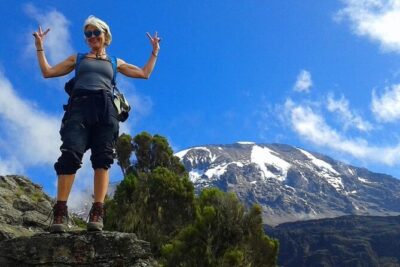 ★ 5.0Mount Kilimanjaro Rongai RouteFrom $2,70010 reviews
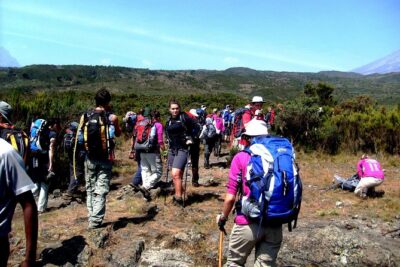 ★ 5.0Rongai Route 6 Days 5 Nights/Kilimanjaro climbFrom $1,8507 reviews
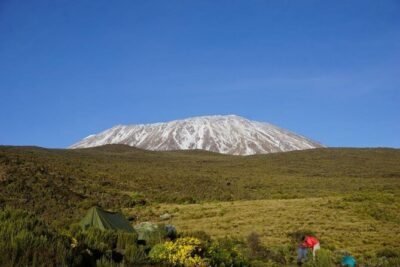 ★ 5.0Mt. Kilimanjaro: Shira plateau to Cathedral point 3872m Day hikeFrom $3207 reviews
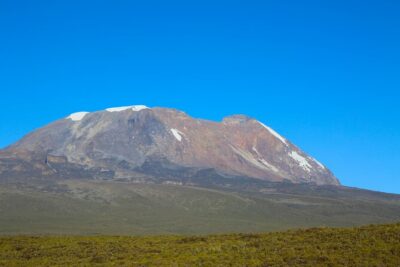 ★ 5.0Kilimanjaro Climbing Rongai RouteFrom $2,8406 reviews
 ★ 5.06-Day Kilimanjaro Umbwe Route–Steep,Adventurous, Challenging PathFrom $2,3106 reviews
 ★ 5.0Kilimanjaro climb, Kilimanjaro Crater route (10-day)From $6,4665 reviews
Browse the lists this tour appears in