
REVIEW · MOSHI AND THE KILIMANJARO FOOTHILLS
Guided City tour of Moshi
A short walk in Moshi can tell you more than a long drive. This guided city tour is a smart first-day move, showing you daily life through local markets and giving you practical tips you can use right away. I especially like the way the route blends history, food, and views, so you get more than just photos. You’ll also get a proper coffee stop and a local lunch, not a token snack.
One thing to consider: you’ll be on your feet for a city stroll, and the day’s rooftop view depends on weather. If you’re sensitive to walking in uneven sidewalks or dust, plan around comfortable shoes and a slower pace.
In This Review
- Key highlights you should know
- Getting Oriented in Moshi, With a Guide Who Keeps It Practical
- The Old Railway Station: A German-Era Landmark You’ll Remember
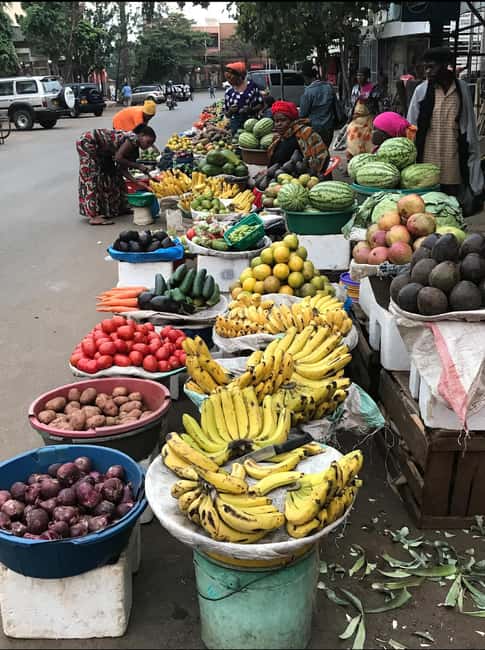
- Food Market Walk: Spices, Produce, and the Everyday Rhythm of Cooking
- Craft and Souvenir Market Stops: How to Shop Without Getting Rushed
- The Tanzanian Coffee Experience: More Than a Stop for a Drink
- Rooftop Bar Views Toward Kilimanjaro: The Best Photos Depend on the Sky
- Lunch, ATMs, and Local Food Tips That Save You Time Later
- Price and What $20 Covers in Real Terms
- Who This Moshi City Tour Is Best For
- Should You Book This Moshi City Tour?
- FAQ
- How much does the guided city tour of Moshi cost?
- Where do I get picked up for the tour?
- Is lunch included?
- What stops are included on the walk?
- Does the tour include hotel food or drinks?
- Is transport included?
- Which languages does the tour operate in?
- What should I bring?
- What is the cancellation policy?
- Can I pay later?
Key highlights you should know
- Pickup options that reduce friction: start from your hotel or the Mama Africa Giftshop, so you’re not guessing where to meet.
- Old railway station, German-built: a standout architectural stop that adds context to Moshi beyond the markets.
- Two market stops with different purposes: food market for daily cooking ingredients, craft market for real souvenirs.
- A proper Tanzanian coffee experience: aromas, flavors, and a taste of local routines, not just a drink break.
- Rooftop bar with Kilimanjaro only when conditions are right: great “orienting” views on clear days.
- Tour extras that help the rest of your trip: guidance on ATM withdrawals and where to find good local food.
More from Moshi and the foothills
- Arusha or Moshi : Hot Spring, Waterfall & Coffee Farm Tour★ 4.8 · 80 reviews
- Moshi: Town tour and Local Markets tour★ 4.9 · 36 reviews
- Moshi sunset experience★ 4.5 · 31 reviews
- Moshi city bike day trip★ 5.0 · 17 reviews
Getting Oriented in Moshi, With a Guide Who Keeps It Practical
Moshi is one of those towns where a little local context makes everything feel easier. This city tour is built for exactly that. You begin with pickup from your hotel or from the Mama Africa Giftshop, which is handy if you want a clean start without figuring out local meeting points on your own.
The tour runs with an experienced guide and is offered in English and Swahili, which matters because you’ll likely want to ask questions in the moment. A big part of what makes this walk valuable is the way your guide doesn’t just point at sights, but explains how people shop, cook, and spend their time. If you’re coming in for safari or trekking, this tour also helps you get comfortable with the town before you hit the big outdoor days.
If you’re the kind of traveler who likes to get your bearings fast, you’ll appreciate that the tour is not built as a “drive-by checklist.” It’s a walk with stops that connect to real life: food, crafts, coffee, and viewpoints. And yes, there’s a local lunch included, so you can keep energy up without hunting for a restaurant mid-walk.
The Old Railway Station: A German-Era Landmark You’ll Remember
The first major stop is the historic old railway station, built by the Germans. This is the kind of place that instantly gives Moshi a second layer. Yes, you’re in Tanzania, but you’re also seeing how older infrastructure shaped how towns grew around it.
What I like about starting here is the timing. You’re fresh, your eyes are open, and your guide can set the tone for what you’ll see next. Look closely at the structure itself and the way it sits within the town. Even if you only catch bits of the story, you’ll start to connect architecture to trade routes and movement.
Is it the most dramatic sight? Not always. But it’s a strong “anchor” stop because it helps your later market scenes make sense. When you understand the town’s older role, the energy of commerce feels less random.
Food Market Walk: Spices, Produce, and the Everyday Rhythm of Cooking
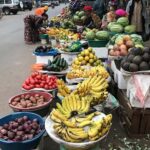
After the station, the tour heads to the vibrant food market. This is where Moshi becomes real in a quick, human way. You’ll see fresh produce, and you’ll also get exposure to the ingredients people use every day.
One of the most useful parts here is learning what to notice. Your guide can point out cooking spices and how they show up in local food. That turns the market from a “look around” experience into something you can carry with you. When you later order meals in town, you’ll know what’s behind the flavors.
A tip from past participants: ask questions. Don’t be shy about asking what something is used for, or how people like it cooked. You’ll often get a better explanation when you show genuine interest.
And if you spot a ginger shot during the tour, do consider trying it. One recommendation I’ve seen is that it has a real kick. Even if you don’t go hard, tasting something local like that is a fast way to understand how spicy energy is part of the local food culture, not just a restaurant gimmick.

Craft and Souvenir Market Stops: How to Shop Without Getting Rushed
Next comes the local craft and souvenir market. This is where you can slow down and look for handmade items instead of generic “tourist shelf” souvenirs. The craft market is the place to browse with intention.
Here’s what to aim for: quality, not speed. Handmade goods take time to make, so prices often reflect that. If you’re buying gifts, you can use this stop to compare materials and styles. Your guide can also help you understand what’s local and what’s being sold just for passing demand.
There’s also a mention of the Mama Africa area as a place where you might find nice and inexpensive souvenirs. If you’re trying to pick up small gifts without paying “safari-trip tax,” this is a good time to check. If you’re traveling with a group, you can also coordinate so you’re not scattered during the rest of your walk.
One practical caution: markets can be busy and sometimes noisy. Keep your wallet and phone secure, and don’t let the excitement push you into impulse buys.
The Tanzanian Coffee Experience: More Than a Stop for a Drink
Coffee in Tanzania is a big deal, and this tour gives you an authentic coffee experience during the walk. You’re not just buying something and moving on. You’ll get to enjoy the rich aromas and flavors of Tanzanian coffee in a setting that connects to local taste.
Why this matters: coffee tasting is one of the easiest cultural entry points for short tours. Even if you don’t become a coffee expert, you learn what “good” tastes like in that specific context. It also breaks the walking rhythm at the right time, so you don’t burn out before the viewpoints.
If you’re curious, ask your guide what people drink regularly, and how coffee fits into daily life. The best moments on tours are usually the small conversations, and coffee is a natural topic.
If you’re also the type who enjoys a little “try something local” challenge, this is a good pairing with that ginger shot suggestion earlier. Start with coffee if you want a gentler caffeine step, or swap the order based on your tolerance.
Rooftop Bar Views Toward Kilimanjaro: The Best Photos Depend on the Sky
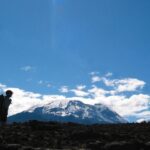
The tour ends the walk phase with a rooftop bar in the heart of town. This stop is all about relaxing and taking in views, especially of Mount Kilimanjaro on clear days.
Even if Kilimanjaro isn’t visible, the rooftop setting still does something valuable. It gives you a higher vantage point, a chance to breathe, and a moment to process what you’ve seen. If you are lucky with weather, you’ll get that extra wow factor of seeing the mountain in the distance while you’re still in town life.
For photos, keep expectations flexible. Cloud cover can erase the view fast. If you want the Kilimanjaro shot, stand by and let your eyes adjust, because sometimes visibility improves with time.
Also, remember this is a bar stop. You’ll want to pace yourself, especially if you plan to keep exploring later. A cold drink or a snack might be on the menu, but the tour’s included items still focus on lunch and coffee.
Lunch, ATMs, and Local Food Tips That Save You Time Later
One of the most practical parts of the tour is what happens throughout the walk, not just at named stops. You’ll get guidance on where to withdraw money from ATMs and where to find delicious local food. That’s a big deal if you’re new to Moshi and don’t want to waste time wandering.
The tour also includes a local lunch. Since the city walk includes market time and coffee, that lunch coverage is part of the tour value. You won’t have to find a restaurant mid-route just to prevent hunger from hijacking your attention.
A smart way to use the advice: before you leave the last stop, ask your guide to recommend what to try next in town. You’ll be able to match your preferences, like whether you prefer lighter meals or something more spice-forward. If you’ve already seen spices at the food market, you’ll have context for what to order.
This is the kind of information that turns a short city tour into a setup for your whole trip, especially if you’re going from town to safari or trekking routes.
Price and What $20 Covers in Real Terms
At $20 per person, this tour is priced like a practical local experience, not a luxury add-on. For that cost, you get:
- A guided walk through key Moshi areas
- A local lunch
- An authentic coffee experience
- Stops that blend history, markets, and a rooftop viewpoint
What’s not included is equally important:
- It does not include food or drinks from hotels or bigger restaurants
- It does not cover transport
- Tipping is optional
- Souvenir purchases are not included
So the “value” question is simple: can you spare a few hours to walk, eat local lunch, and learn where to go next? If yes, you’re getting more than a sightseeing route. You’re buying time saved later, and you’re getting cultural context in the most useful form: through food, shopping, and conversations.
Also, because the tour is walk-based, it avoids the cost of private driving. That’s part of why the price stays reasonable.
Who This Moshi City Tour Is Best For
This tour fits best if you want an efficient way to understand Moshi before bigger outdoor days. I think it’s especially good for:
- First-timers who want context without a full day
- People who enjoy markets and food culture
- Travelers heading to safari or trekking who want a smooth “town day” first
- Anyone who likes practical guidance, like ATM spots and what to eat
You might consider skipping or supplementing with something else if you:
- Dislike walking in busy market areas
- Want a long, sit-down museum style experience
- Are hoping for guaranteed Kilimanjaro views regardless of weather
If you want the best results, show up ready to ask questions and ready to taste. The tour becomes much more rewarding when you treat it as a conversation with Moshi, not a checklist.
Should You Book This Moshi City Tour?
I’d book this city tour if you’re looking for a well-paced introduction to Moshi that connects markets, coffee, and local life into one morning or afternoon plan. The included lunch and coffee make it feel complete, and the practical guidance on ATMs and local food is the kind of value you notice later when your schedule gets busy.
Skip it only if you’re low-energy, avoid markets, or need a guaranteed rooftop view every time. Weather matters for the Kilimanjaro angle, and you’ll be walking enough that comfortable shoes are not optional.
If your goal is to feel oriented fast and eat your way into Moshi, this is a solid bet with a fair price for what you actually get.
FAQ
How much does the guided city tour of Moshi cost?
The price is $20 per person.
Where do I get picked up for the tour?
You can be picked up from your hotel or from the Mama Africa Giftshop.
Is lunch included?
Yes. The tour includes a local lunch.
What stops are included on the walk?
You’ll visit the old railway station built by the Germans, a food market, a craft and souvenir market, a local coffee experience, and a rooftop bar.
Does the tour include hotel food or drinks?
No. It will not include food or drinks from hotels or larger restaurants.
Is transport included?
No. Transport is not included in the tour cost.
Which languages does the tour operate in?
The tour is available in English and Swahili.
What should I bring?
Wear comfortable shoes for the city walking portion.
What is the cancellation policy?
You can cancel up to 24 hours in advance for a full refund.
Can I pay later?
Yes. There is a reserve & pay later option, where you can book your spot and pay nothing today.
Around Moshi
- Arusha or Moshi : Hot Spring, Waterfall & Coffee Farm Tour
★ 4.8 · 80 reviews - 1-Day Moshi Villages bike tour
★ 5.0 · 59 reviews - Moshi: Town tour and Local Markets tour
★ 4.9 · 36 reviews - Moshi sunset experience
★ 4.5 · 31 reviews - Moshi city bike day trip
★ 5.0 · 17 reviews
Just added from around Moshi
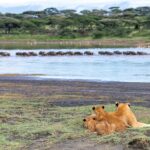
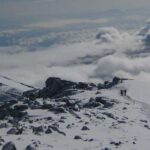
Moshi and the Kilimanjaro Foothills, compared.
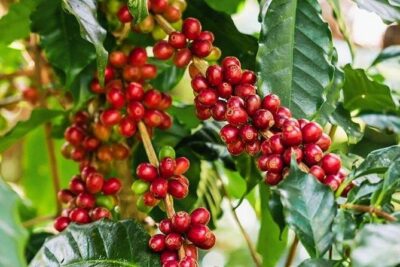 ★ 5.0Materuni Waterfalls & Coffee Tour from MoshiFrom $6092 reviews
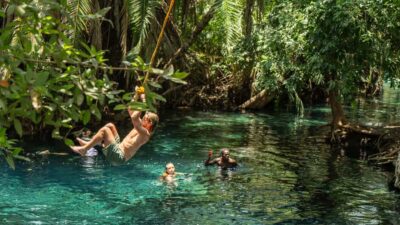 ★ 4.8Arusha or Moshi : Hot Spring, Waterfall & Coffee Farm TourFrom $5380 reviews
 ★ 5.01-Day Moshi Villages bike tourFrom $5059 reviews
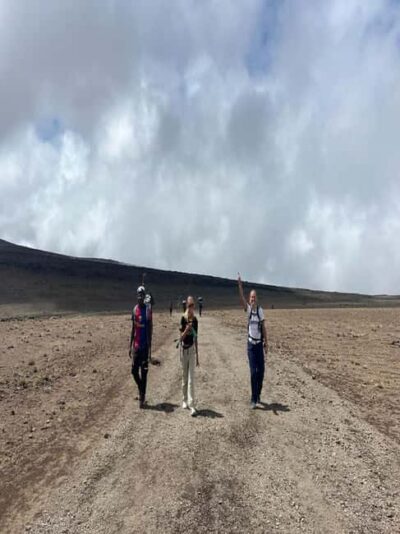 ★ 4.5From Arusha/Moshi: Kilimanjaro Hike Marangu Route Day TripFrom $10154 reviews
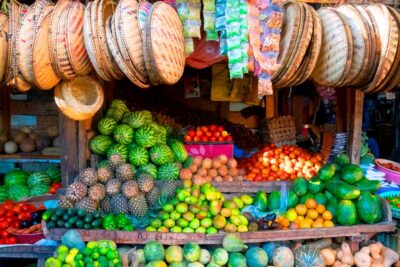 ★ 4.9Moshi: Town tour and Local Markets tourFrom $2536 reviews
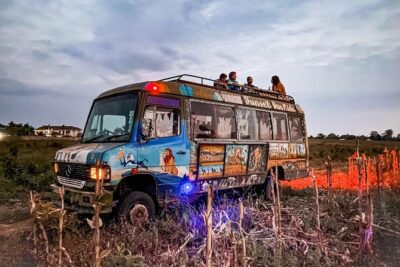 ★ 4.5Moshi sunset experienceFrom $2031 reviews
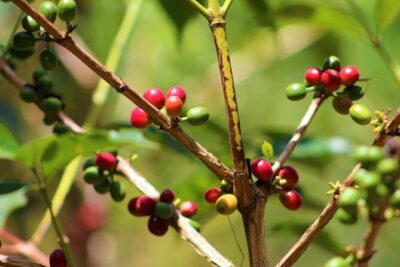 ★ 5.0Materuni Thundering Waterfalls,Coffee Experience with Moshi Town TourFrom $6017 reviews
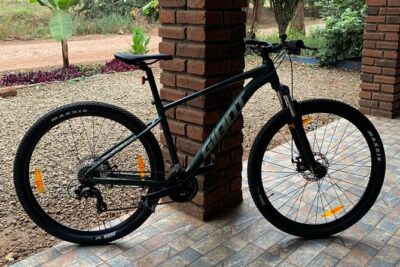 ★ 5.0Moshi city bike day tripFrom $4517 reviews
Browse the lists this tour appears in