
REVIEW · MOSHI AND THE KILIMANJARO FOOTHILLS
Moshi: Town tour and Local Markets tour
Moshi’s markets teach fast. In three hours with guide Isaac, you start at the train station for Mt Kilimanjaro photo moments and then move into local markets for fruit tastings and real-world lessons on how people earn their living. The main catch is simple: food and drinks are not included, so your tasting budget is up to you, and you will be on your feet in active market lanes.
Pickup is from Moshi Urban, you get bottled water, and the tour runs in English. This is a walk-and-stop style outing, so it feels less like a bus tour and more like you’re getting your bearings in Moshi with someone who knows the streets.
In This Review
- Key things I’d circle before you go
- From the train station to the souvenir market, in about 3 hours
- The train station photo stop, Mt Kilimanjaro views included
- Manyema Market: your first look at the food and daily rhythm
- Mbuyuni Market: banana, fish, spice, clothing, and the local dispensary
- Central Market: the comparison that teaches you the most
- Coffee Union Cafe: a timed break you will actually appreciate
- Moshi bus stand: watch the business side of everyday travel
- Local banks and SIM banking explanations on the route
- Blue Zebra Art and Tanzanite: souvenirs with a social mission
- Price and what you’ll likely spend beyond the $25
- What to bring and how to get the most out of market walking
- Who this tour suits best in Moshi
- Should you book the Moshi Town and Local Markets tour?
- FAQ
- How long is the Moshi Town tour and Local Markets tour?
- What is the price per person?
- Where do you get picked up?
- Is the tour guided in English?
- What is included in the tour price?
- Are food and drinks included?
- What should I bring for the tour?
- Is free cancellation available?
- Can I reserve now and pay later?
Key things I’d circle before you go
- Train station panorama with Kilimanjaro in the background to set the tone right away
- Manyema and Mbuyuni market circuits that show everyday trade, not staged shopping
- Fruit tastings and explanations of what locals buy, sell, and why
- SIM banking and local banks explained while you’re moving between stops
- Bus stand time to see commerce in action where people actually travel and transact
- Blue Zebra Art and Tanzanite shopping tied to social impact, not just souvenirs
More from Moshi and the foothills
- Arusha or Moshi : Hot Spring, Waterfall & Coffee Farm Tour★ 4.8 · 80 reviews
- Moshi: Town tour and Local Markets tour★ 4.9 · 36 reviews
- Moshi sunset experience★ 4.5 · 31 reviews
- Moshi city bike day trip★ 5.0 · 17 reviews
From the train station to the souvenir market, in about 3 hours
This tour is built like a smooth loop through Moshi’s “working town” areas. You’ll start with a scenic and historical angle at the station, then shift into markets where your senses kick on fast. By the end, you’re also seeing the more modern business side of daily life, before you land at a souvenir shop with a bigger purpose.
At $25 per person for 3 hours, the value comes from the structure. You get hotel pickup and drop-off, a live guide in English, and bottled water, which removes the usual Moshi friction of figuring out where to go and who to ask. The parts you control are what you choose to buy and how much you snack.
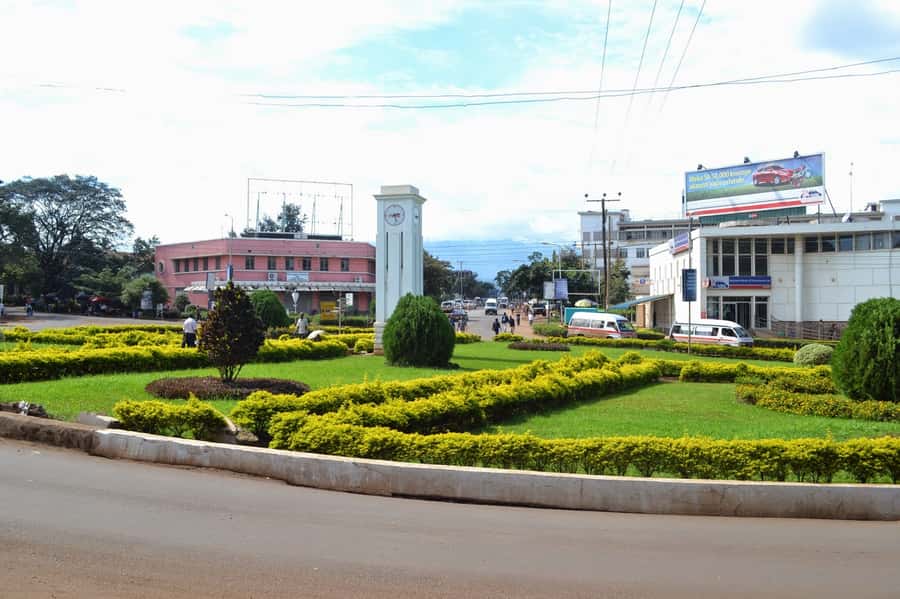
The train station photo stop, Mt Kilimanjaro views included
Your pickup brings you into central Moshi, then you begin at the train station for a guided moment and a photo stop. This is one of those starts that makes the town feel connected to the wider region, and it also gives you that Mt Kilimanjaro framing everyone comes for.
What I like here is the timing and pacing. A short guided segment at the station helps you learn what you’re seeing before you’re hit with the blur of market stalls. Also, if the train schedule lines up, the station can feel extra lively in a very local way.
Practical tip: bring your phone battery or a power bank. You’ll likely want photos quickly, and you do not want to start hunting for a charging solution mid-walk.
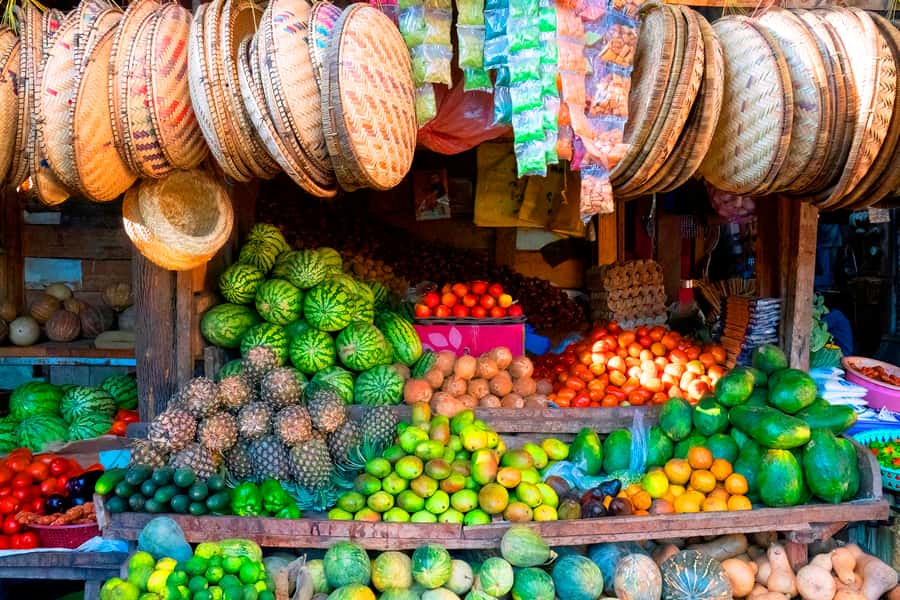
Manyema Market: your first look at the food and daily rhythm
After the station, you head into Manyema Market. This is your first real taste of local commerce, and it sets expectations for the rest of the day: stalls are close, people are moving, and every area has its own specialty.
Expect a mix of walking, guided explanations, and time focused on the food market side of things. If you’re the type who likes to understand the “why” behind what you’re seeing, this first market is a good warm-up. Your guide uses it to show you how the market environment supports daily life, not just shopping.
Possible drawback to consider: markets can be noisy and crowded, and you’ll be close to active business. If you dislike tight spaces, wear comfortable clothes that let you move and do not plan on lingering too long in the busiest aisles.
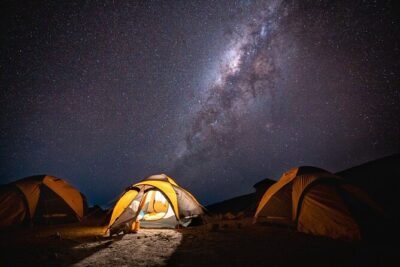



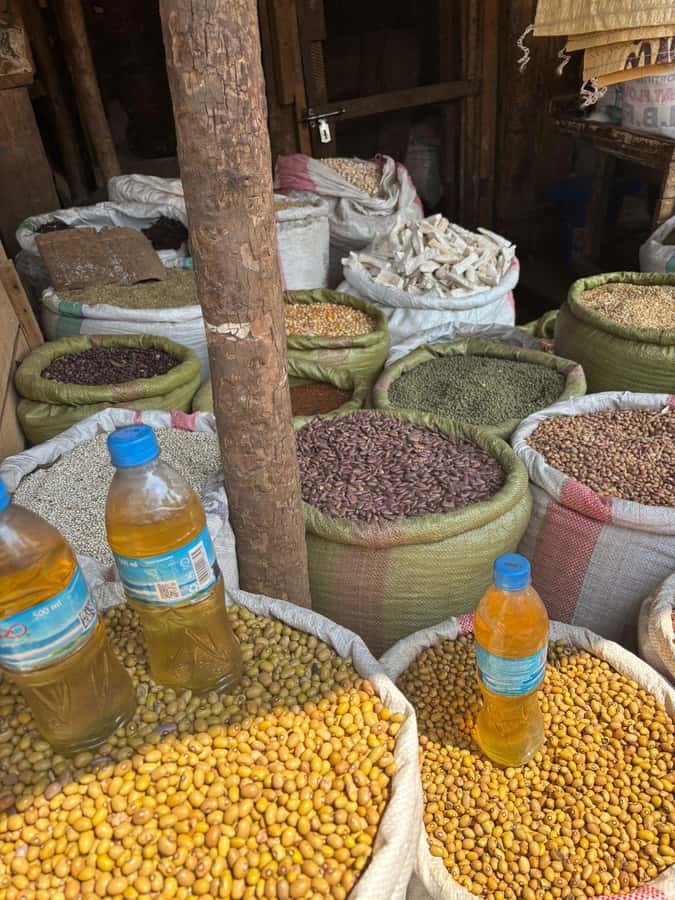
Mbuyuni Market: banana, fish, spice, clothing, and the local dispensary
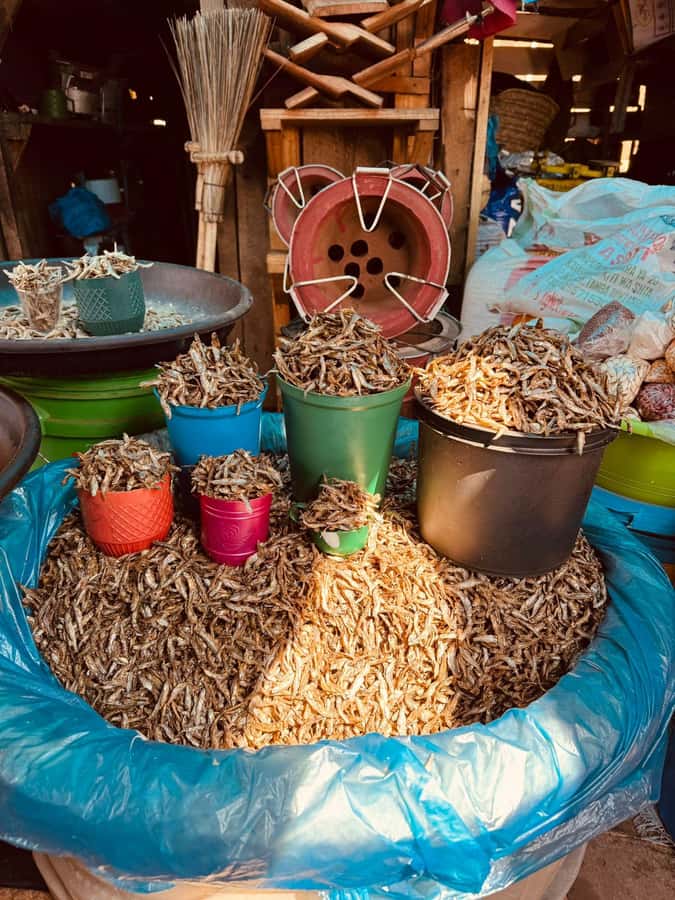
Then comes the market stop with the most specific highlights. Mbuyuni Market is where you get a guided tour through several lanes tied to what people buy and sell.
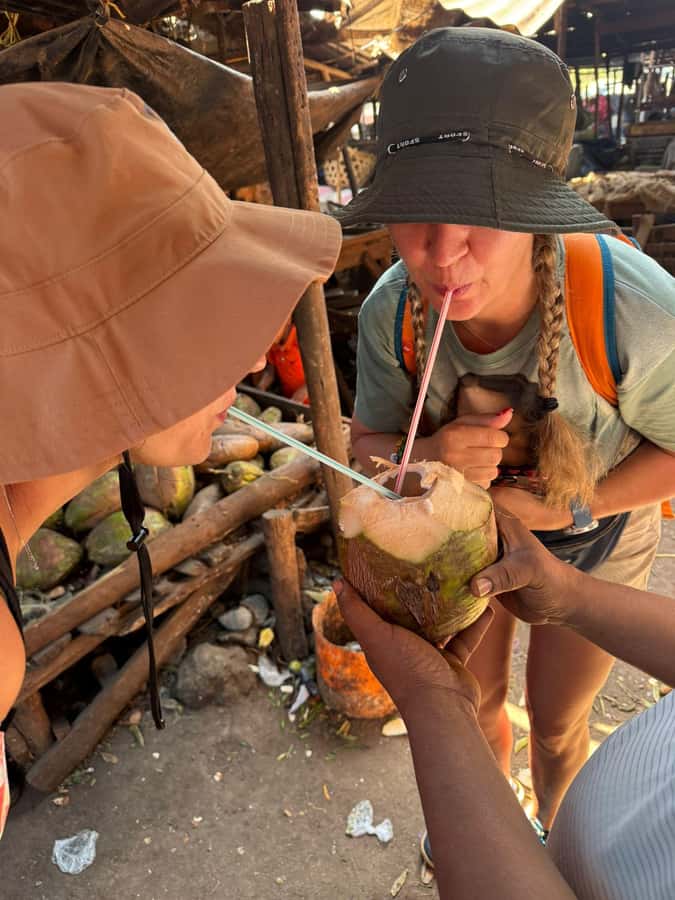
You’ll visit areas like the banana market, fish market, spice market, and clothing market. You also get a look at a local dispensary inside the market environment, which helps you understand how services and commerce overlap in Moshi.
This is also where the fruit tastings usually make the experience feel memorable. Your guide introduces what you’re sampling and connects it to everyday purchasing habits, so it’s not just a random snack stop. You’ll leave with a clearer sense of what locals eat and what’s available at different times.
A small reality check: you might see a wide range of prices, and the markets are active places. If you plan to buy anything, keep your budget mentally separated from your walking-around curiosity.
Central Market: the comparison that teaches you the most
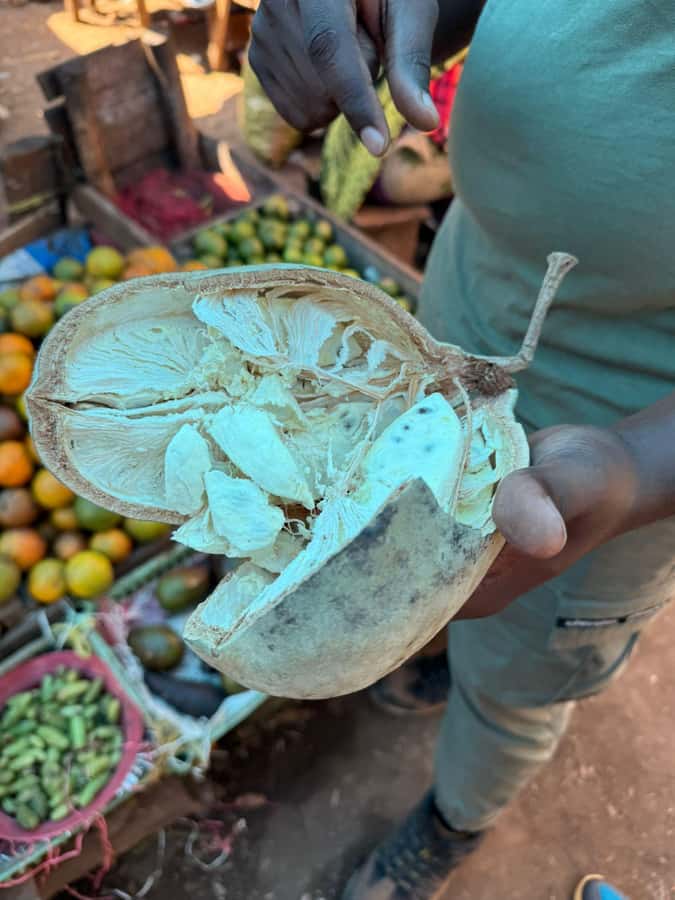
After the first market experience, you head to the Central Market. What matters here is the guided comparison. You’re shown how this food market experience differs from the earlier one, and that contrast helps you read Moshi more accurately instead of treating every stall as the same.
Expect another stretch of photo stops, guided time, and walking. This segment tends to be where your guide’s explanations click most, because you can now compare what you saw earlier to what you see next.
If you enjoy learning local routines, Central Market is a strong stop. Markets are social hubs as much as they are shopping areas, and this one helps you see how people handle everyday needs in a practical, on-the-ground way.
Coffee Union Cafe: a timed break you will actually appreciate
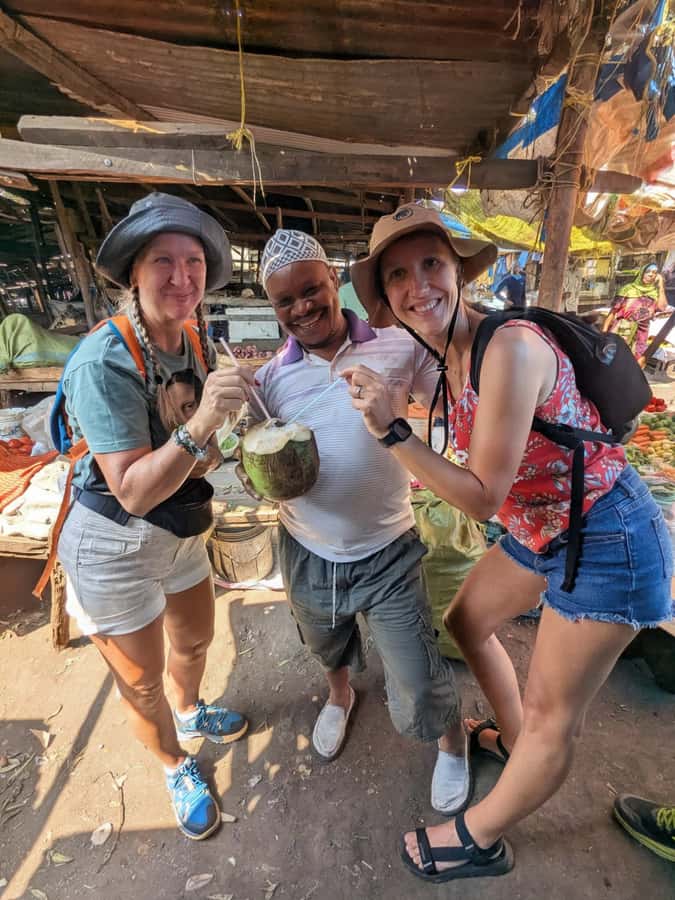
Once you’ve walked enough for your feet to start bargaining with your brain, you get a break at Coffee Union Cafe. This is your reset moment, and it includes time for coffee and tea.
I like that this isn’t an afterthought. A café stop gives you a chance to slow down, regroup, and ask questions you might not have time for when you’re moving between stalls. Since food and drinks are not included in the tour, this is also where you can decide how much you want to spend, without guessing.
If you’re someone who gets tired on tours, use this break to check in with yourself. Hydrate, sit for a minute, and decide whether you want to pick up any souvenirs after the next bus stand stop.
Moshi bus stand: watch the business side of everyday travel
Next, you head to the Moshi bus stand for photo stops, guided touring, and a short walk. This is one of those stops that makes the day feel more complete, because it shifts from market selling to movement and logistics.
Here you learn how people do business around travel. Even if you never board a bus that day, you get a clearer picture of how people coordinate routes, errands, and purchases in the same public spaces.
Tip: this segment is a good chance to look for practical details like how locals queue, move, and handle small transactions. It’s not glamorous, but it’s real life, and it’s exactly what makes the tour worth doing.
Local banks and SIM banking explanations on the route
Between market clusters, you also pass local banks and get an explanation of SIM banking in Tanzania. This matters because it shows that Moshi’s economy is not only cash and stalls. People use mobile systems to manage money and transactions, and your guide points you to how that works in everyday terms.
I’d call this a smart mid-day topic because it bridges two worlds you’ll see during the tour. You start with food and goods, then you move toward payments and services. If you’re interested in how towns function beyond tourism, this stop is surprisingly useful.
No need to memorize every detail. Even understanding the basics makes your later observations about buying and paying feel more grounded.
Blue Zebra Art and Tanzanite: souvenirs with a social mission
Your last stop is Blue Zebra Art, the Tanzanite and souvenir shop area. This is part shopping time, part story time, and it stands out for the reason behind the purchases.
Here’s what makes it special: many items sold are manufactured by disabled persons, and part of the revenues are returned to the community. The shop supports work that includes sending orphans to school and helping the underprivileged.
You’ll also see Tanzanite, which is described as a valuable gemstone found only in Tanzania. Even if you do not plan to buy, it’s worth looking because it helps you understand how local identity connects to a global commodity.
Buying tip: if Tanzanite or crafts are on your wishlist, treat the shop like any other market. Ask questions, compare what you can within your budget, and only buy what you truly like, not what you feel pressured to take.
Price and what you’ll likely spend beyond the $25
The tour price is $25 per person for 3 hours, with hotel pickup and drop-off plus bottled water included. That baseline value is strong for Moshi, because the guidance plus transport saves you time and helps you avoid wandering into the wrong lanes on your own.
What is not included is food and drinks. So if you want to taste more than just small samples, plan for extra cash. The fruit tastings are part of the highlight, but the tour’s listed inclusions do not guarantee full meals or paid drinks.
A simple budgeting approach:
- Bring small bills and some extra cash for snacks
- Plan one drinks purchase at the café, if you want it
- Keep a separate amount for souvenirs, since market shopping can be hard to resist
For $25, this tour is best viewed as paid guidance through the town’s everyday systems. You’re paying for context, access, and time on foot in the right places.
What to bring and how to get the most out of market walking
You’ll want comfortable shoes and comfortable clothes. That’s not just a generic checklist, it’s the difference between enjoying the day and feeling grumpy halfway through.
Also, go with a flexible mindset. This is a “see how things work” tour, so you’ll experience a mix of food aisles, service areas like the dispensary, and business zones like the bus stand.
If you’re curious, your guide is the main tool. Ask questions about what you see, how the markets operate, and how SIM banking fits into daily life. That Q and A time is part of the payoff, not a distraction from it.
Who this tour suits best in Moshi
This tour is ideal if you want a first-orientation day. It’s also a great match if you’re curious about how Moshi runs day to day, from food trade to payments and travel.
It’s especially useful if you’d rather not navigate active markets on your own. The day is guided and organized around practical stops, so you spend your energy learning instead of guessing.
If you only want one kind of experience, think about your priorities. If you’re purely after scenery, markets might feel like “a lot of stalls.” If you want local life and practical context, this tour gives you exactly that.
Should you book the Moshi Town and Local Markets tour?
Yes, if you want a compact, well-paced introduction to Moshi that goes beyond the obvious. The combination of station panorama, multiple market lanes, fruit tastings, SIM banking explanations, and the social-good souvenir stop makes the day feel connected from start to finish.
Book it if you like tours where the guide helps you read what you’re seeing. And do it if you want that mix of everyday trade plus one meaningful purchase moment at the end.
Skip it only if you dislike markets, walking, or anything that feels busy and close-up. Otherwise, get your shoes ready, bring a little extra cash for food and a possible souvenir, and enjoy Moshi the way it actually moves.
FAQ
How long is the Moshi Town tour and Local Markets tour?
The tour lasts 3 hours.
What is the price per person?
The price is $25 per person.
Where do you get picked up?
Pickup is from Moshi Urban.
Is the tour guided in English?
Yes, there is a live tour guide in English.
What is included in the tour price?
Hotel pickup and drop-off are included, along with bottled water.
Are food and drinks included?
No. Food and drinks are not included.
What should I bring for the tour?
Bring comfortable shoes and comfortable clothes.
Is free cancellation available?
Yes. You can cancel up to 24 hours in advance for a full refund.
Can I reserve now and pay later?
Yes. Reserve now & pay later is available.
Around Moshi
- Arusha or Moshi : Hot Spring, Waterfall & Coffee Farm Tour
★ 4.8 · 80 reviews - 1-Day Moshi Villages bike tour
★ 5.0 · 59 reviews - Moshi sunset experience
★ 4.5 · 31 reviews - Moshi city bike day trip
★ 5.0 · 17 reviews - Materuni Thundering Waterfalls,Coffee Experience with Moshi Town Tour
★ 5.0 · 17 reviews
Just added from around Moshi




Moshi and the Kilimanjaro Foothills, compared.
 ★ 5.0Materuni Waterfalls & Coffee Tour from MoshiFrom $6092 reviews
 ★ 4.8Arusha or Moshi : Hot Spring, Waterfall & Coffee Farm TourFrom $5380 reviews
 ★ 5.01-Day Moshi Villages bike tourFrom $5059 reviews
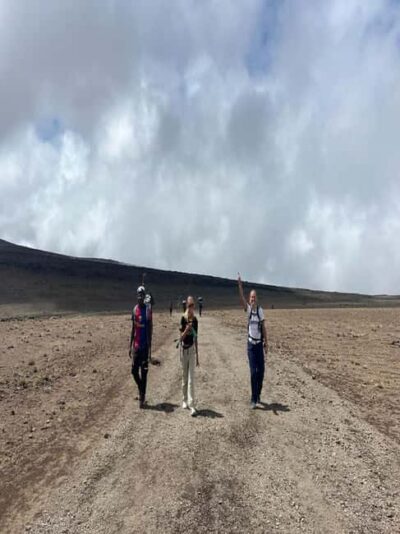 ★ 4.5From Arusha/Moshi: Kilimanjaro Hike Marangu Route Day TripFrom $10154 reviews
 ★ 4.5Moshi sunset experienceFrom $2031 reviews
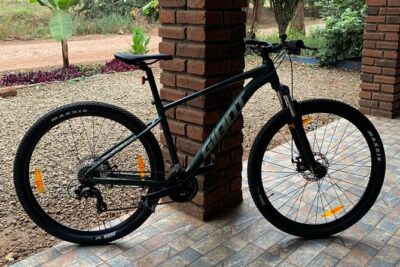 ★ 5.0Moshi city bike day tripFrom $4517 reviews
 ★ 5.0Chemka Hot Springs Tour from MoshiFrom $5917 reviews
 ★ 5.0Materuni Thundering Waterfalls,Coffee Experience with Moshi Town TourFrom $6017 reviews
Browse the lists this tour appears in