
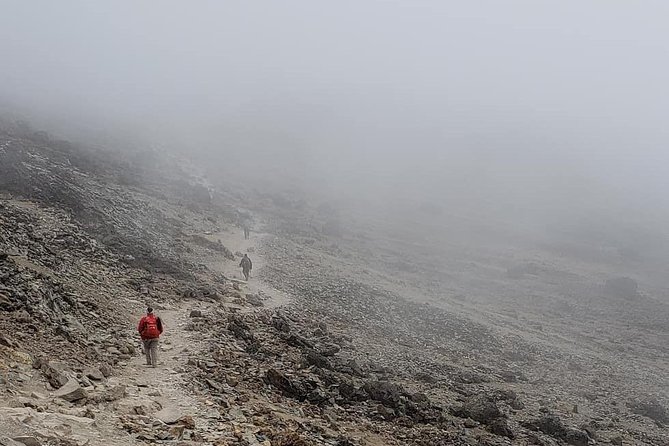
REVIEW · KILIMANJARO MARANGU ROUTE
Mt Kilimanjaro 6 days Marangu route hike
Six days to Africa’s highest point. This popular Marangu route starts in Moshi and moves from rainforest paths toward the Uhuru Peak summit with a steady plan.
I love two things right away: the route pacing, which gives you a real acclimatization day at Horombo, and the wildlife and scenery variety that starts in rainforest and keeps changing as you climb. I also appreciate how the summit plan is spelled out, including the need for headlamps and serious cold management. The main drawback is that the summit night is not gentle, you’ll be climbing in darkness and you’ll need to dress for extreme temperature shifts.
If you want an easier on-paper route up Kilimanjaro, this 6-day plan is a very practical choice, especially because it includes park admission and covers most meals so you can focus on trekking and rest instead of logistics.
In This Review
- Key Highlights I Think Matter
- Marangu Route: Why It Fits So Many Trekkers
- Getting Started in Moshi, Then Into the Kilimanjaro National Park
- Day 1: Rainforest to Mandara Encampment, Plus Maundi Crater
- Day 2: Moorlands to Horombo, Mawenzi and Kibo Appear
- Day 3 at Horombo Hut: The Acclimatization Day That Can Save Your Summit
- Day 4: The Saddle, Last Water, and Moonscape Terrain
- Day 5: Midnight to Uhuru Peak, Headlamps, Scree, and Cold
- Day 6: Descent via Moorland to Mandara and Out Through Marangu
- Price and Value: What $2,269.24 Covers Here
- Accommodation, Food, and the People Who Control Your Pace
- What to Pack, Based on the Temperatures and Trail Reality
- Who Should Book This Marangu 6-Day Hike
- Should You Book It?
- FAQ
- What time does the experience start?
- Where is the tour based?
- Is pickup included?
- How long is the hike?
- Is this a private tour?
- How are park admission and tickets handled?
- What meals are included?
- Do I need headlamps for the summit?
- Can the final descent be muddy?
- What if weather is bad?
- What is the cancellation policy?
Key Highlights I Think Matter
- Marangu’s “most popular and easiest” approach for many first-timers, with a gradual, direct path to the summit
- Rainforest wildlife on Day 1, including colobus monkeys and towering eucalyptus trees
- Horombo acclimatization on Day 3, with an optional Mawenzi Hut day hike to help your body adjust
- Moonscape and alpine desert on higher days, when vegetation thins and the air gets thin
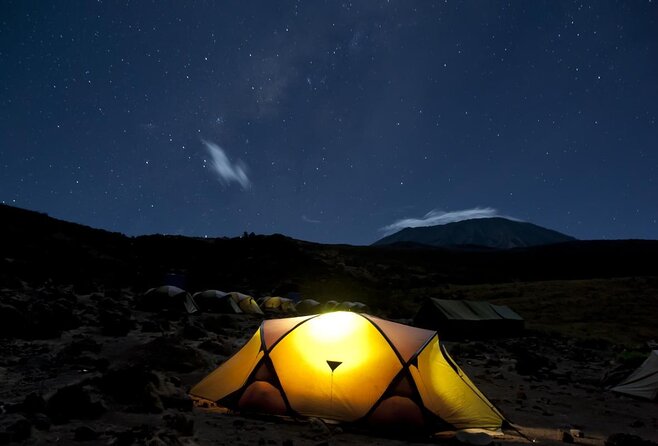
- Summit push from midnight to 2:00 AM, done with headlamps, flashlights, and warm layers
- A long, rewarding final descent on Day 6 through forest that can get wet and muddy
Other ways up Kilimanjaro we reviewed
- Kilimanjaro climb by Lemosho Route (7-day)★ 5.0 · 651 reviews
- Kilimanjaro climb, Machame Route (7-day)★ 5.0 · 262 reviews
- Kilimanjaro Climbing Lemosho Route 8 Days.★ 5.0 · 186 reviews
- Climbing Kilimanjaro – Machame Route★ 5.0 · 170 reviews
Marangu Route: Why It Fits So Many Trekkers
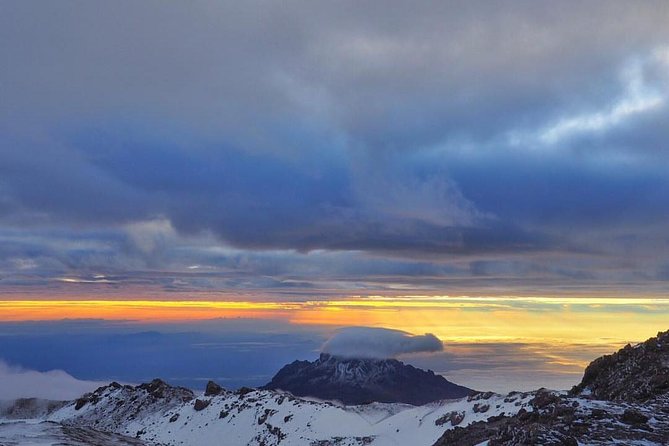
This is the Kilimanjaro route that many people pick when they want the path with the most gradual slope and a straightforward line toward the top. The big idea here is not that Kilimanjaro is easy, it is that Marangu is more manageable day by day than some steeper alternatives.
You also get a clear structure. You climb, you climb again, then you stop for acclimatization at Horombo Hut. That matters, because altitude is the real boss on this mountain. Even if you feel okay on the lower days, you can start to feel altitude effects as you gain elevation into the moorlands.
Finally, the route keeps things tangible. You can picture where you are going because the landscape changes in phases: rainforest, heathland, then alpine desert, then crater rim terrain. When the world around you shifts that dramatically, it is easier to stay mentally locked in.
Getting Started in Moshi, Then Into the Kilimanjaro National Park
Your day begins with a start time of 8:00 AM, with pickup offered in the Moshi area. After breakfast and a briefing, the drive to the Kilimanjaro National Park gate takes about two hours. Registration happens at the gate, then your climb begins.
Day 1 is designed to ease you into altitude and effort. You start at 1860 m (6100 ft) and finish the day around 2700 m (8875 ft). That rise is meaningful, but it is a setup day, not a grind.
One practical bonus: your admission ticket is included, so you are not juggling park access or paperwork once you arrive.
Day 1: Rainforest to Mandara Encampment, Plus Maundi Crater
The first walk takes you through rainforest to Mandara encampment. Expect a humidity-rich vibe, bird activity, and a trail that feels more like a hike than a climb.
A highlight is a side trip to Maundi Crater. It is a chance to see the surroundings, including northern Tanzania and Kenya. If you like when the mountain gives you context fast, this is that moment. It is also a good reminder that Kilimanjaro is a massive landmark, not just a wall in front of you.
Keep an eye out for towering eucalyptus trees, bird life, and colobus monkeys while you’re in the forest zone. Even if wildlife sightings are never guaranteed, this kind of habitat is exactly where you have a fair shot.
You’ll cover about 8 km (5 mi) in roughly 3 to 4 hours, then settle in for the day with breakfast, lunch, and dinner included.
Marangu, other operators and other lengths
Day 2: Moorlands to Horombo, Mawenzi and Kibo Appear
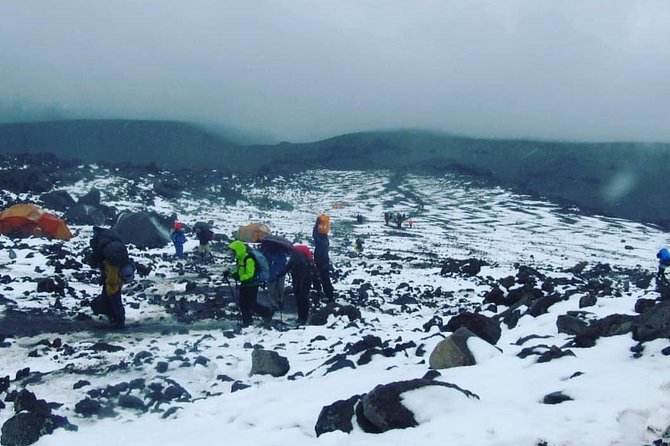
On Day 2 you leave the rainforest glades and move into open moorlands. The terrain shifts, and so does how you feel. This is where the altitude starts to become part of your day.
You walk up to Horombo encampment from 2700 m (8875 ft) to 3700 m (12,200 ft). The route distance is about 12 km (7.5 mi) with 5 to 6 hours of hiking time. That is a real step up from Day 1, and it is normal if your breathing feels more deliberate.
The rewards are visual. You get views of Mawenzi and the summit of Kibo, which is a morale boost when the air feels thinner. If you like specific ecology, look for giant lobelias and groundsels along the heathland stretches.
Meals stay steady with breakfast, lunch, and dinner. Your admission ticket is included, and the structure keeps you from spending energy thinking about what to eat or when to move.
Day 3 at Horombo Hut: The Acclimatization Day That Can Save Your Summit
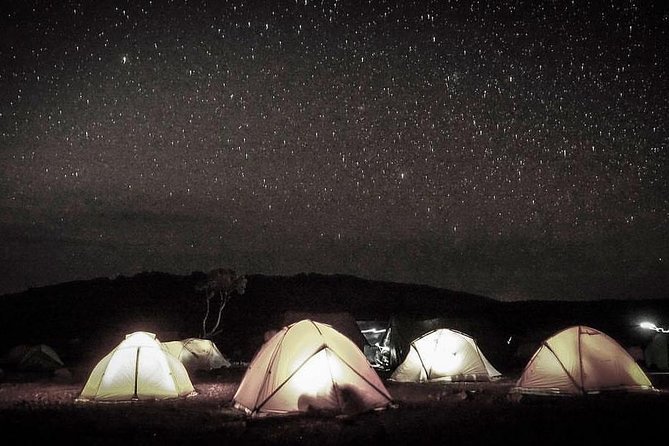
Day 3 is your body’s adjustment day. You stay around Horombo Hut and allow your system to acclimate to higher altitude. This is where smart trekking planning shows up as something practical, not just a schedule.
There is an optional day hike to Mawenzi Hut at 4600 m with your guide. If you feel good, this can help with acclimatization by letting you test your pacing at a higher altitude and then return to your resting elevation.
Your meals are planned with flexibility. Breakfast and dinner are at the hut, while lunch can be packed or taken at the hut depending on your preference.
This day is also a great time to slow down, hydrate, and focus on breathing. In the end, pacing is not just comfort, it can directly influence whether you feel strong later on summit night.
Day 4: The Saddle, Last Water, and Moonscape Terrain
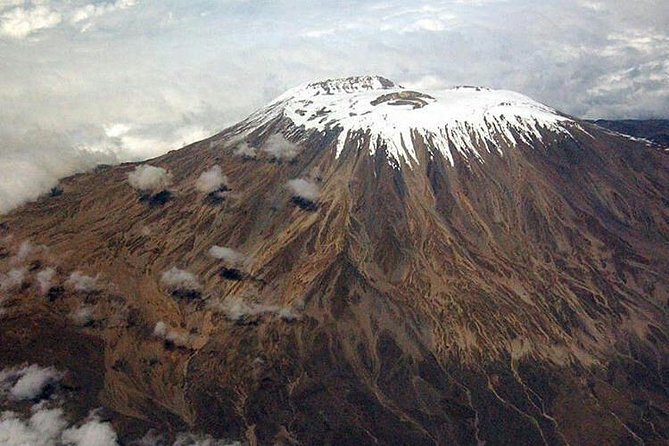
On Day 4 you climb from 3700 m to about 4700 m (15,500 ft), covering 9 km (5.5 mi) in about 5 to 6 hours. The habitat changes quickly, and that shift can feel dramatic.
The route passes the last watering point, then heads toward the saddle between Kibo and Mawenzi. Vegetation begins in upper heathland, then you enter a more barren zone described as moonscape. That kind of terrain can be beautiful, but it also means fewer things to block wind and less cover from exposure.
At this stage, your goal becomes preparation. The day ends with dinner, rest, and summit readiness. Since the summit climb starts very early, this is the night you want quality rest, calm energy, and a plan for warmth.
You’ll still have breakfast, lunch, and dinner, and admission ticket is included.
Day 5: Midnight to Uhuru Peak, Headlamps, Scree, and Cold
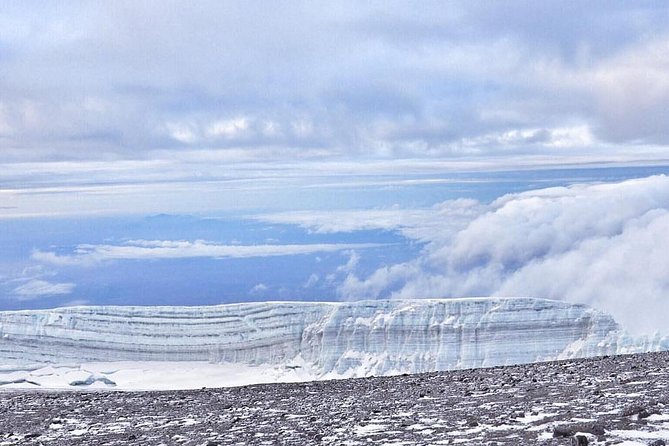
This is the big day, and you feel it before you even step onto the trail.
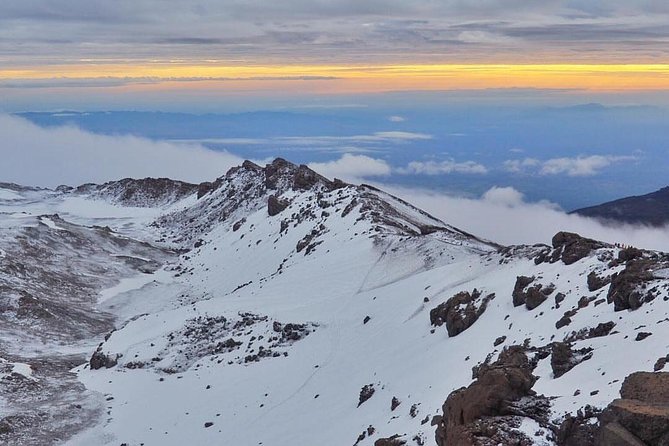
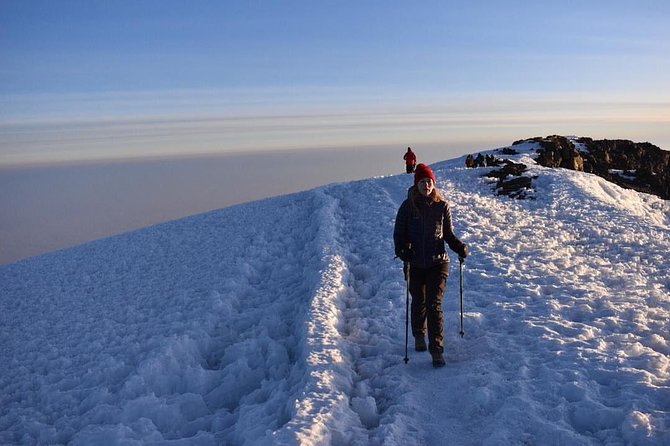
You start very early, between midnight and 2:00 AM, with the climb to Gilman’s Point on the crater rim. The surface is described as steep and heavy scree or snow, which means foot placement matters and you’ll likely move slower than you expect.
Then you continue upward to Uhuru Peak, the highest point in Africa. The plan is straightforward, but the execution is not. Every step costs energy because the air is thin and the cold can make your body feel stiffer.
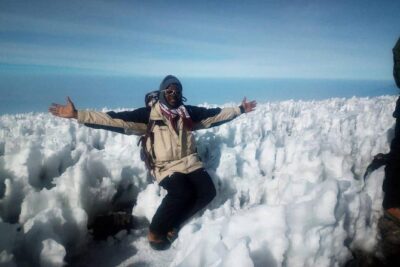
You’ll get unbelievable views at turns along the summit route, and you can have a picture taken at the top. After Uhuru Peak, you descend. There’s a lunch stop and rest at Kibo, then you continue down to Horombo encampment.
Two practical points are emphasized for good reason:
- You’ll climb in the dark, so you’ll need headlamps or flashlights.
- It will be very cold until you start descending, so you need all your warm layers.
If you’ve ever underestimated “cold,” this day will correct you fast. The mountain doesn’t care how tough you think you are. Dress for the reality of early-morning crater rim temps.
Day 6: Descent via Moorland to Mandara and Out Through Marangu
Day 6 is about finishing strong and getting out safely.
After breakfast, you start a steady descent. The route goes down through moorland to Mandara Hut, then continues through a lush forest path down to the National Park gate at Marangu. If lower elevation weather turns, this final stretch can be wet and muddy.
This is why gaiters and trekking poles matter. Your knees will appreciate poles, and your boots will appreciate any help keeping slop out. The day can be mixed in temperature. Shorts and t-shirts may be plenty once you are lower, but keep rain gear and warmer clothing handy just in case.
The hiking time is about 4 to 5 hours and the distance is about 20 km (12.5 mi). You finish with a vehicle pick-up at the gate to return to your hotel or the airport.
One more human detail that matters: don’t forget to tip your guides and porters. Then you can celebrate, because you earned it.
Price and Value: What $2,269.24 Covers Here
At $2,269.24 per person for this roughly 6-day hike, the value question is not just the price tag. It is what is included and what that inclusion protects you from.
From the details you’re given, this package covers:
- Park admission during the climb (included on Days 1 through 5, with Day 6 listed as free)
- Meals for most days, including breakfast, lunch, and dinner on Days 1 to 5, plus breakfast on Day 6
- The on-trail structure, with a guide-led acclimatization plan and scheduled stops at key huts/encampments
- Transportation from Moshi to the park gate on Day 1, and back to your hotel or airport on Day 6
- Private tour service for your group, plus pickup offered
You also have reviews that point to high standards of accommodation and food, and that kind of consistency can matter at 4000 m plus, when you need rest you can trust.
Is this budget travel? No. But if you want a guided summit attempt on a popular route that handles the big moving pieces, this looks like a fair “pay once, worry less” setup.
Accommodation, Food, and the People Who Control Your Pace
You spend long hours walking at altitude, so the quality of the in-between time is not a small detail. The descriptions here point to meals three times a day on most days, then a steady pattern again on summit-day logistics.
In real life, the human side shows up most in pacing. One review highlighted the head guide, Gasto, and his team, and it credits a slow, steady approach as part of a successful summit. Another name you’ll see in experience accounts is Lucas, tied to a smooth Marangu hike.
That slow pace guidance is exactly what you want on Kilimanjaro. The mountain punishes fast trekking. Slow and controlled tends to win.
What to Pack, Based on the Temperatures and Trail Reality
I can’t guess your exact weight, but I can tell you what this route’s description flags.
For the summit night on Day 5:
- Headlamp or flashlight (explicitly needed for climbing in the dark)
- Warm layers, because it is very cold before you start descending
For wet and muddy lower sections on Day 6:
- Gaiters and trekking poles to help in muddy terrain
For day-to-day clothing:
- The plan expects that once you are back lower, shorts and t-shirts may be enough.
- Still, keep rain gear and warmer clothing available, because conditions can shift.
Also remember the simple truth: you’ll be moving through rainforest, then heathland, then moonscape and alpine desert. That is not just a view change. It is weather and exposure changes too.
Who Should Book This Marangu 6-Day Hike
This trip fits best if you:
- Want the more popular, easier-on-paper route to the summit
- Like a plan with an acclimatization day rather than rushing straight upward
- Prefer a guided trek with meals handled and clear daily elevations and hiking windows
- Are okay with early starts and a real summit-night cold climb
It may be a harder fit if you dislike cold, darkness, or steep, scree-heavy sections. Even on Marangu, the top day is still the top day.
Should You Book It?
I’d book this Marangu 6-day hike if you want a straightforward Kilimanjaro route, you value guidance and pacing, and you are willing to take the summit night seriously. The strengths are practical: a clear progression of elevations, an acclimatization day at Horombo, and a schedule that explicitly prepares you for headlamps and cold.
I’d pause and rethink only if your biggest challenge is coping with very early starts, frigid conditions, and the physical demand of reaching the crater rim and then Uhuru Peak. If that sounds manageable, this is a solid choice for your first Kilimanjaro attempt on the Marangu route.
FAQ
What time does the experience start?
It starts at 8:00 AM.
Where is the tour based?
The location listed is Moshi, Tanzania.
Is pickup included?
Yes, pickup is offered.
How long is the hike?
The duration is about 6 days.
Is this a private tour?
Yes, it is listed as a private tour/activity, meaning only your group participates.
How are park admission and tickets handled?
The admission ticket is included for Days 1 through 5, and Day 6 is shown as admission ticket free.
What meals are included?
Meals include breakfast, lunch, and dinner on Days 1 through 5, and breakfast on Day 6.
Do I need headlamps for the summit?
Yes. The summit climb begins very early in the morning in the dark, and you’ll need headlamps or flashlights.
Can the final descent be muddy?
Yes. On Day 6, the lower elevations can be wet and muddy, and gaiters and trekking poles are helpful.
What if weather is bad?
This experience requires good weather. If canceled due to poor weather, you’ll be offered a different date or a full refund.
What is the cancellation policy?
You can cancel for a full refund up to 24 hours in advance of the experience start time. If you cancel less than 24 hours before, the amount paid is not refunded.
The Marangu Trail
- Kilimanjaro climb, Marangu route (6-day)
★ 5.0 · 72 reviews - Climbing Kilimanjaro – Marangu Route
★ 5.0 · 65 reviews - Best Kilimanjaro Adventures 6 Days Marangu Route Experience
★ 5.0 · 18 reviews - Kilimanjaro Private Climbing in 6 Days Marangu Route
★ 5.0 · 16 reviews - 6 Days Climb Kilimanjaro Through Marangu Route
★ 4.5 · 15 reviews
Kilimanjaro, Route by Route
- Kilimanjaro climb by Lemosho Route (7-day)
★ 5.0 · 651 reviews - Kilimanjaro climb, Machame Route (7-day)
★ 5.0 · 262 reviews - Kilimanjaro Climbing Lemosho Route 8 Days.
★ 5.0 · 186 reviews - Climbing Kilimanjaro – Machame Route
★ 5.0 · 170 reviews - Climbing Kilimanjaro through 7 days Machame Route
★ 5.0 · 151 reviews
Just added from around Moshi
Kilimanjaro Marangu Route, compared.
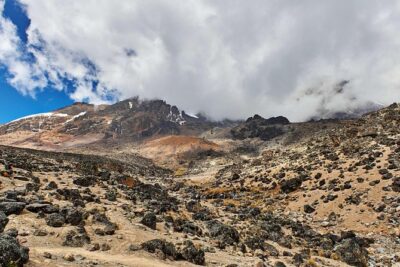 ★ 5.0Kilimanjaro climb, Marangu route (6-day)From $2,90272 reviews
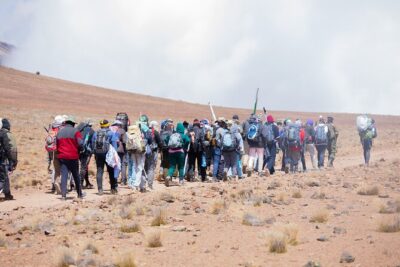 ★ 5.0Climbing Kilimanjaro – Marangu RouteFrom $2,00465 reviews
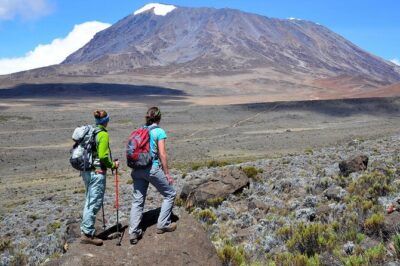 ★ 5.0Private Full Day Hiking Experience to Marangu RouteFrom $26061 reviews
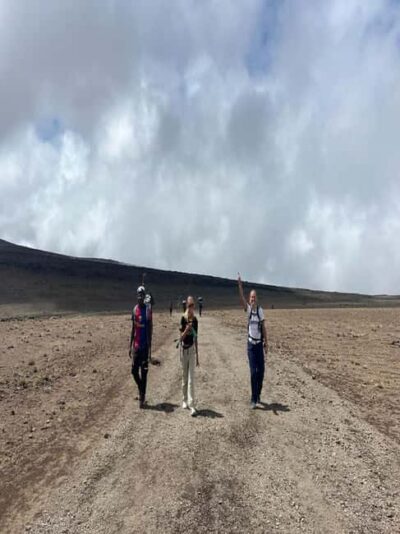 ★ 4.5From Arusha/Moshi: Kilimanjaro Hike Marangu Route Day TripFrom $10154 reviews
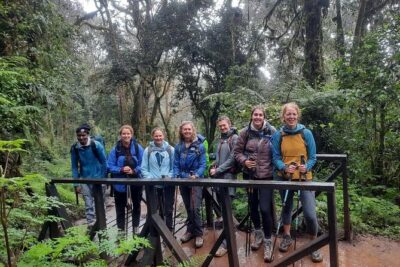 ★ 5.0Mount Kilimanjaro Day Hike Through Marangu Route to Mandara HutFrom $26537 reviews
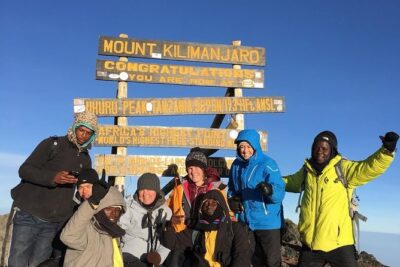 ★ 5.0Kilimanjaro Climbing 5 days Marangu routeFrom $90022 reviews
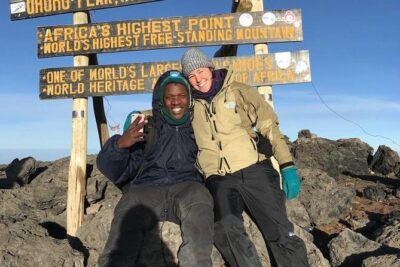 ★ 5.0Best Kilimanjaro Adventures 6 Days Marangu Route ExperienceFrom $1,00018 reviews
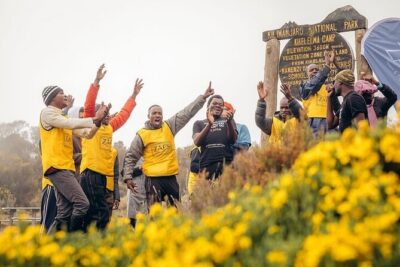 ★ 5.0Kilimanjaro Private Climbing in 6 Days Marangu RouteFrom $2,00016 reviews
Browse the lists this tour appears in