
REVIEW · KILIMANJARO MARANGU ROUTE
Best Kilimanjaro Adventures 6 Days Marangu Route Experience
Kilimanjaro feels doable with the right route. This 6-day Marangu Route trek from Moshi aims you through rainforest, moorland, and the upper alpine zones, using hut beds with mattresses and a summit push toward Uhuru Peak. The big draw for me is how structured it is, while the main catch is also clear: the Marangu huts can be busy.
I also like that the basics are handled for you, especially purified drinking water and consistent meals during the climb. Guides such as Gewa and Erick (plus leaders like Thomas) come up again and again for patient, organized support, which matters when you are trying to keep your head straight at altitude.
In This Review
- Best Kilimanjaro Marangu Route highlights you will actually feel
- Moshi start, pick-up habits, and what your morning is like
- Day 1 into Marangu rainforest, Mandara Hut, and that first big altitude shift
- Day 2 moorland to Horombo Hut, plus why lunch at Kambi ya Taabu helps
- Day 3 acclimatization day toward Mawenzi Hut, the smart higher-and-back move
- Day 4 the upper zones hike to Kibo Hut, where views fight fatigue
- Day 5 midnight summit to Gillman’s Point and Uhuru Peak, the hard part done with guidance
- Day 6 cloud forest descent to Marangu Gate, and why careful footing matters
- Huts on the Marangu Route: what “beds with mattresses” changes
- Food, water, and the support system that makes a summit plausible
- Guides and team strength: the names that keep showing up
- Price and value: what $1,000 covers, and what you should budget next
- Weather, altitude reality, and who this trek fits best
- Practical packing and pacing tips for this specific rhythm
- Should you book this 6-day Marangu Route with Kilinge Adventures?
- FAQ
- Where does this Kilimanjaro trek start?
- What time does the trek begin?
- How long is the experience?
- What route is it?
- What kind of accommodation do you get?
- Are meals included?
- Is drinking water included?
- Is the Kilimanjaro park fee included?
- Are tips included?
- What happens if weather is bad?
Best Kilimanjaro Marangu Route highlights you will actually feel
- Hut lodging with mattress beds on the Marangu Route, including Mandara and Horombo huts
- A real acclimatization day on Day 3, with an option to hike higher toward Mawenzi Hut before returning
- Midnight summit timing that lines up the longest day with the crater-rim approach
- Meals and water included, with the operator emphasizing fresh, healthy food and purified drinking water
- A well-staffed mountain team, with guides, cooks, waiters, and porters named in past climbs
Other ways up Kilimanjaro we reviewed
- Kilimanjaro climb by Lemosho Route (7-day)★ 5.0 · 651 reviews
- Kilimanjaro climb, Machame Route (7-day)★ 5.0 · 262 reviews
- Kilimanjaro Climbing Lemosho Route 8 Days.★ 5.0 · 186 reviews
- Climbing Kilimanjaro – Machame Route★ 5.0 · 170 reviews
Moshi start, pick-up habits, and what your morning is like
Your climb is based out of Moshi, and the program includes pick-up. You will start around late morning, with the stated start time at 8:30 am, and the day’s departure from Moshi or Arusha typically happens early in the morning (8 am is mentioned in the plan). Plan for a small scramble in the morning, because you are coordinating transfers, registrations, and getting everyone outfitted for a long day.
You’ll also get a mobile ticket, which is usually simpler when you arrive with a phone and minimal paperwork. The group size cap is up to 100 travelers, which matters because Marangu is a popular route, and huts can feel crowded even with a professional team running the show.
If you like your adventure organized, this is a good match. If you are expecting quiet, private hiking all the way, you may feel the difference once you reach the hut stages.
Day 1 into Marangu rainforest, Mandara Hut, and that first big altitude shift
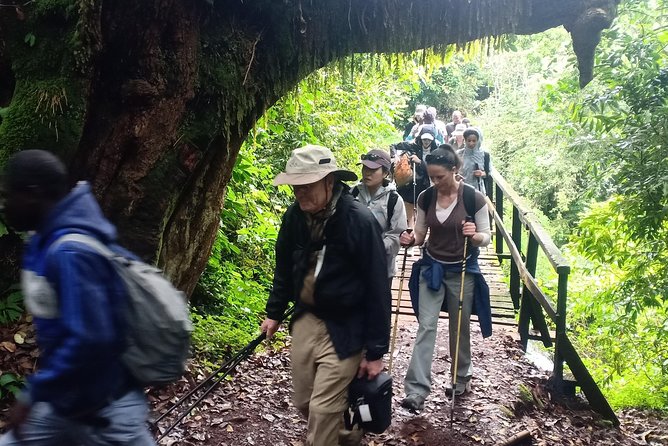
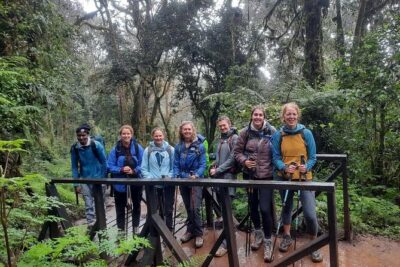
Day 1 begins with a drive to Marangu Gate, then the paperwork and registration process before you start walking. From there, your first hiking hours run through the rainforest zone, which is both beautiful and practical. It tends to feel easier on your body than the later thin-air sections, but it can still be slow going because it is humid and your feet are never fully dry.
You’ll stop for lunch about halfway through the day, then continue until you reach Mandara Hut. Mandara is an A-frame hut complex with multiple sleeping huts and a dining area, and the key comfort detail is that there are beds with mattresses.
On a clear day, the area offers impressive views, including sightlines toward Taveta to the east and Mawenzi Peak to the northwest. If you want a little extra movement, there is also a short walk opportunity to Maundi Crater.
The tradeoff of Day 1 is basic: you are building momentum, not resting for long. You will want to treat this as a pace-setting day, so you don’t burn your legs before the moorland starts.
Day 2 moorland to Horombo Hut, plus why lunch at Kambi ya Taabu helps
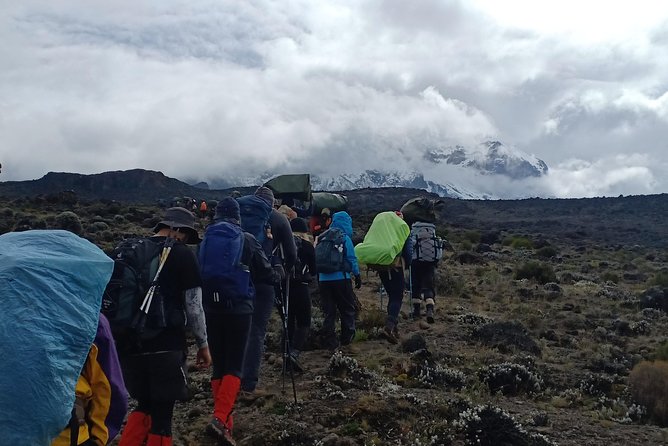
After breakfast, you leave Mandara Hut and start the transition out of the rainforest and into the moorland zone. This is where the trail starts to feel more exposed, and the vegetation shifts into rocky, desert-like plants.
Your plan includes a picnic lunch at Kambi ya Taabu, then you continue on toward Horombo Hut, arriving around 3 pm. If the weather cooperates, you get views of Mawenzi and Kibo peaks, which can be a morale booster when your pace feels steady but not thrilling.
Horombo is often described as one of the nicer hut stops on Kilimanjaro. It’s still busy, though. The plan notes small A-frame buildings that hold groups, and overall the area can accommodate a lot of hikers, porters, and support staff.
The main value of Day 2 is that it sets up your acclimatization rhythm. You hike, you eat, you settle. That routine is what keeps Day 3 from feeling like a surprise.
Marangu, other operators and other lengths
Day 3 acclimatization day toward Mawenzi Hut, the smart higher-and-back move
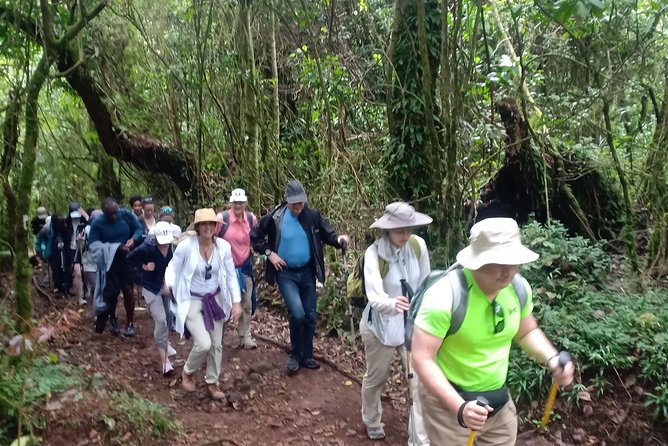
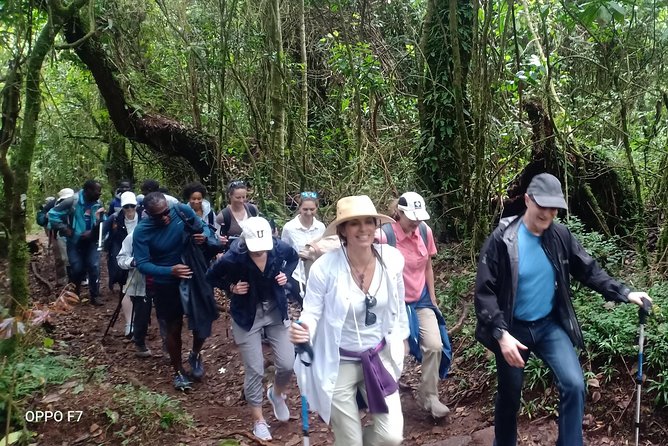
Day 3 is your acclimatization day, and it is not just a free day where you sit and hope for the best. The plan suggests hiking as far as Mawenzi Hut, because the higher exposure can improve your odds later when the climb becomes more demanding.
This is the day where you should listen to your guide and your own body. The idea is gradual adaptation: go high enough to help your system adjust, then come back down before you get too tired.
After returning to Horombo Hut for a late lunch, the remainder of the afternoon and evening is built for recovery. Use that time to reset your pack organization, hydrate, and keep your breathing calm.
The upside of this day is simple: it gives you a chance to “pay altitude” earlier, not pay it all at once on the summit night. The downside is that even a so-called rest day is still hiking in thin air, so you need to keep your pace comfortable.
Day 4 the upper zones hike to Kibo Hut, where views fight fatigue
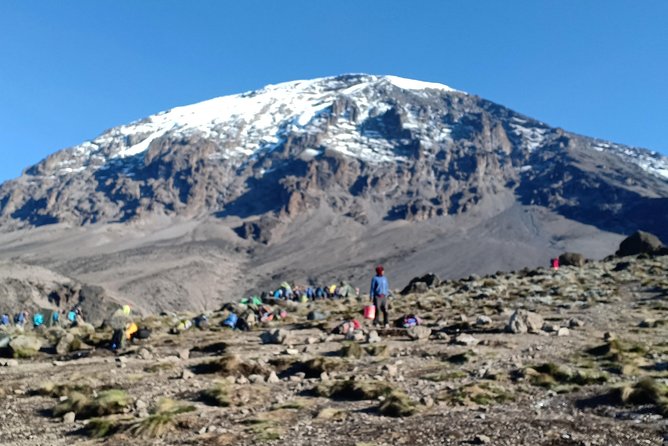
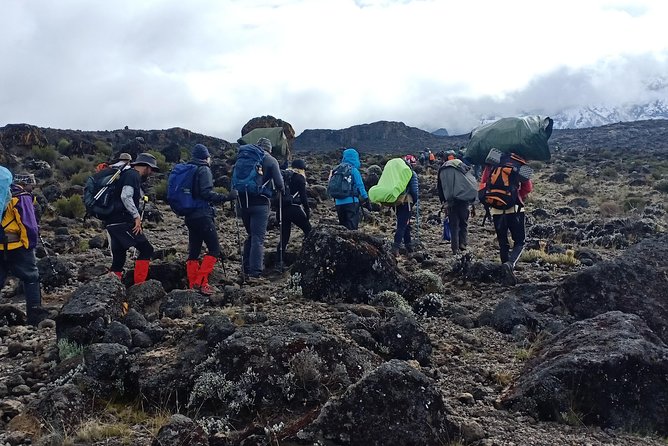
Day 4 ramps up. After breakfast you head out through moorland and upper alpine desert terrain, then you work toward Maua River. From there the terrain becomes flatter, and vegetation thins out further. This is one of those days where the visuals stay big, even when your legs feel tired.
You break for lunch at Middle Red Hill, then continue on a steady incline through Saddle. The environment around the approach to Kibo can feel bleak, but the trade is visibility. The plan calls out stunning views of Kibo and Mawenzi peaks when conditions are clear.
You reach Kibo Hut around 3 pm, and the timing matters. You need daylight hours for resting, preparing, and getting your sleep in before midnight comes.
What you should watch for on Day 4 is pacing. The altitude is rising, and the schedule gives you long hours. If you slow down early, you will feel better later.
Day 5 midnight summit to Gillman’s Point and Uhuru Peak, the hard part done with guidance
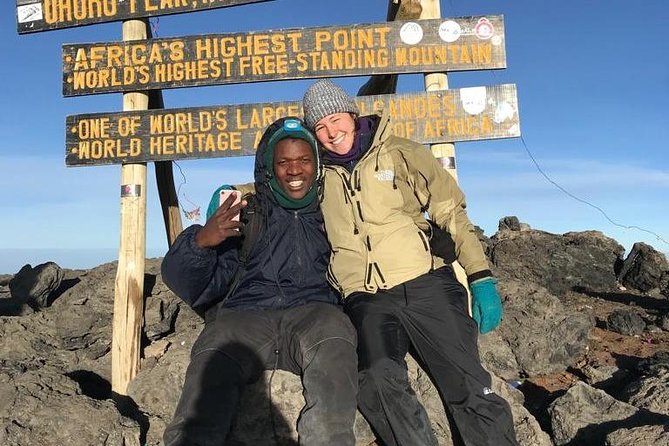
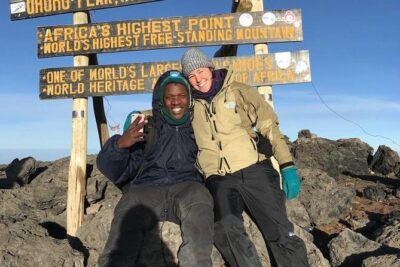
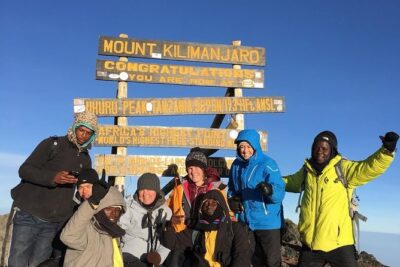
This is the day you hear people talk about forever: the final ascent to Uhuru Peak, the roof of Africa. Around midnight you wake and start the climb. The plan describes a demanding section of about five hours to reach Gillman’s Point on the crater rim.
Even though Gillman’s Point is considered the easiest crater ascent route, it is still extremely difficult. The first major rest stop is William’s Point at about 5,000 meters, around a two-hour hike from Kibo Hut. From there you continue another stretch to get to Gillman’s Point, noted at 5,681 meters, on rocky switchbacks.
After you reach the rim, the climb to Uhuru Peak is described as a gradual climb. That does not mean it is easy. The altitude makes it long and tiring, and your body will feel like it is running on stubborn willpower rather than fitness alone.
This is where a great mountain guide earns their pay. On past climbs with this operator, names such as Gewa, Erick, and other team members like Victor and Stephano have shown up connected to the same theme: staying focused, encouraging you at the right moments, and keeping logistics moving so you do not burn energy on mistakes.
Day 6 cloud forest descent to Marangu Gate, and why careful footing matters
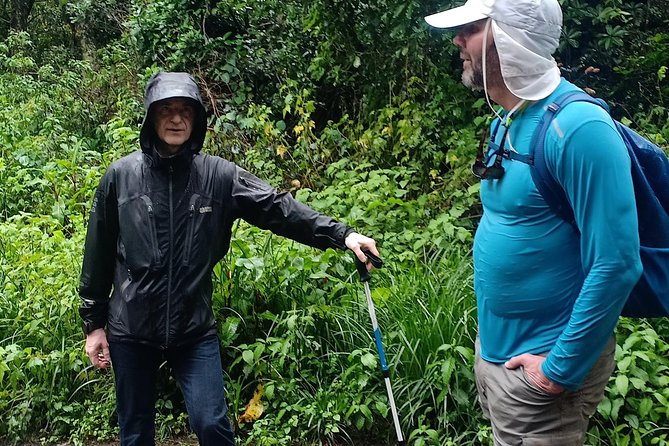
After breakfast, your job becomes descending. You head down to Marangu Gate, and along the way you move through a cloud forest. Even if the climb has been exhausting, this is usually a satisfying finish because the air feels more forgiving and the scenery changes again.
The plan also gives you one practical warning: watch your step during the descent because the trail can be slippery. That matters more than most people think. Many hikers finish strong but have a bad stumble on tired legs, because the descent is when your muscles are spent but your attention still needs to be sharp.
When you arrive at Marangu Gate, vehicles are waiting to return you to Moshi or Arusha. There is also a small chance to grab a few souvenirs like t-shirts and sodas at the gate, a small reward that feels extra sweet after a summit.
Day 6 is not the time to go fast. Take the win, stretch out your body, and let the crew handle the movement back down to normal life.
Huts on the Marangu Route: what “beds with mattresses” changes
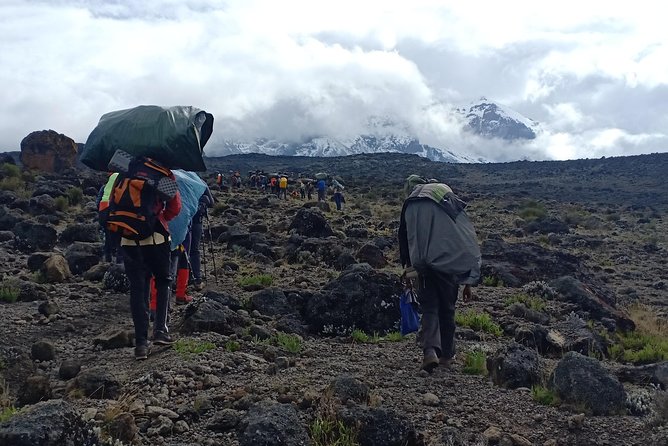
Marangu is famous for hut accommodation, and that is one of the reasons it appeals to hikers who want a less camp-heavy experience. The key detail here is not just that you sleep indoors. The plan specifically notes beds with mattresses at the huts, including Mandara.
Horombo Hut is also described in practical terms: many small A-frame buildings that can host hikers and provide lodging for those ascending, descending, and acclimatizing. It can hold a lot of people overall, so your comfort depends on how organized your group is and how well you handle a busy common environment.
In plain terms, this route can feel like a shared rhythm with other trekkers. You will likely hear people moving at early hours and understand why everyone is aiming for the same windows. If you want total quiet, Marangu might not deliver that. If you want a clear structure and the comfort of basic beds, it does.
Also remember: hut sleeping means you are still dealing with cold night air. Your success is about packing smart and using your warm layers consistently.
Food, water, and the support system that makes a summit plausible
The program includes large portions of fresh, healthy, nutritious food and emphasizes clean, purified drinking water. That sounds like marketing until you realize what it means in mountain terms: you need fuel on schedule, not whenever you get around to it.
Meals are included across the trek, with breakfast and lunch on multiple days and dinners included five times during the climb. That is valuable because summit day starts at midnight, and you will rely on what you ate earlier, not what you can buy later.
The operator also highlights fair and ethical treatment of porters, plus guides and cook salaries included in the package. In my book, that matters because Kilimanjaro is not a one-person hike. A good team handles carry loads, cooking, and hydration logistics so your climbing effort stays focused on moving.
If you want to tip well, the plan notes tips are not included. Still, if the team does an excellent job, you should budget some cash for that at the end.
Guides and team strength: the names that keep showing up
A lot of Kilimanjaro success is about people. On this operator, names that come up include guides such as Thomas (owner and guide in some cases), Gewa, Erick, and others like Victor and Stephano. The support crew is also visible in past climbs, with porters including Fred, Julius, Edward, and Tumarini.
Food and service team roles appear too, including chef Elia and waiter Richard. When you see a pattern of named staff getting credit, it usually points to consistency in how the climb runs: the food arrives, the pacing stays reasonable, and someone is always watching the details you might miss in altitude fog.
One more practical point: this trek has a maximum of 100 travelers, so you might not be alone, but you can still benefit if the guide staff is strong at managing timing and hydration.
Price and value: what $1,000 covers, and what you should budget next
The price is listed at $1,000.00 per person for the 6-day Marangu Route experience. For many climbers, the biggest “value question” is not the sticker price. It is what is included versus what you pay separately.
From the included details, you get hut nights, a mountain guide team, and meals across the days, plus purified drinking water. You also get sleeping mattress comfort at the huts and coverage for guide and porter labor costs within the package. That is the stuff that often turns a cheap deal into an expensive surprise later.
What is not included includes Kilimanjaro National Park fee and tax, plus tips and personal items. Optional add-ons like a short safari after your climb are also not included.
So if you are comparing prices, be strict:
- Does the deal cover hut lodging and meals?
- Does it cover purified drinking water?
- Does it include guide and porter staffing costs?
- Are park fees and tax billed separately?
If those basics are covered, $1,000 starts to look like it buys you less stress, which on Kilimanjaro is worth a lot.
Weather, altitude reality, and who this trek fits best
The plan requires good weather, and if conditions are poor, you will be offered another date or a full refund. That is exactly what you want to hear. Bad weather can ruin visibility and make trails more dangerous, so a smart operator will not pretend skies are optional.
Altitude is the other reality check. This route includes an acclimatization day and still asks you to do the long summit push at midnight. That means this trek fits best if you are prepared for physical work and cold, long hours, even if you are not an elite hiker.
“Most travelers can participate” is listed, and that is plausible because Marangu huts reduce some hardship compared with tent routes. Still, your own starting fitness matters. If you are coming in under-trained, you might find the pace on Day 4 and Day 5 hard even with the guide support.
Practical packing and pacing tips for this specific rhythm
I cannot tell you exactly what temperature you’ll face, because the plan does not list weather ranges. But I can tell you what your schedule demands.
- Pace Day 1 and Day 2 like you are saving energy, not like you are trying to prove something.
- Treat Day 3 as acclimatization work, not a casual stroll. Hydrate and keep your breathing steady.
- On Day 4, plan for long hours and use the lunch at Middle Red Hill and the steady climb through Saddle as anchor points for your energy.
- On summit night, move efficiently, because the time windows are tight and the crater rim climb is long.
- On Day 6, watch your footing. Slippery trails are a finishing-line problem, not just a “hard hike” problem.
Bring your basics, keep your layers organized, and avoid changing your plan every day. Consistency beats heroics at altitude.
Should you book this 6-day Marangu Route with Kilinge Adventures?
I think you should book if you want a well-structured hut-based Kilimanjaro climb out of Moshi, with meals and purified water included and a route that builds in acclimatization before the summit push. If you value a strong, named team of guides and porters, this operator has a clear pattern of people getting highlighted for competence and encouragement.
You might skip it if you know you hate busy shared spaces. Horombo Hut can be extremely busy, and Marangu is a popular corridor. Also, if you want a long, slow acclimatization profile, the summit schedule still demands a lot, even with the Day 3 plan.
If you are looking for a practical way to reach Uhuru Peak with the comfort of huts and serious mountain support, this is a solid choice.
FAQ
Where does this Kilimanjaro trek start?
The trek is based in Moshi, Tanzania, and pick-up is offered. You’ll also go to Marangu Gate for registration and the start of the walking route.
What time does the trek begin?
The listed start time is 8:30 am.
How long is the experience?
It is a 6-day trek (approx.).
What route is it?
It is the Marangu Route on Kilimanjaro, with stops including Mandara Hut, Horombo Hut, and Kibo Hut, and a summit attempt toward Uhuru Peak.
What kind of accommodation do you get?
You sleep in huts. The plan notes beds with mattresses, including at Mandara Hut. Horombo Hut is also described as using A-frame buildings for sleeping.
Are meals included?
Yes. The package includes breakfast (listed as 6), lunch (listed as 6), and dinner (listed as 5) during the climb.
Is drinking water included?
Yes, the plan includes clean, purified drinking water.
Is the Kilimanjaro park fee included?
No. Kilimanjaro national park fee and tax are not included.
Are tips included?
No. Tips and personal items are not included.
What happens if weather is bad?
The experience requires good weather. If it’s canceled due to poor weather, you’ll be offered a different date or a full refund.
The Marangu Trail
- Kilimanjaro climb, Marangu route (6-day)
★ 5.0 · 72 reviews - Climbing Kilimanjaro – Marangu Route
★ 5.0 · 65 reviews - Kilimanjaro Private Climbing in 6 Days Marangu Route
★ 5.0 · 16 reviews - 6 Days Climb Kilimanjaro Through Marangu Route
★ 4.5 · 15 reviews - Top 6 Days Mt. Kilimanjaro Bike trek Tour by Marangu-Kilema Route
★ 5.0 · 15 reviews
Kilimanjaro, Route by Route
- Kilimanjaro climb by Lemosho Route (7-day)
★ 5.0 · 651 reviews - Kilimanjaro climb, Machame Route (7-day)
★ 5.0 · 262 reviews - Kilimanjaro Climbing Lemosho Route 8 Days.
★ 5.0 · 186 reviews - Climbing Kilimanjaro – Machame Route
★ 5.0 · 170 reviews - Climbing Kilimanjaro through 7 days Machame Route
★ 5.0 · 151 reviews
Just added from around Moshi
Kilimanjaro Marangu Route, compared.
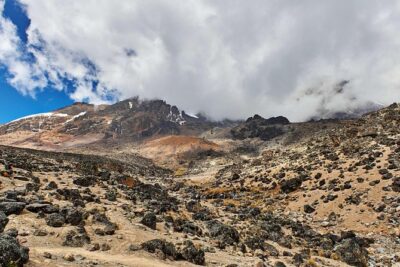 ★ 5.0Kilimanjaro climb, Marangu route (6-day)From $2,90272 reviews
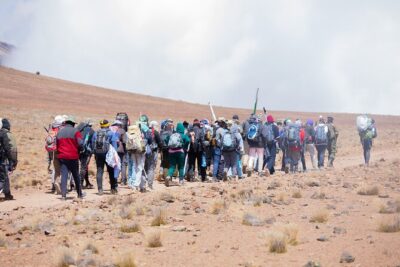 ★ 5.0Climbing Kilimanjaro – Marangu RouteFrom $2,00465 reviews
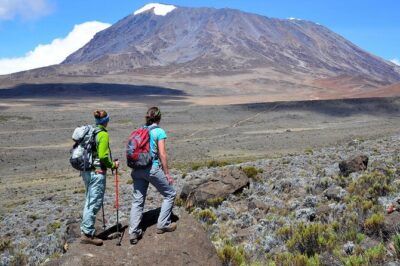 ★ 5.0Private Full Day Hiking Experience to Marangu RouteFrom $26061 reviews
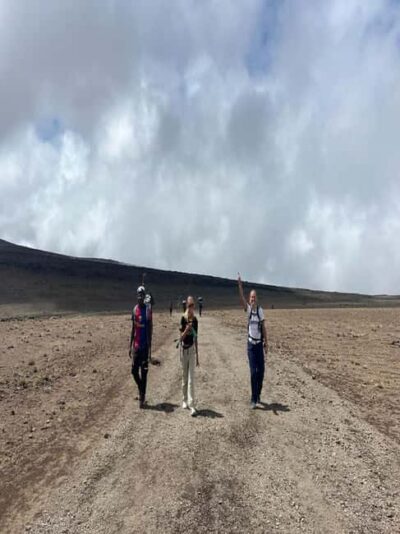 ★ 4.5From Arusha/Moshi: Kilimanjaro Hike Marangu Route Day TripFrom $10154 reviews
 ★ 5.0Mount Kilimanjaro Day Hike Through Marangu Route to Mandara HutFrom $26537 reviews
 ★ 5.0Kilimanjaro Climbing 5 days Marangu routeFrom $90022 reviews
 ★ 5.0Kilimanjaro Private Climbing in 6 Days Marangu RouteFrom $2,00016 reviews
 ★ 4.56 Days Climb Kilimanjaro Through Marangu RouteFrom $1,89915 reviews
Browse the lists this tour appears in