
REVIEW · KILIMANJARO MARANGU ROUTE
Climbing Kilimanjaro – Marangu Route
Kilimanjaro tests you, then gives you proof. This Marangu Route climb is built for hikers who want the summit shot without advanced trail skills, and I especially like that all mountain meals are included. The one thing to think through is comfort: the hut stays are basic, and at the highest stop (Kibo Huts) you should expect no running water.
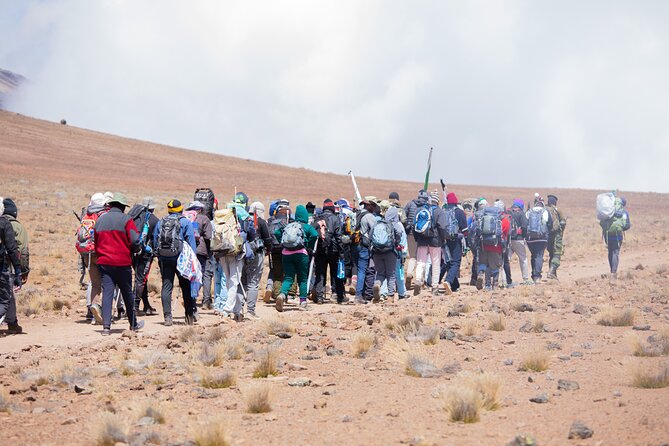
You’ll start in Moshi with a morning briefing, then spend your days moving from rainforest to heathland to moorland, and finally into the moonscape saddle before the big nighttime push. Expect a small group (up to 15), a tight summit day that starts around 1 AM, and lots of time outside in weather that can change fast.
In This Review
- Quick hits before you go
- Why the Marangu Route works for many hikers
- Moshi, pickups, and the warm-up before you climb
- Day 1 in the rainforest: Marangu Gate to Mandara Huts
- Day 2 toward Horombo Huts: heathland, giant lobelias, and Mawenzi views
- Day 3 across the saddle: moonscape vibes and altitude awareness
- The 1 AM summit push: Gilman’s Point and Uhuru Peak near sunrise
- Descent and the forest finale back to Moshi
- Price and value: what $2,004.11 includes, and what you still must plan
- Huts, water, and comfort realities (aka what to expect at night)
- Who should choose this Marangu 5-day option
- Practical advice: what to bring and how to pace yourself
- Should you book this Kilimanjaro Marangu climb?
- FAQ
- How long is the Kilimanjaro Marangu Route trek?
- What’s included in the price?
- What kind of accommodations will I sleep in on the mountain?
- Do the huts have running water?
- Is emergency oxygen included?
- Can I cancel for a full refund?
Quick hits before you go
- Marangu Route, the easiest profile with a classic hut setup (Mandara, Horombo, and Kibo huts)
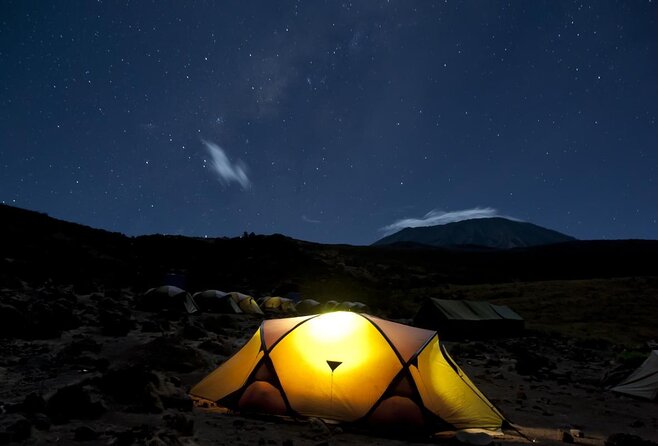
- Summit day starts at about 1 AM for Uhuru Peak soon after sunrise
- Meals on the mountain are included, plus boiled water during the climb
- Guides and mountain crew run the logistics, including rescue fees required by the national park
- Altitude support tools are included, like pulse oximeters and a first aid kit
- Small group size up to 15 travelers, which helps keep the pace from turning into a crowd-control exercise
Other ways up Kilimanjaro we reviewed
- Kilimanjaro climb by Lemosho Route (7-day)★ 5.0 · 651 reviews
- Kilimanjaro climb, Machame Route (7-day)★ 5.0 · 262 reviews
- Kilimanjaro Climbing Lemosho Route 8 Days.★ 5.0 · 186 reviews
- Climbing Kilimanjaro – Machame Route★ 5.0 · 170 reviews
Why the Marangu Route works for many hikers
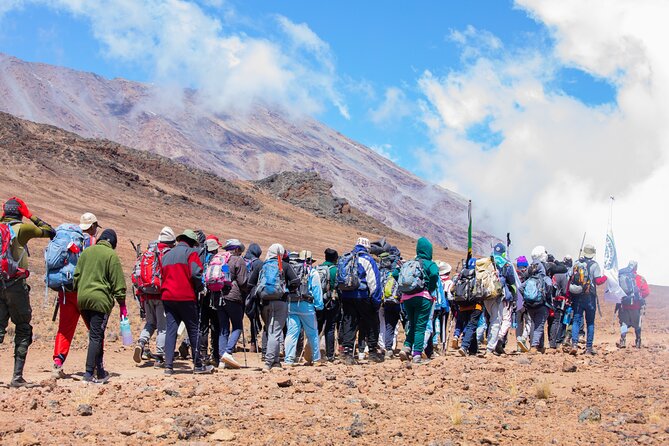
The big reason people choose Marangu is simple: it’s generally the easiest and shortest route to the summit. That does not mean it’s easy. Kilimanjaro is still Kilimanjaro, and the mountain can humble anyone. But Marangu lets you focus on good trekking rhythm, acclimatization, and teamwork, instead of needing advanced technical skills.
In this specific 5-day experience (with the option to extend to 6 days depending on preference), the schedule is designed around moving higher gradually and giving you a chance to adjust. You’ll notice that in how the days step up in elevation without immediately throwing you into the harshest terrain. The trail also has a natural progression, from lush forest early on to open moorland and then the crater-world feeling near the end.
Also, I appreciate the practical support. You’re not carrying camp setup. You’ll have mountain tents, foam sleeping pads, and the cooking setup is taken care of. In other words, you spend your energy walking, not wrestling gear.
Moshi, pickups, and the warm-up before you climb
Most Kilimanjaro trips start with a little logistics choreography, and this one does it for you. You’ll be in the Moshi area, and the package includes airport transfers for arrivals and departures through JRO (Kilimanjaro International Airport). You also get mobile ticket support, which helps if you’re coordinating with documents on the go.
You typically begin the climb from Moshi with a briefing and then drive about 45 minutes to the Marangu Gate on the eastern side of the mountain. The park registration is part of the day, so the start feels official, not random.
What I’d call a smart expectation: the morning start means you’re on the trail while conditions are still fresh. Even if it rains or gets muddy later, early hiking time is usually easier on your legs and your patience.
Day 1 in the rainforest: Marangu Gate to Mandara Huts
Day 1 is where the mountain introduces itself. After you register at the gate, you start hiking around late morning and head into rainforest. This is the part that surprises first-timers: you might expect dryness at altitude, but at the start you can get wet, muddy trail.
You’ll pass tall eucalyptus trees and there’s a chance of wildlife sightings like Colobus monkeys and various birds. That’s a nice mental break from the constant math of altitude gain.
You’ll want to dress for the mix of weather. Short sleeves may be fine, but keep rain gear and warmer clothing handy. Gaiters and trekking poles are genuinely useful here because mud loves to find your boots. And since the hike takes about 8 hours, you’ll appreciate having steady support like tea or coffee when you reach camp.
By mid-afternoon you arrive at Mandara Huts (about 2 to 3 PM). The huts are basic, but they’re a real base, not a survival fantasy. There’s time to unpack, rest, and get ready for the higher days. There’s also a short side trip option to Maundi Crater for views of the surroundings. It’s a small extra effort that can make day 1 feel less like a grind and more like a proper kickoff.
Practical note: plan for damp mornings and slower steps. Day 1 sets your tone.
Marangu, other operators and other lengths
Day 2 toward Horombo Huts: heathland, giant lobelias, and Mawenzi views
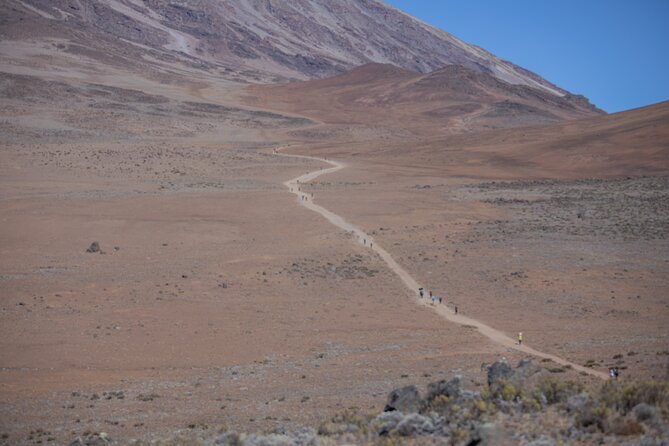
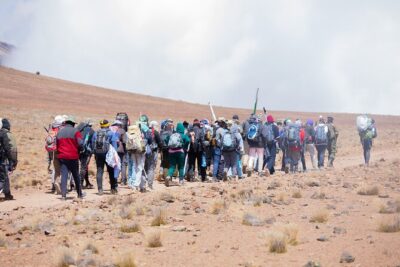
Day 2 is about climbing higher while your body begins to adapt. After breakfast around 7:30 AM, you break camp and hike through rainforest glades for about an hour. Then the trail shifts into heathland, where you may spot things like giant lobelias and groundsels.
From there, you’ll move into open moorlands with low shrubs as the main vegetation. This shift matters because it changes what you can see and how you move. The open sections often feel like you’re walking through a giant natural amphitheater, with visibility improving as the air thins.
A highlight is the lunch stop and the views of Mawenzi. Later, when you reach Horombo Huts by about 3 PM, you can see Kibo’s summit in the distance. That visual cue can be a huge morale boost because the summit stops being a theory and starts becoming a target.
Horombo is also where altitude can start to show. The trip gives you a smart option: if you need it, you can spend an extra day resting at Horombo for acclimatization, or you can climb to a basecamp below Kibo’s sub-peak Mawenzi (as your preference allows). That’s exactly the kind of flexibility you want on Kilimanjaro, because one size does not fit all bodies.
A small comfort detail that matters in real life: bathrooms with running water are available at Horombo Huts. That can make the night feel more manageable.
Day 3 across the saddle: moonscape vibes and altitude awareness
Day 3 ramps up the feeling of being very far from normal life. You can wake early for sunrise photos, and it’s a fun way to break up the waiting and the nerves.
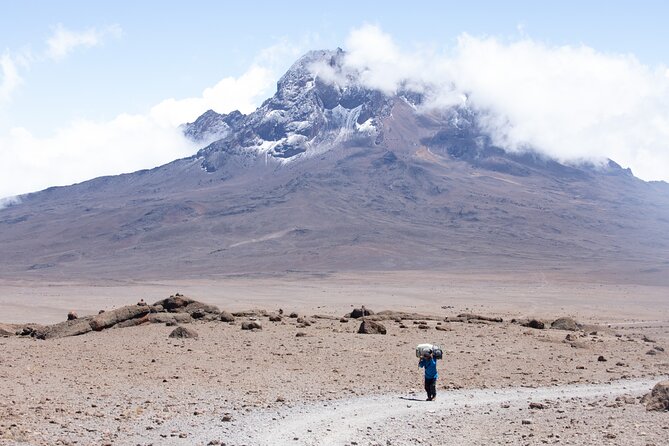
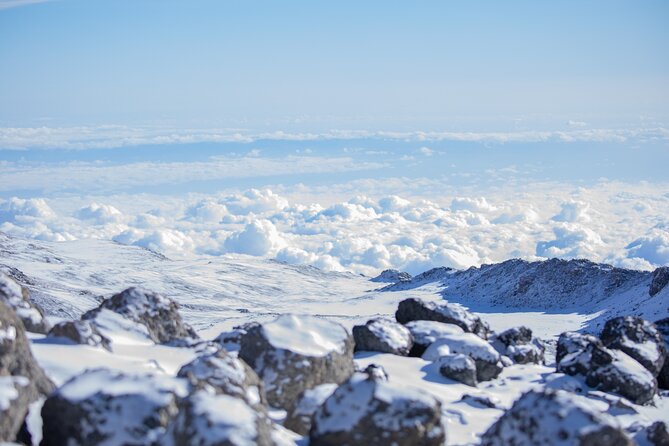
The hike transitions from dwindling heathland into a moonscape as you approach the saddle connecting Mawenzi and Kibo. This is one of those surreal zones where the trail looks almost otherworldly. At lunch, and again when you cross the saddle, you can examine the summit climb line that you’ll be starting later in the trip. It’s helpful to see what you’re working toward, especially because the final ascent day is steep, long, and very time-driven.
Altitude is the thing to watch most on day 3. The key is not panic. It’s awareness. Pay attention to how you feel and take any signs of altitude sickness seriously. A good guide team will keep an eye on you and adjust the plan if needed.
When you reach Kibo Huts, plan for less comfort. There is no running water at this stop. That’s not a deal-breaker, but it changes what “hygiene” means at 4,000 meters plus. Bottom line: be prepared to go slow, eat what you can, and save energy for the summit attempt.
The 1 AM summit push: Gilman’s Point and Uhuru Peak near sunrise
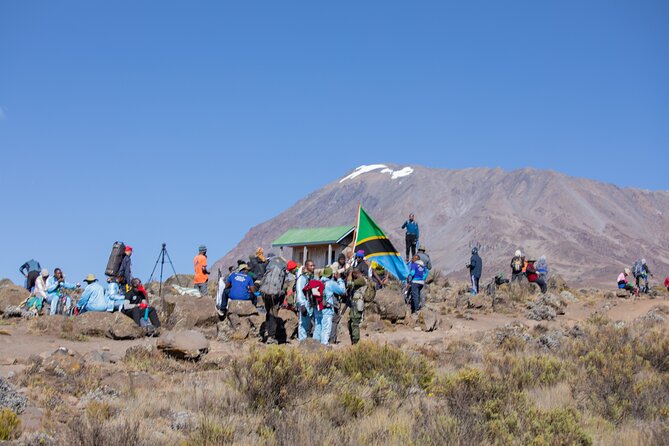
This is the heart of the whole trip, and it starts with a time that feels rude to your body. You wake around midnight for a light breakfast, then you head out around 1 AM so you can reach the summit shortly after sunrise.
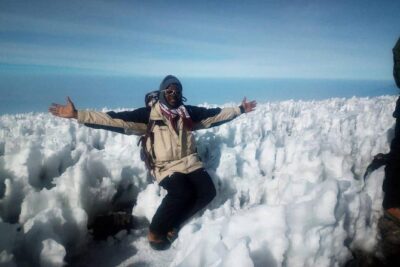
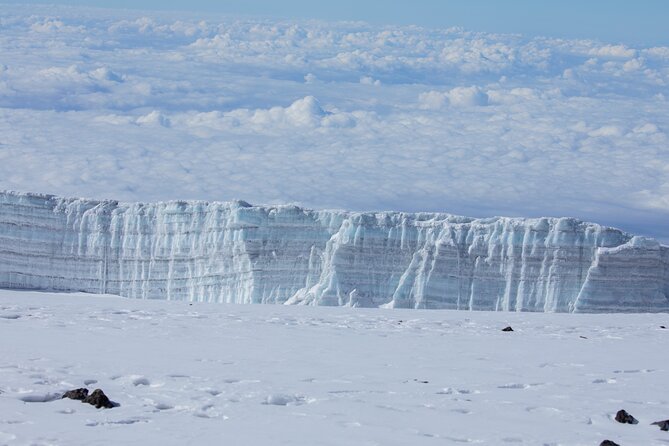
From there, you switchback up steep scree, and conditions can include snow depending on weather. The goal is to reach Gilman’s Point at 5,861 m (18,640 ft) between about 5 and 7 AM. When you arrive, the views of the crater and icecaps are a big payoff. You’ll then keep walking along the crater rim for around another couple of hours near the snows.
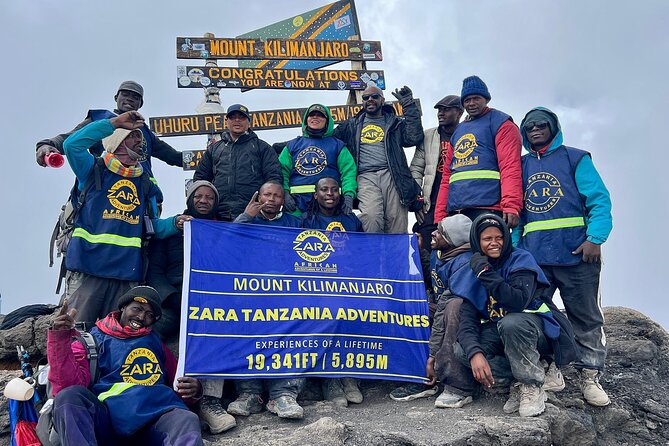
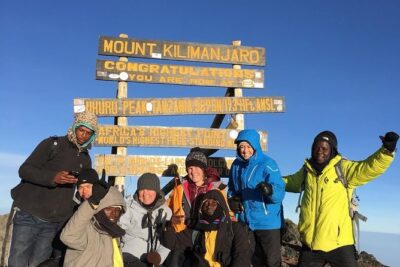
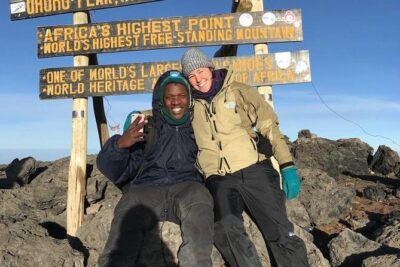
The schedule aims for Uhuru Peak by about 9 AM, which is Africa’s highest point. Yes, the distance perspective is mind-blowing, but the real magic is simpler: you’re standing on top of the mountain you planned for, one careful step at a time.
One practical tip that helps you enjoy the moment: on summit day, don’t spend energy trying to be a photographer all the time. Take the key shots, then keep moving. The mountain is beautiful, but it doesn’t wait for indecision.
Descent and the forest finale back to Moshi
Day 5 turns the whole trip into a victory lap, but it also asks your legs to do one more job. After packing, you descend through moorland back to Mandara Huts, where you have lunch. Then the path carries you down through lush forest toward the park gate, aiming to reach it around 2 or 3 PM.
This forest descent is often the most emotional part for first-timers. You go from the high, thin air feeling back to something that feels normal. It’s a relief, and it’s also a reminder that you made it through the hard part.
Once you exit the park area, you’ll get a vehicle back to Springlands Hotel in Moshi, where celebration makes sense. This is also when tipping matters. The trip specifically notes that you should tip guides, cooks, and porters when you finish. It’s one of the ways you directly support the people who carried your load and kept the day moving.
And if you’re thinking ahead: a beach reset in Zanzibar is a popular way to recover after your summit, since it helps you physically and mentally come down from the mountain.
Price and value: what $2,004.11 includes, and what you still must plan
The price here is about $2,004.11 per person, and the trip is often booked around 99 days in advance. That early-booking timing usually means dates sell out, so waiting can narrow your choices.
What makes this package feel like decent value is that many of the expensive, annoying parts are handled for you:
- Two nights at Springlands Hotel in Moshi, before and after the climb
- Qualified guides and mountain crew plus porters, cooks, and waiters
- National park fees and hut/camping fees
- Rescue fees required by the national park
- All meals on the mountain (breakfast, lunch, dinner) and boiled water
- Pulse oximeters and a first aid kit in the support mix
- Airport transfers around JRO
What is not included matters too:
- Emergency oxygen is not included
- Mountain gear like sleeping bags is not included (some rentals are available)
- Visa fees and travel insurance are not included
- Flight tickets are not included
- Single rooms supplement may apply, based on your rate
My take: for many people, the value is strongest if you show up ready with your own sleeping bag (or rental plan) and you’re comfortable that the hut setup is basic. If you need full luxury on the mountain, you’ll feel disappointed. But if you want a clean, structured route with meals, support, and a summit attempt plan, the bundle covers a lot of what tends to blow up budgets.
Huts, water, and comfort realities (aka what to expect at night)
Comfort on Kilimanjaro is limited, even on the easier route. Here’s what your nights look like based on the climb structure:
- Mandara Huts: you arrive early afternoon, you rest, and you expect basic facilities.
- Horombo Huts: bathrooms with running water are available, which is a real comfort upgrade.
- Kibo Huts: no running water, so you’ll want to rely on what you bring and what the mountain provides.
From the style of feedback people share, the overall pattern is consistent: accommodations are basic, but food is decent and the crew’s effort makes a difference. That matches what you should expect in a hut-based climb. You’re not paying for a five-star bed. You’re paying for a safe, guided trek with logistics handled and food delivered.
If you do one comfort thing, do this: bring clothing that handles cold night air. That’s the thing that changes your whole experience more than fancy towels ever will.
Who should choose this Marangu 5-day option
This works best for:
- Hikers with moderate physical fitness
- People who want a guided summit plan but do not want a technical course
- Travelers who appreciate a structured schedule and someone else handling park fees, rescue fees, meals, tents, and crew operations
- Anyone who values learning and support, especially during altitude transitions
It may not be ideal if:
- You want single-room hotel style comfort throughout the entire trip
- You’re not prepared for cold starts and a steep summit push leaving around 1 AM
- You rely on emergency oxygen as part of your personal safety plan, since it is not included
Practical advice: what to bring and how to pace yourself
Your success on Kilimanjaro is mostly about pacing and preparation. A few non-glamorous choices can make a huge difference:
- Bring rain gear plus warmer layers for early morning and higher elevations.
- Plan on muddy trail the first day, so gaiters and trekking poles help.
- If you’re renting gear, confirm what’s available for sleeping equipment. A sleeping bag is not included.
- On summit day, go slow and steady. The steep climb is easier when you treat it like a long conversation with gravity, not a sprint.
Also, be realistic about altitude. The route has acclimatization built in, including the option of extra time at Horombo. But altitude effects can still happen. Listen to your body, communicate early, and trust the guide team’s judgment.
Should you book this Kilimanjaro Marangu climb?
If you want the Kilimanjaro summit experience with a guided hut-based route, this Marangu option is one of the more practical ways to do it. I’d book it if your priorities are: supportive crew, meals handled, clear day-by-day structure, and a summit attempt planned for early morning.
I would not book it if you need luxury comforts at night, or if you’re not ready for a basic hut experience and a summit push that starts when most people are still dreaming.
If you’re okay with that trade, you’re in the right place. This is the kind of trip that gives you a story you’ll keep telling, because you earned it with your own feet.
FAQ
How long is the Kilimanjaro Marangu Route trek?
It’s about 5 days on the standard plan, with an option to do five or six days depending on your preference.
What’s included in the price?
The package includes two nights at Springlands Hotel in Moshi (before and after), qualified guides and mountain crew, national park fees, hut/camping fees, tents and foam sleeping pads, boiled water on the mountain, and all meals on the mountain (breakfast, lunch, dinner). It also includes airport transfers (JRO) and basic medical support items like pulse oximeters and a first aid kit.
What kind of accommodations will I sleep in on the mountain?
You’ll stay at huts during the trek and use tents and foam sleeping pads as part of the mountain setup. The accommodations are described as basic, with different water availability depending on the hut (Horombo has running water, Kibo does not).
Do the huts have running water?
At Horombo Huts, bathrooms with running water are available. At Kibo Huts, there is no running water.
Is emergency oxygen included?
No, emergency oxygen is not included.
Can I cancel for a full refund?
Yes. The experience has free cancellation, and you can cancel up to 24 hours in advance for a full refund. If you cancel less than 24 hours before the start time, the amount paid is not refunded.
The Marangu Trail
- Kilimanjaro climb, Marangu route (6-day)
★ 5.0 · 72 reviews - Best Kilimanjaro Adventures 6 Days Marangu Route Experience
★ 5.0 · 18 reviews - Kilimanjaro Private Climbing in 6 Days Marangu Route
★ 5.0 · 16 reviews - 6 Days Climb Kilimanjaro Through Marangu Route
★ 4.5 · 15 reviews - Top 6 Days Mt. Kilimanjaro Bike trek Tour by Marangu-Kilema Route
★ 5.0 · 15 reviews
Kilimanjaro, Route by Route
- Kilimanjaro climb by Lemosho Route (7-day)
★ 5.0 · 651 reviews - Kilimanjaro climb, Machame Route (7-day)
★ 5.0 · 262 reviews - Kilimanjaro Climbing Lemosho Route 8 Days.
★ 5.0 · 186 reviews - Climbing Kilimanjaro – Machame Route
★ 5.0 · 170 reviews - Climbing Kilimanjaro through 7 days Machame Route
★ 5.0 · 151 reviews
Just added from around Moshi

Kilimanjaro Marangu Route, compared.
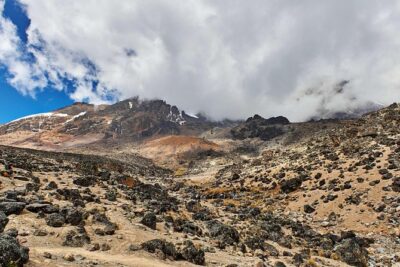 ★ 5.0Kilimanjaro climb, Marangu route (6-day)From $2,90272 reviews
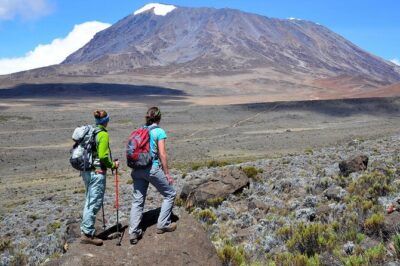 ★ 5.0Private Full Day Hiking Experience to Marangu RouteFrom $26061 reviews
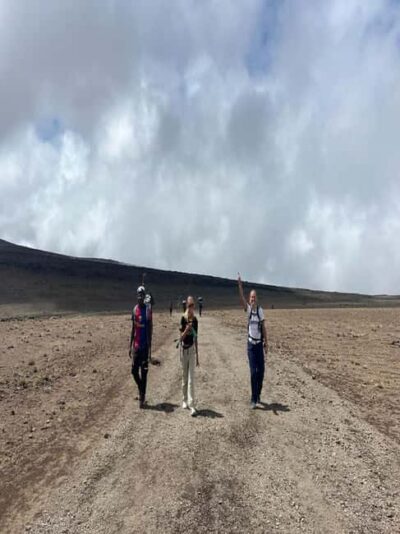 ★ 4.5From Arusha/Moshi: Kilimanjaro Hike Marangu Route Day TripFrom $10154 reviews
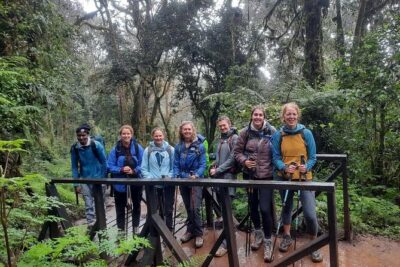 ★ 5.0Mount Kilimanjaro Day Hike Through Marangu Route to Mandara HutFrom $26537 reviews
 ★ 5.0Kilimanjaro Climbing 5 days Marangu routeFrom $90022 reviews
 ★ 5.0Best Kilimanjaro Adventures 6 Days Marangu Route ExperienceFrom $1,00018 reviews
 ★ 5.0Kilimanjaro Private Climbing in 6 Days Marangu RouteFrom $2,00016 reviews
 ★ 5.06 Days Mount Kilimanjaro Trek Marangu RouteFrom $2,35015 reviews
Browse the lists this tour appears in