
REVIEW · KILIMANJARO MARANGU ROUTE
Kilimanjaro climb, Marangu route (6-day)
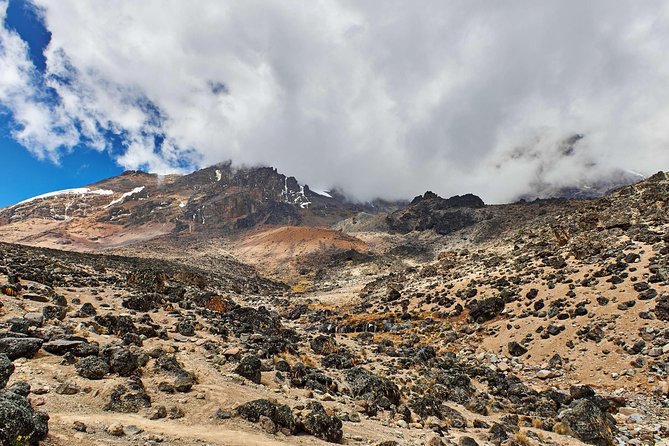
Summit night feels more manageable with a plan. This six-day Marangu route from Moshi pairs hut trekking with rainforest-to-high-altitude changes, guided by crews with certified Wilderness First Responder training.
What I like most is the safety focus that shows up in the details, not just the sales pitch. Wilderness First Responder guides run the show, and on the hardest part they keep a close eye on you, with guide support paired to climbers on summit night.
One drawback to consider is how popular Marangu is, and that you will share huts under park rules (8 to 16 people per hut). Also, the plan includes a long descent day, and that is where altitude stress and slips can happen, so you will want to take downhill seriously.
In This Review
- Key highlights that matter in real life
- Moshi Arrival Day at Aishi Machame Hotel, with a briefing you can actually use
- Day 2: Marangu Gate (1,860 m) to Mandara Hut (2,700 m) Through rainforest up to your first altitude hit
- Day 3: Horombo Hut (3,720 m) Volcano views of Kibo and Mawenzi plus a built-in acclimatization loop
- Day 4: Kibo-Hut acclimatization from Horombo, a short hike that teaches your body to cope
- Day 5: Kibo Hut (4,700 m) and the rest-before-summit rhythm that makes the hardest day doable
- Day 6: Uhuru Peak (5,895 m) summit night, glacier descent option, then the safety-first downhill to Horombo
- Day 7: Marangu Gate exit (1,860 m), 18 km downhill, and why celebration still needs caution
- On-route support that makes a difference: crew, certified guides, oxygen, and meal power
- What you should budget beyond the headline price, and what makes this deal feel like value
- Who this Marangu 6-day climb is best for, and who should think twice
- Should you book this Kilimanjaro Marangu 6-day climb with Altezza Travel?
- FAQ
- Where does the tour start and end?
- What does the $2,902 price include?
- What is not included?
- Are huts shared or private?
- What kind of medical support is included on the climb?
- What is the trek schedule like for acclimatization?
- Is there free cancellation?
Key highlights that matter in real life
- Wilderness First Responder guides with close monitoring on summit night
- Oxygen tanks and oximeters plus medical kits and medical check-ups
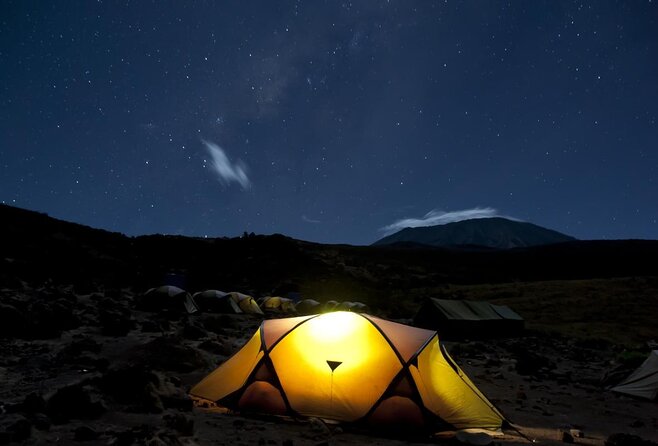
- Marangu hut-based trekking with shared huts set by park capacity (8 to 16 people)
- Park fees and entry included, so fewer permits to juggle
- Meals and drinks on the mountain with dietary options like vegetarian, vegan, halal, gluten-free, and lactose-free
- Pro support crew handling the heavy work, including porters and cooks, so you hike more than you manage
Other ways up Kilimanjaro we reviewed
- Kilimanjaro climb by Lemosho Route (7-day)★ 5.0 · 651 reviews
- Kilimanjaro climb, Machame Route (7-day)★ 5.0 · 262 reviews
- Kilimanjaro Climbing Lemosho Route 8 Days.★ 5.0 · 186 reviews
- Climbing Kilimanjaro – Machame Route★ 5.0 · 170 reviews
Moshi Arrival Day at Aishi Machame Hotel, with a briefing you can actually use
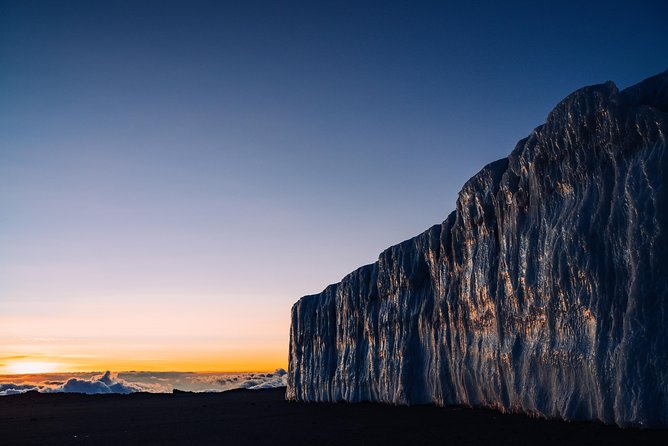
You start with an airport meet and a transfer to Moshi. The hotel base used here is the Aishi Machame Hotel, and you get two nights there, plus the chance to settle in before you head to Kilimanjaro.
The hotel setup is meant for comfort before the cold nights and thin air. You’ll have hot water, internet, and even a swimming pool, and there’s a manager briefing so you start the trek feeling organized instead of guessing.
Practical note: your morning starts at a set time (9:00 am listed), so use arrival day to prep your gear, charge your phone, and keep your daypack simple.
Day 2: Marangu Gate (1,860 m) to Mandara Hut (2,700 m) Through rainforest up to your first altitude hit
The climb starts at the eastern entrance of Kilimanjaro National Park, Marangu Gate (1,860 m). After permits and registration with the search and rescue service, you trek up to Mandara Hut (2,700 m).
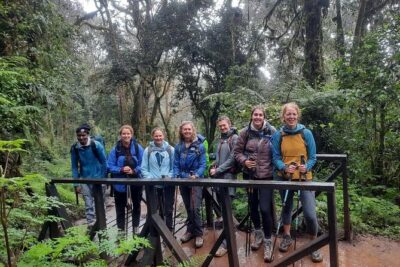
This first hiking day is about getting your body used to altitude while you’re still in a more forgiving zone. Expect rainforest conditions, including the real possibility of tropical showers, so plan for damp weather and keep a rain layer accessible.
What makes this day work for many people: you’re not thrown straight into the summit push. You still hike for about 7 hours, but the payoff is a first hut stop and a rhythm you can repeat on later days.
Day 3: Horombo Hut (3,720 m) Volcano views of Kibo and Mawenzi plus a built-in acclimatization loop
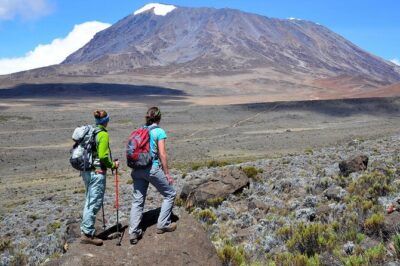
You leave Mandara Hut early and trek to Horombo Hut (3,720 m). On arrival, you get views of two volcanos, Kibo and Mawenzi, which is exactly the kind of “you’re really here” moment that helps when altitude is starting to nag.
After lunch, the day includes an acclimatization hike toward Kibo Hut with about a 200-meter gain, then back down to Horombo. This is a smart move because you practice the up-and-down routine without burning yourself out.
I like the way this day is designed for pacing. You get a main hike, then you get a gentle altitude experiment, not just a straight line upward.
Marangu, other operators and other lengths
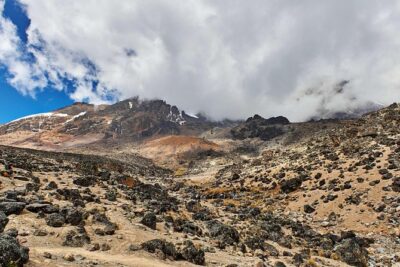
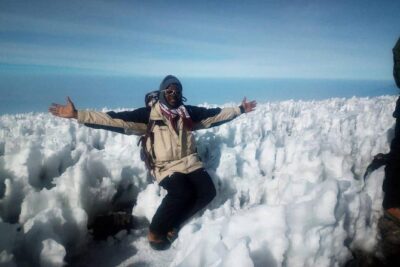
Day 4: Kibo-Hut acclimatization from Horombo, a short hike that teaches your body to cope
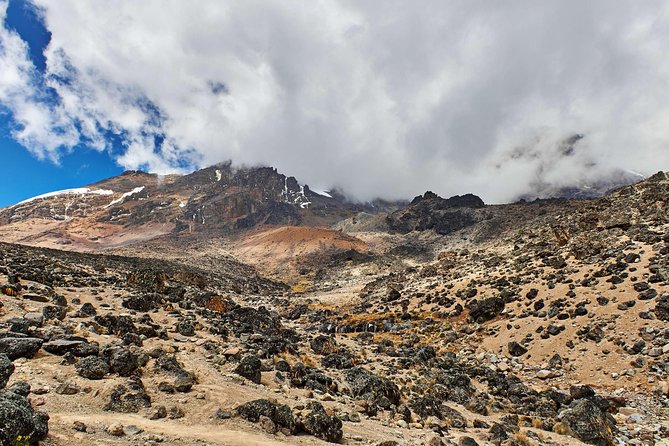
Day 4 keeps the acclimatization focus. You’ll hike toward Kibo Hut and return to Horombo Hut, with a listed route window of 5 to 8 km and about 3 to 4 hours total walking time.
This time, the altitude change is described as going from Horombo Hut (3,720 m) en route to Kibo Hut (4,500 m). That sounds serious on paper, but the schedule is still set up to keep the effort reasonable, so you’re not hiking flat out just because the elevation number looks scary.
After the hike, you have time to walk around, take pictures of Mawenzi Volcano, or simply rest. This rest block matters. With Kilimanjaro, your body adapts in the quiet time as much as it adapts on the move.
Day 5: Kibo Hut (4,700 m) and the rest-before-summit rhythm that makes the hardest day doable
The big pre-summit day is the trek from Horombo Hut (3,720 m) to Kibo Hut (4,700 m). The walking time is listed as 4 to 8 hours for about 10 km, and the day plan emphasizes pacing so you don’t arrive wrecked.
When you reach Kibo Hut, you’ll have lunch and then the plan asks you to rest. It specifically recommends avoiding strenuous activity and drinking lots of water, which is practical advice for a summit-night start when temperatures usually drop fast.
If you want a simple rule for this day, it’s this: save your legs for the night work. Everything after this is about stamina and decision-making at high altitude.
Day 6: Uhuru Peak (5,895 m) summit night, glacier descent option, then the safety-first downhill to Horombo
This is the day most people imagine, and it’s also the day that demands the most respect. You depart at night from Kibo Hut (4,700 m) and hike to Uhuru Peak (5,895 m), then descend back to Kibo Camp for a short rest before continuing down to Horombo Hut (3,720 m).
The itinerary describes the climb as moderate physically, but the altitude is the real issue. For that reason, it also notes that each pair of climbers is accompanied by their own guide who monitors stamina and mental resolve.
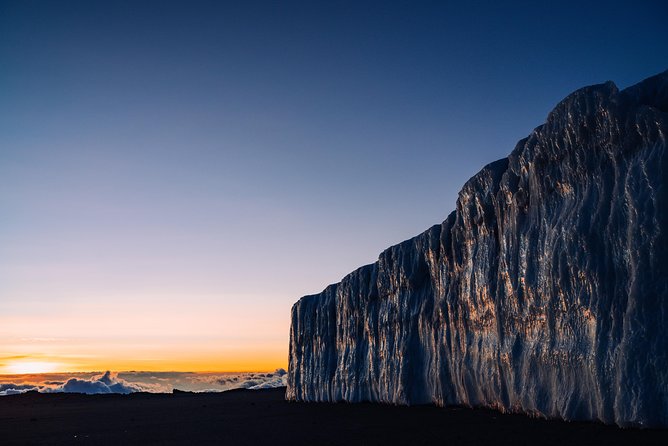
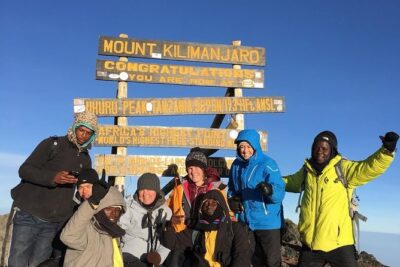
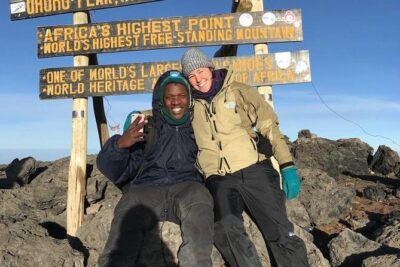
There’s also a small but meaningful detail: after reaching Uhuru Peak, you can descend to the nearest glacier if desired. That’s a highlight moment if you feel steady, and it adds a sense of place beyond the peak sign and summit photos.
Now for the drawback that becomes your safety reminder: the plan highlights that 90% of accidents occur during the descent. So on Day 6, treat the downhill as a serious job, not a victory lap. Keep your footing, watch your steps, and don’t rush to get it over with.
Day 7: Marangu Gate exit (1,860 m), 18 km downhill, and why celebration still needs caution
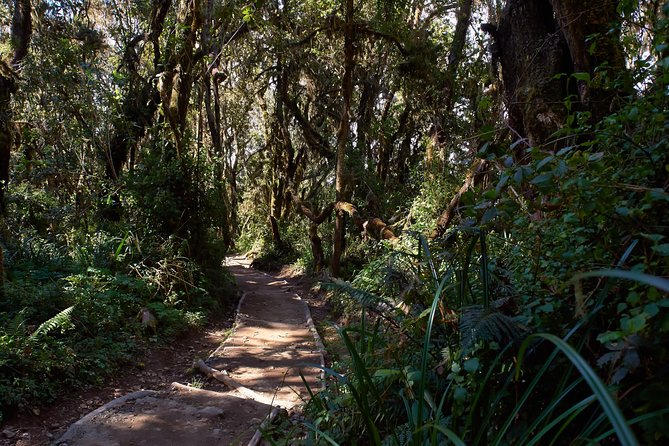
After a warm breakfast, you head down to Marangu Gate (1,860 m). The descent is listed as 18 km and about 5 to 6 hours, so it’s long enough to turn “safe” into “careful” depending on how tired your legs feel.
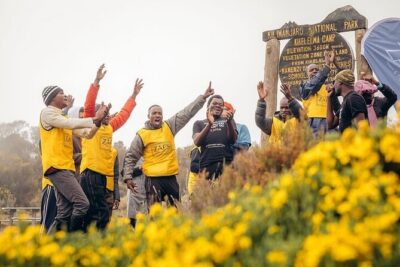
Once you reach the gate, the group gathers for congratulations and you’ll have the chance to sign a guestbook. You also get commemorative certificates afterward and then transfer back to the hotel.
This is the day you start to feel human again, but you should still keep your pace sensible. After high altitude, your balance and judgment can stay slightly off longer than you expect.
On-route support that makes a difference: crew, certified guides, oxygen, and meal power
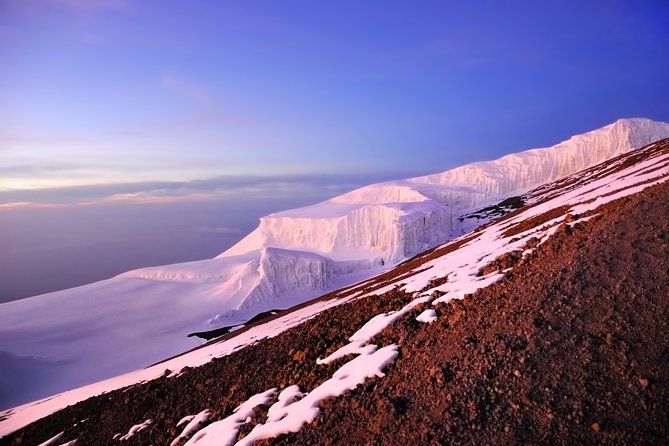
The most valuable part of this climb is not the view at the top, it’s how the operation supports you so you can get there safely.
Your climb includes a professional climbing crew, with porters and cooks handling the equipment and meal preparation. That matters because Kilimanjaro is hard enough without you carrying cooking gear, hauling supplies, or worrying about how your food will show up.
Guiding is also clearly structured. The program states that guides are certified Wilderness First Responders, and it includes medical check-ups, oxygen tanks, and oximeters, plus medical kits. Even if you never need oxygen, knowing it’s on hand can reduce panic when you start feeling off.
From the mountain-meals side, you’re not left to guess. Meals are provided three times a day, with options for dietary needs like vegetarian, vegan, lactose-free, gluten-free, halal, and more. Drinks on Kilimanjaro are also included, including tea, coffee, juices, and soda, which helps you keep fluids and calories coming.
Small comfort items also show up in summit stories. People have described thoughtful extras like hot water bottles, extra support on the way down, and even medals at the end. One account also notes a birthday cake surprise during the trek, which is the kind of detail that turns a big objective into a memorable life event.
Guide names can vary by departure, but I’ve seen real examples named in trip stories, including Rashid and Charles, plus Justin and Joseph, and guide Richard Chande. If you care about getting a specific guide, you can ask the operator before you commit, but the bigger point is the training level and the on-the-ground structure.
What you should budget beyond the headline price, and what makes this deal feel like value
The price listed is $2,902 per person, and it’s best understood as a package that covers a lot of the “messy” mountain logistics.
Included items that reduce your personal risk and planning load:
- JRO airport pickup and drop-off
- All ground transportation
- Two nights at Aishi Machame Hotel
- Hut accommodation following park rules (shared huts, 8 to 16 people)
- Kilimanjaro National Park fees
- Group equipment, including sleeping mats and dining items
- Three meals per day plus drinks on the mountain
- Oxygen tanks and oximeters, medical check-ups, and medical kits
- Certified Wilderness First Responder guides and a professional crew
What you still need to plan for:
- Airfare to Tanzania is not included
- Visa fee is due at arrival at JRO, listed as USD 50 for most nationals and USD 100 for US passport holders
- Your personal gear, including hiking outfit, boots, and a sleeping bag, is not included (hire is available)
- Hotel lunch and dinner are not included, with an average cost around USD 15 per person
- Insurance is highly recommended and should cover mountain trekking
- Tips for crew are optional
My take on value: this price is expensive enough that you should feel good about what you’re not paying for. You’re paying for organization, permits, medical readiness, and food service that runs while you’re busy climbing. That’s often where independent attempts fall apart.
Who this Marangu 6-day climb is best for, and who should think twice
This Marangu route is a good fit if you want hut-based comfort rather than camping. It’s also a solid choice if you want a group format with a professional crew and a safety-first medical setup.
The program asks for moderate physical fitness. That doesn’t mean it’s easy. The walking time adds up on multiple days, and the summit night is still the hardest part, with real altitude strain.
You should think twice if you dislike shared accommodations or if you know you need a lot more time to acclimatize. Hut sharing is part of Marangu, and the schedule includes a multi-day altitude climb designed to keep you moving toward the summit in six days.
Should you book this Kilimanjaro Marangu 6-day climb with Altezza Travel?
If your goal is to maximize structure and reduce guesswork, I think this is a strong booking option. The combination of certified Wilderness First Responder guides, oxygen and oximeters, and guided pacing on summit night is exactly what you want when altitude stops being theoretical.
I’d book it if you like the idea of a hut-based route, you can handle long uphill and downhill days, and you’re willing to show up with the right personal gear. I’d reconsider if shared huts will stress you out, or if you know you do better with more acclimatization time than this schedule allows.
If you do book, do one thing that pays off immediately: pack for wet rainforest hiking and cold mountain nights, and don’t treat downhill like it’s optional. That last part matters on Kilimanjaro.
FAQ
Where does the tour start and end?
It starts with an airport arrival meet at Kilimanjaro International Airport (JRO), then transfers to the hotel. After the trek, there is a transfer back to the hotel, followed by a transfer to the airport on the final day.
What does the $2,902 price include?
The package includes JRO pickup and drop-off, all ground transportation, two hotel nights at Aishi Machame Hotel, hut accommodation on Kilimanjaro, Kilimanjaro National Park fees, group equipment, three meals a day plus drinks on the mountain, certified Wilderness First Responder guides, porters and cooks, medical check-ups, and oxygen tanks and oximeters.
What is not included?
Not included are airfare to Tanzania, the visa fee, personal hiking gear (including boots and a sleeping bag), hotel lunch and dinner, travel insurance, and tips for the crew.
Are huts shared or private?
Accommodation in huts on Kilimanjaro is shared according to park rules, listed as 8 to 16 people per hut.
What kind of medical support is included on the climb?
The tour includes medical check-ups, medical kits, oxygen tanks, and oximeters during the trek. Guides are described as certified Wilderness First Responders.
What is the trek schedule like for acclimatization?
You’ll have acclimatization hikes on Days 3 and 4, including an easy hike with about a 200-meter gain after lunch on Day 3, and another hike toward Kibo Hut en route to 4,500 m on Day 4, then returning to Horombo.
Is there free cancellation?
Yes. Free cancellation is available if you cancel up to 24 hours before the experience start time for a full refund. Canceling less than 24 hours in advance does not qualify for a refund.
The Marangu Trail
- Climbing Kilimanjaro – Marangu Route
★ 5.0 · 65 reviews - Best Kilimanjaro Adventures 6 Days Marangu Route Experience
★ 5.0 · 18 reviews - Kilimanjaro Private Climbing in 6 Days Marangu Route
★ 5.0 · 16 reviews - 6 Days Climb Kilimanjaro Through Marangu Route
★ 4.5 · 15 reviews - Top 6 Days Mt. Kilimanjaro Bike trek Tour by Marangu-Kilema Route
★ 5.0 · 15 reviews
Kilimanjaro, Route by Route
- Kilimanjaro climb by Lemosho Route (7-day)
★ 5.0 · 651 reviews - Kilimanjaro climb, Machame Route (7-day)
★ 5.0 · 262 reviews - Kilimanjaro Climbing Lemosho Route 8 Days.
★ 5.0 · 186 reviews - Climbing Kilimanjaro – Machame Route
★ 5.0 · 170 reviews - Climbing Kilimanjaro through 7 days Machame Route
★ 5.0 · 151 reviews
Just added from around Moshi
Kilimanjaro Marangu Route, compared.
 ★ 5.0Climbing Kilimanjaro – Marangu RouteFrom $2,00465 reviews
 ★ 5.0Private Full Day Hiking Experience to Marangu RouteFrom $26061 reviews
 ★ 4.5From Arusha/Moshi: Kilimanjaro Hike Marangu Route Day TripFrom $10154 reviews
 ★ 5.0Mount Kilimanjaro Day Hike Through Marangu Route to Mandara HutFrom $26537 reviews
 ★ 5.0Kilimanjaro Climbing 5 days Marangu routeFrom $90022 reviews
 ★ 5.0Best Kilimanjaro Adventures 6 Days Marangu Route ExperienceFrom $1,00018 reviews
 ★ 5.0Kilimanjaro Private Climbing in 6 Days Marangu RouteFrom $2,00016 reviews
 ★ 5.06 Days Mount Kilimanjaro Trek Marangu RouteFrom $2,35015 reviews
Browse the lists this tour appears in