
REVIEW · MOUNT KILIMANJARO TREKS
3 Days Private E-Bike Tour in West Kilimanjaro
One ride, and the plains feel close. This 3-day private West Kilimanjaro e-bike tour mixes wildlife, Maasai culture, and real dirt-road riding. I like how the route moves through different environments fast, from farm tracks to arid grasslands and then toward greener slopes.
What I really like: you get guided cycling with English support, plus a supporting vehicle that helps keep the day fun instead of stressful. The other big win for me is the balance of time on the bike and time on the ground, with an evening at Olpopongi Maasai Village that feels personal, not staged.
The one thing to think about is the riding style. You’ll be on gravel and rough roads, and day 2 includes a tougher stretch, so this is best if you’re comfortable with early starts and moderate effort.
In This Review
- Key highlights I’d plan around
- West Kilimanjaro plains, Maasai land, and wildlife you can cycle beside
- Starting in Moshi: pickup, private guiding, and the gear setup
- Day 1: Simba Farm to Olpopongi Maasai Village for dance, huts, and a bonfire dinner
- Day 2: Early rides through dry grasslands, elephants in the morning, and a gravel climb
- Day 3: Mt. Meru streams, Ngare Nanyuki, and ending at the edge of Arusha National Park
- Wildlife spotting from an e-bike saddle, without turning it into a checklist
- Price and value at $850 per person, with meals and a support vehicle included
- Fitness, comfort, and what to pack for gravel roads and Maasai cultural evenings
- Should you book the 3-Day Private West Kilimanjaro E-Bike Tour?
- FAQ
- Is this tour private?
- Where does the tour start and end?
- What meals are included?
- Is pickup from my hotel included?
- What fitness level do I need?
- What happens if weather is poor?
Key highlights I’d plan around
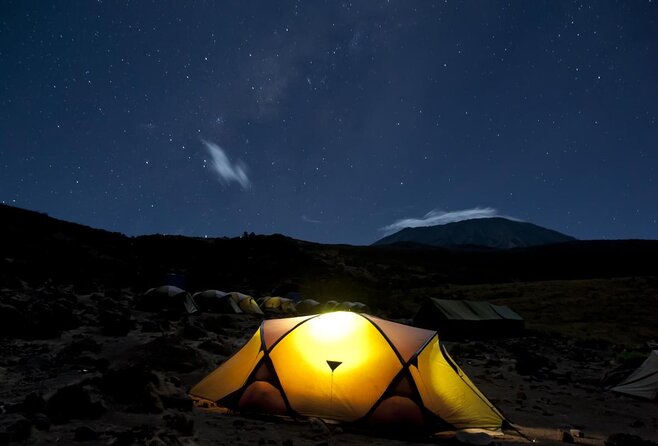
- Maasai village night at Olpopongi, including a traditional dance welcome and a cultural evening
- Early-morning wildlife odds on day 2 in the dry grasslands, when animals are most active
- A changing scenery arc across three days, arid plains to Mt. Meru streams
- Certified English-speaking guides like Mr. Hillary, Mr. Goodluck, Mr. Roger, and Mr. Gasto, known for professionalism
- Support vehicle backup, so you can keep your energy for the best moments
Other ways up Kilimanjaro we reviewed
- Kilimanjaro climb by Lemosho Route (7-day)★ 5.0 · 651 reviews
- Kilimanjaro climb, Machame Route (7-day)★ 5.0 · 262 reviews
- Kilimanjaro Climbing Lemosho Route 8 Days.★ 5.0 · 186 reviews
- Climbing Kilimanjaro – Machame Route★ 5.0 · 170 reviews
West Kilimanjaro plains, Maasai land, and wildlife you can cycle beside
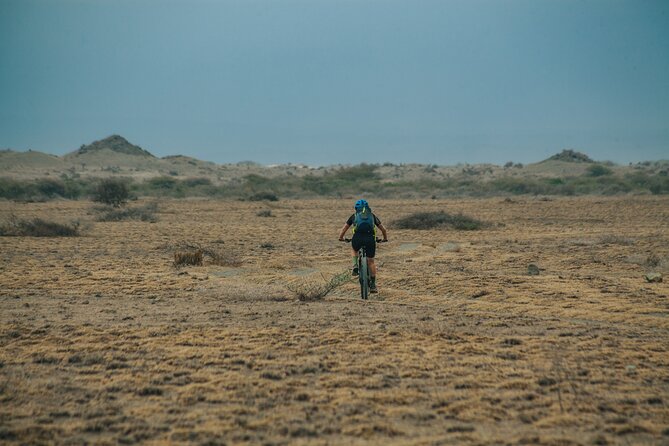
West Kilimanjaro is one of those regions where the scenery makes sense once you slow down. Acacia woodland breaks up open plains, and the area sits alongside Maasai community lands and wildlife management areas. That matters, because you’re not only seeing animals, you’re watching how people and wildlife share space.
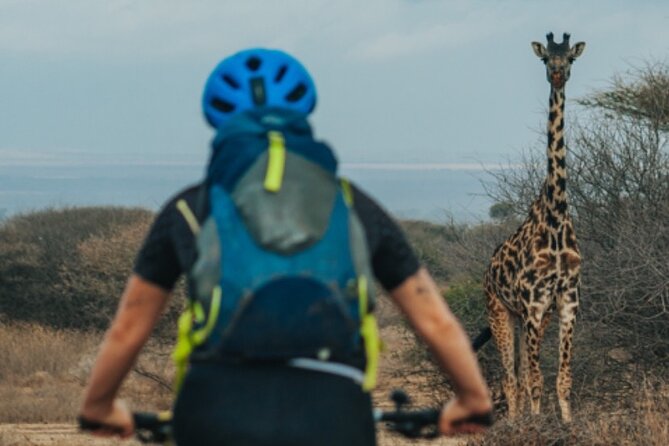
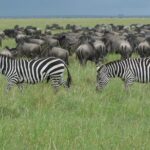
The wildlife list you can reasonably hope for is impressive, including wildebeest, zebra, gazelles, impalas, giraffes, and baboons. Depending on the season, elephants are also possible, because this is along an elephant corridor linking Kenya’s Amboseli and Kilimanjaro. On an e-bike, you can cover distance without the jump-scare pace of a car, and you can stop when something appears, then keep rolling.
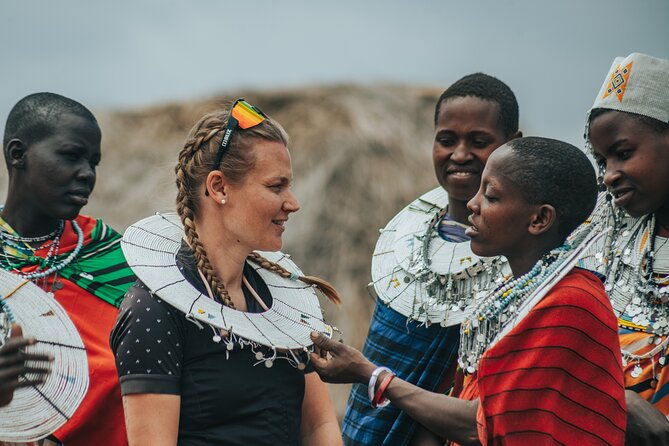
This is also a culture-forward ride. You’ll spend time with the Maasai, not just drive past their land. If you like travel that’s not only about the view, this style of route hits a sweet spot.
Starting in Moshi: pickup, private guiding, and the gear setup
Your tour starts back at One Bike Shop in Moshi on Mailimoja Road. Pickup is offered, so you should be able to meet the group without doing a complicated taxi dance before day 1. You’ll use a mobile ticket, which is a small thing that actually helps when you’re traveling across rural areas.
This is a private tour, meaning it’s just your group. That matters for two reasons: you can move at a pace that suits your comfort level, and your guide can keep the focus on your interests, not a one-size-fits-all group schedule. In the same spirit, guides are described as highly professional, including names like Mr. Hillary, Mr. Goodluck, Mr. Roger, and Mr. Gasto. They also get praised for being able to tailor the trip when you share what you want from the ride.
Gear is straightforward: you get a mountain bike and a helmet, with an English-speaking certified guide. A supporting vehicle is included too. That’s not just a safety net. It also means you’re more likely to keep going through rough patches without losing the vibe.
Day 1: Simba Farm to Olpopongi Maasai Village for dance, huts, and a bonfire dinner
Day 1 is a smooth way to get into rhythm. You’re transferred from your Moshi hotel to Simba Farm, then your cycle day starts with a downhill run through the farm. That quick start is good for confidence, because it lets your legs feel awake while you ease into the road feel before the rougher sections.
After the farm, you head toward the main rough road and follow it through Ngare Nairobi village. From there, you ride along the border of Ndarakwai Conservancy. The route continues toward the West Kilimanjaro airstrip, then onto the TingaTinga village area.
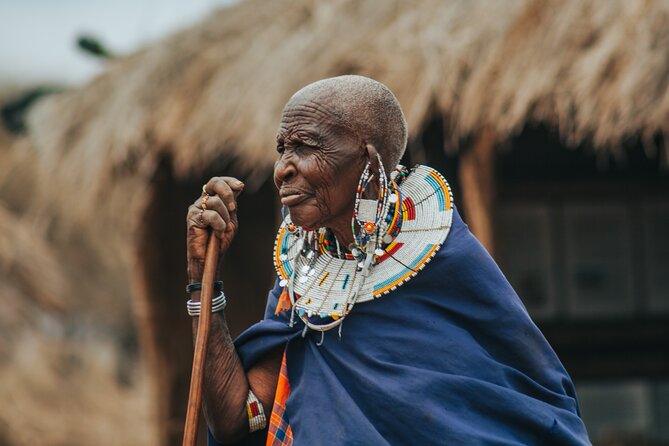
The riding ends at Olpopongi Maasai Village, and the day shifts gears from cycling to culture. When you arrive, you’ll be welcomed with a traditional Maasai dance. After that, you eat lunch, then settle into Maasai-hut style rooms. In the evening, there’s a Maasai cultural tour and then dinner around a bonfire.
What makes day 1 work well is the pacing. You’re not trying to cram a long ride plus an intense cultural evening into one exhausting day. You get a real sense of place first, then you get the stories and hospitality after you’ve arrived under your own power.
Practical consideration: this is also a day where dust and sun are part of the experience. Start thinking about water and sun protection early, before you feel thirsty.
Day 2: Early rides through dry grasslands, elephants in the morning, and a gravel climb
Day 2 starts early on purpose. The plan is to get moving before the sun gets too aggressive, and that’s smart if you want to ride comfortably and still cover meaningful distance. The route takes you south toward Ngabobo Village.
This is the day that feels like a climate shift. You cycle through dry, arid open grasslands, which is completely different from the lush slopes you’ve left behind. In the morning, wildlife is more likely to be seen while the animals are up and moving, and that can put you face to face with wildebeest, giraffes, zebra, and more. If elephants are around in the season, this morning timing is when you’ll have your best shot.
Today’s ride is shorter, but the tone changes. Terrain and weather make it more challenging, and the final part becomes a gradual ascent on gravel road. You pedal through Ngabobo Village toward Osiligilai Maasai Lodge, where you spend the night.
If you’re the type of traveler who likes a “morning mission,” day 2 is your day. You get wildlife chances, open views, and a ride that asks a little more from you without turning into a grind.
Day 3: Mt. Meru streams, Ngare Nanyuki, and ending at the edge of Arusha National Park
By day 3, the route starts doing something clever: it takes you out of the arid zone and into a new vegetation zone. You head toward the greener slopes of Mt. Meru, and the ride becomes a gentle ascent through gravel roads.
Along the way, you cycle through streams of water flowing down the slopes. That detail matters more than it sounds, because it signals how the environment changes under your tires. The ride feels different when the air cools slightly and the scenery has more life.
From there, you move toward Momella near Arusha National Park. Your route continues toward the village of Ngare Nanyuki, and then on toward the park. If you’re lucky, you might spot giraffes as you approach.
The cycling route ends at the edge of Arusha National Park. After resting at the lodge, you get transferred back to your hotel in Moshi.
Day 3 is a great close because it doesn’t just finish with “more riding.” You end near a major conservation area, then you have time to sit, recover, and take in what you earned.
Wildlife spotting from an e-bike saddle, without turning it into a checklist
The best way to think about wildlife on this tour is simple: treat your bike as your transport, and treat your eyes as the priority. You’re riding through Maasai land and management areas where wildlife and people coexist. That means sightings are possible, not guaranteed.
Still, the timing and route choices are designed to help. Day 2’s early start is a direct strategy for catching animals when they’re active. The region’s elephant corridor also supports the chance of elephant sightings in the right season.
When you do see animals, you’ll get the most from staying calm. Don’t surge forward. Let your guide set the pace and keep your group together. The goal is quiet observation and safe distance, not a sprint to the best view.
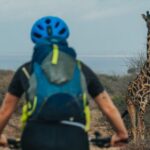
Also, keep your expectations flexible. The ride offers a broad wildlife list, but even on a day with no elephants, you can still have plenty to enjoy with giraffes, zebras, and baboons moving through the countryside.
Price and value at $850 per person, with meals and a support vehicle included
At $850 per person for about three days, you’re paying for more than a bike. You’re paying for a guided route through private and managed land, plus the kind of logistics that make rural riding possible without constant problem-solving on your part.
Here’s what’s clearly included:
- A supporting vehicle
- Bike and helmet
- English-speaking certified guide
- Meals: 2 breakfasts, 3 lunches, and 2 dinners
That’s a solid value mix because it cuts down on extra costs and fatigue. Food is taken care of, and the supporting vehicle means you’re not stuck if conditions turn rough.
One note I’d treat as smart due diligence: the pricing details list meals, and the schedule describes where you sleep (Maasai-hut style rooms and lodges). Before you pay, confirm what “included” covers for overnight stays and any lodge room details, so there are no surprises.
If you want a private, culture-and-wildlife focused ride, $850 can feel reasonable because you’re not just buying miles. You’re buying time with guides who know how to run the day and how to put you in the right places.
Fitness, comfort, and what to pack for gravel roads and Maasai cultural evenings
This tour asks for moderate physical fitness. That phrase matters here. You’re not doing technical downhill stunts, but you will ride gravel and rough roads, and day 2 includes terrain that’s described as more challenging due to both route and weather.
E-bikes help you keep moving without wrecking your day, but you’ll still feel climbs and uneven ground. Your best preparation is wearing comfortable cycling clothes and planning for sun, dust, and gradual elevation changes.
For the culture side, day 1 is a full evening shift after your ride: dance welcome, Maasai cultural tour, and dinner around a bonfire. Bring something comfortable for the evening too. Even if it’s warm, nights can feel cooler once you’re sitting near a fire.
What I’d pack for comfort, based on the realities of this route:
- A hat and sunglasses
- Sunscreen and lip balm
- A refillable water bottle (you’ll want frequent sips)
- Light rain protection, since weather can affect the rough-road experience
Should you book the 3-Day Private West Kilimanjaro E-Bike Tour?
Book it if you want a ride that mixes Maasai culture with real countryside cycling, and you’re excited about wildlife chances from the saddle. This is a strong match if you like guides who are professional and attentive, and you appreciate learning from people who live alongside the land.
I’d hold off if you hate gravel, early starts, or anything that involves a bit of physical effort after a long travel day. The days are planned with pace in mind, but the terrain is still terrain.
If you’re deciding between “a comfortable safari drive” and “active travel,” this tour sits right in the middle. You get the guidance and support, but you also get to move like a local, slowly enough to notice the small things, like how the countryside changes from day to day.
FAQ
Is this tour private?
Yes. It’s a private tour/activity, and only your group will participate.
Where does the tour start and end?
It starts at One Bike Shop on Mailimoja Rd in Moshi and ends back at the same meeting point.
What meals are included?
Breakfast is included twice, lunch is included three times, and dinner is included twice.
Is pickup from my hotel included?
Pickup is offered.
What fitness level do I need?
The tour is recommended for travelers with a moderate physical fitness level.
What happens if weather is poor?
The experience requires good weather. If it’s canceled due to poor weather, you’ll be offered a different date or a full refund.
Kilimanjaro, Route by Route
- Kilimanjaro climb by Lemosho Route (7-day)
★ 5.0 · 651 reviews - Kilimanjaro climb, Machame Route (7-day)
★ 5.0 · 262 reviews - Kilimanjaro Climbing Lemosho Route 8 Days.
★ 5.0 · 186 reviews - Climbing Kilimanjaro – Machame Route
★ 5.0 · 170 reviews - Climbing Kilimanjaro through 7 days Machame Route
★ 5.0 · 151 reviews
Just added from around Moshi
Mount Kilimanjaro Treks, compared.
 ★ 5.0Kilimanjaro climb by Lemosho Route (7-day)From $3,476651 reviews
 ★ 5.0Kilimanjaro climb, Machame Route (7-day)From $3,377262 reviews
 ★ 5.08-Day Small-group Lemosho Kilimanjaro Summit TrekkingFrom $2,895186 reviews
 ★ 5.0Kilimanjaro Climbing Lemosho Route 8 Days.From $2,300186 reviews
 ★ 5.0Climbing Kilimanjaro – Machame RouteFrom $2,322170 reviews
 ★ 5.0Climbing Kilimanjaro through 7 days Machame RouteFrom $2,425151 reviews
 ★ 5.0Kilimanjaro climb, Lemosho Route (8-day)From $3,975148 reviews
 ★ 5.0Kilimanjaro climb, Lemosho Route (6-day)From $3,034129 reviews
Browse the lists this tour appears in