
REVIEW · KILIMANJARO LEMOSHO ROUTE
Kilimanjaro climb, Lemosho Route (6-day)
Kilimanjaro is tough, but the right setup helps. On this Lemosho Route climb from Moshi, you get a structured acclimatization plan, a professional crew, and Certified Wilderness First Responder guidance that makes the whole week feel more controlled.
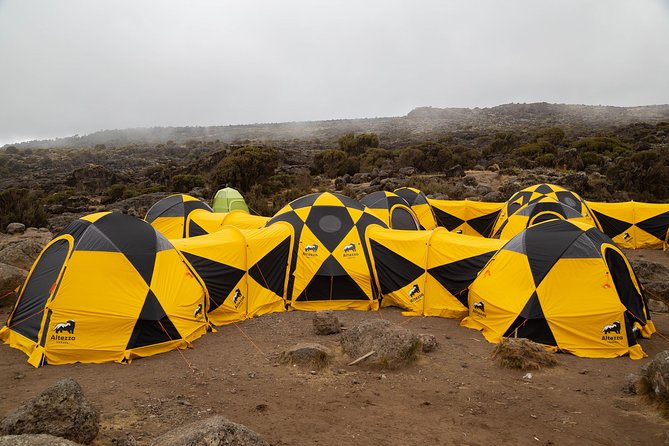
I really like how much is handled for you on the mountain. You’ll be sleeping in North Face VE-25 tents, eating well with flexible meal options, and getting medical checkups plus oxygen tanks and oximeters when it matters. The main drawback to consider is that the climb still asks a lot of you physically, and you’ll need to plan for items not included, like your visa, travel insurance, and personal gear.
In This Review
- Key highlights at a glance
- What the Lemosho Route actually gives you (and why 6 days matters)
- Price and what your $3,034 covers in real-life value
- Day 1 in Moshi: arrival, hotel comfort, and the pre-climb briefing
- Day 2: Londorossi Gate to Shira 2, first acclimatization step
- Day 3: Shira 2 to Lava Tower and down to Barranco
- Day 4: Barranco Wall, Kibo photos, and onward to Karanga
- Day 5: Barafu Summit Camp, night readiness, and the Kosovo acclimatization hike
- Day 6: Uhuru Peak summit night, then Millennium Camp descent
- Day 7: Mweka Gate exit through rainforest relief
- Camps, tents, and the comfort you can actually count on
- Safety and medical support that feels built into the climb
- Food and drinks: more than calories, it’s your energy plan
- Who this Lemosho climb suits best, and who should reconsider
- Should you book Altezza for the Lemosho Route 6-day climb from Moshi?
- FAQ
- Is airport pickup and drop-off included?
- Are park fees included?
- How are meals handled on the climb?
- Is medical support included?
- What should I budget for that is not included?
- What time does the experience start?
Key highlights at a glance
- Lemosho pacing that supports acclimatization across changing terrain and altitudes
- Wilderness First Responder guides with medical checkups and mountain medical supplies
- All Kilimanjaro National Park fees included, plus most meals
- Well-supported camps with mountain-appropriate tents and a full crew (porters, camp masters, cooks)
- Summit guidance with close monitoring, plus a big safety focus on the descent
Other ways up Kilimanjaro we reviewed
- Kilimanjaro climb by Lemosho Route (7-day)★ 5.0 · 651 reviews
- Kilimanjaro climb, Machame Route (7-day)★ 5.0 · 262 reviews
- Kilimanjaro Climbing Lemosho Route 8 Days.★ 5.0 · 186 reviews
- Climbing Kilimanjaro – Machame Route★ 5.0 · 170 reviews
What the Lemosho Route actually gives you (and why 6 days matters)
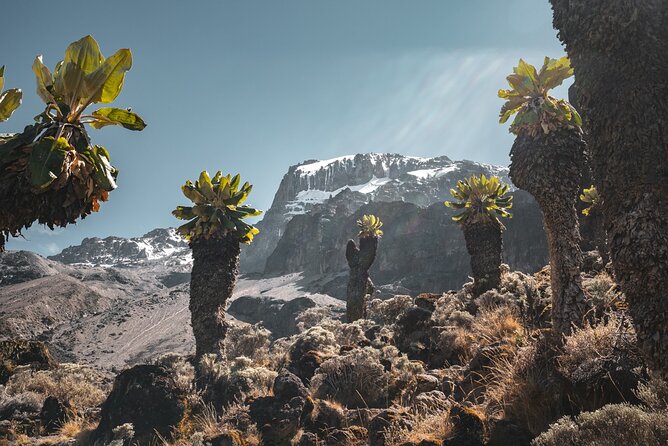
The Lemosho Route is a smart choice if you want a Kilimanjaro climb with variety, not just a long slog upward. Your days build from the Shira Plateau region into higher, colder zones, which helps break the experience into understandable chunks. Instead of rushing straight to altitude, you earn it with gradual gains and planned pauses.
A key reason the schedule feels workable is that you spend time at higher elevations before summit night. You’ll do acclimatization-focused sections where the plan includes both climbing and coming down again. That up-down pattern is what helps you adjust, not just “tough it out.”
Just remember: six days can still be physically hard. The route can be technically simple at moments, but altitude is the real boss. You’re not training for a bike race. You’re training your body to function near the top of Mount Kilimanjaro’s air pressure reality.
Price and what your $3,034 covers in real-life value
At $3,034 per person, this is not a budget option. But the price becomes easier to swallow when you see what’s included for a climb at this altitude.
Here’s what you should mentally count as part of the value:
- Park fees included, so you are not hunting for missing tickets later
- Most meals included, with three meals a day plus drinks like tea, coffee, juices, and soda
- Tents and mountain camp equipment provided, including branded dining gear and sleeping pads
- Medical support included, including oxygen tanks, oximeters, medical kits, and checkups
- Crew support built into the price: guides, porters, camp masters, cooks
- JRO pickup and drop-off included, plus ground transportation
What is not included is also important for budgeting:
- Visa fee (listed as USD 50 for most nationals and USD 100 for US passport holders)
- Insurance, strongly recommended to cover mountain trekking
- Personal equipment, like your hiking outfit and boots, plus sleeping bag needs (hire may be available)
So the value story is: this price pays for the systems that keep the trip smooth, safe, and comfortable enough that you can focus on walking, not logistics.
Day 1 in Moshi: arrival, hotel comfort, and the pre-climb briefing
Your climb experience starts with arrival at Kilimanjaro International Airport (JRO) and a transfer to your hotel. You check in starting at 2:00 PM, and you’re given time to settle before the first briefing.
I like this hotel start for one big reason: you’re not scrambling after a travel day. The hotel setup described includes cozy rooms, hot water, internet access, and even a pool. A warm bed and a real shower do matter when you’re about to trade comfort for altitude.
That evening briefing is also a practical step. You’ll meet the managers, go over what’s next, and get yourself ready to begin the mountain routine the next morning.
Lemosho itineraries worth reading next
Day 2: Londorossi Gate to Shira 2, first acclimatization step
The climb proper begins with a morning crew meet at the hotel, then a drive toward Kilimanjaro National Park’s western entrance, Londorossi Gate (2,200 m). After permits and registration, you head upward by off-road vehicles to a drop-off point around 3,500 m.
From there you hike toward Shira 2 Camp (3,900 m). This is your first exposure to Kilimanjaro’s “altitude math,” where even moderate walking feels slower. Expect steady effort more than drama.
You’ll also get your first major payoff: views toward the Shira Plateau. It’s a good kind of visual motivation, the kind that makes you feel like the effort has a point.
Potential consideration: day 2 is a full day. If you arrive tired, treat the first hours gently. Don’t try to conquer the mountain on day 2. You’re setting up the rest of your week.
Day 3: Shira 2 to Lava Tower and down to Barranco
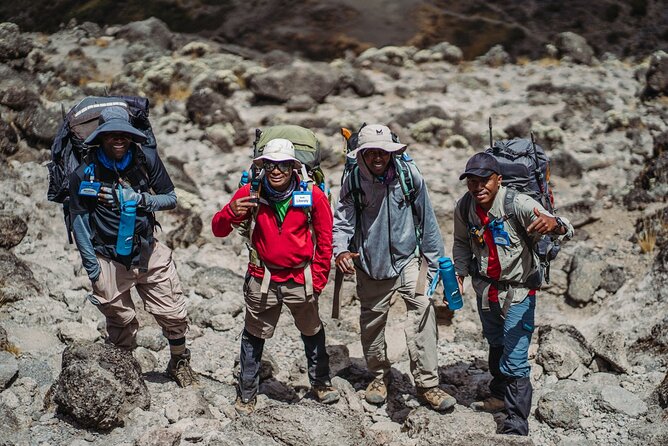
Today is where acclimatization gets real. You leave Shira 2 (3,900 m) and head to Lava Tower (4,630 m). This part includes a lot of climbing and descending, which is both exhausting and useful. Plan on feeling the altitude in your lungs and legs.
The route design matters here: you spend at least 1 to 2 hours around this key section so your body can adjust. Lunch happens here, which is a smart pacing tool because you’re not only exerting, you’re also giving your body time to settle.
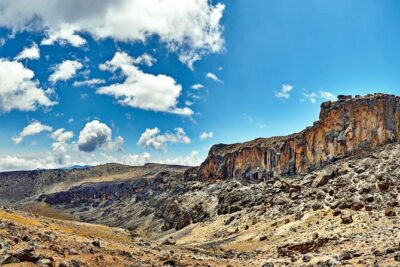
Then you descend to Barranco Camp (3,960 m). This brings you to one of Kilimanjaro’s famous moments: Barranco Wall, a steep-looking feature that you’ll hike later. Even if you don’t feel ready for it yet, it’s good to see it from a distance and understand what you’re training for.
One small mental tip: don’t rush the downhills. Going downhill can feel easier, but your knees and feet still take a beating, and altitude makes everything more delicate.
Day 4: Barranco Wall, Kibo photos, and onward to Karanga
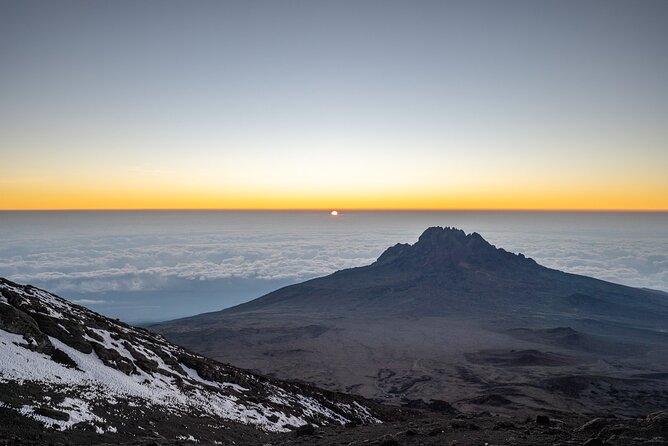
You’ll wake early, because timing is everything on the mountain. The guidance here is to leave camp as early as possible to avoid crowds when tackling Barranco Wall. The climb up the gorge wall is described as not difficult and takes around an hour.
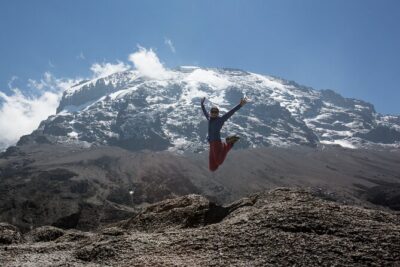
After that, you get a photo-friendly moment facing Kibo volcano. Kilimanjaro rewards patience, and this is one of those days where the “I’m tired” feeling can mix with real wonder.
Then you continue to Karanga Camp. This day includes numerous ascents and descents, but the guides choose an optimal pace for the group. That pace choice matters when you’re managing fatigue and altitude, not just distance.
After reaching camp, you get a warm lunch, then you do an acclimatization hike directionally toward Barafu before returning to camp time.
A practical takeaway: if you’re prone to overdoing it, this is the day to stay disciplined. Save your fireworks for summit night, not an early acclimatization walk.
Day 5: Barafu Summit Camp, night readiness, and the Kosovo acclimatization hike
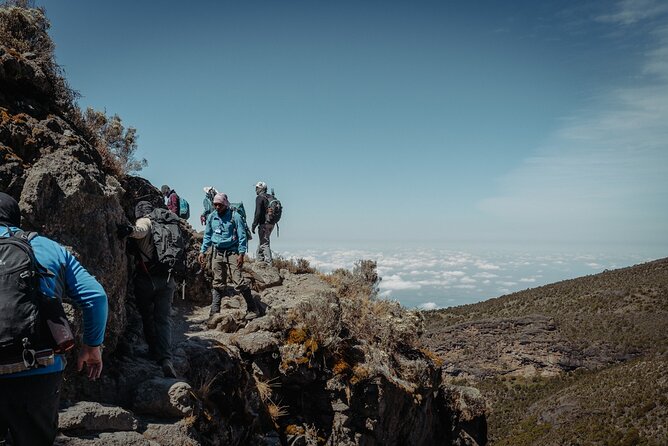
In the morning you hike up to Barafu Summit Camp (4,640 m). This is the staging point for the night summit of Uhuru Peak (5,895 m).
Before summit push, the team sets up camp for you in advance, including tents and sleeping bags, so you can actually rest. That “sleep now, win later” idea is huge. If you lose sleep because you’re tired of camp setup, you pay for it on the summit climb.
After you regain strength, you’ll do an acclimatization hike toward Kosovo Summit Camp (4,800 m), then return to Barafu Camp for a hot dinner. The rest of day 5 is about conserving energy and keeping the body calm.
What I’d watch for on a day like this: don’t wait until you feel desperate to drink water or adjust clothing layers. Summit night climbing is a long temperature shift game. You want to start feeling steady, not already chilled or sweaty.
Day 6: Uhuru Peak summit night, then Millennium Camp descent
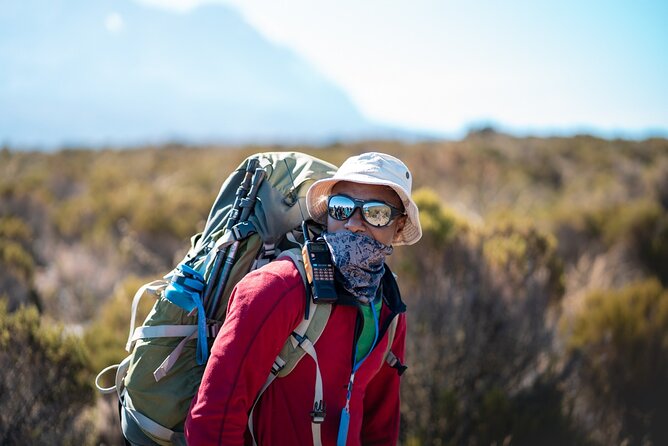
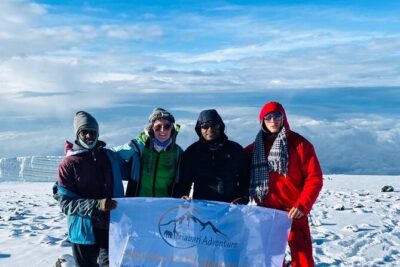
Departure from Barafu Camp (4,640 m) is at night, and this is the moment most people remember forever. The climb is described as technically simple, but the altitude is the challenge.
A key safety detail is that each pair of climbers gets a personal guide for the entire ascent to monitor both physical and mental condition. That one-on-one attention helps with pacing, breathing rhythm, and decision-making when people feel anxious or unwell.
If you make it to Uhuru Peak (5,895 m), you’ll have the option to descend toward the nearest glacier if desired. Then you return to Barafu Camp, take a short rest, and continue the descent to Millennium Camp (3,820 m).
Here’s a safety note you should take seriously: 90% of all accidents occur during the descent, including broken arms and legs. It’s a lot of weight on one line, and it matches what most mountaineers tell you. Treat the downhill like it’s the dangerous part, because it is. Watch your feet. Slow down. Keep your balance.
Also, day 6 can feel deceptively long. Even after the summit, you still have work to do. The win is real, but the day is not over.
Day 7: Mweka Gate exit through rainforest relief
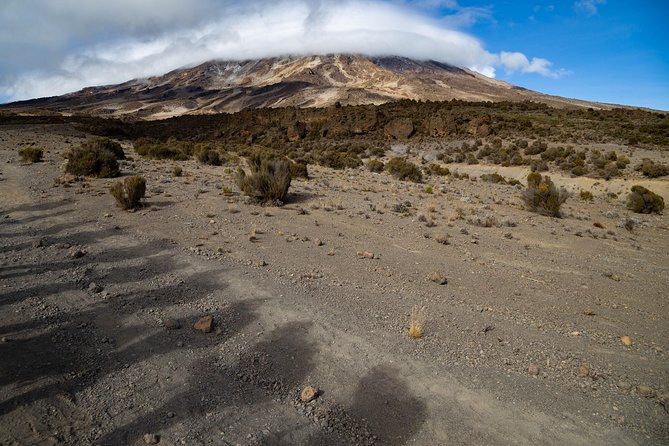
Day 7 is where summit pressure drops and your body finally gets a break. You wake up at Millennium Camp (3,820 m), and the camp is described as sitting in tropical rainforest. That relief matters. You’ve spent days in thinner air and colder conditions, so walking in a greener, lower zone feels like someone turned the volume down.
After a warm breakfast, you hike out to Mweka Gate (1,640 m). The descent is listed as about 12 km and 4 to 5 hours.
Then the group gathers for congratulations, a chance to share opinions in a guestbook, and commemorative certificates before you get transferred back to the hotel.
One thing I like about an exit day like this is how it gives you closure. You’re not immediately jumping into travel stress. You get to land the experience.
Camps, tents, and the comfort you can actually count on
On Kilimanjaro, comfort is not about luxury. It’s about functioning well enough to keep going.
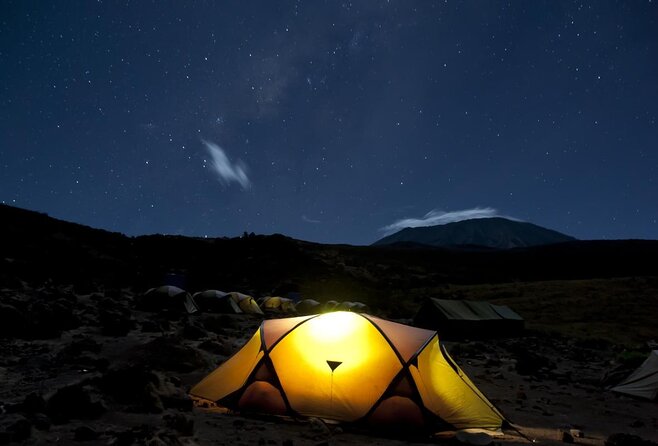
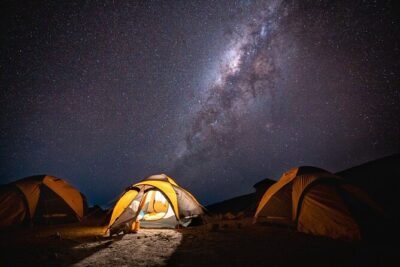
This climb provides North Face VE-25 tents with 2 hikers per tent and supplies mountain-ready camp gear such as dining tent setup, sleeping pads, tables, chairs, and crockery and cutlery. That means fewer headaches at camp and less time doing the basics yourself.
It also helps that the porter and kitchen teams handle the heavy lifting, so you’re not paying with your energy for camp construction.
From the reviews, the vibe is consistent: porters get your stuff set up when you arrive, and that makes the end of a hiking day feel less like chores and more like recovery. Many climbers also point out food quality and a positive team atmosphere, sometimes with singing and dancing. Even if you’re not the singing type, that energy can be a real morale tool when the altitude tries to drain yours.
Safety and medical support that feels built into the climb
This is where the experience separates itself from the typical “someone with a whistle” idea of guiding.
You get Wilderness First Responder certified guides, plus medical checkups while you’re on the mountain. The team also carries oxygen tanks and oximeters, and there are medical kits.
In practice, that combination means you’re not making decisions blindly. If someone is struggling, there is a protocol and equipment available, not just hope.
Another helpful detail from the summit notes is the close monitoring on the Uhuru Peak ascent, where each pair has a personal guide. That supports both pacing and mental calm, which matters because fear and breathlessness can snowball at altitude.
And yes, descent safety gets hammered home. That one line about accidents during descent is a reminder to treat the last third of the mountain like a safety-critical phase, not a victory lap.
Food and drinks: more than calories, it’s your energy plan
Meals are listed as three times a day with choice options. The climb includes breakfast, lunch, and dinner, with options for vegetarian, vegan, lactose-free, gluten-free, halal, and other meal plans.
I like how explicit that is. When you’re climbing, food is not a side quest. It’s your fuel, plus it helps you keep a predictable routine when everything else changes each day.
Reviews also highlight a strong kitchen team, with specific mention of a chef (Raymond). People describe the food as amazing and energy-rich, and they often credit the kitchen and crew for making long days feel doable.
Your job is simple: eat what’s offered, hydrate steadily, and don’t skip meals because you feel tough. At altitude, skipping food can make you feel worse fast.
Who this Lemosho climb suits best, and who should reconsider
This experience is best for people with moderate physical fitness who want a professional structure around safety, pacing, and camp comfort. If you like the idea of having certified medical training in the guide team, and you want a crew that manages camp logistics, you’ll probably feel at ease.
It’s also a great fit if you’d rather focus on breathing and steps than on research. The included park fees, medical gear, and camp setup remove a lot of mental load.
Who should reconsider or choose a different plan:
- If you know you struggle with altitude breathing even on shorter hikes
- If you cannot commit to slow, steady effort on ascent and careful footwork on descent
- If you’re not willing to budget for personal gear, visa, and insurance
If you’re in your late 60s with solid hiking credentials, the climb can still be doable with a good team and pace. That’s consistent with the way the crew is described: expert at choosing an optimal pace for the group and supporting climbers through problem-solving.
Should you book Altezza for the Lemosho Route 6-day climb from Moshi?
If your priority is a smooth, well-supported Kilimanjaro climb, I’d book this kind of setup. The combination of certified first responder safety, oxygen equipment, and medical checkups is exactly what you want at Uhuru Peak altitude. Add in included park fees, three meals a day, and real camp infrastructure, and the value starts to make sense.
I would not book it if you’re looking for a cheap adventure where you figure everything out day by day. This climb is professional, and it expects you to show up ready to hike, manage layers, and take descent seriously.
If you want a climb where the crew is tuned for safety and the camp feels like it’s working for you, this Lemosho route from Moshi is a strong match.
FAQ
Is airport pickup and drop-off included?
Yes. You get JRO (Kilimanjaro International Airport) pick-up and drop-off, plus ground transportation.
Are park fees included?
Yes. All fees collected by the Kilimanjaro National Park are included.
How are meals handled on the climb?
You get three meals a day with options, plus drinks like tea, coffee, juices, and soda. The plan also lists meal options such as vegetarian, vegan, lactose-free, gluten-free, and halal.
Is medical support included?
Yes. The tour includes medical checkups, oxygen tanks and oximeters, and medical kits, with guides described as certified Wilderness First Responders.
What should I budget for that is not included?
You’ll need to plan for air tickets to Tanzania, the visa fee (listed as USD 50 for most nationals and USD 100 for US passport holders), personal equipment and gear, and travel insurance.
What time does the experience start?
The listed start time is 9:00 AM.
Lemosho, Compared
- Kilimanjaro climb by Lemosho Route (7-day)
★ 5.0 · 651 reviews - Kilimanjaro Climbing Lemosho Route 8 Days.
★ 5.0 · 186 reviews - Kilimanjaro climb, Lemosho Route (8-day)
★ 5.0 · 148 reviews - Kilimanjaro Lemosho Route
★ 5.0 · 71 reviews - Private Kilimanjaro Hike 7 Day Lemosho Route
★ 5.0 · 60 reviews
Kilimanjaro, Route by Route
- Kilimanjaro climb by Lemosho Route (7-day)
★ 5.0 · 651 reviews - Kilimanjaro climb, Machame Route (7-day)
★ 5.0 · 262 reviews - Kilimanjaro Climbing Lemosho Route 8 Days.
★ 5.0 · 186 reviews - Climbing Kilimanjaro – Machame Route
★ 5.0 · 170 reviews - Climbing Kilimanjaro through 7 days Machame Route
★ 5.0 · 151 reviews
Just added from around Moshi
Kilimanjaro Lemosho Route, compared.
 ★ 5.0Kilimanjaro climb by Lemosho Route (7-day)From $3,476651 reviews
 ★ 5.08-Day Small-group Lemosho Kilimanjaro Summit TrekkingFrom $2,895186 reviews
 ★ 5.0Kilimanjaro Climbing Lemosho Route 8 Days.From $2,300186 reviews
 ★ 5.0Kilimanjaro climb, Lemosho Route (8-day)From $3,975148 reviews
 ★ 5.0Kilimanjaro Lemosho RouteFrom $2,89071 reviews
 ★ 5.0Private Kilimanjaro Hike 7 Day Lemosho RouteFrom $2,45060 reviews
 ★ 5.0Climbing Kilimanjaro through 8 days Lemosho RouteFrom $2,76052 reviews
 ★ 5.08 Days Kilimanjaro Hike via Lemosho RouteFrom $2,35039 reviews
Browse the lists this tour appears in