
REVIEW · KILIMANJARO LEMOSHO ROUTE
Climbing Kilimanjaro through 8 days Lemosho Route
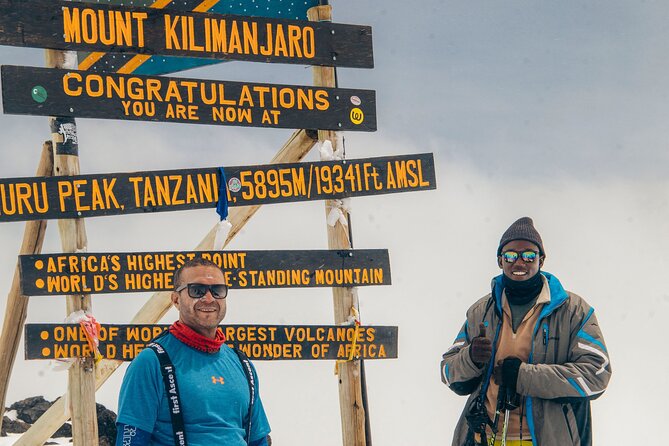
Climbing Kilimanjaro feels bigger on the western side. The 8-day Lemosho route starts on the mountain’s western slope and slowly feeds you into the Shira Plateau, where you trade lowland plants for colder, higher zones. I like that it feels remote and lower-traffic compared with some other routes, and I also like the longer, gradual climb that gives your body more time to adjust.
You’re not just walking for a viewpoint. You’re doing it through multiple climates, with a real chance to reach Uhuru Peak because the ascent is spread out. The trek also comes with a full crew, plus daily meals cooked fresh at camp, so you’re not spending your energy figuring out logistics.
One thing to consider: this is a multi-day camping trek with moderate physical fitness required, and you will feel altitude and cold in the higher zones. If you want a comfort-first trip, Kilimanjaro will still humble you a bit.
In This Review
- Key Highlights You’ll Actually Care About
- Why the 8-Day Lemosho Route Works So Well
- From Moshi to Londorossi Gate: The Day You Start Being on Kilimanjaro
- Into the Shira Plateau: Watching the Mountain Switch Climate Modes
- Camp Life on Lemosho: Food, Tents, and Crew Support That Matters
- Summit Day Readiness: The Pace, the Safety Checks, and the Human Factor
- Price and Value: What $2,760 Buys on Kilimanjaro
- The Practical Side: Timing, Start Point, and What to Plan for
- Who Should Book This Lemosho Program (and Who Might Not)
- Quick Compare: What Makes Lemosho Different Here
- Final Call: Should You Book the 8-Day Lemosho with ZAFS Tours?
- FAQ
- Where do we meet and when does the trek start?
- How long is the Lemosho route climb?
- What’s included in the trek package?
- Is pickup available in Moshi?
- Is this trek private or shared with other groups?
- Is pre and post hike accommodation in Moshi included?
- What is the cancellation policy?
Key Highlights You’ll Actually Care About
- Western-side start for a quieter, less-visited feel, plus more chances to spot wildlife along the way
- Longer 8-day pacing that helps acclimatization, compared with shorter options
- All meals on the mountain with a chef cooking daily, so you can focus on the climb
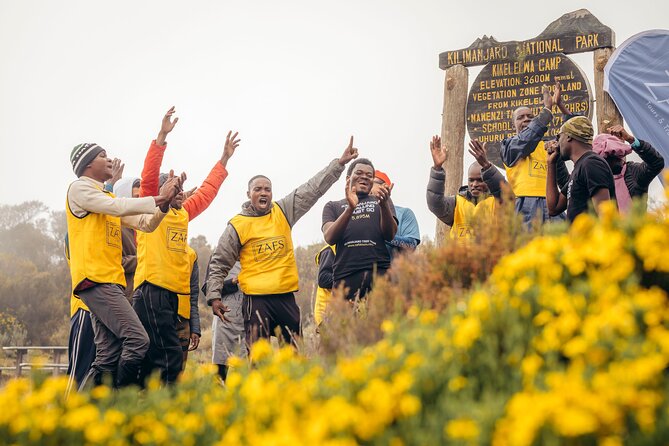
- A trained mountain crew (guides, chef, waiter, porters) and camping gear provided
- Private group option, so your team and schedule feel more controlled
Other ways up Kilimanjaro we reviewed
- Kilimanjaro climb by Lemosho Route (7-day)★ 5.0 · 651 reviews
- Kilimanjaro climb, Machame Route (7-day)★ 5.0 · 262 reviews
- Kilimanjaro Climbing Lemosho Route 8 Days.★ 5.0 · 186 reviews
- Climbing Kilimanjaro – Machame Route★ 5.0 · 170 reviews
Why the 8-Day Lemosho Route Works So Well
The Lemosho route is popular for a reason: it starts on the western side and lets you build altitude gradually. That matters on Kilimanjaro, because your success is often about your body’s adjustment time, not your willpower.
On this 8-day format, you get that longer rhythm. You’re not rushing from gate to summit. You’re stepping upward in stages, with a slower feel that gives you more chances to acclimatize properly. The plan is built around a smooth climb into different climate zones, starting from the western slope, then moving through the Shira area and onward toward the high, cold conditions where summit day lives.
I also like the “less traffic” element. Fewer people around often means less bustle and more quiet moments to take in the scenery and wildlife. It’s not just about the views, it’s about your mental pace. When the trail feels calmer, it’s easier to walk steady.
From Moshi to Londorossi Gate: The Day You Start Being on Kilimanjaro
Your adventure begins back in Moshi, with the meeting point at the Moshi Leopard Hotel on Market Street, and a 9:00 am start time. Expect a 4-hour drive from Moshi to Londorossi Gate. That drive is part of the experience, because you’re moving from town life into the world of the mountain.
Londorossi is your gateway onto the western slope. From here, you shift from roads and dust to trekking schedules and elevation checks. If you’re the kind of person who likes to get your bearings early, this is a good day for that mindset.
Practical note: this kind of trek is easier if you treat the first day like a warm-up, not a performance. Even with a gradual route, your first hours at elevation can still feel like a reset button.
Also, the tour offers pickup, which helps a lot if you don’t want to wrestle with local transport while packing for a summit attempt. If you do pick up service, ask where you’ll be taken before you leave so you can reduce last-minute stress.
Into the Shira Plateau: Watching the Mountain Switch Climate Modes
After the gate, the route takes you toward the Shira Plateau. This is a big deal on Lemosho because it’s where your trek starts to feel like you’re walking through different seasons.
The key idea here is climate variety. The trek moves through changing zones, from alpine meadows up toward conditions that reach the icy, high environment where Kilimanjaro’s summit exists. In plain terms, your gear and your layers matter. Your body will deal with different temperatures as the altitude climbs.
What I find smart about the way this route is structured is that it doesn’t yank you straight into extreme cold. You transition. That makes it more manageable on breath and energy. You also get more time to practice the pace you’ll need later.
If you’re wondering about route “feel,” this is one reason Lemosho is often recommended: it’s not just a scenic line on a map. It’s a climbing process through distinct mountain environments.
And since the western approach is known for lower traffic on average, you’re more likely to experience stretches of trail with breathing room.
Lemosho itineraries worth reading next
Camp Life on Lemosho: Food, Tents, and Crew Support That Matters
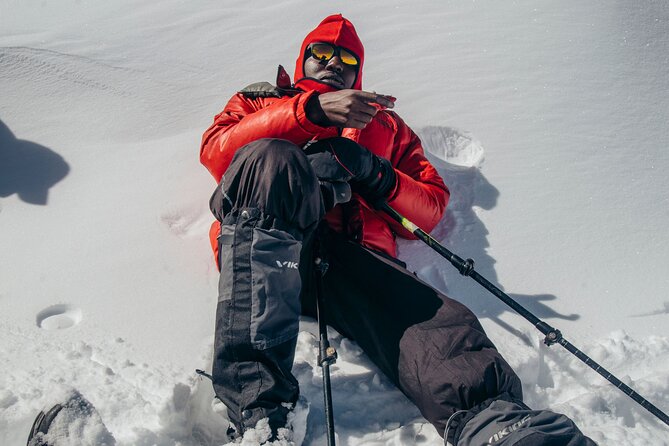
Kilimanjaro trekking is a game of small choices. One of the biggest is whether you eat well and sleep well enough to keep going day after day.
On this trek, breakfast, lunch, and dinner are all included daily on the mountain. Dinner is freshly cooked by an expert chef, which is a big quality-of-life upgrade compared with “just enough” meals. Coffee and/or tea are also included, and that matters more than you think when you’re cold and tired.
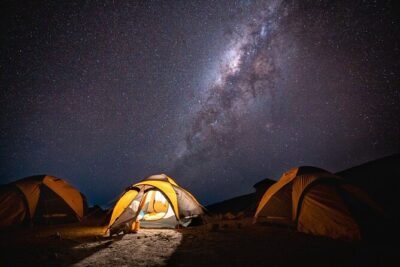
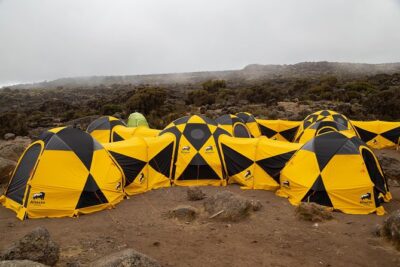
Camping gear is included too, including private tents and dining tent setup for meals. There’s also tent coverage for the crew. That means you can focus on your pack weight rather than trying to source mountain equipment once you get to Tanzania.
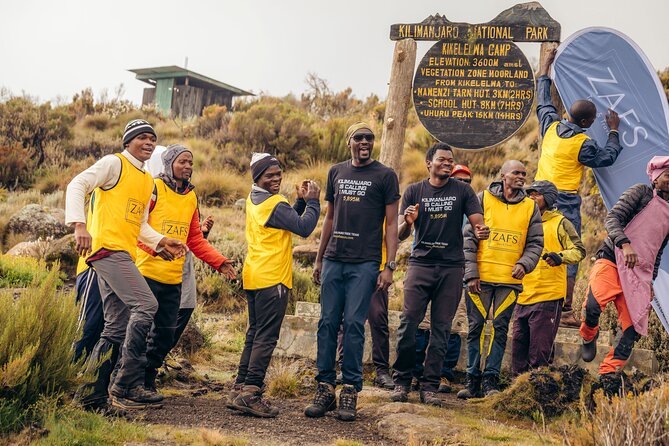
One reason the reviews lean so positive is how much attention the crew seems to put into the daily routine. Guides and support staff are there to keep things running smoothly: setting up camp, helping you manage the pace, and serving food that keeps energy stable for the next day.
I also picked up a strong pattern about food quality, including vegetarian meals. If you eat vegetarian, that’s worth asking about when you book, but the fact that this shows up in feedback is a good sign.
Summit Day Readiness: The Pace, the Safety Checks, and the Human Factor
Reaching Uhuru Peak is the goal, and the route’s longer timeline is one of the practical tools used to increase chances. But the summit is not only about altitude. It’s about teamwork and decision-making.
Here’s what you can count on from the way the program is described: you’ll have mountain crew with experienced guides, chef, waiter, and porters. That is the backbone of a safer, smoother climb. You’re not carrying everything alone, and you’re not making decisions in isolation at high altitude.
Some of the most praised guidance behavior includes clear briefings in the evenings and close monitoring during the climb. One highlight from feedback is that guides took pulse ox readings and tracked progress from day one. That kind of attention does not replace common-sense altitude rules, but it can help spot trouble sooner.
You’ll also see multiple lead guide names connected with positive experiences, including John Jechs, Alex, and Martin, along with chefs and crew members like Zachariah and others such as Gabriel, Obry, Mushi, Prosper, Aubray, Mussa, and Prosper again in different trips. Names vary by departure and team assignment, but the point is consistent: the service is guided by people who seem to care about safety, motivation, and good pacing.
A small, practical tip: in the final push, treat “slow and steady” like a survival technique. You will feel tempted to speed up when you feel better, but that’s also when altitude can catch up fast. A good team will help you keep the pace you need.
Price and Value: What $2,760 Buys on Kilimanjaro
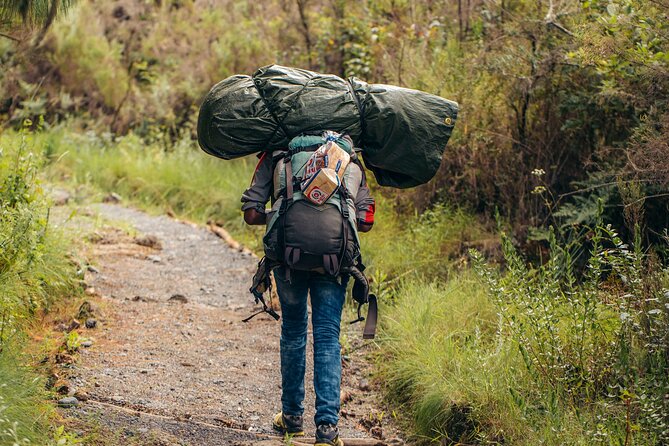
At $2,760 per person for an approximately 8-day trek, you’re paying for far more than walking time.
Here’s what’s included that directly affects value:
- All fees and taxes
- Private transportation to the gate area
- Camping equipment, including private tents and camp dining setup
- All meals on the mountain: breakfast, lunch, and dinner cooked fresh daily
- Coffee and/or tea
- A full mountain crew (guides, chef, waiter, porters)
When you compare Kilimanjaro costs, the hidden question is always this: are you paying for the logistics and support, or are you paying for just the trail? This package includes the support layer that makes the trek workable day after day.
Also, this is a private tour/activity, meaning only your group participates. Private arrangements can raise cost, but they also reduce friction and keep communication clean.
One more value point: the company offers group discounts, which can help if you’re traveling with friends or your family and can fill a small group. If you’re solo, you might still get a great team experience because the trek structure is built around a full crew and daily food.
The Practical Side: Timing, Start Point, and What to Plan for
This trek meets at the Moshi Leopard Hotel area, with a 9:00 am start. The trek ends back at the meeting point, so you’re not left scrambling to find transport after you finish.
Pre and post hike accommodation in Moshi is available on request, not included by default. That matters if you’re flying in and want a simple plan. If your schedule is tight, line up your hotel days early and ask what the provider can arrange for you.
You should also plan around a moderate fitness level expectation. The route is described as having a smooth and gradual climb, but “smooth” doesn’t mean easy. You’ll still climb at altitude for many days.
If you get to the mountain and realize you’ve trained lightly, you can still sometimes succeed. But you’ll feel it in your energy, and you’ll rely more on the team to manage pacing and safety. Better to show up ready.
Who Should Book This Lemosho Program (and Who Might Not)
This trek fits best if you want:
- A slower, longer acclimatization approach
- A route that feels less crowded with time to enjoy the trail
- Full support with camp setup, meals, and a trained crew
- A team experience that seems focused on safety and motivation, including check-ins and monitoring habits some guides use
You might want to rethink if you:
- Want a low-effort, comfort-first trip, because camping and altitude are still part of Kilimanjaro
- Are not comfortable with moderate physical exertion over multiple days
- Need pre and post hike lodging included automatically, because accommodation in Moshi is only on request
For couples, friends, or families traveling together, a private group can make communication and pacing easier. Solo travelers can also do well if they’re ready for a team-led expedition style.
Quick Compare: What Makes Lemosho Different Here
This version of Lemosho is sold on the blend of biodiversity, scenery, and acclimatization advantages.
I take the “biodiversity and wildlife” angle seriously because it changes how the days feel. A route that’s more scenic and less rushed helps you stay mentally engaged, and that is huge on multi-day climbs.
The route is also known for crossing climate zones from alpine meadows toward the cold high environments. That means you should pack and layer with real intent, not just bring whatever hoodie you grabbed last minute.
Finally, the gradual, longer duration is framed as having the highest success rate among routes, which lines up with the basic logic of acclimatization.
Final Call: Should You Book the 8-Day Lemosho with ZAFS Tours?
If you’re aiming for the “best odds with a calmer pace,” I think the 8-day Lemosho route is a strong choice. The structure is designed around a gradual climb, better acclimatization, and a western-side experience that tends to feel quieter than alternatives.
Also, the human side looks like a real strength. The crew and guides described in feedback include people like John Jechs, Alex, Martin, and chefs such as Zachariah, and the most praised moments often connect to safety focus, motivation, and high-quality meals, including vegetarian options.
So should you book? Yes, if you’re comfortable with a multi-day camping trek, you have moderate physical fitness, and you want a supported climb where the team handles the hard parts of logistics. If you want to keep it simple, and you like the idea of building upward slowly toward Uhuru Peak, this is the kind of plan worth serious consideration.
FAQ
Where do we meet and when does the trek start?
You’ll meet at the Moshi Leopard Hotel on Market Street in Tanzania, and the activity starts at 9:00 am. The trek ends back at the same meeting point.
How long is the Lemosho route climb?
This experience is listed as 8 days (approximately).
What’s included in the trek package?
Included are daily breakfast, lunch, and dinner on the mountain, coffee and/or tea, private transportation, all fees and taxes, camping equipment (including private tents and dining tent), and a mountain crew with experienced guides, a chef, a waiter, and porters.
Is pickup available in Moshi?
Yes, pickup is offered.
Is this trek private or shared with other groups?
It’s a private tour/activity. Only your group will participate.
Is pre and post hike accommodation in Moshi included?
No. Pre and post hike accommodation is available on request.
What is the cancellation policy?
Free cancellation is available up to 24 hours in advance for a full refund. If you cancel less than 24 hours before the start time, the amount paid is not refunded.
Lemosho, Compared
- Kilimanjaro climb by Lemosho Route (7-day)
★ 5.0 · 651 reviews - Kilimanjaro Climbing Lemosho Route 8 Days.
★ 5.0 · 186 reviews - Kilimanjaro climb, Lemosho Route (8-day)
★ 5.0 · 148 reviews - Kilimanjaro climb, Lemosho Route (6-day)
★ 5.0 · 129 reviews - Kilimanjaro Lemosho Route
★ 5.0 · 71 reviews
Kilimanjaro, Route by Route
- Kilimanjaro climb by Lemosho Route (7-day)
★ 5.0 · 651 reviews - Kilimanjaro climb, Machame Route (7-day)
★ 5.0 · 262 reviews - Kilimanjaro Climbing Lemosho Route 8 Days.
★ 5.0 · 186 reviews - Climbing Kilimanjaro – Machame Route
★ 5.0 · 170 reviews - Climbing Kilimanjaro through 7 days Machame Route
★ 5.0 · 151 reviews
Just added from around Moshi

Kilimanjaro Lemosho Route, compared.
 ★ 5.0Kilimanjaro climb by Lemosho Route (7-day)From $3,476651 reviews
 ★ 5.08-Day Small-group Lemosho Kilimanjaro Summit TrekkingFrom $2,895186 reviews
 ★ 5.0Kilimanjaro Climbing Lemosho Route 8 Days.From $2,300186 reviews
 ★ 5.0Kilimanjaro climb, Lemosho Route (8-day)From $3,975148 reviews
 ★ 5.0Kilimanjaro climb, Lemosho Route (6-day)From $3,034129 reviews
 ★ 5.0Kilimanjaro Lemosho RouteFrom $2,89071 reviews
 ★ 5.0Private Kilimanjaro Hike 7 Day Lemosho RouteFrom $2,45060 reviews
 ★ 5.08 Days Kilimanjaro Hike via Lemosho RouteFrom $2,35039 reviews
Browse the lists this tour appears in