
REVIEW · KILIMANJARO LEMOSHO ROUTE
Kilimanjaro Climbing Lemosho Route 8 Days.
Altitude with a plan beats chaos. This 8-day private Lemosho trek from Moshi is built around steady ascent, careful pacing, and real support for a big summit goal. I also like that your team includes safety basics like pulse oximeters and emergency oxygen, not just enthusiasm.
Two things really stand out for me: the nonstop logistics handoff (transport, booked camps, and meals), and the way the route gives you time to adjust before the hardest hours. You’ll start with a Moshi hotel night and gear check, then hike day after day with breakfast, lunch, and dinner taken care of so you can focus on moving well.
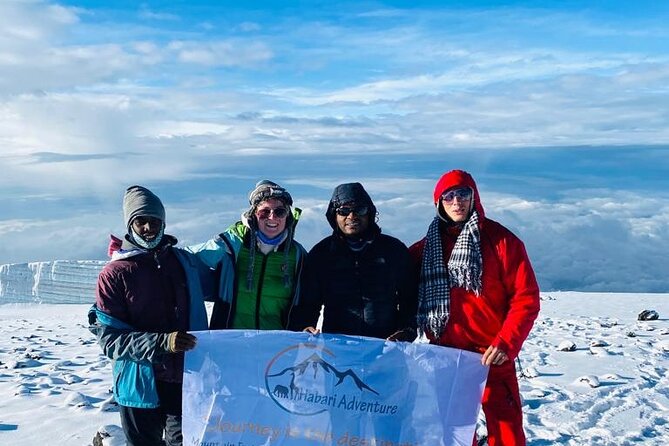
The main consideration is simple: the summit push starts very early and the climb is long. Day 8 is listed as about 14 hours total, with scree time and the payoff at Stella Point and Uhuru Peak, so you need to show up ready for a serious endurance day.
In This Review
- Key highlights to know before you commit
- Why the Lemosho route feels more manageable than you expect
- Price and what $2,300 really covers (and what it does not)
- Day 1 in Moshi: pickup, hotel night, and a gear check that sets the tone
- Days 2 and 3: Londorossi Park Gate to moorland views of Kibo
- Day 4: a shorter day, tea time, and an acclimatization walk
- Day 5 and 6: Lava Tower to Baranco Wall, where pictures get easier
- Day 7: Barafu Camp, long rest, and sleeping for a midnight start
- Day 8 and Day 9: Stella Point at sunrise, Uhuru Peak photos, then the long walk down
- Safety gear that matters at altitude, not just on paper
- Who this private Lemosho trek is best for, and the trade-offs
- Should you book this 8-day Lemosho Kilimanjaro climb?
- FAQ
- Where do I get picked up, and what time does the experience start?
- How many days is the Kilimanjaro climb on this Lemosho route?
- What safety equipment is included on the mountain?
- Are meals and accommodations included?
- What is not included in the price?
- Is this a private group experience?
- Can I cancel and get a full refund?
Key highlights to know before you commit
- Pulse oximeters, first aid kit, and emergency oxygen included for the trek
- Day 1 Moshi pickup plus equipment check, so you don’t start under-prepared
- A shorter Day 4 with tea and an acclimatization walk before moving on
- Baranco Camp and Karanga Camp segments that balance effort with payoff views
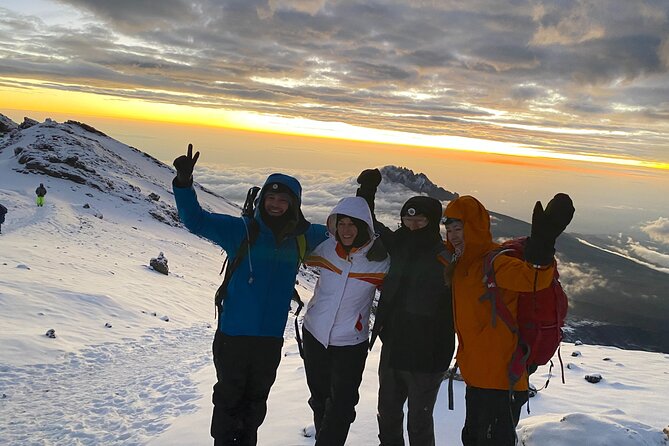
- Midnight summit night from Barafu Camp, timing aimed for sunrise at Stella Point
- Full meal plan and hotel nights included, which is a big value saver on Kilimanjaro
Other ways up Kilimanjaro we reviewed
- Kilimanjaro climb by Lemosho Route (7-day)★ 5.0 · 651 reviews
- Kilimanjaro climb, Machame Route (7-day)★ 5.0 · 262 reviews
- Kilimanjaro Climbing Lemosho Route 8 Days.★ 5.0 · 186 reviews
- Climbing Kilimanjaro – Machame Route★ 5.0 · 170 reviews
Why the Lemosho route feels more manageable than you expect
The Lemosho Route is popular for a reason: it gives you gradual altitude exposure instead of jumping straight to the hardest elevations. On this plan, you move from rainforest to moorland, then into alpine desert, so your body gets multiple chances to adapt before the summit grind.
I like that the itinerary builds in both rhythm and recovery. You get early starts, but also intentional shorter days, like Day 4, which is described as shorter and not as steep as other days. That kind of “save your legs” pacing matters when you’re hiking at altitude, where every extra minute can cost more effort than you expect.
This trek is also private for your group. That usually means you can keep your pace without being rushed by the fast hikers or slowed too much by people who are struggling. Your guide is there to work with you directly, and the whole setup is geared toward staying safe and consistent on both the ascent and descent.
One more value point: Lemosho is not a “party trail,” it’s a long, focused climb through multiple ecosystems. That often makes the days feel purposeful, even when they’re tough, because each stage has a different feel, from grassy moorland to stark alpine desert.
Price and what $2,300 really covers (and what it does not)
At $2,300 per person, this is not a budget add-on. But Kilimanjaro costs add up fast, and this package includes a lot of the heavy lifting that you would otherwise have to arrange yourself.
Here’s what you do get:
- All fees and taxes
- Private transportation
- Two nights hotel
- Camping support with setup (your tent is prepared at camp)
- Meals: breakfast (8), lunch (8), dinner (9)
- Safety gear: pulse oximeter, first aid kit, emergency oxygen
What you don’t get is also important:
- Entry visa
- Tipping to mountain crew
- Flights
- Laundry services
For value, I focus on what reduces risk and stress. Meals included means you don’t have to hunt for food during the climb. Safety gear included means you’re not relying on guesswork. And private transportation plus park gate logistics means you’re not spending your trip juggling details.
If you’re comparing options, don’t just compare the headline price. Compare what’s included around meals, emergency equipment, and the amount of support on the mountain.
Day 1 in Moshi: pickup, hotel night, and a gear check that sets the tone
Day 1 starts with pickup at Kilimanjaro International Airport and a transfer to your hotel in Moshi. After you settle in, your guide does a briefing and runs an equipment check to confirm you have what you need.
This matters more than it sounds. Kilimanjaro success is partly preparation, not just motivation. When your guide checks your mountain gear early, you avoid the classic problems that can snowball later, like missing essentials or carrying the wrong things for cold nights.
You also get dinner and an overnight in Moshi, which gives you a real chance to sleep before the hiking begins. That rest can pay off, because early days on Kilimanjaro still feel physical even before the highest altitudes.
Lemosho itineraries worth reading next
Days 2 and 3: Londorossi Park Gate to moorland views of Kibo
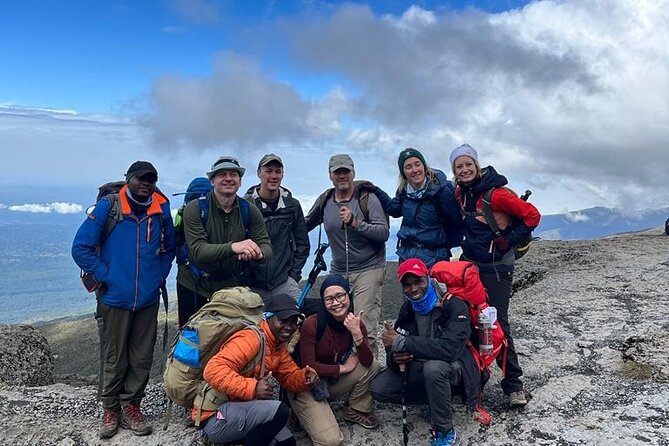
On Day 2, you leave early with breakfast from the hotel, then take a drive from about 910 m up to Londorossi Park Gate (2100 m). From there, you trek through rainforest. The day ends at Mti Mkubwa Camp (2980 m), with about 7 hours of trekking time.
Rainforest days tend to be about steady effort and staying comfortable through humidity and changing temperatures. Even though the route description is focused on timing and distance, this is one of the sections where good pacing makes a difference because conditions can feel different from dry higher zones.
Day 3 shifts into moorland, with around 4 hours of hiking and about 7 km. You’ll cross a plateau of grassy moorland and heather with volcanic rock, and you should get views of Kibo and the Shira area. You end at Shira I Camp (3500 m).
I like this stage because it’s not the summit. It’s a chance to practice what your body will need later: consistent steps, controlled breathing, and staying relaxed when the trail tilts.
Day 4: a shorter day, tea time, and an acclimatization walk
Day 4 is listed as one of the shortest days, about 5 hours, with around 8 km covered. It’s not described as steep compared to other days, and it adds another layer of altitude understanding by letting you look toward northern ice fields from the western side with views of Kibo.
There’s also a practical rhythm built in:
- hot lunch at camp
- tea around 4:00 pm
- then an acclimatization walk before heading back for dinner and overnight
This is a key value moment. Acclimatization is not only about altitude, it’s about how you use your time at altitude. A short hike can help your body adjust while keeping your energy for the next stages.
If you tend to push too hard early, this day is your reminder to do the opposite. Use it to get a feel for hiking at height without turning every step into a workout.
Day 5 and 6: Lava Tower to Baranco Wall, where pictures get easier
Day 5 marks a change: moorlands end and you move into alpine desert. The hike time is about 6 hours with around 10 km. You go up to Lava Tower (4600 m), then descend to Baranco Camp (3900 m).
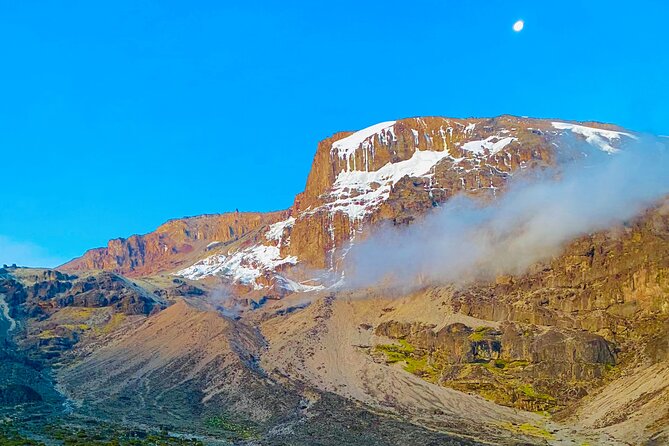
The descent to Baranco is described as taking about 3 hours and offering great photo opportunities of the Western Breach and Baranco wall. This is the kind of contrast that makes Kilimanjaro feel like more than just elevation gain. One day you’re moving through open high terrain, and the next you get walls and dramatic shapes that help the effort feel worth it.
You then shift into Day 6, another favorite day in the itinerary: about 4 hours of hiking and around 6 km. You leave Baranco Camp, climb up the Baranco wall (4200 m), reach the Hein glacier fort area, and then continue on to Karanga Camp (4000 m).
The takeaway here is that the trail gives you “earned scenery.” You’re working, yes, but the route segments are placed so your hardest effort lines up with some of the most striking terrain.
Day 7: Barafu Camp, long rest, and sleeping for a midnight start
Day 7 starts with hiking to Barafu Camp (4640 m), about 3 hours and 4 km. Along the way you get views of Kibo and Mawenzi peaks. Once you arrive, the plan includes lunch and then a long rest while you wait for the summit night.
Dinner is early, and you should try to sleep because you’ll get up around midnight.
This is where Kilimanjaro becomes a different kind of challenge. You’re not just climbing, you’re climbing after you’ve been asked to pause and then restart your body for early hours. If you know you get restless at night, plan to manage that energy as much as you manage your physical effort.
Also, keep your expectations realistic: this day is about saving yourself for the big one.
Day 8 and Day 9: Stella Point at sunrise, Uhuru Peak photos, then the long walk down
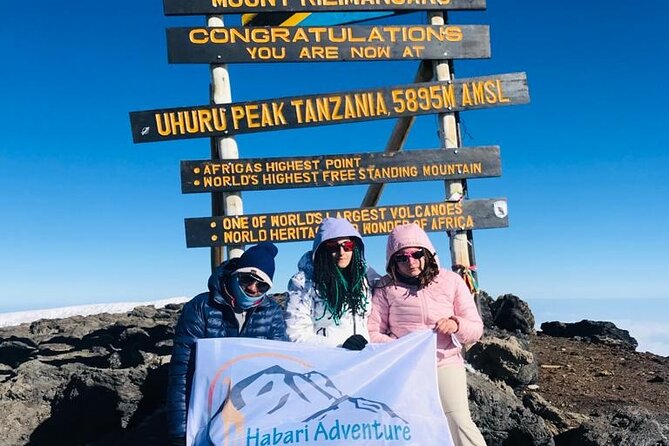
Day 8 is the headline day. You wake around 00:00, with light tea and cookies prepared, then start climbing scree for about 4 to 5 hours. The goal is to be on the crater rim at Stella Point (5756 m) as the first rays of sun hit.
From Stella Point, it takes about 1 hour to reach Uhuru Peak (5895 m). You’ll take photos for a few minutes, then begin descending.
The itinerary then takes you back:
- descend to Barafu Camp for lunch and rest
- then walk down to Mweka Camp (3100 m) for dinner and overnight
Day 9 continues the descent to Mweka Gate. You hike down the Mweka montane forest for about 3 hours, complete park formalities, and receive certificates that you can hang up with pride. Then you drive back to Moshi for a warm shower and time to celebrate.
I like that this plan doesn’t treat Day 9 like a victory lap with no meaning. The certificate day gives closure, and the forest descent is a practical payoff, because dropping altitude helps your body recover from the summit strain.
Safety gear that matters at altitude, not just on paper
This trek includes the kind of safety items that help you feel grounded when symptoms start to show up. You get a pulse oximeter, a first aid kit, and emergency oxygen.
Those tools can help the team make better decisions if someone is struggling. And because the itinerary is structured around pacing and responsible ascent and descent, safety isn’t only about gear. It’s also about whether you’re hiking in a way that your body can tolerate.
A good sign in how the trek is presented is the emphasis on working with your guide on pacing and gear before you even start. People who have climbed with this operator have highlighted guides like Yusuph, who earned a reputation as a pace-focused leader, and Michael, who helped match effort to ability early. Even if you get a different guide, the lesson is consistent: your guide should adjust to you, not the other way around.
Also note: the tour is private. In a private setup, it’s easier for your guide to watch your pace closely and respond early if something feels off.
Who this private Lemosho trek is best for, and the trade-offs
This is best for you if:
- you want a private experience for just your group
- you prefer having meals and camp logistics handled
- you like the idea of a route with multiple ecosystems, not just one long grind
- you’re aiming for a guided plan that supports moderate physical fitness
This is not the best match if you’re looking for a relaxed vacation format. Even with a guided pace, Kilimanjaro is serious, and Day 8 is long. Expect tent camping on the trek days, and plan for cold nights at elevation based on the route’s higher camps.
The trade-off you should face honestly is time on your feet. Hiking distances and hours are substantial across multiple days, and you’re expected to manage altitude while still keeping movement steady.
If you handle long days well and you take acclimatization seriously, this route design makes sense.
Should you book this 8-day Lemosho Kilimanjaro climb?
I’d book this itinerary if you want a well-supported Lemosho climb with a full meal plan, safety equipment on hand, and a private setup that can adjust to your pace. The structure is built to reduce avoidable stress, and that helps when the mountain is already challenging.
Before you commit, I’d do two things:
- Budget for the items not included, especially visa and tipping to the mountain crew.
- Be honest about the summit night reality. Day 8 starts around midnight and runs long, so train for endurance and commit to pacing.
If that sounds like your kind of challenge, this is a strong option. And the fact that the trek is described with consistent support, plus a track record of guides and crews who focus on pace, is exactly what you want when you’re trying to reach Uhuru Peak.
FAQ
Where do I get picked up, and what time does the experience start?
You’ll be picked up at Kilimanjaro International Airport and the start time is 8:00 am. After pickup, you transfer to your hotel in Moshi for the Day 1 briefing and gear check.
How many days is the Kilimanjaro climb on this Lemosho route?
The itinerary runs for 9 days approximately, with the trek itself following the Lemosho route across the middle days. Day 1 is Moshi setup, Day 9 is the descent to Mweka Gate and certificate day.
What safety equipment is included on the mountain?
The trek includes a pulse oximeter, a first aid kit, and emergency oxygen.
Are meals and accommodations included?
Yes. You get two nights hotel, and on the trek you’re provided meals including breakfast (8), lunch (8), and dinner (9). Camps are prepared, including a tent set up for your belongings at camp.
What is not included in the price?
Not included are your entry visa, tipping to the mountain crew, flights, and laundry services.
Is this a private group experience?
Yes. It’s listed as a private tour/activity, so only your group participates.
Can I cancel and get a full refund?
You can cancel for a full refund if you cancel at least 24 hours before the experience’s start time. If it’s canceled due to poor weather, you’ll be offered a different date or a full refund, and it may also be canceled if a minimum number of travelers isn’t met.
Lemosho, Compared
- Kilimanjaro climb by Lemosho Route (7-day)
★ 5.0 · 651 reviews - Kilimanjaro climb, Lemosho Route (8-day)
★ 5.0 · 148 reviews - Kilimanjaro climb, Lemosho Route (6-day)
★ 5.0 · 129 reviews - Kilimanjaro Lemosho Route
★ 5.0 · 71 reviews - Private Kilimanjaro Hike 7 Day Lemosho Route
★ 5.0 · 60 reviews
Kilimanjaro, Route by Route
- Kilimanjaro climb by Lemosho Route (7-day)
★ 5.0 · 651 reviews - Kilimanjaro climb, Machame Route (7-day)
★ 5.0 · 262 reviews - Climbing Kilimanjaro – Machame Route
★ 5.0 · 170 reviews - Climbing Kilimanjaro through 7 days Machame Route
★ 5.0 · 151 reviews - Kilimanjaro climb, Lemosho Route (8-day)
★ 5.0 · 148 reviews
Just added from around Moshi
Kilimanjaro Lemosho Route, compared.
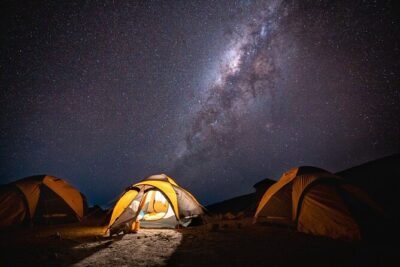 ★ 5.0Kilimanjaro climb by Lemosho Route (7-day)From $3,476651 reviews
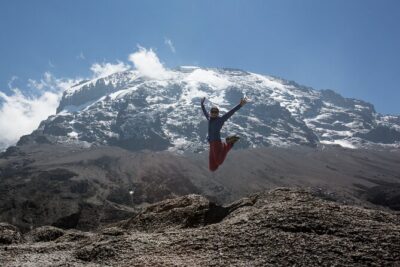 ★ 5.08-Day Small-group Lemosho Kilimanjaro Summit TrekkingFrom $2,895186 reviews
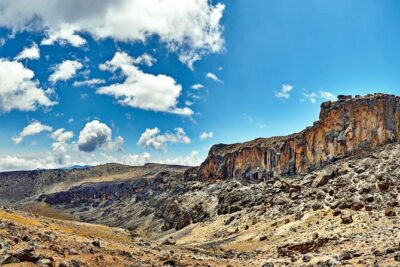 ★ 5.0Kilimanjaro climb, Lemosho Route (8-day)From $3,975148 reviews
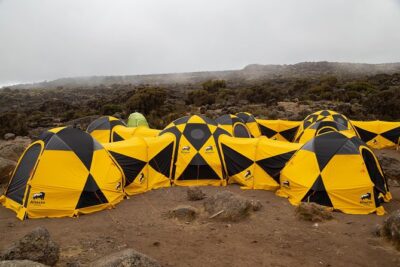 ★ 5.0Kilimanjaro climb, Lemosho Route (6-day)From $3,034129 reviews
 ★ 5.0Kilimanjaro Lemosho RouteFrom $2,89071 reviews
 ★ 5.0Private Kilimanjaro Hike 7 Day Lemosho RouteFrom $2,45060 reviews
 ★ 5.0Climbing Kilimanjaro through 8 days Lemosho RouteFrom $2,76052 reviews
 ★ 5.08 Days Kilimanjaro Hike via Lemosho RouteFrom $2,35039 reviews
Browse the lists this tour appears in