
REVIEW · KILIMANJARO MACHAME ROUTE
Climbing Kilimanjaro through 7 days Machame Route
Kilimanjaro gets real fast. This 7-day Machame Route from Moshi mixes rainforest, Lava Tower, and a summit push with a longer acclimatization plan.
What I like most is how the operator leans into support, not just altitude. Daily health checks, fresh meals, and an experienced team are part of the rhythm.
One consideration: Machame is often steeper and longer than some other routes, so you will want moderate physical fitness and patience with pacing.
In This Review
- Key things to know before you pick this Machame plan
- Moshi start point, real mountain rhythm
- The Machame Route, why the nickname matters
- Day-by-day flow (and what each stage is really like)
- Start: Machame Gate at about 1,800 meters
- Rainforest day to Shira Camp (where the routes meet)
- Lava Tower and the traverse toward Barranco
- Great Barranco Wall to Barafu Camp
- Summit day, then down by Mweka trail
- The crew and safety setup that drive comfort
- Camping style and meals, what you will actually feel
- Who this Machame climb fits best
- Value check: what you get for $2,425
- Practical tips to get the most from Machame
- Should you book this Machame 7-day Kilimanjaro trek?
- FAQ
- FAQ
- How long is the Machame 7-day Kilimanjaro route?
- Where is the meeting point in Moshi?
- What is included in the tour price?
- Do you get emergency oxygen on this trek?
- What is not included?
- Who guides the climb and what training do they have?
- What fitness level do I need?
Key things to know before you pick this Machame plan
- Whiskey Route approach: Machame is nicknamed the Whiskey Route, because it is longer and steeper than the Coca Cola (Marangu) option, but it helps acclimatization through walk high, sleep low.
- Certified, veteran guidance: Guides have at least 8 years on the mountain and Wilderness first responder certification.
- Oxygen on hand: Every climb includes an emergency oxygen cylinder.
- Food and check-ins are built in: Fresh nutritious meals plus daily health checks are part of how they manage risk.
- Camping setup included: Private tents, dining tent, mattresses, and crew tents are all covered, so you are not worrying about gear logistics.
- Return descent uses Mweka: After the summit, the plan uses the Mweka trail, rather than retracing the ascent.
Other ways up Kilimanjaro we reviewed
- Kilimanjaro climb by Lemosho Route (7-day)★ 5.0 · 651 reviews
- Kilimanjaro climb, Machame Route (7-day)★ 5.0 · 262 reviews
- Kilimanjaro Climbing Lemosho Route 8 Days.★ 5.0 · 186 reviews
- Climbing Kilimanjaro – Machame Route★ 5.0 · 170 reviews
Moshi start point, real mountain rhythm
This Machame 7-day climb is designed to feel like a steady working rhythm, not a sprint with big breaks. You start from Moshi at the Moshi Leopard Hotel on Market Street, and your tour ends back at that same meeting point.
What matters for you here is how early the mountain starts to shape the day. Kilimanjaro is not just a hike. It is a slow shift in air pressure, energy levels, and weather. When the tour is structured for that reality, you tend to climb calmer, eat better, and recover more. That is the sweet spot of this package.
Price-wise, it is listed at $2,425 per person. For Kilimanjaro, that sits in the “full-service” category. You are paying for a lot of human power (guides, chef, waiter, porters), proper camping support (tents and dining setup), meals, and the safety layer of emergency oxygen plus Wilderness first responder trained guides. If you compare only the base concept of Kilimanjaro treks, this can look pricey. If you compare what is actually handled on the mountain, it starts to make sense.
The Machame Route, why the nickname matters
Machame is known as the Whiskey Route. The nickname is a shorthand for what your body will feel: longer days and steeper sections, more often than some easier-leaning itineraries.
Here is the practical upside. The operator’s pitch is that Machame’s format gives you a very strong acclimatization chance because you are set up for walk high, sleep low. That pattern is often the difference between cruising through altitude and paying for every step later.
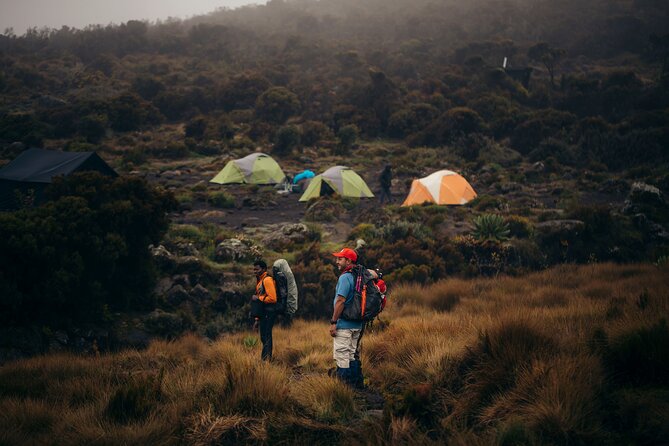
Also, you do not get only “the hardest bits.” You get the variety that makes Machame fun in a sustained way. Day one runs through rainforest. Later you move into volcanic-style scenery around Lava Tower. Then you hit the Barranco area, with that signature Great Barranco Wall climb. This is a route that keeps changing the terrain, which helps your mind when the air gets thin.
Day-by-day flow (and what each stage is really like)
The route description you provided focuses on the key markers. I’ll translate that into a clear sense of what you will experience across the 7 days, and what each segment is doing for you.
More Machame departures, compared
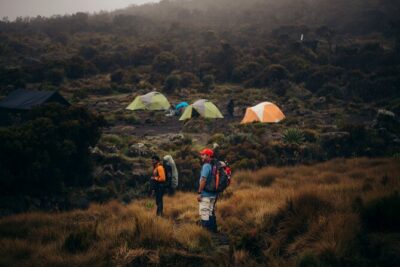
Start: Machame Gate at about 1,800 meters
You begin at Machame Gate around 1,800 meters. That starting elevation is important because it means you are not jumping straight into the highest zones. You ease into the climb with enough time to warm up and get your breathing pattern set.
Practical note: at the gate, you are basically setting your tone for the next week. The best climbs feel organized from the first hour, not chaotic. This operator emphasizes daily health checks and guide guidance, so the early stage is less about “go go go” and more about starting smart.
Rainforest day to Shira Camp (where the routes meet)
The first big “wow” is the rainforest hiking. Expect cooler, greener hiking compared to the later moonscape. Rainforest also tends to mean more humidity, which can make you feel like you are sweating constantly even when the grade is not steep.
By the end of the day you reach Shira Camp, and that is where the Lemosho route comes in from the west. The practical meaning for you is that the area can have more climbers at this stage. Machame is one of the busiest routes on the mountain, and Shira is part of why.
What to watch: with more people around, it is tempting to follow faster groups. Don’t. If you want the high success rate approach the operator talks about, your pacing matters more than your position in the line.
Lava Tower and the traverse toward Barranco
From Shira, the route moves to the southern side and continues toward Barranco, passing through Lava Tower.
Lava Tower is one of those landscape moments where you can feel the mountain shifting from lush to volcanic. You will likely see more dramatic rock forms and more exposed walking. Mentally, this is where many climbers feel the hike getting more “serious,” even if the effort is similar to earlier sections.
This segment also sets you up for what comes next. You are aiming to reach Barranco not just to “arrive,” but to position yourself for the next day’s climbing style, including the Great Barranco Wall.
Great Barranco Wall to Barafu Camp
Next you tackle the Great Barranco Wall, then continue on toward Barafu Camp.
This part is worth respecting. It is not usually a technical climb like a ladder route, but it is steep in feel and demanding in leg burn. The win is that you are already acclimatized compared to starting from sea level, and your pacing helps you handle this without blowing out.
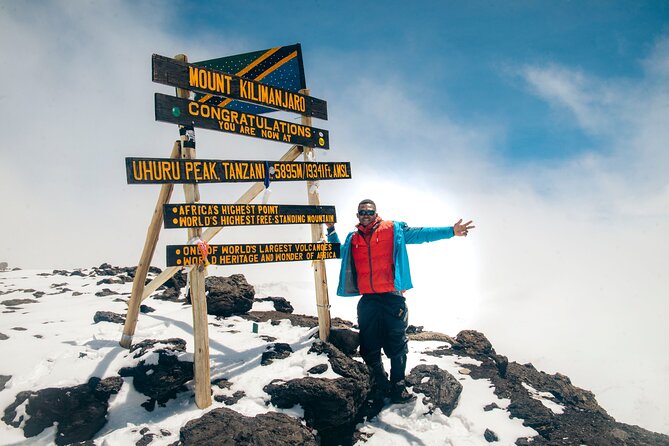
Barafu Camp is a key turning point. It is the kind of place where you stop thinking only about hiking and start thinking about the summit night rhythm. Even if you are not told every exact step here, the general pattern is clear: you get to the pre-summit area, rest, manage your energy, then move for the summit.
Summit day, then down by Mweka trail
After you reach the summit, the route switches to a descent plan that does something helpful: you descend via the Mweka trail rather than retracing your ascent.
That matters because a descent can be as punishing as the climb if you are repeatedly stepping into the same slopes. Using a different descent route often helps keep the hike feeling different, and it can reduce the monotony of your legs fighting the same terrain twice.
A good ascent and a smart descent both affect how you feel at the end. The Mweka plan is built to get you down with a clear end goal back toward Moshi.
The crew and safety setup that drive comfort
One reason this operator stands out is the human system built around you. Guides are described as having at least 8 years on Kilimanjaro and Wilderness first responder certification. That is a big deal because altitude emergencies can be chaotic for amateurs. Here, the goal is to keep decisions methodical.
They also say they manage climbers’ health with:
- Daily health checks
- Fresh nutritious meals
- Special guidance from the guide to improve summit chances
Then there is the safety layer that many people only think about after something goes wrong: emergency oxygen cylinder is included on climbs.
I like that they do not treat safety as a last-second add-on. Oxygen and first responder training signal that they think about the full mountain reality, not just the fun photos.
Camping style and meals, what you will actually feel
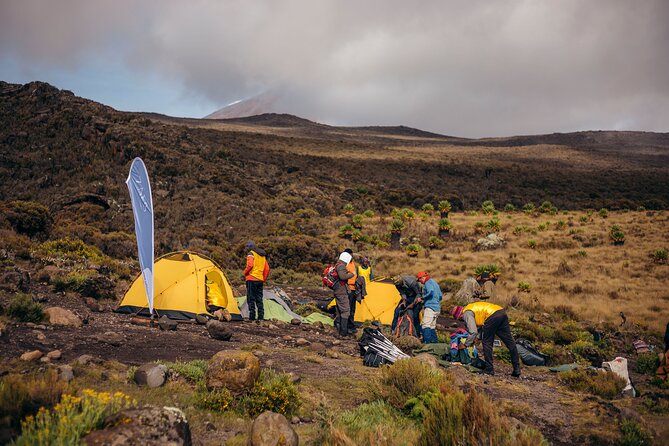
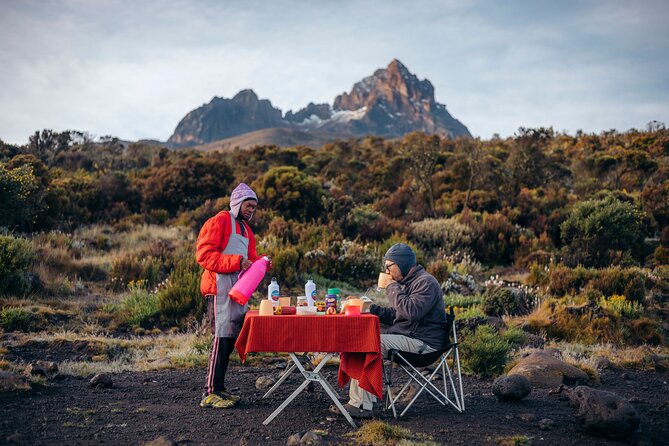
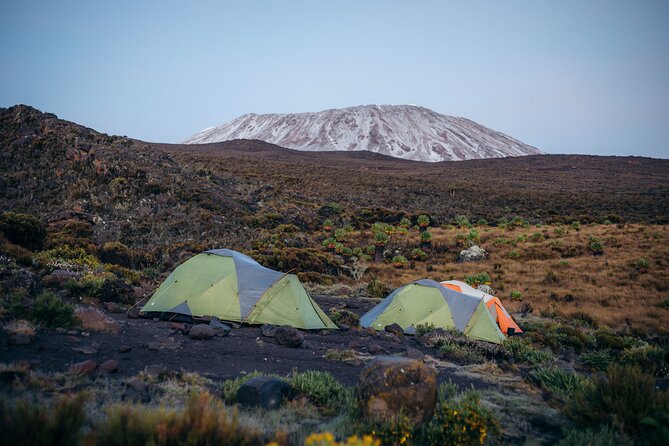
This is a camping trip, but the package is not “bring your own everything.” Included items cover camping infrastructure such as private tents, dining tent, mattresses, tables and chairs, plus utensils and cutlery.
That is practical comfort. It affects your sleep and your ability to recover. At altitude, sleep is precious. If camp life is messy, you feel it the next morning.
Food is another big one. You get breakfast daily, healthy lunch on all mountain days, and dinner daily with cooking by an expert chef. Coffee and/or tea are included too.
In real mountain terms, good food is fuel and morale. If you are under-eating, the climb feels harder. If you are eating on schedule, you are more likely to keep your energy stable during steeper sections like Great Barranco Wall and the summit night period.
Who this Machame climb fits best
This route is listed for travelers with moderate physical fitness. That does not mean “easy.” It means you do not need to be an athlete, but you do need to show up able to hike for hours, handle steep grades, and keep a steady pace.
If you like structure and support, this is a strong fit. The operator also notes the climb has a great success rate, and the Machame plan’s longer acclimatization style is the reason they give.
If you are someone who gets anxious when things change, the focus on health checks and guide guidance may help you stay calm. If you are stubborn and insist on walking faster than your body allows, you might fight the very thing that makes Machame work.
Value check: what you get for $2,425
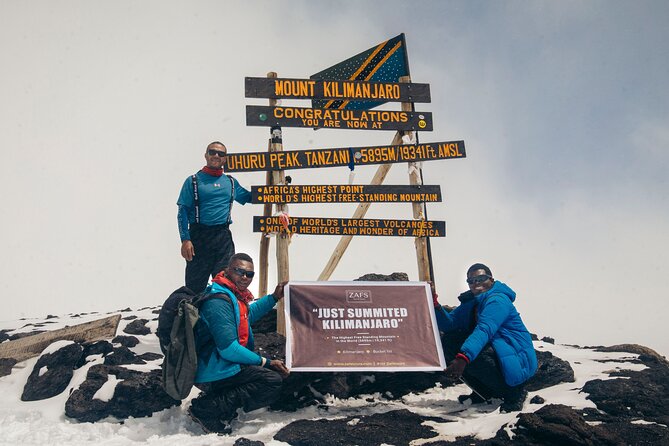
Let’s talk value in the way that matters on Kilimanjaro. You are not just paying for a route. You are paying for:
- Qualified, experienced guides plus Wilderness first responder training
- A full crew system (chef, waiter, porters) to keep camp functioning
- Meals, including fresh breakfast, lunches, and daily dinner
- Camping gear and setup, including tents and dining space
- Safety equipment like emergency oxygen cylinder
- Private transportation and all fees and taxes
So where does value usually break for other treks? It breaks when you see gaps like underfed hikers, minimal camp support, or unclear safety plans. Here, the design is to avoid those gaps. You still do the hardest work yourself, but logistics and medical readiness are handled.
If you are traveling solo and want a guided group environment, a private tour/activity means only your group participates. The reviews you provided repeatedly mention team coordination and being taken care of, including support from guides such as Musa and Mushi, and leaders including Alex, Gabriel, Farooq, and others. That kind of consistent, friendly crew culture is often a make or break factor on long mountain days.
Practical tips to get the most from Machame
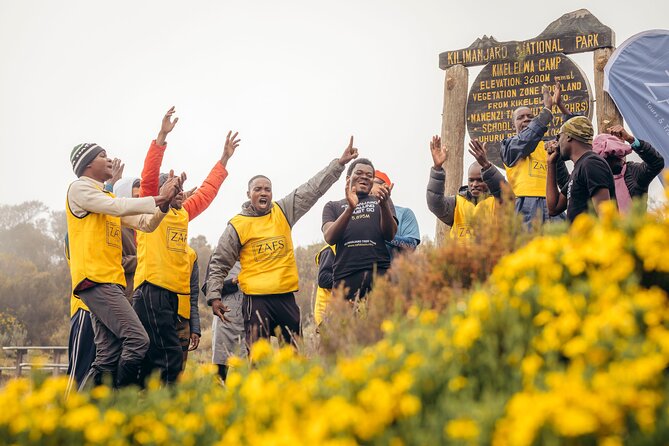
Here are the things that will help you match the operator’s strengths.
- Follow your guide’s pacing, not your ego. Machame succeeds largely because acclimatization is treated seriously.
- Take health checks seriously. If your guide recommends slowing down or adjusting effort, it is not negotiable.
- Eat even when you do not feel like it. Steeper days and summit night punish low fuel.
- Plan for camp comfort. Use the included camp setup. Sleep matters more than you think at altitude.
- Be ready for busy trail sections. Machame is one of the busiest routes. That does not ruin the experience, but it does mean crowds at certain junctions.
Should you book this Machame 7-day Kilimanjaro trek?
Book it if you want a full-service Kilimanjaro experience with strong safety structure, daily health monitoring, and real camp support. If you like having a trained team around you and you value meals and camping comfort as part of your summit strategy, this package fits.
Skip or reconsider if you want a shorter, less demanding profile, or if you dislike steeper walking and longer days. Machame is longer and steeper in places than some alternatives. That is exactly why it is built for better acclimatization, but you still need to be honest about your own fitness.
FAQ
FAQ
How long is the Machame 7-day Kilimanjaro route?
The duration is listed as about 7 days.
Where is the meeting point in Moshi?
The start meeting point is Moshi Leopard Hotel, Market St, Tanzania.
What is included in the tour price?
The package includes private transportation, all fees and taxes, breakfast, lunch, dinner, coffee and/or tea, camping equipment (such as private tents and dining tent setup), and a mountain crew including guides, chef, waiter, and porters.
Do you get emergency oxygen on this trek?
Yes. The tour states that all climbs are equipped with an emergency oxygen cylinder.
What is not included?
Pre and post hike accommodation in Moshi is available on request, which means it is not included as part of the base package.
Who guides the climb and what training do they have?
Guides have a minimum of 8 years of experience on the mountain and are certified for Wilderness first responder.
What fitness level do I need?
The tour is for travelers with a moderate physical fitness level.
More Machame Departures
- Kilimanjaro climb, Machame Route (7-day)
★ 5.0 · 262 reviews - Climbing Kilimanjaro – Machame Route
★ 5.0 · 170 reviews - #1. Best Kilimanjaro Day hike Tour-Machame Route-ISMANI
★ 4.2 · 47 reviews - 7 Days Machame route – Kilimanjaro
★ 5.0 · 45 reviews - The Best of Machame Route in 6 Days: Your World’s Summit Guide
★ 5.0 · 44 reviews
Kilimanjaro, Route by Route
- Kilimanjaro climb by Lemosho Route (7-day)
★ 5.0 · 651 reviews - Kilimanjaro climb, Machame Route (7-day)
★ 5.0 · 262 reviews - Kilimanjaro Climbing Lemosho Route 8 Days.
★ 5.0 · 186 reviews - Climbing Kilimanjaro – Machame Route
★ 5.0 · 170 reviews - Kilimanjaro climb, Lemosho Route (8-day)
★ 5.0 · 148 reviews
Just added from around Moshi
Kilimanjaro Machame Route, compared.
 ★ 5.0Kilimanjaro climb, Machame Route (7-day)From $3,377262 reviews
 ★ 5.0Climbing Kilimanjaro – Machame RouteFrom $2,322170 reviews
 ★ 5.07-Day Machame Kilimanjaro Summit Tour from ArushaFrom $2,695125 reviews
 ★ 5.07 Days Kilimanjaro via Machame route affordable priceFrom $2,400110 reviews
 ★ 4.2#1. Best Kilimanjaro Day hike Tour-Machame Route-ISMANIFrom $11547 reviews
 ★ 5.07 Days Machame route – KilimanjaroFrom $2,85045 reviews
 ★ 5.0The Best of Machame Route in 6 Days: Your World’s Summit GuideFrom $1,15044 reviews
 ★ 5.0Best Kilimanjaro Adventure 7 days Machame route TrekkingFrom $1,20042 reviews
Browse the lists this tour appears in