
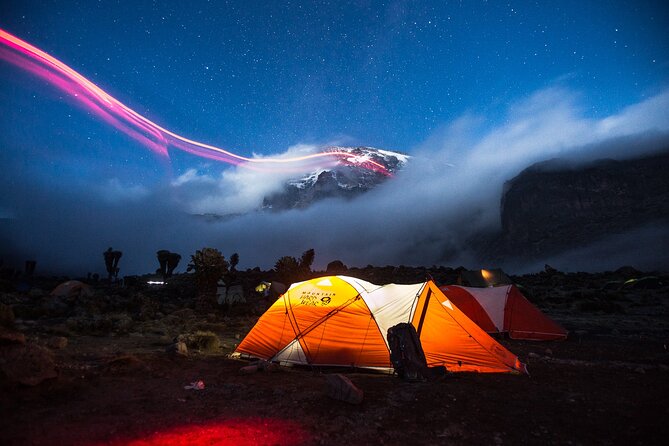
REVIEW · KILIMANJARO MACHAME ROUTE
7-Day Machame Kilimanjaro Summit Tour from Arusha
Kilimanjaro is a test, not a theme park. This 7-day Machame climb from Arusha moves through multiple climate zones with a small group and full-service camping, so you can focus on pacing, breathing, and the next ridge.
For me, the best part is that the plan is built for the reality of altitude, with acclimatization days and a midnight summit push that targets sunrise at Stella Point. The second big win is how the trip is handled end to end, with round-trip mountain logistics from your Arusha hotel and a crew that sets camp and keeps things running. One thing to weigh, though, is that Machame is tougher than the easier-sounding alternatives, so you should come in with solid hiking fitness and experience.
In This Review
- Key Points That Make This Machame Summit Tour Work
- Machame From Arusha, the Climb You Actually Need to Train For
- Price and Value: What $2,695 Covers Beyond a Scenic Name
- Entering Kilimanjaro at Machame Gate: Rainforest Footing on Day 1
- Day 2 to Shira Camp: Moorland Turns and a Steeper Mindset
- Day 3 Acclimatization Trek to Lava Tower: The Plan That Saves You
- Day 4 Through Barranco Wall to Karanga Camp: Where Stamina Gets Tested
- Day 5 to Kosovo Camp, Passing Barafu for Big Views
- Day 6 Midnight Summit Push to Stella Point and Uhuru Peak
- Day 7 Down to Mweka Gate: Finishing Strong and Getting Warm Again
- Guide and Crew Support: Why This Operator Gets So Much Credit
- Gear and Pace Tips That Match the Machame Itinerary
- Should You Book This 7-Day Machame Summit Tour From Arusha?
- FAQ
- How long is the Machame Kilimanjaro summit tour from Arusha?
- Where does the tour start and what time do you begin?
- What is the maximum group size?
- Does the price include transfers and camping essentials?
- What level of fitness and experience do you need?
- When is the summit attempt?
- If I cancel, do I get my money back?
Key Points That Make This Machame Summit Tour Work
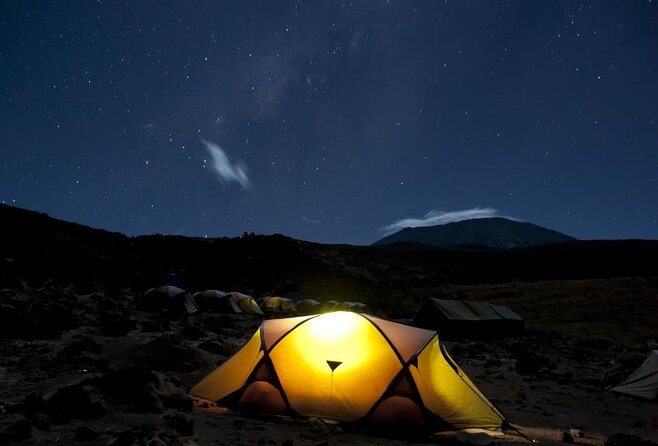
- Maximum group size of 6 keeps the climb calmer and more coach-like for your guide.
- Camping gear, meals, and fees are included, so you are not piecing the trip together at the last minute.
- Day-by-day altitude plan includes Lava Tower acclimatization before moving toward higher camps.
- Midnight summit start aims for sunrise from Stella Point, then a push to Uhuru Peak.
- Round-trip transfers from your Arusha hotel reduce stress on the start and finish days.
Other ways up Kilimanjaro we reviewed
- 8-Day Small-group Lemosho Kilimanjaro Summit Trekking★ 5.0 · 186 reviews
- 7-Day Machame Kilimanjaro Summit Tour from Arusha★ 5.0 · 125 reviews
- Mountain Kilimanjaro Day Hike★ 5.0 · 102 reviews
- 4 days Best experience Kilimanjaro Hike, Serengeti &Ngorongoro★ 5.0 · 54 reviews
Machame From Arusha, the Climb You Actually Need to Train For
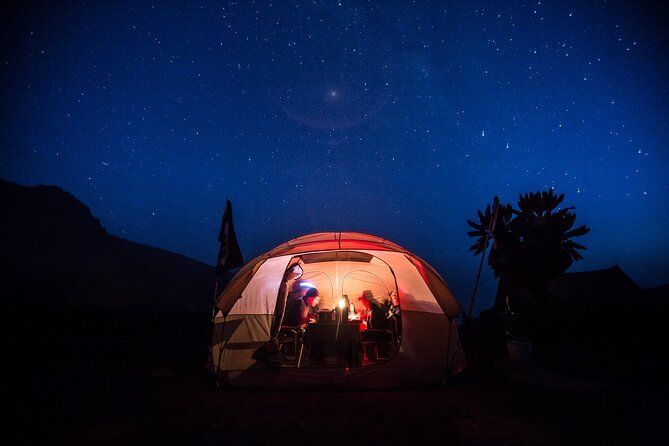
If you want a Kilimanjaro hike that feels like trekking, Machame is the real deal. Over seven days, you work through forest, moorland, alpine zones, then the arctic feel near the summit circuit. The altitude is the headline, but the effort is the daily story: long climbs, sharp changes in air temperature, and trails that can get muddy early on.
This route also demands more of you than the gentler reputation some other routes have. The tour is designed for people with previous hiking experience, and that matters. You do not need to be a mountaineer, but you do need to be comfortable hiking uphill for hours, managing your breathing, and keeping a steady pace when you feel tired.
One of the practical benefits of going from Arusha is that your body and schedule start in a more controlled way. You meet the team, transfer to the Machame Gate, and begin with a rainforest hike that is hard enough to get you moving, but not so hard that you burn yourself out on day one. That balance shows up again and again in the itinerary choices.
Price and Value: What $2,695 Covers Beyond a Scenic Name
$2,695 per person is not cheap, but this is one of those trips where the cost mostly reflects the mountain operations. You are paying for guided leadership, mountain crew work, camping equipment logistics, meals, and park and trail fees, plus admission tickets tied to the route. For many people, that is the difference between a smooth climb and a stressful one.
Here is how I think about the value. On Kilimanjaro, your biggest risks are often not dramatic. They are small, annoying failures: missing a key permit, not getting proper camp support, arriving without the right gear, or losing time because basics were not handled. A well-run operator protects you from those failures so your training and mental game can do their job.
You also get a small group. That is not a marketing line. With a maximum of 6 people, the guide has an easier time watching your pace, talking you through weather changes, and managing the group when the trail gets narrow or visibility drops. In several accounts, climbers emphasize feeling safe and closely supported, and that aligns with this kind of group size.
Possible downside on value: one person rated the experience 4 out of 5 and pointed to hotel quality before and after the trek compared to other operators at a similar price. The mountain part may be strong, but your pre- and post-hike comfort can be a mixed bag depending on what you get. If you care a lot about hotels the night before and after, ask what the plan is for those stays and what level of comfort you should expect.
Entering Kilimanjaro at Machame Gate: Rainforest Footing on Day 1
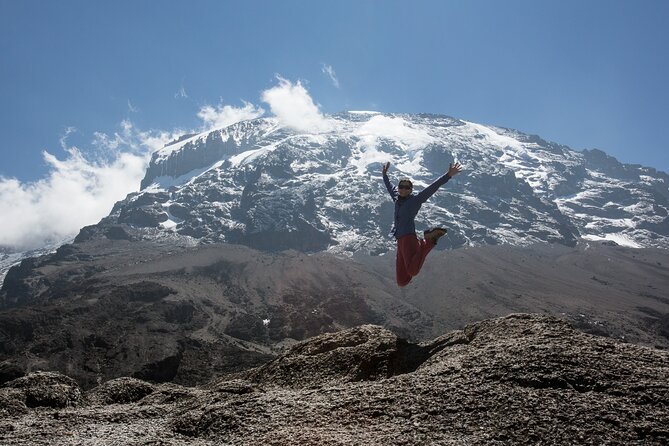
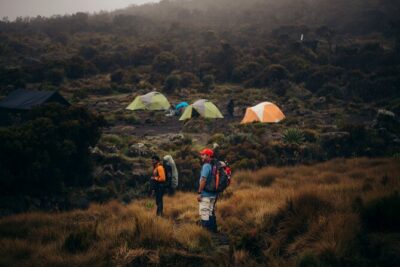
Your day starts with pickup and transport from your Arusha hotel. Then you move from the Machame Gate into the rainforest on a winding trail up a ridge. The altitude starts at about 9,400 feet (2,865 m), but the main challenge early is traction. Lower down, the trail can be muddy and slippery.
This is where a few practical items pay off fast:
- Trekking poles help you keep balance on slick ridges.
- Gaiters can help with mud and wet trail sections.
- You will want a steady, not heroic, pace. Early effort can make later days harder.
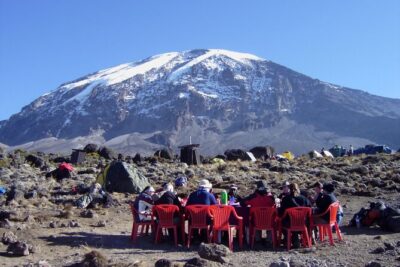
At Machame Camp, the trip shifts from walking to camp rhythm. Your tent is set up, personal belongings are ready, and dinner happens on schedule. That camp support is a big part of why Machame works well as a guided, structured experience rather than a DIY project.
Total time on day one is listed around 5 to 7 hours, with a climb time described around 5 to 7 hours and a lower-stress landing at camp. This day is about getting your legs awake and learning how to move efficiently, not about winning the climb.
More Machame departures, compared
Day 2 to Shira Camp: Moorland Turns and a Steeper Mindset
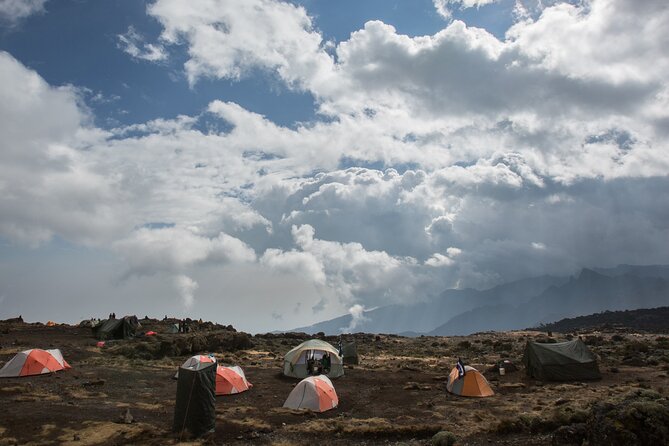
After breakfast, the hike shifts out of the rainforest glades and into a drier, more demanding altitude zone. You cross a little valley and walk along a steep rocky ridge before reaching moorland covered with heather. After that, the route turns west onto a dry river gorge.
You reach around 12,500 feet (3,810 m), with the walk listed around 4 to 6 hours. The shorter distance is not a free pass. At altitude, “less distance” often just means “more time breathing carefully.”
In my experience, moorland days like this feel mentally different because there are fewer distractions. You cannot just focus on scenery. You have to manage effort, keep your steps smooth, and accept that your body is working harder than it would at sea level. If you come in with hiking experience, this day usually feels like a sharp upgrade rather than a surprise.
You finish at Shira Camp, then get rest, dinner, and sleep. This is also the day that quietly matters for acclimatization. The better you protect your energy on day two, the easier day three tends to be.
Day 3 Acclimatization Trek to Lava Tower: The Plan That Saves You
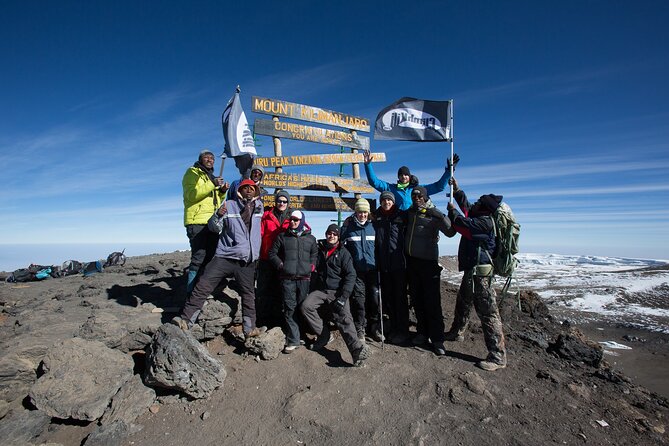
Day three is the “trust the itinerary” day. You take an acclimatization trek to the Lava Tower at about 15,000 feet (4,500 m). Shortly after, you reach a junction that brings you up toward the Arrow Glacier area, then you rest before descending.
This section is not just scenic. Acclimatization treks teach your body how to handle higher elevations while still giving you enough time at lower or mid camps to recover.
From there, you descend into the Senecio forest, and you pass a waterfall before finishing at Barranco Camp. Barranco Camp is set in a dramatic spot near the Barranco wall, and the breeze can carry clouds from the Barranco Valley. That means conditions can change quickly, so pack for cold wind, not just cold air.
The day is listed as a longer effort, around 6 to 8 hours total, reaching roughly 13,000 feet (3,962 m) at the end. The upside is clear: this day gives you a real acclimatization boost that supports the next push toward the Kibo area.
Day 4 Through Barranco Wall to Karanga Camp: Where Stamina Gets Tested
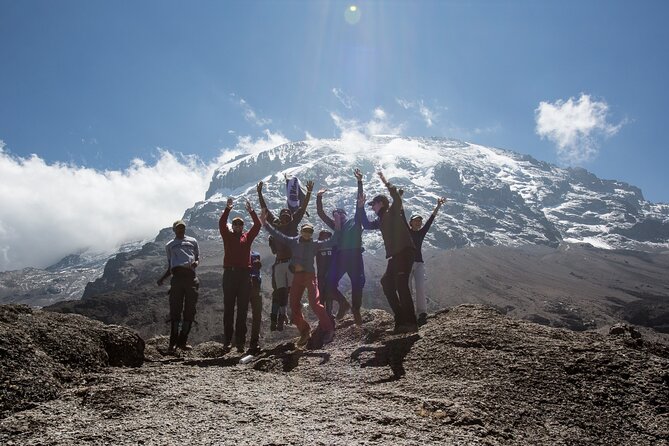
Day four targets one of Kilimanjaro’s more memorable obstacles: the Barranco Valley and the Barranco wall. The plan is to conquer that valley and then move into the arctic zone of Kili, following the South Circuit path through the Karanga Valley.
You camp at Karanga Camp. The climb is listed around 4 to 5 hours, reaching about 13,100 feet (3,992 m) at that stage.
This is where I like to think about your pace like a budget. If you spend too much energy on day four, you borrow it back with stress later. The Barranco wall section can feel like a grind because you are climbing with thinner air, and your legs do not get the same comfort they would at lower altitude.
The good news is that this day’s purpose is clear. It moves you into the higher zones while still keeping the schedule aligned with acclimatization. You are not just going higher because you can. You are going higher because the route is preparing you for day five and day six summit demands.
Day 5 to Kosovo Camp, Passing Barafu for Big Views
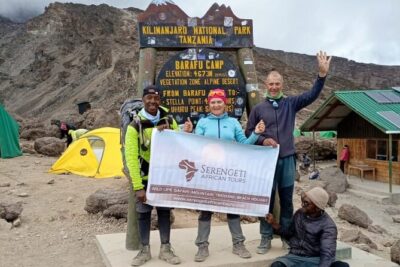
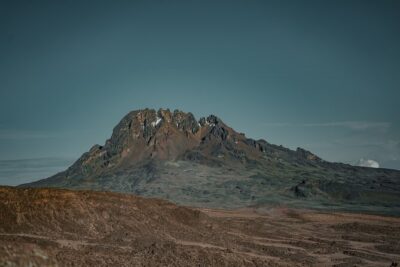
On day five, you take a slow pace to Kosovo Camp. The route passes Barafu Camp, where you get excellent views of Kibo and Mawenzi peaks. That matters because it helps you visualize the summit skyline you are working toward.
You reach around 16,000 feet (4,876 m) at this stage, with a listed hike time around 5 to 6 hours. Even though this day is paced for slow walking, do not treat it like a light day. At these elevations, your “easy pace” is still real work.
Kosovo Camp is described as exposed on a ridge, so you need to be comfortable with wind and potential darkness logistics. This is a day for focus: hydrate, eat, keep warm early, and make sure you know how you plan to handle the cold before summit night.
This is also the psychological bridge. You are no longer “training.” You are preparing for the midnight push. Having a steady routine here, eating what the crew provides, and keeping your mind calm pays off on day six.
Day 6 Midnight Summit Push to Stella Point and Uhuru Peak
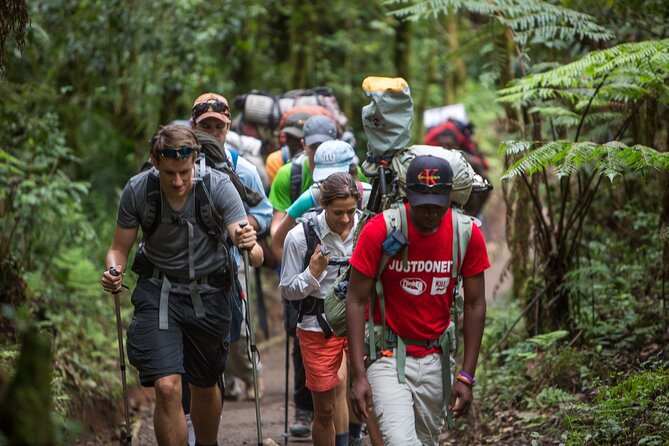
This is the day people remember. You start at midnight to conquer Kilimanjaro’s highest point. The route described is considered one of the steepest on the non-technical paths, and the timing is tight because you are hiking in the dark toward sunrise.
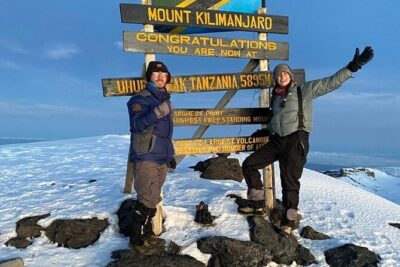
The climb takes about 6 to 7 hours to reach Stella Point, where you can see the sunrise. From Stella Point, the route leads to Uhuru Peak, described as about 1 hour after Stella Point, with views of the “rooftop of Africa.”
The altitude here is serious. You move from around 19,340 feet (5,895 m) as listed for the summit day section, and the total effort includes an ascent and long descent. The plan lists roughly 13 miles (21 km) total, including 5 km ascent and 12 km descent, with 4 to 6 hours for the descent.
What makes this segment hard is not technical climbing, but the combination of:
- heavy scree sections while ascending through crater rim terrain
- cold, fatigue, and low visibility
- the mental demand of steady uphill movement when you are already worn down from several prior days
From Stella Point, you finish the summit moment, then descend down to Mweka Camp for dinner and celebration. In many climbs, that celebration is not loud. It is tired relief. But it is real.
One more practical note: if you have cold hands, cold feet, or you sweat easily when climbing, summit night needs your strategy. Dress in layers you can manage, keep your head covered, and avoid overheating on the ascent. Since the itinerary focuses on summit timing, you cannot just slow down without consequences, so gear discipline matters.
Day 7 Down to Mweka Gate: Finishing Strong and Getting Warm Again
Day seven is the payoff day. After a morning walk from Mweka Camp to Mweka Gate, you reflect on the weeks effort while the vehicle waits to transfer you to your hotel for a shower.
The descent is listed at about 5,400 feet (1,645 m), with a walk of about 3 to 4 hours and distance around 6.4 miles (10.3 km). The listed total time shows about 4 hours, including the end-of-route flow back to town.
This day can feel surprisingly emotional because you are moving at a comfortable pace again, but you also know how much you survived to get there. The shower is not a luxury. It is part of the recovery plan.
Guide and Crew Support: Why This Operator Gets So Much Credit
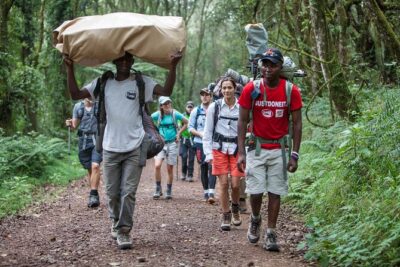
This climb lives or dies by the people running the mountain side. Across multiple accounts, the consistent praise is about safety, attention, and how much effort the crew puts into helping people reach the summit.
You may climb with lead guides such as Herment Mosha and Steve, with assistant guides including Florian. Other names showing up in accounts include Godlove, Manny, Singer, James, Daniel, Dale, Benny Mrosso, and others. I cannot promise you will get any particular person, but the common theme is that the guiding team is experienced and present.
What that means for you on the mountain:
- the guide watches your health and adjusts pacing
- porters and chefs handle camp setup and meals so you do not lose energy to logistics
- the team communicates clearly before and during the climb, which matters a lot when your brain is tired
One thing I like from the feedback is that climbers describe the company feeling invested in the outcome, not just checking boxes. People also mention feeling safe even on solo trips, including being met right after arrival and guided through the journey with support.
If you are nervous about summit night, this is the kind of support you want. On Kilimanjaro, confidence often comes from small things: knowing what time you leave, knowing what to wear, knowing how long a segment really takes, and having someone who can read the group and make smart calls.
Gear and Pace Tips That Match the Machame Itinerary
The itinerary includes cold nights, windy camps, muddy lower trails, and a steep summit push. So gear should match those realities.
Here are practical choices that fit the route:
- Trekking poles for day one slippery ridges and for fatigue management later.
- Gaiters for mud and wet trail sections early on.
- Layering for the arctic zone, since you move into much colder air by day four and day five.
- A steady hydration and eating plan. The itinerary is structured with breakfast, camp meals, and dinner each night, but your body still needs consistent fuel.
- Train for uphill. Even if you do not have mountaineering experience, you should practice hiking with a pack and learn how your knees and lungs respond.
Pace is everything on Kilimanjaro. With Machame, you do not “go fast and hope.” You walk at a rhythm you can keep for hours, especially after altitude starts climbing. If you ever feel like you are forcing the pace, slow down earlier than you think. The mountain does not reward bravery at 19,000-plus feet.
Should You Book This 7-Day Machame Summit Tour From Arusha?
You should consider booking this tour if you:
- want the Machame route specifically, with a week-long progression and a clear acclimatization plan
- prefer a small group for better attention and less chaos on the trail
- value an operator that handles the mountain side with camping gear, meals, and fees included
I would think twice if:
- you have limited hiking experience and cannot handle a tougher-than-Mangaru style trek
- you care a lot about the hotel quality right before and after the climb, since at least one account flagged that as a weaker spot
If your goal is a classic Kilimanjaro experience, built around real acclimatization and a midnight summit bid, this Machame plan from Arusha is exactly the kind of structured challenge that can deliver the summit moment, while keeping you safer and more comfortable along the way.
FAQ
How long is the Machame Kilimanjaro summit tour from Arusha?
It runs for 7 days approximately.
Where does the tour start and what time do you begin?
The meeting point is Summit Lodge, Sakina Raskazone, Arusha, and the start time is 8:00 am.
What is the maximum group size?
This tour has a maximum of 6 travelers.
Does the price include transfers and camping essentials?
Yes. The tour offers round-trip transfers from your Arusha hotel, and it includes camping equipment, fees, and meals.
What level of fitness and experience do you need?
The tour is suitable for people with previous hiking experience and recommends a strong physical fitness level.
When is the summit attempt?
The summit attempt includes a midnight start, with the hike to Stella Point for sunrise, then continuing toward Uhuru Peak.
If I cancel, do I get my money back?
You can cancel up to 24 hours in advance for a full refund. If you cancel less than 24 hours before the start time, the amount you paid will not be refunded.
More Machame Departures
- 6 Days: Hiking Kilimanjaro via Machame Route
★ 5.0 · 24 reviews - 6-Day Guided Tour in Machame Route Mt Kilimanjaro
★ 5.0 · 17 reviews - KILIMANJARO MACHAME ROUTE, (Climb 7days)
★ 5.0 · 16 reviews - 7 days Kilimanjaro climb via Machame route (Whiskey route)
★ 5.0 · 16 reviews - Kilimanjaro Climb Via Machame Route
★ 5.0 · 15 reviews
Kilimanjaro, Route by Route
- 8-Day Small-group Lemosho Kilimanjaro Summit Trekking
★ 5.0 · 186 reviews - Mountain Kilimanjaro Day Hike
★ 5.0 · 102 reviews - 4 days Best experience Kilimanjaro Hike, Serengeti &Ngorongoro
★ 5.0 · 54 reviews - From Arusha/Moshi: Kilimanjaro Hike Marangu Route Day Trip
★ 4.5 · 54 reviews - Mount Kilimanjaro Day Hike Through Marangu Route to Mandara Hut
★ 5.0 · 37 reviews
Just added from around Arusha
Kilimanjaro Machame Route, compared.
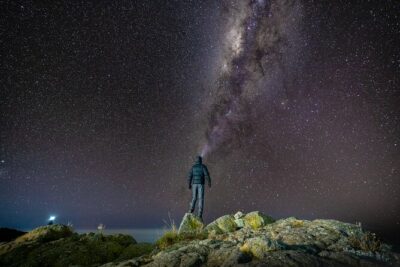 ★ 5.0Kilimanjaro climb, Machame Route (7-day)From $3,377262 reviews
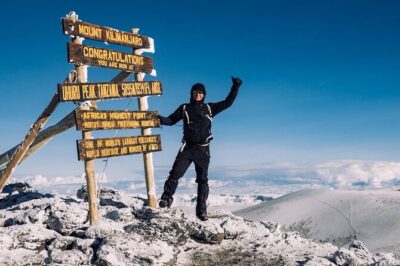 ★ 5.0Climbing Kilimanjaro – Machame RouteFrom $2,322170 reviews
 ★ 5.0Climbing Kilimanjaro through 7 days Machame RouteFrom $2,425151 reviews
 ★ 5.07 Days Kilimanjaro via Machame route affordable priceFrom $2,400110 reviews
 ★ 4.2#1. Best Kilimanjaro Day hike Tour-Machame Route-ISMANIFrom $11547 reviews
 ★ 5.07 Days Machame route – KilimanjaroFrom $2,85045 reviews
 ★ 5.0The Best of Machame Route in 6 Days: Your World’s Summit GuideFrom $1,15044 reviews
 ★ 5.06 Days Machame Route Kilimanjaro ClimbingFrom $2,60042 reviews
Browse the lists this tour appears in