
REVIEW · KILIMANJARO MACHAME ROUTE
7 days Kilimanjaro climb via Machame route (Whiskey route)
Kilimanjaro demands respect from day one. This Machame (Whiskey) route strings together rainforest, moorland, semi-desert, and a crater-rim summit push, so the scenery changes fast. I like how the climb also gives you an acclimatization “win” built into the route, especially the tough day that includes a notable descent afterward. One catch: this itinerary is steep and demanding, so you want solid fitness and real hiking stamina before you start.
My favorite part is the way camp life is set up for people who are tired but still need to function. You get quality, waterproof, four-season private mountain sleeping tents, plus mess tents with table and chairs, and all meals while on the mountain. The other big comfort factor is the water system, including purified drinking water and porters boiling water for washing and drinking.
You should also know what you are signing up for, cold and wind included. Some nights drop well below freezing, and the summit night is staged to leave around 23h30, which means very little sleep and lots of effort in the dark.
In This Review
- Key highlights worth your attention
- Why Machame is called Whiskey, and why it feels so scenic
- Price and value: what $2,300 includes, and what it does not
- Day 1 from Arusha to Machame Gate: the rain-forest mud test
- Day 2 to Shira Plateau: moorland legs and glacier views
- Day 3 via Lava Tower: the toughest day so far, and the smart descent
- Day 4 up the Great Barranco Wall: short, steep, and mostly doable
- Day 5 to Barafu Camp: wind, rock, and the last water reality check
- Day 6 summit night: Stella Point at 5,685m and sunrise pressure
- Day 7 Mweka Gate and completion certificates: celebration and descent
- Camp comfort that helps you recover, not just survive
- How hard is this Machame Whiskey climb, really
- Should you book Serengeti African Tours for Machame?
- FAQ
- What route is this climb using?
- How long is the trek, and where does it start and end?
- What’s included in the price?
- What is not included?
- What are the highest points on the route?
- What group size should I expect?
Key highlights worth your attention
- Machame, also called the Whiskey route: Classic variety from rainforest to alpine desert, with big views of glaciers.
- Built-in acclimatization moment: The Lava Tower day includes a descent that helps you absorb altitude.
- A summit-night plan with purpose: You head out around 23h30, reach Stella Point at 5685m, then press on toward Uhuru Peak.
- Camp comfort that matters at altitude: Waterproof, four-season private tents, plus mess tents with table and chairs.
- Food and water handled for you: All meals on the mountain, purified drinking water, and porters boiling water for washing.
- Small-group feel: Maximum 16 travelers.
Other ways up Kilimanjaro we reviewed
- 8-Day Small-group Lemosho Kilimanjaro Summit Trekking★ 5.0 · 186 reviews
- 7-Day Machame Kilimanjaro Summit Tour from Arusha★ 5.0 · 125 reviews
- Mountain Kilimanjaro Day Hike★ 5.0 · 102 reviews
- 4 days Best experience Kilimanjaro Hike, Serengeti &Ngorongoro★ 5.0 · 54 reviews
Why Machame is called Whiskey, and why it feels so scenic
Machame is the most popular Kilimanjaro route for a reason: the terrain keeps switching. You start in rain forest conditions where mud and slips can be real, then you climb into moorland, then move into semi-desert around Lava Tower, and finally into alpine desert territory.
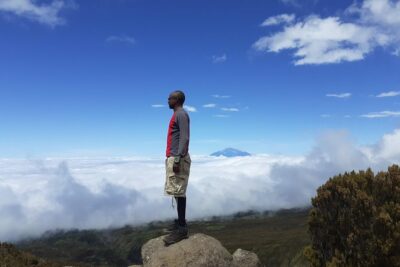
I also like that the route is visually rewarding as you gain altitude. On Day 2, after the moorland stretch, you reach the Shira plateau and can look toward the Western Breach with stunning glaciers. Later, Day 4 brings the Great Barranco Wall, where you crest high enough to be above the clouds and spot the Heim Glacier.
The Whiskey nickname often comes up because this route is intense and efficient, not because it is easy. Expect steep climbing and cold nights, and plan to take it one step at a time.
Price and value: what $2,300 includes, and what it does not
At $2,300 per person, this is not a budget trek. The value is in what is already covered: the park fees and rescue fees, professional mountain guides, all meals while on the mountain, and purified drinking water.
You also get camping comfort included. Quality waterproof, four-season private tents and mess tents with table and chairs are a big deal when you are shivering, because you need a warm, dry place to reset between trekking days.
What is not included is equally important for your budgeting. You are responsible for tips, flights, and your personal climbing gear. So if you are building a total trip budget, add those costs early rather than hoping they stay small.
Day 1 from Arusha to Machame Gate: the rain-forest mud test
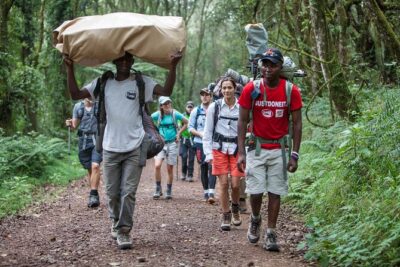
Day 1 starts with breakfast in Arusha (about 1400m), then pickup and a drive to Machame Village. From there, you head toward the Machame gate, and if road conditions require it, you may walk about 3 km through muddy terrain that can take around an hour.
Then you register at the gate office and you begin climbing almost immediately into the rain forest. This is where the trek can surprise you: rain is possible, and wet trail conditions can turn the path soggy, muddy, and slippery. You’ll have a welcome lunch stop about halfway before continuing upward to camp.
Practical advice here is simple. Treat traction like it matters, because it does. If you have trekking shoes that grip well and you wear layers you can manage in damp air, Day 1 will feel more under control.
More Machame departures, compared
Day 2 to Shira Plateau: moorland legs and glacier views
You rise at Machame camp, eat breakfast, and start with a climb of about an hour into the forest zone. After that, the route eases into moorland for roughly two hours at a gentler gradient, which is a nice mental break after Day 1’s wet grind.
Then you push up a rocky ridge and reach the Shira plateau. By this point, you can see in an easterly direction, including the Western Breach and its glaciers. You finish the day at the Shira campsite at 3,840m, where temperatures can drop well below freezing overnight.
One more detail I appreciate: porters boil drinking and washing water before dinner. You still won’t have “real luxury,” but the system helps you stay functional when you need to eat, rest, and recover.
Day 3 via Lava Tower: the toughest day so far, and the smart descent
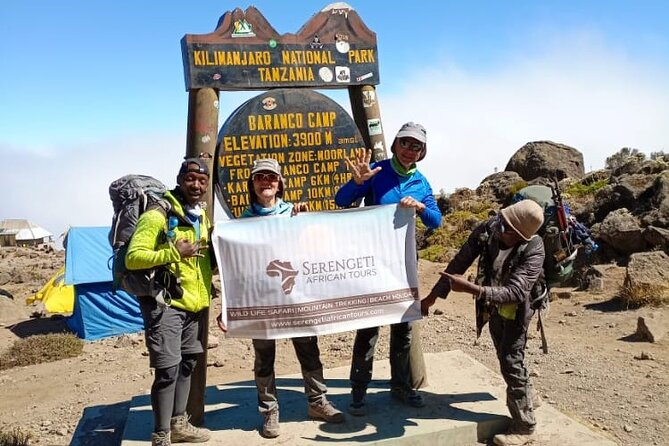
Day 3 is where Machame starts to feel serious. The route turns east into semi-desert and rocky terrain around Lava Tower, and you reach 4,630m after about five hours of walking.
This is also the day where some climbers can start feeling altitude symptoms such as breathlessness, irritability, and headaches. Your best move is to keep your pace steady, because rushing tends to backfire at this height.
After lunch and an additional rocky push toward Lava Tower (4,630m), you then descend almost 680m to the Barranco camping area near 4,600m. That descent is not a “cop-out,” it is a genuine acclimatization benefit, giving your body a chance to adjust while you still stay at a high altitude.
If you want a route that includes a built-in acclimatization win, this day is a reason to choose Machame. It is tough, but the structure makes sense.
Day 4 up the Great Barranco Wall: short, steep, and mostly doable
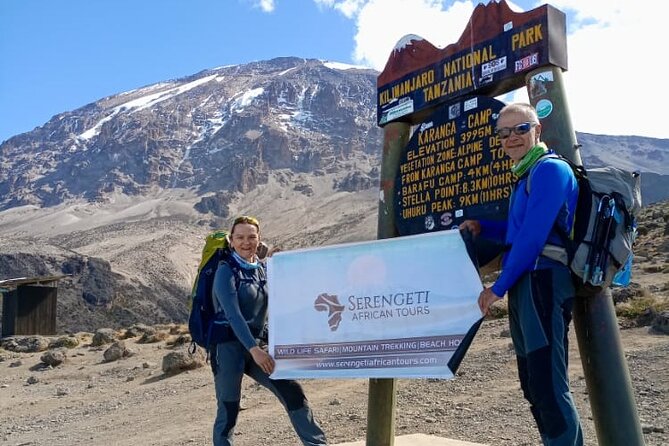
Morning breakfast is your launch point for Day 4, which is designed around the Great Barranco Wall. On paper it looks intimidating, but it is usually described as a Class 2 hike, and many people find it easier than they expected.
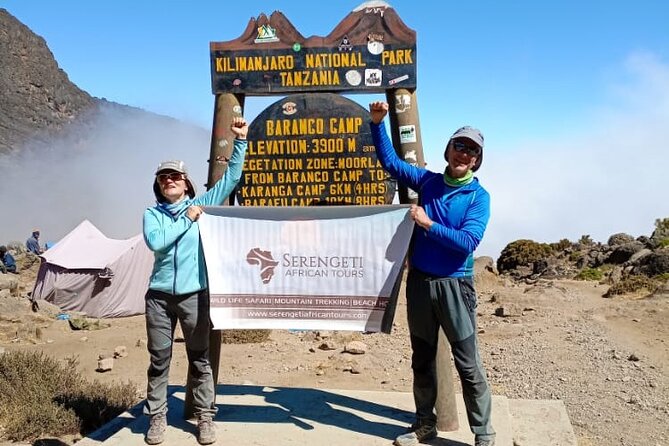
Once you crest the wall, you get big scenery rewards, including views toward Heim Glacier and time where you feel like you are above the clouds. After that, the trail winds up and down through the Karanga Valley.
This day matters because it is an acclimatization-friendly movement day. You are active at altitude, but the route is not only about grinding straight uphill.
Day 5 to Barafu Camp: wind, rock, and the last water reality check
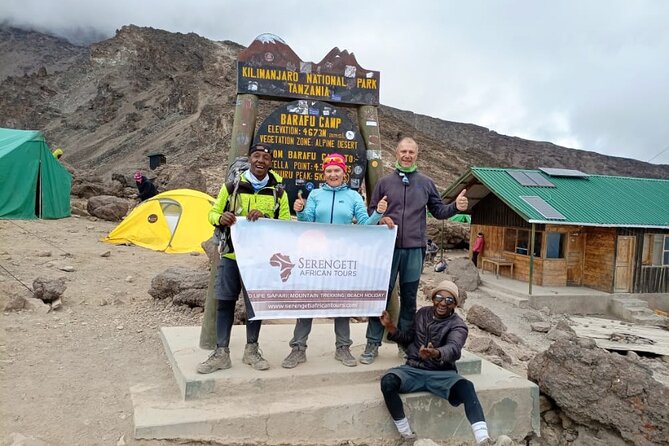
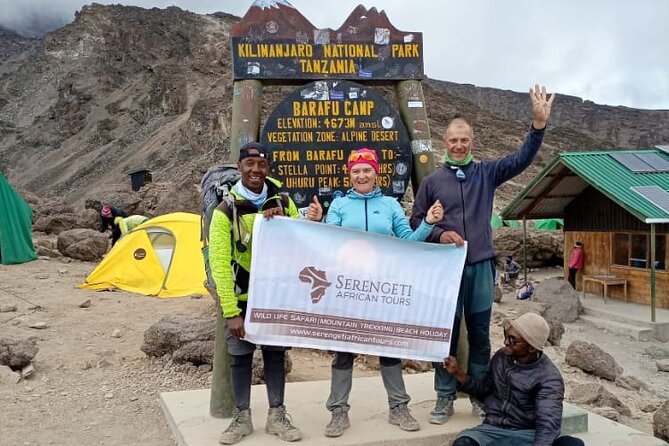
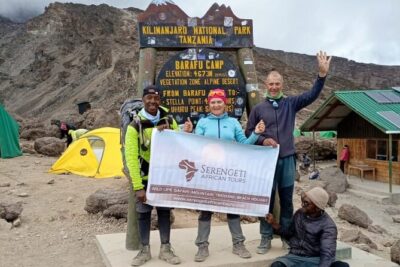
Day 5 climbs out of Karanga Camp at about 3,959m. After about an hour, you reach Barafu Hut, and this is a key logistics moment: it is the last water stop for the porters. The data is clear that there is no accessible water at Barafu Camp.
Then you head to Barafu Camp at about 4,550m, which sits on a rocky, exposed ridge. The word “barafu” means ice, and in practice that means wind can be sharp. Tents will be exposed to wind and rocks, so you need to be confident setting up your campsite before dark.
Day 5 is short on water, heavy on exposure, and strong on “read the situation” energy. If you know you struggle in wind, you’ll want to handle your layering and movement carefully so you do not burn energy shivering.
Day 6 summit night: Stella Point at 5,685m and sunrise pressure
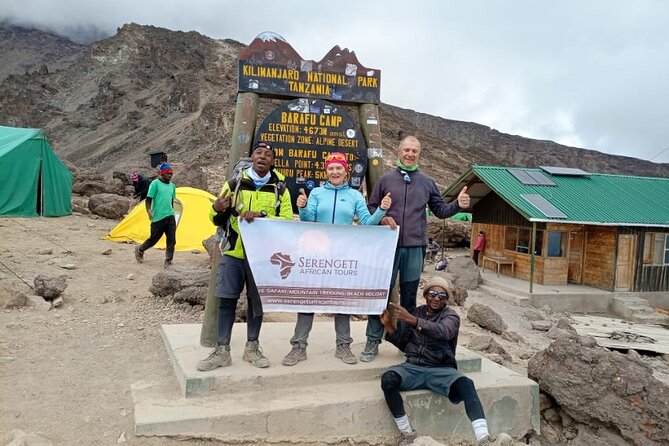
You rise around 23h30, and after tea and biscuits you start the climb into the night. The route heads north-west, ascending heavy scree toward Stella Point on the crater rim.
This section is often described as the most mentally and physically challenging part of Machame. You keep moving in darkness, working through scree, and you are also trying to manage breath and effort at extreme altitude.
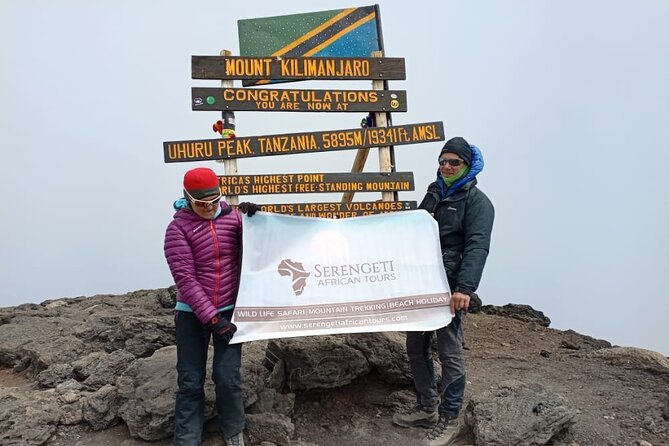
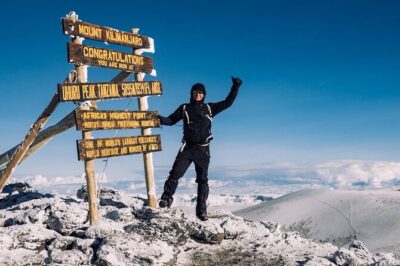
At Stella Point (5,685m), you pause briefly and, weather permitting, you get one of the best sunrises you are likely to see anywhere on Earth. After that, you typically face around a two-hour ascent to Uhuru Peak (5,895m). The amount of time you spend on the summit depends on weather conditions, and conditions at this altitude can shift fast.
If you are the type who needs a checklist to stay calm, focus on staying warm, keeping steps small, and following your guide’s pacing. Summit success on Kilimanjaro often looks boring, just consistent, even steps.
Day 7 Mweka Gate and completion certificates: celebration and descent
Day 7 begins with breakfast and then a staff celebration with dancing and singing. It is also when you present tips to your guide, assistant guides, chefs, and porters, so think of it as part ceremony, part gratitude.
After the celebration, you descend for about three hours back to Mweka Gate. Then you walk into Mweka village for around an hour (about 3 km). The national park also has a completion moment: you sign your name to receive a certificate.
Certificate colors are based on how high you reached. If you reached Stella Point (5,685m), you receive a green certificate. If you reached Uhuru Peak (5,895m), you receive a gold certificate. Either way, the paperwork part is straightforward and satisfying, because it marks the finish.
Camp comfort that helps you recover, not just survive
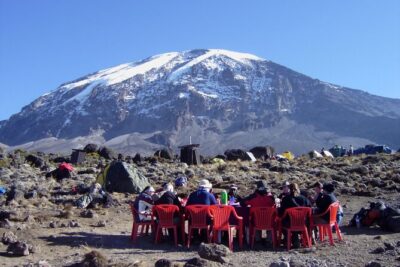
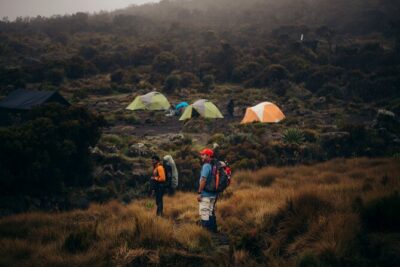
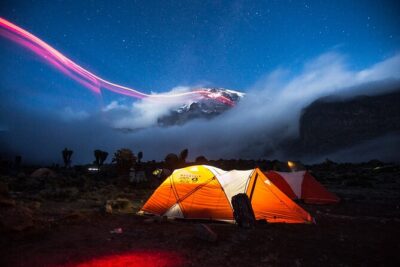
One of the most practical advantages of this trip is how camps are set up. You get waterproof, four-season private tents, which matters because nights can get brutally cold. You also have quality mess tents with table and chairs, so you are not just eating while you crouch in the wind.
Food and water are handled while you are on the mountain. You get all meals, including dinner six times, breakfast seven times, and lunch seven times, plus purified drinking water. Porters also boil water for drinking and washing, which helps when you are trying to stay clean and keep morale from falling apart.
And the human side comes through strongly in the feedback. People repeatedly highlight guides such as James and Gasto, and they mention that Lucas was quick to respond to lots of questions before the climb. Those details matter because Kilimanjaro is both physical and mental, and a well-run team can keep you focused on what matters.
How hard is this Machame Whiskey climb, really
Machame is considered difficult, steep, and challenging, especially because this itinerary is relatively shorter. That means you do not get the extra “breathing room” that some longer routes provide.
The upside is that you build altitude gradually across multiple ecosystems, not just one biome. The rainforest start, moorland middle, and alpine desert summit region keep your brain engaged, even when your legs start negotiating.
But the demands are real. Expect:
- steep climbs and rocky sections, including heavy scree toward the summit
- very cold nights, with temperatures dropping well below freezing at exposed camps
- wind exposure on the Barafu ridge
- a summit push that starts around 23h30, in the dark, with a long ascent afterward
This trek is a strong fit for people who already hike regularly and understand high-altitude pacing. It is also a good choice if you are comfortable with multi-day backpacking and you know how to manage effort without sprinting.
Should you book Serengeti African Tours for Machame?
If you want a classic Kilimanjaro experience on the Machame route, this package makes sense. I like that it includes the big cost items that often surprise people later, park and rescue fees, professional guides, and all meals plus purified drinking water. The private, waterproof tents and mess tent setup also sound like the kind of comfort that helps you recover, not just sleep.
Still, I would not book this blindly if you are unsure about fitness. Machame, especially on a tighter schedule, is steep and mentally demanding, and the cold is part of the deal. If you have moderate physical fitness and some hiking or backpacking experience, you are closer to the target.
My take: if you are prepared for a hard trek, and you value a team that seems to support people toward the summit, this is a solid way to tackle Kilimanjaro.
FAQ
What route is this climb using?
This is a 7-day Kilimanjaro climb via the Machame route, which is also known as the Whiskey route.
How long is the trek, and where does it start and end?
The duration is about 7 days. You start in Arusha, Tanzania and the activity ends back at the meeting point.
What’s included in the price?
Included items are professional mountain guides, all park fees and rescue fees, all meals while on the mountain (breakfast, lunch, and dinner), purified drinking water, quality mess tents with table and chairs, and quality waterproof four-season private mountain sleeping tents.
What is not included?
Not included are tips, flights, and your personal climbing gear.
What are the highest points on the route?
The summit involves Uhuru Peak at 5,895m. The route also reaches Stella Point at 5,685m.
What group size should I expect?
The tour has a maximum of 16 travelers.
More Machame Departures
- 7-Day Machame Kilimanjaro Summit Tour from Arusha
★ 5.0 · 125 reviews - 6 Days: Hiking Kilimanjaro via Machame Route
★ 5.0 · 24 reviews - 6-Day Guided Tour in Machame Route Mt Kilimanjaro
★ 5.0 · 17 reviews - KILIMANJARO MACHAME ROUTE, (Climb 7days)
★ 5.0 · 16 reviews - Kilimanjaro Climb Via Machame Route
★ 5.0 · 15 reviews
Kilimanjaro, Route by Route
- 8-Day Small-group Lemosho Kilimanjaro Summit Trekking
★ 5.0 · 186 reviews - 7-Day Machame Kilimanjaro Summit Tour from Arusha
★ 5.0 · 125 reviews - Mountain Kilimanjaro Day Hike
★ 5.0 · 102 reviews - 4 days Best experience Kilimanjaro Hike, Serengeti &Ngorongoro
★ 5.0 · 54 reviews - From Arusha/Moshi: Kilimanjaro Hike Marangu Route Day Trip
★ 4.5 · 54 reviews
Just added from around Arusha
Kilimanjaro Machame Route, compared.
 ★ 5.0Kilimanjaro climb, Machame Route (7-day)From $3,377262 reviews
 ★ 5.0Climbing Kilimanjaro – Machame RouteFrom $2,322170 reviews
 ★ 5.0Climbing Kilimanjaro through 7 days Machame RouteFrom $2,425151 reviews
 ★ 5.07-Day Machame Kilimanjaro Summit Tour from ArushaFrom $2,695125 reviews
 ★ 5.07 Days Kilimanjaro via Machame route affordable priceFrom $2,400110 reviews
 ★ 4.2#1. Best Kilimanjaro Day hike Tour-Machame Route-ISMANIFrom $11547 reviews
 ★ 5.07 Days Machame route – KilimanjaroFrom $2,85045 reviews
 ★ 5.0The Best of Machame Route in 6 Days: Your World’s Summit GuideFrom $1,15044 reviews
Browse the lists this tour appears in