
REVIEW · NGORONGORO CRATER SAFARIS
Manyara and Ngorongoro Crater
Two days. Two very different safari moods. This Arusha trip hits Ngorongoro Crater and Lake Manyara, so you can go from crater wildlife density to the famous tree climbing lion possibility. With a 6:00 am pickup and a tight plan, you spend less time guessing and more time watching.
I love the rhythm of this tour. You get long game drive hours, so the day does not feel rushed or chopped up. I also like the small group size, max 15, which keeps the experience calmer when you are watching animals instead of squeezed in a crowd.
The main consideration is timing and weather. It starts early, and safari plans depend on conditions because the experience requires good weather. Pack for a long day, with rain and sun both on the menu.
In This Review
- Key highlights worth paying attention to
- Why Ngorongoro and Manyara make a smart 2-day pairing
- Day 1 in Ngorongoro Crater: what a long drive is really for
- Day 2 at Lake Manyara: aiming for tree climbing lions
- What the pacing really means for you
- Value for $870: what you are paying for, and what you are not
- The practical safari tips that make your photos and sightings better
- Should you book this Arusha safari to Ngorongoro and Lake Manyara?
- FAQ
- What time does the safari start?
- How long is the experience?
- Which parks are included?
- Are park admission tickets included?
- Is hotel pickup and drop-off included?
- Is there a vegetarian meal option?
Key highlights worth paying attention to
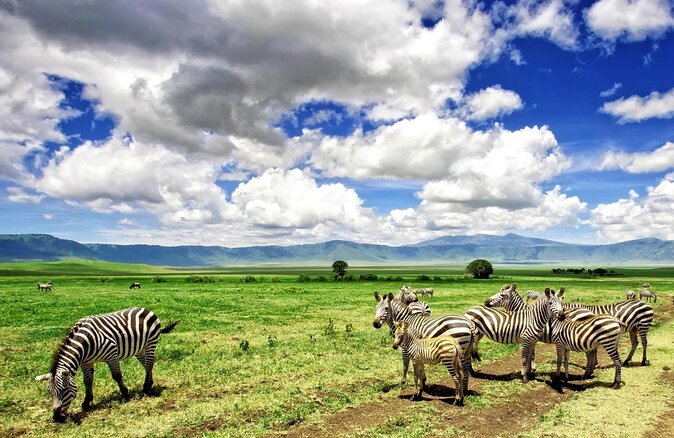
- Ngorongoro Crater game drive with admission included for a full day of wildlife scanning
- Lake Manyara focus on the tree climbing lions story, plus the park’s signature scenery
- Early 6:00 am start means you get more active hours for animals and fewer late-day misses
- Max 15 travelers keeps your crater and park moments more watchable and less chaotic
- Meals and lodging included with breakfast and dinner, plus lunch twice for a smoother trip
Other ways down into the Ngorongoro Crater
- 3 Days Serengeti & Ngorongoro Group Camping Safari★ 5.0 · 574 reviews
- 5 Days Camping Tarangire, Serengeti & Ngorongoro crater & Visiting Maasai★ 5.0 · 229 reviews
- 4 Days Join Group tour Tarangire Serengeti and Ngorongoro crater★ 5.0 · 219 reviews
- 4-Day Safari from Arusha: Tarangire, Serengeti and Ngorongoro★ 5.0 · 173 reviews
Why Ngorongoro and Manyara make a smart 2-day pairing
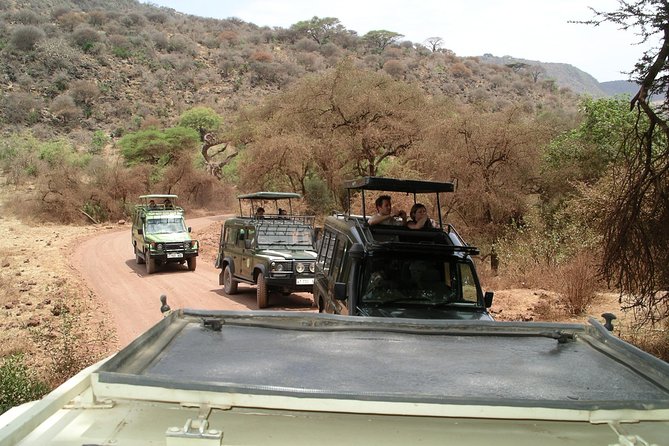
If you only have a short window in Tanzania, this combo is a practical way to pack a lot of “wow” into two days. Ngorongoro Crater National Park is famous for the way wildlife concentrates in one dramatic bowl. Lake Manyara National Park feels different, with more variety in habitats and that iconic tree climbing lions angle.
What I like about doing both is that your brain gets variety fast. You are not repeating the same kind of scenery for 48 hours straight. You’re also covering two separate ecosystems, which increases the odds you’ll see at least some standout animal behavior, even if one day is less perfect than the other.
This kind of short safari also helps you travel lighter mentally. You are not planning three or four separate days of logistics on your own. A driver/guide handles the driving, timing, and park rhythm, and you just show up ready to look out the window and ask questions.
One small detail that matters for comfort: this tour is built with hotel pickup and drop-off, plus meals and accommodation as per itinerary. That is the difference between a safari that feels like a full experience and a safari that feels like a very expensive taxi ride.
Day 1 in Ngorongoro Crater: what a long drive is really for
Your day starts with a hotel pickup or agreed meeting point at 6:00 am. After a short briefing, you head to Ngorongoro Crater for a long stretch of viewing time, about 8 hours total. The park admission ticket is included, so you can focus on the real work of safari time: scanning, waiting, and then reacting fast when something appears.
Why the crater is such a big deal: it is not just “pretty.” It’s a natural amphitheater effect. When animals are moving, they often do it in ways you can actually track visually because the terrain funnels activity. That is why many people chase Ngorongoro when they want density, not just random sightings.
What you should expect during crater hours is a lot of stop-and-watch moments. You might have long periods where the bush looks quiet, followed by sudden action right near the road. That rhythm is normal. Your guide’s job is to help you read movement, spot spoor or feeding behavior early, and then position the vehicle so you get the best viewing angle.
A practical way to get more out of this day: treat it like a full-day observational sport. Bring water and stay alert, even when you think you are not seeing much. In a place like Ngorongoro, the difference between seeing nothing and seeing something can be as simple as one extra careful scan at the right time.
Also, consider how you handle early mornings. You will be waking up before your body feels like cooperating. If you go in tired, you’ll rush your looking. If you go in prepared, you’ll notice more: grazing patterns, small groups separating, and predators moving with purpose.
Day 2 at Lake Manyara: aiming for tree climbing lions
The second day shifts you to Lake Manyara National Park, again with about 8 hours on the ground. Park admission is listed as free for this stop, which helps this itinerary stay good-value for the overall price. The big headline is tree climbing lions, a behavior that grabs attention because it feels so unusual and memorable.
Now, the honest part: tree climbing lions are not something you can guarantee on any given day. But that does not mean your time is a gamble. Manyara can still deliver strong wildlife viewing even if the iconic behavior does not happen exactly when you want it. Often, the real value is in how your guide searches and how long you have to watch.
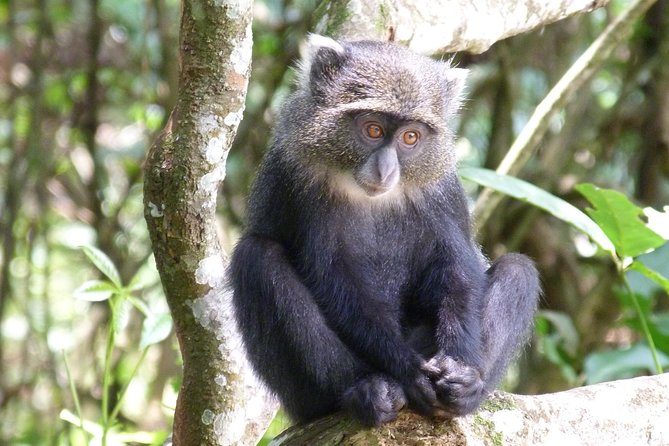
What I’d expect from your viewing time here is more varied habitat looking. You may see areas where lions or other big cats are present, plus plenty of birds and other wildlife activity around the park’s water and vegetation zones. Manyara tends to feel like a place where things are happening in patches, so patience still pays.
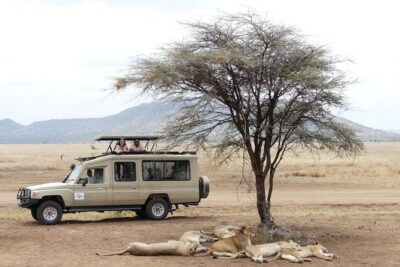
This is also the day where you’ll likely appreciate the smaller-group format. If there are only up to 15 people, your guide can adjust the vehicle position and keep the experience from turning into a constant traffic jam of other cars. With a lot of safari vehicles in one place, your viewing can get boxed in quickly. Smaller groups generally mean smoother animal viewing.
Another practical tip: dress for both sun and shade. Lake Manyara can offer bright open areas and cooler spots under trees. If you dress in layers, you can handle temperature swings without wasting time changing clothes or getting uncomfortable.
Lake Manyara trips we also sat with
What the pacing really means for you
Two days, long drives, and early mornings can sound intense on paper. In real life, the intensity is part of the deal with safari viewing. Animals are often most active early and late, and the parks are best seen with full viewing blocks, not just quick photo stops.
Here’s how this tour’s schedule helps you:
- You start early at 6:00 am, which puts you on the trails and roads when animals are more likely to be moving.
- You get full-day blocks (about 8 hours each day), so you do not lose prime time to short, rushed viewing.
- You stay in the middle of the action with accommodation as per itinerary, instead of stretching the day with long returns.
The tradeoff is obvious: you will feel it in your legs and back. Safari seats can be a bit bumpy, and you spend hours scanning. Bring a small comfort kit if you have one: sunscreen, a hat, light rain protection, and something for hydration.
Also, good to know: the experience requires good weather. If conditions are poor, your plan may shift. That is not a reason to avoid it, just a reason to pack smart and keep your expectations flexible.
Value for $870: what you are paying for, and what you are not
At $870 per person for a roughly 2-day itinerary, this is priced like a true safari circuit rather than a cheap add-on. The value comes from how much is included.
Included items that matter:
- Hotel pickup and drop-off (you are not self-driving or doing separate transfers)
- National park fees (at least for the overall safari structure, and the Ngorongoro admission is stated as included)
- Driver/guide
- Accommodation as per itinerary
- Breakfast and dinner, plus lunch twice
- Dinner is included, which is helpful because you do not have to scramble for food after long driving days
Not included:
- Airport or departure tax
To judge value, look at what you would likely pay separately: transport, park fees, guide time, meals, and lodging. When those pieces are combined, the total cost is often higher if you try to book everything yourself. This tour bundles the heavy lifting.
One more value factor is group size. Max 15 travelers is not tiny, but it is also not the kind of overcrowded setup where you spend your day waiting your turn to see anything. That balance is a big part of why the “watching experience” stays enjoyable.
The practical safari tips that make your photos and sightings better
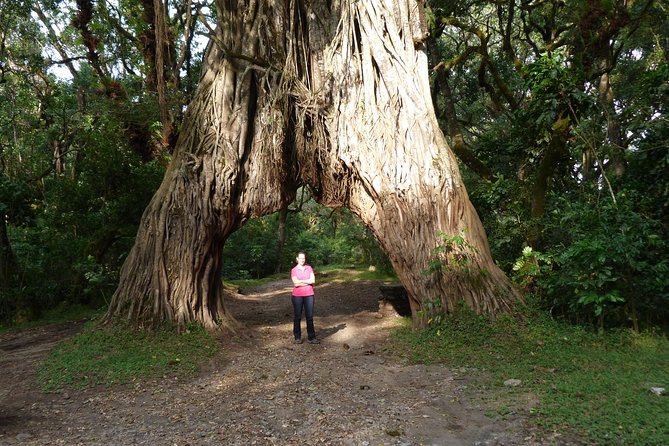
Safari tips sound generic until you apply them to a real itinerary like this. Here’s what I’d do if this were my trip.
1) Bring layers and rain protection
Even when days look calm, tropical weather can change fast. In notes tied to Nature Bound Africa safaris, people have still reported good animal sightings even with rain in the mix. That tells me you should prepare for wet and keep your eyes open anyway.
2) Ask your guide early, then keep asking
Your driver/guide is included, and good guides do more than drive. They spot, interpret, and reposition. If the people guiding your safari have a sense of humor, that helps too, because you’ll stay relaxed while you wait for animal movement.
3) Use the small group advantage
With a max of 15, you can often get better conversation with the guide and less time lost to crowds. That can mean smarter positioning and better understanding of what you’re seeing, especially in crater terrain where one turn can change your whole view.
4) Plan your day around active viewing hours
You start early and stay out most of the day. That means sunscreen and hydration matter more than extra snacks or late lunches. Eat what is provided, but also keep water handy if your guide recommends it.
5) If you want vegetarian meals, tell them up front
A vegetarian option is available if you advise at booking. Don’t wait until the day of the safari. It’s an easy way to avoid last-minute food stress.
6) Check your communication comfort
Some Nature Bound Africa guest notes highlight responsive support and friendly treatment from staff such as Eilya and Alysa. That suggests the company tends to take care of practical details, so if you have questions about dietary needs or timing, it is worth reaching out during booking.
Should you book this Arusha safari to Ngorongoro and Lake Manyara?
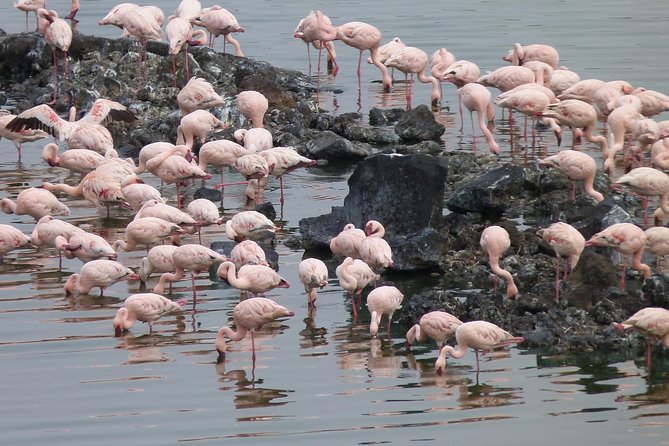
I think this is a solid booking if you want a short, high-impact Tanzania safari with two major national parks and a clear focus on wildlife viewing. The combination of Ngorongoro’s crater concentration and Manyara’s tree climbing lions story gives you two different kinds of safari “chase,” not just one long repetition.
You should book if:
- You have limited time around Arusha and want a real safari plan, not a rushed day trip.
- You value long viewing blocks and included meals and lodging.
- You like the idea of a smaller group, max 15, where guides can help you stay positioned for sightings.
You might skip or rethink if:
- You cannot handle early mornings and long days.
- You are the type who needs totally predictable conditions, since the experience requires good weather and safari days can shift with conditions.
If you do book, go in with patience and layers. That combination is the difference between just passing through and actually feeling like you experienced Tanzania at full safari speed.
FAQ
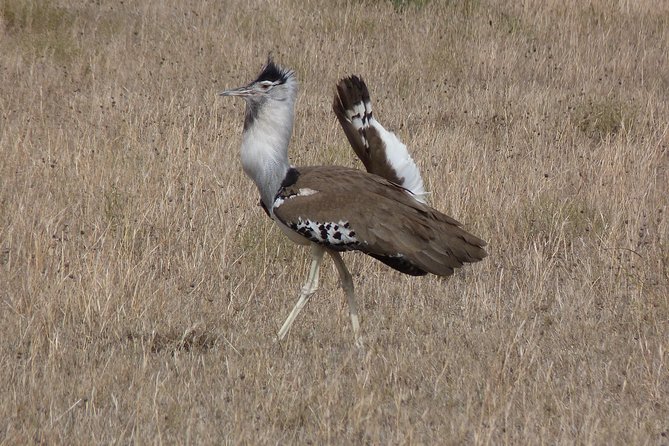
What time does the safari start?
The tour starts at 6:00 am.
How long is the experience?
It runs for 2 days (approx.), with about 8 hours of driving and park time each day.
Which parks are included?
You visit Ngorongoro Crater National Park on day 1 and Lake Manyara National Park on day 2.
Are park admission tickets included?
Yes. Ngorongoro Crater admission is included, and Lake Manyara admission is listed as free.
Is hotel pickup and drop-off included?
Yes. Hotel pickup and drop-off are included, and the trip ends back at the meeting point.
Is there a vegetarian meal option?
Yes. A vegetarian option is available, and you should advise at booking if you need it. Children must be accompanied by an adult.
Down at Lake Manyara
- Private 6-Day Tarangire Manyara Crater and Serengeti with Mid-Range Lodges
★ 5.0 · 238 reviews - 3 Days Tarangire, Ngorongoro & Lake Manyara Group Camping Safari
★ 5.0 · 102 reviews - 3 Days Private Safari – manyara, Ngorongoro & Tarangire
★ 5.0 · 94 reviews - 05 Days Tarangire, Serengeti, Ngorongoro and Lake Manyara
★ 5.0 · 54 reviews - 5 Days 4 Nights Tarangire, Serengeti , Ngorongoro & Manyara Wildlife Safari
★ 5.0 · 40 reviews
Still Thinking About the Crater?
- 3 Days Serengeti & Ngorongoro Group Camping Safari
★ 5.0 · 574 reviews - 5 Days Camping Tarangire, Serengeti & Ngorongoro crater & Visiting Maasai
★ 5.0 · 229 reviews - 4 Days Join Group tour Tarangire Serengeti and Ngorongoro crater
★ 5.0 · 219 reviews - 4-Day Safari from Arusha: Tarangire, Serengeti and Ngorongoro
★ 5.0 · 173 reviews - 2 Days Tarangire and Ngorongoro Group Camping Safari
★ 5.0 · 146 reviews
Just added from around Arusha

Ngorongoro Crater Safaris, compared.
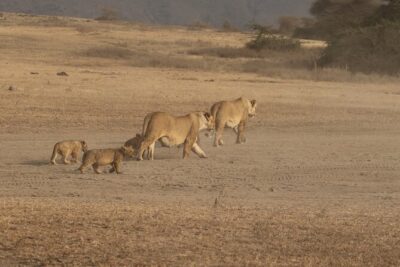 ★ 5.03 Days Serengeti & Ngorongoro Group Camping SafariFrom $815574 reviews
 ★ 5.0Safari Serengeti And NgorongoroFrom $2,845288 reviews
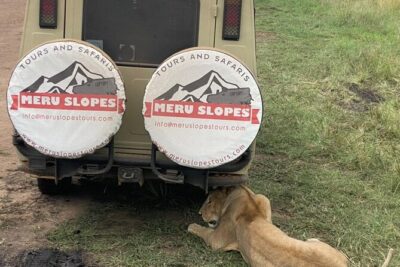 ★ 5.05 Days Camping Tarangire, Serengeti & Ngorongoro crater & Visiting MaasaiFrom $1,254229 reviews
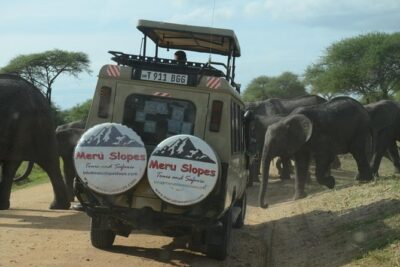 ★ 5.04 Days Join Group tour Tarangire Serengeti and Ngorongoro craterFrom $1,090219 reviews
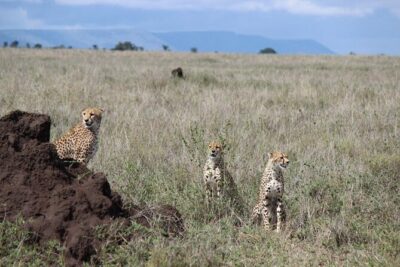 ★ 5.04-Day Safari from Arusha: Tarangire, Serengeti and NgorongoroFrom $1,753173 reviews
 ★ 5.02 Days Tarangire and Ngorongoro Group Camping SafariFrom $550146 reviews
 ★ 5.04 Days Tarangire Serengeti Ngorongoro CraterFrom $900117 reviews
 ★ 5.03 Days Tarangire, Ngorongoro & Lake Manyara Group Camping SafariFrom $700102 reviews
Browse the lists this tour appears in