
REVIEW · NGORONGORO CRATER SAFARIS
3 Days Tarangire, Ngorongoro & Lake Manyara Group Camping Safari
That first look at animals in motion is magic. This 3-day group camping safari hits Tarangire, Ngorongoro Crater, and Lake Manyara so you get big wildlife variety without spending your whole trip stuck on one “kind” of scenery. I love how efficiently it works from Arusha, and you’ll like the small group size that keeps things personal.
Two things stand out fast. You get free admission tickets included for the parks, and the route is built around real game drives with meal planning taken care of for you. The itinerary also sets you up with a camp at a tree-shaded site in a central location, so evenings feel like a reset, not just an in-between stop.
One consideration: you are camping, and these days are long. If you want soft beds every night and lots of slow, relaxed pacing, you might feel the squeeze.
In This Review
- Key highlights worth caring about
- Three Parks in Three Days, with Real Time in the Game Drives
- Day 1 Tarangire: Baobabs, Elephant Power, and a Camping Reset
- Day 2 Ngorongoro Crater Descent: The Wildlife Concentration Day
- Day 3 Lake Manyara: Baboons, Baobab-Studded Views, and Tree-Climbing Lions
- Camping Setup and Included Meals That Keep You Comfortable
- Guide and Small-Group Value: How Lewis and Hilary Helped the Trip Feel Easy
- Price Check: Is $700 Good Value for Tarangire, Ngorongoro, and Manyara?
- Who This Safari Fits Best, and Who Should Rethink It
- Should You Book This 3-Day Tarangire, Ngorongoro and Lake Manyara Safari?
- FAQ
- What parks are included in the 3-day safari?
- Where does the safari start and where do you end?
- What time does the tour depart?
- Is this safari camping or lodge style?
- Are meals included?
- Are park admission tickets included in the price?
- What is the group size?
- Are tips included?
- What if I need to cancel?
Key highlights worth caring about
- Six or fewer travelers means the driver can actually tailor the pace and sightings during drives.
- Free park admission saves money and removes a common budgeting headache on safari.
- Early, focused timing helps you make the most of Ngorongoro and the other park windows.
- Ngorongoro’s 600+ meter descent sets up the kind of dramatic crater wildlife viewing you paid for.
- Lake Manyara’s baboons and tree-climbing lions add a different animal “style” than the other parks.
- Hot meals from the cook matter more than people think, and Moussa’s food was praised for keeping energy up.
Other ways down into the Ngorongoro Crater
- 3 Days Serengeti & Ngorongoro Group Camping Safari★ 5.0 · 574 reviews
- 5 Days Camping Tarangire, Serengeti & Ngorongoro crater & Visiting Maasai★ 5.0 · 229 reviews
- 4 Days Join Group tour Tarangire Serengeti and Ngorongoro crater★ 5.0 · 219 reviews
- 4-Day Safari from Arusha: Tarangire, Serengeti and Ngorongoro★ 5.0 · 173 reviews
Three Parks in Three Days, with Real Time in the Game Drives
This safari is built for people who want a classic Northern Tanzania wildlife mix, but don’t have a week to do it. You’ll be in and around three very different ecosystems, so the animals and the look of the land change daily. That variety is the whole point here, because it turns “just another day of driving” into something that feels like you’re collecting different safari moments.
It also runs with a clear structure. You start in Arusha at Jevas Hotel EncoreTZ at 8:00 am, and you return to the same meeting point at the end. Expect about 6 hours of time in the park each day, which is a solid amount for game drives and sightings without leaving you completely wrecked.
I also like that this feels like a real small operation. The provider is Suricata Safaris, and from the communication people reported, the pickup and dropoff experience tends to run smoothly. You’ll want that kind of reliability when you’re coordinating a camping safari across big protected areas.
Day 1 Tarangire: Baobabs, Elephant Power, and a Camping Reset
Tarangire National Park is where you get the “wow, elephants” payoff early. After breakfast, you head out from Arusha toward Tarangire and enjoy a game drive inside the park, with a picnic lunch along the way. If you only have one day in Tarangire, this kind of planning helps because it locks in time when wildlife is active and visible.
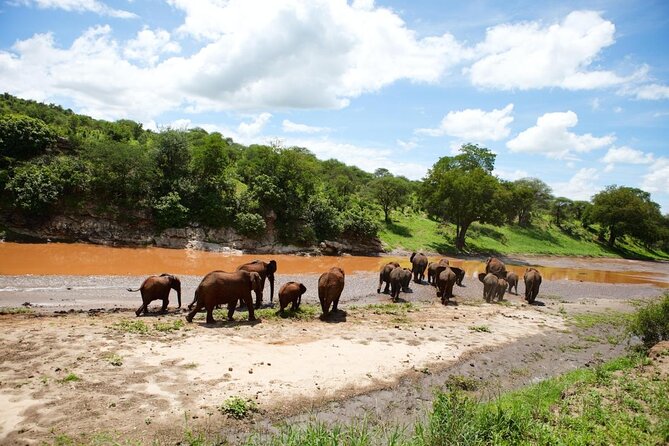
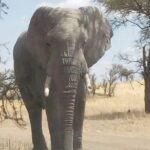
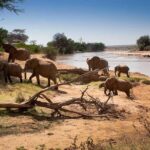
Tarangire is especially known for two visual cues. First, the huge elephant population tends to make sightings frequent if you stay alert on the drive. Second, the baobab trees shape the whole feel of the place. You’re not just looking at animals on open grassland. You’re looking through a landscape of towering trees and big trunks that give the wildlife a stage.
The park’s role in seasonal movement is another interesting piece. The area ties into an annual migratory cycle that can include up to 3,000 elephants, 25,000 wildebeest, and 30,000 zebras. Even if you’re not counting migration weeks, it helps explain why Tarangire can feel lively when other areas go quieter.
By afternoon, you’ll drive to Twiga campsite. That’s where the trip transitions from day drive to real rest. The highlight notes a tree-shaded camping setup in a central location, which matters because it makes camp more bearable during the hotter parts of the day and more pleasant after.
Practical note: camping sound and comfort can vary by campsite conditions, so go in expecting a safari camp vibe, not a hotel. The upside is that after a long drive day, having your lodging organized for you is a big value.
Day 2 Ngorongoro Crater Descent: The Wildlife Concentration Day
Ngorongoro is the day most people remember, and for good reason. You start with early breakfast, then descend over 600 meters into the crater for wildlife viewing. That descent is not just dramatic. It changes how the air feels and how animals use the terrain, so it can make the viewing more concentrated.
Once you’re down there, the crater becomes a kind of natural theater. The area is supported by a year-round water supply and fodder, which helps explain why you can see multiple species in a smaller area than you might expect. You’re likely to run into herds and groups including wildebeest, zebra, buffalo, eland, warthog, hippos, and even giant African elephants.
Then comes the predator angle. Ngorongoro is described as having a dense population of predators, including lions, hyenas, jackals, cheetahs, and the elusive leopard. Leopard sightings can require sharp eyes and some luck, so the value here is having a guide who knows where to look and how to read animal behavior from a vehicle.
This day also includes a stop at Lake Magadi, a large but shallow alkaline lake in the southwestern corner of the crater. That kind of detail matters because it breaks up the drive rhythm. It also gives you a different type of viewing point, not just constant animal watching from one track. Even when wildlife isn’t right at the moment, you still get the full crater picture.
One more thing I appreciate about this kind of crater day: it makes your limited time feel earned. You’re not spreading Ngorongoro across multiple long days. You get the main crater experience with enough time on the ground to find action.
Tarangire again, with different operators
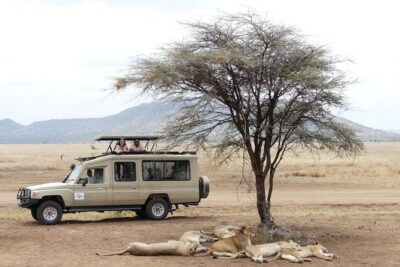
Day 3 Lake Manyara: Baboons, Baobab-Studded Views, and Tree-Climbing Lions
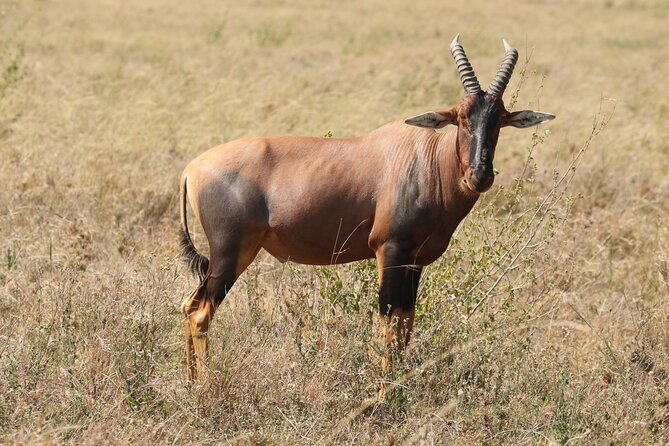
Lake Manyara National Park is smaller than the bigger-name parks, and that actually helps on a short safari. After breakfast, you drive to the park and go for safari time, then focus on the lake area and its surrounding habitats.
What makes Manyara special is the mix of environments packed into a limited area. You can see acacia woodlands, water forests, baobab-strewn cliffs, algae-streaked hot springs, swamps, and the lake itself. That variety is why birdlife can be strong here and why animals can show up in different micro-environments.
If you want a “signature animal,” Manyara has one. The park is noted for having the largest concentration of baboons anywhere in the world. That means your drive might not only be about big-game stalking. It can also be about fast, chaotic baboon action near the ground, in trees, and around forest edges.
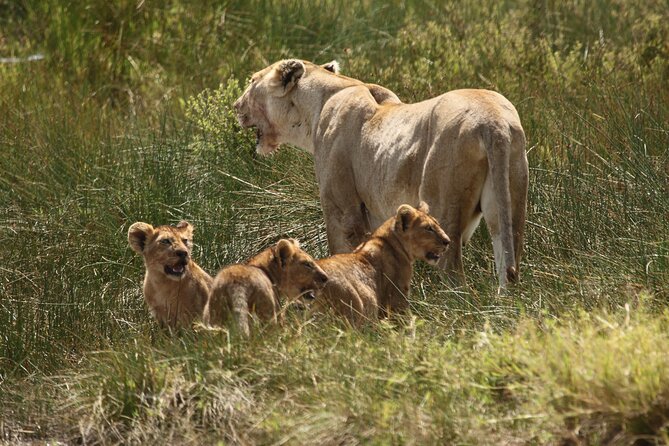
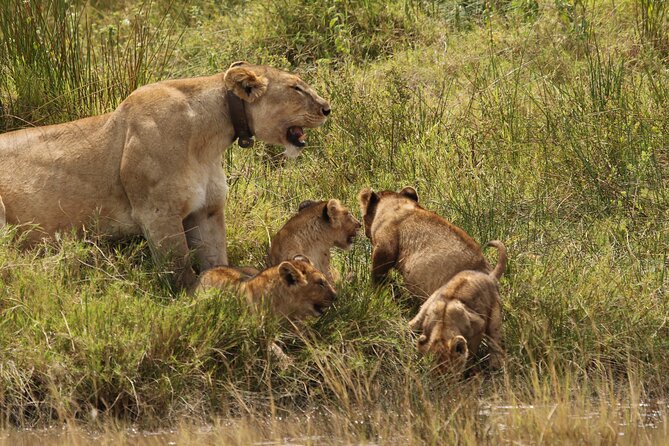
And then there’s the lion story. Lions in Lake Manyara are renowned for tree climbing. That doesn’t mean you will always see it on demand, but it does mean your guide will be watching differently, scanning for lions in unexpected places rather than assuming they’ll be only on open ground.
Lake Manyara is also a good day to slow your brain a bit and notice details. When you’re done with crater drama and Tarangire elephant energy, Manyara’s habitat diversity gives you a calmer, more varied kind of wildlife day.
Camping Setup and Included Meals That Keep You Comfortable
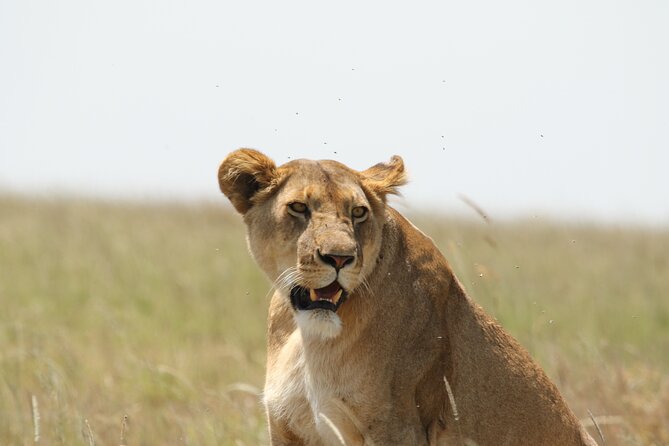
This safari uses camping accommodations, and that is a big part of its value. The trip also includes meals so you are not making time-consuming restaurant decisions while you’re moving between parks.
You get breakfast twice, lunch three times (including picnic lunch in the park), and dinner twice. That coverage matters because it keeps your schedule tight. You won’t lose a chunk of day trying to find food near park gates or guessing what you’ll be able to buy.
The camping base described as tree-shaded and centrally located is more than just a nice detail. Shade helps with comfort when you’re waiting for your next activity. A central camp also tends to reduce “where do we go next” confusion and keeps you from bouncing around for every transfer.
In one of the experiences shared, the cook, Moussa, provided delicious hot food. That’s the kind of practical luxury that makes camping easier. Safari days run on hydration and steady energy, so a warm meal after a long drive is not a small thing.
What’s not included is tips for the guide and cook. If you’re budgeting, plan for that upfront rather than leaving it to the last minute. It also helps you feel settled while the trip is still in motion.
Guide and Small-Group Value: How Lewis and Hilary Helped the Trip Feel Easy
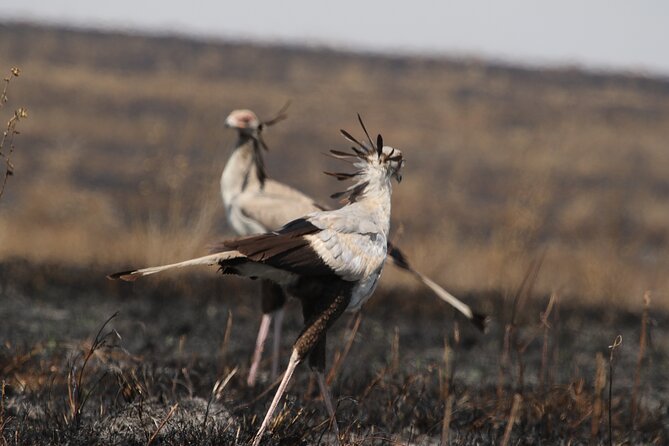
This is a small-group safari with a group size limited to six travelers, and that changes the whole experience. Fewer people means less crowding during sightings. It also means you can ask questions without feeling like you’re yelling across a bus.
From the feedback shared, communication stood out, with Hilary noted as very communicative. That kind of planning is useful because safari timing is everything. When you know pickup works and you have clear guidance, you can focus on the animals rather than logistics.
On the drive side, Lewis was praised as knowledgeable. I take that kind of note seriously because “knowing the park” is not just trivia. It can mean faster repositioning when animals change direction, better reading of predator movement, and knowing where sightlines improve.
And then there’s the cook connection again, because it’s linked to how you feel at camp. People reported hot, delicious food, and I’ve found that’s often the difference between camping that feels like part of the adventure and camping that feels like punishment.
One more practical touch: pickup and dropoff back to Arusha was described as easy. That matters because Arusha traffic and timing can be a real factor. A smooth start and finish makes the safari feel like a complete package, not a series of stressful half-days.
Price Check: Is $700 Good Value for Tarangire, Ngorongoro, and Manyara?
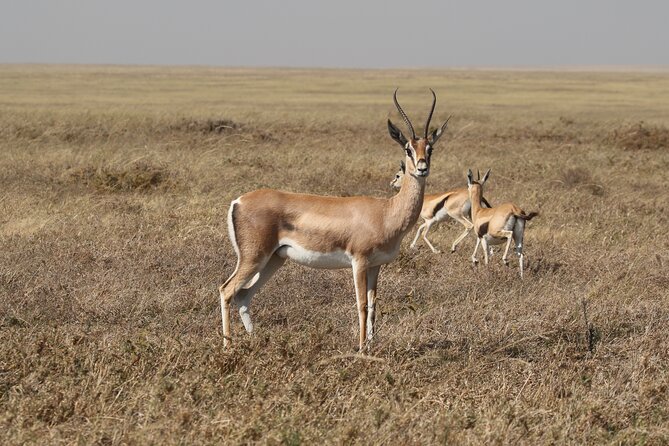
At $700 per person for 3 days, this isn’t a “cheap safari with corners cut” price, but it also isn’t priced like the highest-end lodges. The best value signal is that park admission tickets are free as part of the experience. That can be a meaningful savings, especially when you’re doing multiple parks.
You also get the structure that costs money to run well: guided game drives across three parks, camping at a named campsite, and meals handled for you. Food and staffing are real costs, and the inclusion of breakfast, lunch, and dinner helps you avoid extra spending while you’re on the move.
Another value factor is the small group limit to six. A larger group can lower cost, but it can also increase crowding and reduce flexibility during sightings. Here, the group size is positioned as part of the experience, not just a marketing line.
So who is this best for? If you want a classic route, you’re okay with camping, and you care more about wildlife time than fancy room time, this price feels fairly aligned with what you’re actually getting.
Who This Safari Fits Best, and Who Should Rethink It
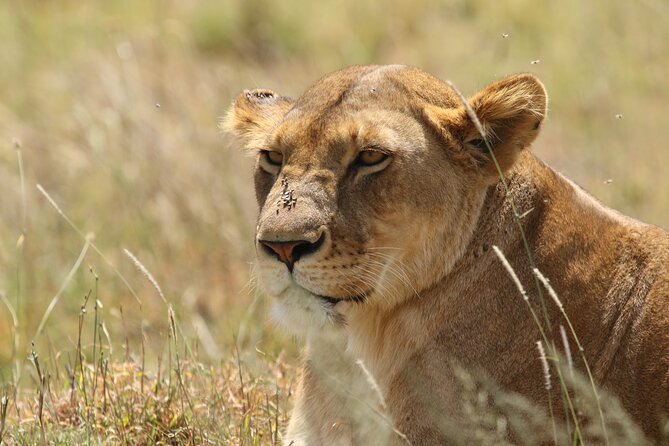
This safari fits best if you want a focused safari and you like the idea of doing three major areas on one trip. It’s great for first-time safari travelers who want Tarangire elephants, Ngorongoro crater concentration, and Lake Manyara’s signature baboons and possible tree-climbing lions.
It also suits people who enjoy a team vibe. Small-group safaris tend to feel easier when you want to talk with your guide and get answers on the spot. If you like practical travel with good communication and organized meals, you’ll likely feel at home here.
You might want to rethink if camping is a dealbreaker. Also consider that you are likely to spend long hours in the vehicle across three days, with full days in the parks. If you are sensitive to early mornings and extended drives, plan your energy ahead.
Should You Book This 3-Day Tarangire, Ngorongoro and Lake Manyara Safari?
If you’re looking for a smart first safari route from Arusha, I’d say this is a strong option. The big reason is the combination of three parks, small group size, and included meals, while keeping the budget controlled by making park tickets free.
I’d book it if you:
- Want the crater day in Ngorongoro with enough time for predator and lake viewing
- Care about elephant country in Tarangire and baboon-and-tree-lion odds in Manyara
- Prefer organized camping with meals rather than piecing everything together yourself
- Like the idea of a communicative operator and a driver who can guide your sightings well, like the examples of Lewis and Hilary shared
I’d hesitate if you:
- Need hotel-level comfort every night
- Want a very relaxed pace with minimal time in the vehicle
- Have low tolerance for long days, even with breaks and hot meals at camp
Bottom line: for a three-day window, this route gives you a lot of what Tanzania is famous for, and it does it with practical planning you can feel in the day-to-day rhythm.
FAQ
What parks are included in the 3-day safari?
You’ll visit Tarangire National Park, Ngorongoro Crater, and Lake Manyara National Park.
Where does the safari start and where do you end?
The tour starts at Jevas Hotel EncoreTZ in Arusha and ends back at the same meeting point.
What time does the tour depart?
Start time is listed as 8:00 am.
Is this safari camping or lodge style?
This safari uses camping accommodations.
Are meals included?
Yes. The experience includes breakfast (2), lunch (3), and dinner (2).
Are park admission tickets included in the price?
Yes. Admission tickets are listed as free.
What is the group size?
The safari is described as small-group with a limit of six travelers.
Are tips included?
Tips for the safari guide and cook are not included.
What if I need to cancel?
Free cancellation is available. You can cancel up to 24 hours in advance for a full refund.
Down at Lake Manyara
- Private 6-Day Tarangire Manyara Crater and Serengeti with Mid-Range Lodges
★ 5.0 · 238 reviews - 3 Days Private Safari – manyara, Ngorongoro & Tarangire
★ 5.0 · 94 reviews - 05 Days Tarangire, Serengeti, Ngorongoro and Lake Manyara
★ 5.0 · 54 reviews - 5 Days 4 Nights Tarangire, Serengeti , Ngorongoro & Manyara Wildlife Safari
★ 5.0 · 40 reviews - 5 days serengeti, ngorongoro, tarangire & manyara lodge tour
★ 5.0 · 37 reviews
Tarangire and Its Baobabs
- 5-Day Highlights mid-Range Crater, Serengeti, Tarangire
★ 5.0 · 296 reviews - Private 6-Day Tarangire Manyara Crater and Serengeti with Mid-Range Lodges
★ 5.0 · 238 reviews - 5 Days Camping Tarangire, Serengeti & Ngorongoro crater & Visiting Maasai
★ 5.0 · 229 reviews - 4 Days Join Group tour Tarangire Serengeti and Ngorongoro crater
★ 5.0 · 219 reviews - 4-Day Safari from Arusha: Tarangire, Serengeti and Ngorongoro
★ 5.0 · 173 reviews
Still Thinking About the Crater?
- 3 Days Serengeti & Ngorongoro Group Camping Safari
★ 5.0 · 574 reviews - 5 Days Camping Tarangire, Serengeti & Ngorongoro crater & Visiting Maasai
★ 5.0 · 229 reviews - 4 Days Join Group tour Tarangire Serengeti and Ngorongoro crater
★ 5.0 · 219 reviews - 4-Day Safari from Arusha: Tarangire, Serengeti and Ngorongoro
★ 5.0 · 173 reviews - 2 Days Tarangire and Ngorongoro Group Camping Safari
★ 5.0 · 146 reviews
Just added from around Arusha
Ngorongoro Crater Safaris, compared.
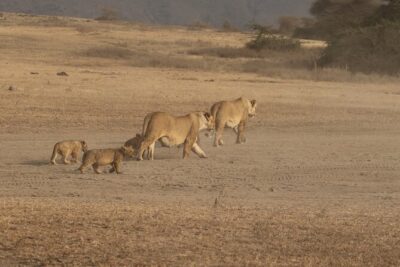 ★ 5.03 Days Serengeti & Ngorongoro Group Camping SafariFrom $815574 reviews
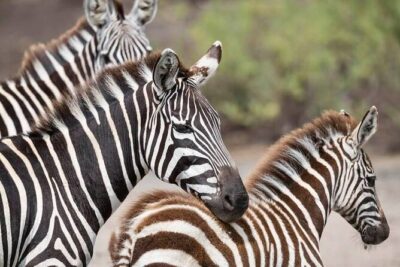 ★ 5.0Safari Serengeti And NgorongoroFrom $2,845288 reviews
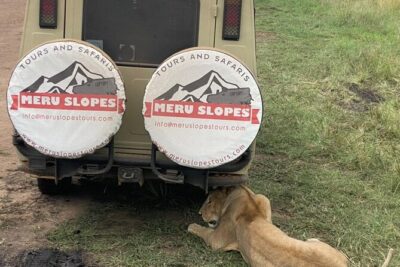 ★ 5.05 Days Camping Tarangire, Serengeti & Ngorongoro crater & Visiting MaasaiFrom $1,254229 reviews
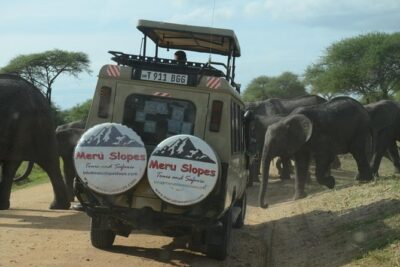 ★ 5.04 Days Join Group tour Tarangire Serengeti and Ngorongoro craterFrom $1,090219 reviews
 ★ 5.04-Day Safari from Arusha: Tarangire, Serengeti and NgorongoroFrom $1,753173 reviews
 ★ 5.02 Days Tarangire and Ngorongoro Group Camping SafariFrom $550146 reviews
 ★ 5.04 Days Tarangire Serengeti Ngorongoro CraterFrom $900117 reviews
 ★ 5.05 Days Tanzania Group Joining Safari, Tarangire/Serengeti/Ngorongoro CraterFrom $1,12085 reviews
Browse the lists this tour appears in