
REVIEW · ARUSHA NATIONAL PARK AND MOUNT MERU
4 Day: Hiking Mount Meru
Mount Meru rewards early starts. This 4-day hike from Arusha National Park mixes wildlife sightings with a smart acclimatization rhythm, before a midnight summit push. I like that you climb with an armed ranger because this isn’t some empty mountain trail, and you’ll likely spot giraffes, zebras, antelope, buffalo, and sometimes elephants. One real drawback to note up front: Day 3 is long and starts brutally early, with a wake-up at 00:30 and a summit attempt at 1:30 am.
What also makes this trip feel grounded is the altitude plan. You go from Arusha’s 1,400m up to huts around 2,500m and 3,500m, giving your body a chance to adjust before the steep final pull. And since it’s private, you’re not sharing your pace or your questions with strangers.
Finally, the operator, Serengeti Camping Safari, gets credit for easy communication and organized planning. That matters on a multi-day trek where permits, schedules, and staff need to line up cleanly, especially when you’re heading for a sunrise at 4,566m.
In This Review
- Key things I’d watch for
- Mount Meru from Arusha, the climb that starts as a safari
- Day 1, Momella Gate and the wildlife-forward start
- Day 2, Saddle Hut and the acclimatization choice that can save your summit
- Day 3, the 1:30 am summit attempt to Meru’s 4,566m
- Day 4, the final descent through forests and meadows back to Arusha
- Price and logistics, what $1,155 covers (and what it doesn’t)
- What makes the hut schedule feel smart at altitude
- Who this private Mount Meru hike is best for
- Practical, no-nonsense advice before you go
- Should you book this 4-day Mount Meru hike?
- FAQ
- How high is the Mount Meru summit on this hike?
- Where do you start the hike?
- Is an armed ranger required during the hike?
- What time does the summit attempt start on Day 3?
- How long is Day 3 (the summit day)?
- Do you have an option to hike higher for acclimatization?
- What meals are included?
- Is this hike private, and is pickup included?
- What is not included in the price?
Key things I’d watch for
- Walking-safari Day 1: Expect wildlife as you climb into Arusha National Park.
- Ranger requirement: An armed ranger stays with your team for the hike.
- Acclimatization built in: You can add a Little Mt. Meru hike at 3,820m.
- The midnight grind: Day 3 starts at 1:30 am for sunrise at the top.
- Hut-to-hut pacing: Miriakamba Hut and Saddle Hut help structure your altitude changes.
Arusha National Park and Meru, other options
- 4 Days Mount Meru Trekking★ 5.0 · 55 reviews
- Private Meru Coffee Tour in Nkoaranga★ 5.0 · 23 reviews
- 4 Days Mount Meru Climbing | Hiking | Trekking Tour★ 5.0 · 13 reviews
- 1 Day: Arusha National Park★ 5.0 · 9 reviews
Mount Meru from Arusha, the climb that starts as a safari
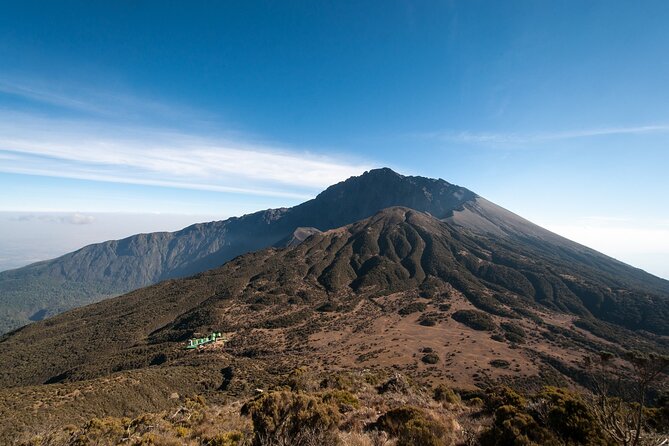
Mount Meru is the big dramatic view that many people see when they first arrive in Arusha. At 4,566m, it sits just below Kilimanjaro and is Tanzania’s second-highest peak. The route you take here is a classic “hike high, rest high enough” approach, using hut stages rather than forcing everything into one brutal day.
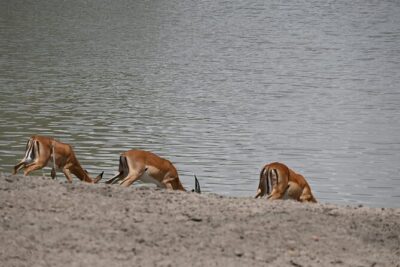
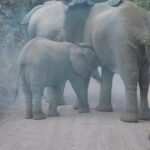
The best part is that your first hours don’t feel like a pure trek. They feel like a walking safari. In Arusha National Park, the trail passes through areas where you might see giraffes, zebras, antelope, buffalo, and even elephants if you’re lucky and attentive. Because wildlife can be close, the park requires an armed ranger to accompany your group the whole time.
This is also a private hiking setup, so your guide can adjust the pace to your group without the chaos that comes with larger mixed tours. You’ll still climb hard, but it feels more controlled.
Day 1, Momella Gate and the wildlife-forward start
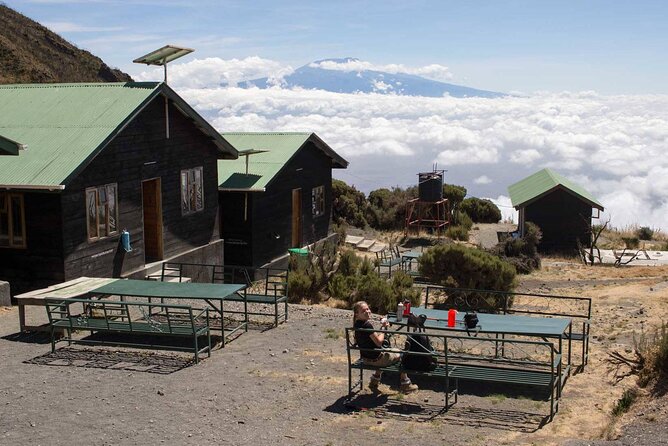
Day 1 begins after breakfast in Arusha (about 1,400m). You get picked up from your hotel and transferred to Momella Gate in Arusha National Park. Before you start moving, porters organize and pack your hiking items, and you and your guide register with Tanzania National Park.
Then the hike starts. This first day is often the most “pleasantly surprising” because it’s where the mountain starts to feel alive. As you ascend, you’re not just watching the ground for foot placement. You’re also scanning the edges of the trail for animals. The tour notes wildlife chances like giraffes, zebras, antelope, buffalo, and the possibility of elephants near the route.
Because this is a national park environment, you hike with an armed ranger hired through the park. That requirement is a big part of the value here. It’s not just safety theater, it’s a real operational rule for how the trek is run.
By the time you reach your overnight point, you’ve already done a solid chunk of climbing, and your body is warmed up for the next altitude jump. Day 1 is listed as about 7 hours total, and admission tickets are included.
Day 2, Saddle Hut and the acclimatization choice that can save your summit
Day 2 is where the experience turns from “getting altitude” into “staying functional at altitude.”
After breakfast, you start ascending a steep trail along the ridge of the saddle. One reason this day matters is the views. The route gives you sights of Mt. Meru crater and the Ash Tray area. It’s not just pretty, it helps you understand what you’re aiming for later.
You continue up to camp, and that’s where you get a key option: you can hike Little Mt. Meru (3,820m) with your guide to further acclimatize. This is one of those choices that feels optional until you’ve done enough altitude hikes to know how helpful controlled exertion can be. If you’re feeling good, it can help your body get used to the breathing change before the summit attempt.
The day ends with an early dinner so you can rest. And yes, you’ll want that rest. Day 3 involves waking at 00:30 and starting the summit attempt at 1:30 am, so Day 2 is basically your setup day.
In time terms, Day 2 is described as 3-5 hours of hiking, and the hut stage goes from Miriakamba Hut (about 2,500m) to Saddle Hut (about 3,500m). Admission ticket time is included as part of the trek structure.
Day 3, the 1:30 am summit attempt to Meru’s 4,566m
Day 3 is the day that earns the hype, and it’s also the day that reminds you this is real high-altitude hiking.
Your guide wakes you at 00:30 for tea and biscuits. You start climbing at 1:30 am. That timing is designed for sunrise at the summit, but it also means you’ll feel cold at first, even if the daylight later turns more comfortable.
The route begins with steep grade from Rhino Point (around 3,800m) to Cobra Point (around 4,350m). This segment tests stamina and steady pacing, because the slope does not let you coast. Then, in the last hour, the climb becomes more hands-on. You scramble on a rocky ridge between the crater area and the inner cliffs of Meru. That part is technical enough that a good guide matters.
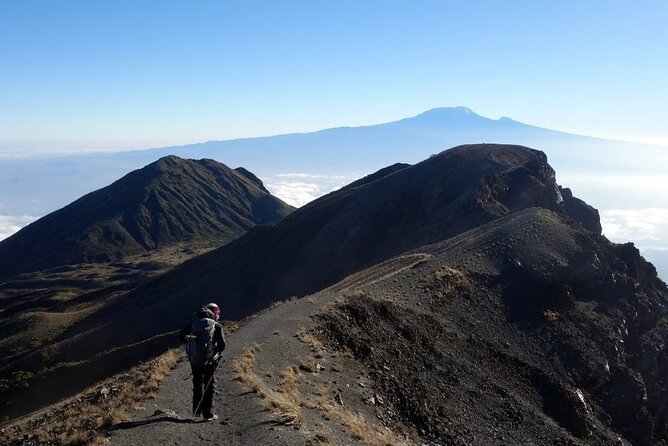
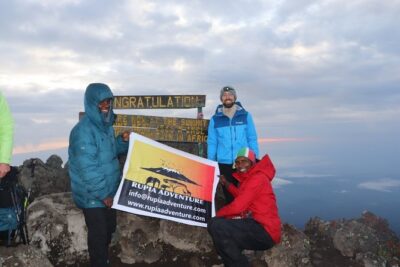
You reach the summit of Mount Meru around 4,565m at sunrise. From up there, the views include Mt. Meru Ash Tray and, on a clear morning, Mt. Kilimanjaro. Even if you’ve seen Kilimanjaro from lower ground, seeing it from this angle is a different kind of wow.
After the top, you descend to Saddle Hut for a short break. Then you continue down to Miriakamba Hut (about 2,500m) for dinner and overnight. The total hike time is listed as 10-12 hours, and the stage includes Saddle Hut to the summit attempt (around 4,566m) back to Miriakamba Hut.
If you’re the type who gets nervous about early starts, plan your expectations early. This is not a relaxed day, but it is very structured. Tea, biscuits, a scheduled climb start, and clear hut-to-hut segments help you stay on track.
Day 4, the final descent through forests and meadows back to Arusha
Day 4 is the payoff day, when your legs finally get the job of going downhill.
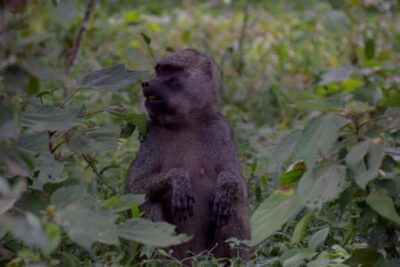
After a long rest and breakfast, you begin the final descent to Momella Gate. This portion takes you through forests and meadows, and the tour notes it’s likely you’ll spot wildlife again. It’s a nice contrast to the rocky early-morning drama of Day 3.
At the base of Mount Meru, a driver meets you and takes you back to Arusha. The hike time is listed as about 2-3 hours, and it runs roughly from Miriakamba Hut (2,500m) down to Arusha (1,400m).
Day 4 is where you feel the full arc of the trip. You started at city altitude, stepped into park terrain, climbed high enough to feel altitude breathing, and then came back down with a summit sunrise in your memory.
Price and logistics, what $1,155 covers (and what it doesn’t)
At $1,155 per person for a 4-day private Mount Meru hike, the big question is what’s included versus what you have to pay separately.
Here’s what you’re covered for:
- All fees and taxes
- A professional guide, cook, and porters
- Meals: 4 breakfasts, 4 lunches, and 3 dinners
- Admission tickets included
- Pickup offered, plus free pick up and drop off at the airport
- A mobile ticket
- Private hiking, meaning only your group participates
Then what’s not included:
- Tips for guide, cook, and porters
- Personal items
- Travel insurance
- Visa fees
- International flights
The value logic is pretty straightforward. A summit hike at these altitudes is never just about the walk. It’s the permits, the park admission, the ranger requirement, and the staffed support system. Porters and a cook are not an extra luxury here, they help you keep your pack light and your schedule predictable. Meals included are also a real cost saver, especially when you’re on a multi-day timetable that doesn’t leave room for casual food runs.
The only “hidden” consideration is that tips and personal expenses still sit on your plate at the end. If you want to keep your budget clean, plan those costs in advance.
Also, this experience requires good weather. If conditions force a cancellation, you’ll be offered a different date or a full refund. That’s common for high-altitude trekking, and it’s worth building a little schedule flexibility around your Arusha stay.
What makes the hut schedule feel smart at altitude
The altitude rhythm is one of the best parts of this hike plan, even if you ignore the scenery.
You sleep and move in stages:
- Day 1 ends after a roughly 7-hour ascent from Arusha into the park.
- Day 2 moves you from Miriakamba Hut (about 2,500m) to Saddle Hut (about 3,500m).
- Day 3 goes from Saddle Hut up to the summit around 4,565 to 4,566m, then down again to Miriakamba Hut (about 2,500m) for dinner and overnight.
- Day 4 finishes with a descent to Arusha (about 1,400m).
This matters because altitude is not just about the top number. It’s about how often your body gets stressed. By the time you hit the summit attempt, you’ve already had time to adjust, and you also have the option to do Little Mt. Meru (3,820m) on Day 2 for extra acclimatization.
One small practical note: your cold comfort at night is likely to be a factor at 3,500m. The tour includes meals and tea early in the morning, but it doesn’t list gear details. Bring what you need so you can sleep and wake up without turning Day 3 into an endurance test for discomfort.
Who this private Mount Meru hike is best for
This is best for you if:
- You want a high-altitude summit with a structured plan instead of a self-guided challenge.
- You like the idea of a trek that includes wildlife watching, not just rocky climbing.
- You’re comfortable with a long Day 3 and a very early start.
This is also a strong fit for groups who want privacy. Since it’s private, you won’t be dragged along at someone else’s pace.
It might be less ideal if:
- You’re hoping for a short hike that’s mostly daytime.
- You’re sensitive to altitude and want something gentler. You can acclimatize, but you still climb from 1,400m to over 4,500m.
Practical, no-nonsense advice before you go
I’d treat this as a serious trek, not a casual hike. The numbers are big, and the timeline is demanding.
A few practical ways to prepare based on how the hike is run:
- Plan for the midnight rhythm. The guide wakes you at 00:30 and starts climbing at 1:30 am, so don’t plan late nights in Arusha the day before.
- Choose the Little Mt. Meru option wisely. If you feel decent on Day 2, that side hike can help your body adjust. If you feel sluggish, use your guide’s advice and don’t force it.
- Treat the ranger requirement as part of the experience. The reason it exists is that wildlife can be close, and it keeps the hike in line with how the park operates.
- Expect two different kinds of effort. Day 1 and Day 2 are steady hiking with chances to spot animals. Day 3 is steep climbing and scrambling, then long descent.
If you’re traveling with a tight schedule, remember that the experience requires good weather. If the weather shifts, the trek may move dates.
Should you book this 4-day Mount Meru hike?
I think you should book if you want a well-run, private Mount Meru summit that actually accounts for acclimatization and keeps the schedule realistic. The mix of walking safari energy, an armed ranger on the trail, and a hut-based altitude plan is a good combination for people who want both adventure and structure.
I’d hesitate if you’re not ready for a very early summit climb or if you’re expecting a light, purely scenic day. Day 3 is long and steep, and the altitude is real.
If you do book, I’d go in asking practical questions about your group’s pace and how you should approach the Little Mt. Meru option. With that conversation, you’ll be set up to climb smart, not just climb hard.
FAQ
How high is the Mount Meru summit on this hike?
The summit attempt reaches around 4,565m to 4,566m (about 14,990 feet).
Where do you start the hike?
You start at Momella Gate in Arusha National Park, after breakfast in Arusha and hotel pickup.
Is an armed ranger required during the hike?
Yes. An armed ranger hired through the National Park is required to hike with your team for the duration of the hike.
What time does the summit attempt start on Day 3?
You are woken at 00:30 for tea and biscuits, and the summit attempt begins at 1:30 am.
How long is Day 3 (the summit day)?
Day 3 is listed as about 10 to 12 hours of hiking.
Do you have an option to hike higher for acclimatization?
Yes. On Day 2, you can hike Little Mt. Meru (3,820m) with your guide to further acclimatize.
What meals are included?
The tour includes 4 breakfasts, 4 lunches, and 3 dinners.
Is this hike private, and is pickup included?
It is private, so only your group participates. Pickup is offered, and there is free pick up and drop off at the airport.
What is not included in the price?
Tips for guide, cook, and porters are not included, and personal items, travel insurance, visa fees, and international flights are also not included.
Arusha Park and Mount Meru
- 4 Days Mount Meru Trekking
★ 5.0 · 55 reviews - Private Meru Coffee Tour in Nkoaranga
★ 5.0 · 23 reviews - 4 Days Mount Meru Climbing | Hiking | Trekking Tour
★ 5.0 · 13 reviews - 1 Day: Arusha National Park
★ 5.0 · 9 reviews - Arusha National Park: Private Jeep Tour
★ 4.8 · 9 reviews
Just added from around Arusha
Arusha National Park and Mount Meru, compared.
 ★ 5.04 Days Mount Meru TrekkingFrom $1,00055 reviews
 ★ 4.8Arusha National Park Full-Day SafariFrom $19525 reviews
 ★ 5.0Private Meru Coffee Tour in NkoarangaFrom $3523 reviews
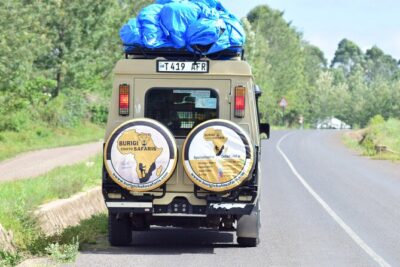 ★ 5.04 Days Mount Meru Climbing | Hiking | Trekking TourFrom $2,60013 reviews
 ★ 4.8Arusha National Park: Private Jeep TourFrom $2009 reviews
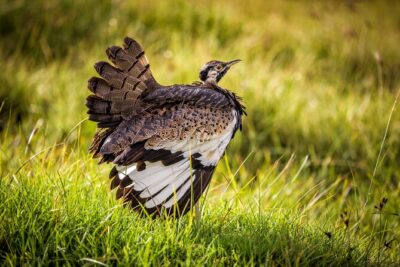 ★ 5.01 Day: Arusha National ParkFrom $4409 reviews
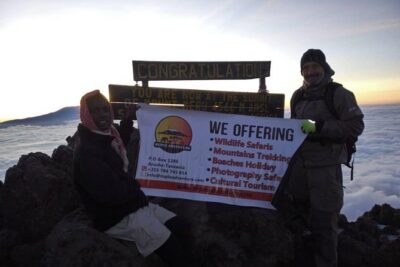 ★ 4.53 Days Mount Meru trekkingFrom $8007 reviews
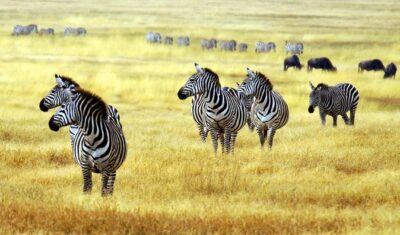 ★ 5.07 Day Joined Safari Serengeti,Ngorongoro,Manyara,Tarangire,Arusha National ParkFrom $1,6156 reviews
Browse the lists this tour appears in