
REVIEW · TANZANIA CAMPING AND BUDGET SAFARIS
4 Days Group Camping Safari
Three parks, four days, and camp close to animals. This safari is a fast, high-impact way to see Tarangire, Serengeti, and Ngorongoro in one go, and it’s built for Big Five style wildlife spotting with a small group and a guide who knows how to maneuver. The tradeoff is that the camping is rough and ready, so you’ll want to be comfortable with basic tent life and smaller sleeping space than a hotel.
I like that the guides bring the ecosystem to life, not just the checklist of animals. Guides named Amir and drivers like Mandela came up in recent experiences, and the cooking team got real praise too, including Tito for meal quality.
You also get a lot of comfort baked into the basics, meals and camping gear are included, plus pickup is offered and tickets are handled as a mobile format. Still, if you want plush bedding and lots of downtime, this won’t feel relaxing, it’ll feel like living in game-view mode.
In This Review
- Key things that make this safari click
- 4 days that actually maximize wildlife in Tanzania
- Price and logistics, what you’re really paying for
- Getting picked up in Arusha, then starting at 8:30 to 9:00
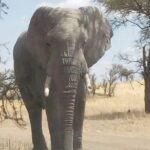
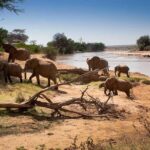
- Tarangire National Park: elephants, baobabs, and a classic first drive
- Serengeti central area: Seronera and the water pull effect
- Early Serengeti game drive and heading toward Ngorongoro
- Ngorongoro Crater: the 600-meter descent and predator pressure
- Camping setup and what “basic but sufficient” really means
- Meals, camp rhythm, and the food that keeps you going
- Guides and driving skills: why you might see more than you expect
- Who this safari fits, and who should think twice
- Getting the most out of your drives
- Should you book this 4-day camping safari from Arusha?
- FAQ
- How long is the safari?
- Where does the safari operate?
- Does the tour include pickup?
- What is the group size?
- Are meals included?
- Is camping gear included?
- Do you get a 4×4 safari vehicle?
- Are park admission fees included?
- Can I cancel for free?
Key things that make this safari click
- Small group, better attention with a maximum of 6 travelers and more time spent on spotting
- Multiple parks, two UNESCO World Heritage sites for serious variety in animal behavior and scenery
- Camping and meals included every day so you aren’t budgeting food or overnight logistics
- Skilled driving matters for seeing more, especially when predators need patience and careful positioning
- Ngorongoro Crater’s big promise includes a deep descent, dense wildlife, and the chance at the elusive leopard
- Practical help before you go from the team, including packing tips like towels and sunscreen
More camping safaris at this price
- 4 Days Group Camping Safari★ 5.0 · 1,101 reviews
- 5 Days Group Camping Safari★ 5.0 · 730 reviews
- 3 Days Serengeti & Ngorongoro Group Camping Safari★ 5.0 · 574 reviews
- 5 Days Camping Tarangire, Serengeti & Ngorongoro crater & Visiting Maasai★ 5.0 · 229 reviews
4 days that actually maximize wildlife in Tanzania
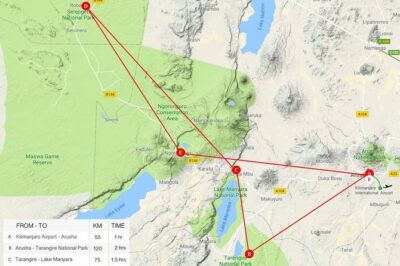
If your Tanzania time is short, this is the kind of plan that makes sense. In about four days, you go from Tarangire’s elephant country, to the Serengeti’s famous plains, and then down into Ngorongoro Crater, one of the most wildlife-packed locations in the country.
The reason this trip works is variety. Tarangire is known for high wildlife density and baobab trees, so you’re not just watching animals you’re seeing a whole different ecological “stage.” Then Serengeti changes the game again, with broad open areas around the Seronera region and a major water source that pulls animals in. Finally, Ngorongoro gives you that classic crater amphitheater effect, where animals cluster and predators patrol.
Two other things make it feel efficient without being chaotic. First, the group size tops out at 6 travelers. Second, the safari uses a private 4×4 setup, so you’re not stuck waiting behind a bus full of people when the action starts.
Price and logistics, what you’re really paying for
At $900 per person for a 4-day camping safari, the value comes from what’s bundled. You’re not just buying “drive time.” The trip includes all meals (4 breakfasts, 4 lunches, 4 dinners) and camping equipment, which matters because safari food and overnight costs add up fast if you book parts separately.
It also matters that park admission is listed as free on the first days and included on the Ngorongoro Crater day. Your daily plan includes multiple game drives, and you travel by private safari vehicle with a guide guiding you through ecosystems, not just steering you between locations.
Booking averages out to about 76 days in advance, which hints at demand. If you’re traveling in a busier period, that advance booking window is a smart move so you have the best chance at your preferred dates and group availability.
Getting picked up in Arusha, then starting at 8:30 to 9:00
This safari is based in Arusha, Tanzania, and pickup is offered. The tour notes a meeting situation that is near public transportation, and your tickets are handled as a mobile ticket. Opening hours are listed as available throughout the day range, but your driving schedule starts in the morning once the safari officially begins.
On the first wildlife day, the departure timing is between 08:30 and 09:00 after breakfast. That early start is practical. Wildlife viewing is often better when the day is still cool, and the road between parks is smoother earlier.
One small but useful detail from recent experiences: before the safari begins, the team may visit you at your hotel to explain what to pack. That’s where towels, sunscreen, and other essentials came up. If you like to travel light, this is a reminder to plan for sun protection and basic comfort because you are camping, not hotel-hopping.
Tarangire National Park: elephants, baobabs, and a classic first drive
Your first park stop is Tarangire National Park, where the timing is built around an afternoon game drive. After breakfast, your private guide picks you up and you start your private safari with a private 4×4 vehicle.
Tarangire is famous for two things that directly affect what you see:
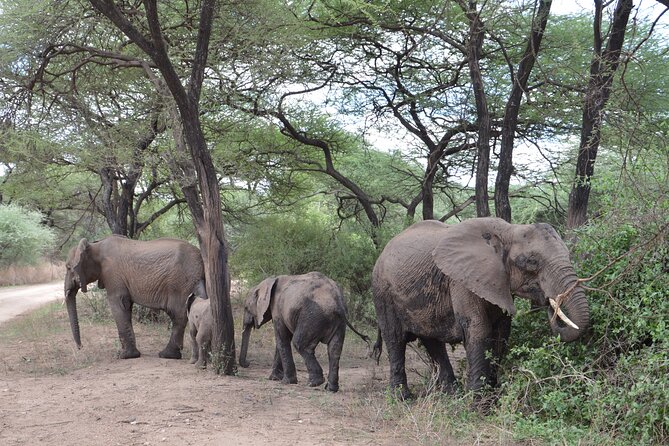
1) High density elephants, and
2) Baobab trees, which create that iconic, unmistakable dry-season look.
If you’re traveling in the June to November dry season, you can expect large herds, including zebra and wildebeest, plus cape buffalo. The dry season matters because water and grazing become more concentrated, so animals show up in more predictable places.
Beyond the headline animals, Tarangire also lists plenty of residents you can spot during drives:
- waterbuck
- giraffe
- dik dik
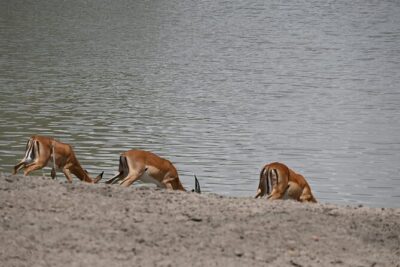
- impala
- eland
- Grant’s gazelle
- vervet monkey
- banded mongoose
- olive baboon
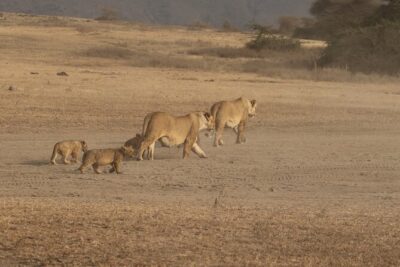
And yes, predators are on the menu too, including African lion, leopard, cheetah, caracal, honey badger, and African wild dog.
My practical advice for Tarangire: if the elephants are spread out, don’t panic. In Tarangire you often see multiple “animal stories” in one drive, elephants feeding and socializing, then later smaller antelope activity, then a predator check. Your guide’s job is to keep your eyes moving and your expectations realistic.
Serengeti central area: Seronera and the water pull effect
Then you head to Serengeti National Park, traveling through the Karatu farmland and the Ngorongoro Conservation Area before dropping into the Serengeti itself. That road transition is more than scenery. When you leave the highlands behind, you’re changing the habitat, and that changes both animal movement and your best viewing times.
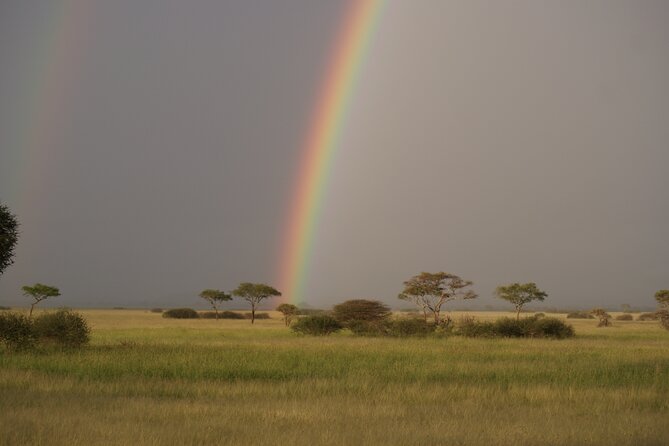
You’ll arrive in time for lunch and then do an afternoon game drive in the Seronera area, one of the richest wildlife habitats in the park. The key feature here is the Seronera River, which provides a year-round water source for this part of Serengeti.
That water pull effect is why Serengeti isn’t just about luck. When animals cluster around water, your chances improve. You tend to see a wider mix within a shorter window: big grazers moving through, smaller herbivores nearby, and predators tracking the pattern.
The Serengeti portion also helps break up the trip emotionally. Tarangire can feel like a dense, dry-season animal hub. Serengeti can feel like open space with constant movement. Both are exciting, but they scratch different itches.
Early Serengeti game drive and heading toward Ngorongoro
On the next day, your schedule shifts toward early viewing. You get coffee and tea with biscuits, then you set out for a morning game drive that runs roughly 08:00 to 14:30, with lunch boxes for the midday window.
This timing matters. Morning often gives you clearer sightings because animals are active and the light can help you spot movement and track wildlife paths. It also gives you momentum. Instead of spending the day just traveling, you’re still “in the park” for most of the daylight hours.
After the early game drive period, you depart for the Ngorongoro Conservation Area, with dinner and an overnight stay arranged there.
Why I like this pacing: you get two Serengeti chances. One afternoon slot and one early slot. That reduces the risk of a single slow viewing block ruining your whole Serengeti experience.
Ngorongoro Crater: the 600-meter descent and predator pressure
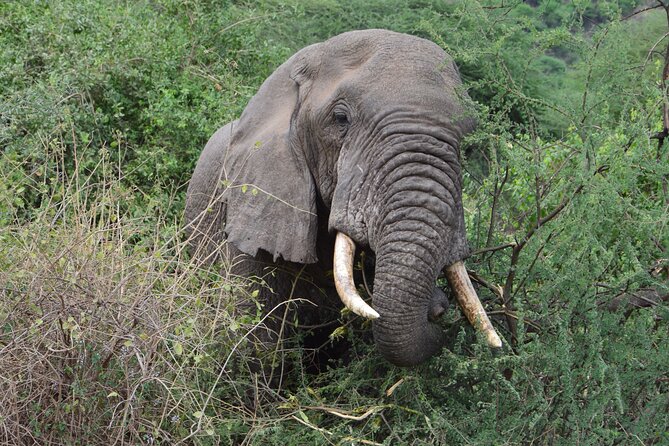
Day four centers on Ngorongoro Crater. You start with an early breakfast, then descend over 600 meters into the crater to view wildlife.
This crater is different from the open plains. The notes emphasize that the area supports a wide variety of animals due to its year-round water supply and fodder. Translation: animals can remain active even when conditions outside the crater change.
Expect to see animals like:
- wildebeest
- zebra
- buffalo
- eland
- warthog
- hippo
- giant African elephants
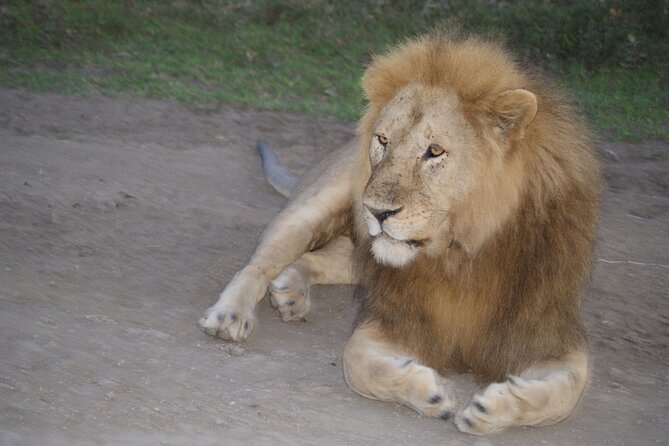
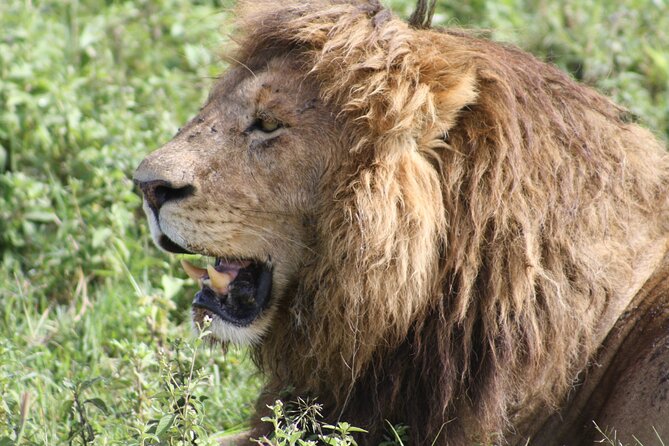
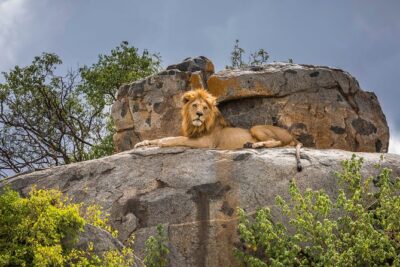
Then there’s the predator angle. The crater is described as having a dense population of predators, including lions, hyenas, jackals, cheetahs, and the leopard. The leopard part comes with a built-in reality check. Even with good eyes, it can take patience to spot one, and it may require a trained eye.
You also visit Lake Magadi, described as a large but shallow alkaline lake in the southwestern corner of the crater. That stop gives you a chance to connect the wildlife sightings to habitat and water features, not just the moment-to-moment spotting.
Camping setup and what “basic but sufficient” really means
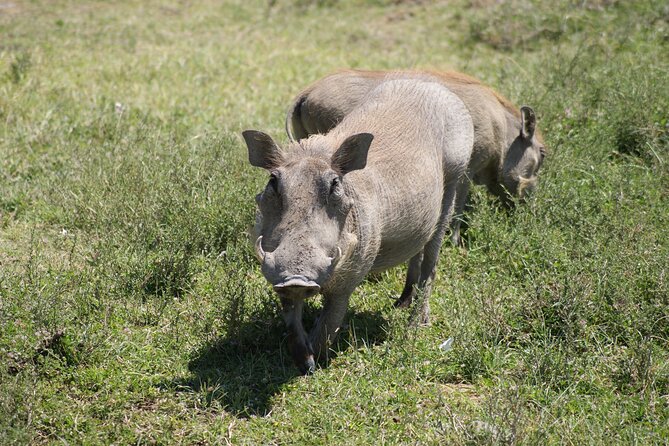
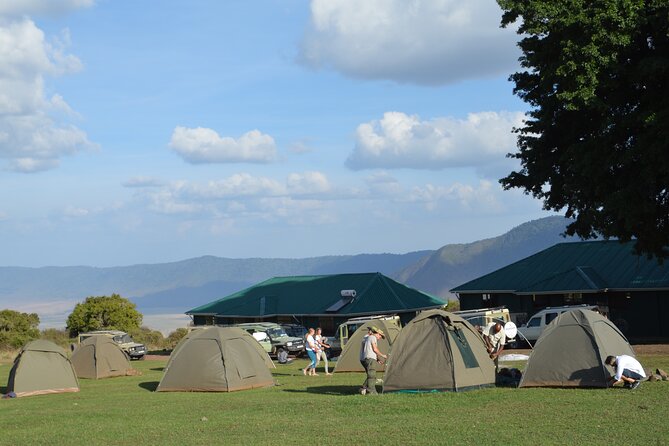
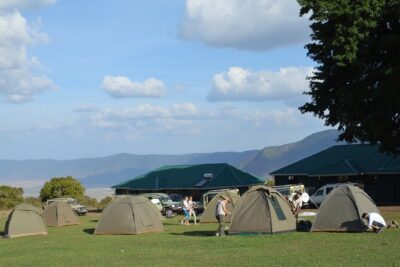
This safari is a camping safari, and the comfort level is exactly what the reviews and overall description hint at: basic. You’ll have camping equipment included, and you’ll be sleeping in tents in campsites rather than in a hotel.
The positive side is that camp facilities are described as basic but sufficient, and there can be great views from the campsite area. The meals also earn strong praise. Multiple experiences point to good, adequate to amazing food, not just survival-level cooking.
The downside is also clear. Sleeping tents may feel small, and camping is rough and ready. If you’re used to lots of personal space at night, you’ll want to plan accordingly. One helpful suggestion from past experiences was to bring your own sleeping bag, or at least think seriously about warmth and comfort before you arrive.
My practical takeaway: bring comfort items that help you sleep. A safari is tiring in a good way, but a cold, cramped night makes the next morning harder.
Meals, camp rhythm, and the food that keeps you going
Food is one of the easiest places safari trips fall short, because people think the animals and the driving are the whole show. On this safari, meals are included every day, and recent feedback highlights the quality.
You get breakfast, lunch, and dinner, with lunch sometimes served at lodges when you arrive in parks, and other times handled as packed lunch boxes for early drives. Dinner and overnight are arranged in the Ngorongoro Conservation Area after your day’s driving.
The cooking team is part of the reason people speak positively about the trip. Names like Tito for the chef role came up, and other mentions credited the cook and driver team for aiming to please.
If you want a safari where you can focus on spotting wildlife without constantly worrying about where the next meal is coming from, this setup is a win.
Guides and driving skills: why you might see more than you expect
Wildlife viewing is part biology, part timing, and part driving skill. This is where a small group and a confident guide matter.
In recent experiences, guides like Amir were praised for skilled spotting and maneuvering to see the Big Five. Drivers like Mandela also came up in the same positive lane, and that points to a theme: the team works actively to find animals and place you where sightings are most likely.
The trip also emphasizes learning the local ecosystem. That kind of guidance changes your experience. Instead of just seeing a lion or a herd, you start to understand why animals are where they are and what you’re likely to see next.
What to expect from the guide: constant scanning, quick route adjustments when something is moving, and explanations that help you recognize animal behavior, not just animal silhouettes.
Who this safari fits, and who should think twice
This safari fits you if:
- you want multiple Tanzania parks in just four days
- you like guided structure but still want classic safari freedom in your viewing
- you don’t mind camping as long as meals are handled and sleeping gear is provided
- you want a small group experience with more guide attention
- you’re aiming for high odds of seeing major wildlife, including predators
It might not fit you as well if:
- you want hotel-level comfort and lots of space at night
- you get unhappy with basic tent setups
- you’re hoping for a slow, lounge-like vacation rhythm
It’s also a solid family-friendly option. One family-focused experience called it a family tour with professional guidance, good chef work, and everyday food that kept things smooth.
Getting the most out of your drives
Safari success is partly luck, but it’s also about how you behave during game drives. Here are practical ways to make your time count.
- Stay ready during drives. Animals can appear in unexpected places, especially when predators track prey.
- Listen when the guide explains what you are seeing. It helps you spot the next sign faster.
- Be patient about leopard. Ngorongoro is dense with predators, but leopard sightings can take real time and careful observation.
Also, keep your expectations flexible. The itinerary design gives you multiple game drive windows across different parks, which increases your odds. That’s better than any single long drive in one place.
Should you book this 4-day camping safari from Arusha?
I’d book it if your goal is maximum wildlife variety with a team that focuses on spotting and interpretation. The big strengths are clear: small group attention, meals and camping gear included, and strong guide and cooking praise, including names like Amir, Mandela, and Tito. It’s also well priced for a four-day park run when food and camping equipment are built in.
I would pause before booking if you’re sensitive to rough camping, small tents, or you really need private, comfortable sleeping space at night. This is a real safari experience. Basic is part of the deal.
If you’re happy to trade hotel comfort for animal time, this trip gives you a very efficient route through Tanzania’s top wildlife zones in just four days.
FAQ
How long is the safari?
It runs for about 4 days.
Where does the safari operate?
The tour is in Tanzania, with Arusha listed as the location.
Does the tour include pickup?
Yes, pickup is offered.
What is the group size?
The tour has a maximum of 6 travelers.
Are meals included?
Yes. Breakfast, lunch, and dinner are included for 4 days.
Is camping gear included?
Yes, all camping equipment is included.
Do you get a 4×4 safari vehicle?
Yes. The safari begins with a private 4×4 safari vehicle.
Are park admission fees included?
Park admission is listed as free for the first three days, and included for Ngorongoro Crater day.
Can I cancel for free?
Yes. You can cancel for a full refund up to 24 hours in advance of the experience start time.
More Under Canvas
- 5 Days Group Camping Safari
★ 5.0 · 730 reviews - 3 Days Serengeti & Ngorongoro Group Camping Safari
★ 5.0 · 574 reviews - 5 Days Camping Tarangire, Serengeti & Ngorongoro crater & Visiting Maasai
★ 5.0 · 229 reviews - 5 Days Budget Private Safari, Tanzania
★ 5.0 · 191 reviews - 6 Days Private Budget Safari
★ 5.0 · 163 reviews
Just added from around Arusha
Tanzania Camping and Budget Safaris, compared.
 ★ 5.05 Days Group Camping SafariFrom $1,100730 reviews
 ★ 5.03 Days Serengeti & Ngorongoro Group Camping SafariFrom $815574 reviews
 ★ 5.05 Days Camping Tarangire, Serengeti & Ngorongoro crater & Visiting MaasaiFrom $1,254229 reviews
 ★ 5.05 Days Budget Private Safari, TanzaniaFrom $0191 reviews
 ★ 5.06 Days Private Budget SafariFrom $2,300163 reviews
 ★ 5.02 Days Tarangire and Ngorongoro Group Camping SafariFrom $550146 reviews
 ★ 5.06 Days Tanzania Budget Camping SafariFrom $1,600145 reviews
 ★ 5.07 Days Kilimanjaro via Machame route affordable priceFrom $2,400110 reviews
Browse the lists this tour appears in