
REVIEW · TARANGIRE NATIONAL PARK SAFARIS
Tarangire National Park Day Trip
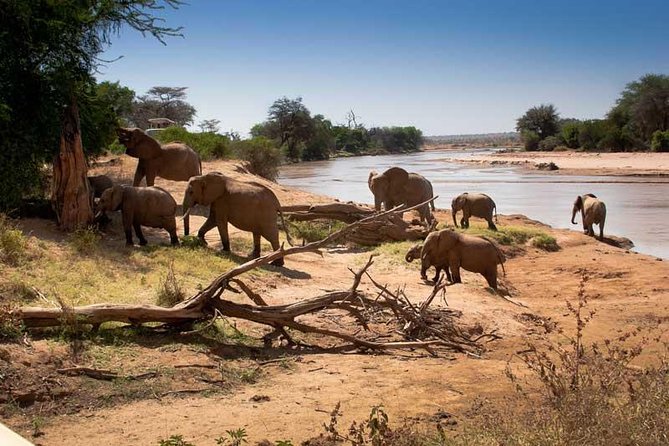
Elephants in the morning light are hard to beat, and this Tarangire day trip is built for exactly that. I like that you start with pickup from your Arusha hotel and head out early, plus you get lunchboxes and water packed for the long day. The park itself is a wildlife magnet all year, with standout chances for big elephant herds, lions, giraffes, buffalo, wildebeest, zebras, and even a possible python if the timing is right.
The only real trade-off is the schedule: you’re on the road early and the trip runs about 12 hours, with a 2 to 3 hour drive each way, so it is not the kind of day where you can sleep in and still feel fresh.
In This Review
- Quick Hitters Before You Go
- Tarangire National Park from Arusha: Quiet Safari Time That Actually Feels Like a Break
- The 6:00am Pickup and the Drive That Shapes the Whole Day
- Entering Tarangire: The Wildlife Setup Is Different Here
- Elephants Up Close, Not Just a Glimpse
- Lions, Giraffes, Buffalo, Wildebeest, Zebras, Plus That Possible Python
- Birdwatching in Tarangire: 550 Species Means You’ll Notice More
- Baobabs, Marshy Savannah Energy, and Why the Landscape Matters
- Jeep Time, Guide Attention, and What a Max of 4 Changes
- Lunchboxes and Water: Small Comforts That Make You Enjoy the Long Day
- Price and Value: Is $300 Fair for a 12-Hour Tarangire Day?
- Who This Trip Fits Best (and Who Might Want Something Else)
- The Names to Remember: Stanley, Fabiola, and the On-the-Ground Team
- Should You Book the Tarangire National Park Day Trip?
Quick Hitters Before You Go
- Small group size, max 4 travelers means a calmer safari rhythm and easier guide attention.
- 6:00am start time helps you reach Tarangire while the day still feels cool and active.
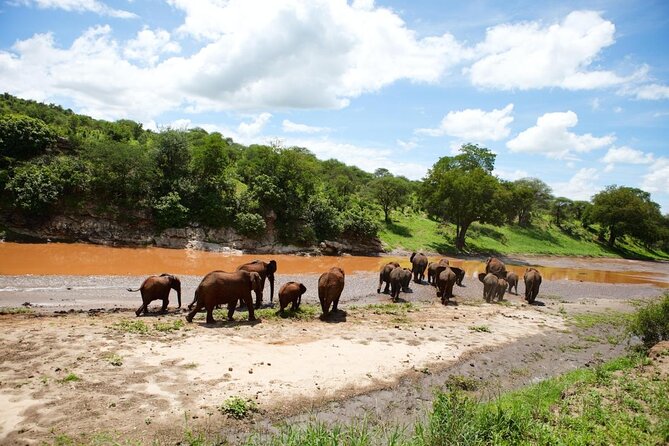
- Year-round wildlife focus, especially elephants near the Tarangire River.
- Birding heaven, 550 bird species, for anyone who likes more than just the big mammals.
- Packed lunch and water, so you can stay focused on spotting animals.
- A quieter alternative to the busiest parks, so the atmosphere feels less crowded.
Tarangire again, with different operators
- 5-Day Highlights mid-Range Crater, Serengeti, Tarangire★ 5.0 · 296 reviews
- Private 6-Day Tarangire Manyara Crater and Serengeti with Mid-Range Lodges★ 5.0 · 238 reviews
- 5 Days Camping Tarangire, Serengeti & Ngorongoro crater & Visiting Maasai★ 5.0 · 229 reviews
- 4 Days Join Group tour Tarangire Serengeti and Ngorongoro crater★ 5.0 · 219 reviews
Tarangire National Park from Arusha: Quiet Safari Time That Actually Feels Like a Break
Tarangire has a way of making you exhale. After time in Arusha, this day trip turns the volume down fast. You trade city noise for wide skies, open savannah, and the kind of wildlife watching where you stop thinking in clocks and start thinking in animal behavior.
The big reason people choose Tarangire is the density of elephants in North Tanzania. You’re not just hoping to see a few. You’re going into a park known for frequent elephant sightings throughout the year, and the herds can reach impressive numbers, sometimes around 300 animals. Add to that the chance of predators like lions and the mix of giraffes, buffalo, wildebeest, and zebras, and you get a strong all-day checklist potential without needing multi-day logistics.
And then there are the birds. With 550 different bird species, Tarangire is the kind of place where your ears and eyes stay busy. Even if your main goal is elephants, it helps to look up and listen, because this park rewards slower scanning.
The 6:00am Pickup and the Drive That Shapes the Whole Day
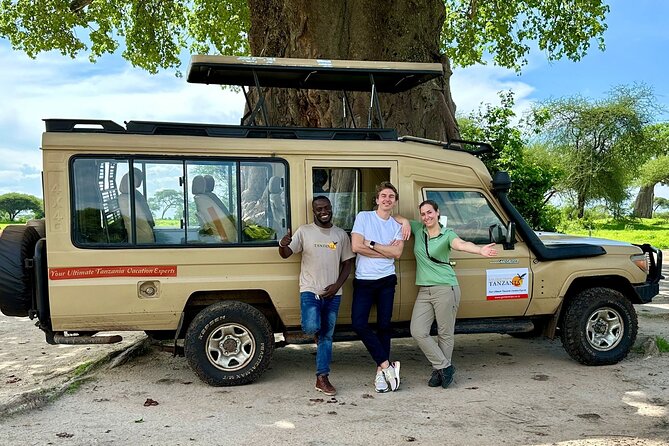
The day begins with a start time of 6:00am, and the value of that is simple: you lose less time to heat and fatigue. You’ll be collected from your Arusha hotel, then you head out on a roughly 2 to 3 hour drive to the park gate area.
This is one of those practical details that matters more than it sounds. The earlier departure gives your guide better odds of finding wildlife active and visible. It also means you’re less likely to spend the most intense part of the day only sitting in the vehicle, watching the light flatten out.
One small comfort perk worth noting is how organized the trip feels from the start. In past experiences with this safari style of operator, the team has shown up on time and handled little “on the fly” needs smoothly, including helping coordinate a cash machine stop en route when it came up. You don’t need that kind of support every day, but it’s reassuring when travel logistics get messy.
Entering Tarangire: The Wildlife Setup Is Different Here
Tarangire is not the same kind of safari vibe as the biggest, most famous parks. The highlight you’re aiming for here is staying away from heavy crowds, and that often changes how the day feels. Less crowd pressure means the guide can spend time where animals are actually behaving naturally, rather than where the schedule pushes you.
This park also has a very specific wildlife “anchor”: the Tarangire River. The river has water all year round, which matters because animals need reliable sources. During drier stretches, water availability can concentrate sightings, and that concentration tends to make elephant encounters more consistent.
And there’s a fascinating human history thread too. This region has been associated with big game hunting in the past, including trips connected to Hemingway. Since national parks were established, the area shifted from hunting grounds to protected space, and the modern safari is all about cameras replacing elephant guns. That context doesn’t change the wildlife, but it gives the place an extra layer of meaning as you watch modern conservation in action.
Elephants Up Close, Not Just a Glimpse
If elephants are your main goal, this day trip is built for you. Tarangire is known for a high density of elephants in North Tanzania, and sightings aren’t limited to one narrow season. That year-round potential is a huge deal for real travelers. It means you don’t have to plan your entire Tanzania trip around a narrow window.
What I like about how Tarangire’s elephant story works is that it’s not only about “spotting one elephant.” The park often delivers herd-level moments, and when you see that scale, you start understanding why the savannah feels busy even when it looks open. Elephants change the whole atmosphere: they move through space, reshape the scene, and create a natural timeline for everything happening around them.
A practical tip here: when you first spot elephants, take a few seconds to look at direction and movement, not just size. Elephants often create a chain reaction in predator and scavenger behavior, and your guide will typically use those behavioral cues to decide where to position the vehicle for the next sighting.
Also, keep expectations flexible. You might see elephants on the move, or you might see a herd holding ground while smaller groups browse nearby. Either way counts. The value is that your sightings are frequent enough that you’re not waiting all day for one miracle moment.
Lions, Giraffes, Buffalo, Wildebeest, Zebras, Plus That Possible Python
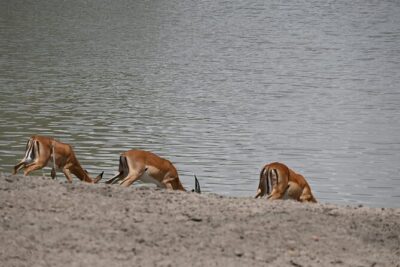
Tarangire’s charm is the variety. Yes, elephants are the star, but the park is also home to lions, giraffes, buffalo, wildebeest, and zebras. That mix is why this day trip can work for different travel styles. If you love big mammals, you’re covered. If you like the “who’s who” of a savannah ecosystem, you get it too.
Now for the wildcard: the possibility of a python. That’s not something anyone can guarantee on a one-day schedule, but it is listed as a chance when conditions line up. If you’re the type of traveler who enjoys surprises, Tarangire is a good place to stay mentally curious. When you’re scanning for wildlife, look for stillness among movement, because snakes can be easier to spot when everyone else is focused elsewhere.
As for lions, your odds tend to track with where the day’s activity concentrates. This is exactly where a knowledgeable guide’s pattern of searching becomes valuable, not because they can force an animal to appear, but because they can read terrain and decide where the next pass makes sense.
Birdwatching in Tarangire: 550 Species Means You’ll Notice More

Birdwatchers do not have to sit this trip out. Tarangire is a standout bird park, with 550 different bird species. That number is big, but here’s what it means on the ground: you get constant opportunities to add sightings without needing a separate birding-focused itinerary.
Even if you are not a hardcore birder, you’ll probably enjoy how birds change your pacing. You slow down to scan branches, watch flight paths, and listen for calls. It’s one of the easiest ways to feel like you’re learning something, even during a fast day.
My practical advice: bring a smartphone camera but also plan on using your eyes more than your zoom. Birds move fast, and a quick visual scan often beats a “try to zoom forever” approach. Also, if your guide points out a bird type, take the note and keep looking in similar spots later. The park tends to reward that kind of pattern thinking.
Baobabs, Marshy Savannah Energy, and Why the Landscape Matters
Tarangire’s ecosystem gives you scenery that feels distinctly different from the classic “everyone imagines Tanzania as endless grassland” idea. Baobab trees show up, and they are not just decoration. They break up the terrain, give perches and shade points, and create landmarks that help you track where animals might be moving.
The river also plays a major role. Reliable water helps animals stay in the park throughout the year. That changes the rhythm of your safari. You’re not only driving looking for chance. You’re responding to a system that keeps wildlife present.
If you’ve ever done safaris where it feels like you spend half the day searching, Tarangire often feels more grounded because the park’s lifelines are visible. You still have to look, but you’re not guessing in a void.
Jeep Time, Guide Attention, and What a Max of 4 Changes
The experience is shaped by group size. With a maximum of 4 travelers, your safari does not feel like a cattle call. That matters when you’re trying to hear explanations, adjust for comfort, and keep your spotting efforts coordinated.
It also tends to make vehicle positioning smoother. When there are fewer people, you can spread out attention without the constant shuffle of who’s standing, who’s watching, and who’s trying to get a camera angle.
From the way the operator has handled the day for past groups, the vibe is clearly about staying organized: pickup on time, helpful guidance, and practical comfort. People have described getting a sweet packed lunch and having plenty of water available during the drive. That combination is underrated on a long day. It prevents the common safari problem where hunger and dehydration turn your excitement into crankiness.
Lunchboxes and Water: Small Comforts That Make You Enjoy the Long Day
A 12-hour safari day can be great or exhausting, depending on how you plan energy. The inclusion of lunchboxes and water is exactly what helps you stay present.
I like this setup because it supports a different kind of safari focus. Instead of thinking about finding food, managing costs, or waiting for a restaurant stop, you can keep watching. You also don’t have to mentally calculate whether you’ll have enough water for the day, especially when the day runs long and the drive is part of the experience.
If you bring snacks, you can add them, but you likely won’t feel forced to. The goal here is simple: keep you comfortable enough that wildlife spotting stays fun, not stressful.
Price and Value: Is $300 Fair for a 12-Hour Tarangire Day?
At $300 per person for an about 12-hour day trip, the value comes down to what you get operationally, not just what the park offers naturally.
You’re paying for:
- Hotel pickup in Arusha and transportation to and from Tarangire
- A day of guided wildlife searching
- Packed lunchboxes and water, which is a real cost saver during a full-day outing
- Mobile ticketing, which reduces last-minute friction
- A small group cap of 4 travelers, which usually means more flexible attention
For safari-minded travelers, the “value” question is often this: would you otherwise arrange transport and a guide yourself, then manage food? Many people don’t want to deal with that. When the day is handled cleanly and you get practical comforts, that’s worth something.
My balanced take: if you’re traveling with multiple people and you can find a cheaper option, sure, compare. But if you want an organized day with lower stress and strong wildlife focus, this price is in the sensible zone for the full-day structure you’re getting.
Who This Trip Fits Best (and Who Might Want Something Else)
This Tarangire day trip fits best if you want:
- A single-day wildlife fix without booking multiple nights
- Strong elephant chances in a park known for year-round sightings
- A calmer atmosphere compared to more crowded safari destinations
- Real learning time from a guide who can point out ecosystem connections and wildlife behavior
It can also be a good choice for birdwatchers or for anyone who wants a break from “sit in town” travel. The park environment changes how the day feels, and the birding helps keep things varied.
Where it might not fit is if you hate early mornings or long vehicle time. The 6:00am start and roughly 12 hours total can feel like a lot if you want a slower day with minimal driving. Also, if you’re the type who needs rest stops on your own timeline, a structured day may feel tight.
The Names to Remember: Stanley, Fabiola, and the On-the-Ground Team
A day safari gets real when the team behind it stays organized. In this case, guides have included people like Stanley, and the office support has included Fabiola, with the team also known for keeping arrangements smooth. That kind of continuity often shows in details like timing and how calmly they handle the day when small needs pop up.
Even if you don’t care about staff names, it’s worth noting because it usually correlates with fewer surprises. You want to spend your attention on animals, not logistics.
Should You Book the Tarangire National Park Day Trip?
If you want a straightforward, well-structured safari day with high elephant odds, a calm feel away from bigger crowds, and enough birdwatching value to keep the day interesting, then yes, you should seriously consider booking this Tarangire day trip.
I’d book it when:
- You are short on time in northern Tanzania.
- Elephants are your priority, and you want year-round chances.
- You prefer a smaller group experience with pickup from Arusha.
- You like the idea of an organized day that provides lunch and water so you stay focused.
I might hesitate if:
- You strongly dislike early mornings and long drive days.
- You only want a guarantee of one specific animal (no safari can promise that, and Tarangire’s best moments are often about variety and timing).
Overall, this is a practical day that hits the core Tanzania safari experience without making you juggle chaos. Tarangire gives you the quiet, the wildlife density, and the ecosystem feel, all in one day.
Tarangire and Its Baobabs
- 5-Day Highlights mid-Range Crater, Serengeti, Tarangire
★ 5.0 · 296 reviews - Private 6-Day Tarangire Manyara Crater and Serengeti with Mid-Range Lodges
★ 5.0 · 238 reviews - 5 Days Camping Tarangire, Serengeti & Ngorongoro crater & Visiting Maasai
★ 5.0 · 229 reviews - 4 Days Join Group tour Tarangire Serengeti and Ngorongoro crater
★ 5.0 · 219 reviews - 4-Day Safari from Arusha: Tarangire, Serengeti and Ngorongoro
★ 5.0 · 173 reviews
Just added from around Arusha



Tarangire National Park Safaris, compared.
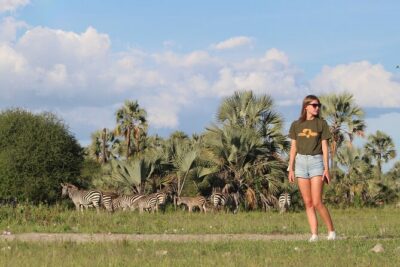 ★ 5.05-Day Highlights mid-Range Crater, Serengeti, TarangireFrom $2,327296 reviews
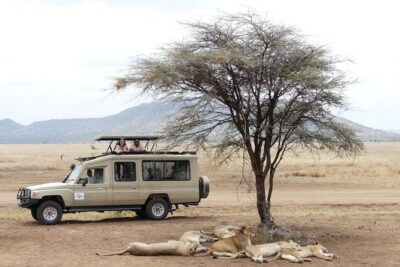 ★ 5.0Private 6-Day Tarangire Manyara Crater and Serengeti with Mid-Range LodgesFrom $2,685238 reviews
 ★ 5.05 Days Camping Tarangire, Serengeti & Ngorongoro crater & Visiting MaasaiFrom $1,254229 reviews
 ★ 5.04 Days Join Group tour Tarangire Serengeti and Ngorongoro craterFrom $1,090219 reviews
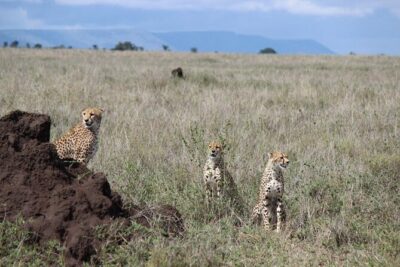 ★ 5.04-Day Safari from Arusha: Tarangire, Serengeti and NgorongoroFrom $1,753173 reviews
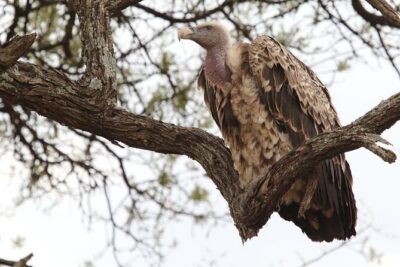 ★ 5.02 Days Tarangire and Ngorongoro Group Camping SafariFrom $550146 reviews
 ★ 5.04 Days Tarangire Serengeti Ngorongoro CraterFrom $900117 reviews
 ★ 5.03 Days Tarangire, Ngorongoro & Lake Manyara Group Camping SafariFrom $700102 reviews
Browse the lists this tour appears in