
REVIEW · SERENGETI NATIONAL PARK SAFARIS
5-Day Highlights mid-Range Crater, Serengeti, Tarangire
Big animals, big geology, big views. This mid-range safari packs Tarangire, Ngorongoro Crater, and the Serengeti migration into one smooth Northern Circuit swing.
I like the mix because you get different types of wildlife country, not just one long stretch of savannah.
I love how the day-to-day plan is built around real viewing time, especially with an open-roof Safari Truck in Tarangire, plus a long early Serengeti game drive. I also love the value feel of included stays at lodges and safari camps, with most meals handled for you.
When things run on time, that matters in safari country.
One consideration: with four major parks in five days, the schedule is packed, so you will trade some slow mornings for more time on the road. If you want lots of breathing room between game drives, plan for a bit more “go, go, go” than on a longer safari.
In This Review
- Key Highlights Worth Zooming In On
- Northern Safari Highlights in 5 Days, What the Route Feels Like
- Day 1 Arusha Arrival, Pickup, and a Calm Night Before the Wild
- Day 2 Tarangire National Park and the River Pull for Elephants
- Day 3 Ngorongoro Crater, 600 M Down Into a Self-Contained Wildlife World
- Day 4 Serengeti at 6:30 Am, Following the Migration Instead of Guessing
- Day 5 Lake Manyara, Flamingos, Tree Lions, and a Return by 5 Pm
- How the Guides Improve Your Odds, Not Just Your Narration
- Lodges, Tented Camps, and Food That Lets You Focus
- Price and Value: Is $2,327 Fair for This Package?
- What Can Change: Rainfall, Flooding, and How Wildlife Plays Along
- Who Should Book This Safari, and Who Should Think Twice
- Should You Book This 5-Day Highlights Safari?
- FAQ
- What parks are included on this 5-day highlights safari?
- Where does the safari start and what time does it begin?
- Does the tour include pickup?
- What kind of accommodation is included?
- Are meals included?
- Are park admission tickets included?
- Is the experience private?
- Are flights included?
- What ticket format is provided?
- What is the cancellation policy?
Key Highlights Worth Zooming In On
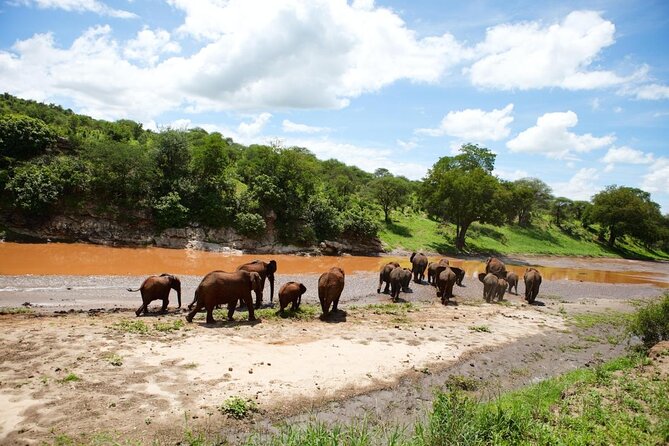
- Tarangire River draw for elephants plus baobabs and seasonal swamps that pull animals together
- Ngorongoro Crater scale at about 20 km wide and roughly 600 m deep, plus springs that attract wildlife and birds
- Serengeti mornings at 6:30 am for a 6 to 7 hour drive, timed for migrating herds and predators
- Lake Manyara’s soda lake birdlife with thousands of flamingos and lots of other species nearby
- Private for your group so you can keep the pace comfortable and avoid the worst crowding
- Mid-range value bundle: lodges and safari camps plus breakfasts, lunches, and dinners included
More of the Serengeti, drive by drive
- Balloon Safari & Bush Breakfast in Serengeti – Miracle Experience★ 5.0 · 1,646 reviews
- 3 Days Serengeti & Ngorongoro Group Camping Safari★ 5.0 · 574 reviews
- 5-Day Highlights mid-Range Crater, Serengeti, Tarangire★ 5.0 · 296 reviews
- 3-Day Classic Serengeti Safari★ 5.0 · 263 reviews
Northern Safari Highlights in 5 Days, What the Route Feels Like
This is a classic Northern Circuit “best hits” route, built for people who want real variety without burning a week or more on logistics. In five days, you move through Tarangire, descend into Ngorongoro Crater, spend a full morning hunting for sightings in Serengeti, then wrap with Lake Manyara.
The practical feel of it is that each day has a clear wildlife identity. Tarangire leans elephant families and baobabs. Ngorongoro is a compact, bowl-shaped ecosystem where the view can feel almost unreal. Serengeti focuses on migration and big predator potential. Lake Manyara adds birds, woodlands, and the chance of lions resting in trees.
It’s also a private-group setup, meaning your experience is designed around your people, not a swap of strangers every time you stop for photos. That small difference changes the vibe more than you’d think.
Day 1 Arusha Arrival, Pickup, and a Calm Night Before the Wild
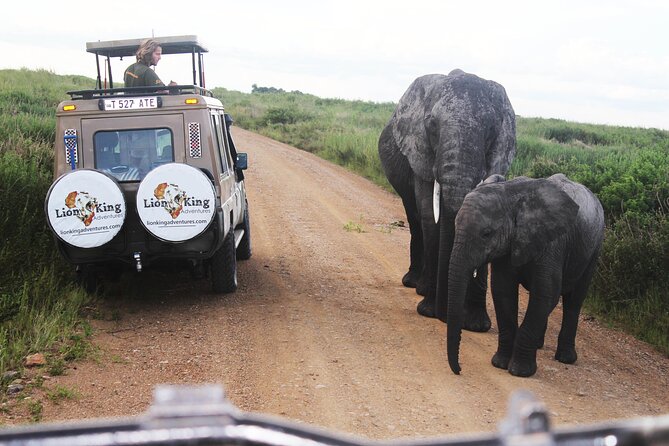
Your safari starts in Arusha, and you begin with a pickup by a Lion King representative from the airport. You then head to your overnight base at Arusha Planet Lodge, which is positioned as a calm start point so you can reset before day-long drives.
This day is not about sightseeing. It’s about getting the human stuff out of the way. You land, you get conveyed, you settle in, and you prepare for a schedule that starts early the next morning.
If you’re the type who doesn’t like “wasted time,” this is good planning. You’re not trying to race between the airport and a first park. You get a night that actually belongs to you.
Day 2 Tarangire National Park and the River Pull for Elephants
After breakfast, the drive to Tarangire runs about two hours, and that’s a steady ramp into safari mode. Tarangire is known for elephant families plus iconic baobab trees, and the key wildlife magnet is the Tarangire River.
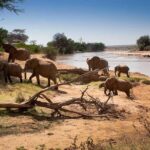
When animals gather at the river, your odds improve in a way that feels more like luck plus math. You’re not just scanning endless plains. You’re looking at a place where life keeps returning, seasonally. The plan even points out the kind of sightings that tend to show up around the water: giraffe, bushbuck, hartebeest, along with buffalo, zebra, and wildebeest.
Then you get predators in the mix. The route description calls out predators attending the same spots, including leopard. That is one of the reasons Tarangire is such a dependable first big park. Even if the day starts slow, the river story can keep things moving.
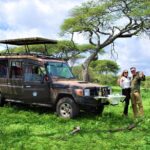
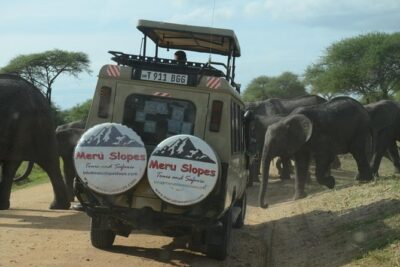
Timing and comfort details matter here. You ride in an open-roof, state-of-the-art Safari Truck, which changes how you experience the day. You’re closer to the sights, not boxed behind glass. It also makes the landscape views feel immediate, not distant.
You also get a picnic lunch inside the park. That’s a small thing that helps a lot. You avoid long detours back out for food, and you stay in the wildlife zone longer.
Tarangire again, with different operators
Day 3 Ngorongoro Crater, 600 M Down Into a Self-Contained Wildlife World
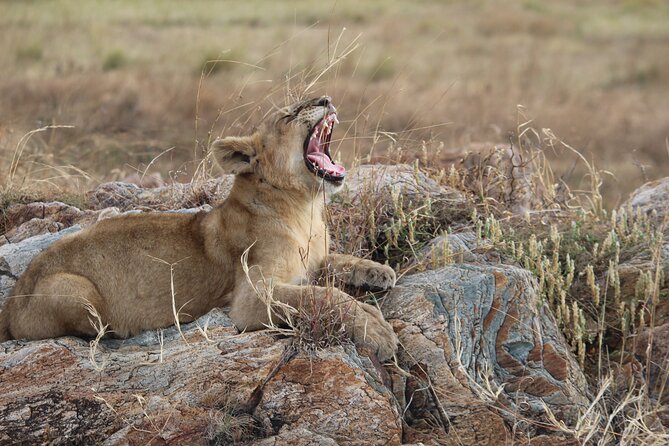
Ngorongoro Crater is the kind of place that turns safari from a checklist into a scene. You head out early, and the stop is the world’s largest volcanic caldera, about 20 km wide and roughly 600 m deep.
The description doesn’t treat Ngorongoro as vague scenery. It gives you the scale: it formed when a volcano exploded millions of years ago, and it was once taller than Kilimanjaro. That context helps because you start to understand why the crater works like its own universe.
The wildlife payoff is the diversity in a relatively contained area. You can see the Big Five and also rely on the springs as an extra wildlife attraction. Springs bring in animals such as wildebeest, gazelle, and reedbuck, and the area supports more than 500 bird species.
One practical point: your game drive time here is usually the main event. Even with the day moving onward afterward, Ngorongoro is built to be the centerpiece stop.
Around 1400 hours you head toward Serengeti and arrive at your lodging in a high-grade tented camp. That shift from crater geology to Serengeti country is a real mood change, and staying in a tented camp helps keep you close to the environment.
Day 4 Serengeti at 6:30 Am, Following the Migration Instead of Guessing
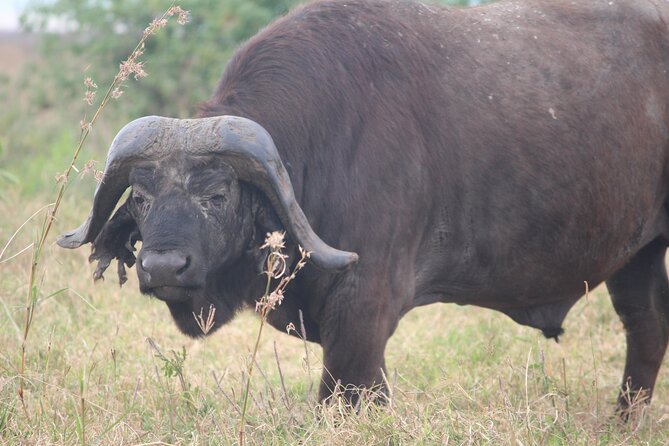
This is the day that safari lovers plan around. You start with an early breakfast and hit the game drive around 6:30 am, with 6 to 7 hours of time in Serengeti.
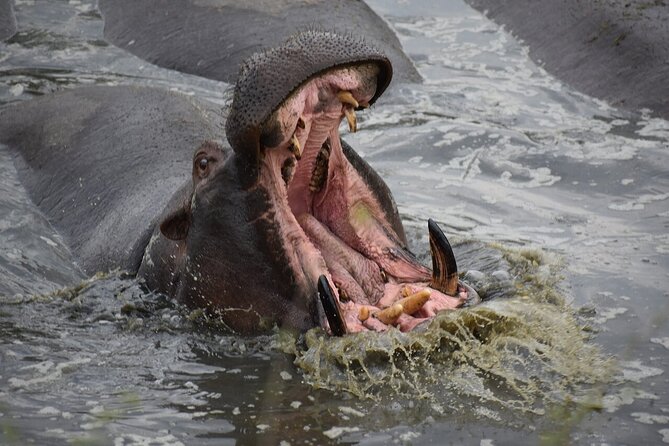
Serengeti is presented here as a place of both resident wildlife and massive moving herds. You might see impala and buffalo, and the park also supports crocodiles and hippos. But the signature is migration: zebras around 250,000, wildebeest around 1.5 million, and antelope around 500,000.
Here is the key practical truth about Serengeti: the migration trek depends on rainfall, and it varies from year to year. That means the best plan is not to demand one specific animal at one specific location. It’s to be ready for the migration story as it unfolds during your dates.
Predator sightings can happen alongside herds. The route description points to leopard, cheetah, and lion as possibilities. In real safari terms, predators often connect to where prey concentrates, so your early drive time matters.
Then at about 1400 hours, you head back to Karatu and settle in for the night. That timing keeps your day long enough for real sightings, but it also means you’re not ending your evening in the dark with nowhere to rest.
Day 5 Lake Manyara, Flamingos, Tree Lions, and a Return by 5 Pm
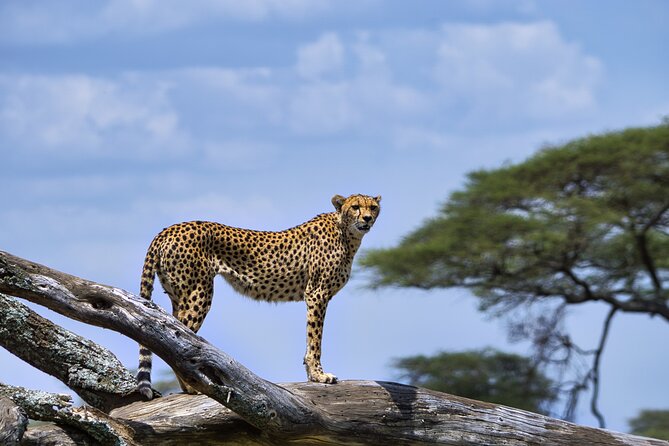
Your final park is Lake Manyara National Park, reached by a short drive. The route notes it’s about 120 km west of Arusha.
Lake Manyara is smaller than the headline parks, but it’s described as diverse, and that diversity shows up in both animals and environments. It’s named for a shallow salt lake that covers around 70% of the park lands. The lake floods and dries seasonally, and that pattern supports huge bird activity.
The bird numbers here are clear: thousands of flamingos and more than 500 bird species. If you enjoy wildlife that isn’t only the big mammals, this is a smart closer.
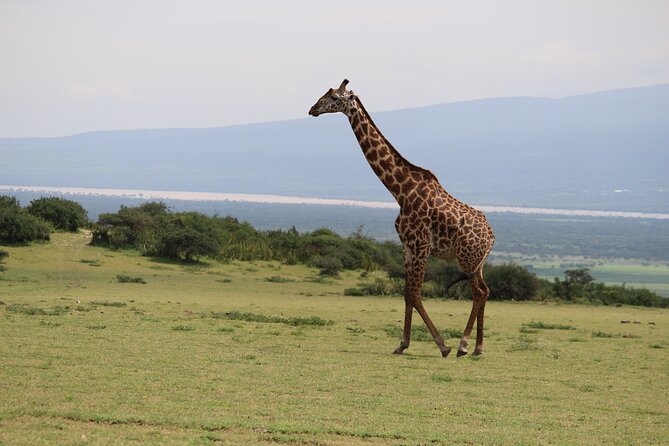
You also get game viewing options such as monkey, giraffe, zebra, wildebeest, buffalo, and elephant. With luck, you may spot lions lounging in the trees, which is a distinctive Lake Manyara style of sighting.
The description also points out varied terrain features, including open grassy plains, primate-filled woodlands, and baobab-dotted cliffs. That variety matters on a final day. It keeps you from feeling like you are just repeating the same drive routine.
After lunch, you head back to Arusha and arrive around 5:00 pm, which is a nice landing window if you’re also planning onward travel.
How the Guides Improve Your Odds, Not Just Your Narration
In safari country, a guide does two jobs. First, they know where animals may be. Second, they keep the day running so you actually get time to see them.
This tour is built around professional guiding and logistics that start from the first airport pickup and continue through the drive days. Names show up repeatedly in the wider Lion King ecosystem, including Enouk, Imma, Shafino, Shaban, Haroni, Gordon, Leonard, Fredrick, Mwita, and Suleiman. Across those accounts, a consistent theme is that the guides work hard to maximize sightings and keep you moving thoughtfully rather than aimlessly.
The vehicle itself also plays a role in how those skills translate into your experience. The route description for Tarangire calls out a state-of-the-art Safari Truck with an open roof. When you combine that with sharp spotting, you get that feeling of being in the action instead of watching through a cage.
This is where private-group travel helps. You are not stuck behind a group that pauses for every photo request. You can keep a workable pace that matches your group’s comfort.
Lodges, Tented Camps, and Food That Lets You Focus
The tour includes accommodation at lodges and safari camps, with breakfasts, lunches, and dinners included. The meal counts listed are straightforward: breakfast (4), lunch (3), and dinner (3).
That matters more than it sounds. Safari days can be tiring, and a predictable meal plan reduces the stress of finding food, timing, and dealing with extra costs you did not budget for.
The overnight style shifts too, which is part of the experience here. You start with a lodge night in Arusha at Arusha Planet Lodge. Then you spend nights in safari camp settings during the main park stretch, including a high-grade tented camp move during the transition to Serengeti and a lodge base when you return to Karatu.
A high-grade camp setup can help you rest well between long drives. You also get the psychological benefit of a “real stop” each evening, not a rushed scramble to move on.
Price and Value: Is $2,327 Fair for This Package?
At $2,327 per person, this sits in the mid-range band. The big question is what you get for that money, and here the inclusions do real work.
You get:
- Park days across four major areas: Tarangire, Ngorongoro Crater, Serengeti, Lake Manyara
- Lodging included at lodges and safari camps
- Most meals included, with multiple breakfasts, lunches, and dinners listed
- Safari trucking for the game drives and the day-to-day movement
- Park admission tickets included on the days marked in the itinerary
Also, the private-group design can add value if you have a small group that would otherwise pay separate fees for shared group departures.
What you should also factor in is what is not included: flights. If you’re building a full trip budget, make sure airfare does not surprise you at the last step.
The other consideration tied to price is time. Because this is a highlights route, you get a lot of variety, but you also accept a packed schedule. If you want slow travel, you might pay more for more days.
What Can Change: Rainfall, Flooding, and How Wildlife Plays Along
Two parts of this route explicitly depend on nature’s timing.
In Serengeti, the migration trek is determined by rainfall and varies from year to year. That means your herds and the best viewing zones can shift while you’re there. Instead of treating it as a fixed plan, treat it as a process the guide will track with you.
In Lake Manyara, the salt lake floods and dries seasonally. That directly affects where birds concentrate and how the park’s seasonal patterns look in your day.
Ngorongoro is less about rainfall-driven movement in the same way, but it does still rely on animals clustering in a compact system. Springs attract wildlife, and that steady attraction is part of why Ngorongoro is so consistently productive.
So the best mindset for this safari is flexibility. Your day might feel different in detail, but the core promise stays: each park has a signature pull, and your guide works that signature.
Who Should Book This Safari, and Who Should Think Twice
This tour fits best if you want the Northern Circuit highlights and you like a clear structure. It’s also a good fit for people who appreciate included basics, like lodging and meals, so you can focus your energy on wildlife.
It can work well for families too. One of the guide stories tied to Lion King Adventures specifically mentions being child-friendly for kids around 6 and 8 years old. If you’re traveling with younger ones, the private setup can help keep the pace reasonable.
I think it is less ideal for people who want a long, slow safari with lots of downtime. With four major parks in five days, the schedule leans active.
Also, if you need help coordinating flights or you want the itinerary to start in another country, you’d have to ask directly, since flights are not included in the package details here.
Should You Book This 5-Day Highlights Safari?
Book it if you want a mid-range safari that delivers variety fast: elephants and baobabs in Tarangire, crater wildlife in Ngorongoro, Serengeti migration odds with an early start, then Lake Manyara’s birds and tree-lounging lions.
I’d also book it if you value private-group comfort and you like the idea of included lodging plus most meals. Those are the cost and stress reducers that make a safari easier to enjoy.
Think twice if you hate packed schedules. This route is designed to cover a lot, so you will spend more time in transit than on longer safaris.
If you want a quick decision rule, use this: if your dream is seeing multiple signature parks in one trip window, and you’re okay with a busy pace, this is a strong match.
FAQ
What parks are included on this 5-day highlights safari?
The route includes Tarangire National Park, Ngorongoro Crater, Serengeti National Park, and Lake Manyara National Park.
Where does the safari start and what time does it begin?
It starts at the Mount Meru Hotel on the Arusha-Taveta Road, Sekei Area, Arusha, and the start time listed is 9:00 am.
Does the tour include pickup?
Yes. Pickup is offered, including pickup from the airport by a Lion King representative and transfer to an accommodation in Arusha for the first night.
What kind of accommodation is included?
Accommodation is included at lodges and safari camps during the tour.
Are meals included?
Yes. The included meals listed are breakfast (4), lunch (3), and dinner (3).
Are park admission tickets included?
Park entry is listed as included on the itinerary days (Tarangire, Ngorongoro Crater, Serengeti, and Lake Manyara), and the Serengeti day notes Admission Ticket Free.
Is the experience private?
Yes. It is described as private, meaning only your group participates.
Are flights included?
No. Flights are not included.
What ticket format is provided?
The tour includes a mobile ticket.
What is the cancellation policy?
There is free cancellation up to 24 hours in advance of the experience start time for a full refund. If you cancel less than 24 hours before, the amount paid is not refunded.
More Lodge Safaris
- 7-Day Premium Luxury Tanzania Safari All-Inclusive
★ 5.0 · 426 reviews - Private 6-Day Tarangire Manyara Crater and Serengeti with Mid-Range Lodges
★ 5.0 · 238 reviews - 5 Days Best of Tanzania Luxury Safari Northern Circuit
★ 5.0 · 174 reviews - 5-Day Private midrange Tour in Arusha with Airport Pickup
★ 5.0 · 160 reviews - 12 days Luxury Tanzania Honeymoon Safari and Zanzibar
★ 5.0 · 105 reviews
Tarangire and Its Baobabs
- Private 6-Day Tarangire Manyara Crater and Serengeti with Mid-Range Lodges
★ 5.0 · 238 reviews - 5 Days Camping Tarangire, Serengeti & Ngorongoro crater & Visiting Maasai
★ 5.0 · 229 reviews - 4 Days Join Group tour Tarangire Serengeti and Ngorongoro crater
★ 5.0 · 219 reviews - 4-Day Safari from Arusha: Tarangire, Serengeti and Ngorongoro
★ 5.0 · 173 reviews - 2 Days Tarangire and Ngorongoro Group Camping Safari
★ 5.0 · 146 reviews
The Serengeti, Three More Ways
- Balloon Safari & Bush Breakfast in Serengeti – Miracle Experience
★ 5.0 · 1,646 reviews - 3 Days Serengeti & Ngorongoro Group Camping Safari
★ 5.0 · 574 reviews - 3-Day Classic Serengeti Safari
★ 5.0 · 263 reviews - Private 6-Day Tarangire Manyara Crater and Serengeti with Mid-Range Lodges
★ 5.0 · 238 reviews - 5 Days Camping Tarangire, Serengeti & Ngorongoro crater & Visiting Maasai
★ 5.0 · 229 reviews
Just added from around Arusha
Serengeti National Park Safaris, compared.
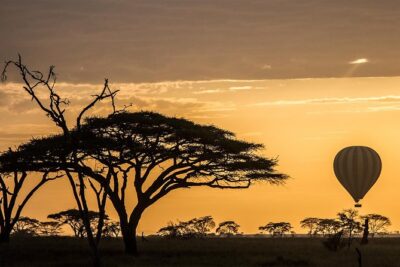 ★ 5.0Serengeti Balloon Safari and authentic bush breakfastFrom $5502,480 reviews
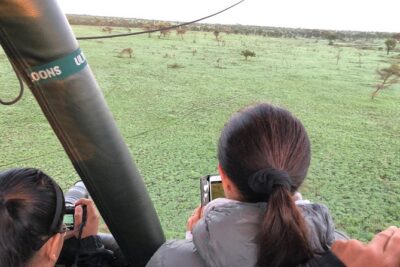 ★ 5.0Balloon Safari & Bush Breakfast in Serengeti – Miracle ExperienceFrom $5991,646 reviews
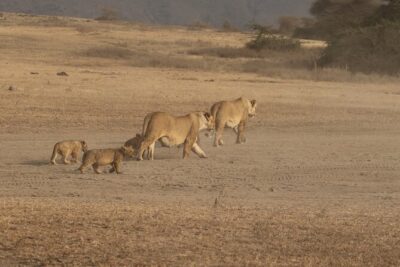 ★ 5.03 Days Serengeti & Ngorongoro Group Camping SafariFrom $815574 reviews
 ★ 5.0Safari Serengeti And NgorongoroFrom $2,845288 reviews
 ★ 5.03-Day Classic Serengeti SafariFrom $1,455263 reviews
 ★ 5.0Private 6-Day Tarangire Manyara Crater and Serengeti with Mid-Range LodgesFrom $2,685238 reviews
 ★ 5.05 Days Camping Tarangire, Serengeti & Ngorongoro crater & Visiting MaasaiFrom $1,254229 reviews
 ★ 5.04 Days Join Group tour Tarangire Serengeti and Ngorongoro craterFrom $1,090219 reviews
Browse the lists this tour appears in