
REVIEW · SERENGETI NATIONAL PARK SAFARIS
3 Days Serengeti & Ngorongoro Group Camping Safari
Two safari parks in three days.
This group camping safari hits both Serengeti National Park and Ngorongoro Crater, so you get more chances to see big wildlife in less time. I especially like how the small group size keeps the experience personal, and how having meals handled means you spend less brainpower on logistics and more on spotting animals. One thing to keep in mind is that the exact campsite location and pickup timing on the edges of the trip can vary a bit.
The practical bits are also a win. You get round-trip hotel transfers from Arusha, a mobile ticket, and admission noted as free, which helps keep your trip smooth when you are juggling an early start. In one standout example, guide Elias was praised for being very attentive and for guiding a route that helped his group see what they hoped for, from big cats to the other major animals people come for.
In This Review
- Key things to know before you go
- Serengeti plus Ngorongoro, why this combo works
- Arusha hotel transfers and the small-group advantage
- Day 1: Serengeti National Park and a night at Seronera Campsite
- Day 2: crossing to Ngorongoro and camping on the crater rim
- Day 3: a crater-floor day tour and picnic lunch
- Price and value: what $815 covers, and what it means for you
- Camping overnights: the classic feel, with fewer frills
- Guide quality and animal spotting help that feels practical
- What the schedule feels like in real life
- Who should book this Serengeti and Ngorongoro camping safari
- Should you book this 3 Days Serengeti & Ngorongoro Group Camping Safari?
- FAQ
- How long is the safari?
- Where does the safari start and end?
- What is the price per person?
- Is hotel pickup included?
- What meals are included?
- Are park admission tickets included?
- How big is the group?
- Where do we sleep overnight?
- What ticket method do I get?
- Can I cancel for a full refund?
Key things to know before you go
- Two parks, one tight route: Serengeti first, then Ngorongoro Crater for the second and third days.
- Small group feel: maximum group size is listed as up to 7 for more personalized guidance.
- Camping stays are built in: overnight camping at Seronera Campsite and Ngorongoro Simba Campsite.
- Meals remove pressure: breakfast and lunch are included across the days, plus dinners for the camping nights.
- On-time service shows up in feedback: people repeatedly highlight punctual pick-up and helpful staff.
More of the Serengeti, drive by drive
- Balloon Safari & Bush Breakfast in Serengeti – Miracle Experience★ 5.0 · 1,646 reviews
- 3 Days Serengeti & Ngorongoro Group Camping Safari★ 5.0 · 574 reviews
- 5-Day Highlights mid-Range Crater, Serengeti, Tarangire★ 5.0 · 296 reviews
- 3-Day Classic Serengeti Safari★ 5.0 · 263 reviews
Serengeti plus Ngorongoro, why this combo works
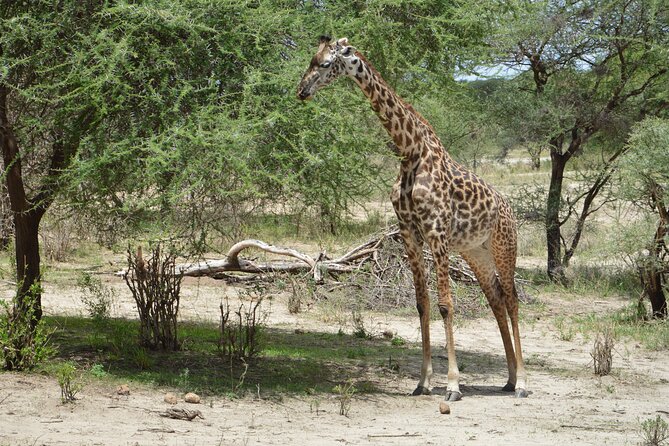
If it is your first safari, this route makes a lot of sense. Serengeti gives you wide open plains and classic game-drive vibes. Then Ngorongoro Crater adds a different setting, with wildlife concentrated in a smaller area and a full day option once you are down at the crater floor.
Doing both parks back-to-back is also efficient. Instead of booking one park and waiting for the next trip, you compress the planning into a three-day block. For many first-timers, that means you get the “wow” moments sooner, and you do not have to keep re-learning logistics mid-trip.
Arusha hotel transfers and the small-group advantage
The trip is based out of Arusha, and pickup is offered with transfers to and from your start point. The meeting point listed is Jevas Hotel EncoreTZ in Arusha, and the experience ends back at that same meeting point.
That door-to-door simplicity matters. You are likely dealing with an early departure time, and transfers reduce the chances of you scrambling with cash, phones, or paperwork right when you want your focus on the day’s first drive. You also get a mobile ticket, which typically makes check-in easier on the ground.
Then there is the group size. With a maximum of 7 travelers, you usually get more room for your guide to respond to your interests. That also helps on game drives, where small course adjustments can make a difference when sightings change.
Day 1: Serengeti National Park and a night at Seronera Campsite
Day 1 starts with breakfast in the Arusha area, then a drive to Serengeti National Park. The schedule lists about a three-hour drive time, followed by an evening game drive. You finish the day with dinner and overnight at Seronera Campsite.
Why the evening drive is a smart first move: it gives you that first taste of Serengeti without rushing through the day. After the drive, it is often easier to stay alert through a shorter game-drive window, and your guide can start building a picture of what is likely to show up.
The main tradeoff is the transition day effect. You spend more of Day 1 on the road than on active crater time, since you are still getting into position for Serengeti. If you are the type who gets impatient with travel days, know that Day 1 is partly about settling in and getting those first sightings.
Also, you will be camping. That is a big part of the classic safari feel, but it is still camping. Plan to treat the night routine as part of the safari rhythm, not an add-on.
Other ways down into the Ngorongoro Crater
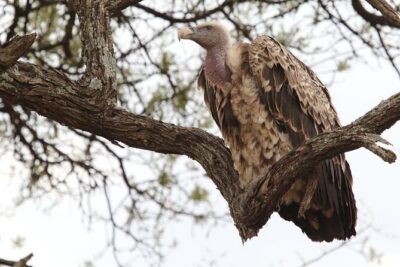
Day 2: crossing to Ngorongoro and camping on the crater rim
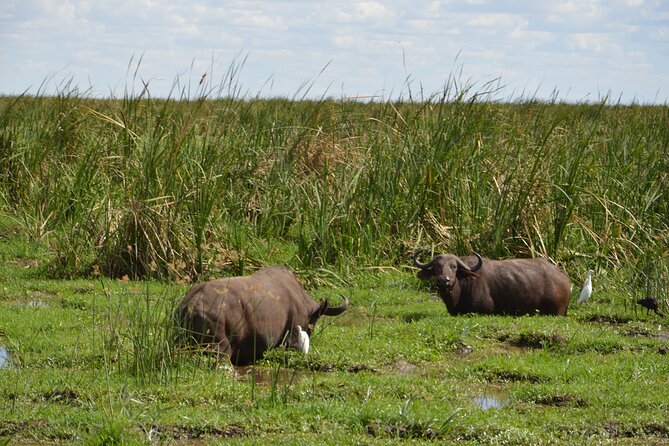
On Day 2, you go morning drive first, then an early lunch, then you continue onward toward Ngorongoro. En route, your driver focuses on wildlife and natural beauty, then you arrive for dinner and overnight at Ngorongoro Simba Campsite, listed on the rim.
This day is about contrast. You move from the broad Serengeti style of wildlife distribution into the Ngorongoro setup, where the goal is often to spend time around concentrated animals. The en-route commentary is helpful because it turns the “drive time” into part of the learning, so you are not just watching roads go by.
Another reason this works is the timing. Being on the rim overnight sets you up for an early start on Day 3. Many travelers feel that Ngorongoro is the make-or-break park, so the extra morning efficiency helps.
The only real consideration is fatigue management. Day 2 is listed at about 6 hours, and you are doing a morning drive plus travel plus a full evening. If you tend to get cranky when mornings start very early, prepare for that early rhythm.
Day 3: a crater-floor day tour and picnic lunch
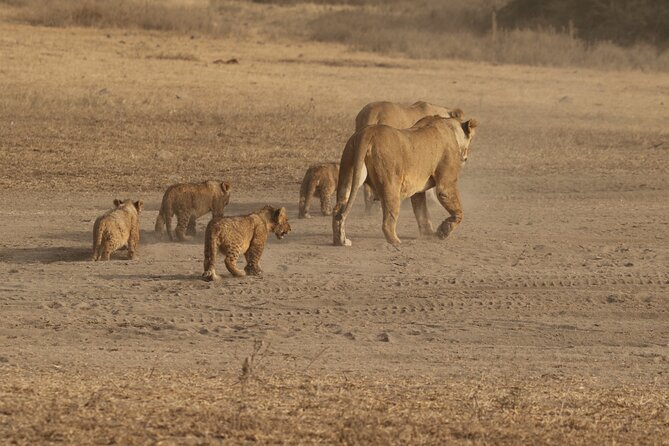
Day 3 begins early with breakfast, then you head directly to the Ngorongoro crater floor. The day is built around a crater-floor tour with a picnic lunch, then you travel back to Arusha afterward.
This is the day most people are picturing when they think about Ngorongoro. Instead of only seeing the rim, you get to spend your safari time on the crater floor itself, where wildlife activity can be easier to track because you are in the same closed system.
The practical upside is that Day 3 is focused. You are not splitting time between parks, and you are not dealing with “another transfer day” after you arrive. That makes it easier to keep your eyes open and stay tuned for sightings.
The main drawback is that this is also your longest “single site” effort. You will likely spend a lot of hours inside the safari vehicle as the tour works through the day-drive route. If you are prone to motion sickness, bring whatever helps you handle long road time, and plan a calm mindset: crater days are about patience as much as luck.
Price and value: what $815 covers, and what it means for you
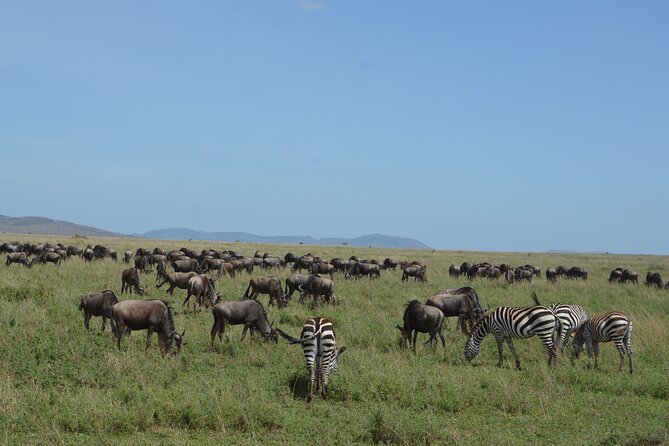
At $815 per person for a three-day safari, the value comes from what the package includes, not just the sticker price. You have park access noted as free, meals built into the schedule, camping overnights, and round-trip transfers from Arusha.
That is a useful bundle for a short trip. If you were to piece this together yourself, you would likely spend time comparing campsites, arranging transfers, and negotiating meal plans, then paying separate admission and transport costs anyway. Here, the logistics are handled inside one coordinated plan.
The other value factor is the group size. With a max of 7 travelers, you are not paying for an experience where you feel lost in a crowd. You should be able to ask questions, and your guide can keep an eye on everyone’s interests while still moving as sightings change.
Is it expensive? It depends on your budget and travel style, but for a route that covers two major areas with meals and camping included, it is positioned as cost-effective. If you want a safari without jumping into more expensive lodges, this kind of package often hits the sweet spot.
Camping overnights: the classic feel, with fewer frills
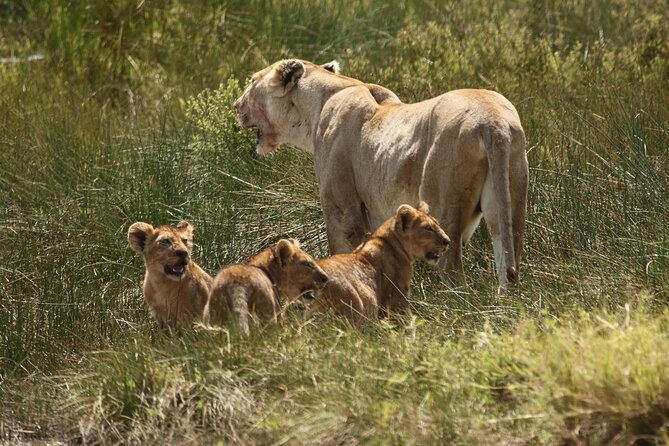
The safari uses camping bases at Seronera Campsite and Ngorongoro Simba Campsite. Camping is part of the romance, but I like it most because it helps you stay grounded in what the trip really is. You are out early, you drive for wildlife, you rest, you do it again. It keeps the whole experience focused.
Food is another part of “camping done right.” Feedback highlights that the food was very good, and that the team was helpful and supportive. When camping is included, it is easy to worry about basics. These comments suggest the camp meals were handled well enough that it did not feel like a downgrade from the wildlife portion.
Still, camping is not the same as a hotel. Expect a different level of comfort, and treat the overnight as part of the safari story. If you are a light sleeper, you might want to plan for the realities of being in a campsite environment rather than a polished resort.
Guide quality and animal spotting help that feels practical
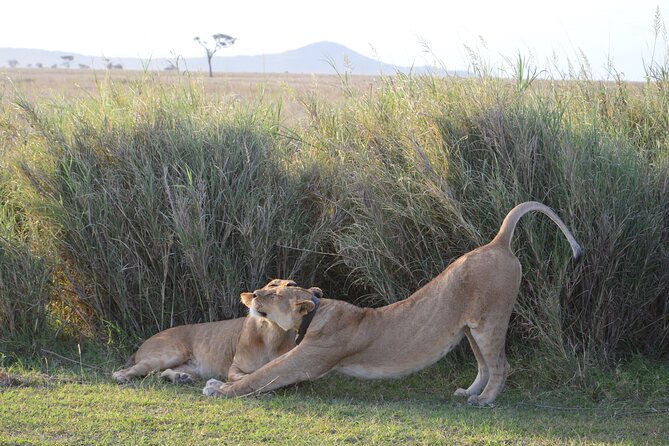
The guide is your real translator between you and the landscape. Even when the sightings are great, you want someone who can explain what you are actually seeing, and how the animals fit into the ecosystem.
In the feedback, Elias stood out as exceptionally attentive. Another set of feedback praised the driver’s explanations of animals and a good course. That kind of guidance is not just trivia. It helps you understand why the animals might be there now, and what to look for next.
It also matters for first-timers. You might not know how to read animal movement, or how to interpret what is happening when the group pulls up and stops. A guide who stays on pace and gives clear instructions can turn a random sighting into an experience you remember for years.
A quick note on big wildlife expectations: one review mentioned seeing big five, including leopard in Tanzania, and noted that leopard sighting had exceeded expectations. Just remember, sightings are never guaranteed. What you can control is choosing a route that maximizes your time across the right areas, and that is exactly what this does.
What the schedule feels like in real life
The days are listed at around 6 hours each. That sounds straightforward, but your body experiences it as a series of early starts and long sighting windows.
Here is what you can expect day to day, in plain terms:
- Day 1 is your transition into Serengeti with an evening game drive and a first camping night.
- Day 2 includes a morning game drive, then the move toward Ngorongoro, with camping on the rim.
- Day 3 is your crater-floor focus, followed by the ride back to Arusha.
Because meals are included across the trip, you avoid the most annoying part of safari planning. You are not trying to figure out what is open, what costs extra, or what time you can eat before you lose your spot in the vehicle lineup.
Who should book this Serengeti and Ngorongoro camping safari
I would point you toward this safari if you want:
- A first safari that includes both Serengeti and Ngorongoro without stretching into a week.
- A small-group experience where the guide can give real attention.
- Camping stays that keep costs controlled while still delivering the classic safari rhythm.
- Included transfers and meals, so you can arrive and go without constant decision-making.
It is also a good match if you prefer structured days. The trip is planned with meals and overnight bases built in. That helps if you do not want to spend time negotiating each day’s details once you land.
If you are the type who needs hotel-level comfort every night, camping might be a mismatch. Also, if you are extremely sensitive to timing changes, take note that some feedback mentioned a possible mismatch in accommodation details and a bit of waiting on return pickup. It sounds like everything still worked out, but it is worth factoring in.
Should you book this 3 Days Serengeti & Ngorongoro Group Camping Safari?
If your goal is a classic Tanzania safari that hits two headline areas fast, I think this is a strong booking choice. The package is built for value, and it covers the big drivers: transfers, meals, camping overnights, and game drives across both parks.
Book it if you like the idea of being out early, staying flexible for sightings, and enjoying the camp routine as part of the experience. Consider another option if camping comfort is a hard requirement for you, or if you need zero variability in pick-up and lodging specifics. Otherwise, with the consistently high ratings, the on-time service focus, and the attention your guide should be able to give in a small group, this is the kind of safari that can make a first trip feel confidently planned.
FAQ
How long is the safari?
It runs for about 3 days.
Where does the safari start and end?
It starts and ends back at the Arusha meeting point, listed as Jevas Hotel EncoreTZ, Makao Mapya, Arusha.
What is the price per person?
The price is $815.00 per person.
Is hotel pickup included?
Yes, pickup and round-trip Arusha hotel transfers are offered.
What meals are included?
Breakfast is included (3), lunch is included (3), and dinner is included (2).
Are park admission tickets included?
Admission is listed as free.
How big is the group?
The tour has a maximum of 7 travelers, and it is described as a small group.
Where do we sleep overnight?
Overnights are at Seronera Campsite after Day 1, and Ngorongoro Simba Campsite after Day 2.
What ticket method do I get?
A mobile ticket is provided.
Can I cancel for a full refund?
Yes. Free cancellation is available if you cancel up to 24 hours in advance of the experience start time.
More Under Canvas
- 4 Days Group Camping Safari
★ 5.0 · 1,101 reviews - 5 Days Group Camping Safari
★ 5.0 · 730 reviews - 5 Days Camping Tarangire, Serengeti & Ngorongoro crater & Visiting Maasai
★ 5.0 · 229 reviews - 5 Days Budget Private Safari, Tanzania
★ 5.0 · 191 reviews - 6 Days Private Budget Safari
★ 5.0 · 163 reviews
Still Thinking About the Crater?
- 5 Days Camping Tarangire, Serengeti & Ngorongoro crater & Visiting Maasai
★ 5.0 · 229 reviews - 4 Days Join Group tour Tarangire Serengeti and Ngorongoro crater
★ 5.0 · 219 reviews - 4-Day Safari from Arusha: Tarangire, Serengeti and Ngorongoro
★ 5.0 · 173 reviews - 2 Days Tarangire and Ngorongoro Group Camping Safari
★ 5.0 · 146 reviews - 4 Days Tarangire Serengeti Ngorongoro Crater
★ 5.0 · 117 reviews
The Serengeti, Three More Ways
- Balloon Safari & Bush Breakfast in Serengeti – Miracle Experience
★ 5.0 · 1,646 reviews - 5-Day Highlights mid-Range Crater, Serengeti, Tarangire
★ 5.0 · 296 reviews - 3-Day Classic Serengeti Safari
★ 5.0 · 263 reviews - Private 6-Day Tarangire Manyara Crater and Serengeti with Mid-Range Lodges
★ 5.0 · 238 reviews - 5 Days Camping Tarangire, Serengeti & Ngorongoro crater & Visiting Maasai
★ 5.0 · 229 reviews
Just added from around Arusha
Serengeti National Park Safaris, compared.
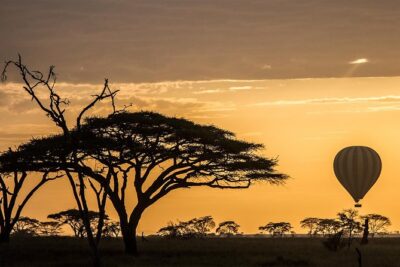 ★ 5.0Serengeti Balloon Safari and authentic bush breakfastFrom $5502,480 reviews
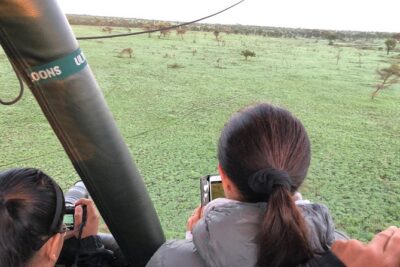 ★ 5.0Balloon Safari & Bush Breakfast in Serengeti – Miracle ExperienceFrom $5991,646 reviews
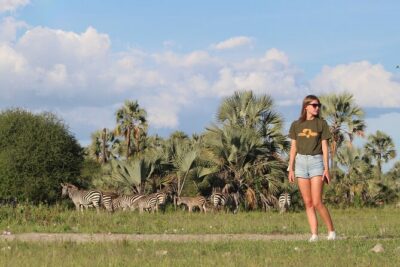 ★ 5.05-Day Highlights mid-Range Crater, Serengeti, TarangireFrom $2,327296 reviews
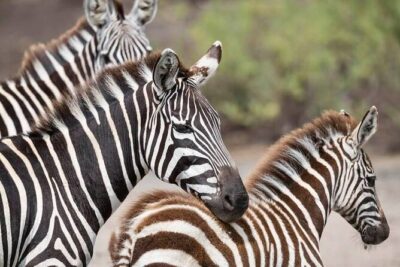 ★ 5.0Safari Serengeti And NgorongoroFrom $2,845288 reviews
 ★ 5.03-Day Classic Serengeti SafariFrom $1,455263 reviews
 ★ 5.0Private 6-Day Tarangire Manyara Crater and Serengeti with Mid-Range LodgesFrom $2,685238 reviews
 ★ 5.05 Days Camping Tarangire, Serengeti & Ngorongoro crater & Visiting MaasaiFrom $1,254229 reviews
 ★ 5.04 Days Join Group tour Tarangire Serengeti and Ngorongoro craterFrom $1,090219 reviews
Browse the lists this tour appears in