
REVIEW · TANZANIA CAMPING AND BUDGET SAFARIS
6 Days Private Budget Safari
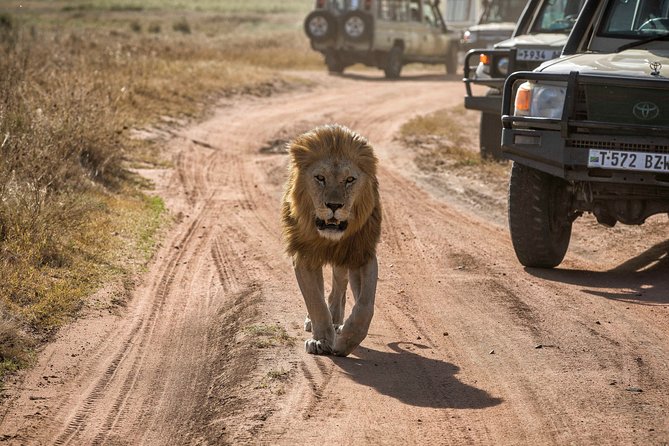
Safari mornings are the best kind of alarm. This 6-day private budget safari strings together Tarangire, Serengeti, Ngorongoro Crater, and Lake Manyara in a tight route, so your days stay packed with wildlife instead of airport-style waiting. I like the pace too, especially the early starts for game drives and the mix of bush picnics with proper camp dinners.
I also like the practical comfort built into the plan: pick-up from your hotel in Arusha, an open-air viewing feel during drives, and multiple hot lunch or picnic options built into the day. A real bonus is that the itinerary gives you time for both sunset and sunrise hunting in Serengeti, which is when behavior changes and animals move differently.
One thing to consider is that some driving is long and bumpy, especially the day heading from the highlands into Serengeti. If you get car-sick easily, that part could be the toughest stretch of the trip.
In This Review
- Key Highlights You’ll Actually Notice
- Entering The Safari Route From Arusha
- Day One in Tarangire: Elephants, Baobabs, and a Picnic That Feels Too Pretty
- Serengeti Day Two and the Seronera Sunset Plan
- A Full Serengeti Day Three: Sunrise Starts and Bird-Specific Safari Time
- Day Four’s Very Early Safari and the Move Toward Ngorongoro
- Ngorongoro Crater: Descent Time, Black Rhino Odds, and Lunch Choices
- Lake Manyara Day Five and Beyond: Flamingos, Tree Climbing Territory, and Birds Everywhere
- Meals Included and How the Lunch Stops Keep You Comfortable
- Private Safari at $2,300: What You’re Really Paying For
- Timing, Car Comfort, and What to Plan For Each Morning
- Should You Book This 6 Days Private Budget Safari?
- FAQ
- What time does the safari start?
- Does the tour offer hotel pickup in Arusha?
- Is this a private safari or shared?
- What meals are included?
- Is there a choice for lunch at Ngorongoro Crater?
- Are park entry fees included?
- What animal highlight is specifically mentioned for Ngorongoro?
- Can I see flamingos at Lake Manyara?
- What is the cancellation policy?
Key Highlights You’ll Actually Notice
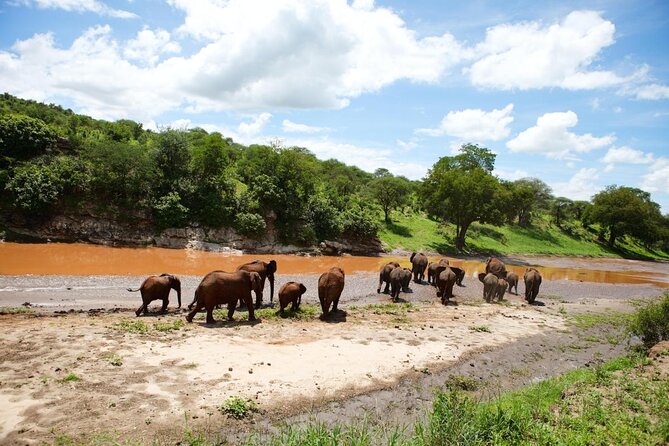
- Tarangire day one for elephants and giant baobabs right away, with picnic lunch in a scenic spot.
- Serengeti at two key times of day, including a sunrise game drive and a sunset drive.
- Seronera Campsite sunset moment planned for an easy, scenic end to the day.
- Ngorongoro Crater descent with black rhino odds, plus a choice between Hippo Lake picnic lunch and hot lunch at camp.
- Lake Manyara birding and flamingos, with the chance to look for tree-climbing lions mentioned for the area.
More camping safaris at this price
- 4 Days Group Camping Safari★ 5.0 · 1,101 reviews
- 5 Days Group Camping Safari★ 5.0 · 730 reviews
- 3 Days Serengeti & Ngorongoro Group Camping Safari★ 5.0 · 574 reviews
- 5 Days Camping Tarangire, Serengeti & Ngorongoro crater & Visiting Maasai★ 5.0 · 229 reviews
Entering The Safari Route From Arusha
This safari starts in Arusha, and the first real value is how quickly it gets you into “nature mode.” You depart after breakfast with pick-up from your hotel, then head toward Tarangire. The schedule is built around full game-drive time, not just sightseeing from the roadside.
The tour is private, meaning it’s only your group in the vehicle. That matters because on safari you often want flexibility, like lingering a few extra minutes when the action is good, or adjusting the route when animals are moving. The plan also starts early, with a stated start time of 7:30 am, so you avoid that late-morning feeling where the best sightings are already over.
Price is $2,300 per person for about six days, and you should look at it as a bundled safari operation: vehicle, driver, park days, and all meals across the itinerary days. In other words, you’re paying to trade your time for structured wildlife time.
Day One in Tarangire: Elephants, Baobabs, and a Picnic That Feels Too Pretty
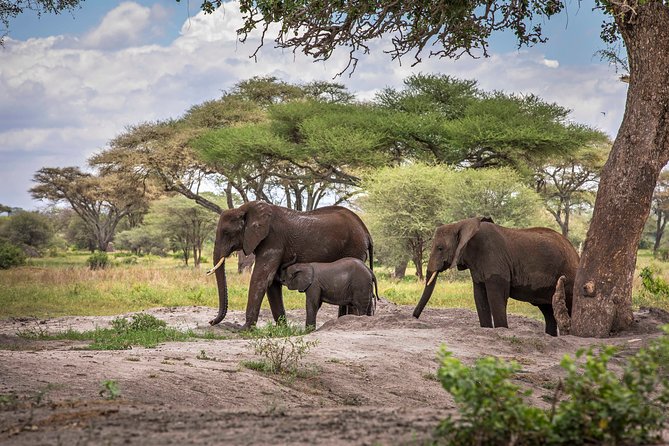
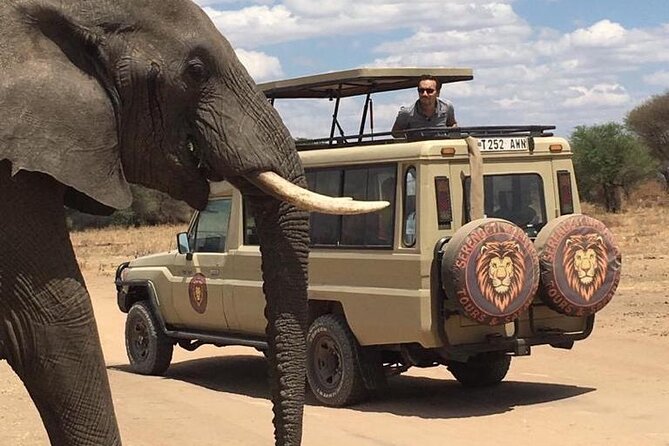
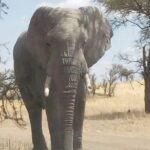
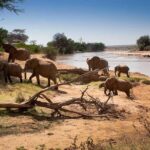
Tarangire National Park kicks things off with two signatures: large elephant herds and ancient baobab trees, often described as the continent’s biggest. The day is designed so you arrive and start seeing wildlife rather than spending the whole afternoon just getting settled.
You drive for about two hours from Arusha, and the schedule leans into open viewing during the game drive. That open feeling matters here because Tarangire has a mix of savanna and seasonal swamps, plus the Tarangire River area where animals concentrate. The itinerary also names the range of species you might spot, including giraffes, impalas, zebras, warthogs, and predators like lions and leopards, plus lots of birds.
Then there’s lunch. You stop at a picnic site with a spectacular view and eat outdoors before continuing game viewing. That kind of lunch stop is more than a meal, it’s a breathing moment that keeps the day from turning into a nonstop drive.
You end the day at Fig Tree Lodge, with dinner and an overnight there.
Serengeti Day Two and the Seronera Sunset Plan
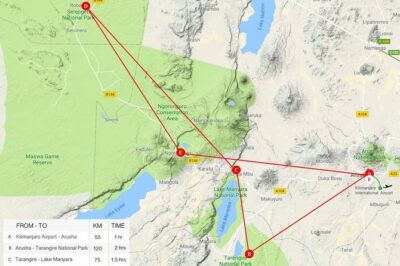
Serengeti is the main event, and day two is about getting in and starting your game-drive streak right away. After breakfast you head from Tarangire toward Serengeti, a drive that takes around 4 to 5 hours. The plan notes it can be long and bumpy, and it also includes a lot of scenery while you climb up through the crater highlands before reaching the Serengeti plains.
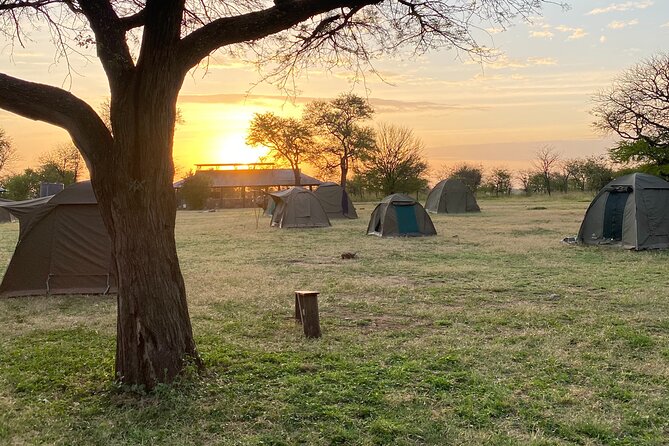
Because you’re arriving mid-afternoon, the itinerary is smart about lunch and timing: there’s a picnic lunch during the transfer, then you check into the park and do an afternoon drive. The highlight here is catching the sunset drive and ending the day at Seronera Campsite for dinner and overnight.
The Serengeti sunset plan is not random. Late light changes animal behavior, and it can help you spot creatures that were quiet earlier. If you want that classic “Safari movie still” feeling, this is where your day starts delivering.
A Full Serengeti Day Three: Sunrise Starts and Bird-Specific Safari Time
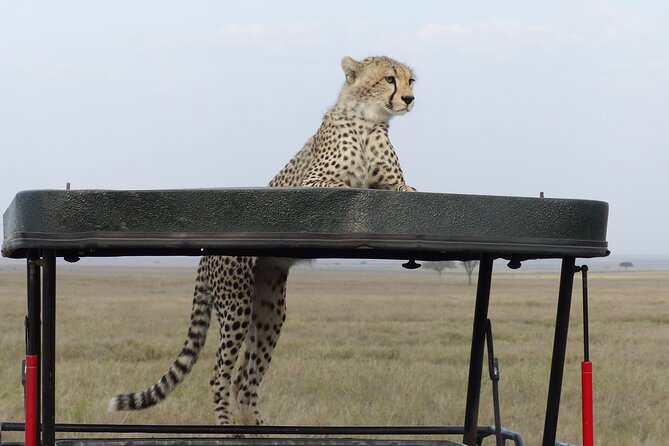
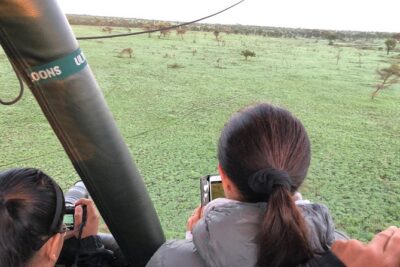
Day three is the day you’ll feel most deeply, because it’s the longest planned time in Serengeti. You go out at sunrise, then run a full day of game drives, followed by hot lunch back at camp, then another afternoon drive.
The itinerary focuses on the big mammals, including the Big Five idea, but it also stresses something many safaris skip: birds. It names 500-plus bird species recorded in Serengeti and calls out examples like ostriches and secretary birds in open grassland, plus black eagles soaring above the savannah. That detail is useful for you because it tells you the guide isn’t only chasing mammals. If you enjoy birds, this day gives you time to notice them, not just drive past them.
At camp, you return at sunset for dinner and overnight, keeping the day structured. That means you’re not constantly guessing when to stop, you’re following a rhythm that matches wildlife activity.
Day Four’s Very Early Safari and the Move Toward Ngorongoro
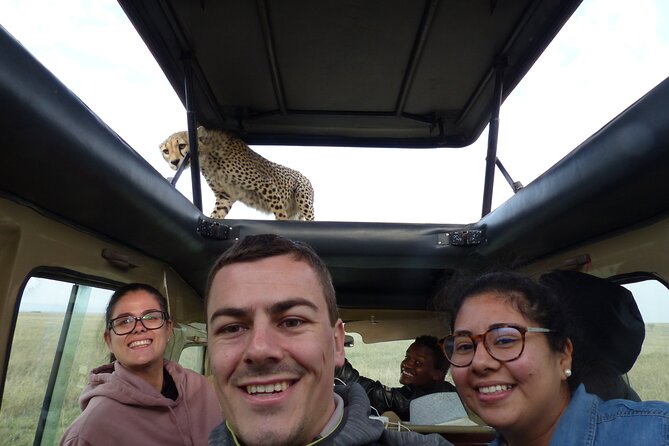
Day four begins around 6 am for a sunrise game drive. This is another clue that the operator values early-day animal movement, not just checking boxes. After the morning drive, you stop for breakfast at a picnic site in the bush, then continue with game viewing before returning around noon for hot lunch.
After you load the vehicle, the plan moves you to Ngorongoro for dinner and overnight at Simba campsite. This travel-to-wildlife flow matters because it reduces dead time. You’re using the middle of the day to reposition for the next wildlife target, so your evening time is still “park time,” not city time.
The practical downside is that you need stamina. Two early mornings back to back can feel early, but they often pay off because you’re out when animals are most active.
Ngorongoro Crater: Descent Time, Black Rhino Odds, and Lunch Choices
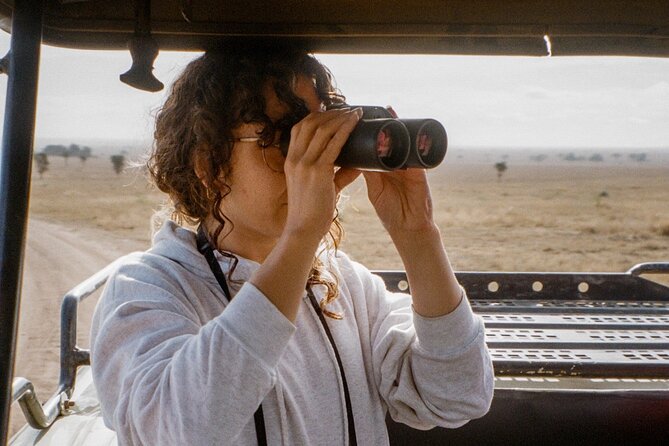
Ngorongoro Crater is one of those places where the itinerary actually gives you choices. You have an early breakfast, then descend immediately. The crater setup is designed for high species density, and the plan specifically mentions you could see almost every East Africa species there, including the rare black rhino. It also says you might spot one if you’re lucky.
That “odds” language matters. You should go into Ngorongoro expecting chances, not guarantees. But even when a rhino sighting doesn’t happen, you still tend to get exceptional wildlife viewing because the crater is a closed system where animals gather.
Lunch is where the day gets flexible. You can choose picnic lunch at Hippo Lake or hot lunch at camp. Afterward you move to the next accommodation, where you relax, enjoy dinner, and overnight at Fig Tree Lodge again.
Lake Manyara Day Five and Beyond: Flamingos, Tree Climbing Territory, and Birds Everywhere
The final park stop is Lake Manyara National Park, starting with a short drive to the gate, about 5 minutes. Lake Manyara is described as relatively small but diverse, with a salt lake that expands and contracts with the seasons. That seasonal water change supports thousands of flamingos and many bird species, with the plan calling out over 300 bird species.
The itinerary also mentions tree-climbing lions, and it’s smart to set expectations correctly. You’re not guaranteed a sighting, but the area is known for that behavior, so your guide can watch for it. In the meantime, you can expect a mix of habitats: grassy plains, primate-filled woodlands, and baobab-dotted cliffs.
You should plan for a full day of wildlife and bird focus here, with a return to Arusha around 4 pm. The schedule also says it’s flexible if you need to be timed around a flight.
Meals Included and How the Lunch Stops Keep You Comfortable
Food on safari can be either a highlight or a compromise, and this plan leans toward comfort. The tour includes breakfast daily (6), lunch daily (6), and dinners on five nights. That’s a lot of food coverage for a safari where park drives can swallow whole afternoons.
What I like most is that lunch isn’t only one style. You get picnic lunch options in scenic areas, plus hot lunch when you return to camp during the longer days. Hot lunch is more than convenience. After several hours in the vehicle, it helps you reset your energy so the afternoon drive still feels fun, not just survival.
Also note the schedule specifically calls out picnic breakfast in the bush on day four, which helps you feel like part of the landscape and not like you’re stuck in a car until dinner.
Private Safari at $2,300: What You’re Really Paying For
Let’s talk value in plain terms. At $2,300 per person for roughly six days, you’re paying for four major safari environments plus time and vehicle access between them. You’re not buying a self-drive route. You’re buying someone to plan the timing, drive you safely, and keep your day aligned with animal activity windows.
The private setup is where cost can make sense. In shared group safaris, you lose time when the group is slower, or you miss a sighting because everyone isn’t in the same position. Here, the itinerary being private lets the guide manage the pace for your group.
The other value piece is how the schedule spreads your wildlife targets:
- Tarangire for elephants and baobabs
- Serengeti for long day game drives with sunrise and sunset
- Ngorongoro for crater density and black rhino odds
- Lake Manyara for flamingos and birds
That’s not just variety for variety’s sake. Those parks have different ecosystems, so you’re not “replaying” the same scenery four times. Each day has its own safari mood.
Timing, Car Comfort, and What to Plan For Each Morning
The tour’s biggest timing factor is early start. You have a 7:30 am start time, then sunrise game drives around 6 am on at least one day. Those early starts are great for wildlife activity, but they can be rough if you like sleeping in.
The second factor is road comfort. The itinerary explicitly mentions bumpy roads during the drive toward Serengeti. That means you’ll want to be ready for jolts. If you’re sensitive to motion, plan accordingly before the trip rather than hoping it will be fine.
Finally, the schedule includes multiple transfers between lodges and campsites. None of those are described as stressful, but they do mean you should pack light enough to move efficiently between overnight stops.
Should You Book This 6 Days Private Budget Safari?
Book it if you want a focused six-day route that hits Tarangire, Serengeti, Ngorongoro Crater, and Lake Manyara without making your trip feel like a shuffle. The best reason is the schedule’s attention to timing, especially sunrise and sunset drives in Serengeti.
I’d also lean toward this tour if you like birds as much as mammals. The Serengeti plan explicitly points you toward lots of bird species and examples, so you won’t feel like you only get wildlife when a lion appears.
Skip or rethink if early mornings and bumpy drives are deal breakers. Ngorongoro and Serengeti are worth it, but your body has to keep up with early starts and long park days.
FAQ
What time does the safari start?
The stated start time is 7:30 am.
Does the tour offer hotel pickup in Arusha?
Yes. The itinerary includes pick-up from your hotel in Arusha.
Is this a private safari or shared?
It’s a private tour/activity, so only your group participates.
What meals are included?
Breakfast is included for 6 days, lunch is included for 6 days, and dinner is included for 5 nights.
Is there a choice for lunch at Ngorongoro Crater?
Yes. You can choose a picnic lunch at Hippo Lake or hot lunch at camp.
Are park entry fees included?
The itinerary lists admission ticket free for several days and marks admission as included for Ngorongoro Crater and Lake Manyara days.
What animal highlight is specifically mentioned for Ngorongoro?
Ngorongoro is described as offering a chance to spot the rare black rhino, if you’re lucky.
Can I see flamingos at Lake Manyara?
Yes. Lake Manyara is described as a home for thousands of flamingos, along with many bird species.
What is the cancellation policy?
Cancellation is free up to 24 hours in advance of the experience’s start time for a full refund. If weather forces cancellation, you’ll be offered a different date or a full refund.
More Under Canvas
- 4 Days Group Camping Safari
★ 5.0 · 1,101 reviews - 5 Days Group Camping Safari
★ 5.0 · 730 reviews - 3 Days Serengeti & Ngorongoro Group Camping Safari
★ 5.0 · 574 reviews - 5 Days Camping Tarangire, Serengeti & Ngorongoro crater & Visiting Maasai
★ 5.0 · 229 reviews - 5 Days Budget Private Safari, Tanzania
★ 5.0 · 191 reviews
Just added from around Arusha
Tanzania Camping and Budget Safaris, compared.
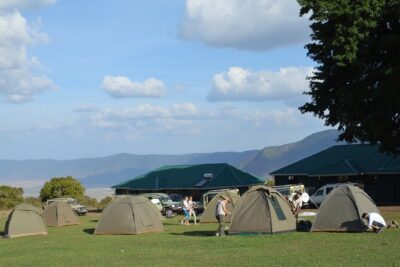 ★ 5.04 Days Group Camping SafariFrom $9001,101 reviews
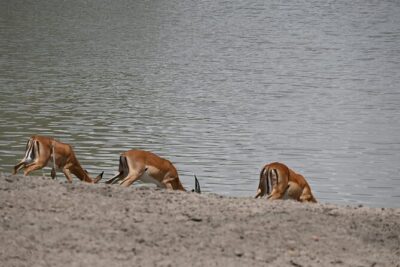 ★ 5.05 Days Group Camping SafariFrom $1,100730 reviews
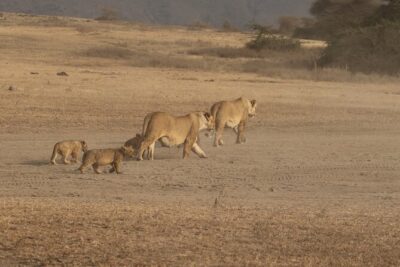 ★ 5.03 Days Serengeti & Ngorongoro Group Camping SafariFrom $815574 reviews
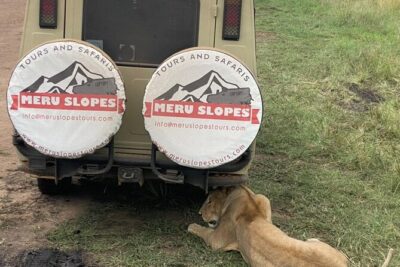 ★ 5.05 Days Camping Tarangire, Serengeti & Ngorongoro crater & Visiting MaasaiFrom $1,254229 reviews
 ★ 5.05 Days Budget Private Safari, TanzaniaFrom $0191 reviews
 ★ 5.02 Days Tarangire and Ngorongoro Group Camping SafariFrom $550146 reviews
 ★ 5.06 Days Tanzania Budget Camping SafariFrom $1,600145 reviews
 ★ 5.07 Days Kilimanjaro via Machame route affordable priceFrom $2,400110 reviews
Browse the lists this tour appears in