
REVIEW · TANZANIA CAMPING AND BUDGET SAFARIS
6 Days Tanzania Budget Camping Safari
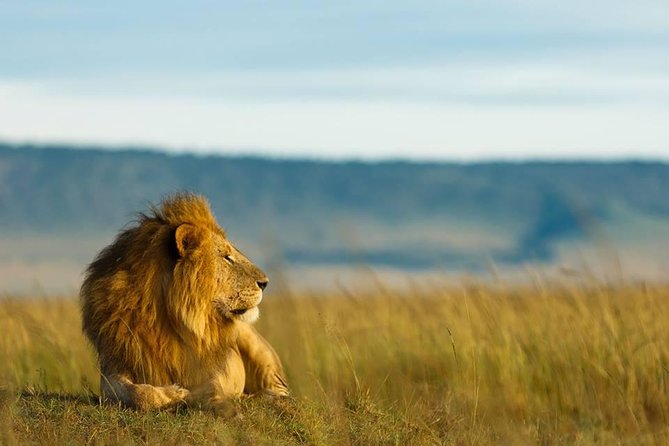
Wild animals, on your schedule. This six-day Tanzania trip is built for big sightings, from Tarangire elephants to Serengeti migration. I like that it keeps the pace real with early starts and different drive times, so you see animals in more than one mood. One consideration: long driving days and camping-style nights mean you should come ready for a hands-on, not luxury, safari.
What makes this experience especially appealing is the mix of wildlife focus and human connection. You get game drives in major parks plus cultural time at Mto wa Mbu Village and later at a Maasai boma. I also appreciate the practical support included, like pickup and drop-off and on-site help, with a small group size capped at 6 travelers.
In This Review
- Key Highlights I’d Prioritize
- Why This 6-Day Budget Camping Safari Makes Sense for Value
- Arusha Start, Pickup, and the Small-Group Feel
- Day 1 Tarangire National Park: Elephants, Baobabs, and Big Safari Energy
- Days 2 and 3 Serengeti: Chasing the Migration, Not a Monopoly on Sightings
- Day 4 Ngorongoro Conservation Area: Sunrise Timing and Campsite Nights
- Day 5 Ngorongoro Crater Floor and Mto wa Mbu: Big Wildlife, Then Real Life
- Day 6 Lake Manyara, Hot Springs, and a Maasai Boma Visit
- Accommodation, Food, Water, and the Reality of Budget Camping
- Guides and Crew: The Names You Might Hear (and Why It Matters)
- Price and Logistics: Getting More Safari per Dollar
- Who Should Book This Safari (and Who Might Not Love It)
- FAQ
- What parks are included on this six-day safari?
- Is pickup and drop-off included?
- How long is the safari?
- What meals are included?
- What kind of accommodation is included?
- Are admissions to parks included?
- What is not included in the price?
- Is there a limit on group size?
- Should You Book This 6-Day Budget Camping Safari?
Key Highlights I’d Prioritize
- Small group cap (max 6 travelers) keeps the safari feel personal and flexible
- Morning and evening game drives help you catch animals at different activity times
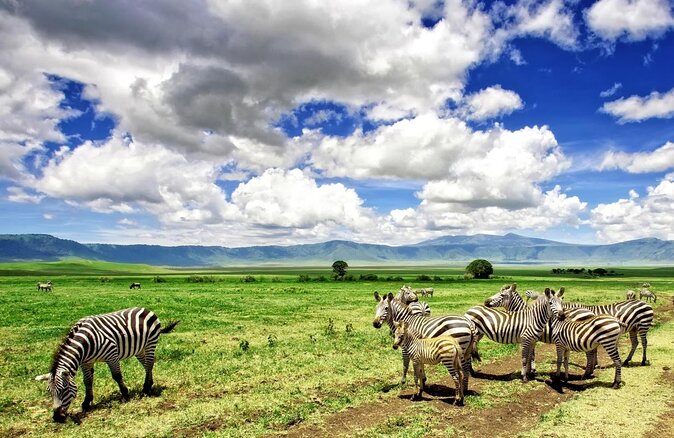
- Serengeti migration routing targets the chances around June to September, including Mara River crossings in that window
- Ngorongoro crater descent gives you a concentrated wildlife day, with big-feline and bird action
- Cultural time at Mto wa Mbu Village plus a Maasai boma visit adds context beyond the wildlife
- Unlimited mineral water and WiFi in the jeep make long days easier to handle
More camping safaris at this price
- 4 Days Group Camping Safari★ 5.0 · 1,101 reviews
- 5 Days Group Camping Safari★ 5.0 · 730 reviews
- 3 Days Serengeti & Ngorongoro Group Camping Safari★ 5.0 · 574 reviews
- 5 Days Camping Tarangire, Serengeti & Ngorongoro crater & Visiting Maasai★ 5.0 · 229 reviews
Why This 6-Day Budget Camping Safari Makes Sense for Value
At $1,600 per person, this is a budget-oriented way to hit multiple top ecosystems in Tanzania without turning the trip into a travel marathon of flight connections and constant hotel moves. The value is in what is bundled: six nights of accommodation, meals across the days, and a driver/guide to handle the long stretches between parks.
You also get a clear safari rhythm instead of random driving. Your days are organized around game viewing, including early starts, mid-day breaks, and at least one evening drive designed for sunset light. That matters because wildlife watching is less about one perfect moment and more about stacking opportunities.
One more value point that I like for practical travelers: it includes hotel pickup and drop-off from Arusha, plus unlimited mineral water during the safari. On a road-trip style safari, those small logistics can reduce stress a lot.
Arusha Start, Pickup, and the Small-Group Feel
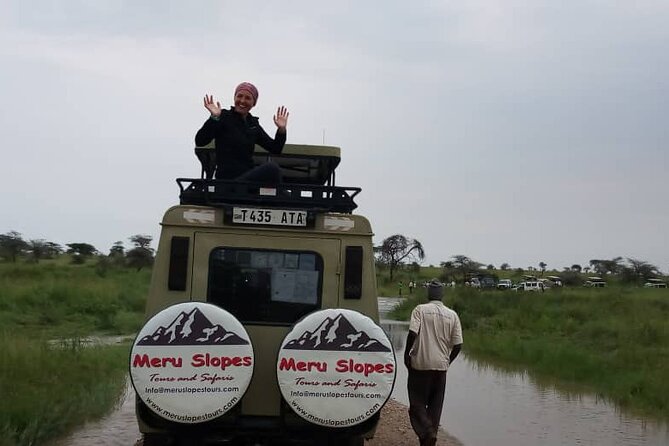
The trip begins in Arusha with pickup from Arusha Tourist Inn. From there, you drive into the parks with a professional guide and a driver/guide team handling the details.
This group stays small, with a stated maximum of 6 travelers. In real-world safari terms, that often means less waiting and more chance to get everyone aligned when the guide spots something. It can also make the cultural visits and walking parts easier to manage.
One detail I find reassuring is the inclusion of AMREF Flying Doctors emergency rescue. It is not something you hope to use, but it is a comfort when you are far from hospitals and spending days on the road.
Day 1 Tarangire National Park: Elephants, Baobabs, and Big Safari Energy
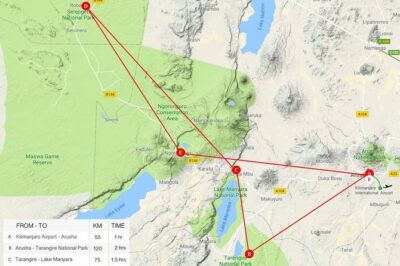
You kick things off with pickup around 8:00 am in Arusha, then drive roughly 3 hours to Tarangire National Park, about 115 km from Arusha. After arriving, you have a full day game drive inside the park, followed by dinner and an overnight at Jambo lodge.
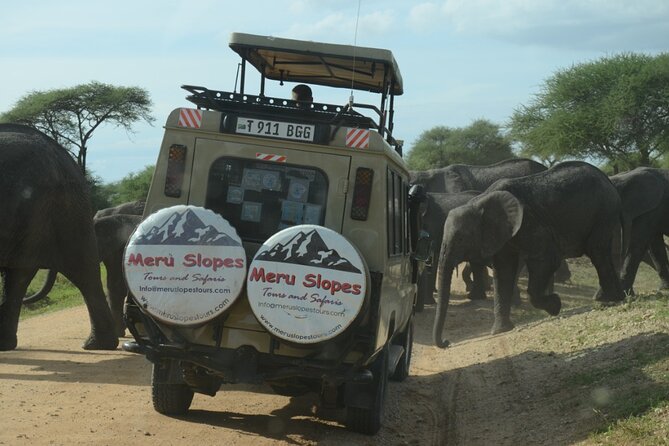
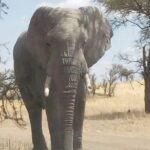
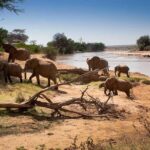
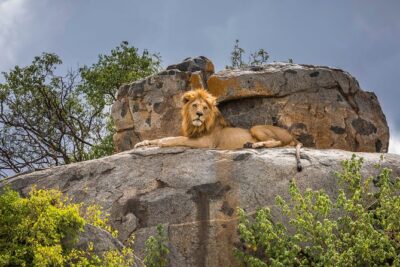
Tarangire is known for its mix of wildlife and scenery, and this day leans into that. You are looking at elephants drinking from the Tarangire River, plus iconic trees like baobabs. The promise here is not subtle: the park is also a place where you might spot predators like lions and leopards, along with smaller action like pythons and climbing trees.
A practical note for your expectations: this is a long first day with a travel component before the real safari time starts. If you are the type who hates feeling rushed, plan to be calm with breakfast and hydration, and let the pace settle in.
Days 2 and 3 Serengeti: Chasing the Migration, Not a Monopoly on Sightings
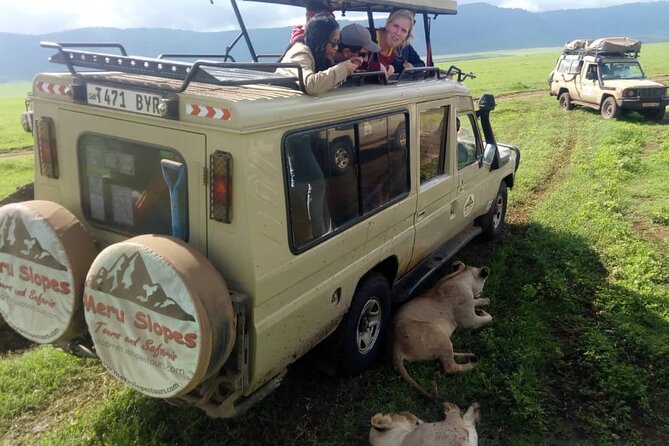
After breakfast, you pack your luggage and head toward Serengeti, with en-route viewing that includes the Rift valley and a view of Ngorongoro crater from a distance. You reach Serengeti around 3:00 pm, then do an evening game drive in central Serengeti for sunset, followed by dinner and an overnight at Seronera campsite inside Serengeti.
The next day is another full day inside Serengeti, with early morning start and game drive through key areas. The trip is built around following the migration, since the route and sightings vary as animals move.
Here is what I’d focus on if migration is your main goal:
- The best chances mentioned are June to September.
- Calving is described as happening from January to March.
- For July to September, your driver is set up to take you to northern Serengeti for Mara River crossings.
That is useful because it turns your expectations into something you can plan around. Still, migration is nature, not theater. If your heart is set on a specific river crossing, keep the mindset flexible and focus on the larger migration energy: herds moving, predators tracking, and constant movement across the plains.
Also, those different drive times matter. The evening drive is about light and atmosphere, while the full day is about range and coverage. Together, they give you more chances to feel like you are watching a live system, not just ticking off animals.
Day 4 Ngorongoro Conservation Area: Sunrise Timing and Campsite Nights
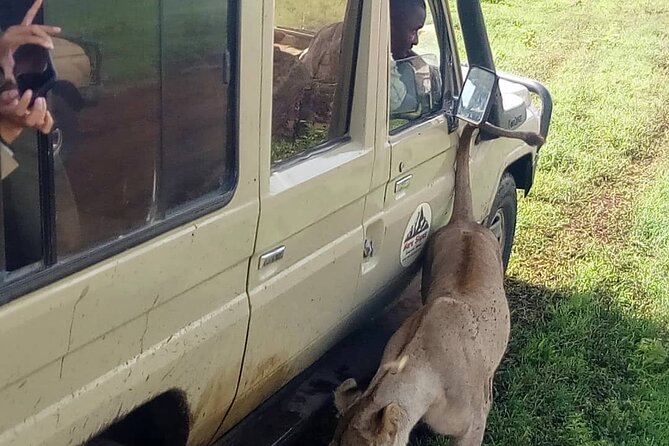
You wake early around 5:45 for breakfast and a sunrise moment back inside the Serengeti area, then you do an early morning game drive up to about 11:30 am. After a hot lunch and packing, the plan shifts: you drive toward Ngorongoro crater, overnighting at Simba campsite for dinner and the night.
This is where the safari changes texture. Serengeti is broad and open; Ngorongoro adds dramatic topography and a tighter wildlife focus. The move also helps break the driving monotony into a new kind of day, where you are not just repeating the same pattern.
One small consideration: you are starting early and driving again mid-day, so Day 4 is less of a lazy buffer day. If you tend to get cranky when sleep is short, prioritize packing for comfort the night before, and keep your camera batteries and water easily reachable.
Day 5 Ngorongoro Crater Floor and Mto wa Mbu: Big Wildlife, Then Real Life
Your day begins around 5:30 with breakfast, then you descend to Ngorongoro crater floor. This is one of the biggest animal-density parts of the trip, with the chance to see the big five and also birds. The information specifically mentions black rhino in the crater, plus high concentration moments like birds and flamingos.
You have lunch inside the crater while watching nature, then you stay out for several hours, about 6 to 7 hours of game drive on the crater floor. After that, you ascend and head back toward the lodge area to pack and continue on toward the evening.
This day also switches gears into culture at Mto wa Mbu Village. You go on a walking tour where you can see how local people live, visit banana plantations, and taste local food. It is not just a photo stop. The focus is on how community life works, and the trip describes an active cultural programme along with community projects.
That combination is a big reason I like this safari. Wildlife days can blur together if they are all the same. Adding Mto wa Mbu here gives your brain a reset, and it turns the landscape from animal-only to human connection too.
Day 6 Lake Manyara, Hot Springs, and a Maasai Boma Visit
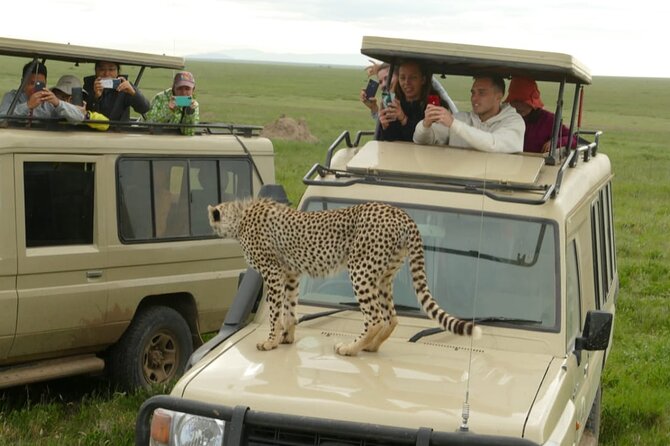
On your final day, you drive to Lake Manyara for a full day game drive. The wildlife highlights here include climbing tree lions and a lot of flamingos drawn to algae in the lake.
Lake Manyara is also included with a hot spring visit. Then your schedule includes a Maasai boma where you can see how Maasai people live and learn their culture and traditions. After that, you drive back to Arusha for dinner and overnight.
If you want one last safari hit, this day gives it. You are ending with variety: flamingos, possible tree lion sightings, plus the cultural stop. That makes it a strong send-off without leaving you stuck in one type of experience.
As a practical matter, Day 6 is another full day, so keep your energy for the drive back and your final dinner plan. Your safari may feel like it has moved fast, but it is still designed so you end where you started.
Accommodation, Food, Water, and the Reality of Budget Camping
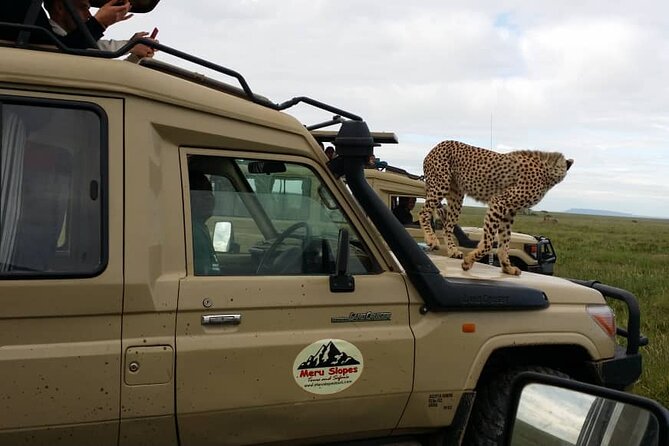
This trip includes six nights accommodation, with an additional note that two nights of hotel accommodation are included in Arusha town. That detail can be confusing on paper, so I’d confirm with the operator how the night count is divided once you have your exact booking confirmation.
What you can count on is the structure of your nights:
- Some stays are at lodges, like Jambo lodge.
- Others are in campsites inside parks, like Seronera campsite inside Serengeti.
- You also sleep at Simba campsite on the way to Ngorongoro crater.
In practical terms, expect the camping-style side to mean simpler facilities than you’d find in a city hotel. The payoff is being close to the wildlife action and keeping logistics smoother. When you are inside the parks, you spend less time on long transfers.
Food support is another big part of comfort on a budget safari. Meals are included as breakfast, lunch, and dinner based on the schedule, and coffee and/or tea are included. There is also unlimited mineral water during the safari.
One more small comfort perk: free WiFi inside the safari jeep is included. Signal depends on location, but having the option can help when you need to coordinate plans, share photos, or just check in.
Guides and Crew: The Names You Might Hear (and Why It Matters)
This safari is led by a professional guide, and the experience also mentions experienced support in multiple languages. Across the staff names associated with the trip, you may see guides like Nuru or Robert, and drivers like Mohamed. On the food side, the cooks mentioned include people like Gideon, Saleem, and Florian.
The reason I call out these names is not trivia. A good guide is what turns random animal sightings into meaningful moments, especially when the migration route shifts. A driver who is tuned in to where action is likely to happen can also help you spend less time driving around and more time doing the watching part you actually paid for.
Price and Logistics: Getting More Safari per Dollar
Let’s talk value, not hype. At $1,600 per person for a six-day safari, you are paying for a lot of moving pieces: park time across Tarangire, Serengeti, Ngorongoro, and Lake Manyara, plus lodging for multiple nights, meals, and included water and coffee/tea.
What helps your cost feel more reasonable is that the package includes driver/guide services, hotel pickup and drop-off, and taxes, fees, and handling charges. It also includes AMREF Flying Doctors emergency rescue coverage.
The items you should budget separately are the standard ones listed: flights and alcoholic drinks. If you plan to drink alcohol, factor that in early so the safari stays “budget” in your own definition.
Also, the tour is commonly booked about 68 days in advance on average. That usually means the operator runs it often enough to keep processes smooth, but it is still smart to lock in your dates early if you are aiming for migration season.
Who Should Book This Safari (and Who Might Not Love It)
I’d point this safari at you if:
- You want a budget-friendly way to see multiple Tanzania highlights in one trip.
- You care about the migration window and want routing that targets June to September.
- You are okay with camping-style nights and early morning starts.
- You want cultural visits too, not just wildlife.
I’d rethink it if you are expecting luxury comfort, long lounging time, or a slower pace. This route is active, and the days include early starts and full days in parks. It is built for people who enjoy the safari rhythm.
Also, migration is not guaranteed on any day. The best chances depend on timing, and your guide will do the heavy lifting in tracking movement across the Serengeti system.
FAQ
What parks are included on this six-day safari?
You visit Tarangire National Park, Serengeti National Park, Ngorongoro Conservation Area (including Ngorongoro crater), and Lake Manyara National Park. You also include cultural visits at Mto wa Mbu Village and a Maasai boma.
Is pickup and drop-off included?
Yes. The tour includes hotel pickup and drop-off from your accommodation in Arusha.
How long is the safari?
It runs for 6 days approximately, with the experience ending back at the meeting point in Arusha.
What meals are included?
Meals included are breakfast, lunch, and dinner based on the schedule, plus coffee and/or tea. Unlimited mineral water is provided during the safari.
What kind of accommodation is included?
You get six nights of accommodation, and the trip notes two nights of hotel accommodation in Arusha town. During the safari, you also stay at sites such as Seronera campsite inside Serengeti and Simba campsite near Ngorongoro crater, along with lodge stays like Jambo lodge.
Are admissions to parks included?
The information provided shows admission for Tarangire National Park is included, while other days list admission as free. The package also states that all taxes, fees, and handling charges are included, so confirm the exact park-fee breakdown for your dates.
What is not included in the price?
Flights and alcoholic drinks are not included. Anything not mentioned as included would also be extra.
Is there a limit on group size?
Yes. The tour has a maximum of 6 travelers.
Should You Book This 6-Day Budget Camping Safari?
If you want a strong first-time Tanzania safari without paying for a luxury-only circuit, this is a sensible pick. The mix of Tarangire, Serengeti, Ngorongoro, and Lake Manyara is a proven hit list, and the added cultural time at Mto wa Mbu and the Maasai boma helps balance the trip.
I’d book it if you are comfortable with early starts, long game-drive days, and camping-style nights. If your main goal is migration in a very specific week, plan around the June to September window that the trip targets, and trust your guide to position you where animals are moving.
More Under Canvas
- 4 Days Group Camping Safari
★ 5.0 · 1,101 reviews - 5 Days Group Camping Safari
★ 5.0 · 730 reviews - 3 Days Serengeti & Ngorongoro Group Camping Safari
★ 5.0 · 574 reviews - 5 Days Camping Tarangire, Serengeti & Ngorongoro crater & Visiting Maasai
★ 5.0 · 229 reviews - 5 Days Budget Private Safari, Tanzania
★ 5.0 · 191 reviews
Just added from around Arusha
Tanzania Camping and Budget Safaris, compared.
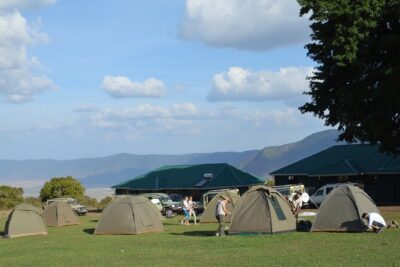 ★ 5.04 Days Group Camping SafariFrom $9001,101 reviews
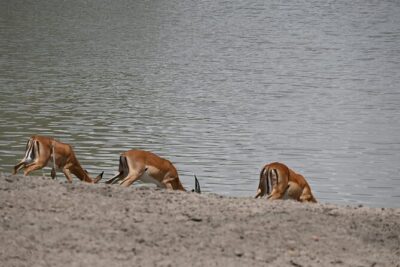 ★ 5.05 Days Group Camping SafariFrom $1,100730 reviews
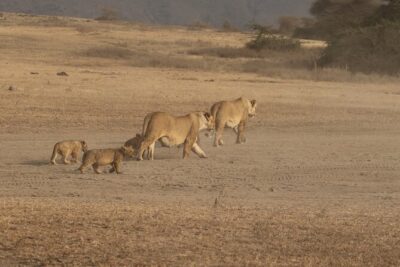 ★ 5.03 Days Serengeti & Ngorongoro Group Camping SafariFrom $815574 reviews
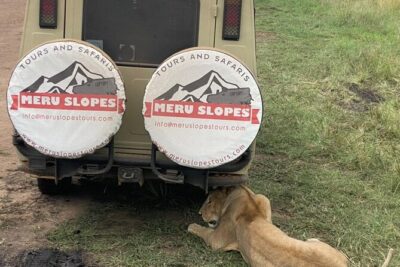 ★ 5.05 Days Camping Tarangire, Serengeti & Ngorongoro crater & Visiting MaasaiFrom $1,254229 reviews
 ★ 5.05 Days Budget Private Safari, TanzaniaFrom $0191 reviews
 ★ 5.06 Days Private Budget SafariFrom $2,300163 reviews
 ★ 5.02 Days Tarangire and Ngorongoro Group Camping SafariFrom $550146 reviews
 ★ 5.07 Days Kilimanjaro via Machame route affordable priceFrom $2,400110 reviews
Browse the lists this tour appears in