
REVIEW · ARUSHA NATIONAL PARK AND MOUNT MERU
Private Meru Coffee Tour in Nkoaranga
Coffee starts with a red berry. This private Meru coffee tour in Nkoaranga near Arusha shows you the full coffee path from picking to a freshly brewed cup, with a feel for Meru traditions and a real social mission. You also get a chance to take home freshly roasted coffee, which is always a nice souvenir that you can actually use.
What I liked most is the hands-on nature. You are not just watching from a seat, you are involved in the process, including traditional grinding and roasting, then you taste what you helped create. I also appreciated meeting the team behind The Small Things, including time connected to the Happy Family Children Village project.
One thing to plan for is physical comfort. This experience requires climbing several flights of stairs and walking on uneven ground, so it may be tough if you have mobility limits.
In This Review
- Key moments that make this tour worth it
- Why Meru coffee in Nkoaranga is a smart use of your time
- The Small Things stop: from Mt. Meru foothills to a cup you brewed
- The coffee process you will do step-by-step
- Harvesting and early handling
- Traditional processing
- Grinding and roasting
- Brewing and tasting
- The Meru coffee traditions lesson that makes your cup make sense
- Supporting vulnerable children and families, without the awkward feeling
- Price and value: why $35 is more than a plantation ticket
- Practicalities around Arusha: timing, transport, and what to bring
- Who should book this private Meru coffee tour
- Should you book it? My take
- FAQ
- How long is the Private Meru Coffee Tour in Nkoaranga?
- What does the tour cost?
- What is included in the tour?
- Is lunch included?
- Can I buy or take coffee home?
- What is the cancellation policy?
Key moments that make this tour worth it
- Pick red coffee berries grown in the volcanic soils of the Mt. Meru foothills
- Traditional processing, grinding, and roasting done as part of the local method
- Brew and taste coffee right after the work so you connect effort with flavor
- Learn Meru coffee traditions and how coffee became a staple crop
- Meet the mission in action, tied to vulnerable children and families in the region
- A private format where only your group participates
More waterfall and coffee farm mornings
- Materuni Waterfalls, coffee tour & Kikuletwa Hot Springs★ 5.0 · 643 reviews
- Materuni Waterfalls & Chemka Hotsprings Day Trip★ 5.0 · 214 reviews
- Maasai village visit, Materuni waterfalls & coffee experience★ 4.5 · 95 reviews
- Materuni Waterfalls & Coffee Tour from Moshi★ 5.0 · 92 reviews
Why Meru coffee in Nkoaranga is a smart use of your time
If you only have a half day around Arusha, a coffee tour can be a great fit. It is practical. It gives you something tangible to remember. And in this case, it also connects the cup in your hand to real people and real support in the region.
Meru coffee is often talked about for its flavor, but the bigger win here is how you understand that flavor. When you see the berries, you grasp that coffee is not a mysterious brown liquid. It is a plant, a harvest season, and a chain of steps that shape taste. On this tour, you get that chain in plain terms, starting with harvesting and ending with brewing.
There is also the added bonus of purpose. The tour is run by The Small Things, and participating helps support orphaned and vulnerable children and families in the Meru region. That means your money is not just paying for a photo op, it is tied to community impact. When your souvenir helps someone, you feel better about spending, even if you are paying a modest $35 per person.
The Small Things stop: from Mt. Meru foothills to a cup you brewed
The action centers around a stop at The Small Things. You start with the plantation setting, in the foothills of Mt. Meru, where the coffee bushes grow in rich volcanic soil. That detail matters because it is not just scenery. It tells you why people in the area care so much about getting the coffee right.
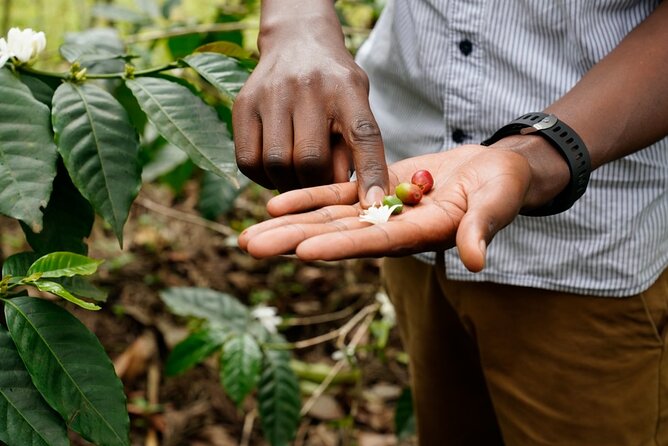
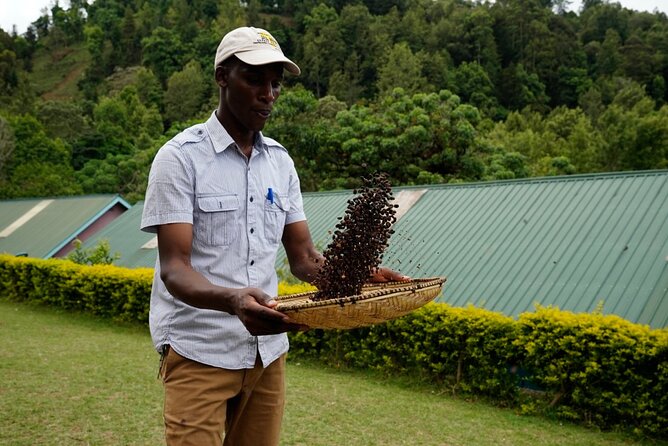
From there, you harvest fresh red coffee beans. This is the point where the tour becomes genuinely hands-on. You are touching the crop and learning how the process begins. Then you work together on processing using traditional methods. After that comes the reward: a delicious cup of coffee made from what you helped handle.
This stop also includes explanation, not just labor. You learn about Meru traditions around coffee, and how coffee became a staple in the region. That context is useful because it gives you a story to connect with the taste. You can say more than it was good coffee. You can say why it is part of local life.
If you have ever done a tour where the guide rattles off facts while you stare at something, this is different. You are active during the main stages, so the explanations land faster.
The coffee process you will do step-by-step
You should expect the tour to run like a practical workshop. The goal is simple: show the coffee production process from picking to brewing, then let you enjoy the result.
Here is what you are likely to experience, in the order your cup is built:
Arusha National Park and Meru, other options
Harvesting and early handling
You will harvest fresh red coffee beans from bushes. Even if you have picked fruit before, coffee berries are their own thing. You learn how to identify what is ready for harvest and what the plants look like when they are in season.
Traditional processing
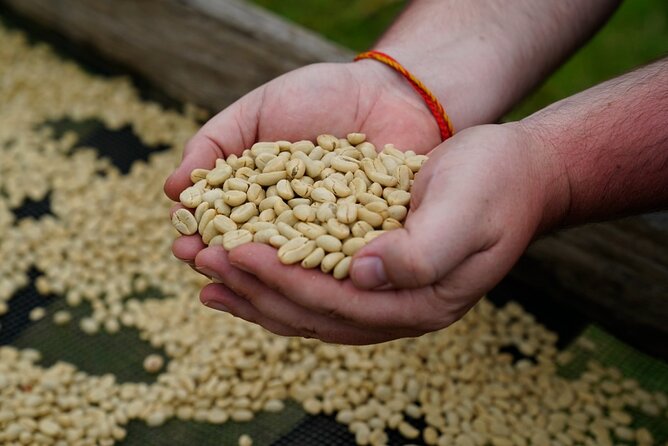
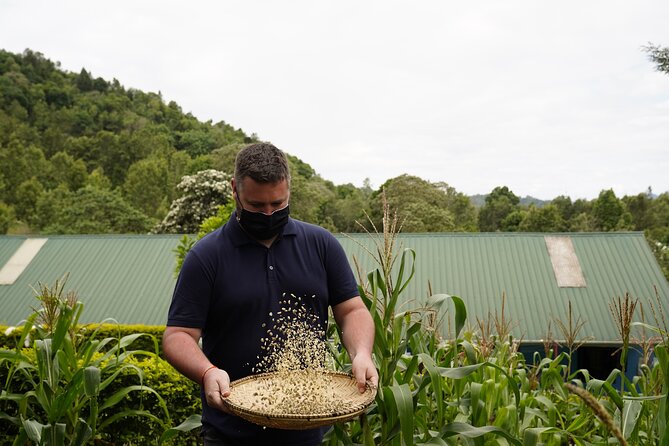
Next comes the processing phase. The tour format emphasizes traditional methods, and you will see how the beans move from berry stage toward what ends up roasted. You may not get every technical detail down to the chemistry, but you do get the real-world flow of what happens before roasting.
Grinding and roasting
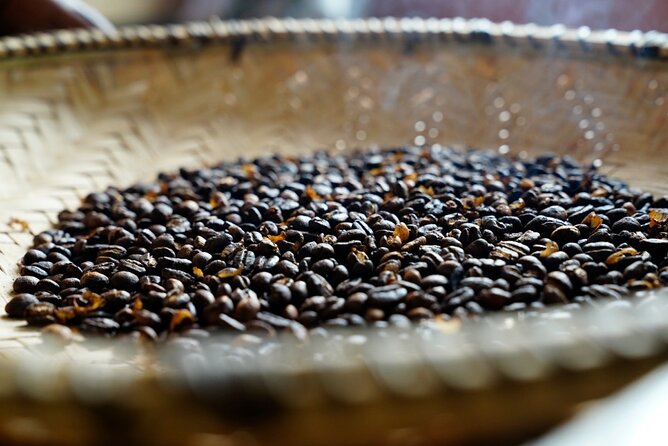
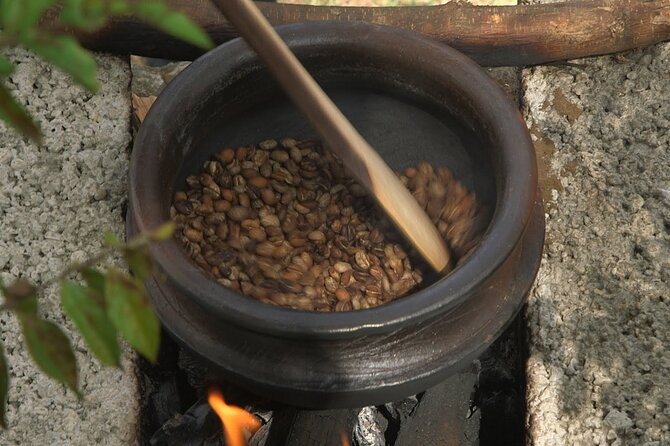
One of the most praised parts is grinding and roasting in the traditional ways. This is where the smell hits you. It also helps explain why freshness matters. When coffee is roasted closer to when you brew it, you notice it. The aroma feels alive, not stale.
Also, since this is a private group experience, the pace tends to be more comfortable. You are less likely to feel rushed or shuffled along.
Brewing and tasting
At the end, you sip a freshly made cup of coffee. This is not just a tasting, it is part of the learning loop. You taste what the earlier work influenced.
One small tip for your enjoyment: take a few slow sips and pay attention to aroma first, then flavor. You will get more out of it than trying to rush through the cup like it is a checklist item.
The Meru coffee traditions lesson that makes your cup make sense
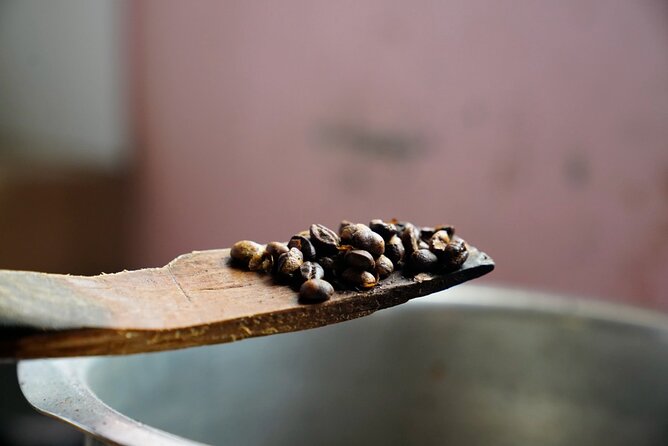
A coffee tour can be purely mechanical, but this one adds cultural context. You learn how coffee ties into Meru traditions and why it became a staple crop there.
Why this matters for you: when you understand the role of coffee in the area, the whole experience becomes more than a fun afternoon. You start to see coffee as a local economy and a local story, not a product shipped from far away with a fancy label.
You also learn in a way that is meant for visitors. The explanations connect to what you are doing. So you are not just hearing about traditions in the abstract. You are hearing them while you are surrounded by the plants and the tools.
If you are the type who likes to understand what you are consuming, this is a strong match. You will come away with better questions to ask in cafés back home.
Supporting vulnerable children and families, without the awkward feeling
I like tours that do good work and still treat visitors like humans. This one hits that balance.
The coffee company supporting vulnerable people is part of the experience, not tacked on at the end. In at least one encounter described by the guides, visitors also get the chance to meet lovely kids who live in the Happy Family Children Village, a project under The Small Things.
That kind of visit can be emotional, but it does not have to be heavy if you go in with the right mindset. Treat it like meeting people, not like a charity performance. Ask respectful questions. Keep your tone kind. And remember that the goal is long-term support.
For you as a buyer, the practical benefit is simple: you get a meaningful tour where the mission is tied directly to the activity. You are paying for coffee education and a social project at the same time.
Price and value: why $35 is more than a plantation ticket
$35 per person for a private coffee tour in the Arusha area is a fair deal, especially when you look at what is included.
You get:
- snacks
- coffee and/or tea
- bottled water
Lunch is not automatically included, but it can be provided if you select that option. So if you want a full meal day, plan ahead.
Then there is the private angle. This is a private tour/activity, meaning only your group participates. That matters if you value a calmer pace, more time with the guide, or a smoother experience when you have questions.
Also, the tour offers something that adds value after the tour ends: you can take home freshly roasted coffee. That is a real, usable souvenir.
So the value equation looks like this:
- you pay a modest price
- you get a real workshop-style farm visit
- you get drinks plus snacks
- and your money supports the project in the Meru region
That combination is why it is worth putting on your short list.
Practicalities around Arusha: timing, transport, and what to bring
This tour typically runs about 2 to 3 hours. On average, it is booked about 13 days in advance, so if your schedule is tight, you will want to reserve sooner rather than later.
A mobile ticket is used, and you should receive confirmation at booking time.
Weather matters here. The experience requires good weather. If it gets canceled due to poor weather, you will be offered a different date or a full refund. Plan for a buffer day if your itinerary is packed.
Transportation is a real question in Arusha, especially if you are not driving yourself. One guide in this program has helped arrange pick up and drop off for visitors who did not have a car. If you need that, ask at booking and be clear about where you are staying.
What to bring:
- comfortable shoes for uneven ground
- a light layer in case the air changes near the plantation areas
- a refillable water option if you like, though bottled water is included
- a small camera battery plan, since you will want photos during harvesting and roasting
Accessibility note, in plain terms: it involves climbing several flights of stairs and walking on uneven ground. Service animals are allowed, and most travelers can participate, but if stairs are a deal-breaker, check with the provider before you commit.
Who should book this private Meru coffee tour
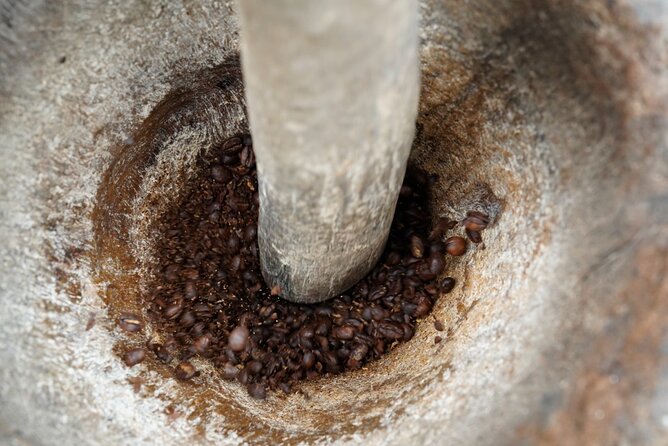
This tour is a good match if you want:
- a hands-on activity rather than a sit-and-listen tour
- to learn coffee production steps from a local perspective
- the chance to taste coffee you helped roast and brew
- a way to support vulnerable children and families through The Small Things
It is especially worth it if you enjoy cultural context, because you will learn about Meru coffee traditions and how coffee became a staple crop in the region.
You might skip it if:
- you do not handle walking on uneven ground or climbing stairs well
- you are looking for a fully relaxed, minimal-effort half day
- you want a big lunch included by default
Should you book it? My take
I would book this private Meru coffee tour if you want an experience that is both hands-on and meaningful. The combination of harvesting, traditional grinding and roasting, and then tasting your cup creates a strong learning loop. Add in the social mission through The Small Things, and the whole thing feels grounded, not performative.
The main thing to check is your comfort level with stairs and uneven paths. If you are good on your feet, you will likely have a smooth time and come away with a better understanding of what makes Meru coffee special.
If you are deciding between a generic plantation visit and this style of workshop tour with purpose, I would choose this one.
FAQ
How long is the Private Meru Coffee Tour in Nkoaranga?
It lasts about 2 to 3 hours.
What does the tour cost?
The price is $35.00 per person.
What is included in the tour?
Snacks, coffee and/or tea, and bottled water are included.
Is lunch included?
Lunch is not included unless you select an option where lunch can be provided.
Can I buy or take coffee home?
Yes, you can take home freshly roasted coffee.
What is the cancellation policy?
Free cancellation is available. You can cancel up to 24 hours in advance for a full refund. The experience requires good weather, and if it is canceled due to poor weather, you will be offered a different date or a full refund.
Arusha Park and Mount Meru
- 4 Days Mount Meru Trekking
★ 5.0 · 55 reviews - 4 Days Mount Meru Climbing | Hiking | Trekking Tour
★ 5.0 · 13 reviews - 1 Day: Arusha National Park
★ 5.0 · 9 reviews - Arusha National Park: Private Jeep Tour
★ 4.8 · 9 reviews - 3 Days Mount Meru trekking
★ 4.5 · 7 reviews
Waterfalls and Coffee, Keep Going
- Materuni Waterfalls, coffee tour & Kikuletwa Hot Springs
★ 5.0 · 643 reviews - Materuni Waterfalls & Chemka Hotsprings Day Trip
★ 5.0 · 214 reviews - Materuni waterfalls coffee tour & Chemka hot springs Day trip
★ 5.0 · 131 reviews - Maasai village visit, Materuni waterfalls & coffee experience
★ 4.5 · 95 reviews - Materuni Waterfalls & Coffee Tour from Moshi
★ 5.0 · 92 reviews
Just added from around Arusha




Arusha National Park and Mount Meru, compared.
 ★ 5.04 Days Mount Meru TrekkingFrom $1,00055 reviews
 ★ 4.8Arusha National Park Full-Day SafariFrom $19525 reviews
 ★ 5.04 Days Mount Meru Climbing | Hiking | Trekking TourFrom $2,60013 reviews
 ★ 5.01 Day: Arusha National ParkFrom $4409 reviews
 ★ 4.8Arusha National Park: Private Jeep TourFrom $2009 reviews
 ★ 4.53 Days Mount Meru trekkingFrom $8007 reviews
 ★ 5.07 Day Joined Safari Serengeti,Ngorongoro,Manyara,Tarangire,Arusha National ParkFrom $1,6156 reviews
 ★ 5.0Arusha National Park Half Day TourFrom $1976 reviews
Browse the lists this tour appears in