
REVIEW · ARUSHA NATIONAL PARK AND MOUNT MERU
3 Days Mount Meru trekking
Midnight tea on a mountain sounds serious business. This 3-day Mount Meru trek from Arusha mixes wildlife spotting with a real summit grind, then cashes it out with sunrise views toward Kilimanjaro. I like that the trail is run like a small expedition, not a rushed bus ride.
Two things I especially like: you get all meals and hut accommodation included, and porters handle organizing and packing so you can focus on hiking and pacing. The setup also brings you into the national-park world right away, with proper registration and ranger involvement.
One possible drawback to plan around is the schedule. You should expect a very early 00:30 wake-up and a steep, stamina-testing climb, so this isn’t a casual walk.
In This Review
- Key highlights worth your attention
- Why Mount Meru feels like a real Tanzanian adventure
- Day 1 from your Arusha hotel to Momella Gate and a walking-safari vibe
- Day 2 steep ascent, the Ash Tray view, and the Little Mt. Meru option
- Day 3 the midnight wake-up, the points on the route, and sunrise at 4565m
- Wildlife spotting and why the ranger requirement is a big deal
- Food, hut accommodation, and why porters make this trip feel smoother
- Private tour feel, group size, and how that affects your experience
- Price and value: is $800 per person fair for what’s included?
- Who this trek is best for, and who should think twice
- Booking cautions, weather dependence, and the smartest way to prepare
- Should you book this 3-Day Mount Meru trek?
- FAQ
- What is the duration of the Mount Meru trekking experience?
- Where does the trek start?
- How much does it cost?
- Is pickup included?
- Are park admission tickets included?
- Are meals and accommodation included?
- How early do you start the summit attempt?
- Do I need to hike with a ranger?
- How many people are in the group?
Key highlights worth your attention
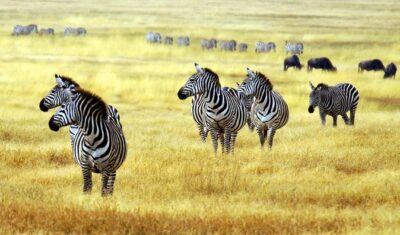
- Wildlife-friendly start from Arusha National Park: You begin at Momella Gate and hike in a section that can bring zebras, giraffes, buffalo, antelope, and even elephants (depending on sightings).
- An armed ranger is part of the trek: The park requires it for the full hike, so you are not just wandering in the dark with vibes.
- Views that start early and keep showing up: The trail offers sightlines toward Mount Meru Crater and the distinctive Ash Tray.
- A smart acclimation option on Day 2: You can add an extra climb to Little Mt. Meru (3820m) with your guide before the summit attempt.
- The summit push is built around sunrise: You start the last ascent at 1:30am and reach the top around sunrise for the light show.
- Small group feel, up to 15 travelers: It is described as a private tour, with a cap that helps it stay personal.
Arusha National Park and Meru, other options
- 4 Days Mount Meru Trekking★ 5.0 · 55 reviews
- Private Meru Coffee Tour in Nkoaranga★ 5.0 · 23 reviews
- 4 Days Mount Meru Climbing | Hiking | Trekking Tour★ 5.0 · 13 reviews
- 1 Day: Arusha National Park★ 5.0 · 9 reviews
Why Mount Meru feels like a real Tanzanian adventure
Mount Meru is Tanzania’s 5th-highest peak, but what makes it worth your time is how quickly it turns from everyday Arusha life into an altitude world. In three days, you move from 1400m morning altitude to a 4565m summit, with the climb paced through stages and built-in recovery time.
I like that the day plan has structure. Your first day sets the rhythm with a more “walking safari” feel, and then the next day starts narrowing into steep ascent and acclimation. By the final day, you’re doing the classic midnight start, the one that makes you feel like you packed for the right kind of trip.
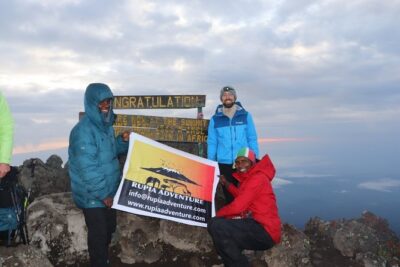
You also get a meaningful payoff. Reaching the summit at sunrise means you’re not just checking off a mountain, you’re getting clear views toward the crater area and the famous Ash Tray, plus Mount Kilimanjaro in the distance if conditions cooperate.
Day 1 from your Arusha hotel to Momella Gate and a walking-safari vibe
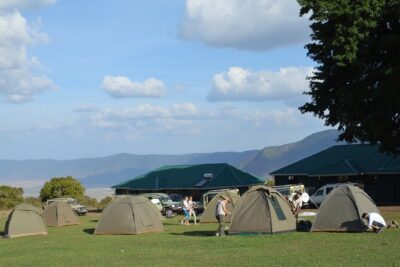
You start with an early breakfast back in Arusha, then pickup brings you to Momella Gate in Arusha National Park. At the gate, you register with Tanzania National Park (TANAPA), while porters organize and pack items for the hike. That division of labor matters because on a trek like this, small stress adds up fast.
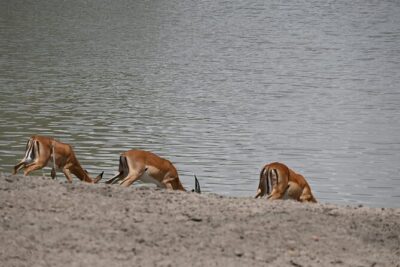
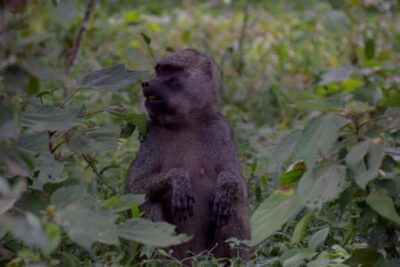
Once you begin hiking, the pace is described as similar to a walking safari. That is a good first-day setup if you want to ease into the trail without feeling like you’re sprinting uphill from the first meter. Wildlife can show up along the route: giraffes, zebras, antelope, buffalo, and possibly elephants. Sightings are never guaranteed, but the point is you are hiking in habitat that wildlife actually uses.
A key operational detail: you need an armed ranger hired through the national park for the duration of the hike. This isn’t a “nice-to-have” add-on. It changes the feel of the experience from hiking-only to park-regulated guided trekking, which is exactly what you want here.
Day 1 is about 6 hours of hiking, and you’re gaining altitude and trail rhythm. Expect a full day in the Arusha National Park environment, not a short warm-up stroll.
Day 2 steep ascent, the Ash Tray view, and the Little Mt. Meru option
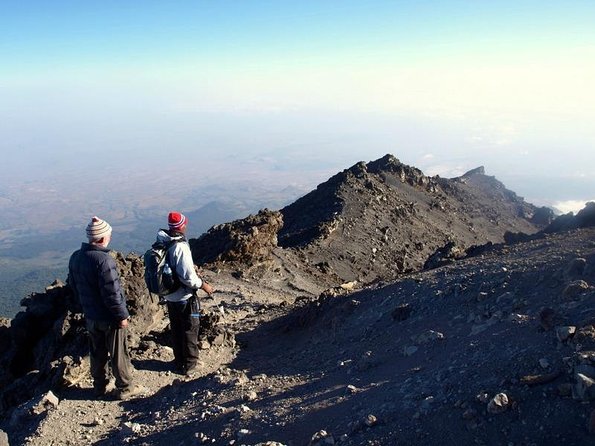
After breakfast, the second day shifts into a more demanding climb. You ascend a steep trail along the ridge of the saddle, and this is where the views start to feel more “up there.” The route includes outlooks toward Mount Meru Crater and the Ash Tray.
That detail matters because it gives you context while you’re still climbing. Instead of only feeling effort, you also get visual landmarks that make the summit plan feel real. It’s easier to keep a steady pace when you can see what part of the mountain you’re working toward.
When you reach camp, there’s an optional acclimation walk: Little Mt. Meru (3820m) with your guide. This is worth thinking about if you want a smoother summit attempt. The point of adding that extra hike is acclimation, not sightseeing for its own sake. If you feel strong and your body handles altitude well, it can set you up for less drama later.
Dinner comes earlier so you can rest. You should plan to sleep by 1900 ahead of the summit night. This is one of those small schedule choices that pays off. You’re not just going to bed, you’re recovering for a midnight wake-up.
Day 2 is about 4 hours of hiking, but the day still feels like more than four hours because you’re mentally preparing for the summit push.
Day 3 the midnight wake-up, the points on the route, and sunrise at 4565m
Your summit morning starts before your sleep cycle even finishes. Your guide wakes you at 00:30 for tea and biscuits, then the summit attempt starts at 1:30am. That means you should treat the night like part of the hike, not a waiting room until something happens.
The climb begins with a steep grade toward Rhino Point (3800m), then continues to Cobra Point (4350m). Those named points help you track progress when you’re tired and the world looks the same in the dark. The path also includes a rocky ridge scramble in the final hour, between the crater and the inner cliffs of Meru. That last stretch is not about speed. It is about foot placement, careful movement, and staying calm.
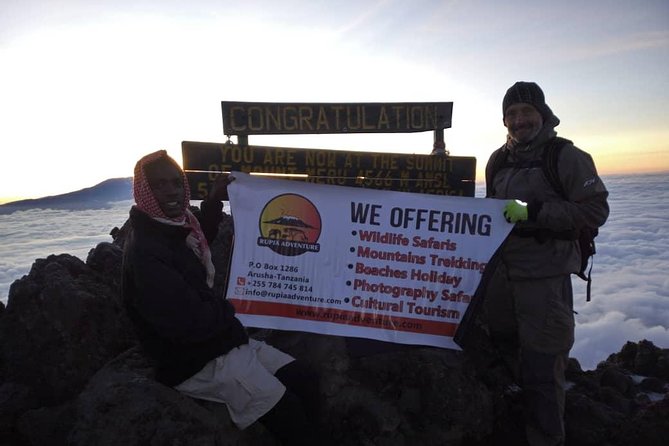
Then comes the reason most people are willing to do all this. You reach the summit of Mount Meru (4565m) at sunrise. The views are described as spectacular, with the Ash Tray area and Mount Kilimanjaro visible from the top, depending on conditions.
After sunrise, you descend back to Momella Gate and return to Arusha. The descent can still feel demanding on tired legs, but at least you’re moving with the day already “on,” not still chasing light.
Wildlife spotting and why the ranger requirement is a big deal
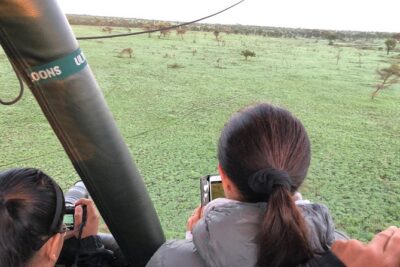
This trek’s wildlife angle is not just marketing language. You are actually hiking through a national park portion where animals roam. On Day 1 alone, the route includes opportunities to see giraffes, zebras, antelope, buffalo, and possibly elephants.
The requirement for an armed ranger is what turns wildlife spotting into a managed part of the experience. You’re not relying on luck in the way you would on a hike without park rules. Instead, you hike with the correct permissions and a team built for this environment.
One practical tip: keep your expectations flexible. Wildlife sightings are always variable, but the structure helps you stay focused on the trek itself without turning it into a hunt. If you do see animals, you’ll often feel it’s layered into the hike rather than something separate you chase for photos.
Food, hut accommodation, and why porters make this trip feel smoother
For a three-day summit trek, food and rest are not extras. They are the difference between making it up and making it home with a functional body.
This experience includes all meals and hut accommodation. That means you’re not trying to figure out where to eat after a full day of climbing, or stressing about whether your food will be enough for the energy demands of altitude. It also means the schedule stays consistent: early dinner on Day 2 so you can rest, then tea and biscuits during the summit wake-up.
Porters also organize and pack your hike belongings. On paper, that is a simple convenience. In real life, it reduces mental workload. You can keep your focus on pacing, staying warm, and moving efficiently.
For many people, this is the most underrated part of the trek. When someone else is handling packing and logistics, your energy goes into the climb instead of small daily problems.
Private tour feel, group size, and how that affects your experience
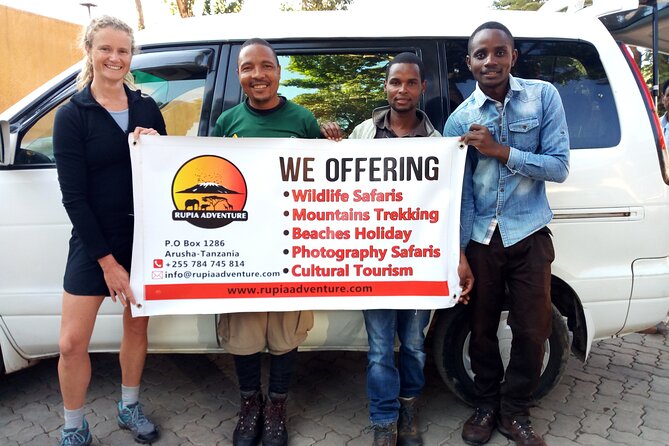
This is described as a private tour, which usually means you are not blending into a huge crowd. The maximum group size is listed as 15 travelers, so it should still feel like a small team.
A smaller group can also mean easier communication with your guide and a better chance to adjust pacing. Since the hike includes steep sections and a midnight summit push, having a guide who can manage your pace matters more than it does on easier day hikes.
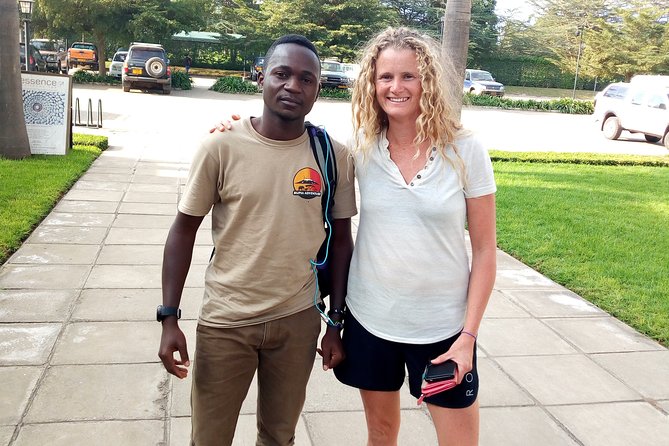
The guide and supporting team also seem to be a strong point in the feedback you provided. The guides, ranger, cook, and porters are repeatedly described as friendly, supportive, and knowledgeable. One review specifically praised a guide named Frank for sharing lots of information about mountain life, including flora and fauna.
There’s another side to the balance, though. A low-rated review raised complaints about payment handling and equipment quality, plus concerns about guide experience. I can’t verify those claims, but they do signal that you should be careful with how you confirm your arrangements and payment details before you go. More on that in the next section.
Price and value: is $800 per person fair for what’s included?
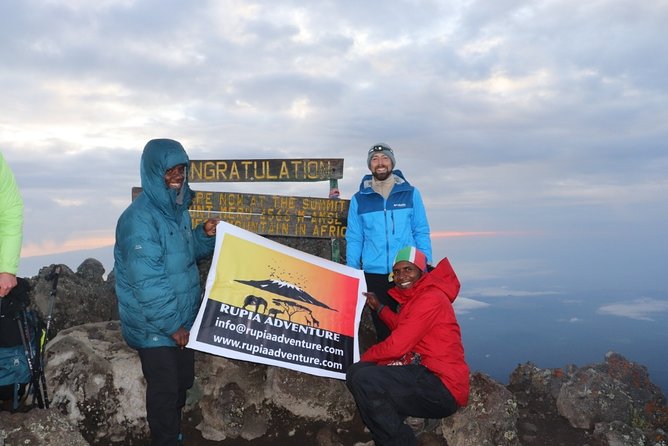
At $800 per person, this trek is not cheap. But when you look at what’s included, the value case gets clearer.
You’re getting:
- Pickup from your hotel
- A mobile ticket
- Park admission tickets included
- A private guided experience with porters
- All meals
- Hut accommodation
- The required armed ranger through the national park
For many independent travelers, paying separately for guide services, park entry, food support, and basic trekking infrastructure is where costs stack up. Here, the bundle matters because it reduces uncertainty. You know your core needs are covered for the full three days.
That said, the negative feedback you shared is worth taking seriously. If you are going to invest $800, you should also invest a little time in double-checking that your booking details are correct and that payment is handled properly. If any part of that process feels confusing, ask questions early.
Who this trek is best for, and who should think twice
This is a strong fitness required trek. You’re hiking steep trails, doing altitude work, and starting a summit attempt in the early night hours. Day 3 especially is a real commitment, with a steep grade to multiple named points and a rocky ridge scramble in the final hour.
This is a great match if you want:
- A guided summit attempt timed for sunrise
- Wildlife chances in a national park setting
- A plan that includes food and lodging so you can focus on the hike
- A small-group, more personal feel
It might not be a good match if you:
- Know you struggle with steep, sustained climbing
- Don’t handle very early starts well
- Prefer independent travel with minimal structure
Also keep in mind that the experience requires good weather. If conditions are poor, changes or offers happen, but the key is that weather can affect the trek.
Booking cautions, weather dependence, and the smartest way to prepare
The trek depends on good weather. That means your plan may shift if visibility or trail conditions are unsafe. If you’re the type who needs a perfectly fixed timeline, build flexibility into your Arusha schedule.
You should also know the experience is non-refundable and cannot be changed for any reason in the terms provided. That makes it extra important to confirm your dates, understand what you’re paying for, and be confident you can meet the physical demands.
Finally, given the mixed review you included, take one extra step that often gets skipped: verify booking and payment details in writing, and keep records. A low review mentioned issues like wrong bank account details and repeated charges. You cannot prevent every problem, but you can reduce the chance you get stuck if something goes sideways.
For preparation, the safest approach is straightforward: train for stamina and steep walking, and plan your sleep like it matters, because on Day 3 it does.
Should you book this 3-Day Mount Meru trek?
I’d book this trek if you want a well-structured climb with guided support, national park involvement, and a sunrise summit that feels like a real Tanzanian highlight. The inclusion of meals, hut accommodation, porters, admission tickets, and the ranger requirement is exactly what makes a summit trek feel manageable instead of chaotic.
I would think twice if you have limited stamina or you hate the idea of midnight hiking. This is not a stroll. It is steep, cold at night, and physically demanding.
And because you shared at least one strongly negative experience about payment and equipment, I’d also do your homework before you commit. Confirm details, keep proof of payment, and make sure everything looks right. If those boxes are checked, Mount Meru is the kind of trip that sticks with you, from the first wildlife-filled morning to the sunrise moment at 4565m.
FAQ
What is the duration of the Mount Meru trekking experience?
The trek runs for 3 days (approx.).
Where does the trek start?
Pickup brings you to Momella Gate in Arusha National Park after breakfast in Arusha.
How much does it cost?
The price is $800.00 per person.
Is pickup included?
Yes, pickup is offered.
Are park admission tickets included?
Yes, admission ticket(s) are included.
Are meals and accommodation included?
Yes, all meals and hut accommodation are included.
How early do you start the summit attempt?
You are woken at 00:30 for tea and biscuits, and the summit attempt begins at 1:30am.
Do I need to hike with a ranger?
Yes. An armed ranger, hired through the national park, is required for the duration of the hike.
How many people are in the group?
The maximum is 15 travelers.
Arusha Park and Mount Meru
- 4 Days Mount Meru Trekking
★ 5.0 · 55 reviews - Private Meru Coffee Tour in Nkoaranga
★ 5.0 · 23 reviews - 4 Days Mount Meru Climbing | Hiking | Trekking Tour
★ 5.0 · 13 reviews - 1 Day: Arusha National Park
★ 5.0 · 9 reviews - Arusha National Park: Private Jeep Tour
★ 4.8 · 9 reviews
Just added from around Arusha
Arusha National Park and Mount Meru, compared.
 ★ 5.04 Days Mount Meru TrekkingFrom $1,00055 reviews
 ★ 4.8Arusha National Park Full-Day SafariFrom $19525 reviews
 ★ 5.0Private Meru Coffee Tour in NkoarangaFrom $3523 reviews
 ★ 5.04 Days Mount Meru Climbing | Hiking | Trekking TourFrom $2,60013 reviews
 ★ 4.8Arusha National Park: Private Jeep TourFrom $2009 reviews
 ★ 5.01 Day: Arusha National ParkFrom $4409 reviews
 ★ 5.07 Day Joined Safari Serengeti,Ngorongoro,Manyara,Tarangire,Arusha National ParkFrom $1,6156 reviews
 ★ 5.0Arusha National Park Half Day TourFrom $1976 reviews
Browse the lists this tour appears in