
REVIEW · TANZANIAN COOKING CLASSES AND FOOD TOURS
Mama Aziz Food Court
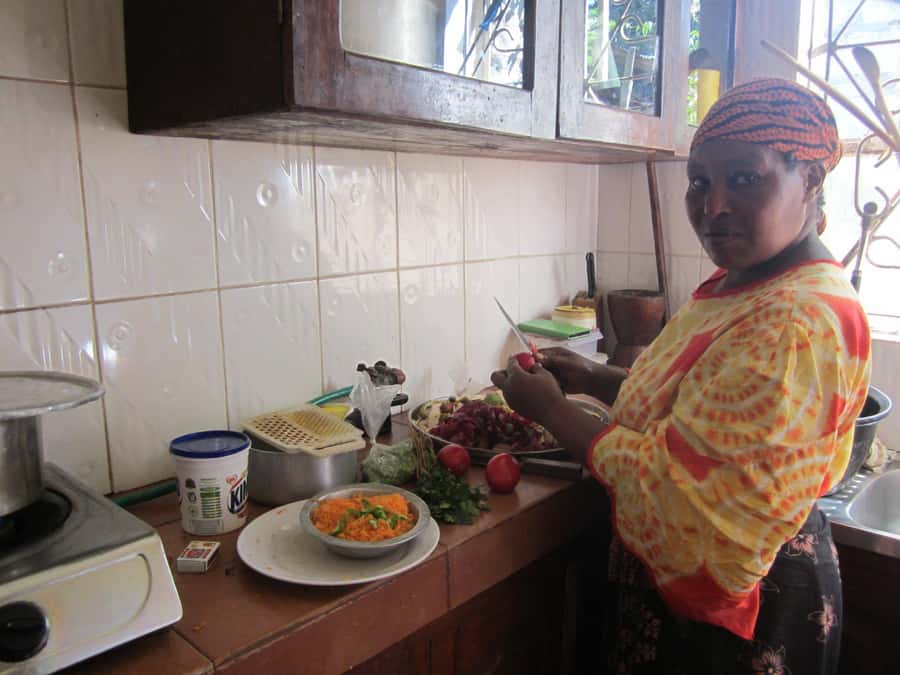
Food lessons here start at the market. You shop for spices and fruits and then cook Swahili classics with local guidance, not a classroom lecture.
I love the hands-on style, because you get your hands busy and taste as you go. I also like the signature dishes built from real Tanzanian ingredients, so the flavors make sense instead of feeling random.
One consideration: it is not set up for wheelchair users or for people with visual impairments. If that applies to you, plan an alternate food experience in Arusha.
In This Review
- Key things you will notice right away
- Swahili Cuisine in Arusha, Market Baskets to Cooking Pots
- Getting Started With the Pickup and the 3-Hour Pace
- The City Market Tour, What You Learn Beyond the Shopping List
- Hands-On Cooking, Where Your Skills Actually Improve
- Signature Swahili Dishes You Will Cook and Eat
- Chai Masala and Coconut Iftaar, Sweet and Spiced in the Same Lesson
- Fresh Ingredients and Spice Logic, Why This Tastes Like Tanzania
- Group Size and English Instruction, How It Affects Your Experience
- Price and Value in Arusha, What You Actually Get for $25
- Practical Tips Before You Go
- Who Should Book Mama Aziz in Arusha, and Who Might Prefer Another Option
- Should You Book Mama Aziz Food Court Cooking Lessons?
- FAQ
- Where does the Mama Aziz cooking lesson take place?
- How long is the experience?
- How much does it cost?
- How big is the group?
- What language is the instructor?
- Where do pickups happen?
- What’s included in the price?
- What should I bring?
- What is not allowed during the activity?
- Is it suitable for wheelchair users or visually impaired people?
Key things you will notice right away
- Market-to-pot start with a city market tour for spices, tropical fruits, and herbs
- Small-group attention with a cap of 10 participants
- Swahili Coast influences shaped by African, Arab, Indian, and European cooking
- Real cooking techniques focused on spice combinations and practical methods
- Signature plates like biriyani, pilau with kachumbari, ugali with grilled meat, chapati with gravy, and coconut iftaar
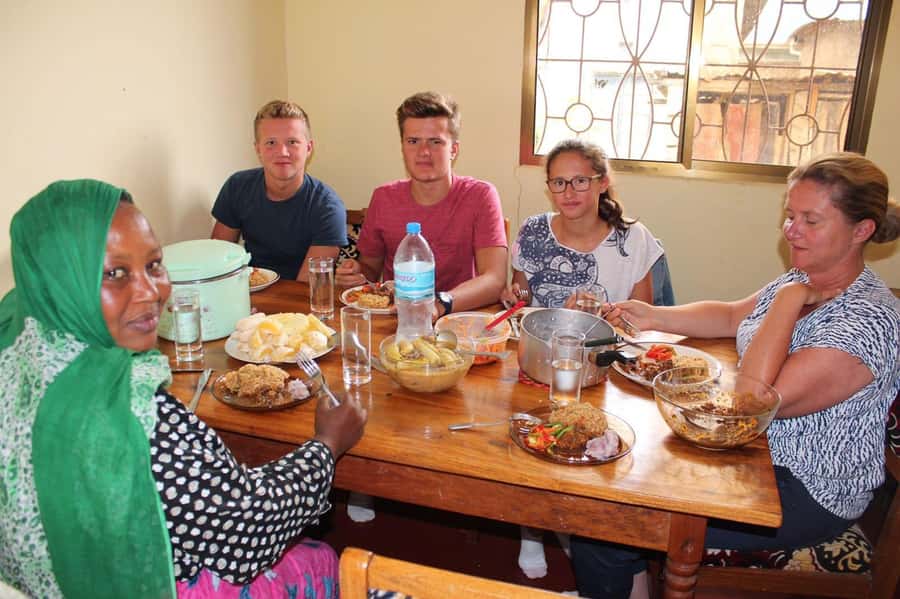
- Warm host energy from the Mama Aziz Homestay family setup
More Zanzibari kitchens to sit in
- NGO Lifted Strong – Traditional Tanzanian Cooking Class★ 5.0 · 39 reviews
- Arusha: Traditional Tanzania Cooking Class & Food Market Tour★ 5.0 · 34 reviews
- Cooking and Sewing & Jewelry Workshops in Arusha★ 5.0 · 14 reviews
- Street Food and Community Walking Tour★ 5.0 · 12 reviews
Swahili Cuisine in Arusha, Market Baskets to Cooking Pots
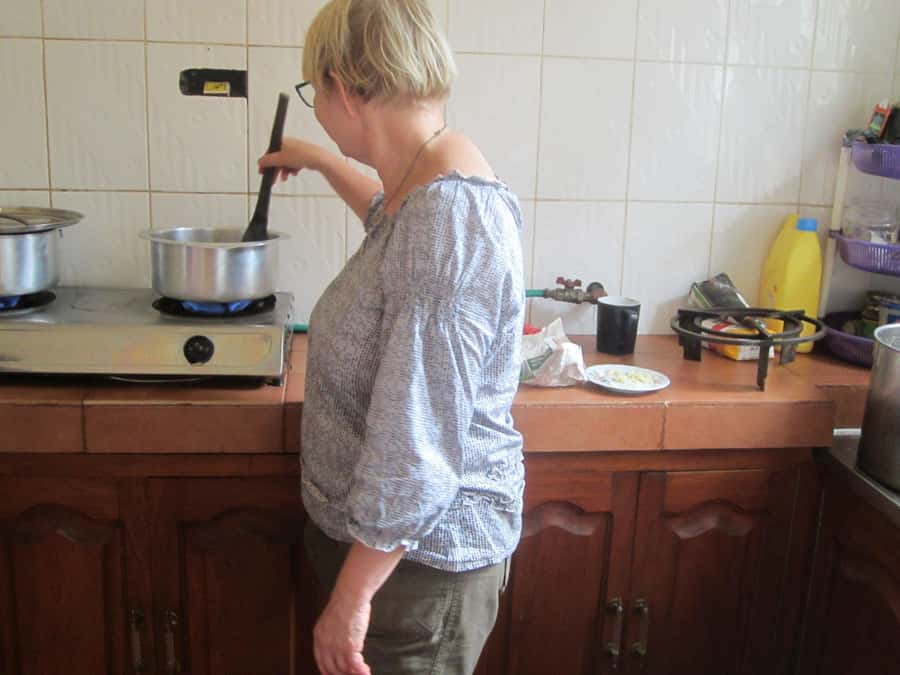
Swahili cooking has a strong rhythm: spices first, then heat, then slow flavor-building. This Mama Aziz Food Court lesson gives you the full pattern instead of just feeding you a meal.
You start with a city market tour, where you pick up the ingredients that make Swahili food taste unmistakably Swahili. Then you move from shopping to cooking, working with an English-speaking instructor and a small group size that keeps things interactive.
The best part is that the class connects food to culture. You learn how Swahili cuisine blends African, Arab, Indian, and European influences, so your plate has a story behind it.
Getting Started With the Pickup and the 3-Hour Pace
This experience runs about 3 hours, which is a good length for a half-day schedule. You do not lose time to long transfers. Pickup is included from a nearby restaurant around the Clock Tower roundabout area, or from the museum along the monument.
Once you meet up, the session flows from sourcing ingredients to cooking. A 3-hour format also means you get focused variety without turning into a marathon kitchen shift.
Because the instructor works in English, you can ask questions as you cook. If you prefer very slow, deep theory sessions, you might find the time tight, but you can always ask follow-up questions during the hands-on parts.
The City Market Tour, What You Learn Beyond the Shopping List
The market portion matters. It is where you learn the ingredients behind the meal, not just the names.
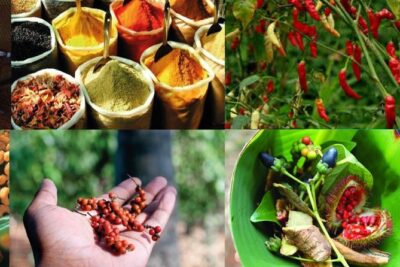
You will be looking for aromatic spices, tropical fruits, and fragrant herbs, which are specifically called out as core ingredients for the recipes. That matters because Swahili food relies on layering flavors. If you only know the final dish, you miss the point.
As you shop, you get a feel for what is seasonal and what looks freshest. And since the session includes buying the groceries and fruits, you are not just looking, you are building the meal with real supplies.
Practical tip: bring cash and card, since the session asks you to have both. Also, cameras are allowed, which is great because spices and produce look fantastic and you will want to remember what you bought and why.



Hands-On Cooking, Where Your Skills Actually Improve
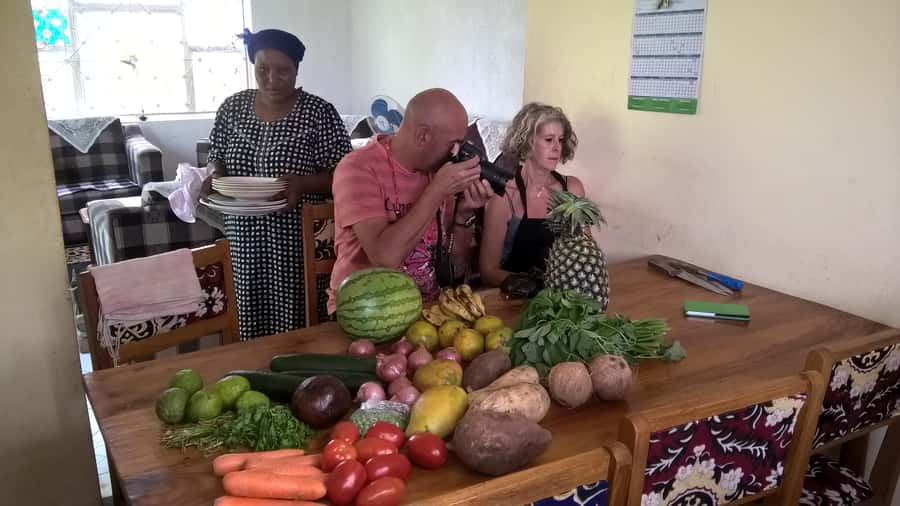
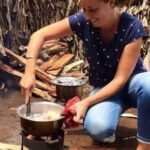
This is not a sit-and-watch experience. It is a hands-on cooking lesson led by experienced chefs who explain spice combinations and cooking techniques while you work.
That hands-on element is the difference between eating Swahili food and learning to cook it. When you mix spices or shape dough for chapati, you understand texture and timing in your own hands.
You will also get plenty of chances to taste. Taste is what tells you the lesson is working, and it keeps you from getting lost in instructions. If you like to cook, you will walk away with practical confidence.
Also, the small group size helps. With up to 10 participants, you are less likely to feel like you are waiting your turn for basic help. The pace stays friendly and you get real feedback.
Signature Swahili Dishes You Will Cook and Eat
Expect a set of signature Swahili dishes, taught as part of the session. The specific lineup includes biriyani, pilau served with kachumbari, chai masala, ugali with grilled meat, BBQ served with veggies, chapati and gravy, coconut iftaar, and seasonal fruits.
Here is why those dishes are a smart mix for learning:
- They cover carb bases (ugali, chapati) and rice dishes (biriyani, pilau), so you understand how Swahili meals are built around staple foods.
- They show sauce and spice structure (gravy, coconut-infused curries), so you see how flavors cling to what you eat.
- They include tangy sides like kachumbari, which teaches you how acid and freshness balance richer dishes.
Pilau served with kachumbari is a great example of balance. Pilau gives you warm, spiced depth. Kachumbari brings crisp freshness. Together, they taste complete.
Ugali with succulent grilled meat is another classic teaching combo. Ugali is simple but not bland when cooked and served well. It is the kind of food that helps you understand why texture is part of flavor.
Chapati with gravy gives you a feel for Swahili comfort food, where bread-like dough meets spiced sauce. And biriyani rounds out the rice lesson with aromatic intensity.
Chai Masala and Coconut Iftaar, Sweet and Spiced in the Same Lesson
Two standout items in the menu are chai masala and coconut iftaar. These help you understand Swahili flavors go beyond dinner plates.
Chai masala is spiced tea, which usually means warm spice notes built into a drink you can taste clearly. That matters because spice does not only belong in savory food. Once you taste it, you start noticing how spice behaves across different dishes.
Coconut iftaar includes plantains, sweet plantains, sweet potatoes, Irish potatoes, and arrow roots, with coconut involved. The mix of ingredients teaches you about texture, sweetness, and starches used in East African cooking.
If you enjoy food that is not only spicy, but also sweet, earthy, and gently spiced, this part of the menu will click. It also gives you a sense of seasonal and regional ingredients rather than a one-note menu.
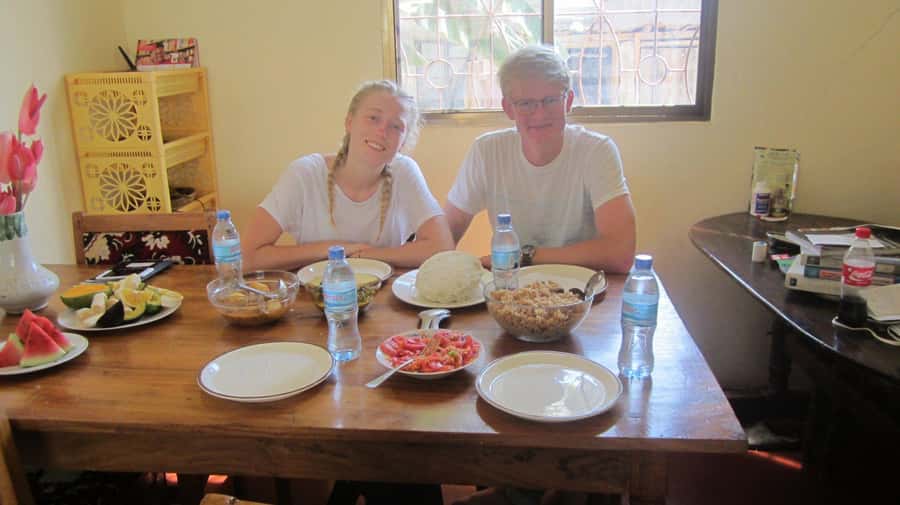
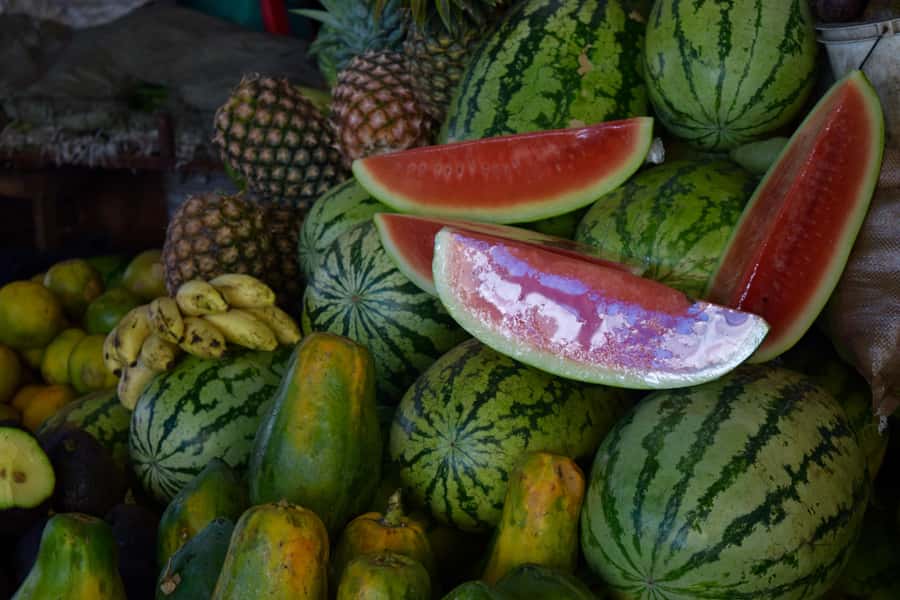
Seasonal fruits are included too. They are a simple way to finish a meal, and they help you remember the ingredient sourcing part of the tour.
Fresh Ingredients and Spice Logic, Why This Tastes Like Tanzania
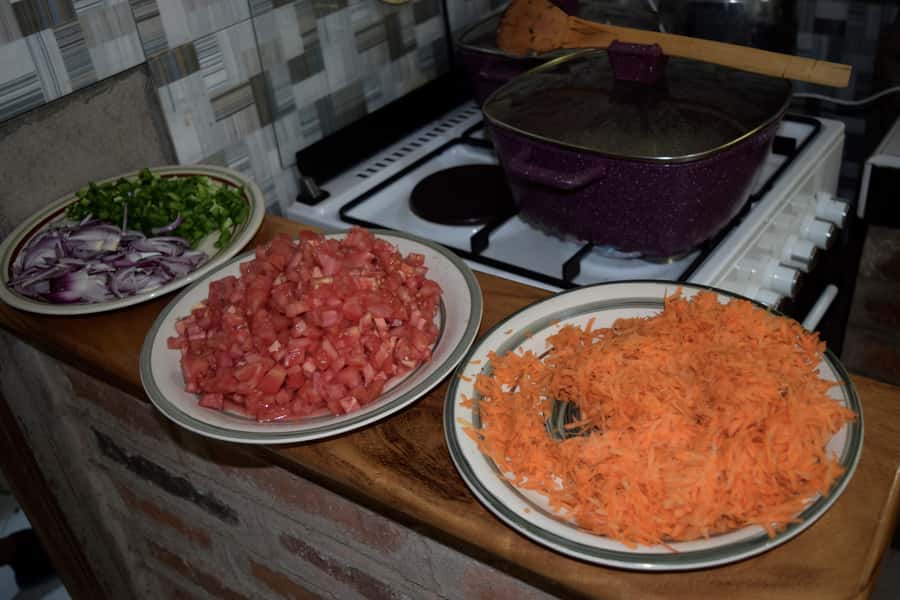
Swahili cooking is built on ingredient quality. This class emphasizes locally sourced freshness, and that shows up in the final plates.
You focus on spices, tropical fruits, and fragrant herbs that are bought during the city market tour. Those ingredients are not just decoration. They are the engine of flavor.
The chefs guide you through spice combinations and cooking technique. That means you are not just learning recipes. You are learning how and why flavors change during cooking, which is what makes the meal taste right instead of merely edible.
And because you are learning in small group hands-on format, you can adjust as you go. If a sauce needs more balance or a spice level feels off, you have a chance to correct it while you still have control.
Group Size and English Instruction, How It Affects Your Experience
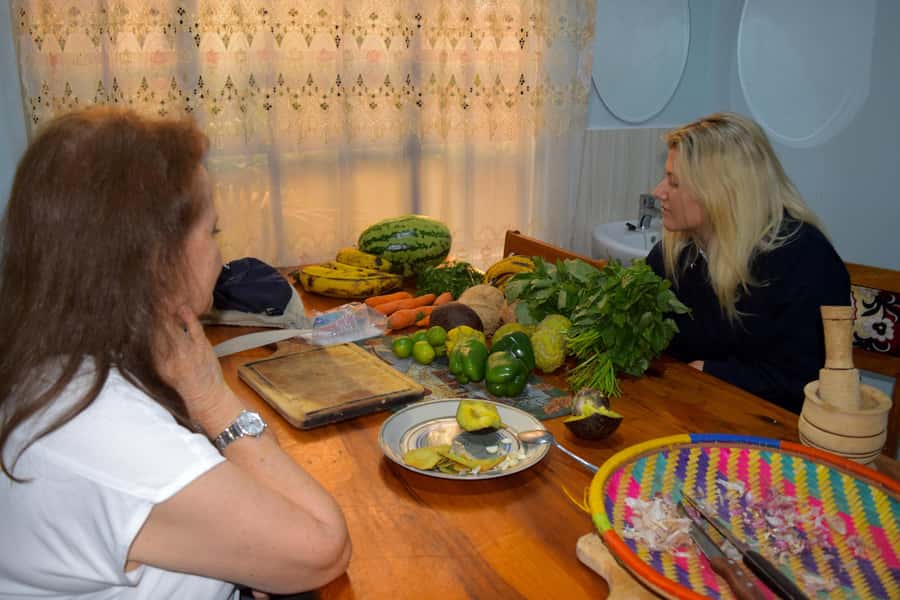
This is a small group experience limited to 10 participants. That number might sound small, but it changes the whole mood of the class.
You are more likely to get direct help and quick answers. You also get more chances to taste and compare small differences in cooking.
The instructor is English-speaking, which keeps the lesson practical. You can understand steps and ask why certain flavors are paired. For many people, that is the whole point of paying for a cooking class instead of just eating out.
Price and Value in Arusha, What You Actually Get for $25
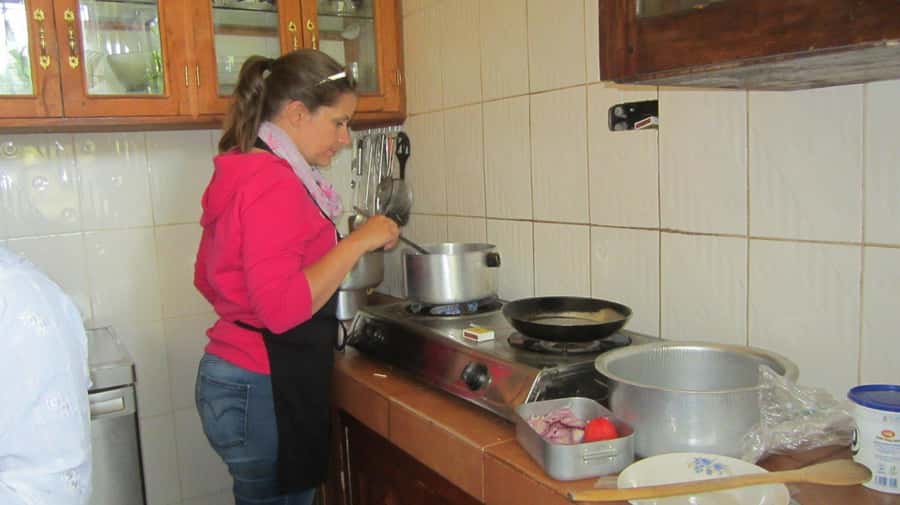
At $25 per person, this class is priced like an activity that tries to be fair, not one that stacks costs with fancy extras.
What you get is not only instruction. The price covers groceries and fruits, all necessary ingredients for the recipes, and the city market tour. That is important for value because ingredients and market shopping add up quickly when you do them yourself.
Also, you get a full meal experience. The menu includes multiple signature dishes and tastings tied to cooking lessons. So you are paying for skills plus food, not just for one plate.
In a place like Arusha, that value can be hard to beat if you want more than a restaurant meal. If you like cooking or want to understand Swahili cuisine in a hands-on way, this price feels aligned with what you receive.
Practical Tips Before You Go
Bring a camera, and consider bringing both cash and a credit card, since those are specifically requested. The class is also a hands-on food setting, so wearing something comfortable makes sense.
Not allowed items include pets, and alcohol and drugs are not allowed. If you were hoping to turn this into a drink-heavy evening, plan something else for that part.
Also check what the session is suitable for. It is not suitable for wheelchair users or for visually impaired people. If accessibility matters to you, ask locally for options that fit your needs.
Finally, come with an open mind. Swahili dishes can surprise you with spice layers and combinations that feel both familiar and new, especially in how rice, sides, and gravies work together.
Who Should Book Mama Aziz in Arusha, and Who Might Prefer Another Option
This fits best if you want:
- A cooking-focused Swahili culture experience, not just eating
- A short, structured 3-hour activity in Arusha
- A small group setting where you can ask questions in English
- Ingredient learning, including spices, herbs, and seasonal fruits
It is less ideal if:
- You need wheelchair-friendly access or extra support for visual impairments
- You want a long, slow academic lecture with lots of downtime
If you are the kind of person who remembers travel by flavors, not by photos, you will probably love this. It is the type of activity that turns into a cooking memory you can repeat at home.
Should You Book Mama Aziz Food Court Cooking Lessons?
Yes, if you want an Arusha activity that teaches you how Swahili food works, not just what it tastes like. The market-to-kitchen flow, the hands-on cooking, and the mix of signature dishes make the 3-hour format feel purposeful.
I would book it especially if you care about ingredients. The session is built around buying and using fresh spices, tropical fruits, and herbs, then turning them into biriyani, pilau with kachumbari, ugali with grilled meat, chapati with gravy, chai masala, and coconut iftaar.
Skip it only if accessibility needs apply, or if you prefer a purely restaurant-style meal with no cooking involvement. Otherwise, this is a strong choice for learning Swahili cuisine the practical way.
FAQ
Where does the Mama Aziz cooking lesson take place?
It takes place in Arusha (Region), Tanzania.
How long is the experience?
The duration is 3 hours.
How much does it cost?
The price is $25 per person.
How big is the group?
The group is limited to 10 participants.
What language is the instructor?
The instructor speaks English.
Where do pickups happen?
Pickup is included from any nearby restaurant around the Clock Tower roundabout, or from the museum along the monument.
What’s included in the price?
The price includes buying groceries and fruits, all necessary ingredients required for the recipes, and the city market tour.
What should I bring?
Bring a camera, a credit card, and cash.
What is not allowed during the activity?
Pets are not allowed, and alcohol and drugs are not allowed.
Is it suitable for wheelchair users or visually impaired people?
No, it is not suitable for wheelchair users or visually impaired people.
More Zanzibari Kitchens
- NGO Lifted Strong – Traditional Tanzanian Cooking Class
★ 5.0 · 39 reviews - Arusha: Traditional Tanzania Cooking Class & Food Market Tour
★ 5.0 · 34 reviews - Cooking and Sewing & Jewelry Workshops in Arusha
★ 5.0 · 14 reviews - Street Food and Community Walking Tour
★ 5.0 · 12 reviews - Arusha: Traditional Tanzania Cooking class& Food Market Tour
★ 4.9 · 12 reviews
Just added from around Arusha


Tanzanian Cooking Classes and Food Tours, compared.
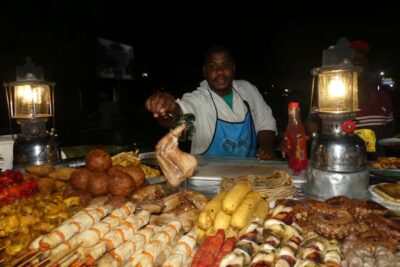 ★ 4.7Stonetown: Food Markets and Street Food Walking TourFrom $35151 reviews
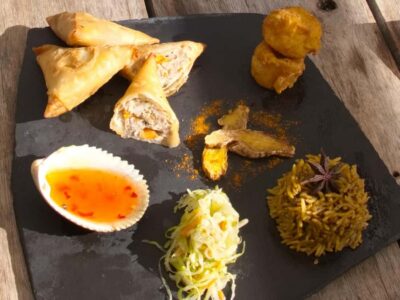 ★ 4.7Zanzibar: The Swahili Spice Experience – Spice Tour + Culinary JourneyFrom $2196 reviews
 ★ 4.5Zanzibar Cooking Class & Spice TourFrom $4077 reviews
 ★ 4.8Zanzibar: Spice Farm Tour with Traditional Cooking LessonFrom $6577 reviews
 ★ 5.0Authentic Street Food Tours in Stone Town, ZanzibarFrom $4046 reviews
 ★ 5.0Mamas of Zanzibar – A Unique Cultural & Culinary ExperienceFrom $11645 reviews
 ★ 4.5Half-Day Kuza Cave Swimming Adventure and Cooking ClassFrom $1344 reviews
 ★ 5.0NGO Lifted Strong – Traditional Tanzanian Cooking ClassFrom $5039 reviews
Browse the lists this tour appears in