
REVIEW · TANZANIAN COOKING CLASSES AND FOOD TOURS
Arusha: Traditional Tanzania Cooking class& Food Market Tour
Smell the spices, learn the rhythm.
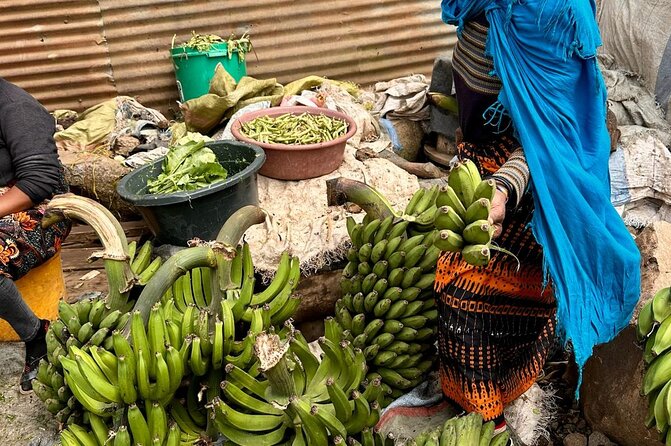
This half-day experience in Arusha mixes a guided walk through a local central food market with a hands-on cooking lesson led by a local chef. You shop for real ingredients, cook classic Tanzanian dishes, then sit down and eat what you made, in the same hands-on spirit that locals follow every day.
What I like most is how practical it feels. You do the work, from choosing ingredients to making the dishes, including favorites like chapati and ugali. And I also love the human side, with guides who talk you through the food and the town, like Liroy, Israel, and chef Neema in past sessions.
One thing to plan for: this is not a polished Western cooking studio. A recent participant noted cleanliness is not up to US kitchen standards, even though soap and water were available and the food was fully cooked. If you are very sensitive about that, go in with your expectations set, and use the soap, wash well, and ask if you can re-sanitize any tools after meat handling.
In This Review
- Key Highlights I’d Put on Your Radar
- Entering Arusha Central Market the Right Way
- Hotel Pickup, Local Transport, and a 5-Hour Day That Fits
- What You Shop For, and Why It Changes Your Cooking
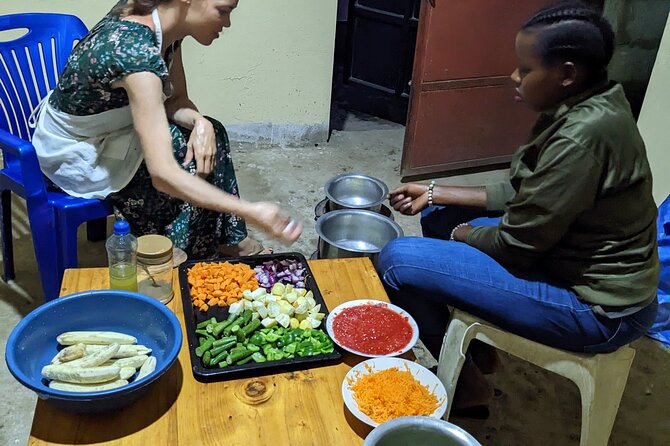
- Chef Neema’s Cooking Lesson: Chapati, Ugali, Plantain, and Veggies
- The core dishes you can expect
- Meat option if you want it
- What it feels like while you cook
- Eating the Meal You Made, Plus Leftovers for Later
- Price and Value: What $45 Buys You in Real Skills
- Practical Comfort Notes: Shoes, Clothes, Photos, and Hygiene
- Who This Arusha Food Tour Fits Best
- Should You Book This Arusha Cooking Class and Food Market Tour?
- FAQ
- What dishes will I cook in the Arusha cooking class?
- How long is the cooking class part?
- Do I get hotel pickup and drop-off?
- Are drinks included?
- Can I take photos during the market and tour?
- What should I bring, and is there anything I can’t bring?
Key Highlights I’d Put on Your Radar
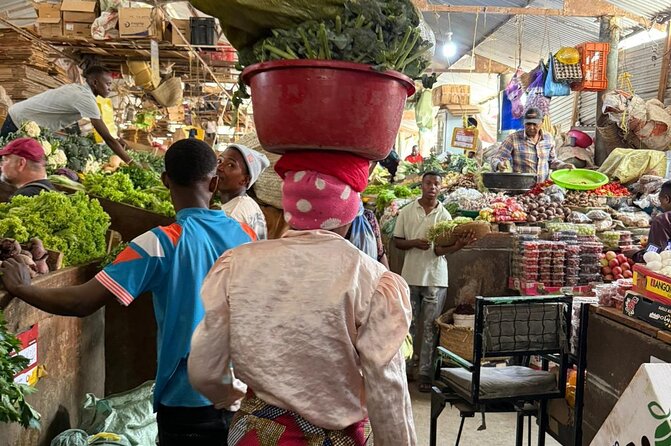
- Arusha Central Market first, cooking second: you shop where people actually buy the day’s ingredients, then cook them almost immediately.
- Hands-on classics: you can expect to make plantain banana, chapati, ugali, and vegetables, with meat options if you want them.
- Local guidance with real conversation: English-speaking guides like Liroy and Israel help translate ingredients and everyday life around the market.
- Chef-led step-by-step cooking: chef Neema guides the process, so you are not just watching instructions on a screen.
- Eat together at the end: you finish the experience by sharing a meal made from your own dishes, not a separate restaurant stop.
- Recipes and skills to take home: you leave with techniques you can actually recreate, not just a memory of flavors.
More Zanzibari kitchens to sit in
- NGO Lifted Strong – Traditional Tanzanian Cooking Class★ 5.0 · 39 reviews
- Arusha: Traditional Tanzania Cooking Class & Food Market Tour★ 5.0 · 34 reviews
- Cooking and Sewing & Jewelry Workshops in Arusha★ 5.0 · 14 reviews
- Street Food and Community Walking Tour★ 5.0 · 12 reviews
Entering Arusha Central Market the Right Way
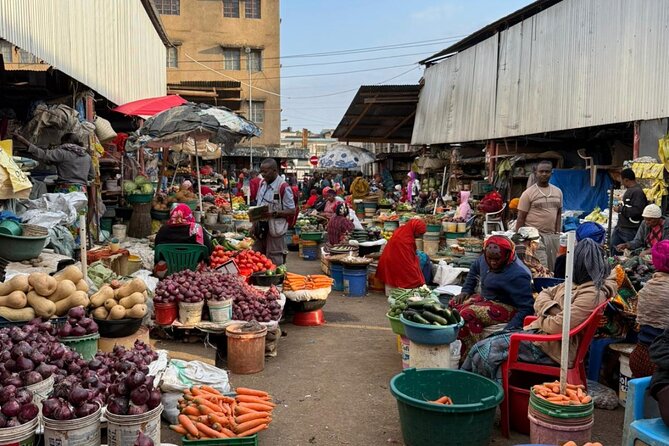
The market stop is where the whole day starts to make sense. You are not just gathering ingredients, you are seeing what people in Arusha eat, buy, and talk about. Expect a guided walk of about 30 to 50 minutes, with time to take photos and ask questions at stalls.
This matters because Tanzanian cooking is not only about spices. It is also about how ingredients behave: starchy vs. storable, sweet vs. savory, and what is easiest to work with on a busy day. Watching vendors handle produce, dry goods, and meats helps you understand what you are about to cook.
You’ll also notice the market pace is human scale. People move, bargain, carry heavy items, and keep their routines. In one past session, the guide even made space and stayed alert around workers with loads, which is exactly what you want from a guide who understands how the market flows.
Hotel Pickup, Local Transport, and a 5-Hour Day That Fits
The tour begins with hotel pickup from Arusha town. The idea is simple: you do not have to figure out getting to a market area on your own. Once you are with the team, they keep the timing moving so you can enjoy both the market and the cooking without rushing every step.
The day runs about 5 hours total. That sounds short, but it works because the market piece is intentionally compact (30 to 50 minutes), and the cooking block is where the time goes. The cooking class lasts between 1 and 3 hours, depending on the menu selection and how long the group needs.
One more practical note from real experience: some groups have traveled to the market by local tuktuk, which can make the experience feel more connected to daily life rather than a private car bubble.
What You Shop For, and Why It Changes Your Cooking
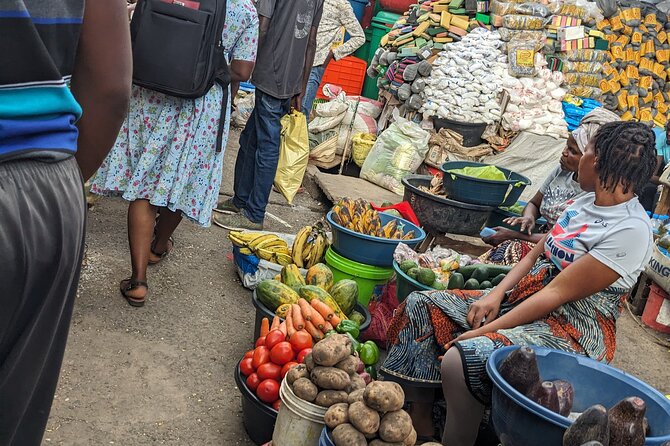
After pickup, you head to the local central food market and spend about half an hour finding what you’ll need. You’ll see a mix of items such as dry foods, meats, and fruits. That mix is a big clue about how Tanzanian meals are built.
Here is the useful part for you: when you buy ingredients with guidance, you learn how to choose them, not just what names to memorize. Guides like Liroy and Israel have helped explain products and everyday vendor life, so you come away understanding why certain items are used and how they fit together in a typical meal.
You also get decision-making built in. In past sessions, participants were able to choose three of four local dishes to cook, which lets you tailor the day to what you actually want to eat. If you are traveling with picky eaters, this is a real benefit. You can still keep the experience authentic without forcing everyone to cook dishes they do not care about.
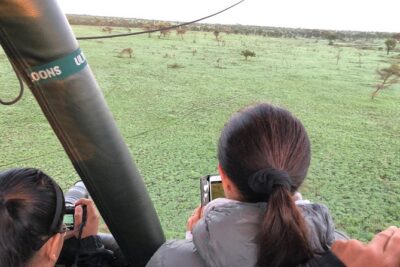



Chef Neema’s Cooking Lesson: Chapati, Ugali, Plantain, and Veggies
The cooking class happens after the market shopping, and it’s led step by step by a local chef. Chef Neema is one name you’ll hear tied to multiple excellent sessions, and her style comes through clearly: practical instruction, cooking together, and lots of question time.
The core dishes you can expect
You will cook three common foods, with these listed options:
- plantain banana
- chapati
- ugali
- vegetables
That combination is a great mix for a cook at home later. Chapati teaches you about dough, heat control, and timing. Ugali teaches you about texture. Plantain banana and vegetables help you understand how sweetness and greens balance starchy staples.
Meat option if you want it
If you prefer meat, there’s an option for stewed or barbecued dishes. That choice is helpful because it gives you a taste direction: want slow comfort or smoky grilled flavors.
One practical thing to know is that past cooking setups have included both charcoal and propane stoves. So do not be surprised if you smell smoke and see a more rustic cooking setup than a modern stovetop at home.
What it feels like while you cook
This is not a spectator event. Even when the chef demonstrates the process, you still do the work. In at least one past session, the chef had participants finish tasks while also managing the rest of the cooking. Expect a friendly pace where you learn by doing.
And yes, you might even get a couple of photos taken while you cook. It’s a small thing, but it’s nice because your best cooking memories are harder to capture when you are busy with food.
Eating the Meal You Made, Plus Leftovers for Later
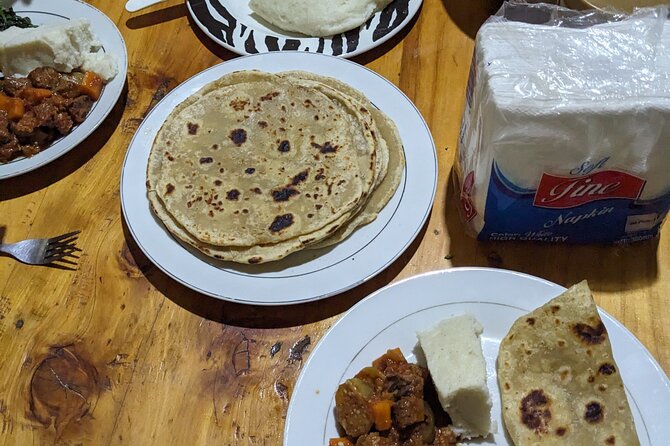
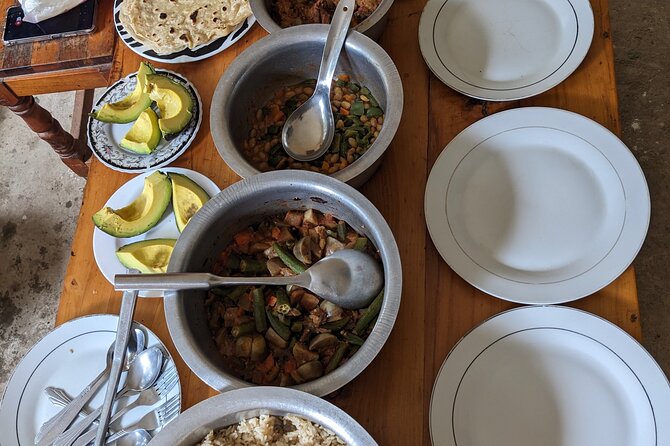
After cooking, you sit down and enjoy the meal made from your dishes. This is one of the best parts of the format. There’s no awkward transition to a separate restaurant meal where you forget what you just learned.
The shared meal also matters for value. You are not paying just for instruction time. You’re paying for the full cycle: shop, cook, eat.
If there’s extra food and time allows, you may be able to pack some to take back to your hotel for another meal. That’s a thoughtful touch, especially if you have a late dinner plan or simply want a second chance to try the flavors once you are back in your own space.
Also, keep in mind drinks are not included. One participant noted there was not much available to drink during the class, and the guide helped by getting water and even a beer in that specific case. So don’t count on guaranteed beverages. Bring your own water if you want a sure thing.
Price and Value: What $45 Buys You in Real Skills
At $45 per person for about 5 hours, this is priced like a true activity, not a quick add-on. You get:
- hotel pickup and drop-off
- a guided market visit
- a cooking class with a local chef
- ingredients
- the meal you prepare
That is strong value compared with paying for a cooking class and then separately paying for dinner. Here, the dinner is included, and you also get market shopping that explains why the ingredients matter.
You’re also paying for local access, not just instructions. A private cooking tutorial from a person in a kitchen is useful. A market walk where you learn what people buy and how they choose ingredients makes the cooking stick.
One trade-off: because this is hands-on and local, you should expect a more casual setting. Some people love that. If you want perfectly controlled temperature, glossy tableware, and a sterile kitchen environment, this might feel too real.
Practical Comfort Notes: Shoes, Clothes, Photos, and Hygiene
Before you go, plan for comfort and modesty. Bring comfortable shoes and clothes, and long pants are recommended. You’ll be walking around a market and moving around during cooking, so pick shoes you can stand in without thinking about it every minute.
Photo-wise, the experience supports it. You can take photos during the tour, including in the market.
Now the hygiene note, because it’s worth addressing directly. A participant expressed concern that cleanliness was not up to US standards, even though soap and water were available. They worried about not thoroughly scrubbing hands or cutting boards after handling meat, but they also said everything was fully cooked.
So here’s how you handle this in the real world:
- Use the soap and water that are available
- Wash your hands again after meat handling
- Pay attention to how tools are used and feel free to ask a quick question if you’re uncomfortable
The food being fully cooked is important. Still, if hygiene is a make-or-break factor for you, go in with eyes open.
Who This Arusha Food Tour Fits Best
This class and market tour is a great match if you want food culture you can repeat at home. You will get techniques, not just flavors.
You’ll likely enjoy it if you:
- like markets and want to understand ingredients first
- enjoy cooking and want guided practice
- want a more local, family-style kitchen experience
- appreciate learning from English-speaking guides like Liroy and Israel
It’s also a good choice for couples and solo travelers, since pickup makes it easy to join in without logistics stress.
I’d suggest thinking twice if you:
- need a very controlled, sanitized kitchen environment
- strongly prefer a guaranteed drink supply during the lesson
- want a fully hands-off experience with no cooking participation
Should You Book This Arusha Cooking Class and Food Market Tour?
If you want a practical way to taste Tanzanian cooking beyond a restaurant plate, I’d book it. The value is clear because you get the market visit, the chef-led cooking, and the meal, all in one 5-hour package. Plus, the dish lineup gives you core skills you can recreate: chapati dough work, ugali texture, and how plantain and vegetables round out a starchy meal.
Here’s my best decision tip: if you are the type who likes asking questions at markets, and you are okay with a casual local kitchen setup, this experience fits your travel style. If you want a glossy, fully standardized experience with strict hygiene controls and guaranteed drinks, choose something else.
FAQ
What dishes will I cook in the Arusha cooking class?
You’ll cook plantain banana, chapati, ugali, and vegetables. There is also an option for meat dishes, either stewed or barbecued, if you choose that.
How long is the cooking class part?
The cooking class lasts between 1 and 3 hours. The full experience runs about 5 hours total.
Do I get hotel pickup and drop-off?
Yes. The tour includes hotel pickup and drop-off in Arusha town, with pickup from your hotel near the city center.
Are drinks included?
No. Drinks are not included. Some participants have found that water may be provided, but you should not count on it being part of the package.
Can I take photos during the market and tour?
Yes. The experience allows you to take photos during the tour.
What should I bring, and is there anything I can’t bring?
Wear comfortable shoes and comfortable clothes, and bring long pants. Weapons or sharp objects are not allowed.
More Zanzibari Kitchens
- NGO Lifted Strong – Traditional Tanzanian Cooking Class
★ 5.0 · 39 reviews - Arusha: Traditional Tanzania Cooking Class & Food Market Tour
★ 5.0 · 34 reviews - Cooking and Sewing & Jewelry Workshops in Arusha
★ 5.0 · 14 reviews - Street Food and Community Walking Tour
★ 5.0 · 12 reviews - Waterfalls, Coffee, Hotsprings, Food Cuisine, & Serval Wildlife
★ 5.0 · 6 reviews
Just added from around Arusha

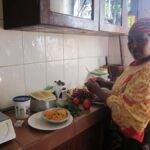
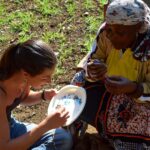
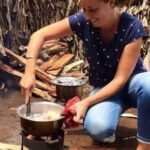

Tanzanian Cooking Classes and Food Tours, compared.
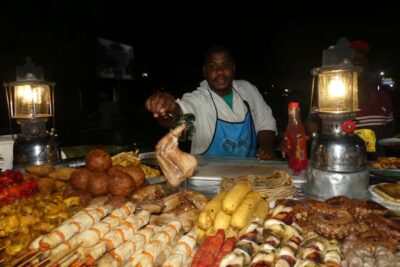 ★ 4.7Stonetown: Food Markets and Street Food Walking TourFrom $35151 reviews
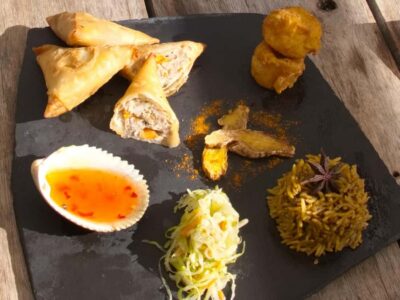 ★ 4.7Zanzibar: The Swahili Spice Experience – Spice Tour + Culinary JourneyFrom $2196 reviews
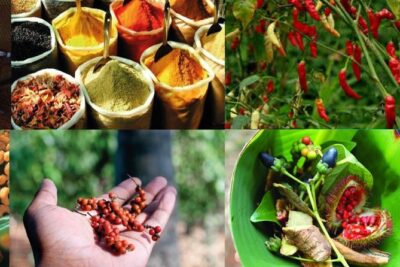 ★ 4.5Zanzibar Cooking Class & Spice TourFrom $4077 reviews
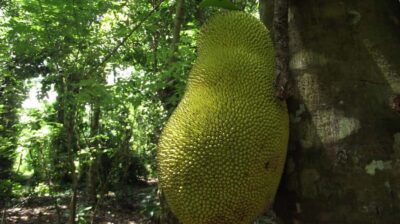 ★ 4.8Zanzibar: Spice Farm Tour with Traditional Cooking LessonFrom $6577 reviews
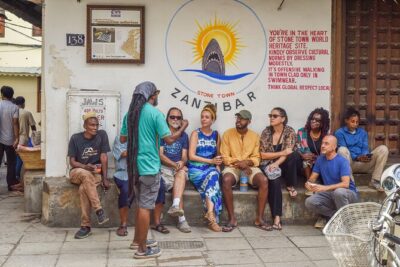 ★ 5.0Authentic Street Food Tours in Stone Town, ZanzibarFrom $4046 reviews
 ★ 5.0Mamas of Zanzibar – A Unique Cultural & Culinary ExperienceFrom $11645 reviews
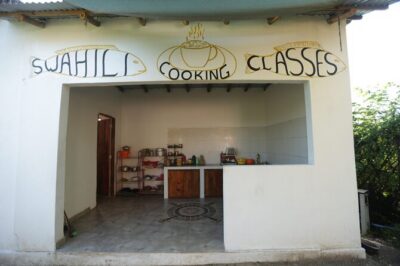 ★ 4.5Half-Day Kuza Cave Swimming Adventure and Cooking ClassFrom $1344 reviews
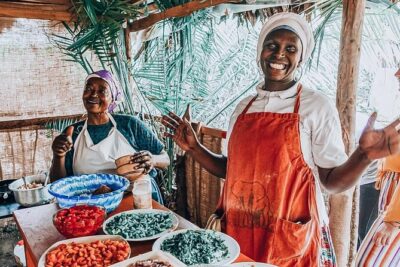 ★ 5.0NGO Lifted Strong – Traditional Tanzanian Cooking ClassFrom $5039 reviews
Browse the lists this tour appears in