
REVIEW · ZANZIBAR SPICE FARMS AND PLANTATIONS
Zanzibar: Spice Farm Tour with Traditional Cooking Lesson
Zanzibar’s spices hit different when they’re still growing. This 3-hour organic spice farm experience takes you from the plants themselves to your plate, with hands-on smelling and tasting, plus a lunch you help prepare. I love the freshness factor, meaning you’re meeting clove, nutmeg, vanilla, and more in plant form, not just in jars. I also love the practical angle, where the guide connects spices to Zanzibar life and then puts them into food. One thing to factor in: spices purchases are cash only at the end.
You’ll start in Stone Town, meeting in front of the Old Fort at 9:00AM on Mizingani Road, with pickup available from beach hotels around the island. Expect a guided walk through spice plants, then a more active food-focused segment with things like cassava leaf and coconut milk prep, and finally lunch on the farm.
If you want an easy morning that feels genuinely local, this is a strong pick, especially if Zanzibar’s spice reputation is part of why you came. Just be ready for a tour that runs on a tight 3-hour clock, so you’ll want to keep your day flexible.
In This Review
- Key highlights worth planning for
- A 3-Hour Dose of Zanzibar Spice Freshness in Unguja South
- Getting Started at 9:00AM: Old Fort Meeting Point and Pickup
- Touch, Smell, Taste: Meeting Clove, Nutmeg, Vanilla, and More
- The Active Farm Section: Jackfruit, Cassava Leaves, and Coconut Milk
- The Traditional Cooking Lesson and Lunch You Help Make
- Shopping for Spices at the End: Cash Only and Smart Packing
- Price and Value: Is $65 for 3 Hours Fair?
- Who This Tour Fits Best (and Who Should Skip It)
- Should You Book This Zanzibar Spice Farm Tour?
- FAQ
- Where is the meeting point for the tour?
- How long is the Zanzibar spice farm tour?
- What is included in the price?
- Is hotel pickup available?
- What languages will the guide speak?
- Can I buy spices at the end of the tour?
- What payment method is accepted for spice purchases?
- What should I bring with me?
- Is the tour wheelchair accessible?
- Is the tour suitable for pregnant women?
- Can I cancel and get a refund?
Key highlights worth planning for
- Smell spices on the plant, not from bottles: the guide helps you identify what you know and what you don’t
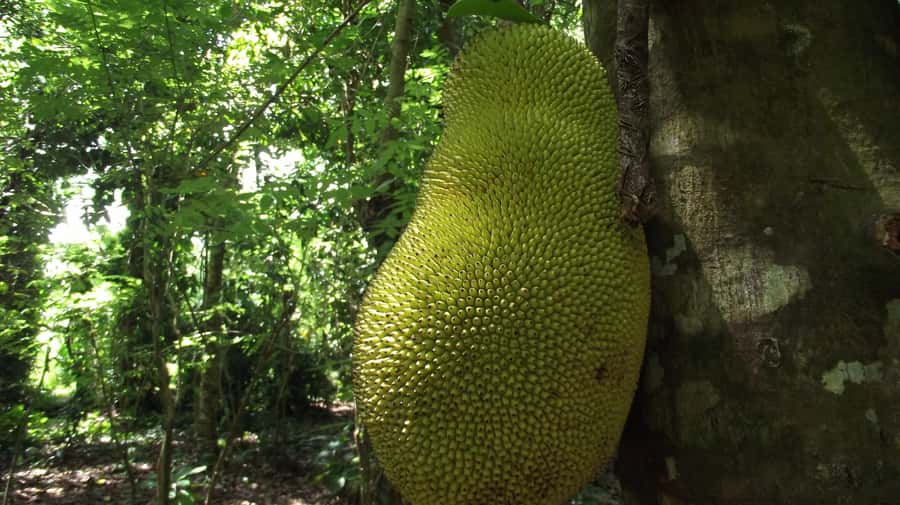
- Jackfruit tasting: you get to try the big, tropical fruit often described as the largest in the world
- Coconut tree climber moment: you taste fresh young coconuts picked for you
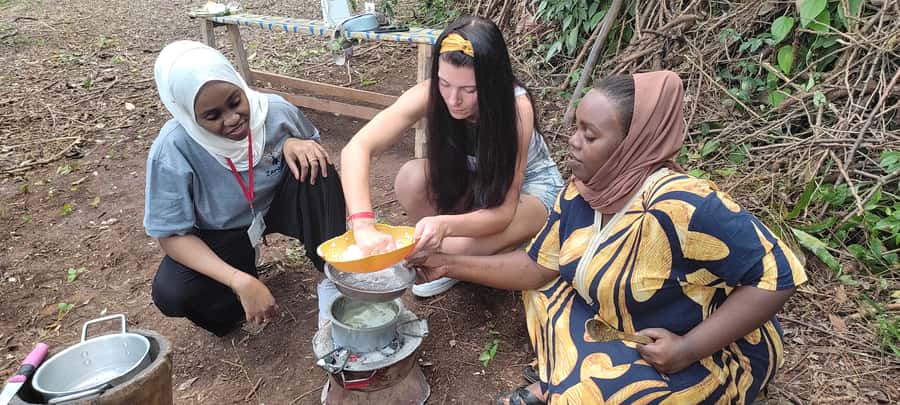
- Cassava leaf and coconut milk involvement: you’re not only watching, you’re participating in the food process
- Lunch that comes from your lesson: you finish with a farm meal you helped make
- Take-home shopping at the end: fresh spices are available in the farm shop, but bring cash
More spice farm afternoons on the island
- Spice Tour + Stone Town Tour + Prison Island★ 4.5 · 130 reviews
- Zanzibar: Stone Town & Spice Farm Tour with Lunch★ 4.5 · 97 reviews
- Zanzibar: Spice Farm Tour with Traditional Cooking Lesson★ 4.8 · 77 reviews
- Zanzibar Cooking Class & Spice Tour★ 4.5 · 77 reviews
A 3-Hour Dose of Zanzibar Spice Freshness in Unguja South
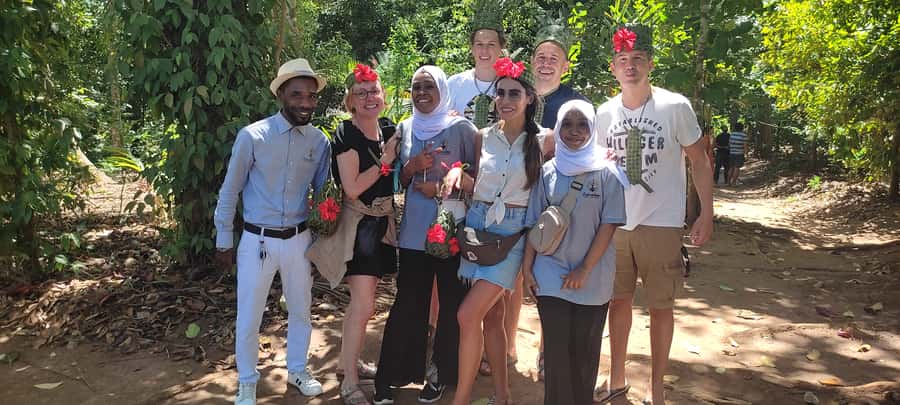
This tour is designed for people who like food, plants, and real everyday culture, not just a quick photo stop. You’re visiting an organic spice farm in the Unguja South Region, and you’re doing it with a local guide who helps you connect what you’re smelling to what Zanzibar actually uses spices for.
Three hours is long enough to learn names, see how spices grow, and taste what’s being grown. It’s also short enough that you can slot it into a Stone Town day without feeling like you’re losing your whole afternoon. You’ll do a mix of walking, tasting, and cooking practice, so it feels active rather than purely lecture-based.
One more detail I’d keep in mind: the guide also talks about how spices have been used for medication and flavor. Even if you’re not testing any folk remedies, it gives context for why Zanzibar became so linked to global spice trade in the first place.
Getting Started at 9:00AM: Old Fort Meeting Point and Pickup
Your day begins in Stone Town at 9:00AM, meeting in front of the Old Fort on Mizingani Road. If you’re staying outside the center, you may be able to join pickup from your beach hotel anywhere in Zanzibar, which makes this more comfortable than tours that only start in town.
Why the timing and pickup matter: spice farm mornings work best when you’re not rushing. You need time to get oriented, ask questions, and enjoy the tastings while your senses are fresh. If you’re the type who normally “just grabs something quick” for breakfast and then forgets about it, you might actually want to eat lightly and plan to be hungry for lunch on the farm. More than one person noted the food was so good that skipping a big pre-meal helps.
Also note the practical stuff. You’ll want comfortable shoes because farm paths can be uneven. Bring a sun hat, sunscreen, and water. And yes, bring cash, because that’s required for any spice purchases at the end.
Touch, Smell, Taste: Meeting Clove, Nutmeg, Vanilla, and More
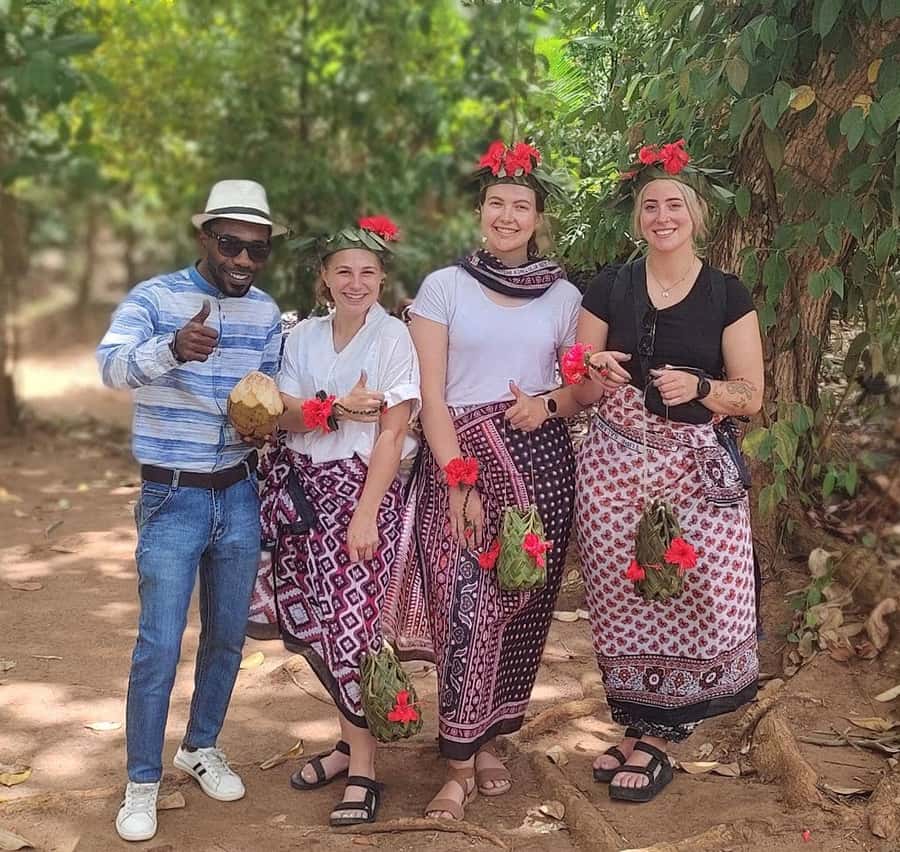
The core of this tour is hands-on spice education. When you arrive, the farm guide explains how the spices are grown and how they’re used for both flavor and traditional medicinal purposes. Then comes the part I think most people come for: you get to touch, smell, and taste spices directly from plants.
This is where the experience goes from interesting to memorable. Dried spice in a supermarket is strong, sure, but it doesn’t show you the plant world behind the flavor. On the farm, you’re learning with your nose and your hands. You’ll encounter Zanzibar spice plants tied to the islands’ famous reputation, including cloves, nutmeg, cinnamon, and black pepper, and you may also meet other staples like vanilla, cardamom, and more.
From the cooking lens, the tasting is also about understanding differences. People often expect spices to taste like the powder. Here, you experience them earlier in the chain, so it’s easier to understand why recipes call for particular forms and why freshness changes the punch.
You’ll also see and taste tropical fruits alongside the spice plants. One highlighted fruit is jackfruit, often described as the largest fruit in the world. It’s the kind of tasting that feels like a bonus, but it also fits the bigger picture: Zanzibar cuisine is built on mixing spices with island fruits, not treating spices as a separate thing.
More Zanzibari kitchens to sit in


The Active Farm Section: Jackfruit, Cassava Leaves, and Coconut Milk

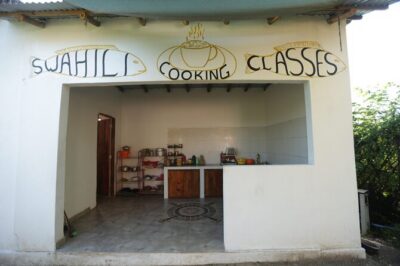
After the initial spice tasting, the tour shifts toward the island food system. You’ll have opportunities to join a cassava leaf harvest, make coconut milk, and practice some cooking.
This portion is valuable because it changes the tone. Instead of only identifying plants, you’re translating knowledge into ingredients. Cassava leaf is a good example of why Zanzibar food is more than “spice heat.” It’s greens, herbs, and careful preparation.
Then coconut milk comes in, and this is a big deal on the islands. Coconut milk helps soften spice intensity while adding body and comfort to dishes. Even if you do not cook a full meal from scratch, learning how coconut milk is made (and where it fits) makes the lunch easier to understand and more satisfying to eat.
You’ll also get a fresh young coconut tasting moment. The tour includes a coconut tree climber picking young coconuts for you to try. That’s one of those moments that feels slightly dramatic and very real, and it gives you a taste that’s hard to recreate later from packaged coconut products.
The Traditional Cooking Lesson and Lunch You Help Make
This is where the day earns its keep. Your lunch isn’t just dropped in front of you, it’s tied to what you learn on the farm. During the cooking lesson, you’ll practice and participate in meal preparation, and then you’ll eat a traditional farm lunch.
The most praised part of the overall experience is usually the combination of learning and eating. Guides named in positive feedback, like Chiquito, Abdullah, and Ahmad, were repeatedly credited with making the content feel both informative and enjoyable. Humor and clarity matter here, because spice education can get technical fast if the guide is dry.
Food quality also shows up in the details people mentioned most often: the lunch is delicious, the spices are fresh enough that you can reuse them later at home, and the day feels authentic rather than staged.
That said, there is one fair consideration. A couple of people noted the cooking experience might be more hands-on for certain side dishes than for the entire menu, or that the tour timing felt tight and reduced how much they personally cooked. If you’re the type who wants maximum time at the stove, I’d mentally treat this as a cooking lesson with participation, not a private cooking class where you control every step.
Shopping for Spices at the End: Cash Only and Smart Packing
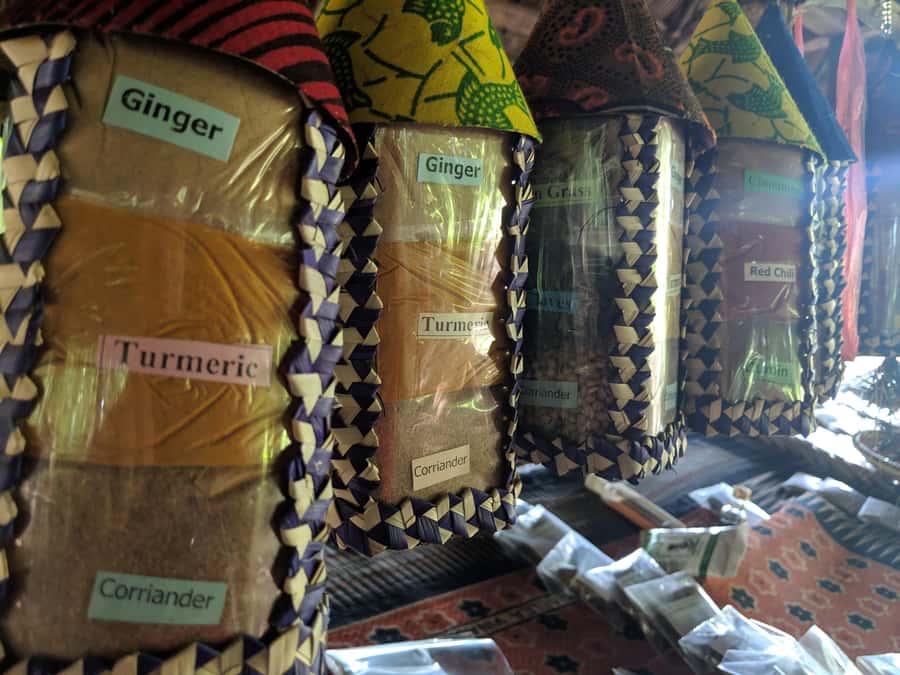
The final stop is the farm shop, where you can purchase fresh spices to take home. This is the part that can turn the tour from a fun morning into a flavor upgrade for your kitchen.
Just be aware of the rule: spices can only be purchased with cash. If you rely on cards and ATMs, plan ahead. Bring enough cash for the shopping you actually want to do, because you’ll likely have the urge to buy after smelling the plants.
Also, buy strategically. If you love cooking, focus on spices you use often, like clove, nutmeg, black pepper, cinnamon, and cardamom. If you want a Zanzibar-themed twist, vanilla and cardamom can make simple desserts feel more special without needing a long ingredient list.
One practical tip: pack spices carefully for the flight. The tour doesn’t specify packaging details, so use common sense. Keep them sealed, protect them from heat, and keep them accessible so you’re not rummaging in your luggage when you land.
Price and Value: Is $65 for 3 Hours Fair?
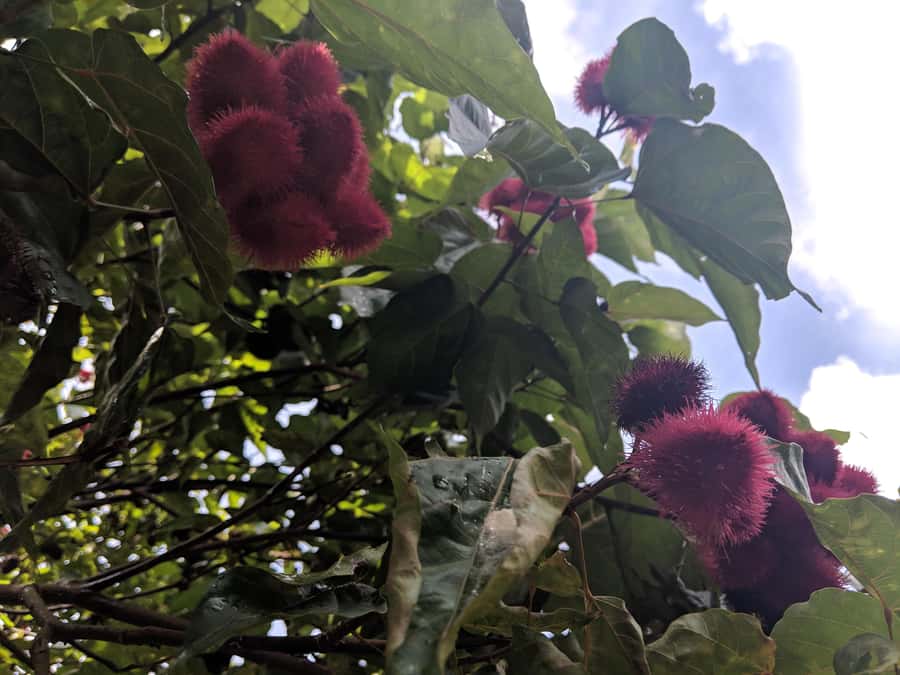
At $65 per person for a 3-hour tour, the value comes from what’s included, not just the guide and the walking. You get pickup options (Stone Town meeting point pickup and possible beach hotel pickup), a local guide, lunch, and a contribution to the local community.
When this price feels like a win:
- You want the lunch included element. Eating a farm meal changes your cost equation fast.
- You care about fresh spice learning and not just a generic souvenir stop.
- You’re likely to buy spices after tasting them at the source.
- You prefer a guided experience where someone connects plants to food and local culture.
When it might feel less worth it:
- If you’re not interested in lunch, tastings, or shopping, then you’re mostly paying for a brief guided walk and demonstration.
- If you’re very strict about doing lots of cooking yourself, you may want to mentally expect a participation level that could vary with timing and group flow.
Overall, for most people who enjoy food travel, $65 is a reasonable price for a morning that ends with a satisfying lunch and leaves you with spices you can use later.
Who This Tour Fits Best (and Who Should Skip It)
This tour is a great match if you want a sensory day in Zanzibar. It’s ideal for food lovers, people curious about how spices grow, and anyone who likes learning while doing. It also tends to work well as a Stone Town activity because you start and finish within a manageable morning schedule.
It’s also listed as wheelchair accessible, which is an important plus if you need that kind of mobility support. The tour runs as a private group, which usually means you get more direct interaction with the guide.
Two groups to consider carefully:
- It’s marked as not suitable for pregnant women, so if that applies, skip it for comfort and safety.
- If you’re the type who hates any cash-only requirement, then take note that spice purchases are cash only.
Should You Book This Zanzibar Spice Farm Tour?
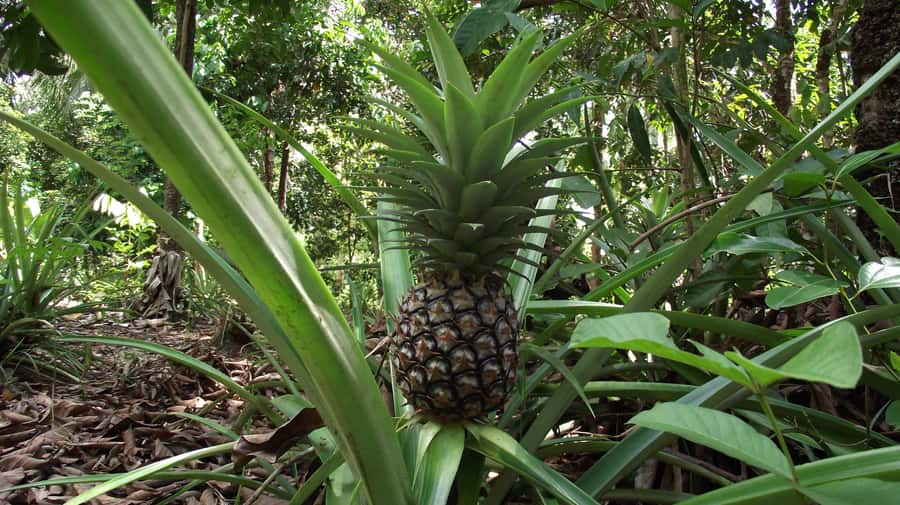
I’d book it if spice education and food are part of your Zanzibar plan. The big strengths are the farm-fresh tastings, the jackfruit and coconut moments, and finishing with lunch you help prepare. The experience also sounds genuinely guided by lively, clear personalities, with guide names like Chiquito, Abdullah, Ahmad, and Khamis showing up in strong feedback, which is a sign the tour often nails the human side, not just the plants.
Skip it, or at least adjust your expectations, if you want a long, stove-driven cooking class where you personally cook every course. This is more likely a mix of tasting, participation, and guided lesson, and sometimes time feels tight.
If you decide to go, do two things that make the day better: bring cash for shopping, and arrive ready for lunch so you can enjoy the flavors at full strength.
FAQ
Where is the meeting point for the tour?
The meeting point is in front of the Old Fort in Stone Town, Mizingani Road, Zanzibar, at 9:00AM.
How long is the Zanzibar spice farm tour?
The tour lasts 3 hours.
What is included in the price?
It includes pickup from the Stone Town meeting point, local guide, contribution to the local community, and lunch. Pickup from beach hotels is also available.
Is hotel pickup available?
Yes. Pickup is optional from beach hotels anywhere in Zanzibar.
What languages will the guide speak?
The live tour guide speaks English and Swahili.
Can I buy spices at the end of the tour?
Yes, you have the opportunity to purchase fresh spices from the shop at the end.
What payment method is accepted for spice purchases?
Spices can only be purchased with cash.
What should I bring with me?
Bring comfortable shoes, a sun hat, sunscreen, water, and cash.
Is the tour wheelchair accessible?
Yes, the tour is listed as wheelchair accessible.
Is the tour suitable for pregnant women?
No, it is not suitable for pregnant women.
Can I cancel and get a refund?
Free cancellation is available up to 24 hours in advance for a full refund.
More Zanzibari Kitchens
- Stonetown: Food Markets and Street Food Walking Tour
★ 4.7 · 151 reviews - Zanzibar Cooking Class & Spice Tour
★ 4.5 · 77 reviews - Authentic Street Food Tours in Stone Town, Zanzibar
★ 5.0 · 46 reviews - Mamas of Zanzibar – A Unique Cultural & Culinary Experience
★ 5.0 · 45 reviews - Half-Day Kuza Cave Swimming Adventure and Cooking Class
★ 4.5 · 44 reviews
More Spice Farm Afternoons
- Spice Tour + Stone Town Tour + Prison Island
★ 4.5 · 130 reviews - Zanzibar: Stone Town & Spice Farm Tour with Lunch
★ 4.5 · 97 reviews - Zanzibar Cooking Class & Spice Tour
★ 4.5 · 77 reviews - From Stone Town: Spice Tour of Zanzibar
★ 4.0 · 71 reviews - A Private Full Day Tour To Stone Town & Spice Farm
★ 5.0 · 53 reviews
Just added from around Zanzibar






Zanzibar Spice Farms and Plantations, compared.
 ★ 4.4Zanzibar: Stone Town, Spice Tour, Prison Island with LunchFrom $681,219 reviews
 ★ 4.5Zanzibar: Prison Island, Stone Town, & Spice Farm TourFrom $70579 reviews
★ 4.6Zanzibar: Stone Town, Spice tour & Prison Island with LunchFrom $55453 reviews
★ 4.5Zanzibar: Prison Island, Stone Town, & Spice Farm TourFrom $70579 reviews
★ 4.6Zanzibar: Stone Town, Spice tour & Prison Island with LunchFrom $55453 reviews
 ★ 4.5Full-Day Private Stone Town +Spice Farm and Prison Island TourFrom $100216 reviews
 ★ 4.5Spice Tour + Stone Town Tour + Prison IslandFrom $140130 reviews
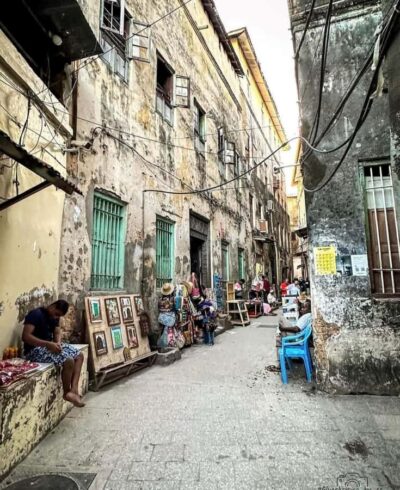 ★ 4.8Zanzibar: Spice Tour & Stone Town Walking TourFrom $95115 reviews
 ★ 4.5Zanzibar: Stone Town & Spice Farm Tour with LunchFrom $7397 reviews
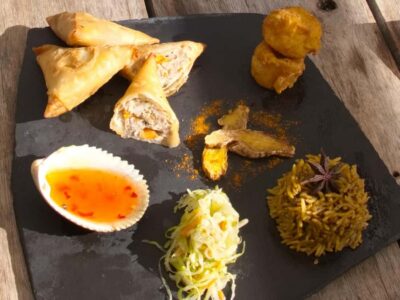 ★ 4.7Zanzibar: The Swahili Spice Experience – Spice Tour + Culinary JourneyFrom $2196 reviews
Browse the lists this tour appears in