
REVIEW · STONE TOWN HERITAGE WALKS
Zanzibar: Spice Tour & Stone Town Walking Tour
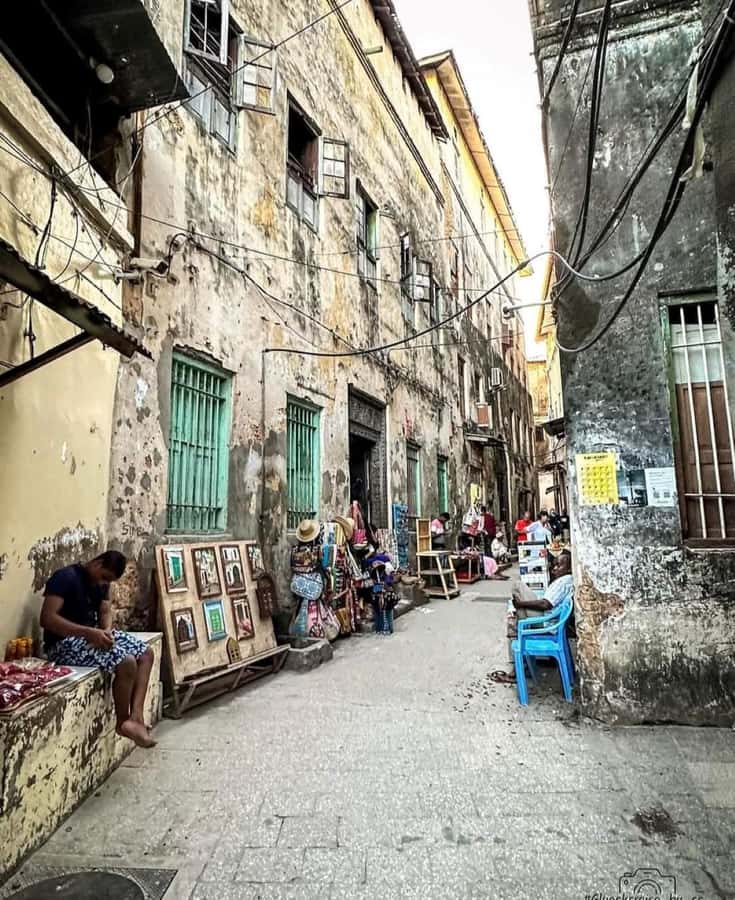
Stone Town feels like a living textbook. This private plan pairs a spice plantation visit with a guided walk through Stone Town’s historic streets, all in one 5-hour outing.
I also like that you get real context, not just sightseeing stops. Expect the guide to connect what you see in the fields to what happened in the city.
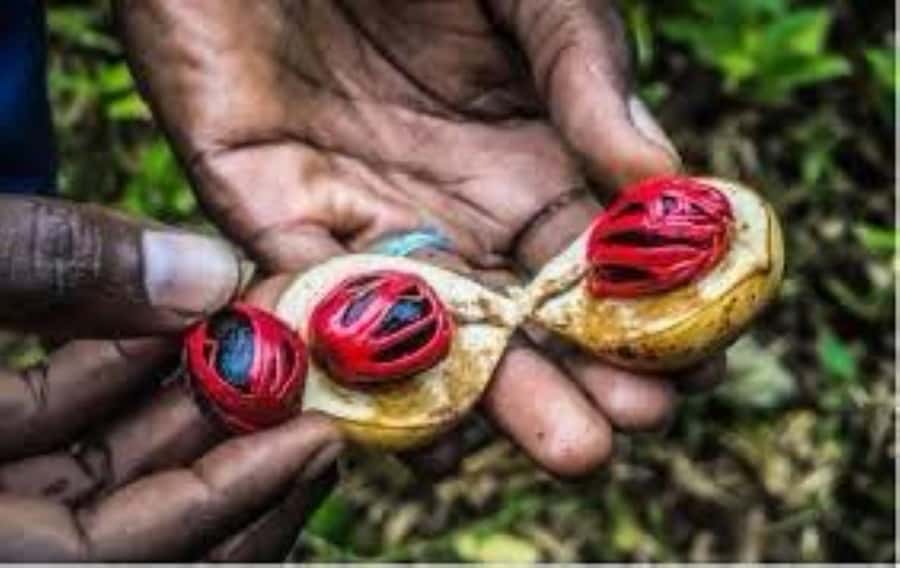
My favorite part is the hands-on time in the plantation. You’ll get to see, smell, and taste spices and fruits like cinnamon, cardamom, black pepper, ginger, vanilla stick, lemongrass, lemon mint, turmeric, nutmeg, and cloves, plus more.
One thing to plan for: tasting can be a bit much if your stomach is sensitive, and the spice area can feel sales-focused. Go in knowing you can say no to anything you do not want, and ask your guide for a slower Stone Town pace if you need it.
In This Review
- Key highlights to look for
- Two Stops, One Private Day: Zanzibar’s Spice and Stone Town Plan
- Spice Plantation Tasting: What You’ll See and Sample
- The Human Butterfly Moment and Zanzibar’s Showmanship
- Stone Town Walking Tour: Slave Trade Sites and Landmarks
- Darajani Fish Market and the End of the Route
- Price, Practicalities, and How to Get the Most for $95
- Should You Book This Spice and Stone Town Tour?
- FAQ
- How long is the Zanzibar Spice Tour & Stone Town Walking Tour?
- What is the price per person?
- Is this tour private?
- Does the tour include hotel pickup and drop-off?
- What is included, and what is not included?
- What will I experience at the spice plantation?
- What is the human butterfly moment mentioned in the tour?
- Which Stone Town sights are part of the walking tour?
- What languages are the tour guides available in?
- Can I cancel and can I pay later?
Key highlights to look for

- Hands-on spice tasting with multiple plants and flavors, not a quick photo stop
- A coconut-tree performance by a human butterfly who sings Hakuna Matata
- Slave trade history explained on foot, tied to specific Stone Town locations
- Iconic landmarks including the House of Wonders and the old fort
- Darajani Fish Market time for an intense, real look at everyday life
- Good guiding makes the difference, and names like Ali, Mo, Mu, Abdul, Sahim, and Sirio come up often for a reason
Other Stone Town walks we followed
- Zanzibar: Stone Town, Spice Tour, Prison Island with Lunch★ 4.4 · 1,219 reviews
- Zanzibar: Prison Island, Stone Town, & Spice Farm Tour★ 4.5 · 579 reviews
- Zanzibar: Stone Town, Spice tour & Prison Island with Lunch★ 4.6 · 453 reviews
- Stone Town Private Walking Tour★ 5.0 · 371 reviews
Two Stops, One Private Day: Zanzibar’s Spice and Stone Town Plan
This tour works because it gives you two Zanzibar stories back to back. First you’re out in the greenery learning how spices grow. Then you’re walking Stone Town, where the island’s power struggles and trade networks become impossible to ignore.
You get a private group and hotel pickup and drop-off, so you can keep the day simple. The guide meets you in the lobby with your name on a piece of paper, which sounds small, but it saves time and stress in a place where getting your bearings can take a minute.
You should also know the basic tone. The spice stop is playful and sensory. The Stone Town portion is more serious, focused on the slave trade in the 17th and 18th century and the places connected to it. That mix is exactly why the day feels complete.
Spice Plantation Tasting: What You’ll See and Sample
The plantation portion is built around your senses. Instead of treating spices like decorative souvenirs, you walk through the plants and learn what they look like in their natural forms. Then you get hands-on time to smell and taste.
Based on what this experience typically includes, you’ll be offered a tasting range that can cover everything from warm, woody flavors to sharp, peppery hits. Expect cinnamon and cloves, aromatic notes like vanilla stick, and “fresh bite” herbs such as lemongrass and lemon mint. You may also be shown how items like turmeric and ginger are used in everyday life on Zanzibar.
One practical note: food is not included. That matters because tastings can be filling, spicy, or just plain unexpected. If you tend to get nauseous with strong flavors, eat lightly beforehand and tell your guide you’d prefer milder samples.
There’s also a cultural touch that many people enjoy. One detail that stands out is the weaving of palm leaf crowns, which adds a light, local craft moment that does not feel like a hard sell. It’s the kind of small activity that helps the plantation stop feel personal, not staged.
The Human Butterfly Moment and Zanzibar’s Showmanship
At the plantation, you may get a chance to see a performer known as a human butterfly. The highlight is that he climbs up to the top of a coconut tree and sings the Hakuna Matata song.
Even if you think you usually skip shows, this one is worth it for a simple reason. It connects Zanzibar’s everyday landscape with its performance culture. You’re not just learning spice names, you’re seeing how talent and community storytelling play out in a real setting.
If you’re camera-ready, bring your phone with some battery left. The climb and song happen where you will want clear footing and a stable spot to watch. And if you’re traveling with kids, this is often the moment that turns the day from educational to memorable.
More spice farm afternoons on the island
Stone Town Walking Tour: Slave Trade Sites and Landmarks
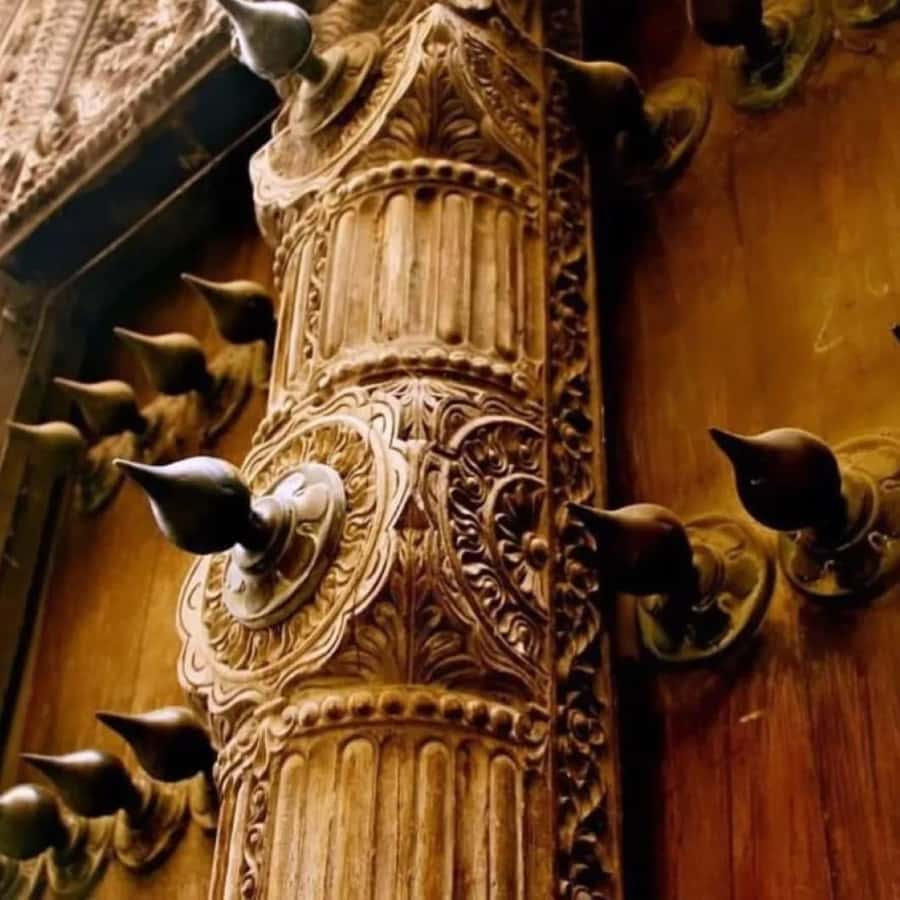
Stone Town is where the tour’s meaning clicks into place. You’ll walk with a guide who connects Zanzibar’s trading past to specific locations, including the old slave market site and the broader slave trade history in the 17th and 18th century.
The route commonly includes major stops such as:
- the old slave market site
- Darajani Fish Market
- Freddy Mercury’s house
- the House of Wonders
- the old fort
Some guides also add deeper context at a Christian church connected to the former slave market. That kind of stop matters because it shows how history keeps reappearing in different forms around the same places. It also helps the story feel anchored, not abstract.
Your guide’s style is a big deal here. People often mention guides who keep the history understandable and give you a sense of how Zanzibar’s cultural influence formed over time. Names that show up often include Mu, Ali, Mo, Abdul, Sahim, and Sirio, and the common thread is clarity plus genuine engagement.
One practical caution: pay attention to pacing and stop coverage. If you have mobility limits, ask your guide to slow down early. Also, if the slave trade section is important to you, it’s smart to confirm you will include the slave market area during the walking time, especially if your group is shopping-heavy or if you are short on energy.
Darajani Fish Market and the End of the Route
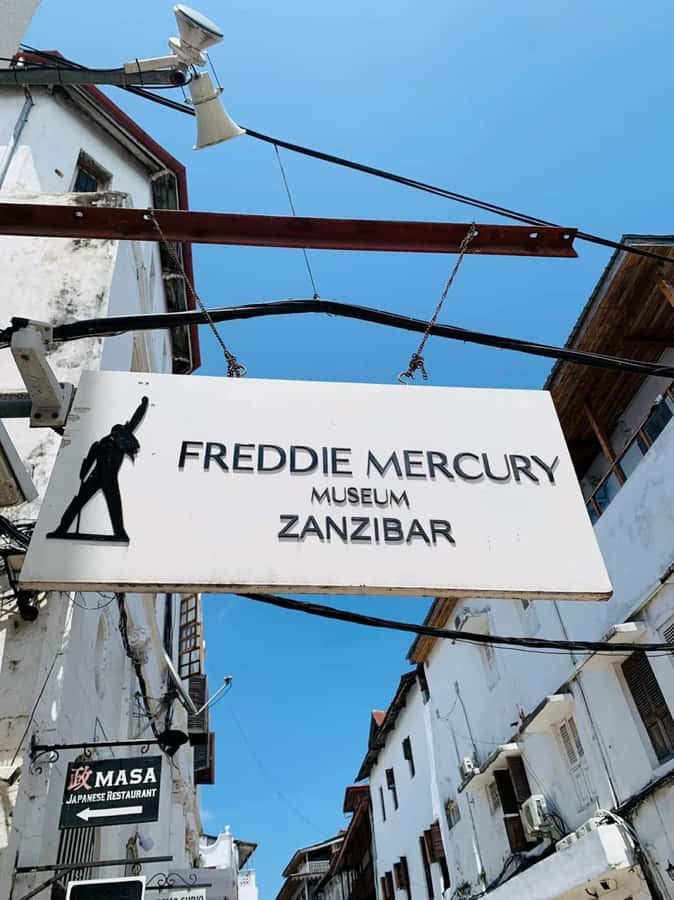
The last stretch tends to hit harder than the first. After the historic landmarks, you often finish with time around local market life, including the Darajani Fish Market area.
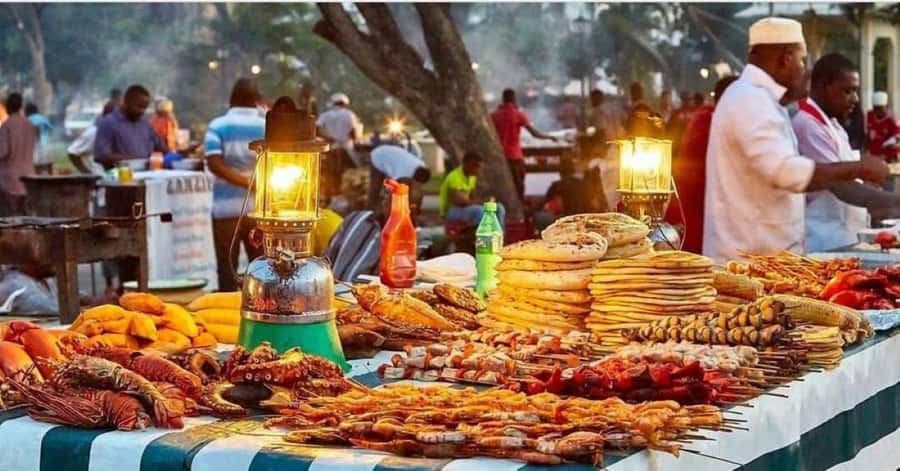
This part is valuable because it shows Stone Town beyond the postcard streets. You get the sights and sounds of daily commerce, including the intensity of fish and meat stalls. It can feel overwhelming if you dislike crowds or strong smells, but it also gives you a more honest snapshot of how the city functions now.
My advice: treat this like a sensory visit, not a shopping mission. If you want photos, focus on composition and street scenes rather than hovering at the busiest counters. If you want to buy something, go slowly and compare. Some people have noted that spice shopping can come with pressure, and the same kind of dynamic can show up in markets.
If you feel dizzy, take a breather. This tour is only about 5 hours, so your guide should be able to pause long enough for you to reset before you continue walking.
Price, Practicalities, and How to Get the Most for $95

At $95 per person for a private 5-hour outing, the value depends on two things: convenience and guidance quality.
You’re paying for more than a walk. You get hotel pickup and drop-off, entrance to the spice plantation, entrance at the slave market site, and a tour guide who handles the storytelling and logistics. That bundled structure is what turns the day into an easy win, especially if you do not want to figure out transportation and routes on your own.
What you should plan for:
- Food is not included, so plan a snack or meal before you go
- Personal needs are not included, so bring cash for water, snacks, and any shopping
- Tastings can include fruit and spices, so decide ahead of time how adventurous you want to be
Also, since it is private, you can steer the day. If you want more history and less shopping time, say so. If you prefer shorter rests, ask. If your walking pace is limited, tell the guide at the start so the Stone Town section stays comfortable.
Should You Book This Spice and Stone Town Tour?

Book this tour if you want Zanzibar to make sense in two layers. The spice plantation stop teaches the island through smell, taste, and plant life. The Stone Town walk turns that knowledge into context through the slave trade sites and the landmarks that still shape the city.
Skip it or go with extra caution if you know you get sick from strong flavors, you hate sales pressure, or you need very slow walking. In those cases, choose it only if you clearly communicate your limits at pickup, and politely stick to what you are comfortable tasting and viewing.
If you’re flexible and you like guided history on foot, this is one of the best formats for a short stay in Zanzibar. You leave with souvenirs you cannot buy, because you understand how the island’s spice economy and its darkest history are connected to the streets you walked.
FAQ
How long is the Zanzibar Spice Tour & Stone Town Walking Tour?
The tour lasts 5 hours.
What is the price per person?
The price is $95 per person.
Is this tour private?
Yes, it is a private group tour.
Does the tour include hotel pickup and drop-off?
Yes. Pickup and drop-off are included, and the guide/driver meets you in your hotel lobby with your name on a piece of paper.
What is included, and what is not included?
Included: hotel pickup and drop-off, entrance to the spice plantation, entrance at the slave market site, and a tour guide. Not included: food and personal needs.
What will I experience at the spice plantation?
You’ll walk to the spice plantation and have a chance to see, smell, and taste tropical spices and fruits, including cinnamon, cardamon, black pepper, chill, ginger, vanilla stick, lemongrass, lemon mint, turmeric, nutmeg, and cloves. You’ll also learn how spices are grown in Zanzibar.
What is the human butterfly moment mentioned in the tour?
You may see someone called a human butterfly who climbs up to the top of a coconut tree and sings the Hakuna Matata song.
Which Stone Town sights are part of the walking tour?
The walking tour includes the old slave market site, Darajani Fish Market, Freddy Mercury’s house, the House of Wonders, and the old fort, along with history about the slave trade in the 17th and 18th century.
What languages are the tour guides available in?
The live tour guide is available in English, French, Italian, Spanish, and German.
Can I cancel and can I pay later?
Yes. You can cancel up to 24 hours in advance for a full refund, and you can reserve now and pay later.
More Spice Farm Afternoons
- Zanzibar: Stone Town, Spice Tour, Prison Island with Lunch
★ 4.4 · 1,219 reviews - Zanzibar: Prison Island, Stone Town, & Spice Farm Tour
★ 4.5 · 579 reviews - Zanzibar: Stone Town, Spice tour & Prison Island with Lunch
★ 4.6 · 453 reviews - Full-Day Private Stone Town +Spice Farm and Prison Island Tour
★ 4.5 · 216 reviews - Zanzibar: The Swahili Spice Experience – Spice Tour + Culinary Journey
★ 4.7 · 96 reviews
Stone Town, Street by Street
- Zanzibar: Stone Town, Spice Tour, Prison Island with Lunch
★ 4.4 · 1,219 reviews - Zanzibar: Prison Island, Stone Town, & Spice Farm Tour
★ 4.5 · 579 reviews - Zanzibar: Stone Town, Spice tour & Prison Island with Lunch
★ 4.6 · 453 reviews - Stone Town Private Walking Tour
★ 5.0 · 371 reviews - Zanzibar: 3 Hours Private Stone Town walking Tour with Guide
★ 4.6 · 301 reviews
Just added from around Zanzibar City



Stone Town Heritage Walks, compared.
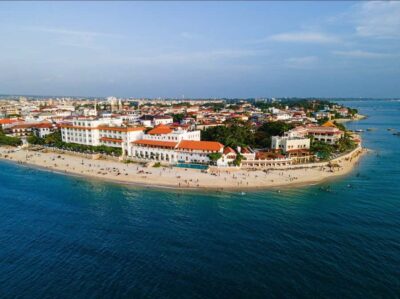 ★ 4.4Zanzibar: Stone Town, Spice Tour, Prison Island with LunchFrom $681,219 reviews
 ★ 4.5Zanzibar: Prison Island, Stone Town, & Spice Farm TourFrom $70579 reviews
 ★ 4.3Zanzibar; Prison Island, Nakupenda, StoneTown Tour with BBQFrom $71457 reviews
★ 4.6Zanzibar: Stone Town, Spice tour & Prison Island with LunchFrom $55453 reviews
★ 4.3Zanzibar; Prison Island, Nakupenda, StoneTown Tour with BBQFrom $71457 reviews
★ 4.6Zanzibar: Stone Town, Spice tour & Prison Island with LunchFrom $55453 reviews
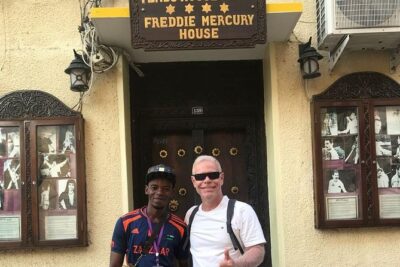 ★ 5.0Stone Town Private Walking TourFrom $26371 reviews
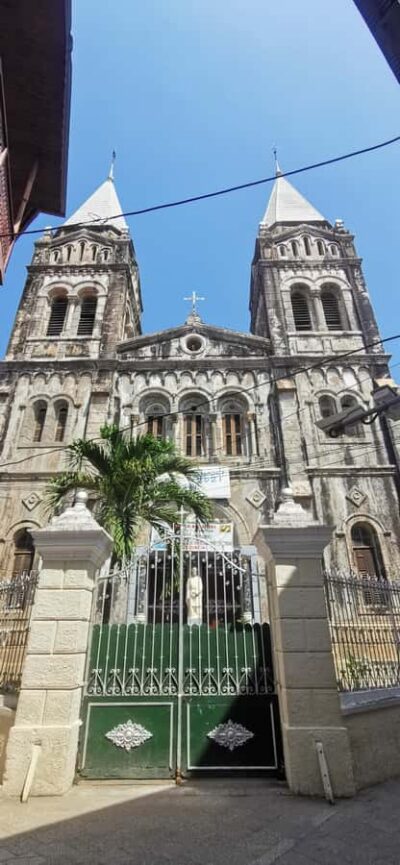 ★ 4.6Zanzibar: 3 Hours Private Stone Town walking Tour with GuideFrom $24301 reviews
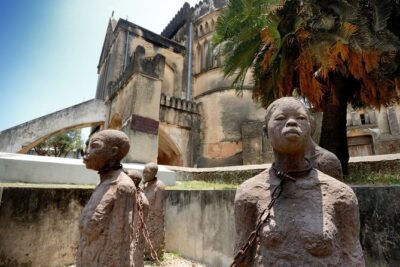 ★ 4.5Full-Day Private Stone Town +Spice Farm and Prison Island TourFrom $100216 reviews
 ★ 4.5Zanzibar: Stone Town Historical Cultural Walking Guided TourFrom $21179 reviews
Browse the lists this tour appears in