

REVIEW · STONE TOWN HERITAGE WALKS
Zanzibar: Stone Town Historical Cultural Walking Guided Tour
Stone Town rewards slow walking. This guided stroll is interesting because it mixes Arabic, African, Indian, and European influences in real streets, and you get a clear look at sites like the Old Fort and the slavery-related landmarks. I like that your guide explains what you are seeing as you go, including the emotional stories tied to the historic trade routes, but one thing to consider is the route can shift with weather, and some buildings may be under construction.
What makes this tour practical is that it is built for your first good orientation of Zanzibar’s UNESCO-listed core. I especially like the hands-on parts, the maze-like alleyways, markets, and shopping time, plus the fact that the slavery site entry ticket is included. If you hate crowds or short on time, the walking, heat, and market energy might feel like a lot, so wear comfy shoes and plan to go easy.
In This Review
- Quick picks before you go
- Stone Town on foot is the real Zanzibar feeling
- Pickup, vans, and how the 2 to 5 hour window works
- Palace Museum and Old Fort: where power shows in stone
- Old Slave Market and Anglican Cathedral: history you should not rush
- Freddie Mercury Museum and Stonetown memory culture
- Darajani Market: where Stone Town feels like daily life
- The cultural mix you can actually see in the street
- Guides matter, and the best ones shape the pace
- Price and what you really get for $21
- Who should book this Stone Town walking tour
- Should you book it
- FAQ
- How long is the Zanzibar Stone Town historical walking tour?
- Is this tour mostly walking?
- Are there pickup options if I am not staying in Stone Town?
- What sights are included during the tour?
- Is the slavery-related site entry included?
- What language is the live guide?
- What is included in the price, and what is not?
- Do I need to cancel far in advance to get a full refund?
Quick picks before you go
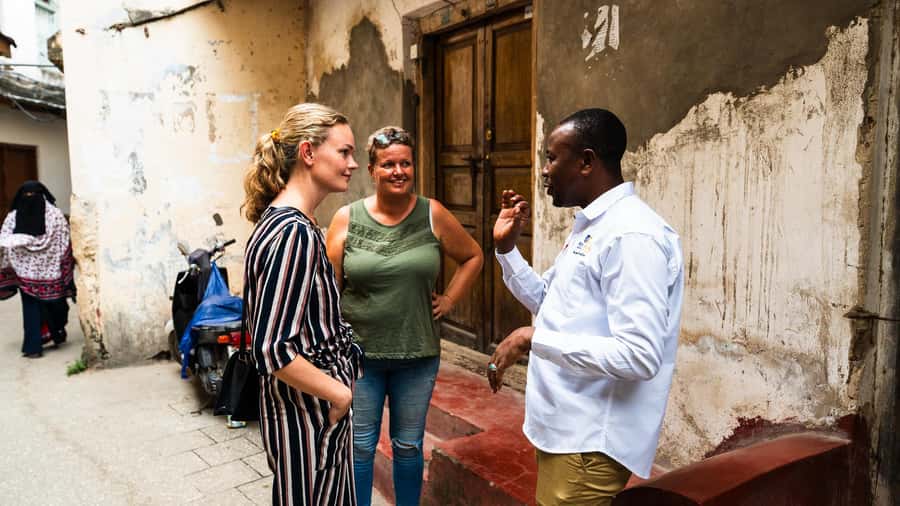
- Local guide stories as you walk: You are not just looking at buildings, you are getting the why behind them, from trade to culture to daily life.
- Big landmarks on foot: You hit key stops such as the Palace Museum, Old Fort, and the Freddie Mercury Museum area.
- Old Slave Market stop with entry included: You get an organized visit with the ticket taken care of.
- Markets, alleys, and souvenir chances: Darajani Market and other market lanes give you the sights and everyday rhythm.
- Choose a morning or afternoon start: Pick the departure that fits your day best.
- English guide plus private group option: Great if you want a smaller, more personal pace.
Other Stone Town walks we followed
- Zanzibar: Stone Town, Spice Tour, Prison Island with Lunch★ 4.4 · 1,219 reviews
- Zanzibar: Prison Island, Stone Town, & Spice Farm Tour★ 4.5 · 579 reviews
- Zanzibar: Stone Town, Spice tour & Prison Island with Lunch★ 4.6 · 453 reviews
- Stone Town Private Walking Tour★ 5.0 · 371 reviews
Stone Town on foot is the real Zanzibar feeling
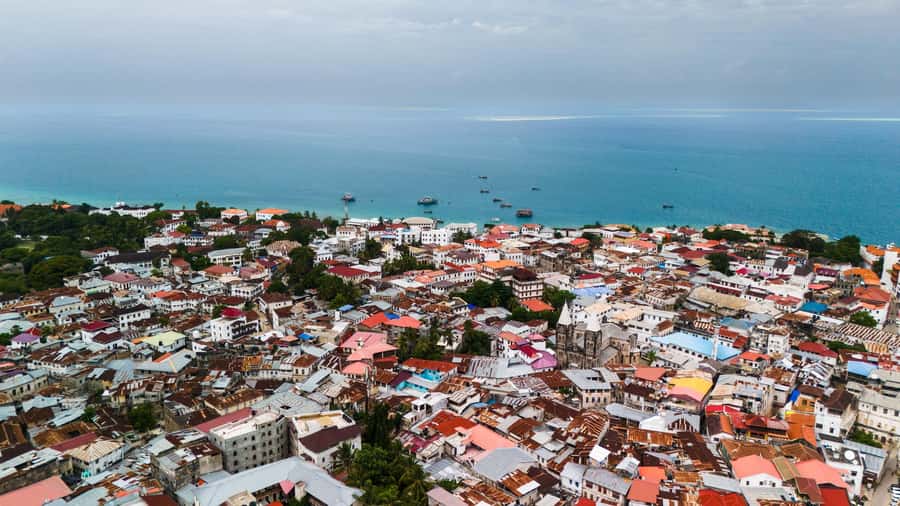
Stone Town is one of those places where the city layout matters. If you only take taxis or grab photos from the main streets, you miss the way daily life and history are tangled together in the same block. On this tour, you move through narrow lanes lined with old stone houses, and the guide helps you connect the architecture to the people and trading networks that shaped the island.
Two things I really like about going this way: first, you see mosques, churches, and temples in the same general area, side by side, which helps the cultural mix make sense fast. Second, the tour includes market time, so you can actually read the town as a living place, not just a list of attractions.
The pace is part sightseeing, part walking, and part letting you look around. You will have photo stops, plus time to shop, especially around the market areas. It can be warm and humid, so I would treat this like a morning or early afternoon workout, not a casual stroll in cool weather.
Pickup, vans, and how the 2 to 5 hour window works
This is offered with a few pickup setups, which matters if you are staying outside Stone Town. If you are in Stone Town, you meet at the pickup location in Zanzibar. If you are outside the core, you can choose the option that includes transfers from anywhere, with hotel pickup and drop-off included when that option is selected.
Even with the walking focus, there can be short van time. The schedule includes a van leg around an hour, which usually means you are getting positioned for the walk. That is useful if you want to avoid wasting your limited vacation time figuring out routes.
One helpful detail: the tour notes that the stop order is flexible depending on weather and the day. That flexibility is not a red flag, it is a smart way to keep you moving when it rains or when certain sights are harder to access at that moment. Just keep your plans calm and do not schedule this tour as the single make-or-break item for the day.
Palace Museum and Old Fort: where power shows in stone
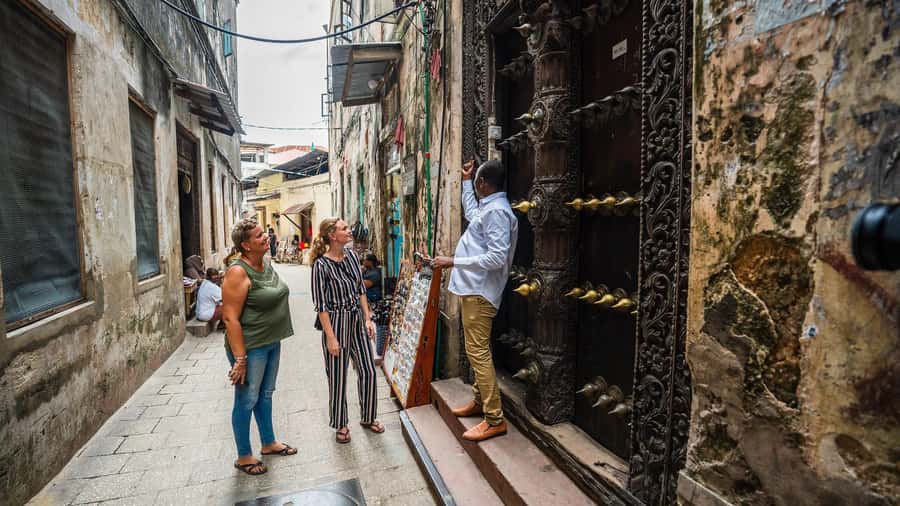
You start with guided time in Stone Town, with photo stops and a guided walk through the areas that set the tone for the whole city. Two highlights commonly included here are the Palace Museum and the Old Fort. These stops matter because they give you scale. Stone Town did not grow randomly, it formed around authority, trade, and wealth, and both places show that story in different ways.
At the Palace Museum area, the point is context. You can read the buildings as symbols of the island’s ruling era, then shift your brain to how Zanzibar became a major trading node in the Indian Ocean. The Old Fort is the complementary stop, because forts are built for control and defense, and you get a better sense of why the shoreline and shipping routes mattered.
A practical tip: take a moment to notice the transitions between street types. Some lanes feel calmer and more residential, while other pockets turn busy fast once you get near markets and visitor traffic. Your guide’s commentary makes those transitions click.



Old Slave Market and Anglican Cathedral: history you should not rush
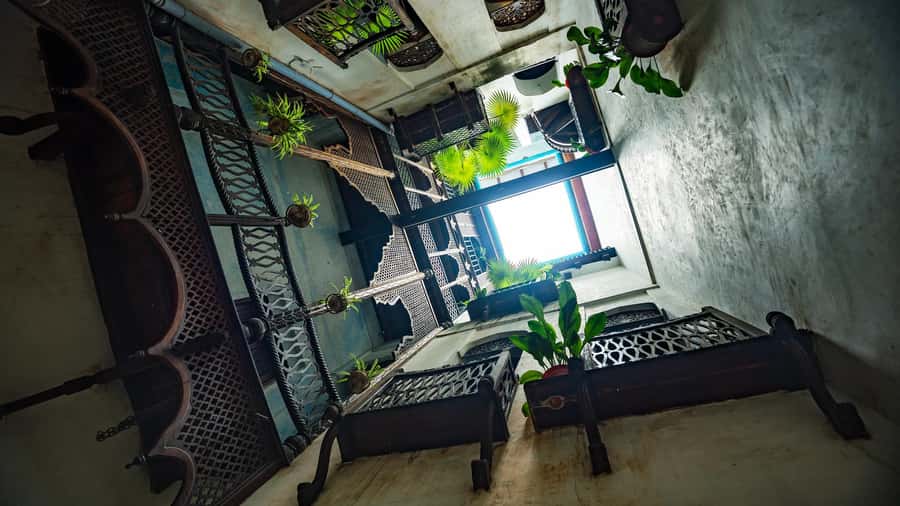
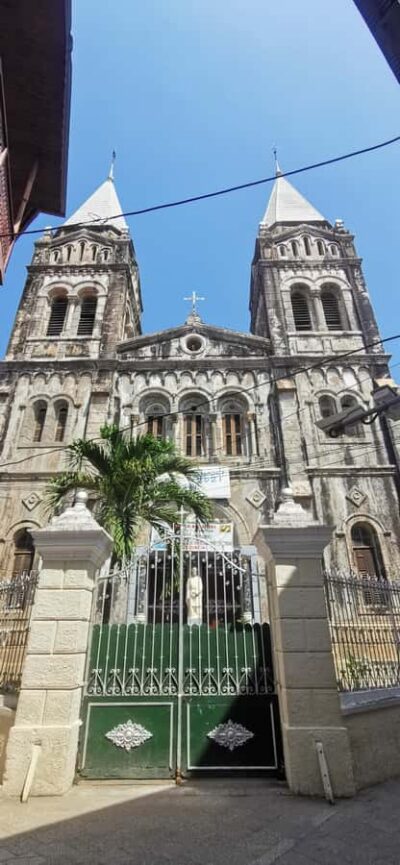
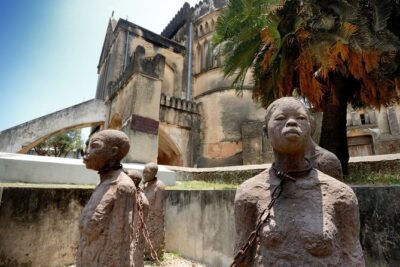
This is the stop that gives the tour its emotional weight. You visit the Old Slave Market area, also described alongside the Anglican Cathedral, and the tour includes the entry ticket. That matters because it signals this is not a quick photo-and-go moment. You should treat it like a meaningful part of the day, not a checkbox.
What I appreciate here is the way the tour frames the slavery connection alongside the broader story of trade routes. Zanzibar sits at a crossroads, and the island’s history includes forced labor tied to commerce. The guide also explains how that past connects to what you see now in Stone Town, which helps you avoid feeling like you are just reading about tragedy without understanding the setting.
It can be heavy. If you prefer lighter sightseeing, you might want to mentally prepare for this section. Bring your patience, and if you need a break, take one. Even a short pause helps you process what you are seeing.
Freddie Mercury Museum and Stonetown memory culture
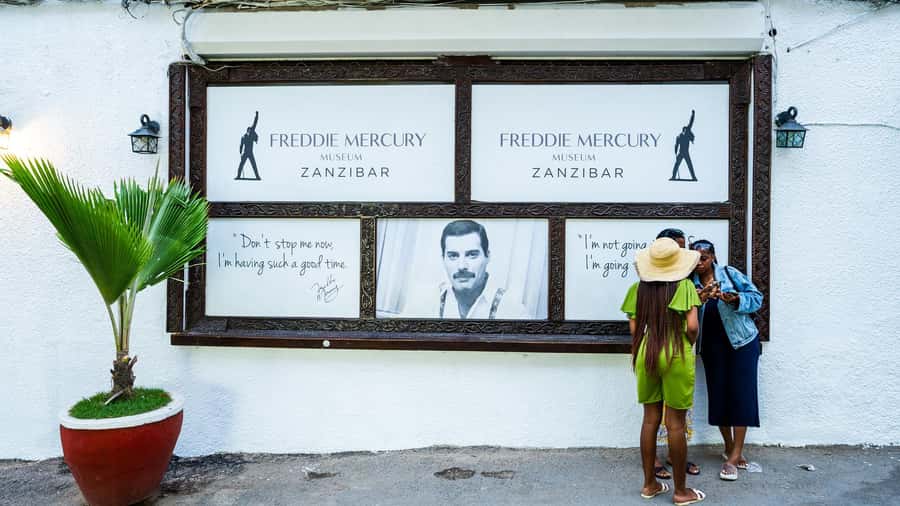
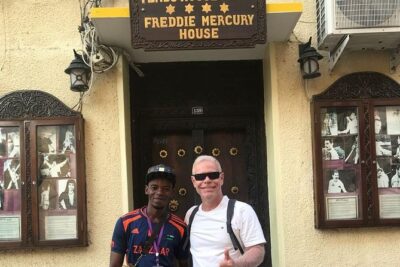
One of the most popular photo-and-walk stops is the Freddie Mercury Museum. Even if you only know Mercury from music, the stop works because it is tied to the story of Stone Town and its global connections. It also adds a human, modern layer to a city where so much of the narrative is tied to older eras and trade.
During this part, you typically get guided time, photo stops, and a walk through the surrounding area. The value is not just the building, it is the change in mood. After a heavier segment like the slavery-related site, the Mercury-related stop can feel like a reset, a reminder that Stone Town continues to produce culture and identity.
If you are a fan of Mercury, you will likely enjoy the chance to connect a well-known pop icon to a specific place. If you are not, it can still be a useful landmark to anchor your navigation, so you do not feel like you are wandering through history only by street signs.
Darajani Market: where Stone Town feels like daily life
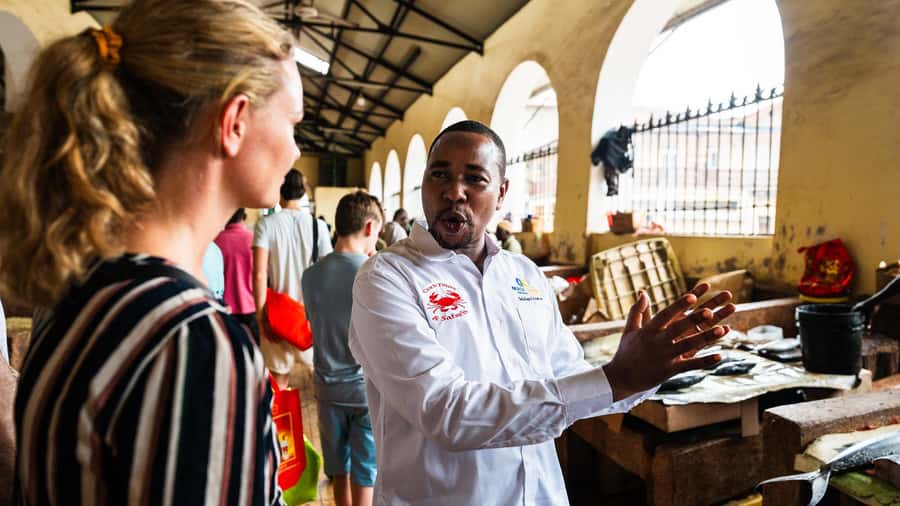
Darajani Market is where the tour becomes more about you experiencing the town rather than only learning dates. You get photo stops, guided exploration, shopping time, and walking through market lanes. It is one of the best spots to understand how Stone Town functions as a real place where people buy, sell, and socialize.
This is also where your guide’s local instincts help. The tour notes that you meet locals and find authentic spots favored by residents. In practice, that means you are less likely to end up stuck with only the most tourist-facing vendors. It is still a market, so you should expect noise, motion, and plenty of opportunities to browse.
You might also get a chance to try something small along the way. In one guide-highlight moment I learned from past visitors, a sugar cane drink became a favorite memory, helped along by a guide who checked in about whether the group was comfortable heading into a local area. That is a good reminder to say yes when your guide suggests a simple, local taste, as long as you feel good about it.
The cultural mix you can actually see in the street
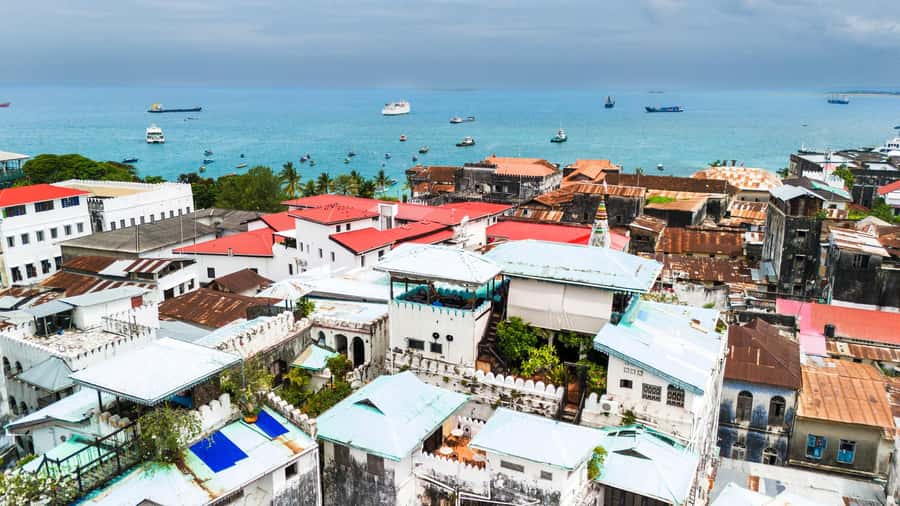
Stone Town’s reputation is that it is shaped by multiple cultures, and this tour makes that idea tangible. Your guide points out how Arabic, African, Indian, and European influences show up in the architecture and in religious landmarks. You will encounter mosques, churches, and temples standing side by side, and that is a major reason this kind of walking tour works.
I also like that the tour goes beyond looking. It connects what you see to how the town changed over time, including its link to historic trade routes. Once your guide gives you the framework, you start noticing details on your own, like how a street’s layout might reflect movement of goods and people long ago.
If you want a personal touch, pay attention to guide style. Past groups have mentioned guides like Abdalla and Haidara for their explanations and emotional storytelling. In particular, Haidara’s local perspective was noted as deeply moving because he grew up there, which can make the city feel more real rather than distant and textbook-like.
Guides matter, and the best ones shape the pace
You will have a live tour guide in English. That alone is valuable, but what really elevates the experience is how the guide handles questions and pacing. Many accounts praised guides for being friendly, patient, and able to answer questions on the spot.
I have seen this show up again and again through guide names people remembered, like Ali, Ali Said, Ammar, Naseer, Abdalla, Haidara, and Diamond. Diamond stood out for mixing humor with knowledge, while Ammar was described as accommodating to comfort in hot conditions. In one example, a guide was also described as strong English, with a pace that felt just right for covering key sights without rushing you.
One more thing: some impressive buildings might be under construction at the time of your visit. If that happens, the guide should still help you get the meaning of the area you are in. Bring flexibility, and focus on the parts that are open and interpretable that day.
Price and what you really get for $21

At $21 per person for a 2 to 5 hour walking guided experience, this is strong value if you want a guided orientation plus key landmarks without extra planning. The biggest value pieces are not just the guide, it is also what is included.
Included items you are paying for in the package:
- Stone Town guided walking tour
- Tour guide in English
- Slave market entry ticket
- Experienced driver
- Hotel pickup and drop-off when you select the option for transfers from your location
Not included:
- Food
- Personal expenses
So the math is simple: you are mostly paying for guide time, access to the slavery-related site via ticket, and local navigation through hard-to-follow streets. If you are the type of traveler who likes to understand what you are seeing instead of collecting photos, you will likely feel that $21 went where it matters.
Also consider this tour as a foundation for the rest of your Stone Town day. Once you have your mental map from the walk, you can come back later for slower browsing, shopping, or museum time if you want it.
Who should book this Stone Town walking tour
This tour is a good fit if you want:
- a first solid overview of Stone Town landmarks without sorting routes yourself
- a walking experience that includes markets and street-level culture
- an English guide who explains what you are seeing as you go
- the slavery-related history visit as part of a guided context, with entry included
It might be less ideal if:
- you are extremely mobility-limited, because it is a mainly walking tour through old lanes
- you hate any historically heavy content, because the slavery connection is directly addressed
- you only want a quick hit of the main sights and you are not interested in market time
If you are traveling alone, private group options are available too, which can help you keep control of the pace and questions.
Should you book it
I would book this tour if you want Stone Town to feel understandable, not random. The walking format plus guided context helps you connect landmarks like the Palace Museum and Old Fort to the wider story of trade, culture, and the lasting impacts of slavery. And the inclusion of the Old Slave Market entry ticket saves you the hassle of figuring that out on your own.
If you are worried about heat, construction, or weather changes, pack for comfort and keep your schedule flexible. This is the kind of tour where a great guide can turn a hot day into a memorable one, and the guide stories linked to names like Ali, Abdalla, Haidara, Ammar, and Diamond suggest the experience quality often comes down to that human factor.
FAQ
How long is the Zanzibar Stone Town historical walking tour?
It lasts about 2 to 5 hours, depending on the day and how the route is adjusted.
Is this tour mostly walking?
Yes. The tour is mainly done as a walking guided tour through Stone Town’s streets and alleyways.
Are there pickup options if I am not staying in Stone Town?
Yes. You can choose a transfer option from anywhere, with hotel pickup and drop-off included when that option is selected.
What sights are included during the tour?
You will cover key Stone Town stops such as the Palace Museum and Old Fort, plus visits like the Old Slave Market/Anglican Cathedral area, the Freddie Mercury Museum, and Darajani Market.
Is the slavery-related site entry included?
Yes. Entry ticket for the slave market is included.
What language is the live guide?
The live tour guide speaks English.
What is included in the price, and what is not?
Included are the tour guide, Stone Town guided walking tour, experienced driver, and the slave market entry ticket. Food and personal expenses are not included.
Do I need to cancel far in advance to get a full refund?
You can cancel up to 24 hours in advance for a full refund.
Stone Town, Street by Street
- Zanzibar: Stone Town, Spice Tour, Prison Island with Lunch
★ 4.4 · 1,219 reviews - Zanzibar: Prison Island, Stone Town, & Spice Farm Tour
★ 4.5 · 579 reviews - Zanzibar: Stone Town, Spice tour & Prison Island with Lunch
★ 4.6 · 453 reviews - Stone Town Private Walking Tour
★ 5.0 · 371 reviews - Zanzibar: 3 Hours Private Stone Town walking Tour with Guide
★ 4.6 · 301 reviews
Just added from around Zanzibar City






Stone Town Heritage Walks, compared.
 ★ 4.4Zanzibar: Stone Town, Spice Tour, Prison Island with LunchFrom $681,219 reviews
 ★ 4.5Zanzibar: Prison Island, Stone Town, & Spice Farm TourFrom $70579 reviews
 ★ 4.3Zanzibar; Prison Island, Nakupenda, StoneTown Tour with BBQFrom $71457 reviews
★ 4.6Zanzibar: Stone Town, Spice tour & Prison Island with LunchFrom $55453 reviews
★ 4.3Zanzibar; Prison Island, Nakupenda, StoneTown Tour with BBQFrom $71457 reviews
★ 4.6Zanzibar: Stone Town, Spice tour & Prison Island with LunchFrom $55453 reviews
 ★ 5.0Stone Town Private Walking TourFrom $26371 reviews
 ★ 4.6Zanzibar: 3 Hours Private Stone Town walking Tour with GuideFrom $24301 reviews
 ★ 4.5Full-Day Private Stone Town +Spice Farm and Prison Island TourFrom $100216 reviews
 ★ 4.7Stonetown: Food Markets and Street Food Walking TourFrom $35151 reviews
Browse the lists this tour appears in