
REVIEW · ZANZIBAR SPICE FARMS AND PLANTATIONS
Spice Tour of Zanzibar
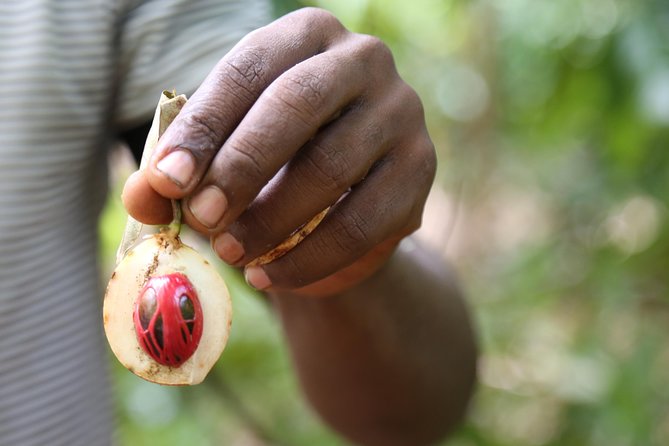
A trip to Zanzibar starts with a smell. The Spice Tour is one of the island’s most fun ways to learn why. You get a guided walk through spice farms where clove, nutmeg, and cinnamon are grown, plus fruit tastings straight from the trees.
I also like how practical this tour is, with hotel pickup and drop-off and a clear 9am start that fits easily into a busy day in Zanzibar City. You’ll spend about three hours seeing how spices move from plant to everyday life.
One consideration: it’s a farm visit, so you should have a moderate physical fitness level, and you will pay for lunch and any drinks yourself.
In This Review
- Key Things to Know Before You Go
- Zanzibar Spice Tour, In Plain Terms
- Getting From Zanzibar City to the Spice Farms at 9am
- Walking Through a Local Spice Farm Without the Rush
- What You’ll Actually See (And What It Teaches You)
- The Fresh Fruit Stop, Where Most People Pay Attention
- Lunch Prepared With Fresh Spices, But Plan for Extra Cost
- The Vibe: Educational, Relaxing, and Lightly Entertaining
- Price and Value for a 3-hour Zanzibar Experience
- Who This Spice Tour Is Best For
- Handy Tips to Get More From Your Spice Tour
- Should You Book the Spice Tour of Zanzibar?
- FAQ
- How long is the Spice Tour of Zanzibar?
- What time does the tour start?
- Is hotel pickup and drop-off included?
- What is included in the tour price?
- What will I taste during the tour?
- Is the group small?
- Can I cancel for a full refund?
Key Things to Know Before You Go
- Stone Town to the spice farms: You travel from Zanzibar City and get the story behind the island nickname.
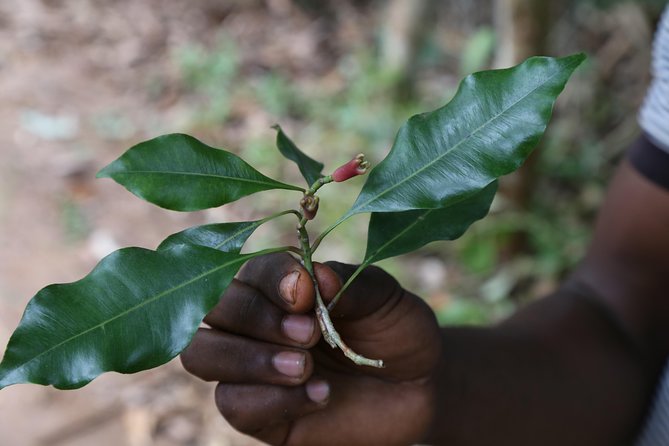
- Clove, nutmeg, cinnamon education: Your guide explains growth and uses, not just the sales pitch.
- Fresh fruit sampling: Expect fruit picked for tasting, and it’s often the snack highlight.
- A small group experience: Maximum 12 travelers, which keeps the tour personal.
- Light entertainment on the farm: Fun moments are part of the vibe, not just facts on plants.
- Shop if you want afterward: There’s usually an option to browse after the main tour portion.
More spice farm afternoons on the island
- Zanzibar: Stone Town, Spice Tour, Prison Island with Lunch★ 4.4 · 1,219 reviews
- Zanzibar: Prison Island, Stone Town, & Spice Farm Tour★ 4.5 · 579 reviews
- Zanzibar: Stone Town, Spice tour & Prison Island with Lunch★ 4.6 · 453 reviews
- Full-Day Private Stone Town +Spice Farm and Prison Island Tour★ 4.5 · 216 reviews
Zanzibar Spice Tour, In Plain Terms
If you like hands-on learning, this is a good match. Zanzibar’s spice reputation is not marketing fluff. It’s tied to real farming, local cooking habits, and centuries of trade. On this 3-hour spice tour, you’ll follow a guide through rural plantations, learn what grows where, and connect the plants to the flavors you hear about again and again.
I like that the tour is built around simple questions: Where do spices come from? How do they grow? How do people use them day to day? That structure makes the experience feel grounded, not like a rushed stop at a store.
The pace also matters. At roughly three hours, you get a meaningful slice of farm life without burning half a day. And since round-trip transport is included, you’re not doing local logistics in the middle of your sightseeing plan.
Getting From Zanzibar City to the Spice Farms at 9am
Your day starts early, with pickup from your hotel around 9:00 am. From there, you head through the scenic streets of Zanzibar City, including a drive through Stone Town, before reaching the spice farms.
Why I think this matters: Stone Town is a great “arrival ramp.” It helps you settle into the island vibe before the farm portion. Instead of jumping straight into countryside, you get a smooth transition from town sights to working landscapes.
If you’re the type who likes to see how a place connects, you’ll appreciate this route. It reinforces that Zanzibar’s spice farming is not separate from city life. It supports it. It also ties into the long trade story behind the island’s reputation.
Walking Through a Local Spice Farm Without the Rush
The heart of the tour is a guided walking visit on a spice farm. This is where the tour earns its keep. You’re not just told spices are important. You’re shown where they are cultivated and how they are grown.
You’ll learn about common stars like clove, nutmeg, and cinnamon. Your guide also explains the lifecycle and uses of different spices you see along the way. That kind of farm walk is especially valuable if you plan to eat Zanzibar food later in your trip, because you start noticing flavors and cooking methods with more context.
A small-group size helps here. With a maximum of 12 travelers, questions don’t feel like they’re competing with a crowd. You also get more time for the guide to explain what you’re looking at, instead of moving people along like a conveyor belt.



What You’ll Actually See (And What It Teaches You)
Spice farms can be confusing if you only have a list of ingredients in your head. The guide turns that list into something you can recognize.
Expect to connect each spice to a practical story:
- How it grows: You’ll hear about the plant lifecycle and what makes each spice possible.
- How it’s used: You’ll learn how locals use spices in everyday cooking.
- How farming fits island life: The tour includes an inside look at village life, not just “tourist trivia.”
This is one of the more underrated benefits of a good spice tour. It doesn’t only teach you what spices are. It teaches you why certain flavors show up repeatedly in Zanzibar cuisine.
And based on the tour experience feedback people share, the tone tends to be relaxed and personal. People often describe it as educational, fun, and informative, with a warm, not-too-serious feeling.
The Fresh Fruit Stop, Where Most People Pay Attention
Here’s the part that often brings smiles: you’ll visit a rural farm and sample fruits fresh from the trees.
This is more than a snack break. Fruit tasting gives you an immediate sensory payoff. After walking through spice plants, you taste something grown on the same farm circuit, which makes the whole “spices and farming” idea click.
You might get a fruit snack that people remember as delicious. Even if you’re not a big foodie, this stop is an easy win because it feels real. It’s not a packaged tasting. It’s fruit you can connect to the orchard you just walked through.
If you have a sensitive stomach, still be smart: try small bites first. But in general, tasting fresh fruit is a highlight because it feels like you’re stepping into daily rural routines.
Lunch Prepared With Fresh Spices, But Plan for Extra Cost
A typical lunch is part of the farm visit, prepared with fresh spices at the site. The important detail is timing and money: lunch is not included and you’ll need to pay for it yourself.
Why I consider this a plus, not a downside: it gives you flexibility. If you’re still full from breakfast, you can adjust. If you’re hungry, you can treat lunch as a proper Zanzibar food experience rather than an automatic extra.
The “prepared with fresh spices” wording is also meaningful. It suggests you’re not just eating while you wait. You’re eating what the farm teaches, using the very flavors you saw discussed during the walk.
Tip: if you’re ordering, don’t feel stuck with “safe” options. Use the farm knowledge as your guide. When the flavors make sense, the meal becomes more than fuel.
The Vibe: Educational, Relaxing, and Lightly Entertaining
A spice tour can sometimes feel stiff, with a guide talking and visitors nodding politely. This one tends to feel more human. The experience style described is educational but also fun, with a calm, personal pace.
There’s also mention of light entertainment during the experience. That matters because it keeps energy up when you’re outdoors and walking. It can also make the guide’s explanations feel less like a lecture and more like a story.
The bottom line: you should come expecting learning, but not a dry classroom session.
Price and Value for a 3-hour Zanzibar Experience
At $101.54 per person for about three hours, the price sits in the “reasonable but not bargain” range for Zanzibar activities. Here’s what you’re paying for, beyond the word tour:
- A professional local guide who explains spice cultivation and uses
- Hotel pickup and drop-off, which saves time and hassle in Zanzibar City
- Access to a working spice farm setting, including the farm walk
- Included tastings, such as fresh fruit samples
Food is extra. Food and drinks are not included, and lunch is an own-expense item. So if you’re doing this on a day when you also want to eat out elsewhere, you’ll want to budget accordingly.
Still, I think the value holds because the included parts are the core of the experience. You’re not paying mainly for transport. You’re paying for interpretation, access, and tastings, with the convenience of pickup.
Also note the tour includes group discounts and supports a mobile ticket. Those details matter when you’re traveling with more than one person, because the per-person cost can improve.
Who This Spice Tour Is Best For
This is a strong choice if you:
- Want a classic Zanzibar experience that connects directly to food and daily life
- Prefer guided walking tours over self-guided wandering
- Like small-group formats with a maximum of 12 travelers
- Enjoy tasting as part of learning, especially fresh fruit
It’s also a good fit for couples and small friend groups because the tour length is manageable and the pacing feels personal.
It may not be the best match if you:
- Want a long, all-day outing
- Don’t enjoy walking on farm paths
- Need food and drinks included in the ticket price
Handy Tips to Get More From Your Spice Tour
Here’s how to make this tour work for you, once you’re in the moment:
- Dress for outdoor walking. Even though it’s only about three hours, farm paths mean more movement than town sightseeing.
- Bring a light layer if you get cool during shade gaps, since Zanzibar can feel different depending on sun and breeze.
- Pace your fruit tasting. Take small bites first if you have any dietary sensitivities.
- Ask your guide about how spices show up in local meals. That turns the farm walk into a “future meal superpower.”
- If you want to shop later, keep a little time in your plan. The experience vibe includes an option to browse afterward.
Should You Book the Spice Tour of Zanzibar?
If you’re planning to eat Zanzibar food, or you simply want a memorable, smell-driven introduction to the island, this is a smart booking. The mix of guided spice education, farm walking, and fresh fruit tastings makes it more than a quick photo stop.
I’d book it if you want:
- A convenient morning start with hotel pickup
- A small group, max 12 traveler format
- A 3-hour length that fits cleanly into a day
Skip it or rethink your plans if you:
- Don’t want to pay extra for lunch and drinks
- Prefer an all-day itinerary
- Have trouble with moderate walking on uneven ground
If your goal is understanding Zanzibar through what grows here, this tour does that in a way that feels friendly, practical, and genuinely enjoyable.
FAQ
How long is the Spice Tour of Zanzibar?
The tour lasts about 3 hours.
What time does the tour start?
It starts at 9:00 am.
Is hotel pickup and drop-off included?
Yes, hotel pickup and drop-off are included.
What is included in the tour price?
A local guide, plus hotel pickup and drop-off, are included. Food and drinks are not included, and lunch is an own-expense item.
What will I taste during the tour?
You will sample fruits fresh from the trees during the farm portion of the experience.
Is the group small?
Yes. The tour has a maximum of 12 travelers.
Can I cancel for a full refund?
Yes, you can cancel for a full refund if you cancel up to 24 hours before the experience’s start time.
More Spice Farm Afternoons
- Zanzibar: Stone Town, Spice Tour, Prison Island with Lunch
★ 4.4 · 1,219 reviews - Zanzibar: Prison Island, Stone Town, & Spice Farm Tour
★ 4.5 · 579 reviews - Zanzibar: Stone Town, Spice tour & Prison Island with Lunch
★ 4.6 · 453 reviews - Full-Day Private Stone Town +Spice Farm and Prison Island Tour
★ 4.5 · 216 reviews - Zanzibar: Spice Tour & Stone Town Walking Tour
★ 4.8 · 115 reviews
Just added from around Zanzibar City



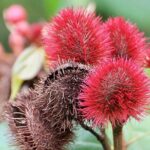
Zanzibar Spice Farms and Plantations, compared.
 ★ 4.4Zanzibar: Stone Town, Spice Tour, Prison Island with LunchFrom $681,219 reviews
 ★ 4.5Zanzibar: Prison Island, Stone Town, & Spice Farm TourFrom $70579 reviews
★ 4.6Zanzibar: Stone Town, Spice tour & Prison Island with LunchFrom $55453 reviews
★ 4.5Zanzibar: Prison Island, Stone Town, & Spice Farm TourFrom $70579 reviews
★ 4.6Zanzibar: Stone Town, Spice tour & Prison Island with LunchFrom $55453 reviews
 ★ 4.5Full-Day Private Stone Town +Spice Farm and Prison Island TourFrom $100216 reviews
 ★ 4.5Spice Tour + Stone Town Tour + Prison IslandFrom $140130 reviews
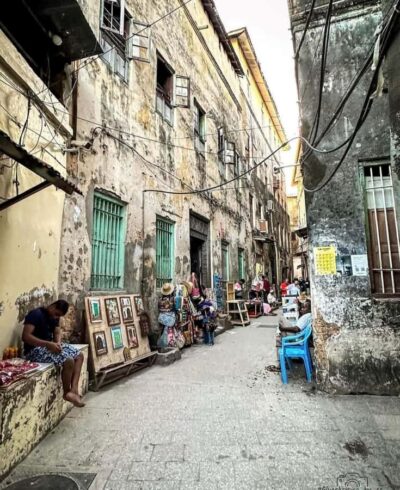 ★ 4.8Zanzibar: Spice Tour & Stone Town Walking TourFrom $95115 reviews
 ★ 4.5Zanzibar: Stone Town & Spice Farm Tour with LunchFrom $7397 reviews
 ★ 4.7Zanzibar: The Swahili Spice Experience – Spice Tour + Culinary JourneyFrom $2196 reviews
Browse the lists this tour appears in