
REVIEW · STONE TOWN HERITAGE WALKS
From Stone Town: Spice Tour of Zanzibar
Spices grow, and you can taste them. This short Zanzibar spice plantation tour is a hands-on way to understand why the islands are called Spice Island, not just by legend, but by plants, scents, and how locals use them.
I love the focus on where spices come from, with plants like cloves, nutmeg, vanilla, Zanzibar cardamoms, cinnamon, curry, ginger, and tamarind all growing in one place. I also like the ending show and payoff, a coconut climber moment that includes a fresh coconut drink and a song. One possible consideration is that food is not included, so plan around it.
In This Review
- Key things to know before you go
- Where this Zanzibar spice tour fits in your day from Stone Town
- Step-by-step: what happens on the plantation tour
- Pickup in Stone Town, then out to the spice fields
- First stop: why Zanzibar is Spice Island
- Herbs with traditional uses, not just flavor
- The coconut climber moment, with a song
- Fruit tastings and the surprise of what grows here
- The spice shop stop: what you can buy and how to do it smart
- Price and value: is $30 worth it?
- What to bring, what not to bring, and how to prepare
- Timing, guides, and the vibe at the farm
- Who this tour is best for
- Quick FAQ before you book
- What’s the duration of the Zanzibar spice tour from Stone Town?
- How much does it cost?
- What’s included in the price?
- Is food included?
- Do they pick you up from Stone Town?
- What should I bring and wear?
- Is it wheelchair accessible?
- Should you book this Zanzibar spice tour?
Key things to know before you go
- Touch, smell, and (often) taste spices and fresh tropical fruits while the guide explains harvest and uses.
- Spice origins with local uses such as neem leaves for traditional treatment and iodine-tree use for wound infections.
- Coconut climber experience includes a tree cut, a fresh coconut drink, and traditional performance.
- A stop at the farm shop where you can buy spices, plus items like soaps or perfumes.
- Cash helps for purchases, and tipping is part of the vibe at the farm.
Other Stone Town walks we followed
- Stonetown: Food Markets and Street Food Walking Tour★ 4.7 · 151 reviews
- Zanzibar Stone Town Walking Tour★ 5.0 · 145 reviews
- Stone Town Historical Walking Tour★ 5.0 · 143 reviews
- Spice Tour + Stone Town Tour + Prison Island★ 4.5 · 130 reviews
Where this Zanzibar spice tour fits in your day from Stone Town
If your Zanzibar plan is mostly Stone Town streets and beaches, this tour gives you a quick “how it grows” chapter. It starts in Stone Town, with pickup from hotels in the area, then shifts you to a working plantation environment where spice and fruit are the main characters.
The time commitment is light, about 2.5 hours, so it works on arrival day (if your schedule allows) or as a break between heavier plans like a beach afternoon or a tour of Stone Town. You’re not signing up for a full day in the sun. You’re signing up for a concentrated dose of Zanzibar agriculture.
The price is $30 per person, which is fair for what you get: a guided walk through spice and fruit beds plus entry fees and taxes covered. The part that makes the value feel real is the guide-led explanations tied to plants you can actually see.
Step-by-step: what happens on the plantation tour
Pickup in Stone Town, then out to the spice fields
The experience begins with pickup. If you stay in Stone Town, the provider offers collection from your hotel. You wait at the reception, then you’re taken to the plantation. People have noted smooth communication when pickup details were tricky during booking, including contact via WhatsApp.
This matters because Stone Town can be a maze of small lanes. When pickup is handled well, you lose less time and end up arriving relaxed instead of rushing.
More spice farm afternoons on the island


First stop: why Zanzibar is Spice Island
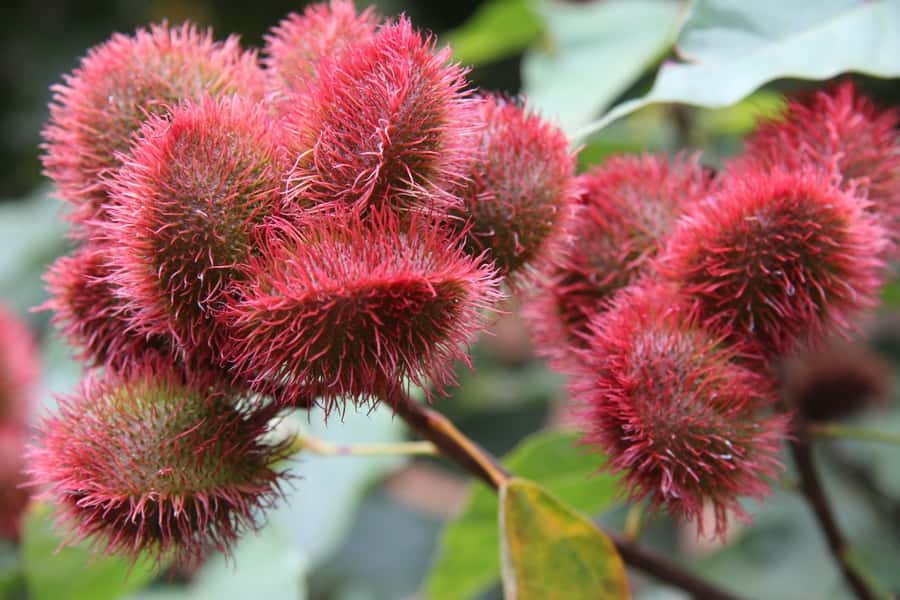
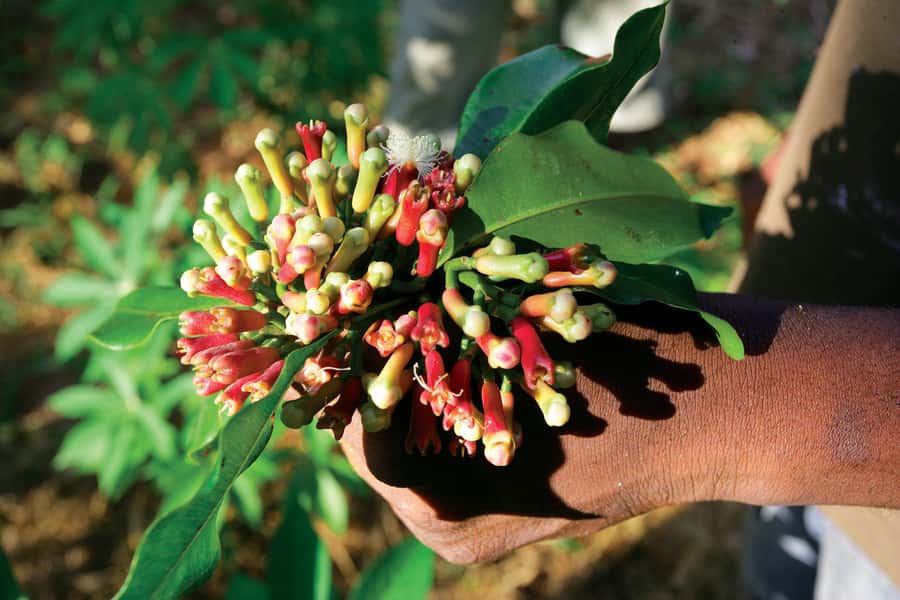
On the plantation walk, the guide connects the nickname to actual plants. Expect to see and learn about a mix of spices and aromatic herbs, including cloves, nutmeg, vanilla, Zanzibar cardamoms, cinnamon, curry leaves, menthol, pepper, tamarind, and ginger.
What makes this part worth your attention is the link between plant to purpose. You’re not just hearing that spices were valuable in trade centuries ago. You’re hearing what the plants look like, how they’re used, and what parts matter (leaves, bark, pods, seeds, and so on).
Herbs with traditional uses, not just flavor
Another strong part of the tour is the “what it’s used for” angle. You might hear examples like:
- Neem tree leaves used locally as a traditional remedy for malaria and indigestion
- Iodine tree use for fighting infections in wounds
Even if you don’t treat this as medical advice, it gives you context for how plants were historically valued, and why people pay attention to them beyond cooking. This is one of those moments where the tour feels less like a souvenir stop and more like an education in local practice.
The coconut climber moment, with a song
Then comes the part people talk about: the coconut climber. You watch a climber cut down a fresh coconut and, in many cases, drink it straight after.
There’s also a traditional performance vibe. One common detail is the Jambo song, which makes the moment memorable rather than rushed. It’s a bit of theater, yes, but it also ties back to the farm reality, coconuts are part of the island’s food, drink, and livelihood.
Practical note: at this stage, you may be expected to tip the guide, any assistant, and the climber. Many people also recommend bringing cash if you plan to buy anything at the end.
Fruit tastings and the surprise of what grows here
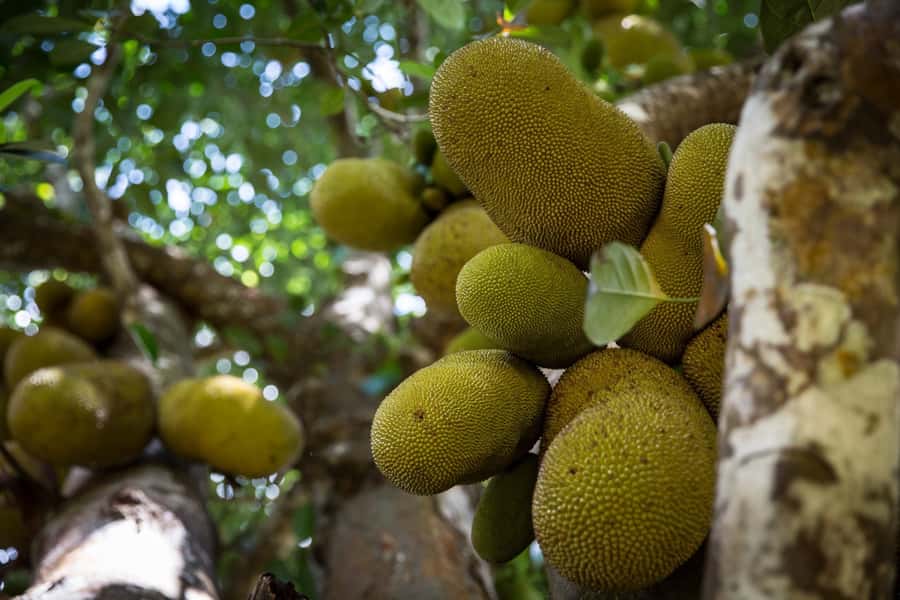
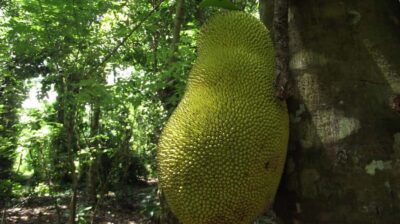
This tour isn’t only spice. You also get introduced to tropical fruits on site, including papayas, mangoes, jackfruit, and more depending on what’s ripe. Some people specifically note tasting fruit like avocado and guava too.
This matters because Zanzibar’s identity is not one-note. The spices are famous, but the plantation is also a fruit landscape. You get a sense of the island as a whole farm ecosystem rather than a single crop.
The spice shop stop: what you can buy and how to do it smart
The tour ends with a visit to the spice shop on the farm. This is where the experience turns into a take-home item.
You’ll usually be able to buy fresh spices for cooking back home. Some people also mention being able to purchase products like perfumes and soaps made using local ingredients.
Before you buy, here’s how I’d think about it:
- Buy small to start. Fresh spice can be potent, and your first purchase is really a test run.
- Ask what to use it for. If the guide gives serving ideas, listen. It helps you turn a jar into a real cooking ingredient, not just kitchen décor.
- Bring cash. A number of visitors recommend having cash on hand for both purchases and tipping.
Price and value: is $30 worth it?
At $30 per person, this is priced like a short, focused excursion with real access to the plantation. What you’re paying for isn’t just the walk. It’s the guide time, entry fee coverage, and government taxes.
The value looks strongest if you want:
- a practical explanation of spice plants in the ground
- a chance to smell and taste what grows here
- a memorable ending with coconut climbing and coconut drink
The value feels weaker if you’re the type who wants a long, immersive day with lots of time sitting and photographing. This is structured and efficient. It moves through spice variety and then wraps up.
What to bring, what not to bring, and how to prepare
The tour asks for comfortable shoes. That’s your main item. You’re walking around farm paths and uneven ground, so skip slick sandals.
Also note the rule: no luggage or large bags. Traveling light makes everything smoother. If you’re coming straight from a day trip or beach time, keep that in mind and avoid overpacking.
One more practical consideration: because food isn’t included, I recommend planning a snack or drink before the tour if you tend to get hungry fast. You’ll be busy, but your stomach still has opinions.
Timing, guides, and the vibe at the farm
This is a live guided tour (English plus several other languages). The guide can be from the spice farm itself, which tends to make the explanations more grounded.
In the names you may hear, guides like Juma and assistants like Sulley are specifically mentioned in experiences shared by others. The common thread is that the guide role is central. You’re not just walking from tree to tree. You’re getting interpretations tied to each plant.
You also get a clear “farm energy” vibe. Expect interaction, smells everywhere, and a bit of performance around the coconut climbing. If you enjoy learning while you move, this works well.
Who this tour is best for
This is a strong choice if you:
- want a quick Zanzibar lesson without a full day commitment
- care about real-world origins of spices and herbs
- enjoy fruit tastings and hands-on learning
- like memorable moments, especially the coconut climber ending
It’s less ideal if you need a long sit-down pace or you’re uncomfortable with active walking on farm ground.
Quick FAQ before you book
What’s the duration of the Zanzibar spice tour from Stone Town?
The tour runs about 2.5 hours.
How much does it cost?
The price is $30 per person.
What’s included in the price?
The tour includes an entrance fee, a guide, and all government taxes.
Is food included?
No. Food is not included.
Do they pick you up from Stone Town?
Yes. Pickup is available from any hotel within Stone Town. Wait at your hotel reception for collection.
What should I bring and wear?
Wear comfortable shoes. Also avoid bringing luggage or large bags.
Is it wheelchair accessible?
The tour lists wheelchair accessible, but it also states it is not suitable for people with mobility impairments. If this is a factor for you, I’d ask the operator directly what route and walking surfaces look like for your needs.
Should you book this Zanzibar spice tour?
Yes, if you want a short, satisfying hit of Zanzibar flavor and farming reality. The best reasons are simple: you get to see spice plants in the ground, learn about how they’re used locally, taste fresh fruit, and end with the coconut climber show and coconut drink.
Skip it or reconsider if you strongly prefer food to be included, or if mobility is a concern. And do yourself a favor, bring comfortable shoes and a bit of cash for the farm shop. Then you’ll leave with more than souvenirs, you’ll leave with a clearer sense of why Zanzibar earned the Spice Island nickname.
More Spice Farm Afternoons
- Spice Tour + Stone Town Tour + Prison Island
★ 4.5 · 130 reviews - Zanzibar: Stone Town & Spice Farm Tour with Lunch
★ 4.5 · 97 reviews - Zanzibar: Spice Farm Tour with Traditional Cooking Lesson
★ 4.8 · 77 reviews - Zanzibar Cooking Class & Spice Tour
★ 4.5 · 77 reviews - A Private Full Day Tour To Stone Town & Spice Farm
★ 5.0 · 53 reviews
Stone Town, Street by Street
- Zanzibar; Prison Island, Nakupenda, StoneTown Tour with BBQ
★ 4.3 · 457 reviews - Stonetown: Food Markets and Street Food Walking Tour
★ 4.7 · 151 reviews - Zanzibar Stone Town Walking Tour
★ 5.0 · 145 reviews - Stone Town Historical Walking Tour
★ 5.0 · 143 reviews - Spice Tour + Stone Town Tour + Prison Island
★ 4.5 · 130 reviews
Just added from around Zanzibar





Stone Town Heritage Walks, compared.
 ★ 4.4Zanzibar: Stone Town, Spice Tour, Prison Island with LunchFrom $681,219 reviews
 ★ 4.5Zanzibar: Prison Island, Stone Town, & Spice Farm TourFrom $70579 reviews
 ★ 4.3Zanzibar; Prison Island, Nakupenda, StoneTown Tour with BBQFrom $71457 reviews
★ 4.6Zanzibar: Stone Town, Spice tour & Prison Island with LunchFrom $55453 reviews
★ 4.3Zanzibar; Prison Island, Nakupenda, StoneTown Tour with BBQFrom $71457 reviews
★ 4.6Zanzibar: Stone Town, Spice tour & Prison Island with LunchFrom $55453 reviews
 ★ 5.0Stone Town Private Walking TourFrom $26371 reviews
 ★ 4.6Zanzibar: 3 Hours Private Stone Town walking Tour with GuideFrom $24301 reviews
 ★ 4.5Full-Day Private Stone Town +Spice Farm and Prison Island TourFrom $100216 reviews
 ★ 4.5Zanzibar: Stone Town Historical Cultural Walking Guided TourFrom $21179 reviews
Browse the lists this tour appears in