
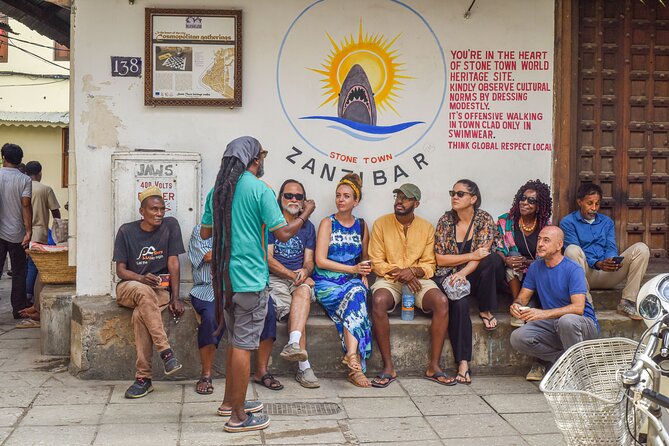
REVIEW · STONE TOWN HERITAGE WALKS
Authentic Street Food Tours in Stone Town, Zanzibar
Stone Town tastes better on foot. This 2.5-hour street food walk in Zanzibar threads you into side streets off the main lanes, with Lodi guiding you to try sambuusa and Zanzibar pizza. I like that the lineup mixes savory bites and local drinks, and I also like that you get steered toward the kinds of stalls locals depend on. One thing to consider, the tour stays food-first, so if you want a long, deep history lecture, you may find it a bit lighter than you expected.
You’re in a small group (up to 8), which makes it easier to talk with vendors and follow the twists of Stone Town’s alley network. You start at Maru Maru Hotel and return there at the end, and you’ll receive a mobile ticket for smoother check-in. As you move neighborhood to neighborhood, your guide points out cultural landmarks along the way and shares stories from growing up in Stone Town.
Food needs are handled, but you should plan ahead. With advance notice, the standard tour can accommodate vegetarian travelers, and vegan options are possible but use a different itinerary and pricing. The tour requires good weather, so if rain rolls in, vendor options may shrink and the streets can get slick.
In This Review
- Key things I’d circle before you go
- What makes Stone Town street food feel different
- Lodi and the advantage of walking with someone who knows people
- The food lineup: sambuusa, carlisi, chapati, uji, tende shake, Zanzibar pizza
- How the 2.5-hour walking rhythm works in real life
- Cultural stops without the museum vibe
- Price and value: is $40 a fair trade for 2.5 hours?
- Practical tips for Zanzibar street food, especially on rainy days
- Who should book this tour, and who might want a different plan
- Should you book? My straight answer
- FAQ
- How much does the Stone Town street food tour cost?
- How long is the tour?
- Where does the tour start and end?
- How many people are in the group?
- What foods will I try on the tour?
- Can you accommodate vegetarian or vegan diets?
- What happens if the weather is bad or I need to cancel?
Key things I’d circle before you go
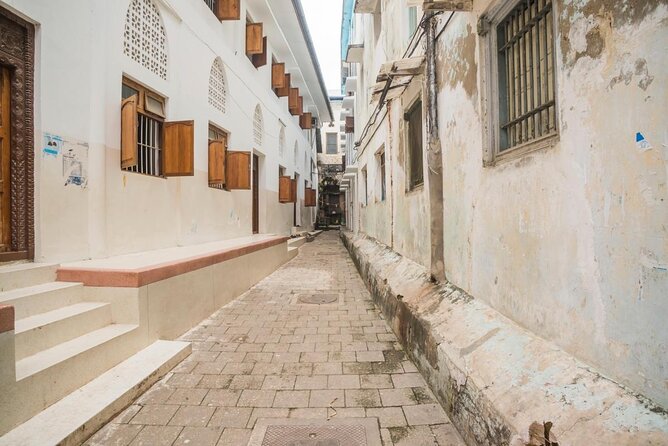
- Lodi’s local connections can turn a street snack stop into a real conversation with vendors
- A focused food menu that can include sambuusa, carlisi, chapati, uji, tende shake, and Zanzibar pizza
- 6+ vendor stops on breakfast and dinner versions, with the exact dishes changing by time of day
- Up to 8 people means you spend more time eating and asking questions, less time waiting
- Cultural landmark pointers and personal Stone Town stories, without turning it into a lecture
Other Stone Town walks we followed
- Stonetown: Food Markets and Street Food Walking Tour★ 4.7 · 151 reviews
- Zanzibar Stone Town Walking Tour★ 5.0 · 145 reviews
- Stone Town Historical Walking Tour★ 5.0 · 143 reviews
- Spice Tour + Stone Town Tour + Prison Island★ 4.5 · 130 reviews
What makes Stone Town street food feel different

Stone Town has a way of making you slow down. The streets twist, the buildings crowd close, and food is part of daily life, not just something you sample for an hour. On this tour, you don’t bounce between “must-see” spots. Instead, you follow the flow of what people actually order and eat.
That matters because street food is about routine and trust. When a local host brings you to vendors who keep going day after day, you’re more likely to taste dishes at their best, not just whatever looks easiest for visitors. You also get quick context while you’re standing right there, watching hands work and spices get mixed, fried, or poured.
I also like the way the tour is designed around variety without being chaotic. You’re not stuck with one type of food the whole time. You can expect a mix of small savory snacks plus drinks, so you get a better sense of Zanzibar everyday flavors in a short walk.
Lodi and the advantage of walking with someone who knows people
The guide named in the experience is Lodi, and that name shows up for a reason. The best reviews paint him as the kind of person who knows everyone in the area, which changes the tone of the walk. You’re not just reading about Stone Town. You’re moving through it with a local connection that helps you feel comfortable asking simple questions like how a dish is made or when people usually eat it.
This also affects what you get to experience. When your guide can talk to vendors easily, you’re more likely to learn the meaning behind what you’re eating, even if the explanation stays brief. You may also find that the “where” matters as much as the “what.” The tour aims to take you into neighborhoods and alleyways that feel off the typical tourist grid.
The cultural side is also tied to who your guide is. Lodi shares stories from his own life growing up in Stone Town, and the route includes cultural landmarks that you’ll pass by on foot. One nice balance here is that the landmarks aren’t the main event. The food stays center stage, with history and culture woven in as you walk.
The food lineup: sambuusa, carlisi, chapati, uji, tende shake, Zanzibar pizza
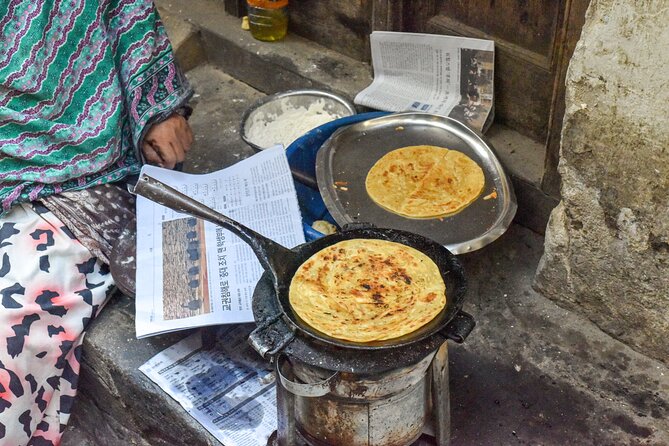
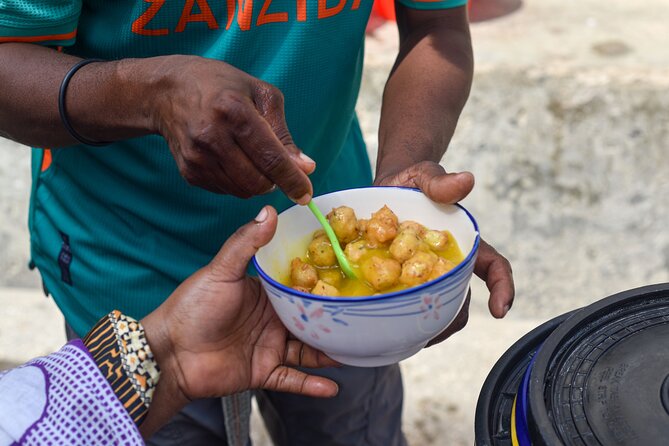
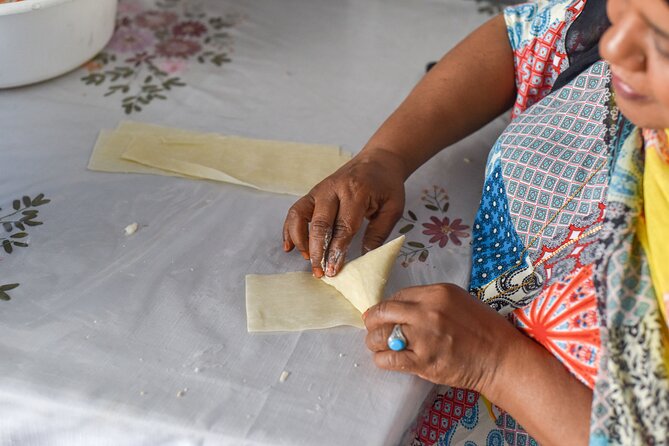
This tour gives you a chance to sample dishes that are closely tied to Zanzibar street food culture. The menu list includes sambuusa, carlisi, chapati, uji, tende shake, and Zanzibar pizza. You likely won’t see every item at every time slot, since the specific dishes depend on when you go, but those are the flavors the tour plans around.
Here’s how to think about these foods before you arrive:
- Sambuusa: a handheld savory snack that’s great for your first stop because it’s filling and easy to eat while walking.
- Carlisi: another classic street bite, which you can treat like your test case for how different Zanzibar uses pastry, fillings, or spicing compared to what you might know from elsewhere.
- Chapati: a soft, practical base that often shows up in street food because it pairs with many flavors and textures.
- Uji: a local drink option that can be served warm or at least in a comforting style, making it a good match if you go earlier in the day.
- Tende shake: a drink that gives you something refreshing and fruit-forward, which helps break up all the savory frying.
- Zanzibar pizza: this is a Zanzibar-style street take that tends to be a highlight. If pizza is your thing, plan to savor it instead of rushing through.
Because food depends on the time of day, consider this tour like a “best-of” sampling rather than a fixed tasting menu. The tour notes also say that breakfast and dinner versions visit at least 6 different vendors. That’s a strong reason to book the time slot that best fits your appetite, since you’ll likely get more variety across that vendor count.
And if you have dietary needs, don’t guess. Share restrictions when booking. Vegetarian accommodation is described as part of the standard tour with advance notice. Vegan options exist too, but the itinerary and pricing can change, so you’ll want confirmation before you lock in your plans.
More Zanzibari kitchens to sit in




How the 2.5-hour walking rhythm works in real life
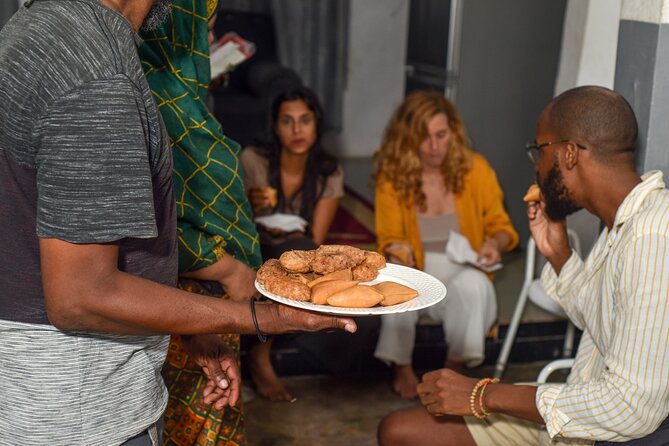
The tour duration is about 2 hours 30 minutes, which is long enough to feel satisfying but short enough to keep your feet happy. The walking is part of the value here because Stone Town’s street food culture is shaped by where people live and work, not by where big signs point you.
A key thing to remember is pacing. You are tasting multiple items across several vendor stops, and that naturally slows you down. You’ll likely spend more time at each stop than you expect because you’re interacting with vendors, not just grabbing a snack and running.
Since this is a small-group experience (maximum 8 travelers), it’s easier for your host to manage the flow. In a crowded group, you’d spend more time waiting for the next bite. Here, you’re more likely to get quick answers and feel included in the moment.
Also, the route is built around Stone Town’s twists and turns. You should expect to do some serious alley navigation on foot. If you hate tight spaces or you’re not comfortable walking for over two hours, this might be harder. But if you enjoy the “show me where you actually go” travel style, it’s a good fit.
Cultural stops without the museum vibe

The tour is street food first, but you’re not walking through a blank grid of alleys. Your guide points out cultural landmarks as you pass through several neighborhoods, and you hear stories tied to Stone Town life. That approach works because it uses the food route to connect you to the city, instead of pausing for long explanations.
This balance is great if you want culture in small doses while you eat. It also helps your brain tie flavor to place. You start thinking, okay, this dish belongs here because people eat it as part of daily routines.
One caution based on the range of experiences: if your personal travel style is “I want facts, dates, and long narratives,” you might feel the cultural pieces are too short. Some people were expecting more history talk than what fits into a food sampling route. If that’s you, consider pairing this with another activity focused specifically on deeper history.
Price and value: is $40 a fair trade for 2.5 hours?
At $40 per person, this tour costs more than buying a couple street snacks on your own. But it also buys you three practical things: selection, access, and explanation.
First, selection. The tour team brings you to a handful of vendor stops that fit together as a tasting arc, including both savory items and drinks like uji and tende shake. Second, access. Stone Town can be confusing for first-timers, and your guide can steer you toward places that are active and appropriate to try. Third, explanation. Even if the talk stays brief, it helps you understand what you’re tasting while it’s still hot, fresh, and relevant.
Add in the small group size and the fact that breakfast and dinner versions visit at least 6 different vendors. When a tour is structured around multiple vendor stops, you’re not paying just for walking time. You’re paying for the food sampling and the local host connection that makes it smoother than DIY.
Booking timing can also matter for value. The experience is commonly booked about 29 days in advance, which suggests it fills up. If you’re traveling in a busier stretch, planning earlier helps you get your preferred day and time.
Practical tips for Zanzibar street food, especially on rainy days
The big practical factor here is weather. The tour requires good weather, and if it gets canceled due to poor weather, you’re offered a different date or a full refund. That matters because street food stalls can be affected fast when rain starts.
One review-style detail that’s worth taking seriously is the possibility of heavy rain on narrow alleyways. If you end up with wet conditions, you’ll want shoes that can handle puddles, slick stone, and sudden ankle-deep water in tight spots. Bring a light rain layer, and consider water-resistant footwear so your night stays focused on eating, not on keeping dry.
For comfort and taste, also plan for the reality of street meals. You’ll be stopping multiple times, so don’t schedule a heavy dinner right after unless you’re sure you want round two. If you’re prone to upset stomachs, pace yourself and sip water between tastings. Your guide can also help you choose what to try first if you ask politely.
Dietary needs are best handled before you arrive. Vegetarians can be included with advance notice on the standard tour. Vegan plans are possible, but they may change itinerary and pricing, so contact ahead if vegan is your situation.
Finally, if you rely on a mobility aid or have sensory concerns, note that the tour does involve walking through alleys and neighborhoods. The experience notes say most travelers can participate and that it’s near public transportation. Service animals are allowed too.
Who should book this tour, and who might want a different plan
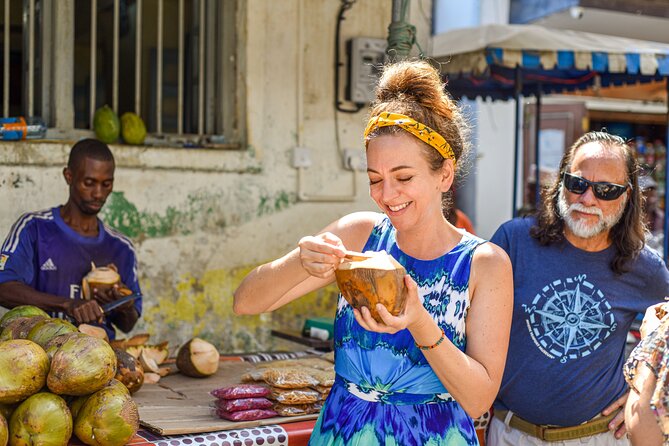
Book this if you want street-level Zanzibar food with a real local host guiding you. It’s ideal for:
- First-time Stone Town visitors who feel a bit lost without a map plus a guide
- Food lovers who want variety across multiple vendor stops in a short window
- Travelers who enjoy learning while walking, through quick stories tied to places you pass
I’d think twice if:
- You want a long history lecture, because this route is primarily about sampling street foods
- You dislike rain-conditional plans, since the tour depends on good weather and vendor options can shift
Should you book? My straight answer
I think this is a strong choice if you’re coming to Stone Town for food and want the city explained through what people actually eat. The Lodi connection is a big part of the value, and the mix of dishes like sambuusa, uji, tende shake, and Zanzibar pizza gives you a well-rounded taste of Zanzibar street flavors.
If you’re sensitive to weather, go with the understanding that rain can reduce stall options, and you’ll want proper shoes. If you’re chasing deep historical detail, plan on adding a separate history-focused stop.
FAQ
How much does the Stone Town street food tour cost?
It costs $40.00 per person.
How long is the tour?
The tour lasts about 2 hours 30 minutes.
Where does the tour start and end?
It starts at Maru Maru Hotel, Zanzibar, Gizenga St, Zanzibar 4053, Tanzania, and it ends back at the same meeting point.
How many people are in the group?
The tour has a maximum of 8 travelers.
What foods will I try on the tour?
The tour highlights foods such as sambuusa, carlisi, chapati, uji, tende shake, and Zanzibar pizza. The exact items depend on the time of day.
Can you accommodate vegetarian or vegan diets?
Vegetarians can be accommodated as part of the standard tour with advance notice. Vegans can also be accommodated, but the itinerary and pricing will vary, so you should contact the provider for details.
What happens if the weather is bad or I need to cancel?
The tour requires good weather. If it’s canceled due to poor weather, you’ll be offered a different date or a full refund. You can cancel for a full refund up to 24 hours in advance; within 24 hours, the amount you paid is not refunded.
More Zanzibari Kitchens
- Stonetown: Food Markets and Street Food Walking Tour
★ 4.7 · 151 reviews - Zanzibar: Spice Farm Tour with Traditional Cooking Lesson
★ 4.8 · 77 reviews - Zanzibar Cooking Class & Spice Tour
★ 4.5 · 77 reviews - Mamas of Zanzibar – A Unique Cultural & Culinary Experience
★ 5.0 · 45 reviews - Half-Day Kuza Cave Swimming Adventure and Cooking Class
★ 4.5 · 44 reviews
Stone Town, Street by Street
- Zanzibar; Prison Island, Nakupenda, StoneTown Tour with BBQ
★ 4.3 · 457 reviews - Stonetown: Food Markets and Street Food Walking Tour
★ 4.7 · 151 reviews - Zanzibar Stone Town Walking Tour
★ 5.0 · 145 reviews - Stone Town Historical Walking Tour
★ 5.0 · 143 reviews - Spice Tour + Stone Town Tour + Prison Island
★ 4.5 · 130 reviews
Just added from around Zanzibar






Stone Town Heritage Walks, compared.
 ★ 4.4Zanzibar: Stone Town, Spice Tour, Prison Island with LunchFrom $681,219 reviews
 ★ 4.5Zanzibar: Prison Island, Stone Town, & Spice Farm TourFrom $70579 reviews
 ★ 4.3Zanzibar; Prison Island, Nakupenda, StoneTown Tour with BBQFrom $71457 reviews
★ 4.6Zanzibar: Stone Town, Spice tour & Prison Island with LunchFrom $55453 reviews
★ 4.3Zanzibar; Prison Island, Nakupenda, StoneTown Tour with BBQFrom $71457 reviews
★ 4.6Zanzibar: Stone Town, Spice tour & Prison Island with LunchFrom $55453 reviews
 ★ 5.0Stone Town Private Walking TourFrom $26371 reviews
 ★ 4.6Zanzibar: 3 Hours Private Stone Town walking Tour with GuideFrom $24301 reviews
 ★ 4.5Full-Day Private Stone Town +Spice Farm and Prison Island TourFrom $100216 reviews
 ★ 4.5Zanzibar: Stone Town Historical Cultural Walking Guided TourFrom $21179 reviews
Browse the lists this tour appears in