
REVIEW · TANZANIAN COOKING CLASSES AND FOOD TOURS
Arusha: Local Tanzanian Cooking Class by Kingstone Asilia
Cooking with locals in Arusha beats a restaurant meal. You’ll start at a local vegetable market where you can negotiate and pick the ingredients, then cook and eat in a peaceful farm hideaway with the Kingstone Asilia family. The main thing to consider: pickup is not included in the base price, and extra purchases are cash-only.
This is a 5-hour hands-on class led by an English-speaking guide, and it’s built for people who want real food and real conversation. You’ll leave with a full plate, a fuller sense of daily life around Arusha, and usually a few added stories (and if you’re lucky, a glimpse of monkeys near the farm).
In This Review
- Key things you’ll notice fast
- From market chatter to a farm feast in 5 hours
- Getting your ingredients at Arusha’s local vegetable market
- The Kingstone Asilia farm and the wooden nature hideaway
- Tailoring your dishes before the cooking starts
- Cooking Tanzanian vegetarian dishes, hands-on and step by step
- Why the vegetarian buffet lunch feels like the point
- Coffee, trees, and the stories that make it personal
- Price and logistics: what the $50 covers, and what to plan for
- Who this class is best for
- What to bring and how to enjoy it more
- Should you book Kingstone Asilia’s Arusha cooking class?
Key things you’ll notice fast
- You pick ingredients at a local market, not just read a recipe
- The kitchen is on the Kingstone Asilia farm, with a nature hideaway that overlooks the grounds
- Vegetarian focus with traditional Tanzanian dishes, tailored to your preferences
- A fresh vegetarian buffet lunch is included, cooked from the ingredients you selected
- Culture talk happens as you cook and eat, including local plant and tree explanations from Ozili
More Zanzibari kitchens to sit in
- NGO Lifted Strong – Traditional Tanzanian Cooking Class★ 5.0 · 39 reviews
- Arusha: Traditional Tanzania Cooking Class & Food Market Tour★ 5.0 · 34 reviews
- Cooking and Sewing & Jewelry Workshops in Arusha★ 5.0 · 14 reviews
- Street Food and Community Walking Tour★ 5.0 · 12 reviews
From market chatter to a farm feast in 5 hours
Arusha has plenty of tours, but a cooking class like this one is different because it connects three parts of everyday Tanzanian life: buying food, preparing food, and sharing it. You’re not just learning techniques. You’re practicing how people actually choose ingredients, decide what tastes right, and turn them into a meal worth sitting down for.
The format is simple and practical. You go from the market to the Kingstone Asilia farm on the outskirts of town, you cook together in a wooden hideaway, then you eat what you made. There’s also time for story exchange, which is often where the experience becomes more memorable than the food itself.
Getting your ingredients at Arusha’s local vegetable market
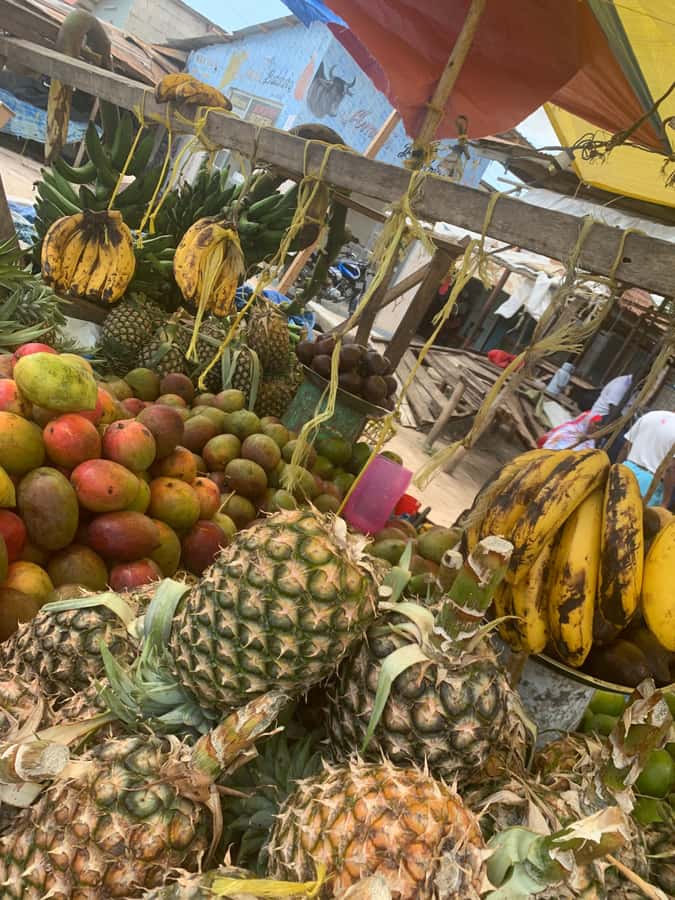
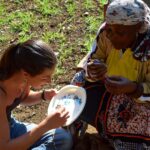
The first big step is the local fresh food market, where you select vegetables and ingredients for the meal. This is where the class stops feeling like a staged activity and starts feeling like real life. You’ll see what people buy day to day, and you’ll get a chance to negotiate prices while you shop.
Why this matters: the market teaches you what cooks pay attention to. Color, freshness, and seasonality are the silent ingredients in Tanzanian home cooking. When you choose produce yourself, you understand the logic behind the flavors more than if someone just hands you a basket in a kitchen.
A couple of practical notes for this part. Markets can be busy and hands-on, and you’ll likely be standing, walking, and moving around while selecting ingredients. If you have dietary preferences, say them early so the selection matches what you want to eat before cooking begins.
The Kingstone Asilia farm and the wooden nature hideaway
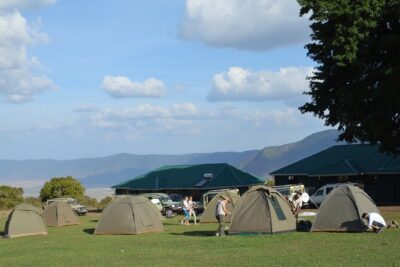
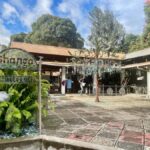
Next comes the farm, on the green outskirts of Arusha, where the Kingstone Asilia family has built a peaceful, wooden nature hideaway overlooking the farm grounds. It’s the kind of place where cooking feels less like an indoor demo and more like a slow, friendly work session outdoors.
This setting adds value in two ways. First, you’re eating ingredients that come from the same local ecosystem where the family spends time growing coffee and other products. Second, the atmosphere helps you relax, so you’re more likely to ask questions and join the conversation.
You might also spot wildlife around the farm. One class experience noted a chance to see monkeys walking around, so keep your eyes up when you’re taking breaks between steps. Even if you don’t see them, the farm setting itself is a meaningful change of pace from town.

Tailoring your dishes before the cooking starts
Before the tour begins, you can express dietary requirements or food preferences. That matters because Tanzanian cuisine can be adapted easily, and vegetarian cooking is not just a workaround. It’s a real culinary lane with its own flavors, textures, and comfort.
The class also leans into a traditional approach. You’ll be taught traditional methods for preparing ingredients and cooking typical Tanzanian dishes. In one recent class experience, the cooking covered at least six vegetarian Tanzanian dishes, so you’re not doing one simple recipe and calling it a day.
How to make this work for you: if you have allergies or strong preferences, communicate them clearly at the start. You’ll get a better result if the market selection, ingredient prep, and final dishes are aligned from the beginning, instead of trying to adjust at the last minute.
Cooking Tanzanian vegetarian dishes, hands-on and step by step
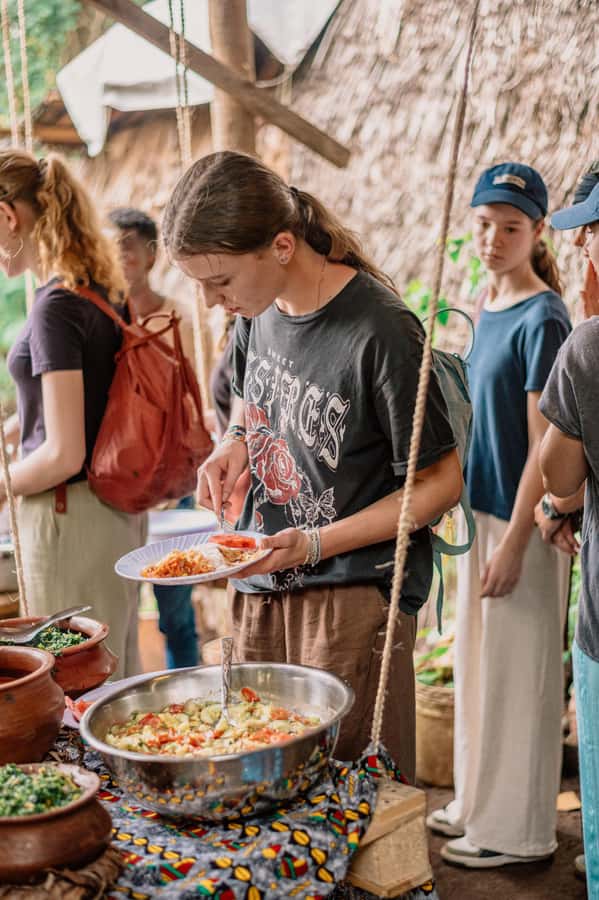
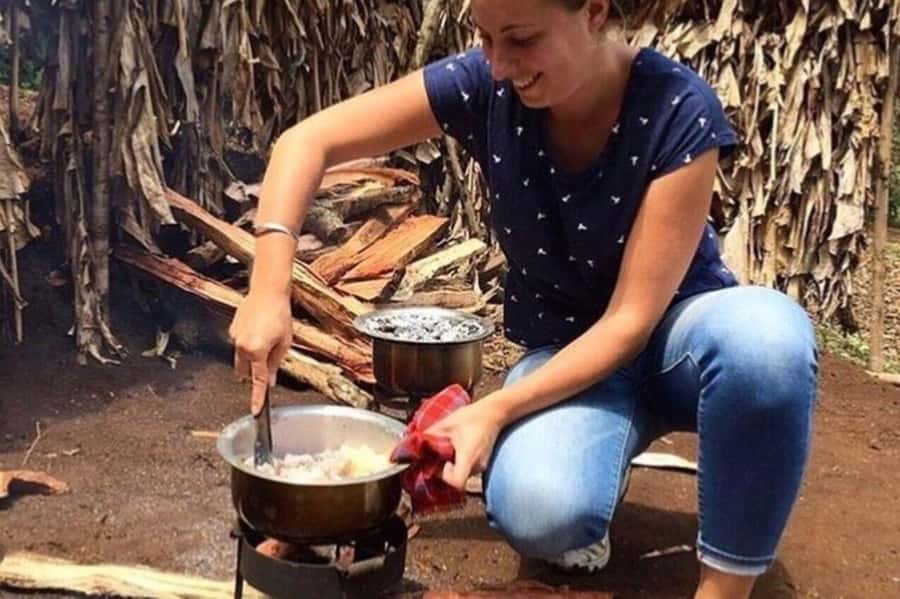
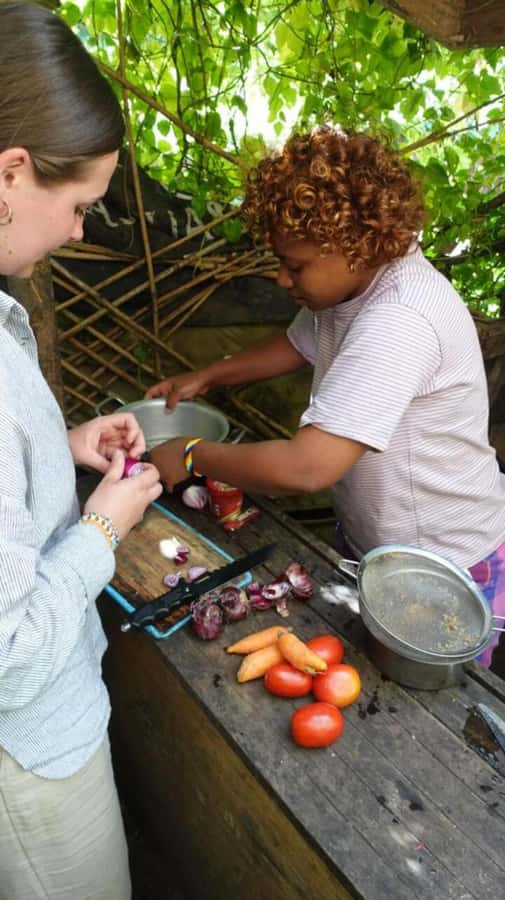
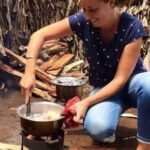
Now you’re in the main workshop, cooking together in that wooden hideaway. This is where your time becomes active. You’ll learn how to prepare ingredients the traditional way and cook multiple dishes, not just watch someone else do it from a distance.
Expect a lot of practical instruction: how ingredients are handled, how steps are sequenced, and how the kitchen flow works when you’re cooking as a group. Even if you’ve cooked before, this is different from a standard home recipe lesson because you’re working with local ingredients chosen from the market.
One of the best parts is the group energy. People tend to compare notes as they cook, ask questions, and share what they like. It’s not a lecture environment. It’s a working kitchen vibe, the kind where you can pick up small techniques and actually remember them later.
Also, be ready to taste as you go. The included meal is a reward, but you’ll likely get chances to sample flavors and adjust your palate as you cook.
Why the vegetarian buffet lunch feels like the point
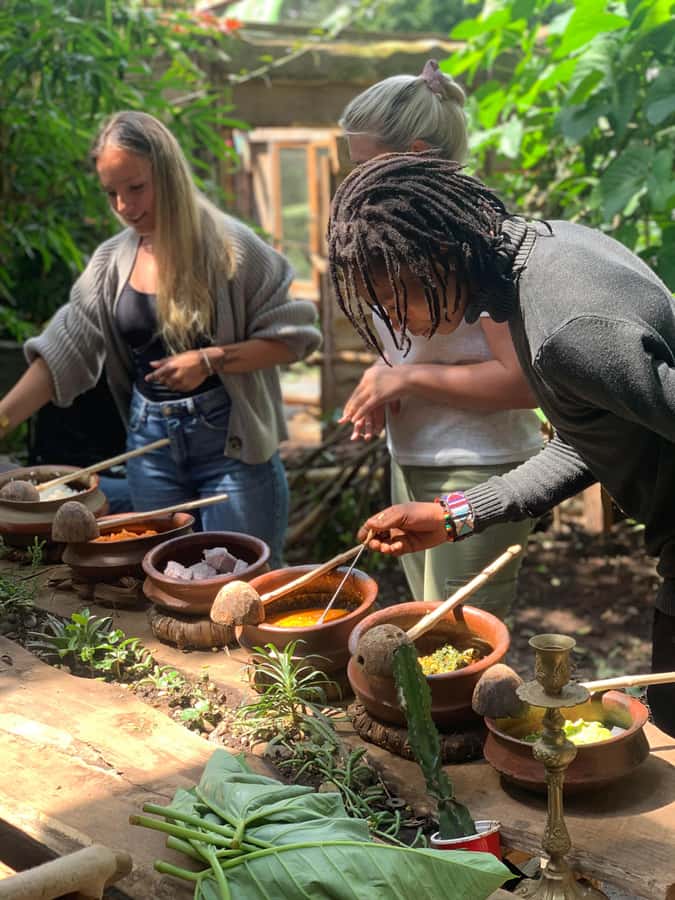
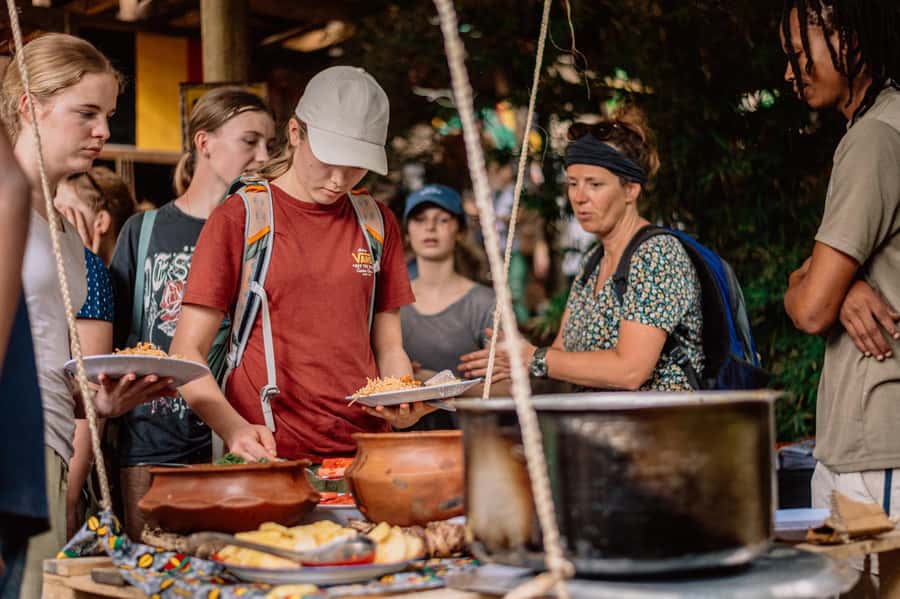
The lunch is included, and it’s not prepackaged or reheated. You’ll eat a delicious vegetarian buffet lunch cooked fresh with local ingredients, using what you selected earlier in the market.
This kind of meal is where the lesson clicks. If you came for cooking techniques, you’ll appreciate the final dishes. If you came for culture, the food does the talking. And if you simply love vegetarian meals that feel hearty and satisfying, this is the sweet spot.
The best way to think about the lunch: it’s a culmination of decisions. The produce you negotiated for, the cooking methods you learned, and the adjustments for dietary needs all show up on the plate. It’s home-cooked in the truest sense, just with a teacher guiding you and a group sharing the table.
You’ll also have time to relax and eat properly, not just squeeze in a snack before the next photo stop. That alone makes this class feel like real travel, not a rushed activity block.
Coffee, trees, and the stories that make it personal
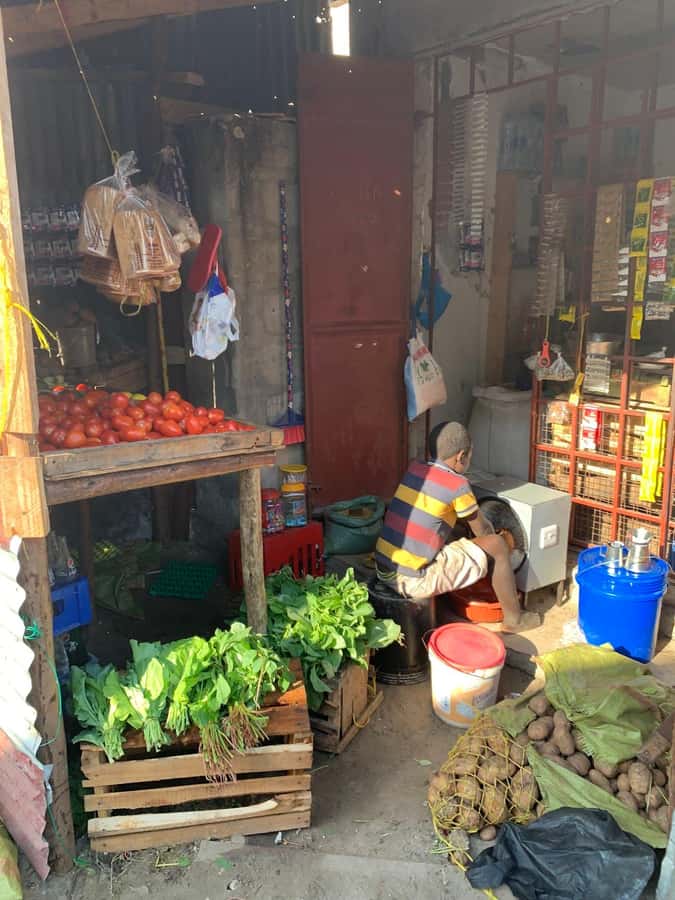
Food is the headline, but the class has a strong culture side. There’s time to exchange stories and learn about local Tanzanian culture during and after cooking. That conversation part is more than polite chatting. It’s how you understand what you’re eating and why it fits into daily life.
One class experience highlighted help from a guide named Ozili, who explained different trees and plants around the area. If you’re the type who likes learning how people read their surroundings, this will land well. It turns a farm walk into something informative, not just scenic.
There’s also coffee tied to the experience. One review noted that you can get coffee during the workshop from the family’s own farm. So even if you only drink coffee occasionally, it adds a real sense of place. You’re tasting something connected to where you are, not just buying a drink and moving on.
And yes, the stories can be genuinely funny. One recent class experience described the hosts as nice and amusing, with lots of effort to make sure you have the best time. That friendliness matters because cooking can be messy, and you’ll enjoy it more if the atmosphere stays warm and forgiving.
Price and logistics: what the $50 covers, and what to plan for
At $50 per person for a 5-hour experience, you’re paying for three things: guided market shopping, hands-on cooking instruction, and an included fresh meal with all food and drink. For Arusha, that can be good value if you want something more meaningful than a standard tour drive and a short meal.
What you should factor in is what isn’t included. Pickup and dropoff are not included in the base price. They offer pickup and dropoff from central locations for an extra $15 total (45,000tsh), paid in cash. If you are staying outside central areas, that add-on could save you time and stress.
Meeting the class without pickup can also be slightly trickier, depending on where you are in town. The instructions are workable, though. You can find the provider on Google, or take a bus to Kambi Ya Chupa Madukani and ask a motorbike driver to take you to Kingstone. If you’re comfortable with local directions, you can handle it.
Finally, plan your spending style. Extras like coffee purchases beyond what’s included, or gifts to take home, are additional and you can only pay with cash for those extras. If you want proof for expenses, handwritten receipts are offered.
Who this class is best for
This is a great fit if you:
- want a hands-on food experience instead of a passive tour
- enjoy vegetarian meals and want Tanzanian dishes that are built for plant ingredients
- like meeting people and hearing personal stories, not just facts
- are comfortable using cash for small extras
It may be less ideal if you:
- strongly prefer included transport, because pickup is optional at an extra cost
- want a super fast, strictly structured cooking demo with no cultural conversation
- need payments for extras by card, since cash is required for those
Also, it suits people who like ethical community-based tourism. The farm and family involvement are part of the design, and multiple class experiences emphasized projects connected to coffee and local community life.
What to bring and how to enjoy it more
Since you’ll be cooking and shopping, dress for comfort. Wear clothes you don’t mind getting a little food dust or market dirt on, and use shoes that work on outdoor ground. Bring a small bag for personal items and keep your essentials close while you shop.
If you have dietary requirements, plan to communicate them clearly before the main cooking starts. That increases your odds of getting dishes that match your needs without last-minute scrambling.
And bring a relaxed mindset. This is a friendly family-style class in a working farm setting. The pacing may feel more human than clockwork, and that’s part of the charm.
Should you book Kingstone Asilia’s Arusha cooking class?
Book it if you want your Arusha trip to taste like the place, not like a generic tourist meal. The combination of market ingredient shopping, traditional cooking instruction, and a fresh included vegetarian buffet lunch makes it feel complete. Add the farm setting, coffee from their own place, and culture talk with people like Ozili, and you get far more than a recipe lesson.
Skip it or reconsider if you need pickup included in the price or if you rely on card payments for everything. With the cash-only rule for extras, it’s smart to come ready for small purchases.
If you’re hungry for authenticity, vegetarian food, and a relaxed day in green countryside on the outskirts of Arusha, this is one of the better ways to spend 5 hours.
More Zanzibari Kitchens
- NGO Lifted Strong – Traditional Tanzanian Cooking Class
★ 5.0 · 39 reviews - Arusha: Traditional Tanzania Cooking Class & Food Market Tour
★ 5.0 · 34 reviews - Cooking and Sewing & Jewelry Workshops in Arusha
★ 5.0 · 14 reviews - Street Food and Community Walking Tour
★ 5.0 · 12 reviews - Arusha: Traditional Tanzania Cooking class& Food Market Tour
★ 4.9 · 12 reviews
Just added from around Arusha

Tanzanian Cooking Classes and Food Tours, compared.
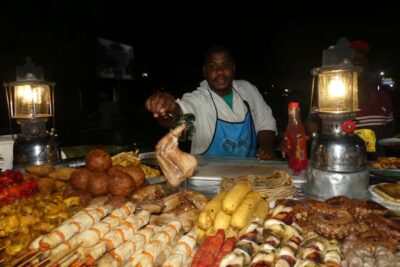 ★ 4.7Stonetown: Food Markets and Street Food Walking TourFrom $35151 reviews
 ★ 4.7Zanzibar: The Swahili Spice Experience – Spice Tour + Culinary JourneyFrom $2196 reviews
 ★ 4.5Zanzibar Cooking Class & Spice TourFrom $4077 reviews
 ★ 4.8Zanzibar: Spice Farm Tour with Traditional Cooking LessonFrom $6577 reviews
 ★ 5.0Authentic Street Food Tours in Stone Town, ZanzibarFrom $4046 reviews
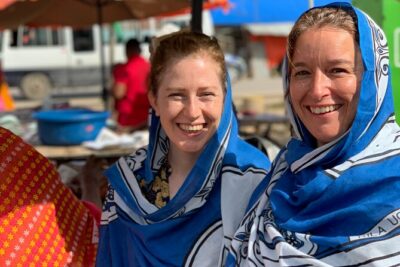 ★ 5.0Mamas of Zanzibar – A Unique Cultural & Culinary ExperienceFrom $11645 reviews
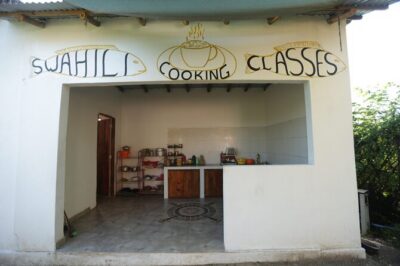 ★ 4.5Half-Day Kuza Cave Swimming Adventure and Cooking ClassFrom $1344 reviews
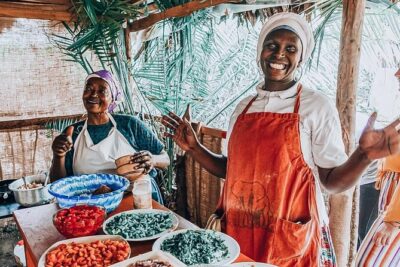 ★ 5.0NGO Lifted Strong – Traditional Tanzanian Cooking ClassFrom $5039 reviews
Browse the lists this tour appears in