
REVIEW · TANZANIAN COOKING CLASSES AND FOOD TOURS
Cooking and Sewing & Jewelry Workshops in Arusha
Sewing, spices, and real purpose in Arusha. This 3-hour, private-style workshop run by WEHAF (Widows Encouragement and HIV/AIDS foundation) takes you from an easy meeting spot into a working mama center where women teach practical skills, with an English-speaking guide named Glory.
I especially like the hands-on teaching. You either learn Tanzanian cooking step by step, or you choose an item and fabric and watch a mama sew it while you learn simple local jewelry-making too.
One thing to consider: you’ll do one track only. Choose cooking or sewing and jewelry, because you cannot combine both in the same session.
In This Review
- Key takeaways before you go
- WEHAF’s workshop setup: purpose you can see, skills you can use
- Meeting at Pillars Bar & Lounge, then meeting the mama center
- Cooking option in Arusha: spices, chapati or pilau, and a shared lunch
- Practical notes for cooking day
- Sewing and jewelry in Arusha: choose fabric, watch the sewing, then make your own piece
- What makes the sewing track worth it
- What you pay, what you actually get, and how to judge value
- Making it work smoothly: time, tickets, and the best mindset
- Who this Arusha experience is best for
- Should you book the WEHAF cooking or sewing and jewelry workshops?
- FAQ
- Where does the workshop start?
- How long is the experience?
- Is this private or shared with other groups?
- Do I choose between cooking and sewing and jewelry?
- What is included in the price?
- Is there an English-speaking guide?
- Will I get anything to take home?
- Is it easy to reach, and are service animals allowed?
- What is the cancellation policy?
Key takeaways before you go
- Choose your track: cooking, or sewing plus jewelry
- Guide in plain English: Glory walks you through what you are doing
- You see the mama center and the daycare: kids learn and play while adults work
- Step-by-step instruction: from spices to chapati or pilau, or from fabric to finished items
- Take-home souvenirs: local pieces you helped create, plus sewn items from the program
More Zanzibari kitchens to sit in
- NGO Lifted Strong – Traditional Tanzanian Cooking Class★ 5.0 · 39 reviews
- Arusha: Traditional Tanzania Cooking Class & Food Market Tour★ 5.0 · 34 reviews
- Cooking and Sewing & Jewelry Workshops in Arusha★ 5.0 · 14 reviews
- Street Food and Community Walking Tour★ 5.0 · 12 reviews
WEHAF’s workshop setup: purpose you can see, skills you can use
WEHAF stands for Widows Encouragement and HIV/AIDS foundation, and that mission is not just on a poster. When you arrive, you are guided through a real working center where women are teaching, and children have a daycare space to attend while classes happen. It feels grounded, not performative.
From your point of view as a visitor, the biggest win is that the experience is practical. You are not only watching someone work, you are learning steps: how spices show up in Tanzanian dishes, or how a sewing process starts and ends with an item made from chosen fabric. That means you can walk away with both a memory and something you could recreate later.
There is also a social-jobs angle here, which matters if you care about more than a quick photo stop. The program is built to support vulnerable groups and improve economic empowerment. So when you buy a workshop, you are directly funding the kind of skills training the center runs every day.
Meeting at Pillars Bar & Lounge, then meeting the mama center
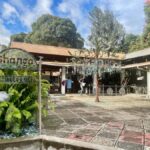
Your start point is Pillars Bar & Lounge near WEHAF, on LARRY V GARDENOlkereyan Bypass Road in Arusha. The meeting spot matters because it keeps the experience simple. You do not need to find a back-alley location, and you can use public transport since the area is noted as near transport routes.
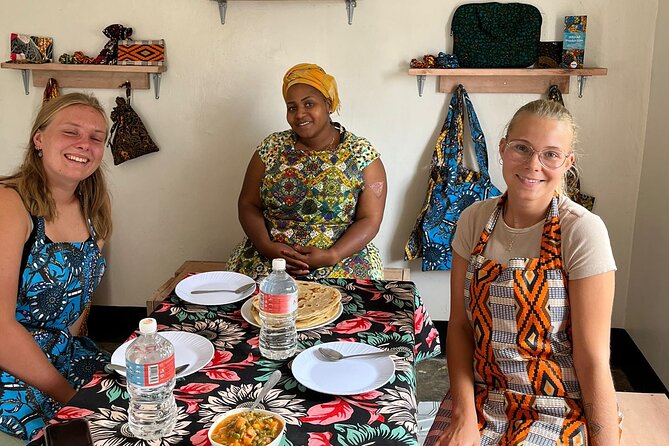
You will meet Glory, who is the English-speaking guide. She helps you get your bearings fast and explains what the center is doing. Then you will see the mama center, where the sewing and cooking classes take place.
While you are there, the daycare area is part of the story. Their children go to daycare where they learn and play. Seeing that in action adds context. It also explains why the adult workshops run on a schedule, since the kids have a place to be looked after during class time.
Cooking option in Arusha: spices, chapati or pilau, and a shared lunch
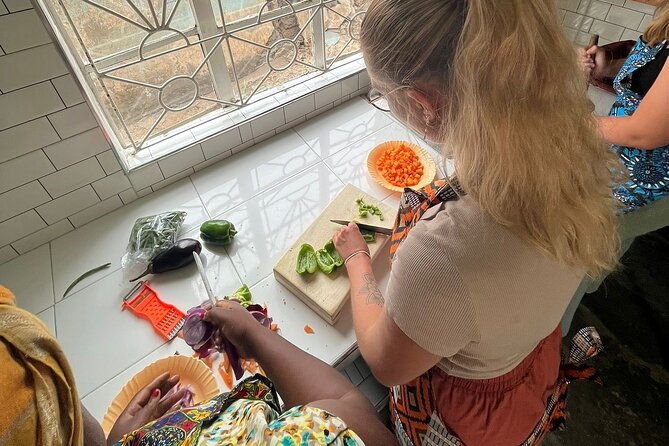
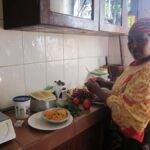
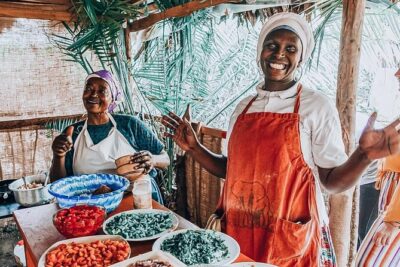
If you pick the cooking workshop, you go from the mama center to the kitchen at the daycare. Glory will brief you on the spices used for Tanzanian dishes. Even if you do not consider yourself a foodie, this part is useful. Spices are where flavor habits come from, and a quick guide helps you understand what you are tasting later.
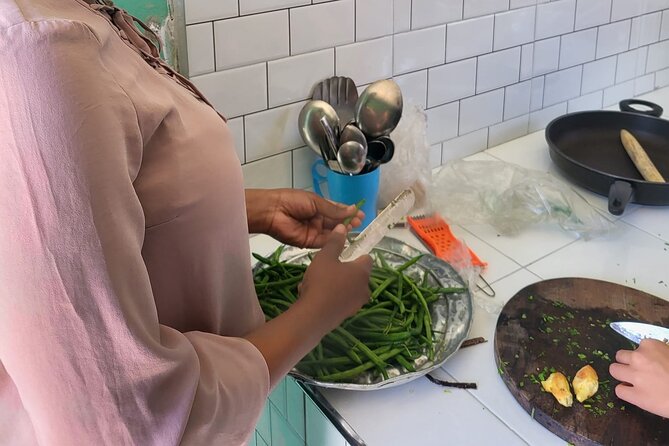
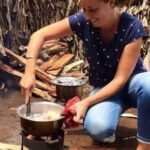
Then the mamas teach step by step. You learn how to make either chapati or pilau. The key word here is step by step, because it turns the cooking into something you can actually follow. You are not guessing. You are guided through each stage of the process.
After the cooking, you share local lunch together. That meal is not a random afterthought. It is the payoff for the skills you just practiced, and it is also a calm moment where you can talk with the women teaching you and ask questions in a natural setting.
The schedule includes a surprise after lunch. The exact nature of that surprise is not spelled out in the details you get ahead of time, but the structure is clear: lunch, then a little extra something at the end. Plan to stay through the full time window so you do not miss that last part.

Practical notes for cooking day
- Bring your appetite. You are going to eat what you help make.
- Pick the dish based on your preference: chapati tends to feel more bread-forward, while pilau leans into spiced rice style flavors.
- Wear comfortable clothes you do not mind getting a little cooking-studio contact, since it is a working kitchen setting.
Sewing and jewelry in Arusha: choose fabric, watch the sewing, then make your own piece
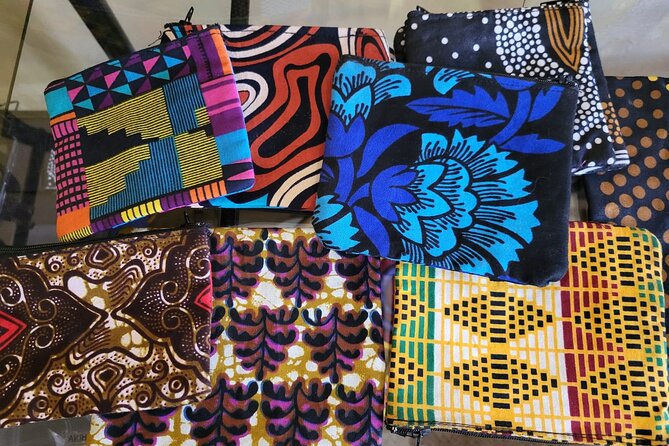
If sewing and jewelry are your thing, you will visit the mama center again with Glory. This is where you get a more craft-focused experience.
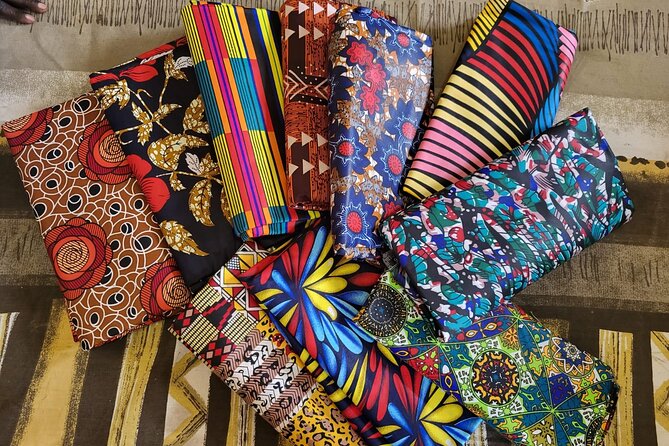
First, you work with the mamas to choose what you want made from their collection and what fabric you prefer. That choice point is important because it turns the workshop from a demo into something personal. You are shaping the outcome, not only observing.
Then one mama starts sewing your item. You are watching a real sewing process happen step by step, which is different from a generic craft class. It also helps you see the difference between cutting material and actually assembling the final piece.
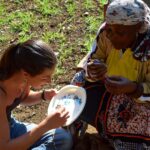
While sewing happens, you learn how to make your own jewelry with a local Maasai mamma. This adds a cultural craft layer that feels distinct from sewing alone. The jewelry part is hands-on and usually what people remember because you walk away with something you personally assembled.
At the end, you receive beautiful local souvenirs. People have also left with sewn items like tote bags after learning to sew through the program. You should treat that as an example of the kind of things that may be available in the item collection, not as a guaranteed specific item for every session.
What makes the sewing track worth it
The most valuable part is the pairing: you get sewing support from the mamas, plus jewelry instruction from a Maasai instructor. That combination gives you two take-home skills, even if you only build one finished jewelry piece during the workshop.
It also gives you time to interact without feeling rushed. Sewing runs at a pace that invites questions and small conversations. That is one reason this option works well for people who like learning through conversation, not only through a classroom vibe.
What you pay, what you actually get, and how to judge value
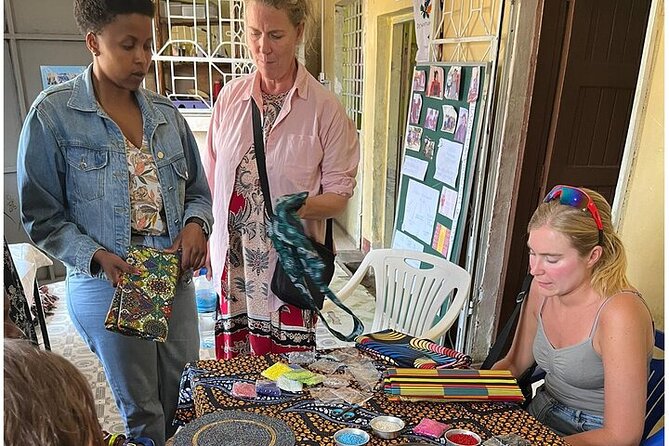
The price is $33.00 per person for approximately 3 hours. For Arusha, that is a fair chunk of time for a hands-on class, especially because it includes time with a local guide and structured instruction from the women running the center.
But here is the detail you should double-check when booking: the listed included items are coffee and/or tea, plus tea and a snack. The workshop selection (cooking, or sewing and jewelry) is marked separately under not included. In plain terms, you want to confirm your booking includes the specific workshop you want, not just the meet-and-greet portion.
That said, the experience description clearly explains meals and activities. For the cooking option, there is local lunch included after you cook. So if you choose cooking, plan on eating what you make.
Value-wise, I think the strongest justification for the $33 is this: you are paying for a skill lesson plus a chance to support a program that empowers women and supports children through daycare. You are not paying mainly for a souvenir. You are paying for the instruction, the teaching time, and the social mission of WEHAF.
Also, the experience is private for your group, meaning only your group participates. That often improves the experience quality, because you are not squeezed into a crowded schedule. It is a better setup for asking questions and actually doing the tasks.
Making it work smoothly: time, tickets, and the best mindset
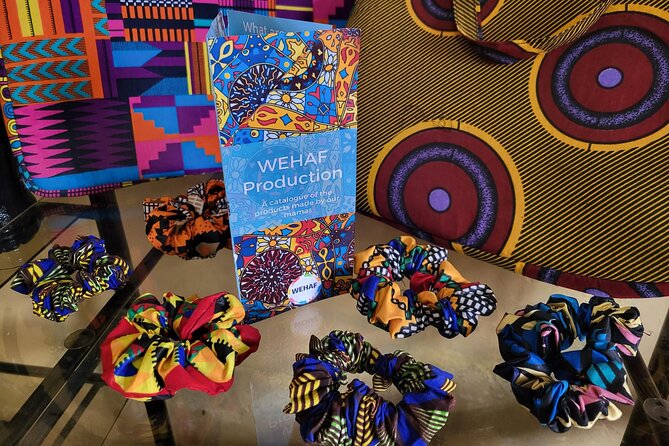
This activity runs about 3 hours. That length is perfect if you want something real but you still need room to explore Arusha later. It also matches how workshops work: short enough to stay focused, long enough for actual practice and a finished outcome like jewelry and sewn souvenirs.
You will use a mobile ticket, and confirmation is received at booking. That is useful if you like keeping everything on your phone and avoiding last-minute paperwork stress.
The experience location is described as near public transportation, and service animals are allowed. That matters if you prefer a low-friction start or you need to travel with a companion animal.
The biggest mindset tip is to treat this like a learning session, not a transaction. Ask questions about spices, about fabric choices, about how jewelry designs come together. Glory can guide you, and the mamas can explain what they are doing. When you show interest, the whole tone changes.
Finally, choose your workshop based on how you want to spend your time:
- If you like food and want a dish lesson you can use later, pick cooking.
- If you like making things and want a craft memory you can keep, pick sewing and jewelry.
Who this Arusha experience is best for
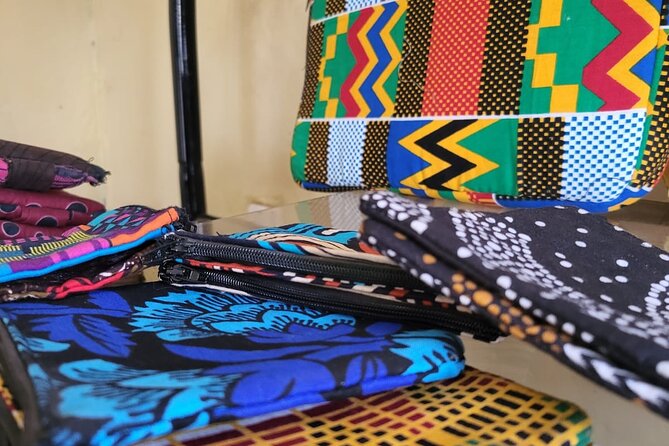
This is a strong fit for people who want hands-on activities with a clear local connection. If you enjoy craft work, cooking lessons, or cultural skill-sharing, this will feel like your kind of day.
It also works well for groups who want a meaningful activity without needing a long travel day. Because the format is private for your group and lasts about 3 hours, you can slot it into an Arusha itinerary without it taking over the whole day.
Where it might not be ideal is if you want a full-day program or if you want both tracks in one sitting. Since you choose either cooking or sewing and jewelry, you have to pick based on what matters most to you.
Should you book the WEHAF cooking or sewing and jewelry workshops?
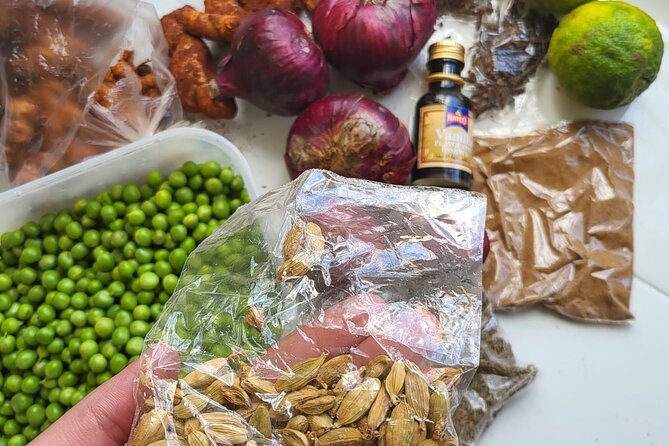
If you are looking for an Arusha experience that mixes real teaching with a mission you can understand, I think you should book it. The program centers on skill building, and you get a guide in Glory plus instruction from the mamas and a Maasai instructor for jewelry. That combination is exactly what makes the class feel authentic and not like a staged craft.
Book cooking if you want to learn Tanzanian staples like chapati or pilau, taste your work at lunch, and enjoy the structure of step-by-step cooking guidance. Book sewing and jewelry if you want to choose fabric, watch sewing happen, and create your own local jewelry piece.
Before you confirm, do one quick thing: make sure your booking clearly includes the workshop option you want, since only coffee/tea and a snack are specifically listed as included. If that is sorted, this is an excellent value choice for a short, meaningful, hands-on visit in Arusha.
FAQ
Where does the workshop start?
You start at Pillars Bar & Lounge near WEHAF, on LARRY V GARDENOlkereyan Bypass Road, Arusha, Tanzania.
How long is the experience?
The activity lasts about 3 hours.
Is this private or shared with other groups?
It is private for your group. Only your group will participate.
Do I choose between cooking and sewing and jewelry?
Yes. You can choose either the cooking workshop or the sewing and jewelry workshop.
What is included in the price?
Coffee and/or tea are included, along with tea and a snack. For meals and the main workshop activities, check which workshop option you selected, since the workshop itself is marked separately.
Is there an English-speaking guide?
Yes. Glory is the English-speaking guide who supports you throughout.
Will I get anything to take home?
At the end, you receive beautiful local souvenirs. In the sewing and jewelry track, items you help create are part of the takeaway.
Is it easy to reach, and are service animals allowed?
The activity is near public transportation, and service animals are allowed.
What is the cancellation policy?
You can cancel for a full refund if you do it at least 24 hours before the start time. If you cancel within 24 hours of the start time, the amount paid is not refunded.
More Zanzibari Kitchens
- NGO Lifted Strong – Traditional Tanzanian Cooking Class
★ 5.0 · 39 reviews - Arusha: Traditional Tanzania Cooking Class & Food Market Tour
★ 5.0 · 34 reviews - Street Food and Community Walking Tour
★ 5.0 · 12 reviews - Arusha: Traditional Tanzania Cooking class& Food Market Tour
★ 4.9 · 12 reviews - Waterfalls, Coffee, Hotsprings, Food Cuisine, & Serval Wildlife
★ 5.0 · 6 reviews
Just added from around Arusha

Tanzanian Cooking Classes and Food Tours, compared.
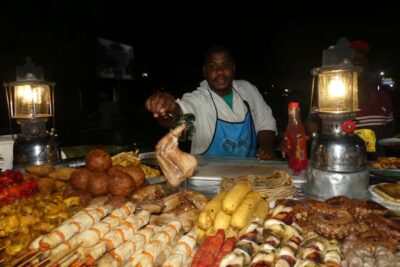 ★ 4.7Stonetown: Food Markets and Street Food Walking TourFrom $35151 reviews
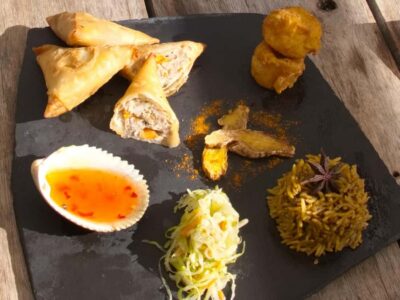 ★ 4.7Zanzibar: The Swahili Spice Experience – Spice Tour + Culinary JourneyFrom $2196 reviews
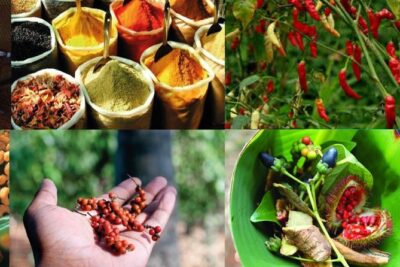 ★ 4.5Zanzibar Cooking Class & Spice TourFrom $4077 reviews
 ★ 4.8Zanzibar: Spice Farm Tour with Traditional Cooking LessonFrom $6577 reviews
 ★ 5.0Authentic Street Food Tours in Stone Town, ZanzibarFrom $4046 reviews
 ★ 5.0Mamas of Zanzibar – A Unique Cultural & Culinary ExperienceFrom $11645 reviews
 ★ 4.5Half-Day Kuza Cave Swimming Adventure and Cooking ClassFrom $1344 reviews
 ★ 5.0NGO Lifted Strong – Traditional Tanzanian Cooking ClassFrom $5039 reviews
Browse the lists this tour appears in