
REVIEW · ARUSHA CITY TANZANITE AND HERITAGE TOURS
Arusha: Cultural Heritage, Tanzanite Tour
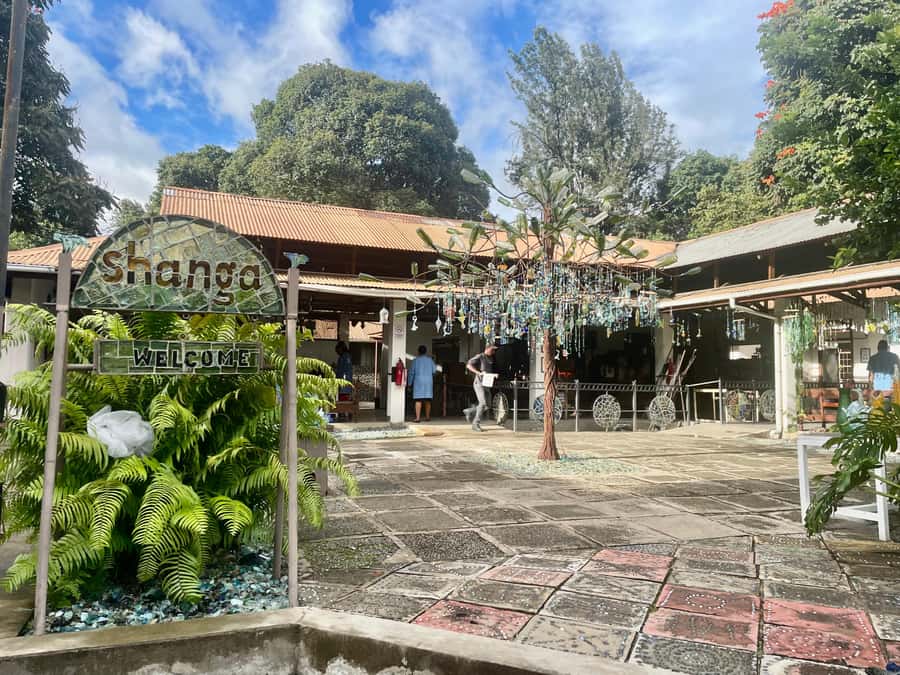
Two stops, big stories. This Arusha tour mixes African art with a clear, hands-on Tanzanite lesson, then ends with meeting makers at a local foundation. I especially like the way the day connects visuals, from masks and sculptures to jewelry inspiration, with a practical explanation of how Tanzanite becomes a finished stone.
I also like that you get a local guide who keeps things friendly and easy to follow, whether you’re an art person or just curious about the gemstone. One possible drawback: it’s culture and crafts focused, so if you’re only in Arusha for wildlife, this may feel a bit more indoors than you want.
In This Review
- Key things I’d circle before you go
- Arusha Cultural Heritage and Tanzanite: the practical, culture-first plan
- First stop: Cultural Heritage Centre and its African art galleries
- How Tanzanite becomes a lesson, not a sales pitch
- The local foundation: recycled-material crafts and disability inclusion
- Hotel pickup and drop-off in Arusha: why it keeps the day easy
- Price and value: what $29 buys you in a three-part cultural day
- What to bring (and how to make your camera count)
- Languages and the guide style that keeps things clear
- Art lovers, gift shoppers, and Tanzanite curious visitors
- Should you book the Arusha Cultural Heritage, Tanzanite Tour?
- FAQ
- Where in Arusha does this tour operate?
- What are the main stops on the tour?
- Is hotel pick-up and drop-off included?
- Are entry fees included?
- What is taught during the Tanzanite portion?
- What kind of items do the artists make at the foundation?
- What languages is the tour offered in?
- What should I bring?
- Can I reserve and pay later?
- What is the cancellation policy?
Key things I’d circle before you go
- African art in one well-designed stop, with sculptures, masks, paintings, and artifacts
- Tanzanite explained from mine to jewelry, plus what makes it unique scientifically and culturally
- A foundation visit focused on disability inclusion, where artists make items using recycled materials
- Meet-the-makers energy, not just looking from behind glass
- Hotel pickup and drop-off in Arusha, which keeps the day stress-free
Around Arusha on foot, a few more
- Arusha Guided Walking City Tour, Culture, Lifestyle & History★ 5.0 · 150 reviews
- Full Day Arusha City Tour★ 5.0 · 18 reviews
- Tanzanite experience tour – Tanzanite shopping in Arusha★ 5.0 · 12 reviews
- Arusha City Culture and Historical Walking Tour★ 5.0 · 8 reviews
Arusha Cultural Heritage and Tanzanite: the practical, culture-first plan
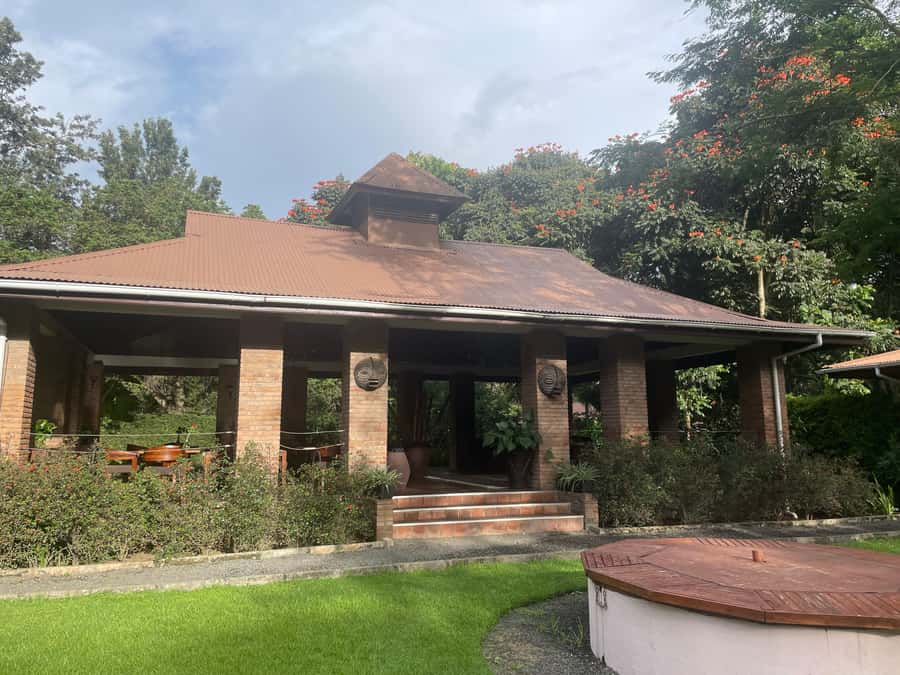
This isn’t a complicated tour. It’s a straightforward Arusha day that aims at three things: art, a gemstone lesson, and real creative work happening in the community. You’ll move through purpose-built spaces and talk to people who care about what they do, not just recite facts.
The best part is the pacing. You start with African art at the Cultural Heritage Centre, which helps you “tune in” to the visual language of the region. Then Tanzanite takes over, so your attention shifts from art objects to a single stone, its transformation, and its meaning. The final stop brings the day back to human stories, where creativity meets sustainability.
If you’re the type who likes a day that feels thoughtful instead of rushed, this fits. If you want nonstop motion and big sightseeing, you might prefer something else.
First stop: Cultural Heritage Centre and its African art galleries
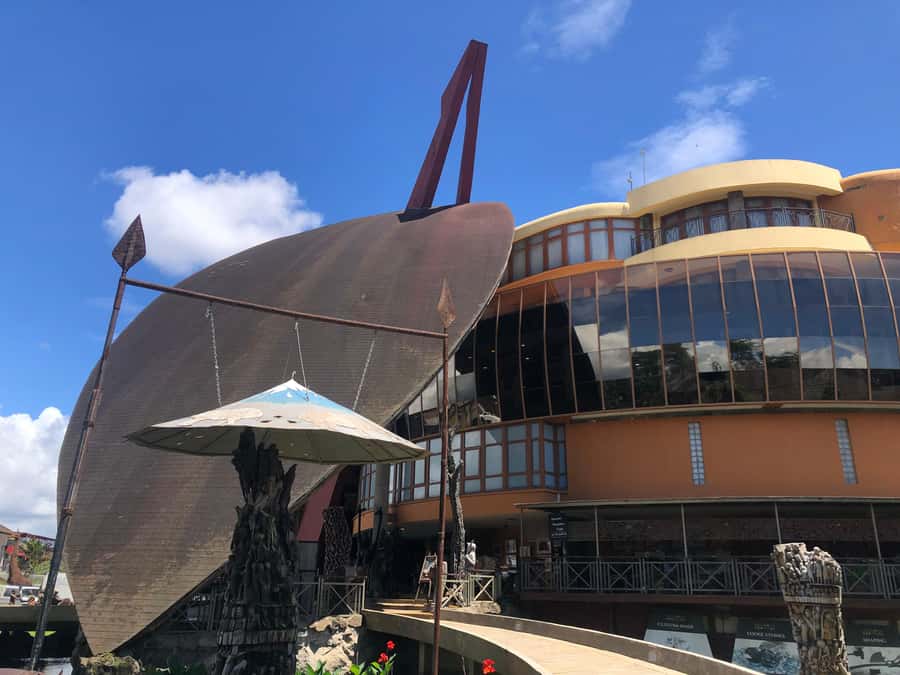
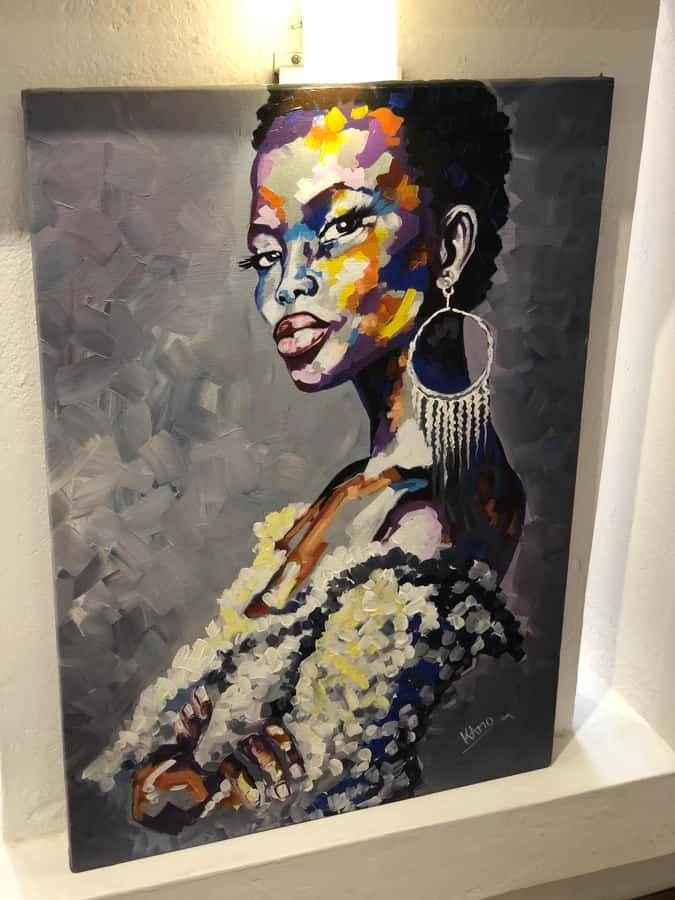
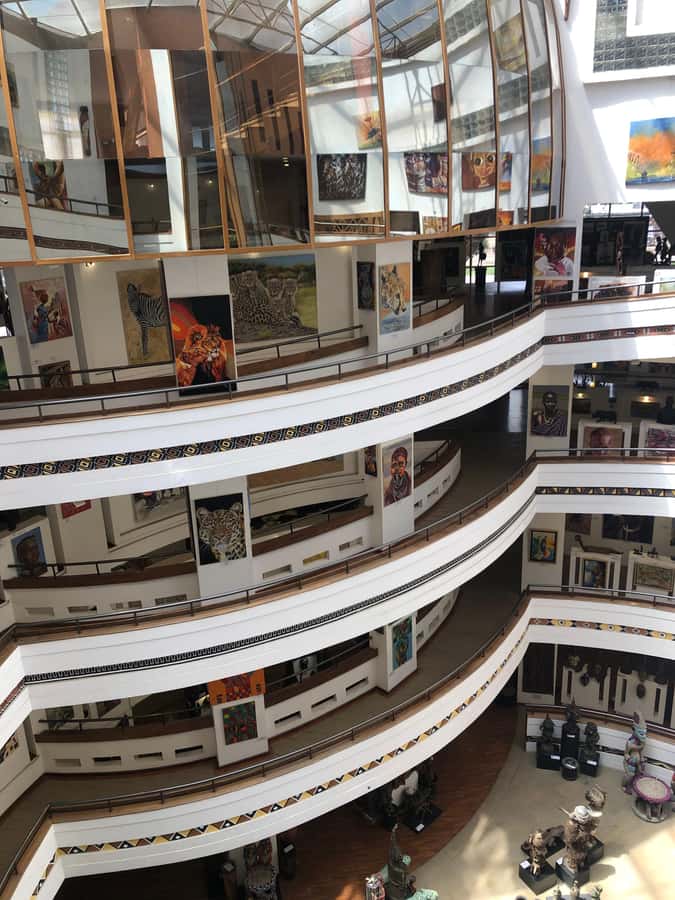
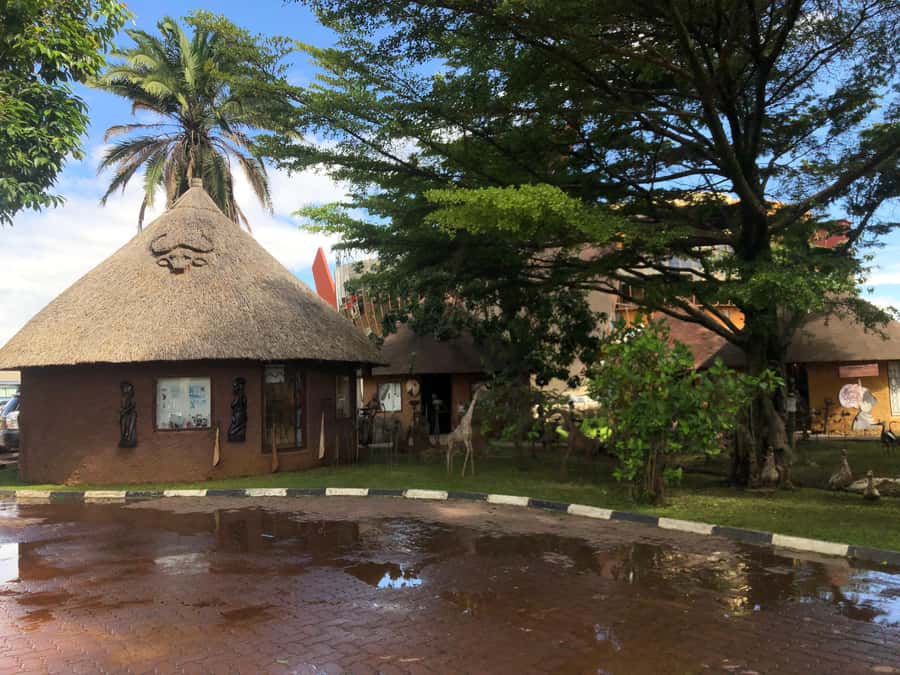
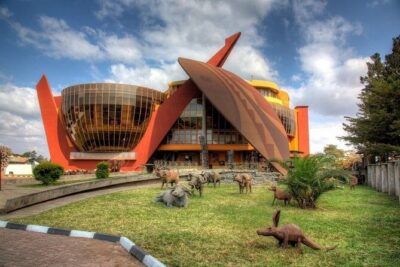
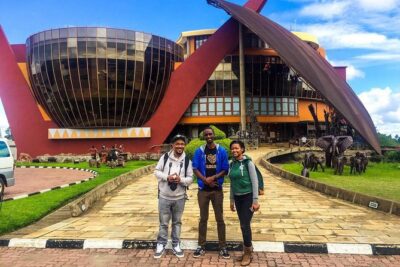
The morning begins at the Cultural Heritage Centre, a key stop for art in Arusha. Expect galleries that show both contemporary and traditional African art, drawn from across the continent. You’ll see a mix of styles and mediums, including sculptures, masks, paintings, and other artifacts.
What I like about starting here is the way it sets context. Before Tanzanite enters the picture, you’re already seeing how design, symbolism, and craftsmanship show up in everyday and ceremonial objects. Even if you know nothing about African art, the centre gives you a clear, organized way to look and learn.
Practical tip: take your time with the smaller pieces and details. It’s easy to rush through when you’re excited about the next stop, but the Cultural Heritage Centre is where you’ll get your best “slow look” time. If you’re planning to photograph, bring your camera and plan for low-light moments inside galleries.
Possible snag to consider: since this is gallery-based, the pace depends on group flow and how quickly you want to read and observe. If you’re the type who hates museum-style browsing, you might want to mentally prepare for a bit of walking and looking.
How Tanzanite becomes a lesson, not a sales pitch
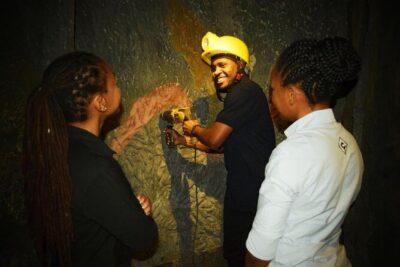
Next comes the Tanzanite segment, guided by a specialist who explains how this gemstone is mined, processed, and transformed into jewelry. You’re not just hearing the marketing version of Tanzanite. You get the process story, the sequence of steps, and the reason the stone’s journey matters.
Tanzanite is known as one of the world’s rarest gemstones, and it’s found only in Tanzania. That fact alone gives the talk urgency and meaning. But the most valuable part is the mix of scientific and cultural explanation, because it connects chemistry and geology to how people value the final jewelry piece.
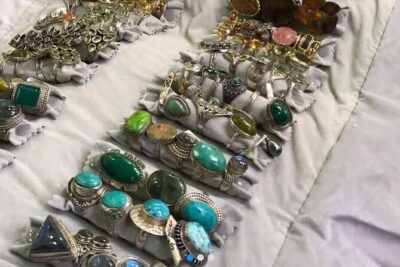
Here’s what this gives you as a visitor: a better eye. After the explanation, jewelry isn’t just pretty. You start noticing how the stone’s characteristics and the transformation steps influence the final look. If you’ve ever stood in front of a gemstone counter and felt like you were missing the point, this part helps you get it.
If you’re thinking about buying Tanzanite jewelry, this is the time to ask questions. Even if you don’t plan to purchase, you’ll understand what you’re seeing. And if you do want to shop, you’ll be doing it with your eyes open instead of on vibes alone.
The local foundation: recycled-material crafts and disability inclusion
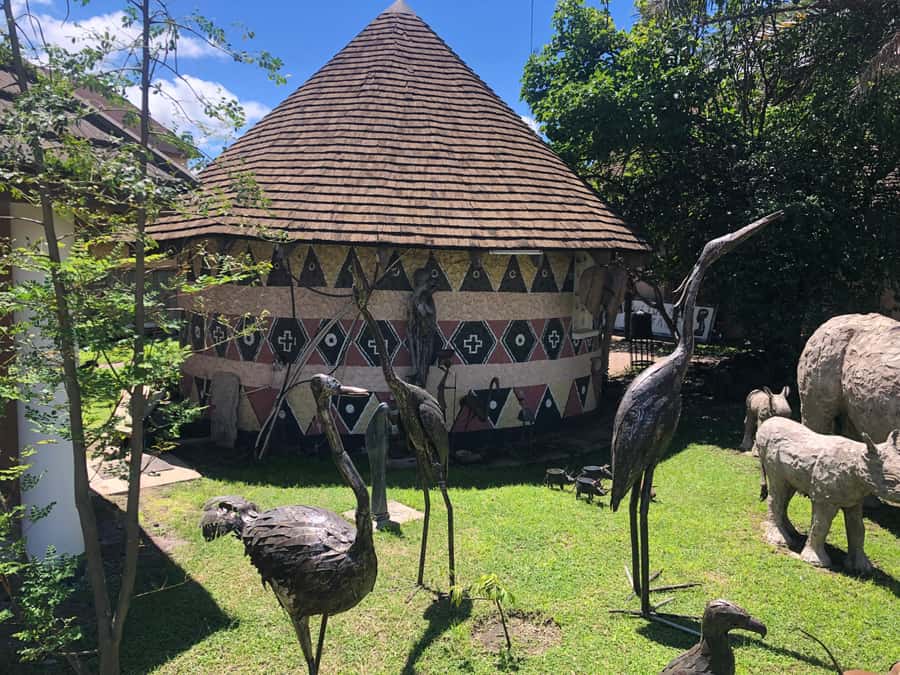
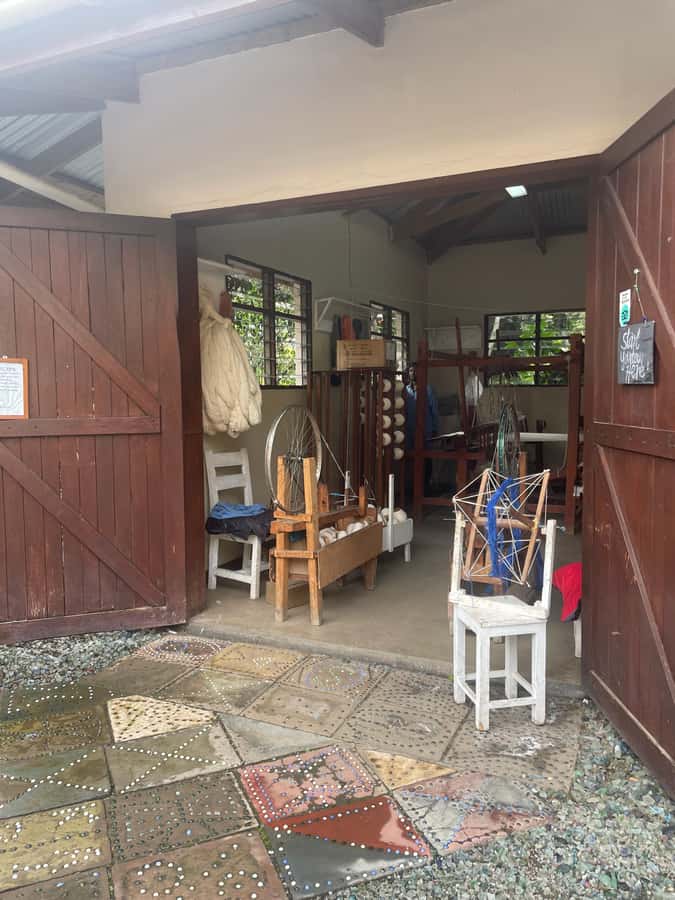
The day ends at a foundation where individuals with disabilities create handcrafted items using recycled materials. This is one of those visits that feels grounded, because you’re seeing the work itself, not just an idea about it.
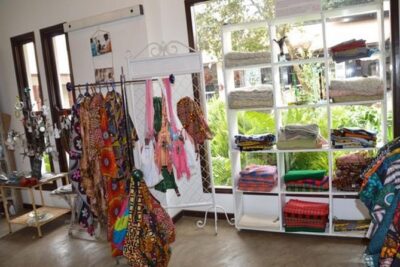
You’ll meet the artists and learn their stories. You’ll also see examples of what they make, including jewelry, blankets, and household items. The goal is creativity plus sustainability, and the connection is easy to understand once you’re there.
Why this stop matters: it shifts the tour from “watching culture” to “supporting people who make culture.” You’re learning that art and craft aren’t separate from daily life. They also aren’t separate from accessibility, because the foundation exists to create space for talent and meaningful work.
A practical note: if you’re photographing, be mindful of people’s comfort and ask if needed. Since the visit involves meeting makers, a respectful attitude goes a long way. Even a simple pause before taking a photo can make the experience feel better for everyone.
Hotel pickup and drop-off in Arusha: why it keeps the day easy
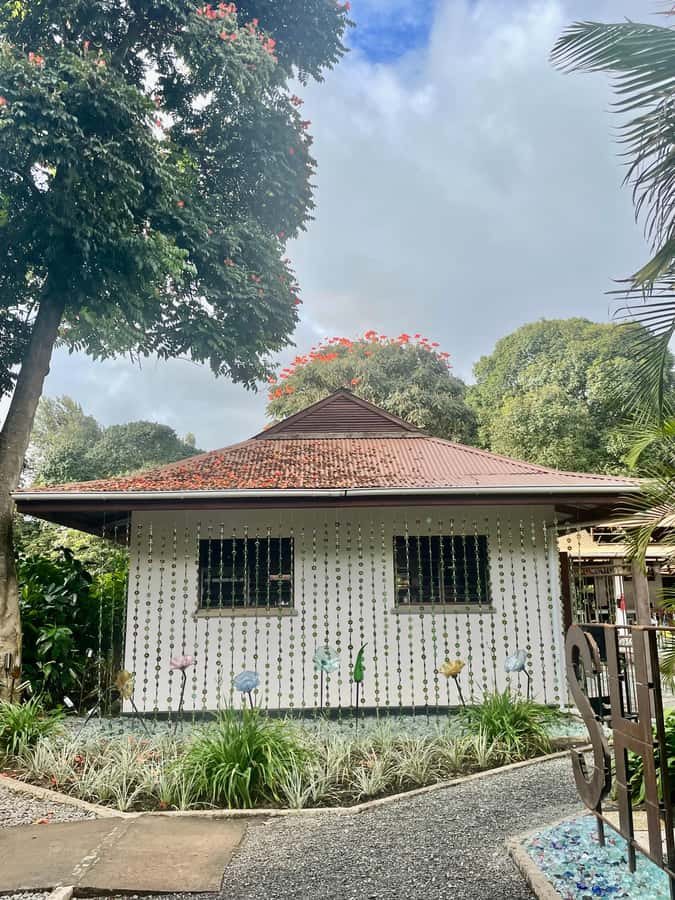
The tour includes hotel pick-up and drop-off in Arusha, which is a big deal if you’re trying to keep your day simple. It means you can spend less time coordinating and more time focusing on what’s in front of you.
That setup also helps with timing. When you’re moving between a centre, a specialist-led lesson, and a foundation stop, the route matters less if someone is already handling the logistics. You still get to control how long you linger at each place, but you’re not stuck figuring out transport mid-day.
Included refreshments also help. Small detail, big comfort factor, especially in warmer conditions. It means you can stay present during the talks instead of spending your energy hunting for water.
Price and value: what $29 buys you in a three-part cultural day
The price is listed at $29 per person. For Arusha, that’s a reasonable rate for a guided, multi-stop experience that includes entry fees, refreshments, and transport within the city.
Here’s where the value really comes from. You’re paying for three guided learning moments: the Cultural Heritage Centre experience, the Tanzanite specialist session, and the foundation visit where you meet the artists. That guidance matters, because it turns “seeing objects” into understanding them.
Also, entry fees are included. That removes a common little hassle that can add up when you’re paying separately for each site. When you’re comparing tours, look at the total package rather than the headline cost, and this one is structured to cover the major essentials.
If you’re traveling on a budget, I’d treat this as a high-leverage day. It’s focused on culture and crafts, but it gives you a lot of content per stop: art viewing, gemstone process knowledge, and firsthand community work.
What to bring (and how to make your camera count)
The only item you’re told to bring is a camera. That’s helpful because it implies a tour designed for visuals. Between artwork at the centre and the craftsmanship at the foundation, you’ll likely want photos to remember details later.
My camera advice for this kind of day is simple:
- Use your phone camera as backup, but bring your main camera if you care about detail.
- Expect mixed lighting inside galleries, so check your settings if your photos usually come out dark indoors.
- At the foundation stop, slow down and ask before photographing people up close.
If you prefer minimal gear, that’s fine too. The big value isn’t your photo quality. It’s the context the guide gives while you’re looking.
Languages and the guide style that keeps things clear
The tour is offered in English and Swahili. That matters because gemstone terms and art descriptions can get technical. If you speak either of those languages, you’ll likely feel more included in the explanations.
From the way this tour is experienced, the guide approach is personable and easy to connect with. That shows up in the kind of day it creates. You get learning without feeling like you’re sitting through a lecture. You can ask questions and feel comfortable doing it.
One thing I appreciate in tours like this is that the guide can switch gears. They can point out what to watch for in art displays, then shift to Tanzanite processing steps, then connect everything to the creative work at the foundation. It keeps the day coherent instead of feeling like random stops.
Art lovers, gift shoppers, and Tanzanite curious visitors
This tour is especially good for you if:
- You love African art and want a dedicated place to see it in a curated setting
- You’re curious about Tanzanite and want the mine-to-jewelry story
- You like meeting makers and understanding what creative work looks like on the ground
- You want a day that ends with meaningful human stories, not just sightseeing
If you’re traveling for shopping, you’ll have opportunities connected to the craft focus. The foundation’s products include jewelry, blankets, and household items, so there’s a chance to find a gift with real meaning behind it.
If you’re not into gems or art at all, this might feel narrow. But even then, the foundation stop can be a powerful way to spend your day in Arusha.
Should you book the Arusha Cultural Heritage, Tanzanite Tour?
Book it if you want a guided Arusha day that feels grounded, educational, and human. I like that it’s built around three connected themes: art you can see, a gemstone you can understand, and a community of artists you can meet. The $29 price makes sense for a tour that includes transport, entry fees, and refreshments.
I would skip it if your priority is wildlife drives, big outdoor views, or a high-adrenaline schedule. This is a culture and crafts tour, and that’s the point. If that’s your style, you’ll probably come away with better questions, a better eye, and a couple of gifts that actually mean something.
FAQ
Where in Arusha does this tour operate?
The tour includes hotel pick-up and drop-off in Arusha. It also takes you to the Cultural Heritage Centre, then to a Tanzanite learning stop, and ends at a local foundation.
What are the main stops on the tour?
You visit the Cultural Heritage Centre, learn about Tanzanite with a specialist, and then go to a foundation where artists create handcrafted items using recycled materials.
Is hotel pick-up and drop-off included?
Yes. Hotel pick-up and drop-off in Arusha are included.
Are entry fees included?
Yes. All entry fees are included.
What is taught during the Tanzanite portion?
A specialist explains how Tanzanite is mined, processed, and turned into jewelry. You also learn what makes Tanzanite unique scientifically and culturally.
What kind of items do the artists make at the foundation?
You’ll see handcrafted items made using recycled materials, including jewelry, blankets, and household items.
What languages is the tour offered in?
The tour is offered in English and Swahili.
What should I bring?
Bring a camera.
Can I reserve and pay later?
Yes. The tour offers a reserve & pay later option, so you can book your spot and pay nothing today.
What is the cancellation policy?
You can cancel up to 24 hours in advance for a full refund.
Arusha on Foot
- Arusha Guided Walking City Tour, Culture, Lifestyle & History
★ 5.0 · 150 reviews - Full Day Arusha City Tour
★ 5.0 · 18 reviews - Tanzanite experience tour – Tanzanite shopping in Arusha
★ 5.0 · 12 reviews - Arusha City Culture and Historical Walking Tour
★ 5.0 · 8 reviews - Arusha Nightlife Tour
★ 5.0 · 7 reviews
Just added from around Arusha



Arusha City Tanzanite and Heritage Tours, compared.
 ★ 5.0Arusha Guided Walking City Tour, Culture, Lifestyle & HistoryFrom $26150 reviews
 ★ 5.0Full Day Arusha City TourFrom $10018 reviews
 ★ 5.0Tanzanite experience tour – Tanzanite shopping in ArushaFrom $3512 reviews
 ★ 5.0Arusha City Culture and Historical Walking TourFrom $358 reviews
 ★ 5.0Arusha Nightlife TourFrom $457 reviews
 ★ 5.0Essence of Arusha City TourFrom $1605 reviews
 ★ 5.024 Hours in Arusha—Arusha Museum, Cultural Heritage, Maasai Market, ShangaFrom $2054 reviews
 ★ 5.0Arusha city tourFrom $3004 reviews
Browse the lists this tour appears in