
REVIEW · MAASAI VILLAGE AND CULTURAL EXPERIENCES
24 Hours in Arusha—Arusha Museum, Cultural Heritage, Maasai Market, Shanga
Four stops, one tidy day in Arusha. This is a smart way to see the city without losing hours to local logistics, since you get door-to-door pickup and private transportation. I also like that the day is built around real stops, not just a drive-by, with admission included for Cultural Heritage Centre, Shanga & Shanga Foundation, Maasai Market, and the Arusha National Natural History & Cultural Museum.
One thing to keep in mind: it is a full 12-hour schedule, and two stops naturally pull you into shopping mode, so you’ll want a budget and a light mindset going in. If you prefer a slow, one-spot-at-a-time pace, plan for breaks where you can.
In This Review
- Key reasons this Arusha day works
- How the 8:00 am start keeps Arusha time on your side
- Cultural Heritage Centre: Tanzanite, crafts, and a clear place to start
- Shanga & Shanga Foundation: craft making with a real social mission
- Maasai Market: how to browse a high-stall market without getting overwhelmed
- Arusha National Natural History and Cultural Museum in a former German boma
- Price and logistics: what you pay for, and what to budget extra
- Who should book this 12-hour private Arusha day
- Should you book 24 Hours in Arusha?
- FAQ
- What time does the tour start?
- How long is the 24 Hours in Arusha tour?
- What does the tour cost?
- Is this tour private?
- What is included in the price?
- Are admission tickets included?
- Is pickup offered?
- What is not included?
- Do I need good weather?
- What is the cancellation policy?
Key reasons this Arusha day works
- Door-to-door pickup so you can start on time and avoid wasting daylight in traffic
- Admission included at each main stop, including Cultural Heritage and Shanga
- Shanga Foundation craft workshops tied to a social enterprise that supports people with disabilities
- A realistic market experience with vendors who encourage you to touch and browse at your own speed
- The Arusha Museum in a former German boma gives you human evolution, German-era context, and wildlife in one place
Around Arusha on foot, a few more
- Arusha Guided Walking City Tour, Culture, Lifestyle & History★ 5.0 · 150 reviews
- Full Day Arusha City Tour★ 5.0 · 18 reviews
- Tanzanite experience tour – Tanzanite shopping in Arusha★ 5.0 · 12 reviews
- Arusha City Culture and Historical Walking Tour★ 5.0 · 8 reviews
How the 8:00 am start keeps Arusha time on your side
This tour starts at 8:00 am, which matters in Arusha. A lot of “half-day” plans start late, then spend the best light time stuck moving between places. Here, the schedule is built to help you actually use the day.
You also get pickup and drop-off at your accommodation, plus private transportation. That means less negotiating in the street, fewer back-and-forth decisions, and more time for the activities you came for. It is especially helpful if you have limited days in Tanzania and you want a city day that feels organized.
The other practical win is the pacing. The stops are spaced so you can switch between culture, making things by hand, shopping, and then a museum that ties local science and colonial-era history together. You are not just sitting in a car for 12 hours, but you should still expect a full day.
Cultural Heritage Centre: Tanzanite, crafts, and a clear place to start
Your morning starts at the Cultural Heritage Centre, set on the outskirts of Arusha. It is one of those places that functions like a “country intro” in physical form, with curio shops, an art space, and several craft-focused counters.
You get 3 hours here, with admission included. Inside, you can browse:
- curio shops and a jewellery boutique
- a tanzanite and precious stones area, plus other stone options
- a restaurant, a bargain-focused section, and an art gallery
If you like to understand what you are looking at, pay attention to the stone section. The centre highlights precious and semi-precious stones like rubies, emeralds, tsavorite, diamonds, sapphires, and opals, and it puts tanzanite front and center as a rare blue or violet stone. Even if you are not buying, it helps to see the range of what is sold locally and how sellers present it.
There are also more shopping-style areas onsite, including an Oneway section and an in-house Spice Centre. That means you can connect crafts with everyday items people actually take home, like textiles and spices.
A balanced note: this is partly a shopping hub, so don’t treat it like a quiet museum. If you dislike sales pressure, go slow, set a “browse only” rule early, and focus on learning what each stall offers. Your guide’s job is to keep you moving at a comfortable speed, so you can still enjoy the place instead of just enduring it.
Shanga & Shanga Foundation: craft making with a real social mission
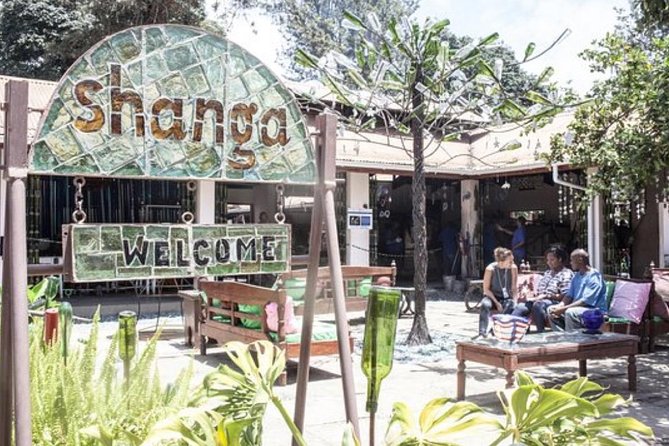
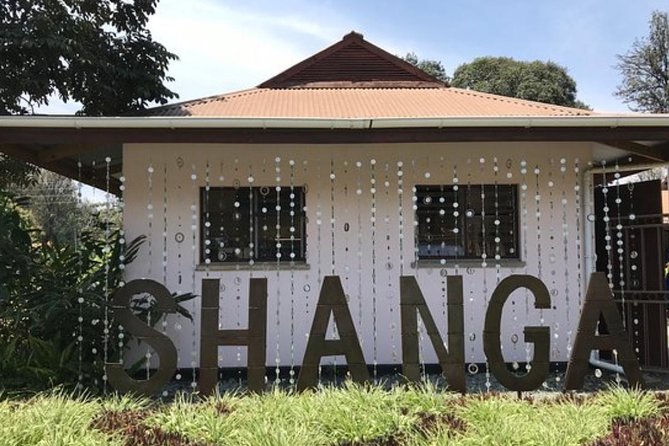
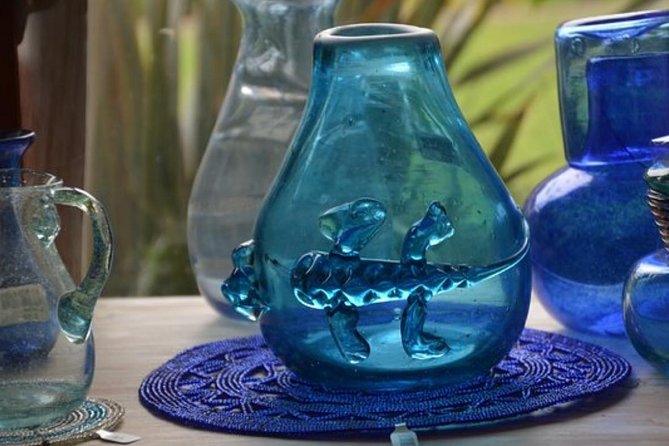
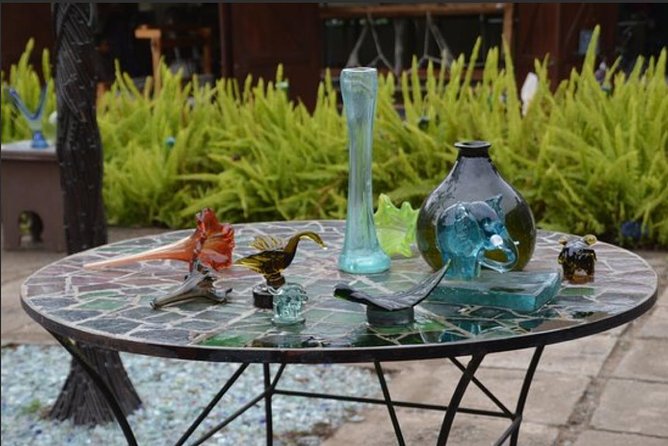
Next comes Shanga & Shanga Foundation, another 3-hour stop with admission included. Shanga is a social enterprise that employs people with disabilities to create handmade jewellery, glassware, and home wares using recycled materials.
What makes this stop feel different from a normal craft shop is that you are not only looking at finished goods. You also get to visit the workplace and see handcrafts being made. That is the heart of why this portion of the day earns a lot of positive attention.
Shanga also includes a workshop style segment. You might see or learn about several kinds of making, such as:
- glass-blowing
- weaving
- sewing
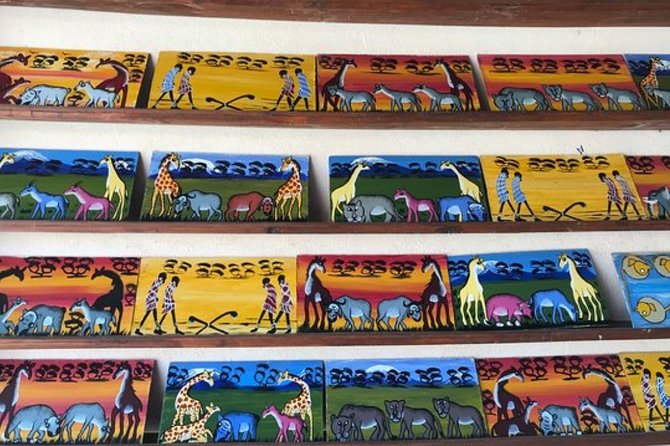
- Tinga Tinga painting
- bead-making
- metal work
Then you can end at the shop where Shanga’s handmade products are showcased. This is where buying makes sense, because you can connect a purchase to the process you just watched and the employment model behind it.
If you like souvenirs that have a story, this is the best place in the itinerary for that. If you are only interested in “pretty things,” you’ll still find plenty to like, but you may enjoy Shanga more if you let the mission guide your attention.
One practical tip: if you plan to buy, bring cash and keep an eye on small-budget items. Handmade work can be priced higher than mass-produced goods, and it is easy to lose track of totals once you start comparing materials and styles.
Other visits hosted by Maasai communities

Maasai Market: how to browse a high-stall market without getting overwhelmed
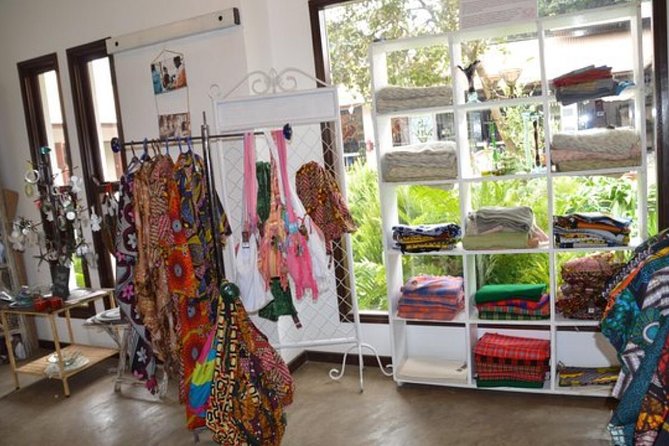
After Shanga, you head to the Maasai Market Curios and Crafts area for another 3 hours. Markets here can feel like sensory overload at first because there are so many stalls, and some stalls carry very similar items while others have different specialties.
The good news is that the market experience is more respectful than many people expect. You’ll notice vendors greeting you and giving you space to look. The pattern tends to be:
- vendors calling you in politely
- a clear message that touching is free
- a steady offer to look around without heavy pressure
In my view, the key to enjoying this market is to treat it like a slow circuit. Start at the entrance, let the first area set the baseline for prices and styles, and then continue around with a plan. Vendors may hand you a medium size basket so you can collect what you want as you browse.
Also, the market tends to feel friendlier when you don’t rush. Even if you decide not to purchase, you can still leave feeling like you had a real interaction instead of just an awkward sales encounter. That matters on a day that already includes two craft-focused stops.
A realistic drawback: with so many stalls, it is easy to spend time standing still, second-guessing, or trying to compare everything at once. If you know you want specific gifts, like smaller crafts for family and friends, decide those categories up front. Then browse to match the category, not to solve every stall’s inventory.
Arusha National Natural History and Cultural Museum in a former German boma
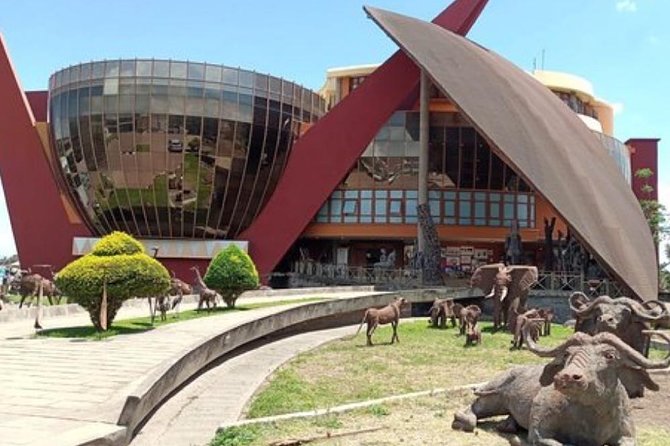
Your final major stop is Arusha National Natural History & Cultural Museum, housed in an old German boma completed in 1900. That setting alone helps: you are not just looking at objects, you are inside a building that points to how the city grew during the German colonial era.
This stop is also 3 hours with admission included. The museum is divided into three parts, and one of them is especially strong: the wing dedicated to human evolution. A big reason it is compelling is that much of what the museum covers relates to fossils unearthed in Tanzania. If you like science and want a deeper sense of why Tanzania matters beyond wildlife, this is a great place for it.
The other sections include:
- displays on insects
- a look at the history of Arusha during the German colonial era
- wildlife photos and mounts
A good way to use your time here is to choose your priority first. If you love human evolution, spend longer there and let the other sections be “checkpoints.” If you prefer animals and natural history, start with wildlife photos and then use insects as a fun visual break from browsing and shopping earlier in the day.
This museum also gives you a nice reset after markets and crafts. The pace is slower. You can sit, walk, and compare, without the constant sense that you need to decide whether to buy something.
Price and logistics: what you pay for, and what to budget extra
The tour costs $205 per person and runs about 12 hours. For a private day that includes pickup, private transportation, lunch, admission tickets at multiple stops, and all fees and taxes, it is priced more like a “day plan” than a simple sightseeing add-on.
Here is what is included:
- Lunch
- All fees and taxes
- Private transportation
- Admission tickets for the main featured stops
- Drinking water and soft drinks during game-drive time blocks (if your itinerary includes any such driving segment)
What is not included:
- Alcoholic beverages
- Personal expenses like camera items, and visa costs if you are bringing them up for budgeting
- Accommodation
- Tips and other personal spending not mentioned
For value, I like that your day is mostly “bought and scheduled.” You are paying for access and time, not just movement. If you tried to piece this together yourself, you would likely spend extra time on transport, and you might lose the smooth timing that lets you actually complete all stops.
My budgeting advice is simple: set aside a separate shopping amount before you enter Cultural Heritage Centre and Maasai Market. Shanga can also include purchases, but it tends to feel more grounded in the craft process you just saw, so you may find your spending aligns better with your values there.
Who should book this 12-hour private Arusha day
This tour fits best if you want:
- a structured city day with pickup and drop-off
- a mix of culture, crafts, and museum time rather than only one type of activity
- to learn quickly, then shop thoughtfully if you want gifts
It also works well for groups that include different interests. One person might love the museum wing on human evolution, while another is happiest watching glass-blowing or bead-making at Shanga, and someone else enjoys market browsing.
Where it may not be the best fit is if you want to escape Arusha entirely for a wildlife-focused safari day, or if you dislike shopping environments. Two stops are strongly tied to commerce and browsing, even though they offer genuine cultural and craft experiences. If that is not your style, you might consider a shorter, museum-first plan.
If you are lucky enough to have a guide like Daniel, expect professional and friendly service with clear local context about Tanzania and Arusha. Even without naming a specific person, the best version of this day is when your guide helps you keep the experience moving and understandable instead of just dropping you at each site.
Should you book 24 Hours in Arusha?
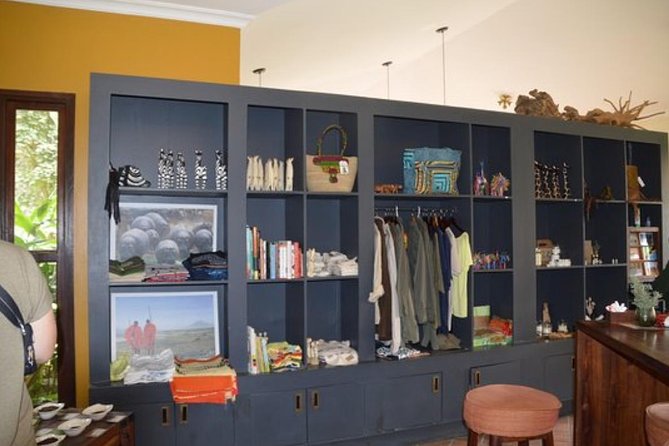
If you have limited time and you want a full “Arusha snapshot” that actually covers multiple kinds of experiences, I think this is a strong buy. The combination of Cultural Heritage Centre, Shanga Foundation, the Maasai Market, and the Arusha Museum gives you variety without requiring you to coordinate transport across town.
Book it if you:
- want admission handled at each stop
- like the idea of seeing craftwork in action, not only browsing items
- appreciate having lunch included and a plan that runs from morning to later in the day
Consider skipping or swapping one stop if:
- you want less shopping time
- you only care about museums or only care about crafts
- you prefer a slower pace where you can linger in one place for longer
FAQ
What time does the tour start?
The tour starts at 8:00 am.
How long is the 24 Hours in Arusha tour?
It is listed as approximately 12 hours.
What does the tour cost?
The price is $205.00 per person.
Is this tour private?
Yes. It is a private tour, and only your group participates.
What is included in the price?
The tour includes lunch, all fees and taxes, private transportation, and drinking water and soft drinks during game drives.
Are admission tickets included?
Admission tickets are included for the Cultural Heritage Centre, Shanga & Shanga Foundation, Maasai Market, and the Arusha Museum.
Is pickup offered?
Yes. Pickup and drop-off at your accommodation are offered.
What is not included?
Alcoholic beverages and personal expenses are not included, and tips are also not mentioned as included. Accommodation is also not included.
Do I need good weather?
Yes. The experience requires good weather.
What is the cancellation policy?
Free cancellation is available, and you can cancel up to 24 hours in advance for a full refund.
Time With Maasai Hosts
- 5 Days Camping Tarangire, Serengeti & Ngorongoro crater & Visiting Maasai
★ 5.0 · 229 reviews - Maasai village visit, Materuni waterfalls & coffee experience
★ 4.5 · 95 reviews - Hidden Arusha Waterfall, Coffee & Village Tour (All-Inclusive)
★ 5.0 · 42 reviews - Kilimanjaro: Maasai Village Visit, Waterfalls, & Coffee Tour
★ 4.9 · 27 reviews - 4 Days Wildlife Safari and Cultural Experience in Tanzania
★ 5.0 · 23 reviews
Arusha on Foot
- Arusha Guided Walking City Tour, Culture, Lifestyle & History
★ 5.0 · 150 reviews - Full Day Arusha City Tour
★ 5.0 · 18 reviews - Tanzanite experience tour – Tanzanite shopping in Arusha
★ 5.0 · 12 reviews - Arusha City Culture and Historical Walking Tour
★ 5.0 · 8 reviews - Arusha Nightlife Tour
★ 5.0 · 7 reviews
Just added from around Arusha




Maasai Village and Cultural Experiences, compared.
 ★ 5.05 Days Camping Tarangire, Serengeti & Ngorongoro crater & Visiting MaasaiFrom $1,254229 reviews
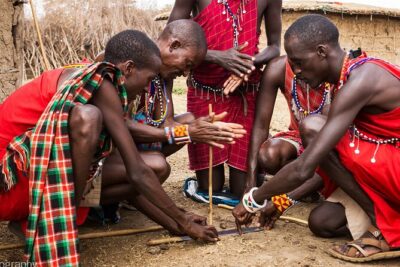 ★ 4.5Maasai village visit, Materuni waterfalls & coffee experienceFrom $15495 reviews
★ 5.05 Days Camping Tarangire, Serengeti & Ngorongoro crater & Visiting MaasaiFrom $1,28058 reviews
★ 4.5Maasai village visit, Materuni waterfalls & coffee experienceFrom $15495 reviews
★ 5.05 Days Camping Tarangire, Serengeti & Ngorongoro crater & Visiting MaasaiFrom $1,28058 reviews
 ★ 4.7Massai village & Baraka turtules aquariumFrom $5742 reviews
 ★ 5.0Hidden Arusha Waterfall, Coffee & Village Tour (All-Inclusive)From $4042 reviews
 ★ 5.0Maasai village visit and Chemka hot-springs with hot lunch.From $12233 reviews
 ★ 4.3Zanzibar: Maasai village Tour with Sunset Dhow CruiseFrom $5232 reviews
 ★ 4.9Kilimanjaro: Maasai Village Visit, Waterfalls, & Coffee TourFrom $18527 reviews
Browse the lists this tour appears in