
REVIEW · MOUNT KILIMANJARO TREKS
Kilimanjaro: Maasai Village Visit, Waterfalls, & Coffee Tour
Two villages, one giant mountain. This 11-hour trip mixes Chagga life, a big waterfall hike, and a Maasai cultural visit with chances to spot Kilimanjaro’s summit on clear days.
I especially like the hands-on parts, from walking to the Materuni falls to grinding coffee and making your own cup. The guide factor matters too, and names like Mpemba and Milton show up in the kind of patient, explain-everything guiding that can make the day feel personal.
One consideration: the trail to the falls can get slippery and muddy, so plan for wet feet and bring grippy hiking shoes, plus a rain layer.
In This Review
- Key things to know before you go
- Materuni Village Walk and Waterfall Power Near Kilimanjaro
- What you’ll see at the falls
- Footwear and rain gear are not optional
- Chagga Lunch Plus Coffee You Actually Make
- Traditional chagga lunch, then banana beer if you want it
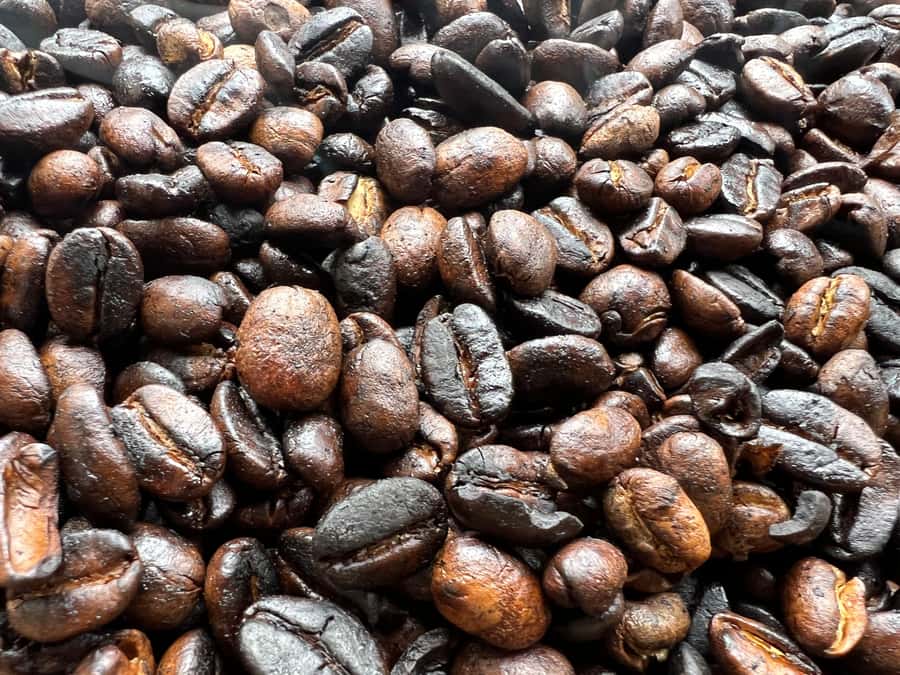
- Coffee grinding and brewing, the hands-on way
- The Rundugai Visit, a Built-In Time Buffer for Seeing More
- Maasai Village Near Kilimanjaro Airport: Dances, Homes, and Cattle Walks
- What you’ll likely experience in the village
- A note on how to behave respectfully
- Price and Value: What $185 Buys in a Full 11 Hours
- When this price feels fair
- Kilimanjaro Views: How to Maximize Your Chances Without Stress
- Photo habits that help
- What to Bring (and What to Skip) for a Smoother Day
- Best For Who: The Travelers Who Will Enjoy This Most
- Should You Book This Tour?
- FAQ
- Where does pickup happen for this tour?
- How long is the experience?
- Is it a private group?
- What’s the main activity in Materuni village?
- How much walking is involved to reach the waterfalls?
- What should I bring?
- Do I need a rain coat?
- Is lunch included?
- What language is the live guide?
- What is included besides transport?
Key things to know before you go
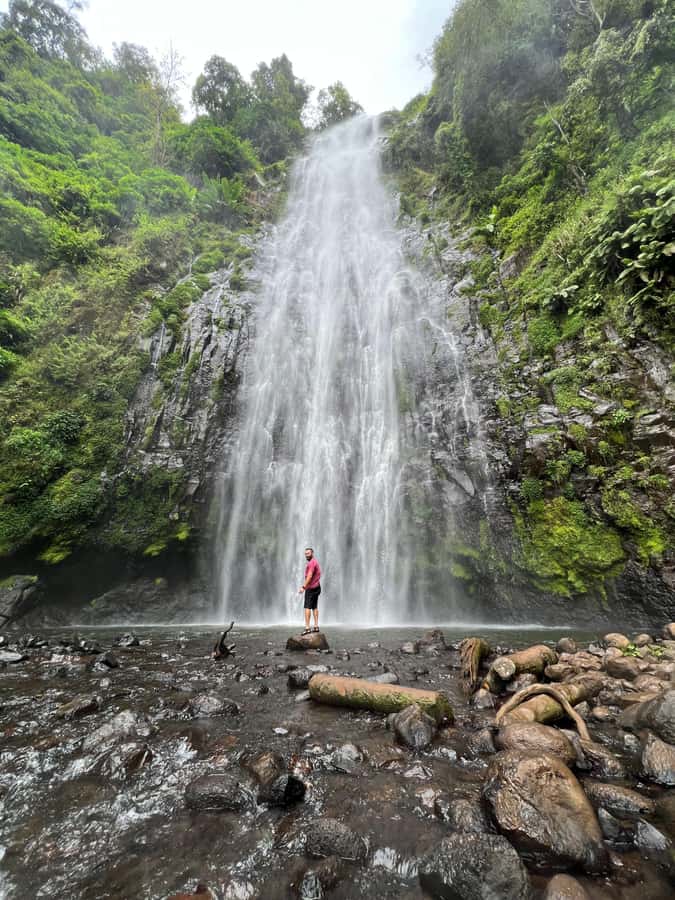
- Materuni Waterfalls are over 80 meters high, with a walk that can be muddy if the weather turns
- Chagga village life and lunch come with real cultural context, not just photos and a quick stop
- Coffee is hands-on, including grinding and making your own cup in a traditional way
- Kilimanjaro views depend on clarity, but the day is designed to give you multiple chances to look
- A Maasai village visit near Kilimanjaro Airport includes dances, houses, beads, bush knowledge, and even time with cattle
- It’s a private group day trip, so your pace and questions matter
Other ways up Kilimanjaro we reviewed
- 8-Day Small-group Lemosho Kilimanjaro Summit Trekking★ 5.0 · 186 reviews
- 7-Day Machame Kilimanjaro Summit Tour from Arusha★ 5.0 · 125 reviews
- Mountain Kilimanjaro Day Hike★ 5.0 · 102 reviews
- 4 days Best experience Kilimanjaro Hike, Serengeti &Ngorongoro★ 5.0 · 54 reviews
Materuni Village Walk and Waterfall Power Near Kilimanjaro
This day starts with a pick up from your base in Arusha or Moshi, or from Kilimanjaro or Arusha airports if you arrive that morning. You ride in a clean, air conditioned vehicle, which is a nice reset when you are about to spend hours walking and soaking in local culture.
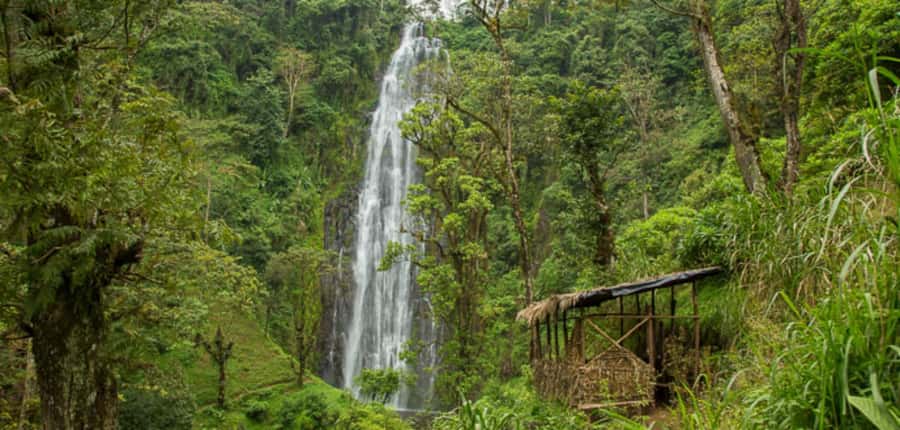
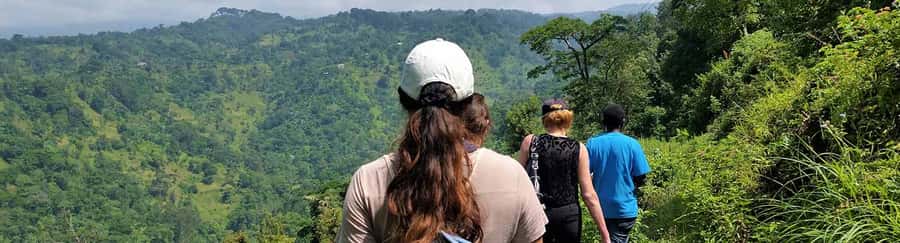
Once you reach Materuni village, the big draw is the walk to the waterfalls. The route is described as about a 45-minute trek to the falls, and the vibe is very much “local footpath” rather than a paved viewpoint trail. If it rained recently, you should expect mud and slick patches. That’s not a reason to skip, it just means you plan for it.
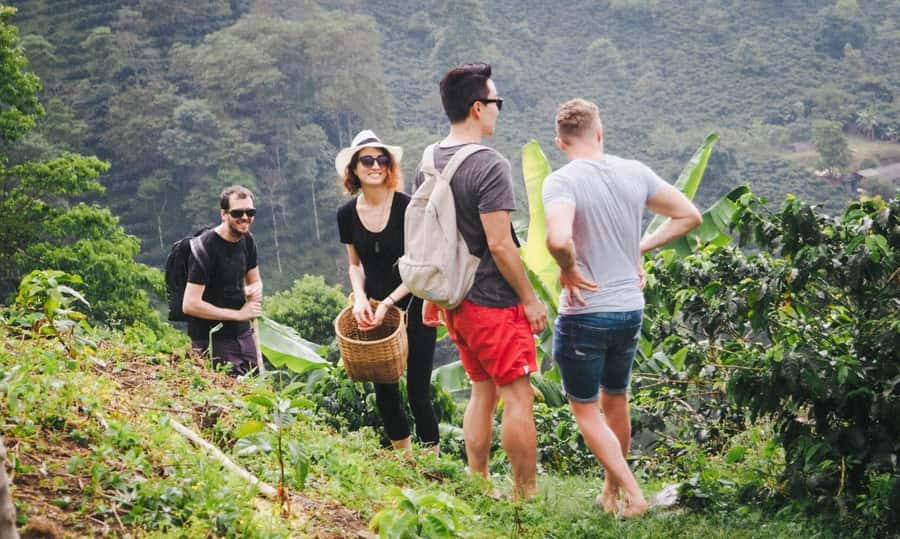
I like that this part of the day is built around a real village experience, not only the waterfall photo. Along the way, your guide points out local flora and fauna and explains how people live in this area near Kilimanjaro. If you care about how places actually function, that narration can be the difference between seeing a waterfall and understanding what surrounds it.
What you’ll see at the falls
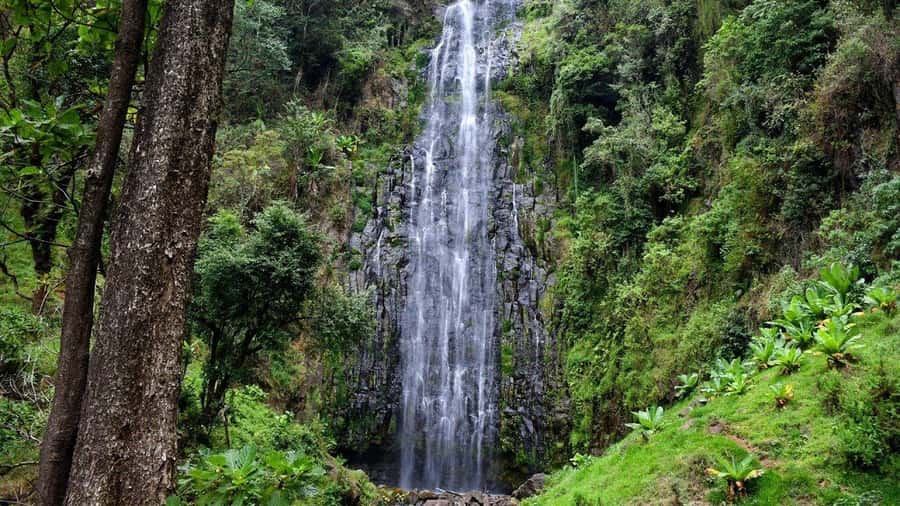
When you finally reach the falls, the height is the wow factor. Materuni Waterfalls are listed as more than 80 meters high, around 262 feet. You get that moment where the sound hits before the view does, and you realize why this is a signature stop on Kilimanjaro region day trips.
Photo tip that matters: Kilimanjaro views are weather dependent. Even on cloudy days, the waterfall still delivers, but on clearer days you have a chance of spotting the summit. Your guide will likely time stops and angles to maximize those glimpses.
Footwear and rain gear are not optional
The walking trail can be slippery, and the tour suggests hiking shoes with grip plus a rain coat. I strongly agree. In wet conditions, good shoes protect you from twisting ankles and losing balance on muddy ground.
If you forget boots, don’t assume you will be out of luck. One guide example from a rainy day notes that rain boots were provided and they were essential. Still, it’s smart to bring your own proper footwear, because weather in the Kilimanjaro area can change fast.
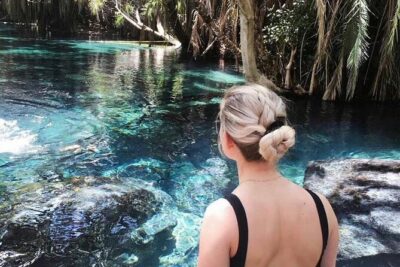
More waterfall and coffee farm mornings

Chagga Lunch Plus Coffee You Actually Make
After the waterfall time, you head back to Materuni village for lunch and the coffee experience. This is one of the most meaningful sections because it is not just tasting. You learn how the process works, from grinding to brewing, and you do it with guidance from local community members.
Traditional chagga lunch, then banana beer if you want it
Lunch is described as traditional Chagga food, and that alone can make the day feel different from a standard tour. You are not rushing to an indoor meal. You are eating as part of village life, with enough time to settle in before coffee activities begin.
You also have the option to try local banana beer. If you like trying regional drinks, it’s a fun extra. If you don’t, you still get the full coffee segment.
Coffee grinding and brewing, the hands-on way
Here’s the part you will remember: you are invited to help with grinding the coffee, traditionally accompanied by Chagga songs and dances. That turns the coffee lesson into a cultural moment, not a workshop lecture.
Then you make your own cup of coffee using traditional ways. You also taste local coffee and get knowledge about Tanzania’s coffee industry. That last bit matters because coffee in Tanzania is not just a beverage, it is tied to livelihoods and the broader regional economy.
One practical mindset shift: if you enjoy food experiences, treat this as a mini cultural class plus a meal. Ask questions. It’s okay if you do not understand everything at first. Your guide can translate the big picture and relate the details to everyday life.
The Rundugai Visit, a Built-In Time Buffer for Seeing More
In the middle of the day you spend time at Rundugai for a guided visit, listed as 3 hours. The exact focus of Rundugai is not spelled out in the details you provided, so I can’t promise you will find one specific attraction like a market or a single viewpoint.
What I can say is how this kind of timed stop helps you as a traveler. A big day like this can feel like nonstop motion. A longer guided visit in a second location gives your guide time to explain context and gives you a break from the earlier walking.
If you are someone who likes to slow down and ask questions, that 3-hour block is your chance to do it. If you are more of a hit-the-highlight type, you might want to check with your guide during the morning if Rundugai has any must-see moments for you personally.
Maasai Village Near Kilimanjaro Airport: Dances, Homes, and Cattle Walks
After the Materuni side of the day, you drive a short distance from Moshi to a Maasai village near Kilimanjaro Airport. This section is designed to show you both tradition and how communities adapt after contact with modern life.
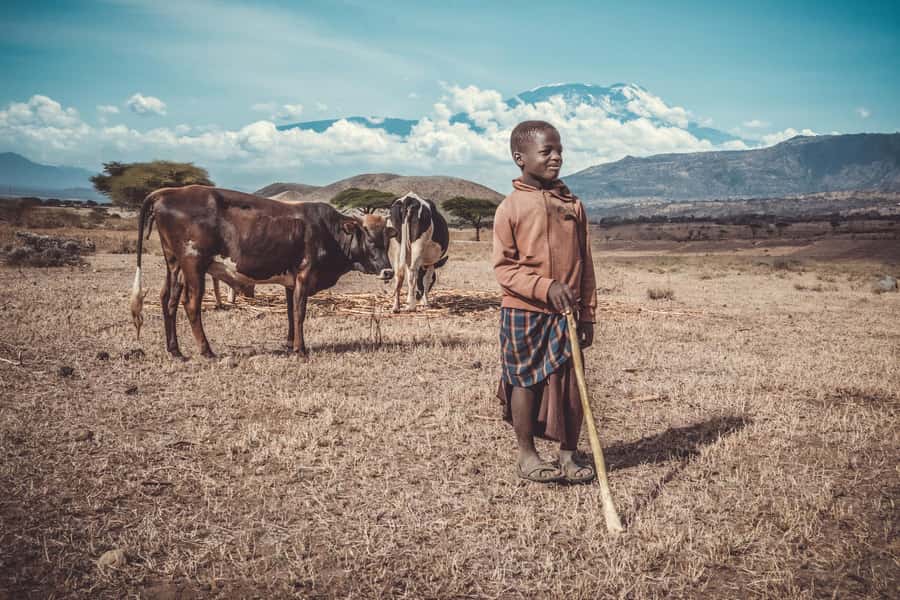
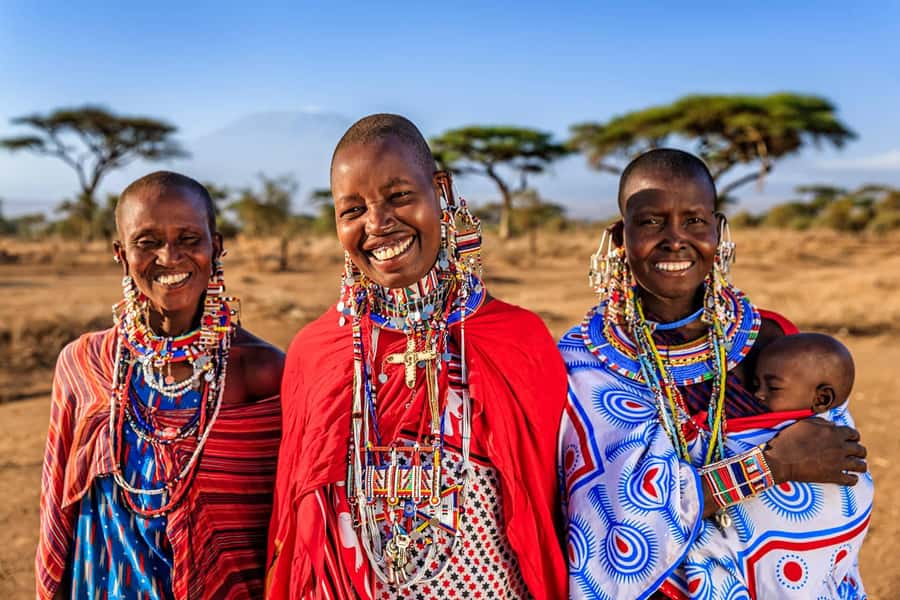
The Maasai are described as living in small mud-thatched villages, surrounded by cattle and smaller livestock. Historically, they lived a nomadic lifestyle across Tanzania, and the tour frames the visit as a chance to see that way of life up close.
What makes this part valuable is that the visit is planned and arranged by the Maasai community themselves. That usually leads to a more direct, community-led explanation, rather than a performance that feels staged for tourists.
What you’ll likely experience in the village
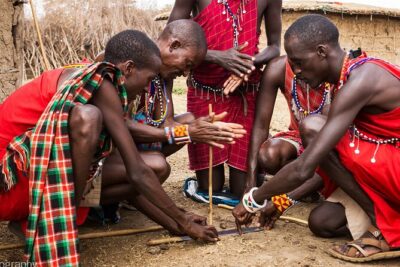
At the village, you experience several traditional aspects of Maasai life, including:
- Maasai dance and singing
- Different types of Maasai houses
- Traditional beads and ornaments
- Making fire
- Bush techniques and medicine knowledge
- Walking with cattle on the plains
I like that this goes beyond a quick show. You are learning the building blocks of daily life and culture, and you get to see the space through their eyes.
A note on how to behave respectfully
This is a good time to slow down and be polite with your attention. Ask before you photograph, keep your distance when needed, and avoid littering. The tour specifically lists littering as not allowed, and it’s a small thing that keeps the experience ethical and comfortable for everyone.
Price and Value: What $185 Buys in a Full 11 Hours
At $185 per person for an 11-hour day, you are paying for more than transport and a couple of stops. You get:
- Roundtrip private transport
- All activities listed for the day
- Hot lunch
- All entrance fees and taxes
- A contribution to the Maasai village
- Tour guides
- Bottled water
So where is the value? It’s in the combination. You are not only seeing a waterfall. You are also doing a village walk, eating a traditional meal, making coffee, and then visiting a Maasai community with time for dance, houses, beads, and cattle interaction.
Also, it’s a private group. That means you are less likely to feel like you are stuck waiting on a crowd. For long travel days, private pacing matters more than people think.
When this price feels fair
This cost tends to make sense if you want a culture-heavy day and you prefer activities that are guided with interpretation. If your travel style is mostly about quick scenic stops and minimal conversation, you might find parts of the village sections slower than you want.
Kilimanjaro Views: How to Maximize Your Chances Without Stress
You will spend most of the day around Mount Kilimanjaro, and that should improve your odds of getting photos on clear days. Still, views are weather dependent. On foggy or rainy mornings, you might see clouds more than summit.
I recommend you treat the mountain as a bonus, not a guarantee. That way, you stay present for what does deliver on most days: the falls, the village lessons, the coffee you make yourself, and the Maasai interaction.
Photo habits that help
- Keep your camera ready during the drive and walk segments
- Be respectful and patient when people are performing or explaining cultural practices
- Focus on close details too, like beads and materials, not only distant peaks
What to Bring (and What to Skip) for a Smoother Day
The tour is clear about what you should bring: hiking shoes and comfortable clothes. Based on the described trail conditions, I’d also treat a rain coat as part of your packing checklist.
Other small but useful thoughts:
- Bring a light layer you can adjust, since weather can shift across morning and afternoon around Kilimanjaro
- Wear shoes you trust on mud and uneven ground
- If you are sensitive to dust or sun, consider sunglasses and a hat
What you should skip: anything that creates a litter problem. The tour explicitly says littering is not allowed, so keep things tidy, use your own trash bag if needed, and keep your hands free for interacting respectfully.
Best For Who: The Travelers Who Will Enjoy This Most
This is a strong fit if you want a day that mixes culture and nature with real interaction.
I think it works especially well for:
- People who enjoy food experiences, especially coffee and local meals
- Anyone interested in Maasai culture and Chagga life around Kilimanjaro
- Travelers who like guides who explain and stay patient
- People who plan for walking on muddy paths and do not mind getting a bit dirty
If you hate long days, this might feel like too much. It’s 11 hours, and you spend that time moving between two village experiences plus a waterfall walk.
Should You Book This Tour?
Yes, you should book if you want a full Kilimanjaro region day that balances nature and people. The biggest reason is the structure: you get two village stops, a waterfall with real height, a hands-on coffee segment with songs and dances, and a Maasai visit that includes more than one quick performance.
Book it also if you value thoughtful guiding. Multiple guide names you see associated with the experience are described as patient, friendly, and careful, even on rainy days when rain boots were provided and the hike still felt safe.
Skip or reconsider if you are looking for a purely scenic outing with minimal walking and minimal culture talk. This day works best when you are curious and ready to participate, not just watch.
FAQ
Where does pickup happen for this tour?
You can be picked up in the morning from hotels in Moshi or Arusha, or from the Kilimanjaro or Arusha airports. At airports, the driver holds a printed paper with your name.
How long is the experience?
The duration is listed as 11 hours.
Is it a private group?
Yes, it is a private group.
What’s the main activity in Materuni village?
You visit Materuni village and take a guided walk to Materuni waterfalls, plus time for village learning, lunch, and the traditional coffee activity.
How much walking is involved to reach the waterfalls?
The Materuni waterfalls are described as about 45 minutes away by trail, and the route can be slippery and muddy.
What should I bring?
Bring hiking shoes with grip and comfortable clothes.
Do I need a rain coat?
The tour notes that the trail can be slippery and muddy and recommends a rain coat, especially if conditions are wet.
Is lunch included?
Yes. Hot lunch is included.
What language is the live guide?
The live tour guide is in English.
What is included besides transport?
Included items are all activities, hot lunch, all entrance fees and taxes, a contribution to the Maasai village, tour guides, and bottled water.
Time With Maasai Hosts
- 5 Days Camping Tarangire, Serengeti & Ngorongoro crater & Visiting Maasai
★ 5.0 · 229 reviews - Maasai village visit, Materuni waterfalls & coffee experience
★ 4.5 · 95 reviews - Hidden Arusha Waterfall, Coffee & Village Tour (All-Inclusive)
★ 5.0 · 42 reviews - 4 Days Wildlife Safari and Cultural Experience in Tanzania
★ 5.0 · 23 reviews - Arusha: Maasai Village Tour
★ 4.8 · 22 reviews
Waterfalls and Coffee, Keep Going
- Materuni Waterfalls, coffee tour & Kikuletwa Hot Springs
★ 5.0 · 643 reviews - Materuni Waterfalls & Chemka Hotsprings Day Trip
★ 5.0 · 214 reviews - Materuni waterfalls coffee tour & Chemka hot springs Day trip
★ 5.0 · 131 reviews - Maasai village visit, Materuni waterfalls & coffee experience
★ 4.5 · 95 reviews - Materuni Waterfalls & Coffee Tour from Moshi
★ 5.0 · 92 reviews
Kilimanjaro, Route by Route
- 8-Day Small-group Lemosho Kilimanjaro Summit Trekking
★ 5.0 · 186 reviews - 7-Day Machame Kilimanjaro Summit Tour from Arusha
★ 5.0 · 125 reviews - Mountain Kilimanjaro Day Hike
★ 5.0 · 102 reviews - 4 days Best experience Kilimanjaro Hike, Serengeti &Ngorongoro
★ 5.0 · 54 reviews - From Arusha/Moshi: Kilimanjaro Hike Marangu Route Day Trip
★ 4.5 · 54 reviews
Just added from around Arusha



Mount Kilimanjaro Treks, compared.
 ★ 5.0Kilimanjaro climb by Lemosho Route (7-day)From $3,476651 reviews
 ★ 5.0Kilimanjaro climb, Machame Route (7-day)From $3,377262 reviews
 ★ 5.08-Day Small-group Lemosho Kilimanjaro Summit TrekkingFrom $2,895186 reviews
 ★ 5.0Kilimanjaro Climbing Lemosho Route 8 Days.From $2,300186 reviews
 ★ 5.0Climbing Kilimanjaro – Machame RouteFrom $2,322170 reviews
 ★ 5.0Climbing Kilimanjaro through 7 days Machame RouteFrom $2,425151 reviews
 ★ 5.0Kilimanjaro climb, Lemosho Route (8-day)From $3,975148 reviews
 ★ 5.0Kilimanjaro climb, Lemosho Route (6-day)From $3,034129 reviews
Browse the lists this tour appears in