
REVIEW · KILIMANJARO LEMOSHO ROUTE
Kilimanjaro climb by Lemosho Route (7-day)
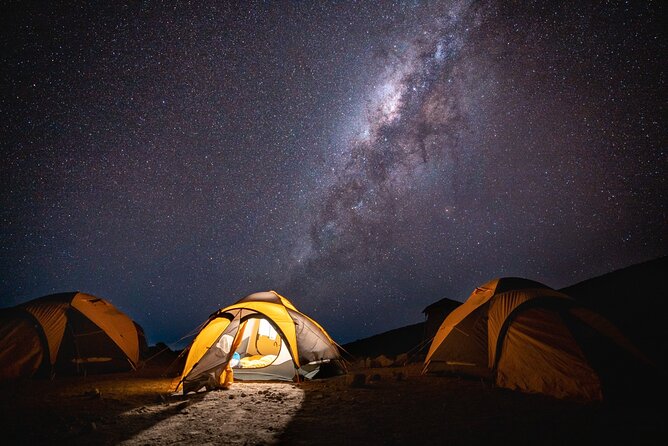
Kilimanjaro feels serious, not chaotic. This Lemosho Route trip by Altezza Travel stands out for pairing the slower, scenic start with Wilderness First Response certified guides, plus camp support designed to keep you focused on altitude, not logistics.
I also like how much is handled for you before you even reach the high camps, including North Face VE-25 tents and the medical-style extras like unlimited oxygen and oximeters. Still, at this price point ($3,476), you are paying for a full support system, and the real test is your stamina on the night ascent and, especially, the descent where many injuries happen.
In This Review
- Key takeaways before you choose this Kilimanjaro climb
- Lemosho Route on Kilimanjaro: why this plan often feels smarter
- Price and value: what $3,476 covers (and what it does not)
- Day 1 in Moshi: arrival, hotel setup, and a real briefing
- Day 2: Londorossi Gate to Shira 1 (a gentle start that still counts)
- Day 3: Shira 2, Lava Tower acclimatization, and views of the big peaks
- Day 4: Lava Tower at 4,630m, then Barranco Camp and the Wall setup
- Day 5: Barranco Wall early, Karanga Camp, and the climb toward Barafu
- Day 6: Barafu Summit Camp, tents ready, and the pre-Uhuru routine
- Day 7: Uhuru Peak at night, personal guide attention, and the descent warning
- Day 8: Mweka Gate exit in the rainforest, certificates, and that post-summit calm
- Day 9: Moshi recovery, then airport transfer
- Guides, porters, and “attention to detail” that actually helps
- Meals, drinks, and dietary needs: handled in a real way
- Acclimatization and pacing: how this itinerary supports you
- Who should book this Lemosho climb, and who should rethink it
- Should you book Altezza Travel for the 7-day Lemosho climb?
- FAQ
- How many days is the Kilimanjaro climb on the Lemosho Route?
- Where do you start and how do you get there?
- Does the tour include hotel stays?
- Are meals included during the trek?
- Are tents and camping gear included?
- Is oxygen or medical support included?
- What about personal gear like sleeping bags and hiking footwear?
- Is mountaineering insurance included?
- How hard is the summit day?
- Can I cancel and get a full refund?
Key takeaways before you choose this Kilimanjaro climb
- Lemosho’s slower rhythm: More gradual altitude building, with acclimatization hikes that make the hard parts feel more manageable.
- Wilderness First Response certified leadership: A real medical mindset in the guiding team, not just route knowledge.
- Oxygen and monitoring included: Unlimited oxygen tanks and oximeters, plus medical kits and check-ups.
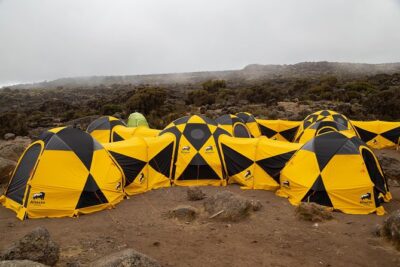
- Comfort features that matter at 4,000m-plus: Branded tents, sleeping pads, and a proper camp setup so you can rest.
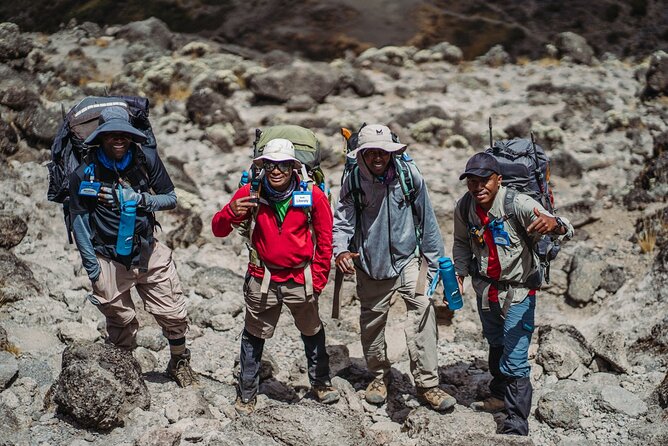
- Guides with strong field reputations: Names that come up often include Kombe, Elia, Joshua, Bosco George, and Hamza.
- A full schedule, not a relaxed stroll: Several long days, especially around Lava Tower, Barafu, and the Uhuru Peak push.
Other ways up Kilimanjaro we reviewed
- Kilimanjaro climb by Lemosho Route (7-day)★ 5.0 · 651 reviews
- Kilimanjaro climb, Machame Route (7-day)★ 5.0 · 262 reviews
- Kilimanjaro Climbing Lemosho Route 8 Days.★ 5.0 · 186 reviews
- Climbing Kilimanjaro – Machame Route★ 5.0 · 170 reviews
Lemosho Route on Kilimanjaro: why this plan often feels smarter
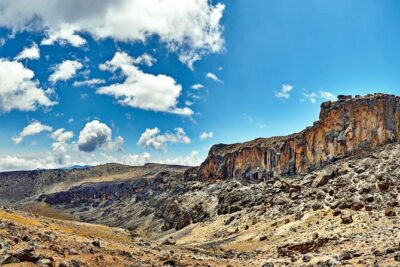
The Lemosho Route is popular for a reason: it gives you time. Instead of rushing altitude, the route works in stages, with early days that let your body adjust while you rack up genuine Kilimanjaro terrain memories, from open moorland to colder volcanic zones.
What makes this specific plan easier to follow is the way it breaks the climb into short “workdays” and “recover days.” You get acclimatization moments built into the path, including time at key high points (like Lava Tower) and a pre-summit routine before the night push. That structure matters because altitude fatigue can turn even a good day into a bad one.
Price and value: what $3,476 covers (and what it does not)
$3,476 per person is not a bargain, but it also is not just a ticket to a mountain. In this package, you are paying for the full operating system: transfers from Kilimanjaro International Airport (JRO), two nights in Moshi at Aishi Machame Hotel, full ground transportation, and on-mountain camp support.
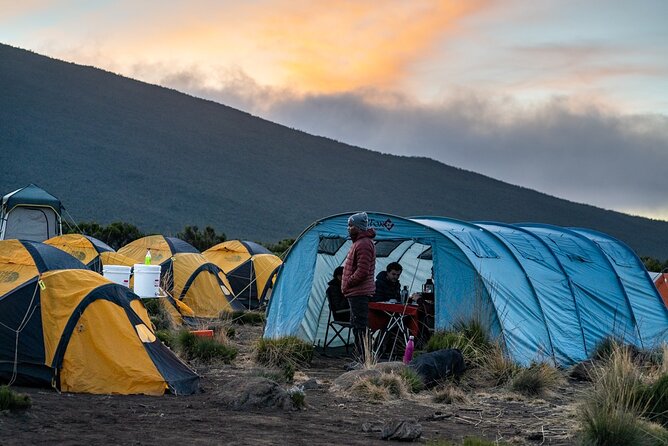
You also get a lot of “reduce the risk” items that many climbing groups treat as add-ons. Here, oxygen tanks and oximeters are included, plus medical kits and medical check-ups. Add the branded tents (North Face VE-25), sleeping pads, camp dining gear, and three energy-rich meals a day with drink options on the mountain, and the price starts to make more sense.
The tradeoff is simple: you still have to show up ready. This is a high-altitude climb where your physical fitness and your discipline on the descent will matter more than gear upgrades.
Day 1 in Moshi: arrival, hotel setup, and a real briefing
You fly into Kilimanjaro International Airport (JRO) and meet an Altezza Travel representative for your transfer into Moshi. Check-in at the hotel starts at 2:00 PM, and there is an evening briefing designed to get you ready for the climb.
This first day is about getting your sleep plan right. The hotel setup includes cozy rooms, hot water, internet access, and a pool, which can be useful for a calm decompression, even if you do not feel like swimming. If you are prone to nerves, this is also where you get your questions answered before you climb anything.
Lemosho itineraries worth reading next
Day 2: Londorossi Gate to Shira 1 (a gentle start that still counts)
Day 2 moves you to the western entrance of Kilimanjaro, Londorossi Gate at 2,200m. After permit formalities and registration with search and rescue, you drive by off-road vehicle to a drop-off area around 3,500m, then start trekking to Shira 1 Camp.
This day is not about suffering. It is about warming up your body for altitude while taking in your first big views of the Shira Plateau. You also learn how your pace needs to change at elevation, because even a “light” section can feel different once you are above 3,000m.
Day 3: Shira 2, Lava Tower acclimatization, and views of the big peaks
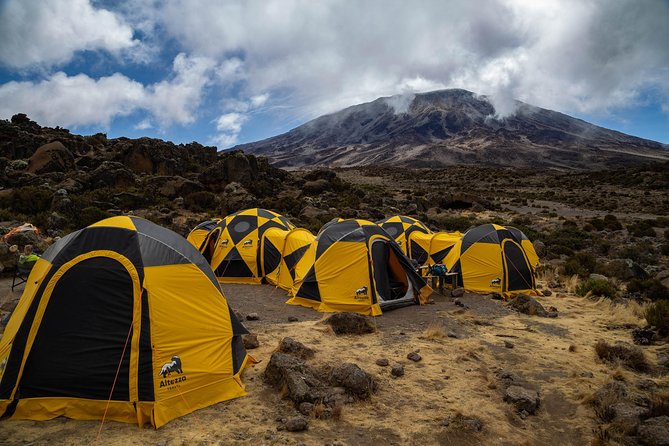
From Shira 1 (3,505m) you trek to Shira 2 Camp (3,900m), generally described as not difficult. The payoff is huge: strong scenery, unique flora, and a good chance to spot Mount Meru in weather that cooperates.
Then you do a key acclimatization step. The plan includes a rest at camp, lunch, then an acclimatization hike toward Lava Tower Camp, described as an easy trek with a slight altitude gain (listed as a 200-meter gain). This kind of hike is a quiet skill builder. You practice slow steps, controlled breathing, and how to stay warm when conditions shift.
Day 4: Lava Tower at 4,630m, then Barranco Camp and the Wall setup
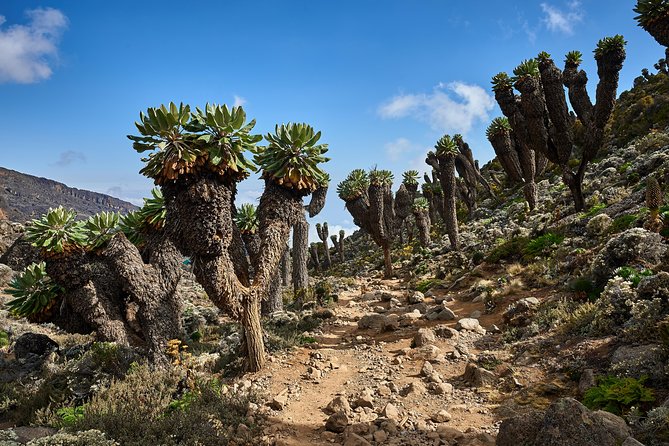
Today you tackle the “key point” section: Shira 2 to Lava Tower (4,630m) and then a descent to Barranco Camp (3,960m). This is one of the tougher days in the itinerary, because the route includes multiple ascents and descents and you may feel discomfort.
The smart part is your time at Lava Tower. The schedule builds in 1 to 2 hours there for acclimatization, with lunch served while you adjust. That time is not wasted. At these heights, you often need to stop “pushing” and start “syncing” with your body.
After the descent, you reach Barranco Camp, with the famous Barranco Wall looming ahead. Even if you do not climb it that day, you get the visual and mental prep that makes the next morning feel less like a surprise.
Day 5: Barranco Wall early, Karanga Camp, and the climb toward Barafu
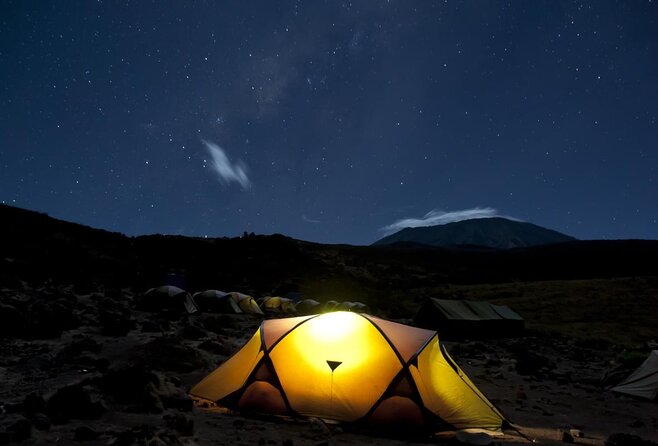
Day 5 starts early to beat crowds. The plan recommends leaving camp as soon as you can for the Barranco Wall climb. The actual wall hike is described as not difficult, taking around an hour, but the steepness can still feel like a workout because your altitude makes everything feel harder.
Afterward, you rest and take photos with the Kibo volcano backdrop. Then you move to Karanga Camp, a route with numerous ups and downs. Your guides set an optimal pace for the group, which matters because “going faster” rarely helps at altitude.
The day finishes with an acclimatization hike in the direction of Barafu Camp. That means you are not just trekking to a camp and sleeping. You are also training your body for what comes next.
Day 6: Barafu Summit Camp, tents ready, and the pre-Uhuru routine
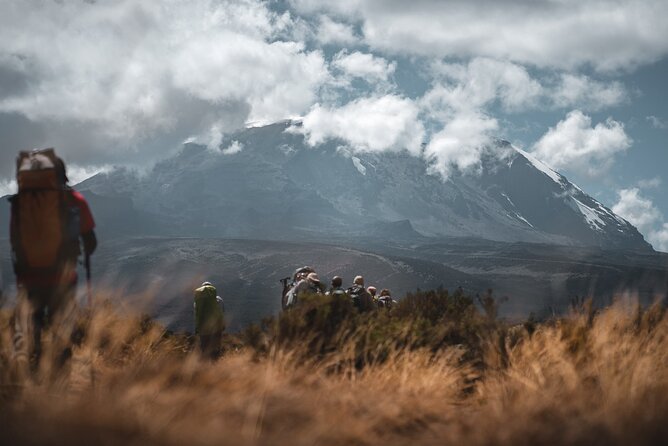
This is the pre-summit day. You trek to Barafu Summit Camp (4,640m) and the team sets up camp tents and sleeping bags ahead of time, so you can rest instead of building your world from scratch in the cold.
The night summit to Uhuru Peak (5,895m) is the headline here, but the plan does not jump straight to chaos. It includes an acclimatization hike toward Kosovo Summit Camp (4,800m) and then back to Barafu, with a hot dinner and emphasis on sleeping early.
If you tend to overthink, do yourself a favor and treat this day as “recovery logistics.” Your job is to eat, hydrate, get warm, and sleep. Your body will handle the technical simplicity of the climb only if you manage the altitude reality.
Day 7: Uhuru Peak at night, personal guide attention, and the descent warning
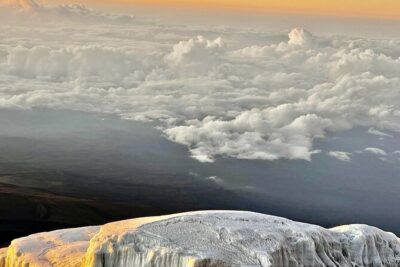
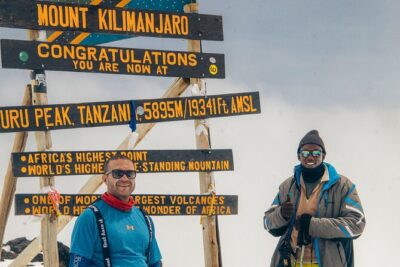
You depart Barafu Camp at night to summit Uhuru Peak (5,895m). The climb is described as technically simple, but the hard part is altitude, plain and simple.
One meaningful detail: the plan says each pair of climbers gets a personal guide for the entire ascent, monitoring physical and mental conditions. That support can make a difference when people start second-guessing themselves at very high elevation.
After reaching the summit, you descend back to Barafu Camp, with about a 2-hour rest, then continue down to Millennium Camp (3,820m). The schedule also includes a safety reminder that matters: 90% of accidents occur during the descent. Broken arms and legs often come from slips and fatigue, so take that seriously. Watch your feet, slow down, and treat the descent as the main event.
Day 8: Mweka Gate exit in the rainforest, certificates, and that post-summit calm
After waking at camp, the schedule notes you will feel relief from the reduction in height, and that this next stretch passes through a tropical rainforest setting. You trek to the exit at Mweka Gate (1,640m) and the group gathers to congratulate you, sign a guestbook, and receive commemorative certificates.
Practically, this day is also about transition. You go from cold, thin air to a much lower elevation world where your body finally starts to feel less squeezed. If you have been snappish from altitude stress, this is often where people soften up.
Day 9: Moshi recovery, then airport transfer
Day 9 is rest mode. You return to the hotel area in Aishi Machame, then transfer back to the airport. Hotel check-out is listed as 11:00 AM, with an option to extend for an extra fee if your flight is later.
This is not a throwaway day. After summiting, you want time to eat normally, shower fully, and let your legs stop feeling like noodles. Your brain also needs a buffer, because altitude experiences can feel surreal for a while.
Guides, porters, and “attention to detail” that actually helps
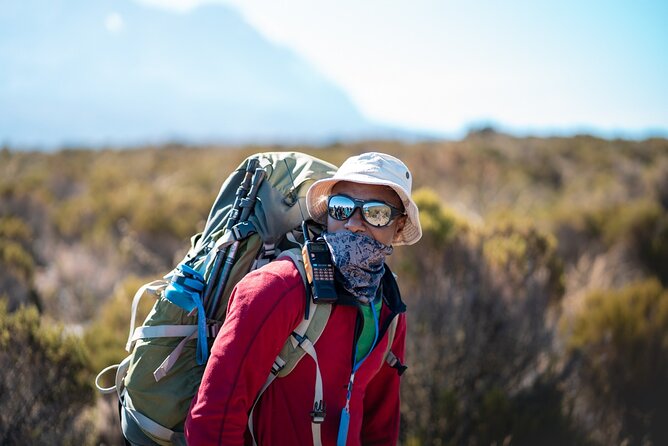
The strongest theme in the feedback I saw is how well the guiding teams and support crew run the day-to-day. Names that show up include Kombe, Elia, Joshua, Bosco George, and Hamza, and the pattern is consistent: the team handles logistics, keeps pace sensible, and pays attention to how people are doing.
That “attention to detail” shows up in the structure of the climb too. Gear is provided for camp, meals are handled three times a day, and there are medical-style resources like unlimited oxygen tanks, oximeters, and medical check-ups. The goal is to reduce your decision-making at altitude. You should be able to focus on your body and your trail rhythm.
And yes, the food team gets credit. Multiple accounts praise warm, filling meals on the mountain, and one note even mentions a small morale boost like afternoon popcorn. Those little comfort moments can matter when you are cold, tired, and trying to stay optimistic.
Meals, drinks, and dietary needs: handled in a real way
This climb includes three energy-rich meals per day, plus drink options on Kilimanjaro such as tea, coffee, juices, and soda. That matters because at altitude, “not hungry” can become “not functioning.”
There is also support for special diets, including vegetarian, vegan, lactose-free, gluten-free, and halal, plus other meal plans. If you have dietary restrictions, this is a big deal because you do not want to gamble on what you can eat at 4,000m-plus.
One practical thing to remember: even with good meals, your personal water and snack strategy still matters. Use the included meals to keep calories steady, and bring whatever small extras you prefer if you have them.
Acclimatization and pacing: how this itinerary supports you
This route uses multiple altitude milestones and “pause points” so you do not just surge upward. You spend planned time at Lava Tower, you do an acclimatization hike after Shira 2, you handle Kosovo Summit before the night push, and you manage long days with guide-chosen pace.
The key idea is that good acclimatization is not bravery. It is patience. This itinerary builds in enough friction to help your body adapt, even if you feel good on day one.
It also helps that the itinerary acknowledges the toughest phase: the descent. The safety note about accidents during descent is worth repeating in your planning. If you tend to get impatient when you are tired, rehearse what “slow and careful” looks like.
Who should book this Lemosho climb, and who should rethink it
This is a great fit if you:
- Want a structured, guided Kilimanjaro plan with certified Wilderness First Response support.
- Prefer a route that emphasizes acclimatization and sensible pacing.
- Value included equipment, camp comfort, and consistent meals.
You might want to think twice if you:
- Are not comfortable with the idea of long, high-altitude days and a night summit push.
- Are looking for a lightweight, self-led trekking experience. This is a supported climb, not DIY hiking.
- Expect the mountain to feel easy. Even with technical simplicity on summit night, altitude is still altitude.
Should you book Altezza Travel for the 7-day Lemosho climb?
If you want a Kilimanjaro experience that is run tightly, with strong guide teams and lots of “support behind the scenes,” I think this is a solid choice. The value is strongest if you appreciate the included safety tools like oxygen and oximeters, plus the camp logistics like branded tents and warm meals.
I would book it with confidence if you want an authentic mountain challenge but still want the team to handle the details. If you are truly unsure about your fitness, do the smart thing and train first. Then, go into the climb ready, and let the route and crew do the rest.
FAQ
How many days is the Kilimanjaro climb on the Lemosho Route?
The climb is described as a 7-day hiking journey, with a total trip duration of about 9 days including arrival, hotel time, and the airport day.
Where do you start and how do you get there?
You meet an Altezza Travel representative after arriving at Kilimanjaro International Airport (JRO), then transfer to your hotel in Moshi. The package also includes JRO pickup and drop-off.
Does the tour include hotel stays?
Yes. It includes two nights in Moshi at Aishi Machame Hotel (2 guests per room, except for solo climbs).
Are meals included during the trek?
Yes. You get three energy-rich meals a day with meal options, plus drinks on Kilimanjaro. Vegetarian, vegan, lactose-free, gluten-free, halal, and other meal plans are available.
Are tents and camping gear included?
Yes. The package includes North Face VE-25 tents and camp equipment like dining tents, sleeping pads, and dining items.
Is oxygen or medical support included?
Yes. The itinerary includes unlimited oxygen tanks and oximeters, along with medical kits and medical check-ups. Guides are certified in Wilderness First Response.
What about personal gear like sleeping bags and hiking footwear?
Personal gear is not included, but it is listed as available for rent. That includes hiking clothes and footwear and a sleeping bag.
Is mountaineering insurance included?
No. Mountaineering insurance is listed as not included, though it is described as highly recommended and should cover trekking up to 6,000 m.
How hard is the summit day?
The itinerary notes that the Uhuru Peak climb is technically relatively simple, but the hardest part is high altitude. It also emphasizes that accidents happen during descent, so you should be cautious and careful.
Can I cancel and get a full refund?
Yes. There is free cancellation if you cancel at least 24 hours in advance of the experience start time. If you cancel less than 24 hours before, you will not receive a refund.
Lemosho, Compared
- Kilimanjaro Climbing Lemosho Route 8 Days.
★ 5.0 · 186 reviews - Kilimanjaro climb, Lemosho Route (8-day)
★ 5.0 · 148 reviews - Kilimanjaro climb, Lemosho Route (6-day)
★ 5.0 · 129 reviews - Kilimanjaro Lemosho Route
★ 5.0 · 71 reviews - Private Kilimanjaro Hike 7 Day Lemosho Route
★ 5.0 · 60 reviews
Kilimanjaro, Route by Route
- Kilimanjaro climb, Machame Route (7-day)
★ 5.0 · 262 reviews - Kilimanjaro Climbing Lemosho Route 8 Days.
★ 5.0 · 186 reviews - Climbing Kilimanjaro – Machame Route
★ 5.0 · 170 reviews - Climbing Kilimanjaro through 7 days Machame Route
★ 5.0 · 151 reviews - Kilimanjaro climb, Lemosho Route (8-day)
★ 5.0 · 148 reviews
Just added from around Moshi
Kilimanjaro Lemosho Route, compared.
 ★ 5.08-Day Small-group Lemosho Kilimanjaro Summit TrekkingFrom $2,895186 reviews
 ★ 5.0Kilimanjaro Climbing Lemosho Route 8 Days.From $2,300186 reviews
 ★ 5.0Kilimanjaro climb, Lemosho Route (8-day)From $3,975148 reviews
 ★ 5.0Kilimanjaro climb, Lemosho Route (6-day)From $3,034129 reviews
 ★ 5.0Kilimanjaro Lemosho RouteFrom $2,89071 reviews
 ★ 5.0Private Kilimanjaro Hike 7 Day Lemosho RouteFrom $2,45060 reviews
 ★ 5.0Climbing Kilimanjaro through 8 days Lemosho RouteFrom $2,76052 reviews
 ★ 5.08 Days Kilimanjaro Hike via Lemosho RouteFrom $2,35039 reviews
Browse the lists this tour appears in