
REVIEW · KILIMANJARO MACHAME ROUTE
Kilimanjaro climb, Machame Route (7-day)
Climbing Kilimanjaro is a big-body adventure, and the Machame Route gives you the pacing tools you need. I like how this trip combines certified support with real camp logistics, from porters and camp crews to a guide team built for high-risk conditions. Two standouts for me are the Wilderness First Responder trained guides and the way meals are planned for many diets, so you are not guessing what you will get each day.
There is one catch to plan for early: this package covers a lot, but it does not cover your flights, visa, or most personal gear and travel insurance. In other words, you still need to budget and pack like a serious trekker, not just a tourist with a backpack.
In This Review
- Key things I found especially useful
- Moshi, JRO, and the real start of your climb
- Safety and pacing, built into the trip design
- Machame Route 7-day, step by step: what each day feels like
- Day 1: Arrive, settle, and get your briefing
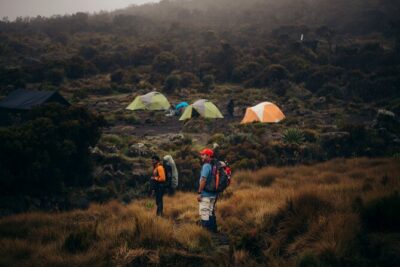
- Day 2: Machame Gate to Machame Camp, rainforest start
- Day 3: Shira Camp, then a smart acclimatization hike to Lava Tower
- Day 4: Lava Tower to Barranco Camp, the big altitude punch
- Day 5: Barranco Wall to Karanga Camp, then another acclimatization loop
- Day 6: Barafu Summit Camp, summit night prep
- Day 7: Summit night to Uhuru Peak, then descend to Millennium Camp
- Day 8: Descend to Mweka Gate, then celebrate and transfer out
- Day 9: Hotel rest and airport transfer
- Meals, camps, and included gear: where comfort really shows up
- Price and logistics: what $3,377 really buys
- Who should choose this Machame climb, and who might not
- How the guide team shows up in real life
- Should you book this Altezza Machame Route 7-day climb?
- FAQ
- What is the duration of the trip?
- Are Kilimanjaro National Park fees included?
- Does the tour include airport transfers from JRO?
- What meals and drinks are included on the climb?
- Do they offer dietary plans?
- Is travel insurance included?
Key things I found especially useful
- Machame pacing with acclimatization hikes that add time where your body needs it
- Certified Wilderness First Responder guides plus medical checks, kits, oximeters, and oxygen tanks
- Camp comfort systems like branded tents, sleeping pads, and a staffed kitchen setup
- Park fees included so you do not get surprised by entry costs
- Dietary flexibility including vegetarian, vegan, lactose-free, gluten-free, halal, and more
- Support that matters on summit night, where each climber pairs with a personal guide
Other ways up Kilimanjaro we reviewed
- Kilimanjaro climb by Lemosho Route (7-day)★ 5.0 · 651 reviews
- Kilimanjaro climb, Machame Route (7-day)★ 5.0 · 262 reviews
- Kilimanjaro Climbing Lemosho Route 8 Days.★ 5.0 · 186 reviews
- Climbing Kilimanjaro – Machame Route★ 5.0 · 170 reviews
Moshi, JRO, and the real start of your climb
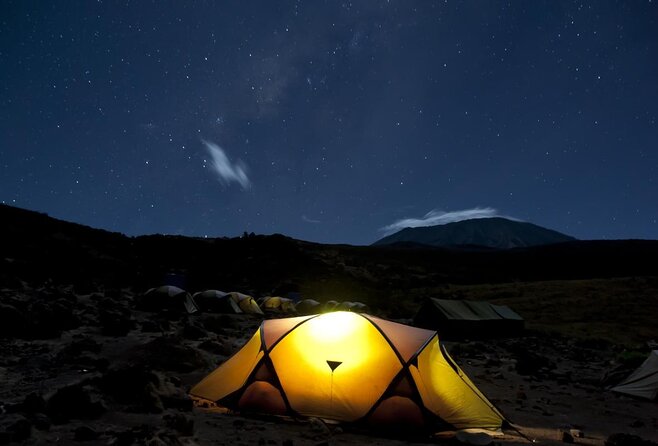
Most Kilimanjaro trips do not truly start on the mountain. This one starts the moment you land at Kilimanjaro International Airport (JRO). Altezza picks you up and takes you to the hotel, which is a practical win because landing day can be tiring and confusing. I also like that check-in is clearly set, so you have a predictable window to settle in, shower, and get your gear sorted before briefing.
Your home base is the Aishi Machame Hotel, and the details matter here: hot water, internet access, and a swimming pool. That pool is not going to cool your lungs at 5,895 meters, but it is great for washing off dust and keeping your mood steady. In the evening there is a briefing with managers, and they help make sure you are actually ready, not just packed.
Timing tip: check-in starts at 2:00 PM. If you land early, resist the urge to power-walk straight into shopping mode. Use that time to breathe, organize your layers, and charge your devices. On Kilimanjaro, small planning wins add up fast.
Safety and pacing, built into the trip design
Kilimanjaro is not just a long hike. It is a high-altitude test that can turn fast. That is why I put safety systems near the top of my list when I compare operators.
Here, the big safety points are concrete:
- Guides are certified Wilderness First Responders
- There are medical check-ups, medical kits, and monitoring tools like oximeters
- You have oxygen tanks available, plus supportive crew on the mountain
That sounds technical, but it changes your day-to-day experience. It means you are not left with a generic, walk until tired approach. On the mountain, pace is everything, and your guides are there to manage risk. Even better, the plan includes time at key altitudes, which is how most good trekking programs reduce the odds of altitude hitting you harder than it needs to.
One extra note from the trip plan that I take seriously: a lot of accidents happen on the descent. It is easy to get cocky after the summit win. The trip explicitly warns you to watch your feet on the way down, and that is the kind of reminder you want to hear before your legs feel invincible.
Machame Route 7-day, step by step: what each day feels like
Below is how your days shape up, and what is worth paying attention to as you go.
More Machame departures, compared
Day 1: Arrive, settle, and get your briefing
After landing, you meet the Altezza representative and transfer to the hotel. Check in is from 2:00 PM, then you get a briefing with managers in the evening. You will have everything you need for comfort, including hot water and internet, plus the hotel sets you up with the basics to sleep well.
What to watch: treat this day like setup, not a warm-up hike. Keep your energy for tomorrow.
Day 2: Machame Gate to Machame Camp, rainforest start
You start at Machame Gate at 1,800 m and climb to Machame Camp at 3,010 m. After permits and registration with search and rescue, the real trek begins.
Expect rainforest conditions. Tropical showers are common, so bring more than one rain solution. The trip plan specifically recommends raincoats and spare clothes, and that is solid advice because wet layers drain comfort and morale quickly.
What makes this day “good prep” is the gradual shift from lower altitude rhythm to mountain rhythm.
Day 3: Shira Camp, then a smart acclimatization hike to Lava Tower
Today you hike up to Shira Camp (3,845 m). The terrain shifts out of the rainforest, and for the first time you can see wide views toward the Shira Plateau.
The day also includes an acclimatization hike toward Lava Tower Camp, with a 300-meter gain. You go up, rest, and then come back down to Shira Camp. That pattern is intentional: it trains your body to handle altitude without committing you to an overly aggressive climb.
What to watch: even if the walking feels manageable, altitude can still make you feel off. The trip plan stresses choosing a proper pace. That matters more than your willpower.
Day 4: Lava Tower to Barranco Camp, the big altitude punch
You leave Shira Camp and target Lava Tower (4,630 m). This section includes many ups and downs, and you end the day at Barranco Camp (3,960 m), still very high.
The plan says you should spend at least 1 to 2 hours around the key zone for acclimatization, and it includes lunch there. This is one of those days where you might feel uncomfortable, but the time spent is not wasted. It helps your body adjust before you move higher again.
Then you reach Barranco Camp, where you will see the famous Barranco Wall. You are not climbing it today, but getting eyes on it helps reduce stress tomorrow.
Day 5: Barranco Wall to Karanga Camp, then another acclimatization loop
Early wake-up, then you tackle Barranco Wall. The route notes that it takes about an hour and recommends leaving early to avoid crowds. You climb up the gorge wall, then you get time to rest and take photos with Kibo volcano in view.
After that, the day turns into a tougher trek to Karanga Camp with lots of ascents and descents. You reach camp for warm lunch, then you do another acclimatization hike in the direction of Barafu Camp. The day ends at Karanga Camp after that loop.
What this day teaches you: Kilimanjaro is rarely steady and flat. It is a series of controlled efforts. Your guides handle pacing for the group, which helps you avoid the classic problem of going too fast early because you feel fine.
Day 6: Barafu Summit Camp, summit night prep
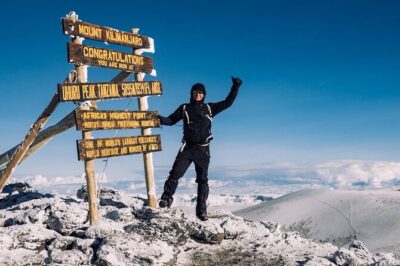
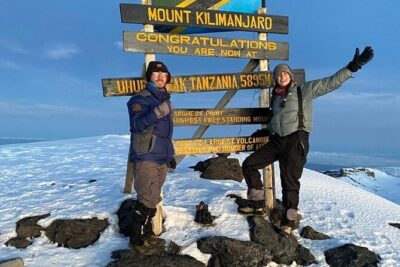
You head to Barafu Summit Camp (4,640 m). This is your staging point for the night ascent to Uhuru Peak (5,895 m).
The trip sets up tents and sleeping bags ahead of time, which is not a small detail. At altitude, every extra task you do yourself becomes more exhausting.
Here’s the unusual twist: after climbing up to Barafu, your plan includes an acclimatization hike toward Kosovo Summit Camp (4,800 m), then back to Barafu. Then you have a hot dinner and the rest of the day is for sleeping and conserving strength.
What to watch: if you want the summit, this is your recovery day. Eat, breathe, sleep as best you can, and do not treat it like a sightseeing stop.
Day 7: Summit night to Uhuru Peak, then descend to Millennium Camp
Departure from Barafu is at night. The climb to Uhuru Peak is described as technically simple, but the altitude is the real challenge.
The trip plan adds a big support detail: each pair of climbers gets a personal guide for the entire ascent, to monitor physical and mental conditions. That changes how the night feels. You are not managing discomfort alone, and your guide can help slow things down if you start to slip into panic or overexertion.
After you reach Uhuru Peak, you descend toward a glacier if you want that extra option, then you return to Barafu Camp for a rest. After that, you continue your descent to Millennium Camp (3,820 m).
A practical warning is built into the plan: most accidents happen on descent. Your legs may feel strong after the summit, but your footing can still fail. Go slow, place steps carefully, and treat this as part of the summit day, not a victory lap.
Day 8: Descend to Mweka Gate, then celebrate and transfer out
You wake up at Millennium Camp, and the plan frames this as a relief day because you are dropping in height. After breakfast, you hike down to Mweka Gate (1,640 m). The trek distance is listed as about 12 km, with a hike time around 4 to 5 hours.
After you reach the exit, the group gathers to congratulate you, then you sign a guestbook and receive commemorative certificates. Then it is a transfer back to the hotel.
This day is emotionally important too. You did the hard part, but you still have to walk. I like that the trip builds in a clear payoff moment instead of just ending abruptly.
Day 9: Hotel rest and airport transfer
You get a final rest day in the hotel, then transfer to the airport. Check-out is at 11:00 AM, and there is an option to extend your stay for a fee if you have an evening flight.
This day is for normal life again. Do some gentle walking, drink water, and keep it easy. Your body will be happy you did.
Meals, camps, and included gear: where comfort really shows up
Kilimanjaro success is not only about willpower. It is about energy and morale, and food is a big piece of that.
In this trip, you get a full camp support setup:
- A kitchen team that cooks meals daily
- Dining gear like a dining tent and serving setup (table, chairs, crockery, cutlery)
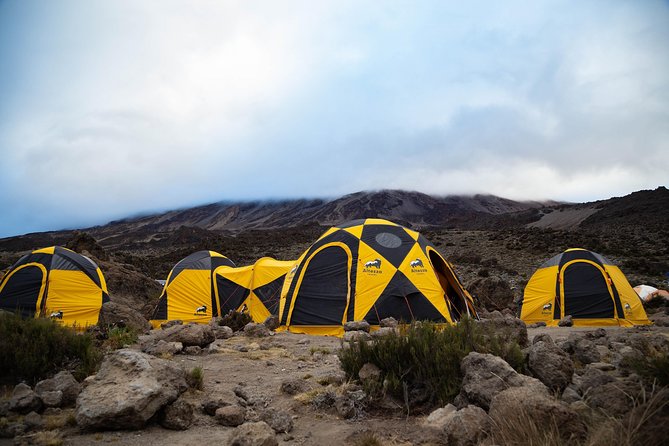
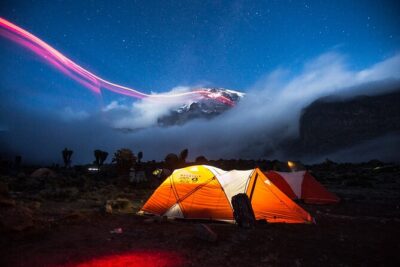
- Branded camp gear including North Face VE-25 tents and sleeping pads
- Drinks on the mountain, including tea, coffee, juices, and soda
Meals are clearly included across the trekking days: breakfast 8 times, lunch 6 times, dinner 6 times. That consistency matters because it reduces decision fatigue and helps you plan fueling.
Dietary needs are also handled, at least as options provided by the operation: vegetarian, vegan, lactose-free, gluten-free, halal, and other meal plans are available. If you have dietary requirements, this is a big deal. You want to trust that the kitchen has a plan, not that you will make do.
Camp reality check: the higher you go, the less you care about comfort and the more you care about warmth and routine. Tents and sleeping pads help with that. They also reduce the hassle of borrowing questionable gear on short notice.
Price and logistics: what $3,377 really buys
At $3,377 per person, this is not a budget climb. But it also includes a lot that you would otherwise have to pay for or manage yourself.
Included value you should notice:
- Kilimanjaro National Park fees are included
- JRO airport pickup and drop-off and all ground transportation
- Two nights at the Aishi Machame Hotel (2 guests per room, except solo climbs)
- Tents and camp equipment, plus a trained crew: porters, camp masters, cooks
- Medical support items like oxygen tanks, oximeters, and medical kits
- Meals and mountain drinks
What is not included, and why that matters:
- Airfare to Tanzania
- Visa (USD 50 for most nationals, USD 100 for US passport holders)
- Personal hiking outfit and gear, though hiring is available
- Travel insurance is not included, and it is strongly recommended to cover mountain trekking activities
- Hotel lunch and dinner, where the hotel includes breakfast only, with an average of USD 15 per person for lunch or dinner
- Tips for crew (optional)
My practical take: if you add up park fees, a proper guide structure, camp gear, and medical readiness, the price starts to make sense. Your job is to keep your planning complete by budgeting for the non-included parts, especially insurance and personal gear.
Also, this is listed as a private tour/activity, meaning you are not sharing the experience with random strangers from other bookings. That tends to help with group pacing and communication.
Who should choose this Machame climb, and who might not
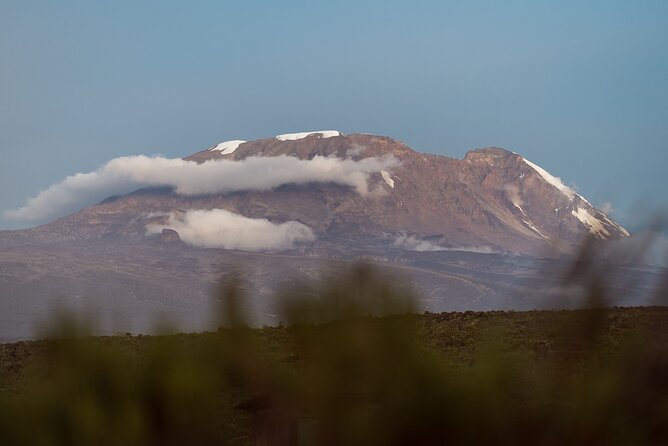
This trip is built for hikers with moderate physical fitness, and the itinerary includes time for acclimatization and rest. If you follow the pace your guides set, you will likely find the structure supportive rather than rushed.
It is a good fit if you:
- Want a classic Machame Route plan with multiple acclimatization moments
- Appreciate active safety support, including Wilderness First Responder training and medical monitoring tools
- Have dietary needs and want a kitchen that supports options
- Like having camp logistics handled, rather than coordinating everything yourself
It might be less ideal if you:
- Are not ready to bring or source your own climbing gear and plan for insurance
- Want a trip where you can ignore altitude realities and just go fast
For solo travelers: single accommodation at the hotel and in a tent is available only for an extra charge, so plan ahead if you want that privacy.
How the guide team shows up in real life
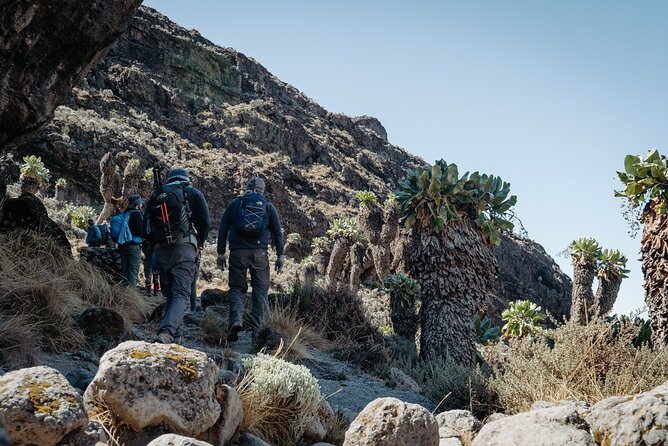
From the guide names that appear in the trip’s history, you can see a pattern: people get praised for calm leadership and smooth camp execution. Names like Victor show up as a group leader, while Stacy is mentioned as a travel manager who answered questions and kept things organized. On the mountain side, names such as Stanford, Rashid, Nolasco, and Joseph appear across different accounts, along with guides and camp crew like Justin, John, Francis, and Ernest.
I do not treat names as proof by themselves. But when multiple accounts emphasize organization, safety focus, and pacing help, that lines up with what you want on a summit push.
If you care about authenticity and real people, also pay attention to how often the crew is credited for setting up camp, managing meals, and supporting climbers. That is the backbone of making a high-altitude trek feel manageable.
Should you book this Altezza Machame Route 7-day climb?
I think you should book this climb if you want a structured Kilimanjaro plan with acclimatization built into the route, and you value safety systems that go beyond basic first aid. The combination of Wilderness First Responder guides, oxygen and oximeter support, medical check-ups, and a camp crew that handles cooking and camp setup is exactly what helps you focus on walking, resting, and staying calm.
Book it with eyes open if you still need to handle your own flights, visa, personal gear sourcing, and travel insurance. Budget those early, pack carefully, and take the altitude warnings seriously, especially on descent.
If you want a summit attempt with real support, not just a checklist and a vague plan, this Machame itinerary is a solid choice.
FAQ
What is the duration of the trip?
The Kilimanjaro Machame Route experience is listed as 9 days (approx.), with activities running through Day 1 to Day 9.
Are Kilimanjaro National Park fees included?
Yes. All fees collected by the Kilimanjaro National Park are included.
Does the tour include airport transfers from JRO?
Yes. The package includes JRO pick-up and drop-off and all ground transportation.
What meals and drinks are included on the climb?
You get breakfast 8 times, lunch 6 times, and dinner 6 times, plus drinks on Kilimanjaro such as tea, coffee, juices, and soda.
Do they offer dietary plans?
Yes. Vegetarian, vegan, lactose-free, gluten-free, halal, and other meal plans are available.
Is travel insurance included?
No. Insurance is not included, and it is strongly recommended to cover mountain trekking activities.
More Machame Departures
- Climbing Kilimanjaro – Machame Route
★ 5.0 · 170 reviews - Climbing Kilimanjaro through 7 days Machame Route
★ 5.0 · 151 reviews - #1. Best Kilimanjaro Day hike Tour-Machame Route-ISMANI
★ 4.2 · 47 reviews - 7 Days Machame route – Kilimanjaro
★ 5.0 · 45 reviews - The Best of Machame Route in 6 Days: Your World’s Summit Guide
★ 5.0 · 44 reviews
Kilimanjaro, Route by Route
- Kilimanjaro climb by Lemosho Route (7-day)
★ 5.0 · 651 reviews - Kilimanjaro Climbing Lemosho Route 8 Days.
★ 5.0 · 186 reviews - Climbing Kilimanjaro – Machame Route
★ 5.0 · 170 reviews - Climbing Kilimanjaro through 7 days Machame Route
★ 5.0 · 151 reviews - Kilimanjaro climb, Lemosho Route (8-day)
★ 5.0 · 148 reviews
Just added from around Moshi
Kilimanjaro Machame Route, compared.
 ★ 5.0Climbing Kilimanjaro – Machame RouteFrom $2,322170 reviews
 ★ 5.0Climbing Kilimanjaro through 7 days Machame RouteFrom $2,425151 reviews
 ★ 5.07-Day Machame Kilimanjaro Summit Tour from ArushaFrom $2,695125 reviews
 ★ 5.07 Days Kilimanjaro via Machame route affordable priceFrom $2,400110 reviews
 ★ 4.2#1. Best Kilimanjaro Day hike Tour-Machame Route-ISMANIFrom $11547 reviews
 ★ 5.07 Days Machame route – KilimanjaroFrom $2,85045 reviews
 ★ 5.0The Best of Machame Route in 6 Days: Your World’s Summit GuideFrom $1,15044 reviews
 ★ 5.06 Days Machame Route Kilimanjaro ClimbingFrom $2,60042 reviews
Browse the lists this tour appears in