
REVIEW · KILIMANJARO LEMOSHO ROUTE
Kilimanjaro climb, Lemosho Route (8-day)
Kilimanjaro makes time feel slow, then sudden. This eight-day Lemosho route is built around gradual acclimatization, big Shira and Kibo views, and a well-run team that keeps the logistics from wrecking your energy. The most interesting part is how the scenery keeps changing, from rainforest walking to colder high-altitude trails. You also get a plan that protects your chances, with proper camp pacing and medical readiness. Lemosho Route and crew-led safety are the two big reasons this trip works.
What I like most is how much is handled for you. From airport pickup and hotel nights in Moshi to tents, camp setup, and a full food plan on the mountain, you spend less time worrying about details and more time moving. The second thing I really appreciate is the guide structure on summit night, including a personal guide for each pair, so you are not left to guess your way through the hardest hours.
One thing to consider is the schedule intensity. This is a serious hike with early starts, a long Day 6, and a night summit push, so if your ideal vacation is slow and sunny, you may feel out of sync with the pace.
In This Review
- Key things that make this Kilimanjaro climb feel well-run
- From Moshi arrival to camp gear, what the first two days actually set you up for
- Londorossi Gate to Mti Mkubwa: rainforest day one, where raincoats matter
- Shira Plateau camps: the gradual altitude climb that makes the summit math work
- Lava Tower to Barranco Wall: the first real push toward the colder high zone
- Barranco Wall, Karanga, and the long Day 6: pace, photos, and recovery discipline
- Barafu and the Uhuru Peak night summit: the hardest hours handled with structure
- Down to Mweka Gate and the Aishi Machame finish: the day altitude finally gives back
- What’s included on this climb, and why that can be worth nearly $4,000
- Guide team support, and the small details that often decide your comfort
- Should you book this Altezza Travel Lemosho climb?
- FAQ
- What airport transfers are included?
- How many nights of hotel are included in Moshi?
- Are meals and drinks included on the mountain?
- Is medical support included during the climb?
- What personal gear is not included?
- Can I get a full refund if I cancel?
Key things that make this Kilimanjaro climb feel well-run
- Lemosho timing for acclimatization, with multiple altitude stops and acclimatization hikes before summit night
- Professional support staff, including certified Wilderness First Responder guides and a full porter and camp team
- Medical gear included, with oxygen tanks and oximeters, plus medical check-ups along the way
- Food and drinks on the mountain, with three meals a day and drinks like tea, coffee, juices, and soda
- Summit-night guidance, where each pair of climbers gets a personal guide for the entire ascent
Other ways up Kilimanjaro we reviewed
- Kilimanjaro climb by Lemosho Route (7-day)★ 5.0 · 651 reviews
- Kilimanjaro climb, Machame Route (7-day)★ 5.0 · 262 reviews
- Kilimanjaro Climbing Lemosho Route 8 Days.★ 5.0 · 186 reviews
- Climbing Kilimanjaro – Machame Route★ 5.0 · 170 reviews
From Moshi arrival to camp gear, what the first two days actually set you up for
Your trip starts in Moshi with a welcome that focuses on getting you ready, not just transferring you. After you land at Kilimanjaro International Airport (JRO), you meet an Altezza Travel representative and head to your hotel. The check-in window starts at 2:00 PM, and the hotel includes the basics that matter after travel: hot water, internet access, and a swimming pool for decompression.
In the evening there is a briefing with the managers to confirm you are set up for the climb. Then, on the next morning, your guides and support crew come to the hotel for another briefing before you drive to the mountain. This step matters. Kilimanjaro punishes uncertainty. A clear plan for what to expect helps your body and your brain cooperate when you start gaining altitude.
Two details I appreciate from the structure: you get time to settle in with hotel comfort, and you do your mountain jump-off with a crew already in sync. It makes the start feel controlled, even if you are mentally nervous.
Londorossi Gate to Mti Mkubwa: rainforest day one, where raincoats matter
The first hiking day moves from Moshi to Kilimanjaro National Park via the western entrance, Londorossi Gate, at about 2,200 meters. After the standard permits and registration, you start trekking toward Mti Mkubwa Camp at 2,780 meters.
This day is singled out for a reason: you will likely be walking through rainforest, so raincoats are necessary. That sounds basic, but it changes everything about comfort. Wet trails mean cold feet, slippery footing, and more energy burned just staying upright. The trip’s camp model helps here, because your crew sets up tents and prepares food once you arrive, instead of you scrambling after a damp day.
By the time you reach Mti Mkubwa, you are not just stopping for rest. Your team prepares the camp and cooks lunch, which means you can focus on recovery: breathing steady, eating what you can, and settling into sleep without adding more tasks.
Shira Plateau camps: the gradual altitude climb that makes the summit math work
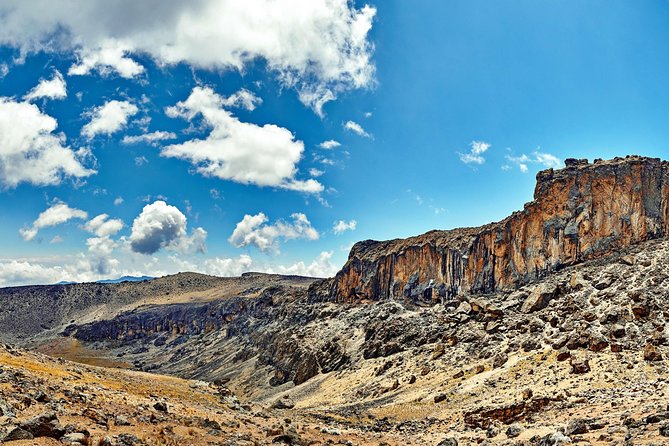
From Mti Mkubwa, the route climbs toward Shira 1 Camp at about 3,505 meters. The plan builds in gradual upward movement and uses the first real high viewpoints as motivation. Once you reach around 3,500 meters, you get stunning views of the Shira Plateau and Kibo Volcano, depending on weather.
The Shira 1 to Shira 2 leg goes to Shira 2 Camp at about 3,900 meters. This segment is described as not difficult, and it is also where you start seeing different high-elevation flora, plus wider Africa views. Then you do an acclimatization hike toward Lava Tower Camp, with about a 300-meter gain in altitude before returning to your camp setup. That pattern is a big deal. It is how your body learns to handle thin air without trying to sprint through it.
What this means for you on a human level is simpler than it sounds: you are training your breathing and pacing while still getting rewarded with views. If you go too hard too early on Kilimanjaro, summit night becomes a survival problem. This route tries to prevent that by making the middle days do the work.
Practical note: you cannot control clouds, but you can control your effort. On the Shira days, the smart move is to keep a steady pace and stop before you feel out of breath. The route is already giving you time. Use it.
Lemosho itineraries worth reading next
Lava Tower to Barranco Wall: the first real push toward the colder high zone
The move from Shira 2 to Lava Tower at about 4,630 meters is where you start to feel the altitude for real. This section includes plenty of ascents and descents, and it is noted as potentially difficult, with discomfort possible. Still, it is considered a key point on the route, and the plan encourages spending at least 1 to 2 hours there for acclimatization, with lunch provided at that altitude.
Then you descend to Barranco Camp around 3,960 meters. This is your reward zone. You get the chance to see Barranco Wall, famous for its steep look, and you know you are building toward an easier day later that will still feel dramatic.
The drawback to be honest about: Lava Tower day can be mentally draining because you are going up and down while the altitude tightens your breathing. If you treat it like a photo mission, you may overexert. If you treat it like an acclimatization workout, it becomes manageable.
When you arrive at camp, use the time the crew gives you. Eat. Hydrate. Sleep as much as you can. Those boring habits are what often separate a smooth summit from a rough one.
Barranco Wall, Karanga, and the long Day 6: pace, photos, and recovery discipline
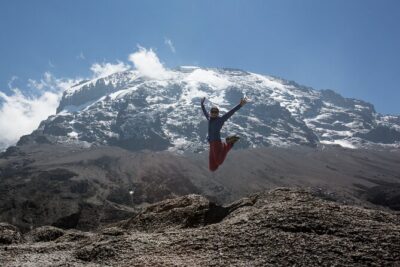
Barranco Wall is next, and the route emphasizes leaving early to avoid crowds from other groups. The hike up the gorge wall is described as not difficult and around an hour. That short window is worth it. Once you reach the top, you can take photos in front of Kibo Volcano.
After Barranco, you hike on to Karanga Camp, about 3,960 meters. This part is longer and more demanding, with numerous ascents and descents. The plan also highlights that guides choose an optimal pace for the group, which is important on a day like this. At high altitude, “fast” is often just another word for “faster heart rate.”
Karanga Camp day is built like a training day: warm lunch on arrival, then an acclimatization hike toward Barafu Camp with a 200-meter gain, followed by descent back to the camp. The timing here matters. You are nudging your body upward without committing to a bigger summit push yet.
Also, be aware this is a long day in the itinerary, listed at about 14 hours. That is not a typo. If your fitness is average, you can still succeed, but you will need to follow pacing advice closely and keep your expectations realistic. Your best friend on Day 6 is discipline, not courage.
Barafu and the Uhuru Peak night summit: the hardest hours handled with structure
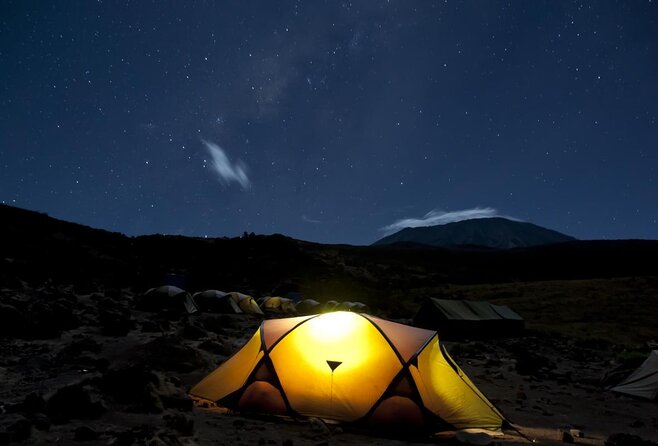
On summit day’s build-up, you head to Barafu Summit Camp at about 4,640 meters. This is described as the starting point for the night summit to Uhuru Peak, at 5,895 meters. The team sets up camp ahead of time, including tents and sleeping bags, so you can rest before the midnight work.
Then you do an acclimatization hike toward Kosovo Summit Camp at about 4,800 meters and return to Barafu. After that, you get a hot dinner, then you rest and sleep as much as possible before the night climb.
This is where the trip’s guide model really matters. Leaving Barafu at night, the summit ascent is described as technically simple, but the altitude makes it hard. The route adds a specific support detail: each pair of climbers gets a personal guide for the entire ascent to monitor physical and mental conditions.
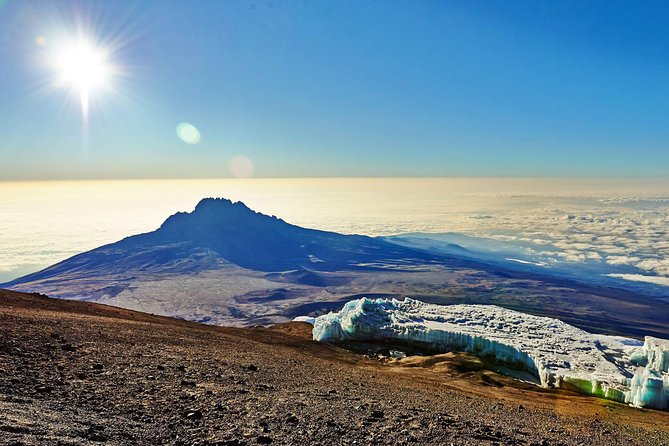
That monitoring is not a luxury. It helps you stay calm when your body starts demanding everything at once. It also gives you someone trained to respond if you are struggling. After you reach Uhuru Peak, the itinerary notes you can descend to the nearest glacier if desired, then return to Barafu for a rest before descending to Millennium Camp at about 3,820 meters.
If you are wondering what success feels like, it is not just the top. It is also the ability to move through the descent afterward. The plan breaks that descent into a structured next day so you can keep your energy.
Down to Mweka Gate and the Aishi Machame finish: the day altitude finally gives back
After the summit and the descent to Millennium Camp, you wake up at about 3,820 meters and feel relief as the route drops. Breakfast comes first, then you hike to Mweka Gate at about 1,650 meters. The listed distance is about 12 km with about 4 to 5 hours of walking.
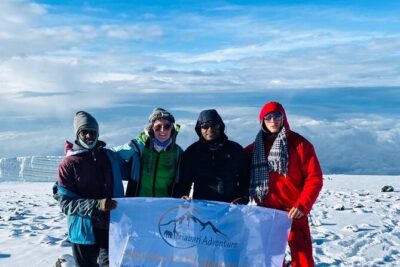
On arrival at the gate, the whole group gathers for congratulations, and there is a guestbook moment to share opinions about the climb. You also receive commemorative certificates and then transfer back to your hotel. Day 9 ends with you back in Moshi at Aishi Machame Hotel, inside the tropical rainforest setting mentioned for the camp stage.
This final day matters for more than the paperwork. Your body needs time to convert the summit achievement into real rest. The hotel stay on Day 10 gives you a buffer to recover before heading to JRO.
What’s included on this climb, and why that can be worth nearly $4,000
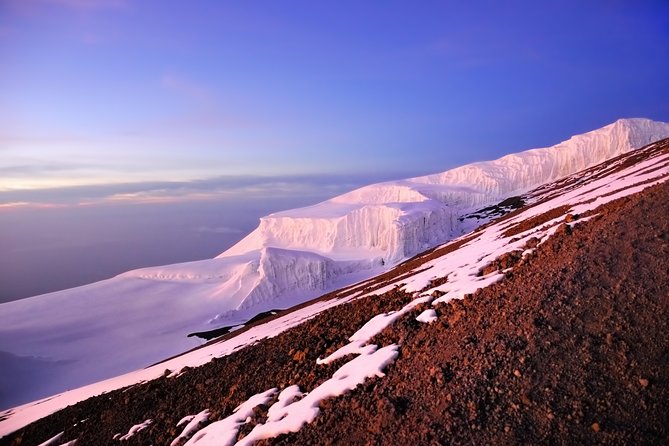
At $3,975 per person, you are paying for more than a trail. You are paying for the whole operating system: logistics, camp infrastructure, food planning, and safety readiness.
Here are the included items that actually reduce risk and stress:
- Airport pickup and drop-off at JRO and all ground transport
- Two nights in Aishi Machame Hotel (shared rooms, except solo climbs)
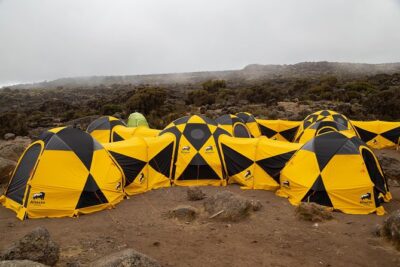
- Tents and camp gear on Kilimanjaro, including North Face VE-25 tents with two hikers per tent, plus sleeping pads and dining setup
- Three meals a day on the mountain with options, plus drinks like tea, coffee, juices, and soda
- Permits and fees collected by Kilimanjaro National Park
- Certified medical readiness, with certified Wilderness First Responder guides, medical check-ups, oxygen tanks, oximeters, and medical kits
The strongest value angle for this trip is that you do not have to assemble the “unknowns” yourself. Kilimanjaro is not just about hiking. It is about how well your team handles the moments when things go sideways, like altitude symptoms or weather changes.
Food is another practical win. The trip provides high-energy meals daily, and it explicitly supports vegetarian, vegan, lactose-free, gluten-free, halal, and other meal plans. For many hikers, eating well is the difference between feeling strong and feeling weak.
What is not included is also important for budgeting. Personal gear like your hiking outfit, boots, and sleeping bag is not included, though it is available for hire at their gear store. Lunch and dinner at the hotel cost extra, listed at about $15 to $20 per person per meal. And you should plan for tips for the mountain crew and mountaineering insurance recommended for trekking up to 6,000 meters.
Guide team support, and the small details that often decide your comfort
The trip is described as private for your group, and that matters. It often means the schedule is run in a way that fits your pacing, not a larger machine where you get pulled along.
The guide team is part of the story too. In the feedback names that show up include Imran, Kelvin, Donovan, Michael, Rayson, Ally, and Andrea. Another name that comes up strongly is Richard Chande, described as head guide and group doctor. I cannot guarantee which specific people you will get on your date, but what you can expect from the structure is a serious team approach: guides plus porters plus cooks, not just a person leading from the front.
Two practical choices in the itinerary are also worth noting. First, the plan recommends leaving early for Barranco Wall to avoid crowds. Second, summit night pairs you with a personal guide for the entire ascent. Those are small changes that can translate into calmer, safer decision-making when you are tired.
Should you book this Altezza Travel Lemosho climb?
If you want a Kilimanjaro experience that feels organized, with real medical support and a route built around acclimatization, this is a strong match. It is especially good for first-time climbers or anyone who wants high-quality camp support without improvising logistics.
I would think twice if you are very time-limited or if you dislike night hiking. The itinerary is built around early mornings, long walking days, and a night summit push to Uhuru Peak. If your body does not handle that rhythm well, you may find it harder than the photos suggest.
My take: book this if you like structure, you will follow pacing guidance, and you want to maximize your odds through gradual altitude planning and a crew that handles the hard parts. Skip it if your priority is a leisurely vacation first and a technical summit second.
FAQ
What airport transfers are included?
Pickup and drop-off at Kilimanjaro International Airport (JRO) are included, along with all ground transportation.
How many nights of hotel are included in Moshi?
Two nights are included at Aishi Machame Hotel.
Are meals and drinks included on the mountain?
Yes. The trip provides three meals a day with drink options on Kilimanjaro, including tea, coffee, juices, and soda. Vegetarian, vegan, lactose-free, gluten-free, halal, and other meal plans are available.
Is medical support included during the climb?
Yes. The trip includes medical check-ups, oxygen tanks and oximeters, and medical kits. Guides are certified Wilderness First Responder.
What personal gear is not included?
Personal gear such as your hiking outfit, boots, and sleeping bag is not included, though it is available for hire at their gear store.
Can I get a full refund if I cancel?
Yes, free cancellation is offered if you cancel at least 24 hours before the experience’s start time. If you cancel less than 24 hours before, you will not receive a refund.
Lemosho, Compared
- Kilimanjaro climb by Lemosho Route (7-day)
★ 5.0 · 651 reviews - Kilimanjaro Climbing Lemosho Route 8 Days.
★ 5.0 · 186 reviews - Kilimanjaro climb, Lemosho Route (6-day)
★ 5.0 · 129 reviews - Kilimanjaro Lemosho Route
★ 5.0 · 71 reviews - Private Kilimanjaro Hike 7 Day Lemosho Route
★ 5.0 · 60 reviews
Kilimanjaro, Route by Route
- Kilimanjaro climb by Lemosho Route (7-day)
★ 5.0 · 651 reviews - Kilimanjaro climb, Machame Route (7-day)
★ 5.0 · 262 reviews - Kilimanjaro Climbing Lemosho Route 8 Days.
★ 5.0 · 186 reviews - Climbing Kilimanjaro – Machame Route
★ 5.0 · 170 reviews - Climbing Kilimanjaro through 7 days Machame Route
★ 5.0 · 151 reviews
Just added from around Moshi
Kilimanjaro Lemosho Route, compared.
 ★ 5.0Kilimanjaro climb by Lemosho Route (7-day)From $3,476651 reviews
 ★ 5.08-Day Small-group Lemosho Kilimanjaro Summit TrekkingFrom $2,895186 reviews
 ★ 5.0Kilimanjaro Climbing Lemosho Route 8 Days.From $2,300186 reviews
 ★ 5.0Kilimanjaro climb, Lemosho Route (6-day)From $3,034129 reviews
 ★ 5.0Kilimanjaro Lemosho RouteFrom $2,89071 reviews
 ★ 5.0Private Kilimanjaro Hike 7 Day Lemosho RouteFrom $2,45060 reviews
 ★ 5.0Climbing Kilimanjaro through 8 days Lemosho RouteFrom $2,76052 reviews
 ★ 5.08 Days Kilimanjaro Hike via Lemosho RouteFrom $2,35039 reviews
Browse the lists this tour appears in