
REVIEW · KILIMANJARO LEMOSHO ROUTE
Private Kilimanjaro Hike 7 Day Lemosho Route
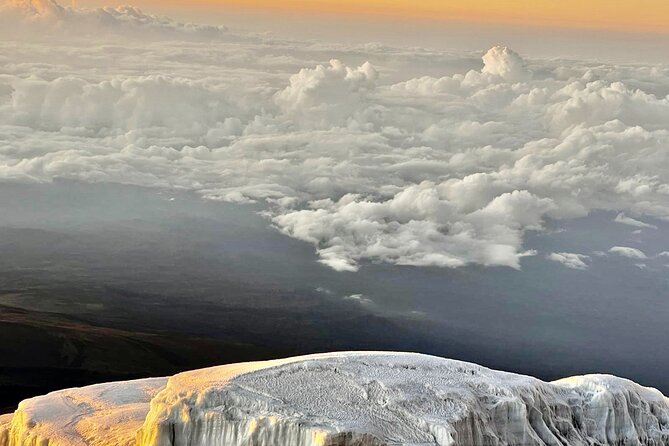
Seven days, one big view. The private Kilimanjaro hike on the Lemosho route is known for scenic panoramic trekking and rainforest walking before you reach Shira Ridge.
I like the way Nafika runs this climb with practical logistics and safety basics, including camping gear and medical support plus a Pulse Ox meter.
Still, this is a serious mountain effort, and you need a moderate fitness level, with a summit push starting around midnight.
In This Review
- Key highlights worth circling on your map
- Lemosho’s western start: scenic views without the traffic jam feel
- Price and logistics: what $2,450 actually buys you on the mountain
- Day 1: Lemosho Gate to Big Tree Camp through Lemosho glades
- Day 2: Shira 1 and Shira 2, plus Kibo Peak framed by clouds
- Day 3: Lava Tower (4600 m) then down to Baranco Camp for real acclimatization
- Day 4: Barranco Wall and Karanga Valley with glacier views overhead
- Day 5: Barafu Camp (4640 m), early dinner, and summit alarms around midnight
- Day 6: Stella Point at sunrise, Uhuru Peak soon after
- Day 7: Millennium campsite to Mweka Gate, certificates, and that first warm shower
- The Nafika crew, organization, and safety touches that help you feel in control
- Who should book this private 7-day Lemosho route from Moshi
- Should you book Nafika’s private Lemosho climb?
- FAQ
- Where does this Kilimanjaro climb start, and what altitude is Lemosho Gate?
- How long is the trek, and what kind of trip is it?
- What is included in the price for this 7-day Lemosho route?
- What does the itinerary say about the summit day timing?
- Is the visa included in the tour price?
- What happens if the climb is canceled due to poor weather?
Key highlights worth circling on your map
- Lemosho’s western start puts you into rainforest early, then gradually lifts you toward Shira Plateau.
- A deliberate acclimatization day includes hiking up to Lava Tower and sleeping back lower at Baranco Camp.
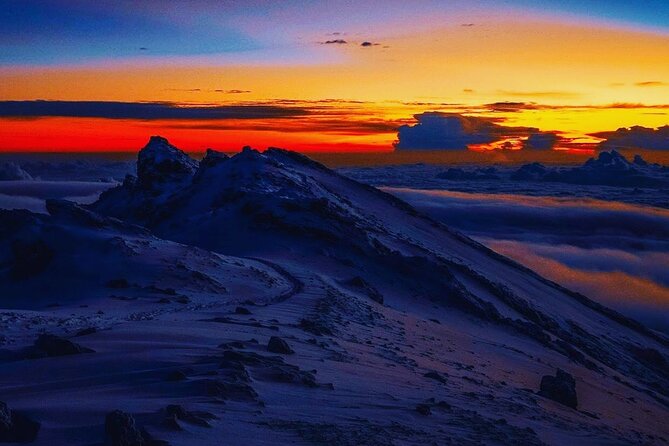
- The summit day is timed to sunrise, with Stella Point at first light and Uhuru Peak soon after.
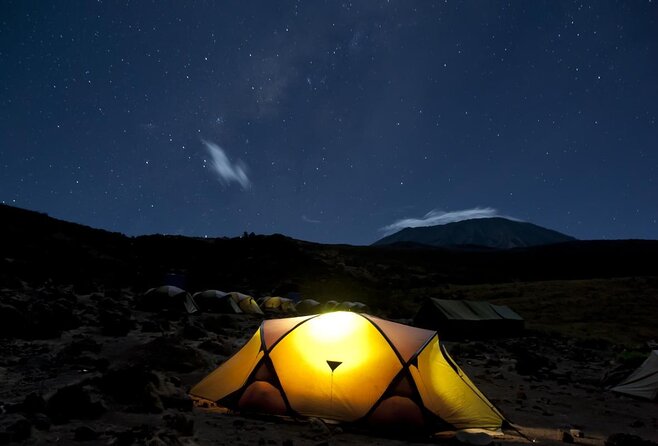
- All camping setup is handled for you, including tents, sleeping pads, and sleeping bags.
- Safety tools are part of the package, with emergency oxygen and a first aid kit.
Other ways up Kilimanjaro we reviewed
- Kilimanjaro climb by Lemosho Route (7-day)★ 5.0 · 651 reviews
- Kilimanjaro climb, Machame Route (7-day)★ 5.0 · 262 reviews
- Kilimanjaro Climbing Lemosho Route 8 Days.★ 5.0 · 186 reviews
- Climbing Kilimanjaro – Machame Route★ 5.0 · 170 reviews
Lemosho’s western start: scenic views without the traffic jam feel
If you care about scenery, Lemosho is a smart pick. This route starts on the western side, beginning at Lemosho Gate (2360 meters), and then it works its way around the mountain. You’re not just walking in a line toward the summit. You’re moving through changing habitats, while the views keep shifting.
On this route, rainforest comes first. The early days walk through Lemosho glades, where the air feels cooler and your trek has that classic Kilimanjaro rhythm, steady hiking with time to take in the surroundings. As you climb higher, the greenery thins into moorland and then into colder alpine zones. That progression matters because it matches how altitude affects you. You’re always gaining height, but the route doesn’t rush you from one climate to the next.
Lemosho is also designed to help with crowd levels and pacing. It’s often described as offering a better balance of low crowds, beautiful scenery, and a strong chance of reaching the summit. For me, that balance is the real value. You spend your energy on breathing and enjoying the mountain, not dodging other groups or feeling like you’re constantly in survival mode.
Price and logistics: what $2,450 actually buys you on the mountain
At $2,450 per person, you’re paying for a fully managed expedition, not just a guide with a backpack. The included items are the big story here.
In the package, Nafika includes:
- Private transportation (to get you into the park area and back to Moshi)
- All fees and taxes
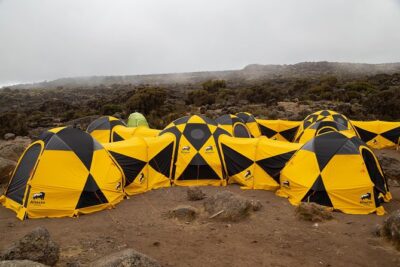
- Camping equipment, including tents, sleeping pads, and sleeping bags, plus chairs and tables
- Fair wages to guides and porters
- Emergency oxygen, a first aid kit, and a Pulse Ox meter
- Treated water during the trek
- Two nights in Moshi hotels on arrival and the night after your hike
Meals are also included across the climb, which is a quiet but important part of comfort at altitude. You get breakfasts, lunches, and dinners during the hiking days, so you’re not hunting food on the trail or timing snack runs while your body is busy adjusting.
One practical point: the trek includes pickup around 8:00 am on Day 1 from your hotel, with pre-hike formalities handled after you arrive at Lemosho Gate. If you like knowing that paperwork and timing are taken care of, this style of service matters.
The one major extra cost listed is your visa (USD 50). Also remember, this experience runs in mountain conditions and requires good weather, so plan for some possible date changes if conditions are unsafe.
Day 1: Lemosho Gate to Big Tree Camp through Lemosho glades
You start the day with a hotel pickup around 8:00 am. Then you transfer to Lemosho Gate for the pre-hike process, which Nafika handles before you begin your trek. It’s not the most glamorous part of the mountain experience, but it keeps your morning from becoming a scramble.
Your first hike is through forest. The plan is about 7 km (4.3 miles) and roughly 4 hours to Big Tree Camp. That might sound short, and for Kilimanjaro it is. The point is to get your body moving, settle into the routine, and start adjusting your pace to altitude.
This is also the day where you’ll feel the contrast between normal travel and expedition travel. You’re carrying less than you might on a solo hike, since the camping setup is part of the service. You’ll still want to dress smartly, layer up, and keep your breathing steady. Many first-timers overdo the pace early. A calmer start usually pays off later.
Meals are included (breakfast, lunch, dinner), and you’ll be sleeping at Big Tree Camp. Expect the first night to feel like the beginning of the real rhythm, lights out earlier than you’re used to, with colder air around the edges.
Lemosho itineraries worth reading next
Day 2: Shira 1 and Shira 2, plus Kibo Peak framed by clouds
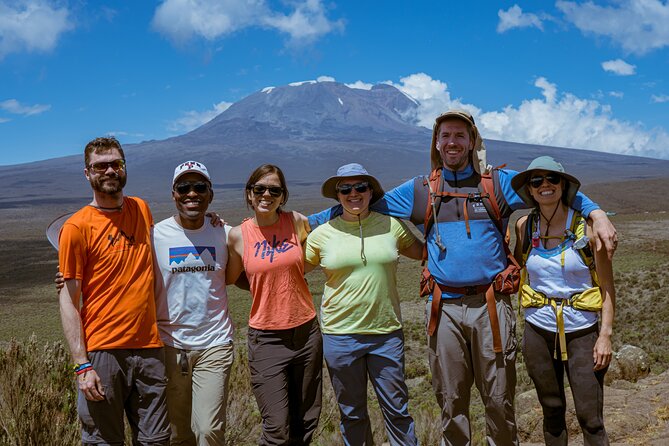
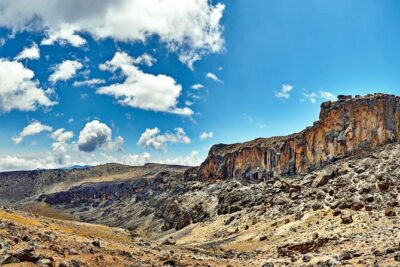
Day 2 is longer, and it’s where the route starts to show its range. You’ll cover about 16.5 km (10.3 miles) in 9 to 10 hours. The walking moves over a plateau of grassy moorland and heather, with volcanic rock formations breaking up the trail.
Parts can be steep, but the challenge is still manageable if you keep your pace conservative. The real reward comes from the views. At Shira 1 Camp, you may see Kibo Peak floating on the clouds. After a break, you continue to Shira 2 Camp, where the Northern Ice fields come into view.
This day is also about acclimatization through steady effort. You’re gaining altitude gradually, and the combination of terrain and pace is meant to help your body adapt. If you tend to feel impatient, treat that impatience as a sign to slow down. On Kilimanjaro, slow usually means steady, and steady usually means you feel better later.
Day 3: Lava Tower (4600 m) then down to Baranco Camp for real acclimatization
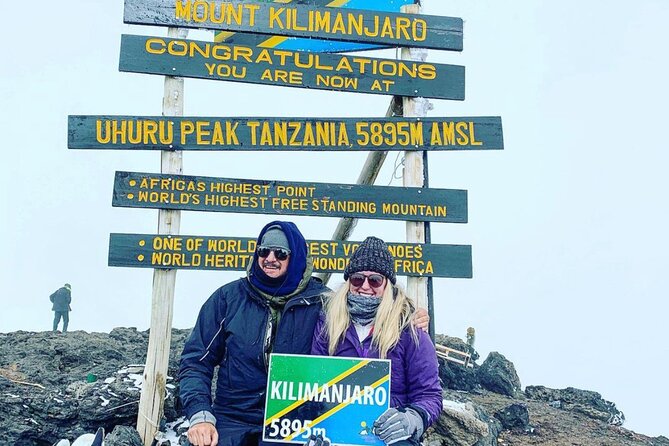
This is the classic acclimatization strategy: go higher, then sleep lower. It helps your body deal with altitude stress while reducing how much you push upward by the end of the day.
You head into alpine desert and climb toward Lava Tower (4600 m). Then you descend to Baranco Camp (3900 m). The day takes about 6 hours, with around 10 km of trekking.
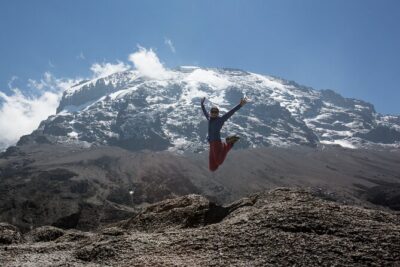
The best part isn’t just the elevation lesson. The descent offers photo opportunities with views of the Western Breach and the Baranco wall. The campsite sits in a valley below the Barranco wall, which gives you that moment at sunset when the mountain feels huge and strangely personal at the same time.
If you’re the type who gets discouraged by going uphill, remember this structure is designed to help you succeed. It can feel like you’re doing more work, but you’re also giving yourself a better night of sleep at a lower altitude than a straight-up day would allow.
Day 4: Barranco Wall and Karanga Valley with glacier views overhead
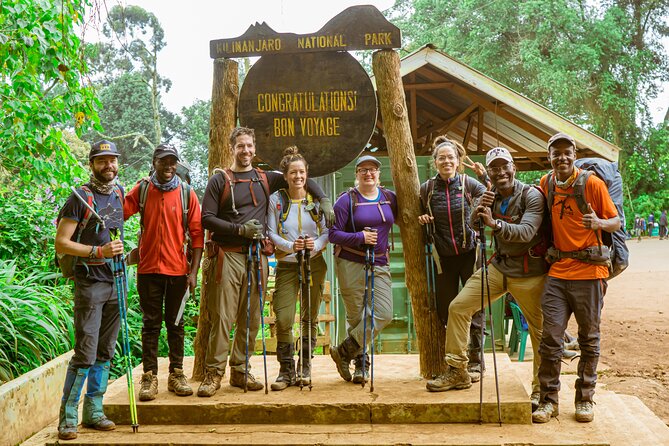
Day 4 is shorter than Day 3, but it includes the famous obstacle. After breakfast, you continue up a steep ridge to the Barranco wall. Then you climb it. It can look imposing, but the plan describes it as easier than it appears.
From there, you pass underneath Heim and Kersten glaciers. This is one of those days where the mountain’s scale hits you in a physical way. You’re not just looking at altitude. You’re moving under glacier terrain while your body processes thinner air.
Next, you head toward the Karanga valley. From camp, you can look east and see Mawenzi. The day also includes a hot lunch, then an afternoon that is intentionally flexible. The guidance is to rest and nap, especially since the summit push is coming soon. For me, this is where expedition success is built. You don’t win with effort alone. You win by protecting energy.
Day 5: Barafu Camp (4640 m), early dinner, and summit alarms around midnight
Day 5 moves you to the summit staging area. You hike to Barafu Camp (4640 m) with about 4 km covered and around 4 hours of hiking. The habitat is alpine desert, so you’ll likely feel the cold more than earlier days.
On the way, you get views of Kibo and Mawenzi peaks. When you arrive, lunch is provided, and then the afternoon is quiet. You’ll want that time in your tent, because dinner is early and then you sleep with alarms set around midnight.
That midnight wake-up is the reality of Kilimanjaro. The summit attempt is timed to conditions and sunrise light. But the bigger reason is energy management. Your body needs a stable routine, not a chaotic night.
This day also tests your ability to be comfortable when you’re uncomfortable. If you tend to fidget, focus on small things: slow breathing, keep drinking where you can, and follow your team’s plan.
Day 6: Stella Point at sunrise, Uhuru Peak soon after
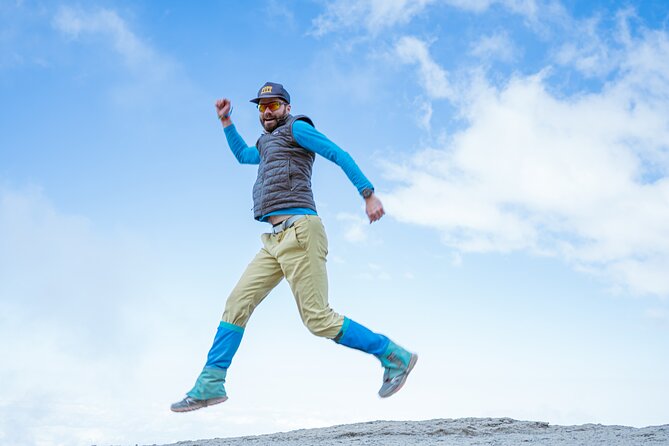
This is the day that most people remember forever, even if it also scares them first. You’re awoken at midnight with light tea and breakfast. Then you begin a 4 to 5 hour climb, gaining incredible height over a short distance.
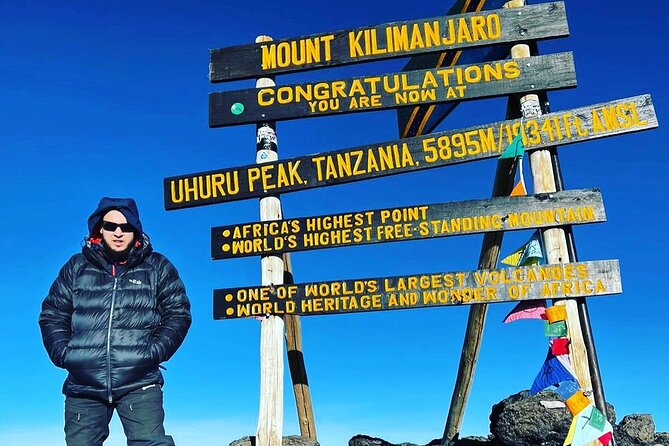
As the sun begins to rise, the views are described as spectacular. You should reach Stella Point (5756 m) as the first rays hit. Then it’s about 1 more hour to Uhuru Peak (5895 m).
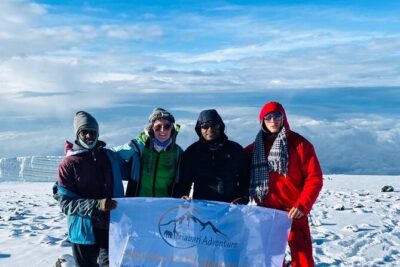
Once at Uhuru, you celebrate and get photos taken so you can share proof with people back home. Then you start the descent to Barafu Camp for lunch and rest. The total day can run around 12 hours, so it’s not just one push. It’s a whole cycle of climbing, standing in thin air, then backing down safely.
A small but important practical note: on the summit day, your pace matters more than your speed. You’re not trying to win a race against your legs. You’re trying to get your breathing under control so your body keeps functioning in low oxygen.
Day 7: Millennium campsite to Mweka Gate, certificates, and that first warm shower
The final day begins with breakfast and then the descent. You have a couple of hours of walking from the Millennium Campsite to Mweka Gate, where you collect your certificates. After that, you say goodbye to your guides and get a private car back to your hotel in Moshi.
You’re moving through montane forest as you finish, which means the air can feel more forgiving than the high camps. It’s also when the trek feels real in a different way. You’re tired, but you’re not fighting the worst air anymore.
The day covers about 14 km and takes roughly 5 hours. Meals are included (breakfast and lunch). Then it’s time for the cold shower to leave your memory and the warm one to take over.
The Nafika crew, organization, and safety touches that help you feel in control
A lot of Kilimanjaro success is invisible. It’s timing. It’s camp setup. It’s knowing when to slow down and when to push. This is where Nafika’s reputation shows up, especially around communication and organization.
In the planning and on the mountain, Elias is highlighted as a key person for organization and responsiveness. On the trail, guide crews you might encounter include names like Eli, Benson, Frank, and Sebastian. Even without memorizing every name, the pattern is clear: you’re supported by professionals who focus on the details that keep your trip running.
Safety tools are also part of the package: emergency oxygen, a first aid kit, and a Pulse Ox meter. That doesn’t magically remove altitude risk, but it does mean the team is equipped to monitor and respond during critical moments.
Another ethical and practical plus: this includes fair wages for guides and porters, and it includes treated water during the trek. Water and hydration are not glamorous, but they’re central to feeling steady.
Because this is a private tour, it’s also only your group participating. That matters for comfort and pace. You spend less time negotiating group dynamics and more time focused on your own breathing.
Who should book this private 7-day Lemosho route from Moshi
This climb suits you if you want:
- Scenic variety, from rainforest to moorland and alpine zones
- A route that balances views with an acclimatization structure
- A private setup where logistics feel handled
- Built-in expedition basics, including camping gear, meals, and medical support tools
It’s also a good fit for couples and small groups who want a shared plan with no competing priorities. People with a moderate fitness level are the target. If you can hike steadily and manage long hours, you’ll be in the right zone.
The main consideration is simply effort and time commitment. You’re looking at long hiking days, a summit night that starts around midnight, and a final day of descent that still takes several hours.
Should you book Nafika’s private Lemosho climb?
If you want the classic Kilimanjaro combination of scenic Lemosho trekking plus a tightly managed expedition, this package makes a lot of sense. The strongest decision-maker for me is the mix of included camping gear, meal coverage, and safety equipment like emergency oxygen and a Pulse Ox meter, paired with a route structure that includes acclimatization rather than nonstop upward grinding.
Book it if your priority is a well-run climbing experience, scenic variety, and clear support from Elias and the guide team. Consider it carefully if you’re not ready for long days and a summit push starting at midnight, because the mountain does not care about good intentions.
If conditions turn unsafe due to weather, the experience notes that you can be offered another date or a full refund, which reduces risk when planning around mountain variability.
FAQ
Where does this Kilimanjaro climb start, and what altitude is Lemosho Gate?
The climb starts at Lemosho Gate, which is listed at 2360 meters.
How long is the trek, and what kind of trip is it?
This is a 7-day private Kilimanjaro hike on the Lemosho route. It’s described as private, so only your group participates.
What is included in the price for this 7-day Lemosho route?
The price includes private transportation, all fees and taxes, camping equipment (including tents, sleeping pads, sleeping bags, chairs, and tables), fair wages to guides and porters, emergency oxygen, a first aid kit and Pulse Ox meter, treated water, two nights in Moshi hotels (arrival and after the hike night), and breakfast, lunch, and dinner during the trek days.
What does the itinerary say about the summit day timing?
The summit day starts with you being awoken at midnight with light tea and breakfast. You climb to Stella Point (5756 m) as sunrise begins, then continue about 1 hour to Uhuru Peak (5895 m), and later descend back to Barafu Camp for lunch and rest.
Is the visa included in the tour price?
No. The visa is not included and is listed as USD 50.
What happens if the climb is canceled due to poor weather?
If the experience is canceled due to poor weather, you’ll be offered a different date or a full refund.
Lemosho, Compared
- Kilimanjaro climb by Lemosho Route (7-day)
★ 5.0 · 651 reviews - Kilimanjaro Climbing Lemosho Route 8 Days.
★ 5.0 · 186 reviews - Kilimanjaro climb, Lemosho Route (8-day)
★ 5.0 · 148 reviews - Kilimanjaro climb, Lemosho Route (6-day)
★ 5.0 · 129 reviews - Kilimanjaro Lemosho Route
★ 5.0 · 71 reviews
Kilimanjaro, Route by Route
- Kilimanjaro climb by Lemosho Route (7-day)
★ 5.0 · 651 reviews - Kilimanjaro climb, Machame Route (7-day)
★ 5.0 · 262 reviews - Kilimanjaro Climbing Lemosho Route 8 Days.
★ 5.0 · 186 reviews - Climbing Kilimanjaro – Machame Route
★ 5.0 · 170 reviews - Climbing Kilimanjaro through 7 days Machame Route
★ 5.0 · 151 reviews
Just added from around Moshi
Kilimanjaro Lemosho Route, compared.
 ★ 5.0Kilimanjaro climb by Lemosho Route (7-day)From $3,476651 reviews
 ★ 5.08-Day Small-group Lemosho Kilimanjaro Summit TrekkingFrom $2,895186 reviews
 ★ 5.0Kilimanjaro Climbing Lemosho Route 8 Days.From $2,300186 reviews
 ★ 5.0Kilimanjaro climb, Lemosho Route (8-day)From $3,975148 reviews
 ★ 5.0Kilimanjaro climb, Lemosho Route (6-day)From $3,034129 reviews
 ★ 5.0Kilimanjaro Lemosho RouteFrom $2,89071 reviews
 ★ 5.0Climbing Kilimanjaro through 8 days Lemosho RouteFrom $2,76052 reviews
 ★ 5.08 Days Kilimanjaro Hike via Lemosho RouteFrom $2,35039 reviews
Browse the lists this tour appears in